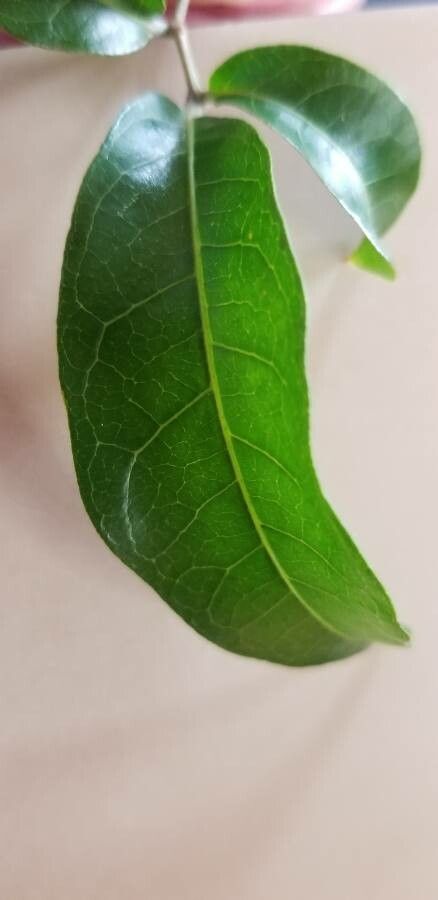
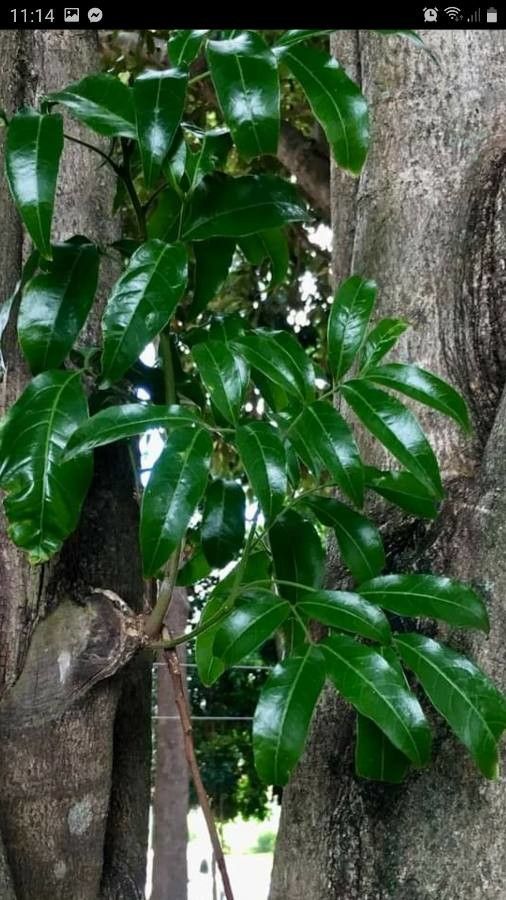
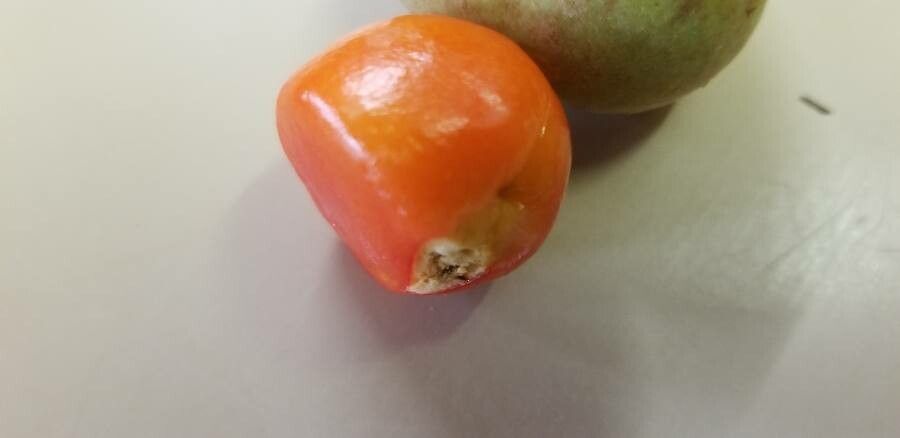
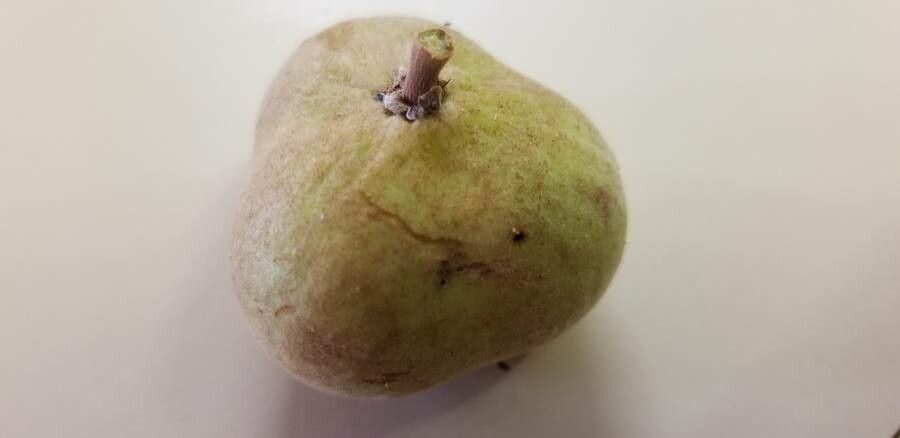
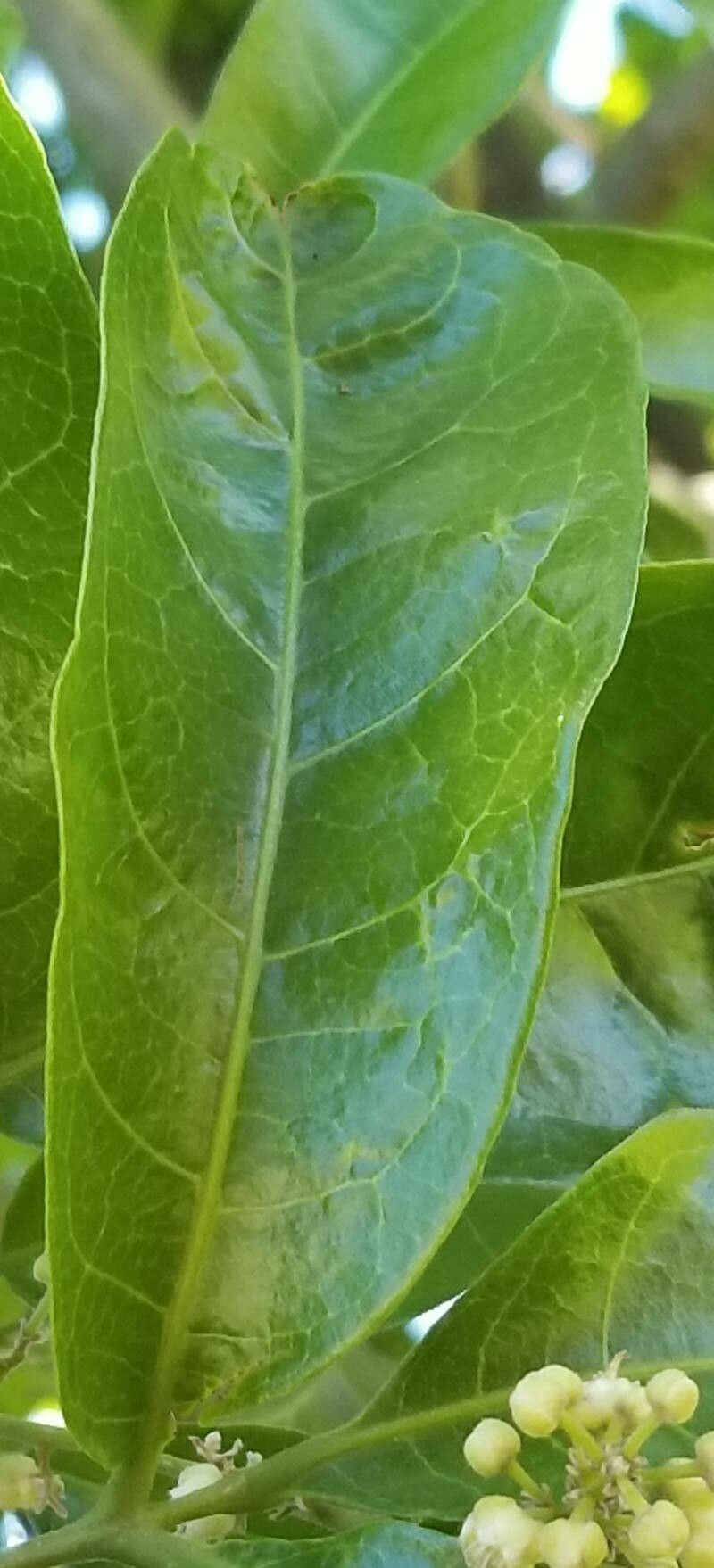
Diploglottis australis, known as the native tamarind, is a well known rainforest tree of eastern Australia. It is easily identified by the large sausage shaped leaflets. The native tamarind grows in a variety of different rainforests, on basaltic and rich alluvial soils. The southernmost limit of natural distribution is Brogo near Bega (36° S) in New South Wales. They grow naturally along the east coast, northwards to near Proserpine (20° S) in tropical Queensland.
Diploglottis cunninghamii is resistant to disease and is generally not prone to illnesses. Regarding care, this plant is fairly low maintenance. When grown outdoors it needs only minimal watering, and larger plants usually do not require pruning. Smaller plants, however, should be pruned after they have finished blooming. Diploglottis cunninghamiit is suitable for anyone with outdoor space, like a garden or deck, and does not demand much gardening experience.
How to keep Diploglottis Cunninghamii.
Light
Diploglottis cunninghamii occurs naturally in habitats like forest understories or rocky areas, where it grows in natural shade. It prefers partial sun but can tolerate full sun or full shade, showing its versatile and hardy nature.
Temperature
Diploglottis cunninghamii is quite adaptable to heat, tolerating higher temperatures and wider temperature swings. During hot periods, care should be taken to water appropriately and offer some shade to avoid sunburn. On the other hand, Diploglottis cunninghamii is less tolerant of cold. Although it can endure a certain amount of chill, very low temperatures may cause frost damage.
Fertilizer
Diploglottis cunninghamii requires adequate nutrients to achieve optimal fruit production. Apply fertilizer in early spring to encourage new growth and bloom development. Regular fertilization helps the plant stay healthy, produce more delicious fruit, and prevents nutrient-deficiency problems like yellow leaves and poor fruit production.
Pruning
Diploglottis cunninghamii features lush foliage and vibrant fruits. To care for this plant, prune it in early spring by removing dead branches and thinning crowded areas to improve air circulation. Maintain an open structure to allow sunlight to reach all parts of the plant. Avoid heavy pruning during the growing season to minimize stress and enhance both fruit production and overall plant vigor.
Botanical profile.
- Plant Type
- Tree
- Life Cycle
- Perennial
- Genus
- Diploglottis
- Family
- Sapindaceae
- Hardiness Zone
- 10-11
- Mature Height
- 14.94 m to 29.87 m
- Mature Spread
- 10.06 m to 14.94 m
- Leaf Color
- Dark Green, Forest Green
- Leaf Type
- Evergreen
- Flower Size
- 0.25 cm to 0.51 cm
- Bloom Time
- Mid fall, Late fall, Early winter
- Planting Time
- Spring
- Harvest Time
- Late winter, Early spring, Mid spring
Other names.