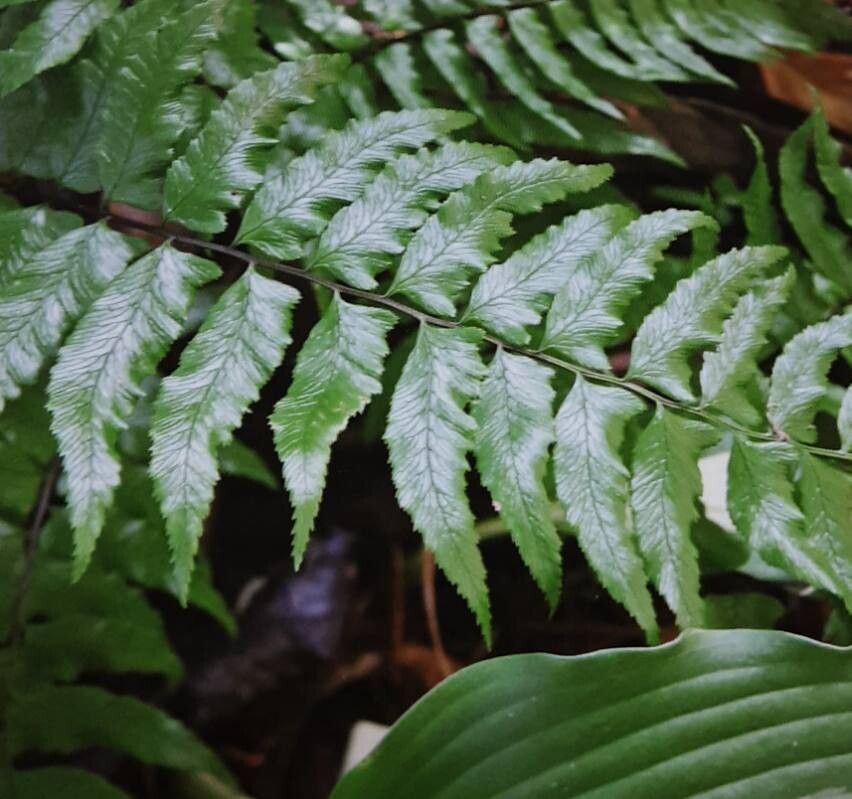
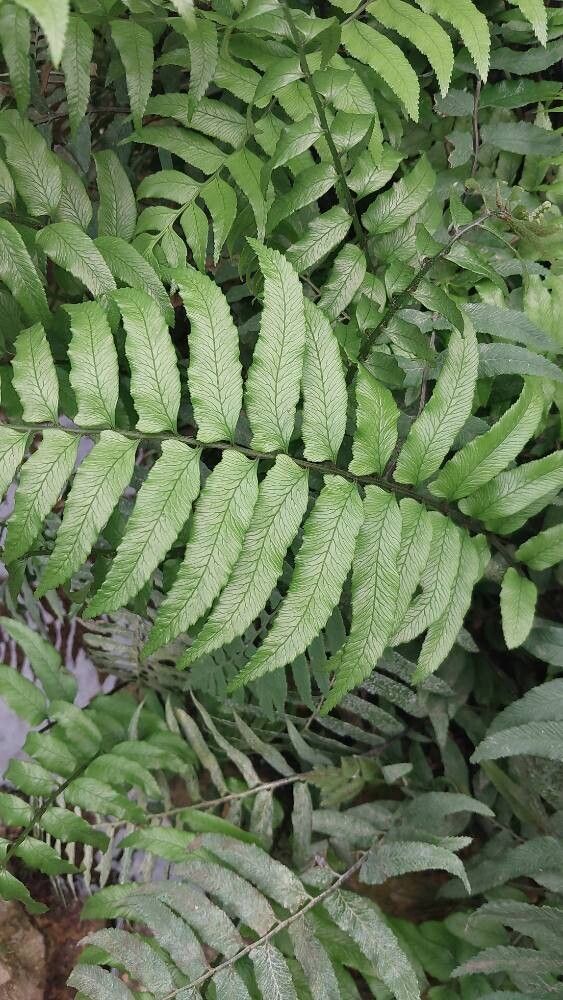
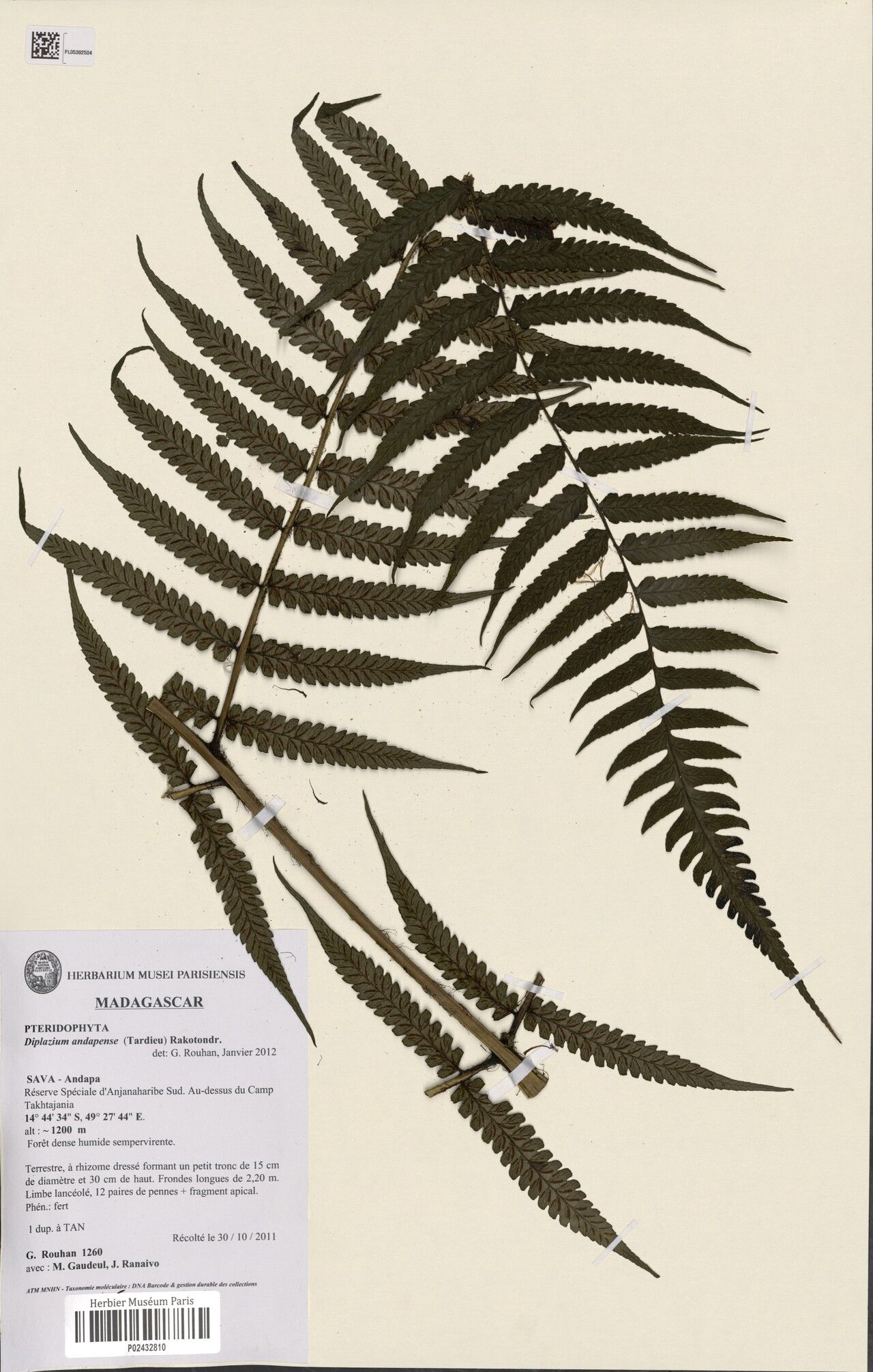
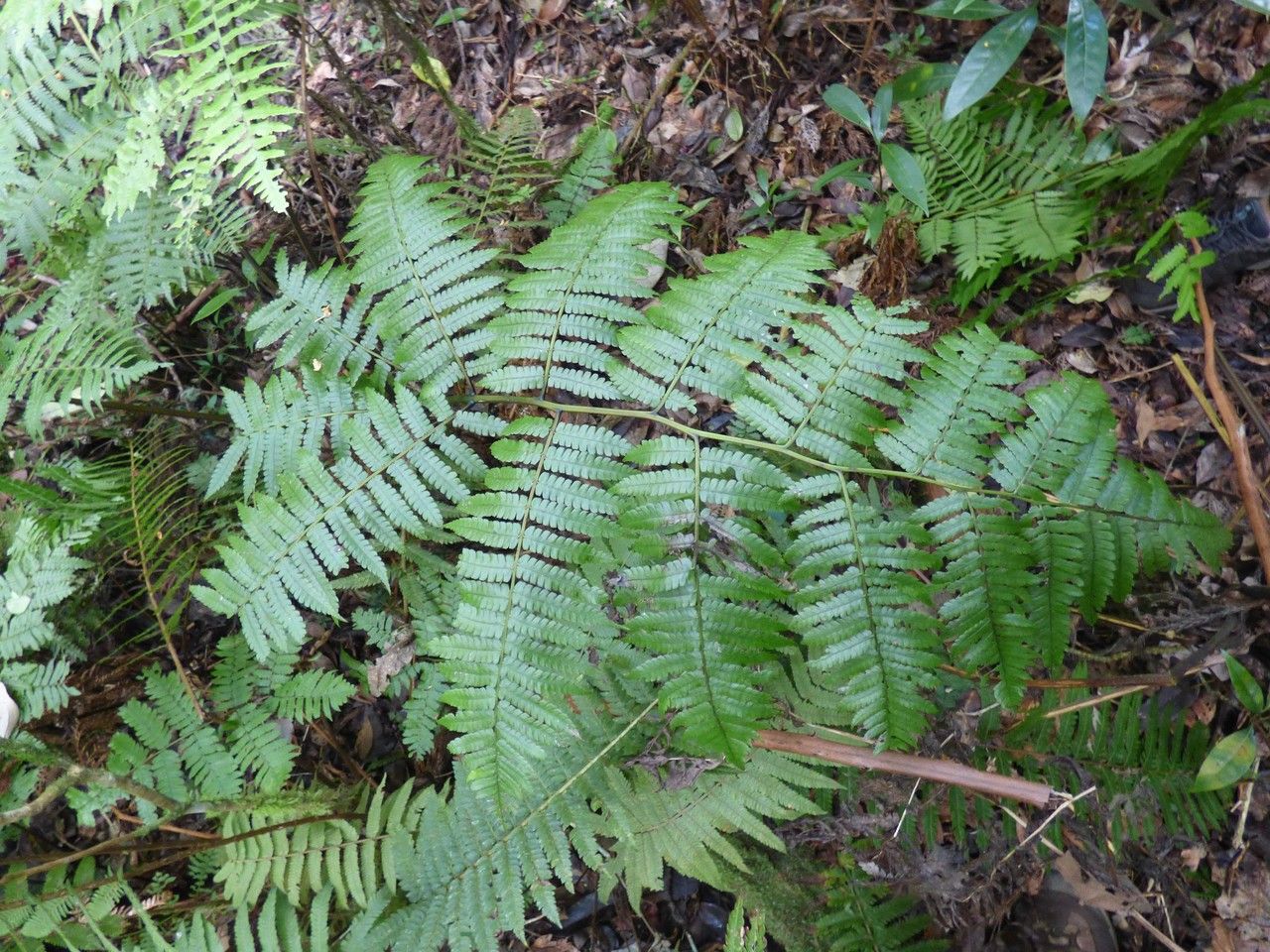
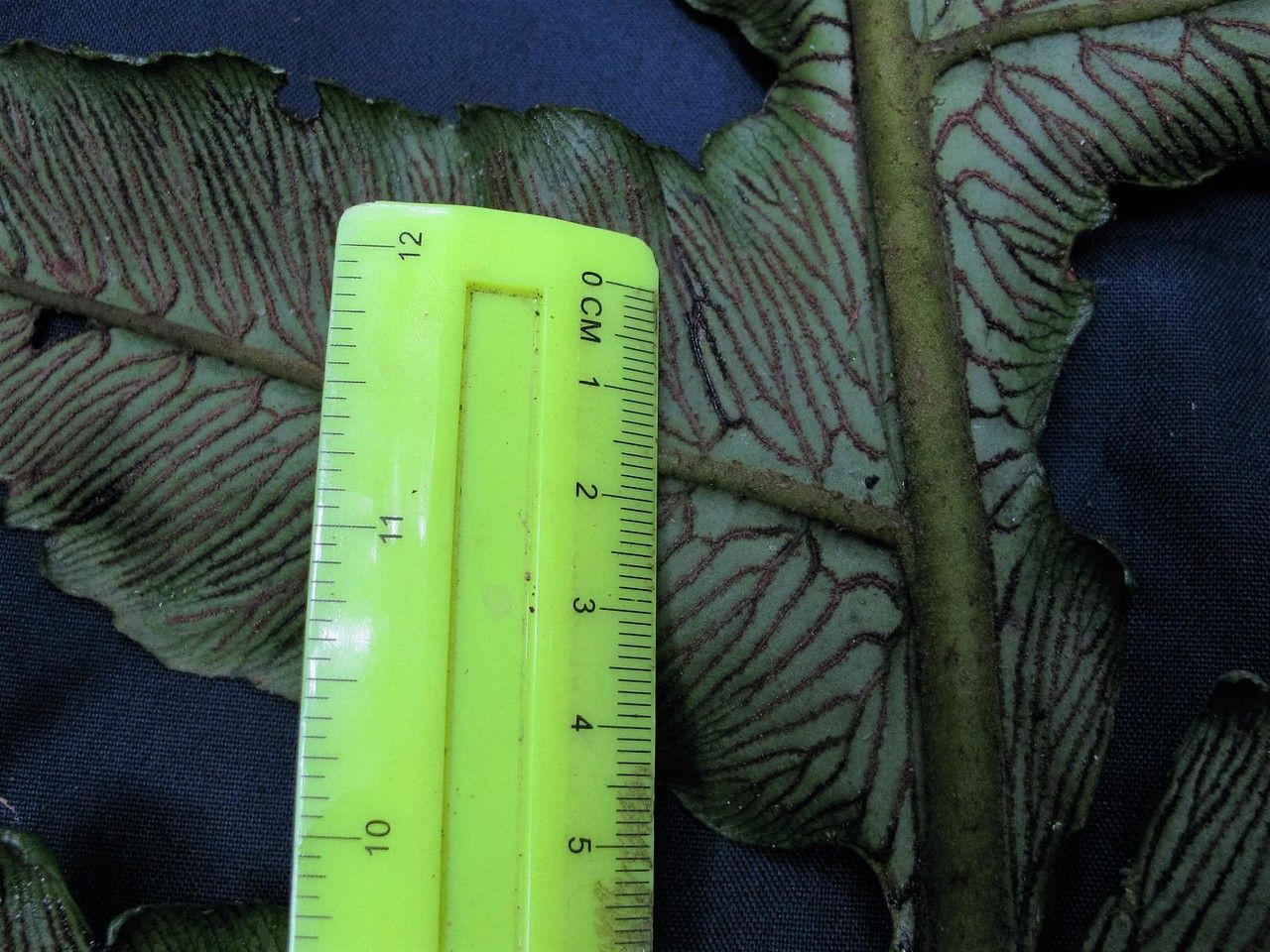
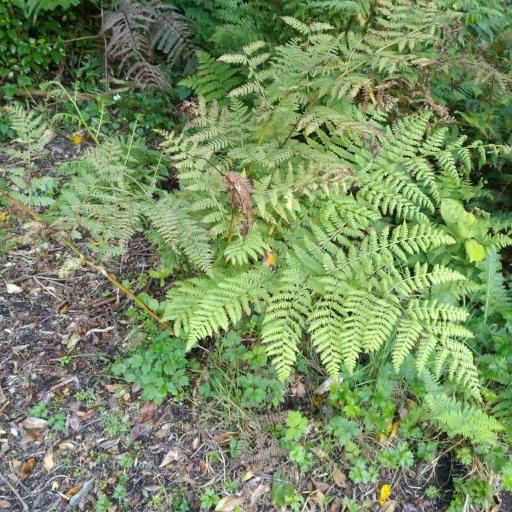
Big-ear twinsorus fern typically has strong disease resistance and faces relatively few insect pests. Its care is considered difficult because it needs a consistently moist environment and frequent watering. However, the roots can rot if it is overwatered or the surroundings are poorly ventilated. Big-ear twinsorus fern is suitable for people with some growing experience, since most individuals can keep it alive for a time. Still, the plant may struggle to thrive and its leaves can dry out and become less healthy over time.
How to keep Diplazium Wichurae.
Light
The Big-ear twinsorus fern is native to habitats such as forest understories or rocky regions that provide natural shade. It thrives best with Full Shade sunlight exposure, although it can also withstand Partial Sun conditions.
Temperature
The Big-ear twinsorus fern is native to tropical areas that are typically hot and moist. Its adaptation to hot and humid conditions is quite robust. It doesn't react well to rapid changes in temperature, and requires a steady temperature environment. So, it is crucial to prevent any swings in indoor temperature. Cold temperatures generally do not suit this plant, and it needs warmer conditions to flourish. A significant decrease in surrounding temperature can halt its growth or even cause it to perish.
Botanical profile.
- Plant Type
- Fern
- Life Cycle
- Perennial
- Hardiness Zone
- 7-10
- Mature Height
- 20 cm
- Mature Spread
- 40 cm to 76 cm
- Leaf Color
- Forest Green, Dark Green
- Leaf Type
- Evergreen
- Planting Time
- Spring, Summer
- Native Area
- South Korea, Japan, China
Other names.