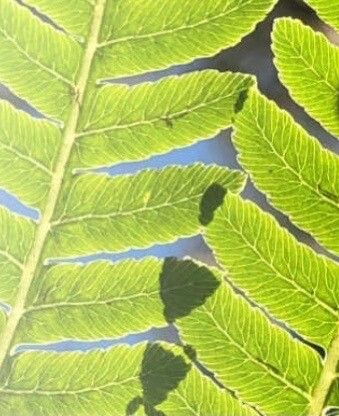
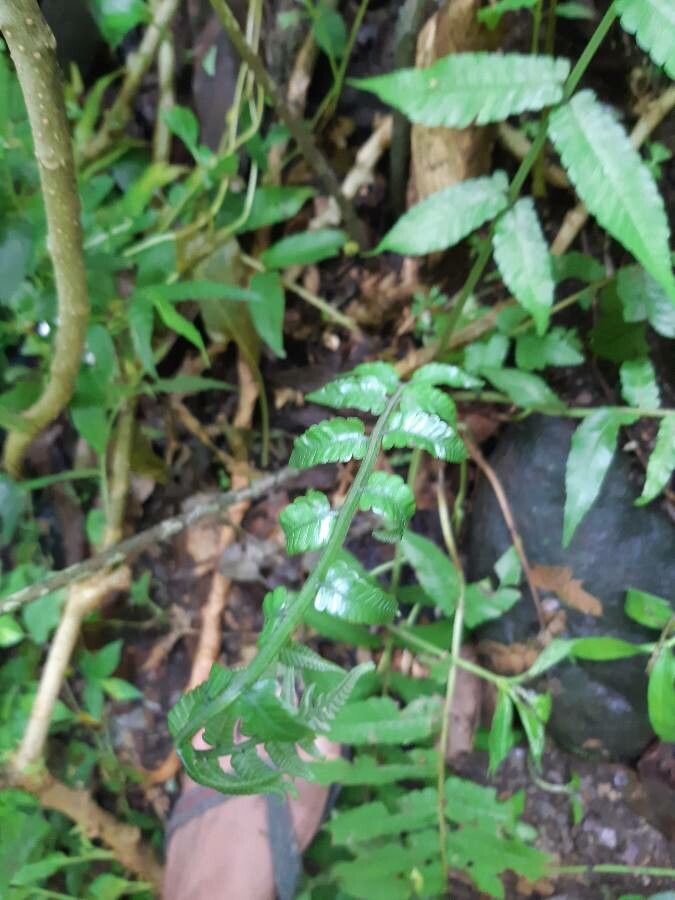
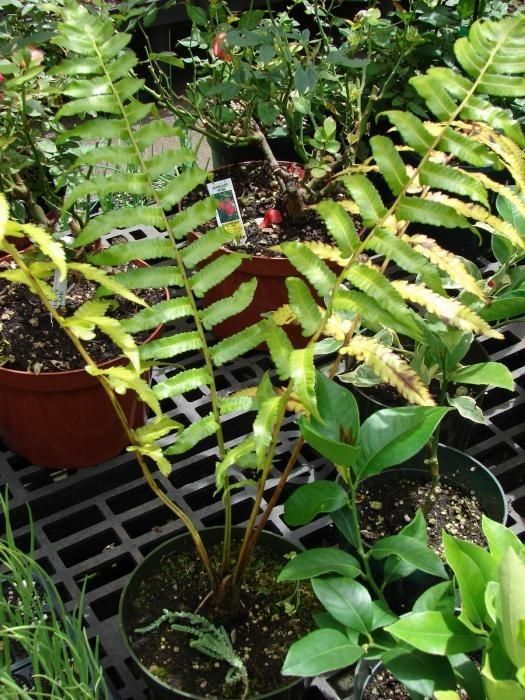
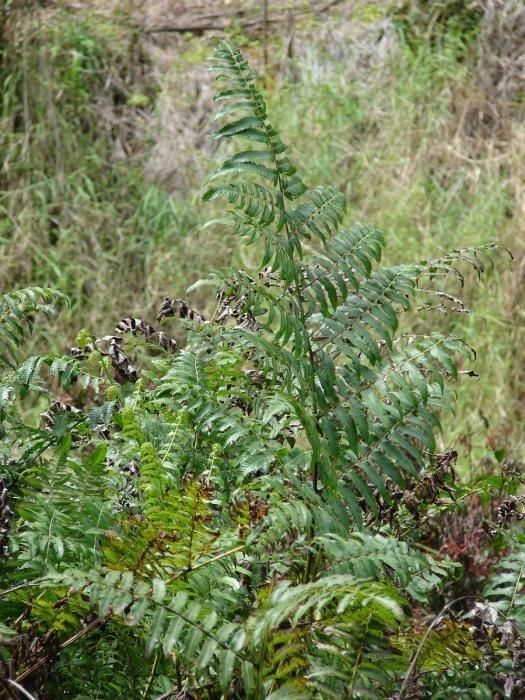
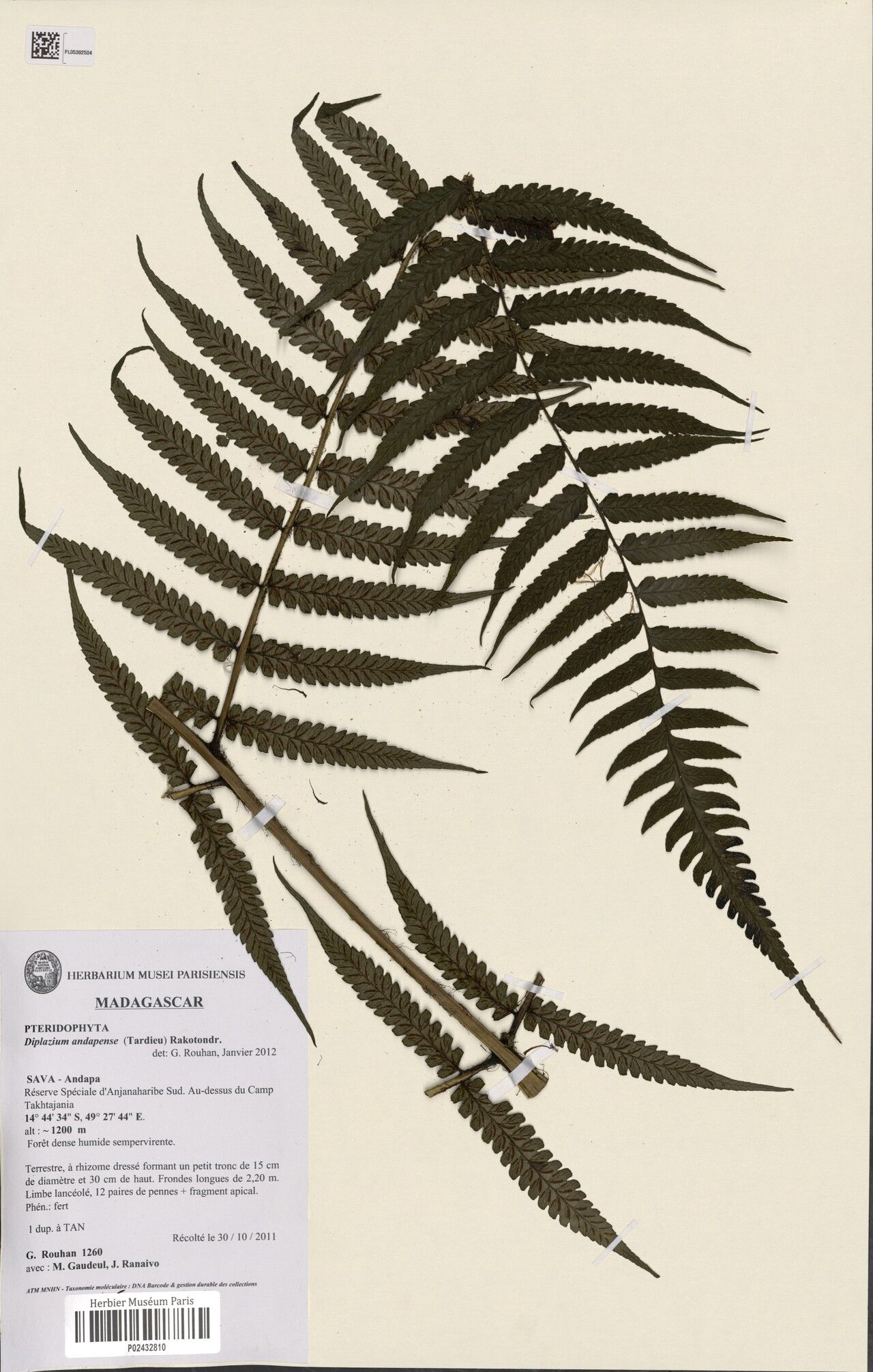
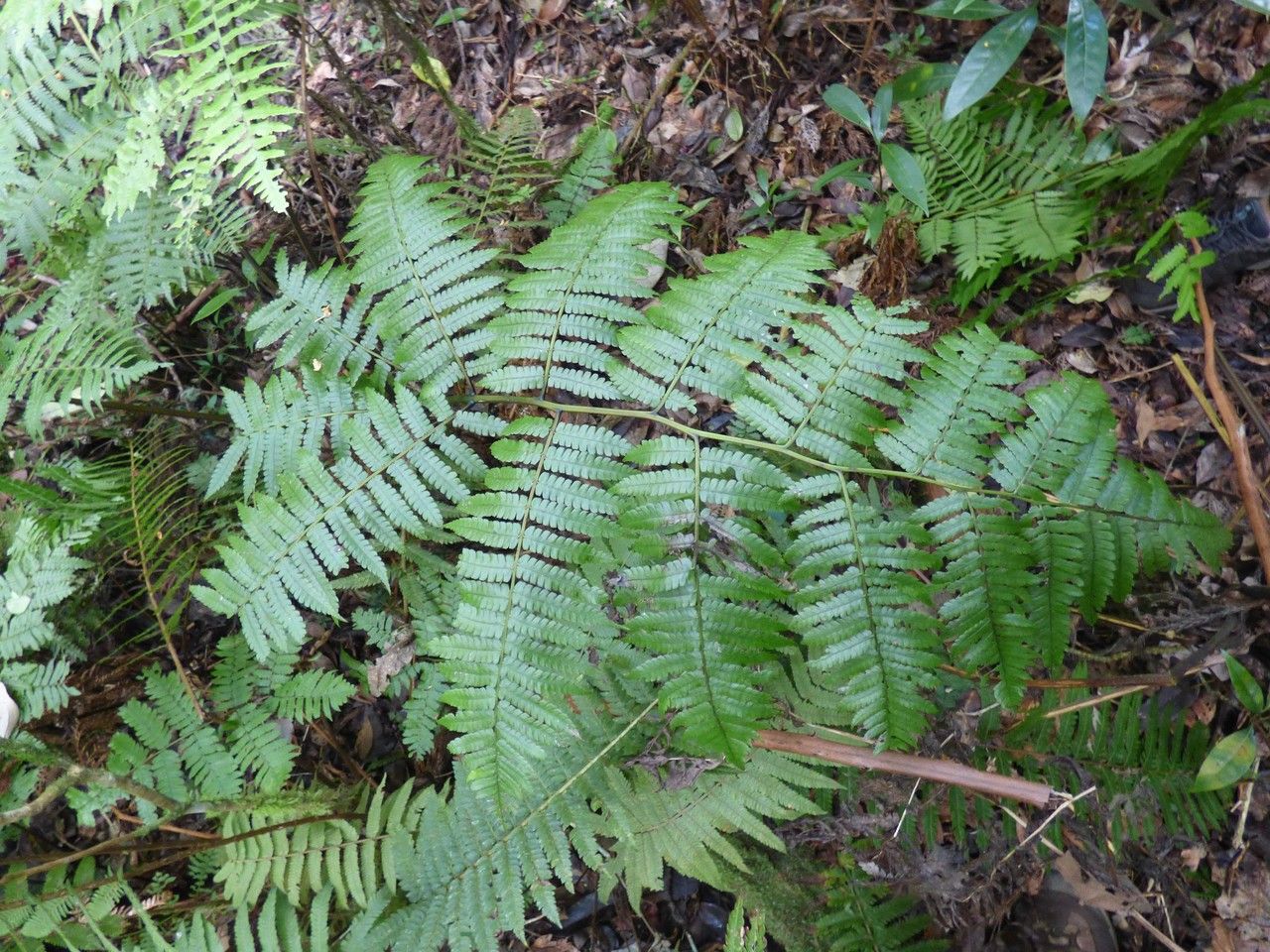
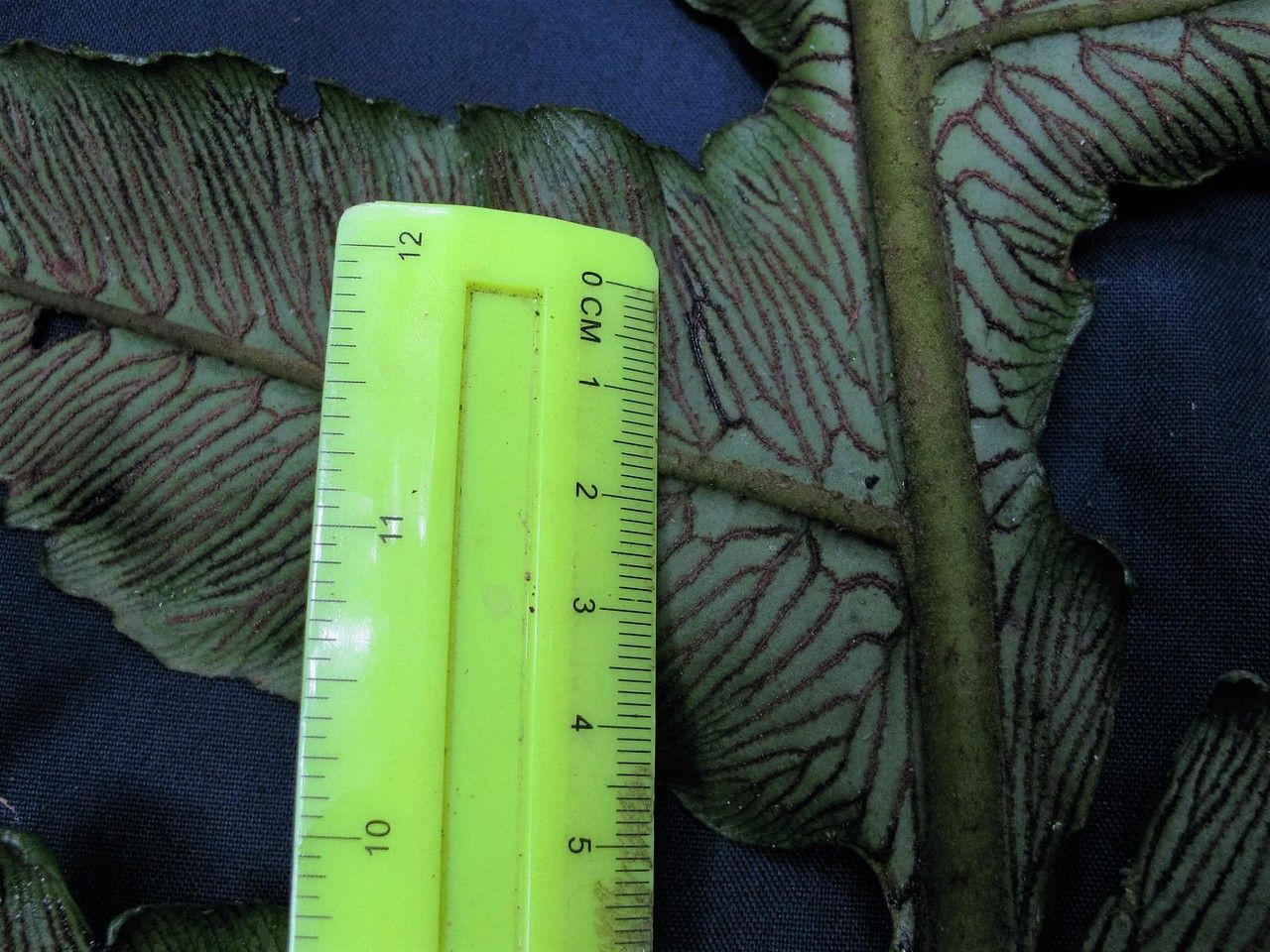
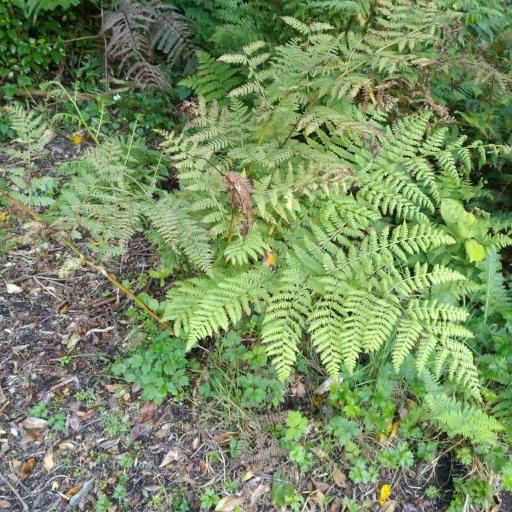
Diplazium esculentum, commonly known as vegetable fern or pakis, is a species of fern native to Southeast Asia and the Pacific Islands. This perennial plant can grow up to 1.5 meters tall, with fronds reaching up to 1 meter in length. The fronds are pinnate, featuring leaflets arranged on either side of the stem.
Traditionally, this plant has been used as a food source in many Southeast Asian countries, including Malaysia, Indonesia, and the Philippines. The young shoots, or fiddleheads, are harvested before they unfurl and can be consumed either raw or cooked in a variety of dishes such as stir-fries and soups.
In addition to its culinary uses, Diplazium esculentum possesses medicinal properties. It contains antioxidants that help prevent cell damage caused by free radicals and anti-inflammatory compounds that may help reduce inflammation in various parts of the body.
This fern thrives in moist soil conditions with partial shade but can tolerate full sun exposure if watered regularly. It is relatively easy to grow from spores but requires consistent watering and fertilization for optimal growth.
Overall, Diplazium esculentum is a fascinating plant with both culinary and medicinal applications, making it an excellent addition to any garden or farm. With proper care, it can flourish while providing numerous benefits to its users.
Vegetable fern has moderate resistance to disease and can be prone to problems such as leaf spot. Its level of vulnerability to insect pests depends on the variety, but most cultivars are not very resistant to pests. Regarding care, vegetable fern requires regular watering and fertilizing, and frequent removal of yellow leaves. It is important to address pests and diseases as they appear and to harvest the plant promptly. This plant is best for people who can commit some time and effort to routine care.
How to keep Diplazium Esculentum.
Light
Vegetable fern is native to habitats like forest understories or rocky places with natural shade. It prefers partial sunlight, though it can tolerate full sun when required. This flexibility lets it do well under a range of sunlight exposures.
Water
The vegetable fern flourishes in tropical rainforests where there is high humidity and prefers moist environments. For optimal growth, it needs to be watered weekly. As an evergreen plant, the vegetable fern keeps its leaves throughout the year, which means it requires a consistent supply of water to support its growth.
Temperature
Vegetable fern prefers moderate temperatures, roughly the same range people generally find comfortable. It does best in conditions that are neither too hot nor too cold. The main problem with high temperatures is the risk of sunburn, so providing some shade in summer is advisable to prevent excessive heat. When temperatures fall, Vegetable fern goes into a dormant state. If continuous growth is desired, it is necessary to maintain higher temperatures during winter. Frost can damage the plant and should be avoided.
Fertilizer
For maximum yield, the vegetable fern responds well to regular applications of a balanced fertilizer, especially formulations high in nitrogen. Apply fertilizer before planting, at the time of planting, and again when seedlings are 2 inches tall. Incorporating compost or manure also supplies nutrients continuously. A lack of adequate soil nutrients leads to underdeveloped leaves and stems, poorer flavor, thin stems, and possibly a bitter taste.
Pruning
Vegetable ferns benefit greatly from strategic pruning between early and late spring. This practice encourages healthier growth and increases yield. By removing dead fronds, you improve air circulation and reduce the risk of pests. Using clean tools is important to prevent the spread of disease, which in turn boosts the plant's overall vitality and productivity.
Botanical profile.
- Plant Type
- Herb
- Life Cycle
- Perennial
- Genus
- Diplazium
- Family
- Aspleniaceae
- Hardiness Zone
- 8-11
- Mature Height
- 20 cm
- Mature Spread
- 0.91 m to 1.52 m
- Leaf Color
- Green, Dark Green
- Leaf Type
- Semi-evergreen
- Planting Time
- Spring, Summer, Autumn
- Harvest Time
- Fall
- Native Area
- Nepal, Sri Lanka, India, Malaysia, Vanuatu, Philippines, Bangladesh, Pakistan, Laos, Fiji, China, Indonesia, Cambodia, Vietnam, Myanmar, Japan, Papua New Guinea, Bhutan, Singapore, Thailand
Other names.
Reader questions.
What are the sunlight requirements for a Vegetable fern?
Vegetable fern thrives in environments that mimic its natural habitat, such as forest understories or rocky areas, which are generally shaded. The plant prefers partial sun, requiring about 3-6 hours of sunlight daily. However, it can also tolerate full shade conditions, where it receives less than 3 hours of sunlight per day. It's crucial to observe how sunlight moves through your garden to find spots that offer a good balance of light and shade, ensuring the plant's health and happiness.
How do I use artificial lighting for my indoor Vegetable fern?
When natural sunlight is insufficient, especially during winter or in less sunny spaces, artificial lighting becomes essential for the growth of indoor plants like the Vegetable fern. To optimize growth, consider the following tips: Choose LED lights for their ability to provide specific wavelengths needed by the plants. Depending on the plant's sunlight needs, allocate 10-20W/sq ft for full shade, 20-30W/sq ft for partial sun, and 30-50W/sq ft for full sun plants. Position the light source 12-36 inches above the plant, mimicking natural sunlight and adjust the exposure to 8-12 hours per day to fulfill the plant's light requirements.
What are the common symptoms of light deficiency in Vegetable fern?
Vegetable fern can show various symptoms when subjected to insufficient light, including smaller new leaves, leggy or sparse growth due to elongated spaces between leaves or stems, premature leaf drop as a conservation measure, delayed or halted growth, pale or irregularly colored new leaves due to reduced chlorophyll, and symptoms of too much sunlight exposure like chlorosis (yellowing leaves), sunscald, curled leaves, wilting, and leaf scorching. These symptoms help in identifying whether the plant is experiencing less than optimal light conditions.
What solutions can I apply to manage light conditions for Vegetable fern?
To manage light conditions for Vegetable fern, follow these guidelines: For indoor plants, gradually increase sunlight exposure by moving them to sunnier spots each week or use artificial light sources like desk lamps or professional grow lights for at least 8 hours daily. For outdoor plants, similarly adjust their location to gradually expose them to more sunlight each week. Minimize obstructions like branches from trees, or consider transplanting smaller plants during their dormant period to locations with better sunlight and drainage. Note, parts of the plant affected by insufficient light may not recover, but new growth should be healthy with improved light conditions.