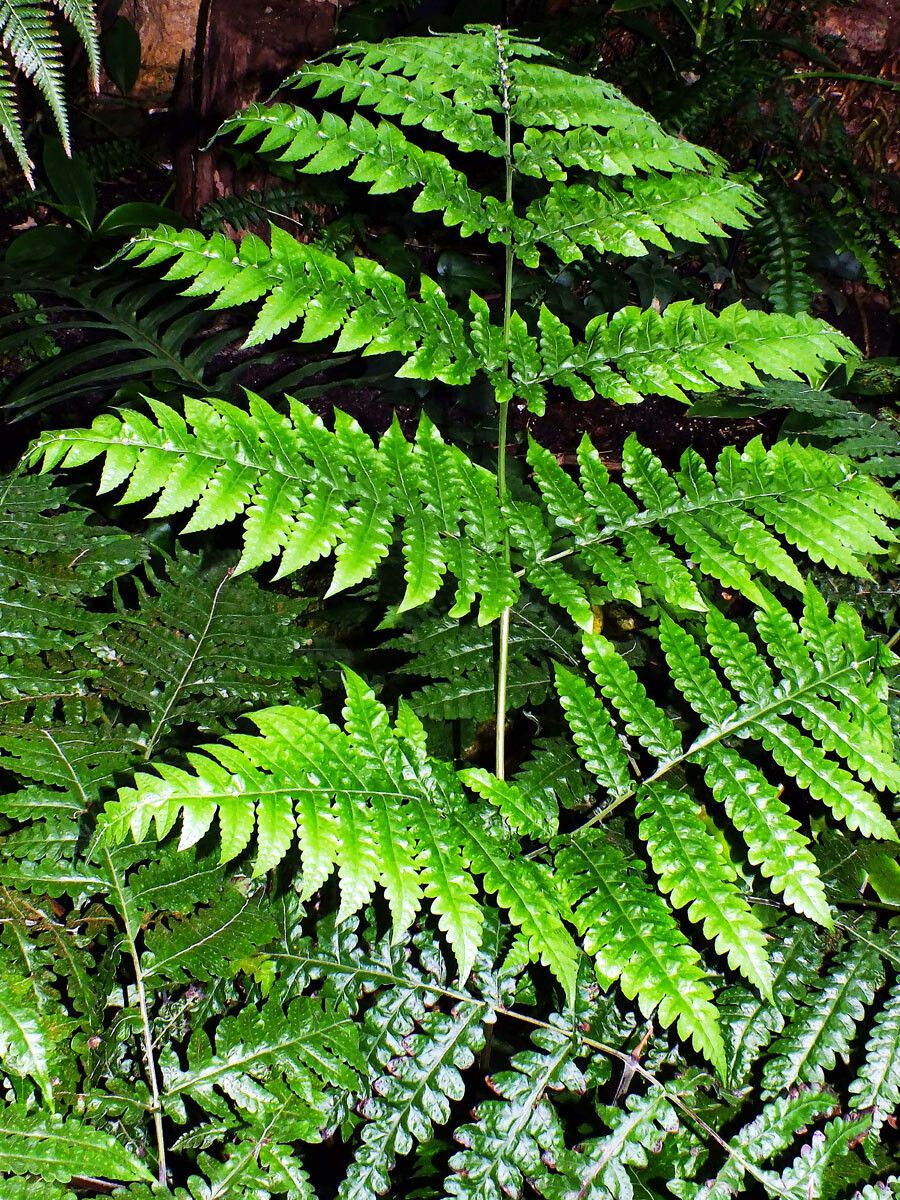
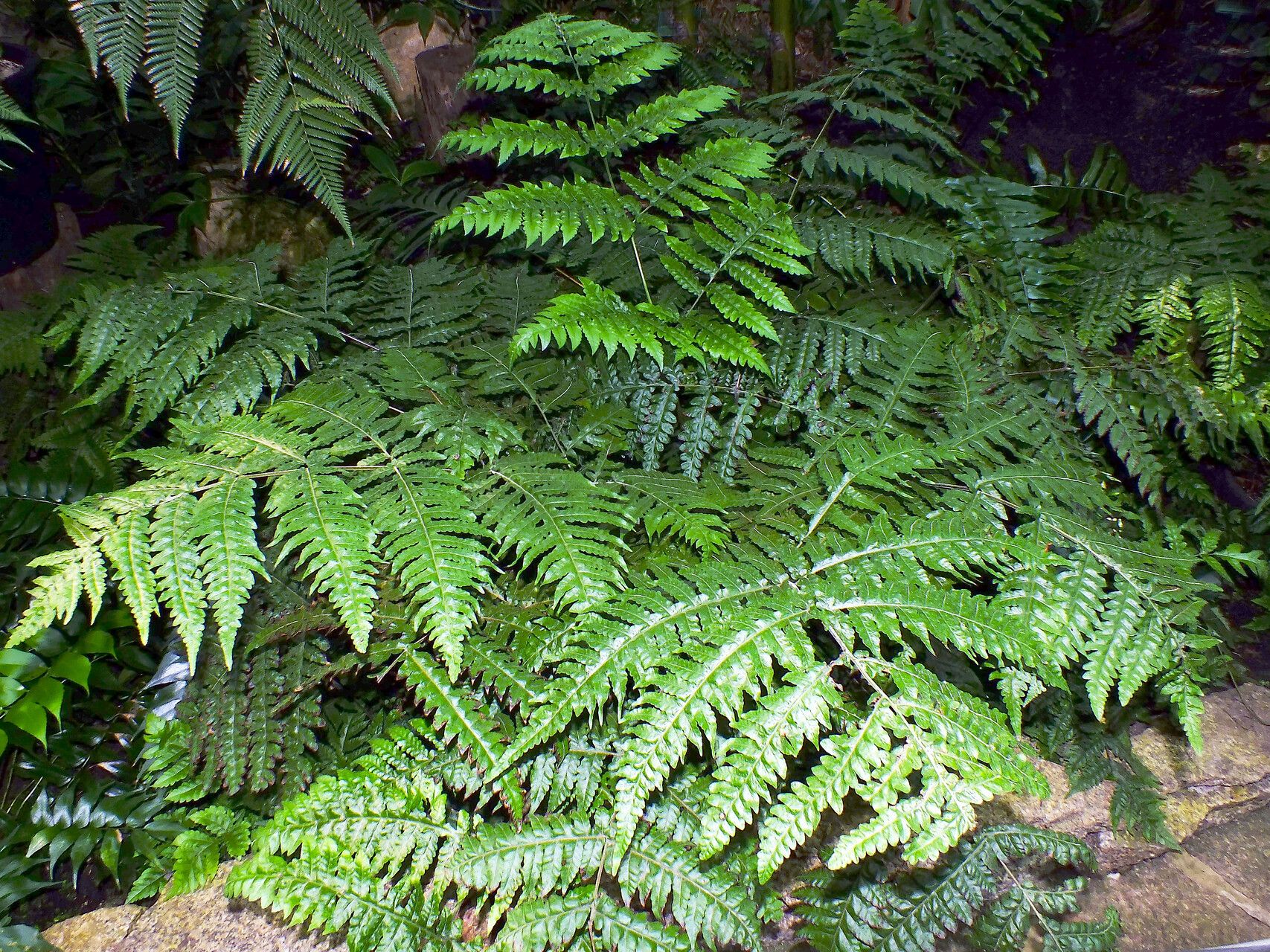
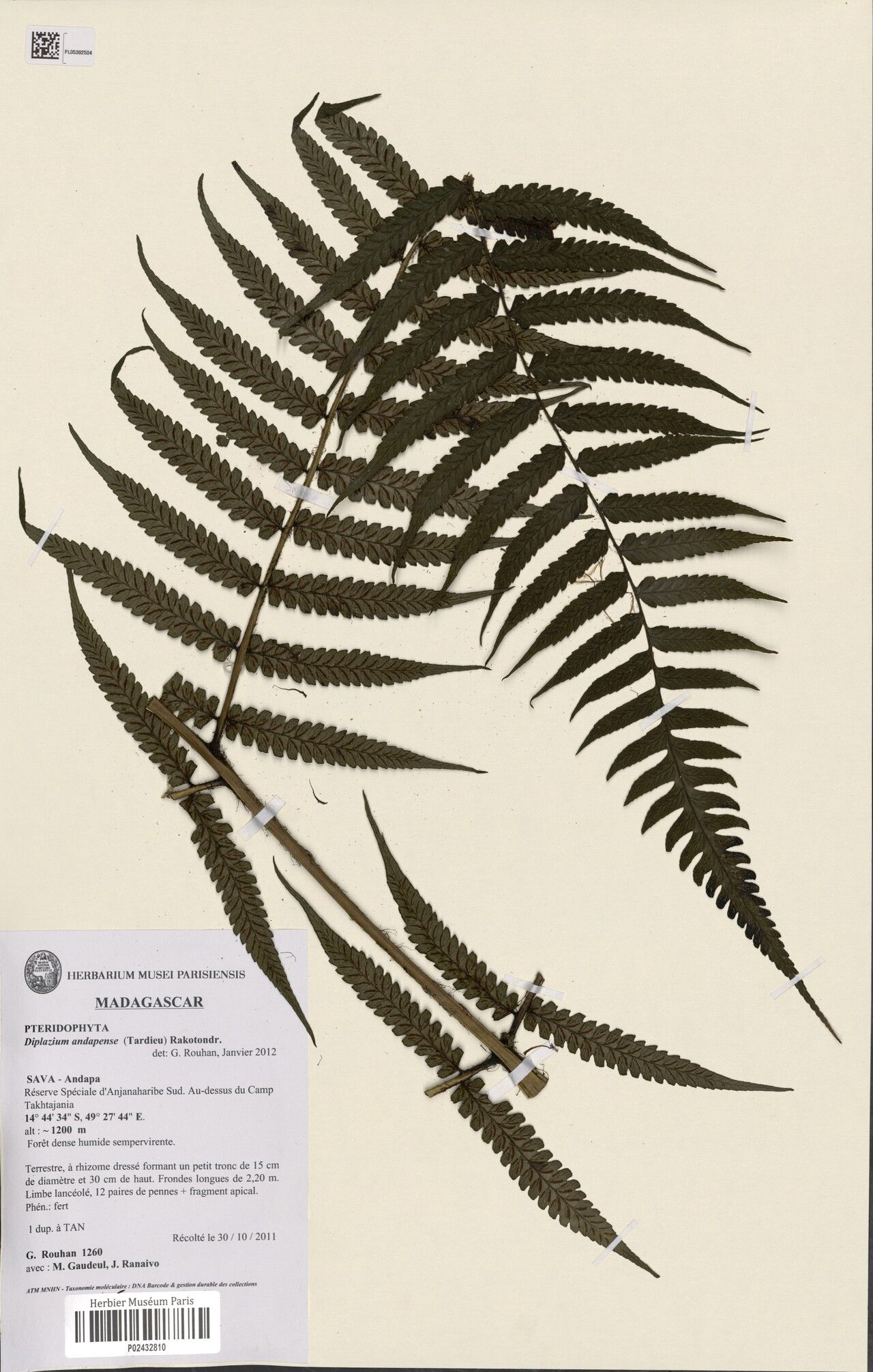
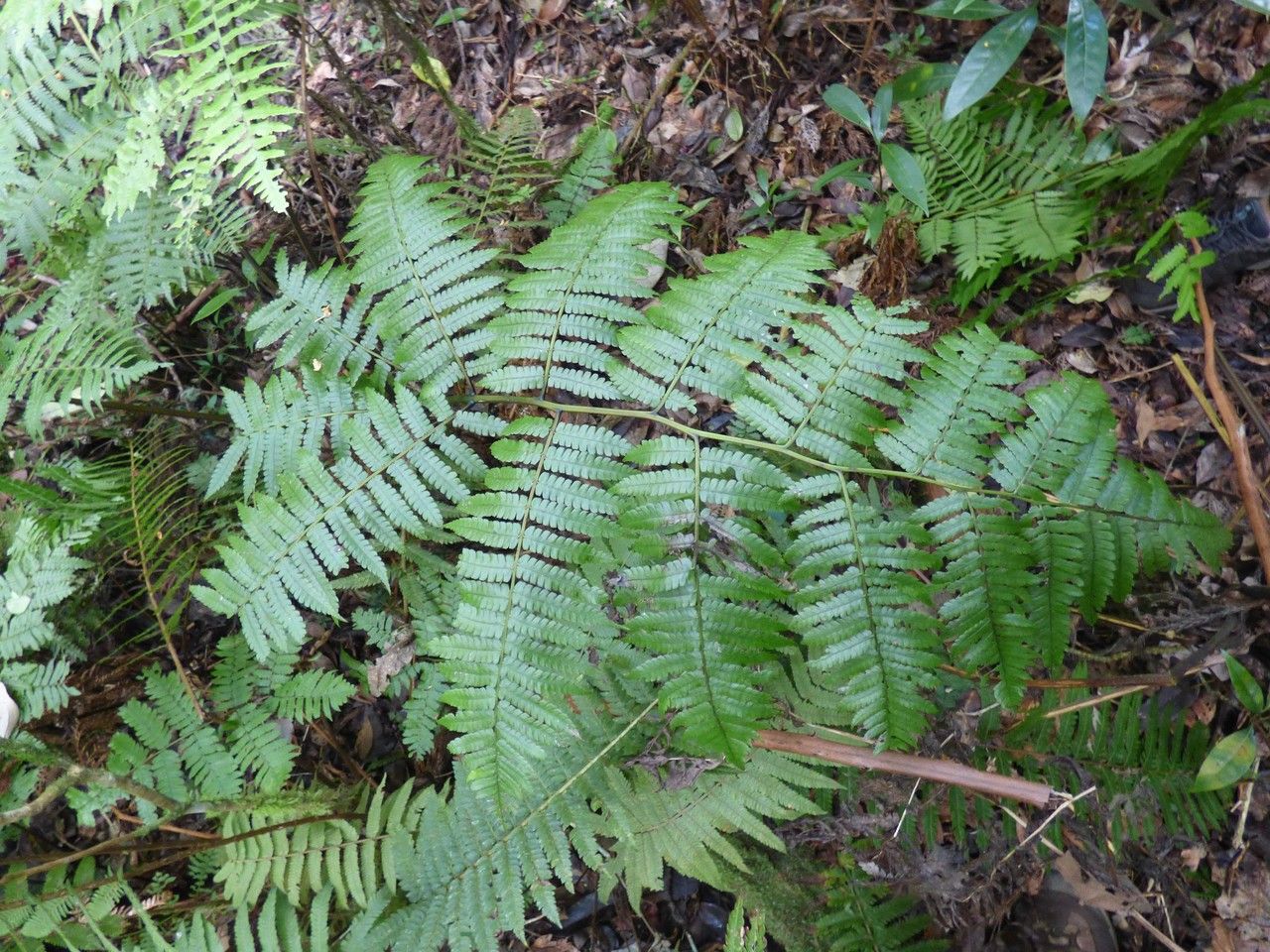
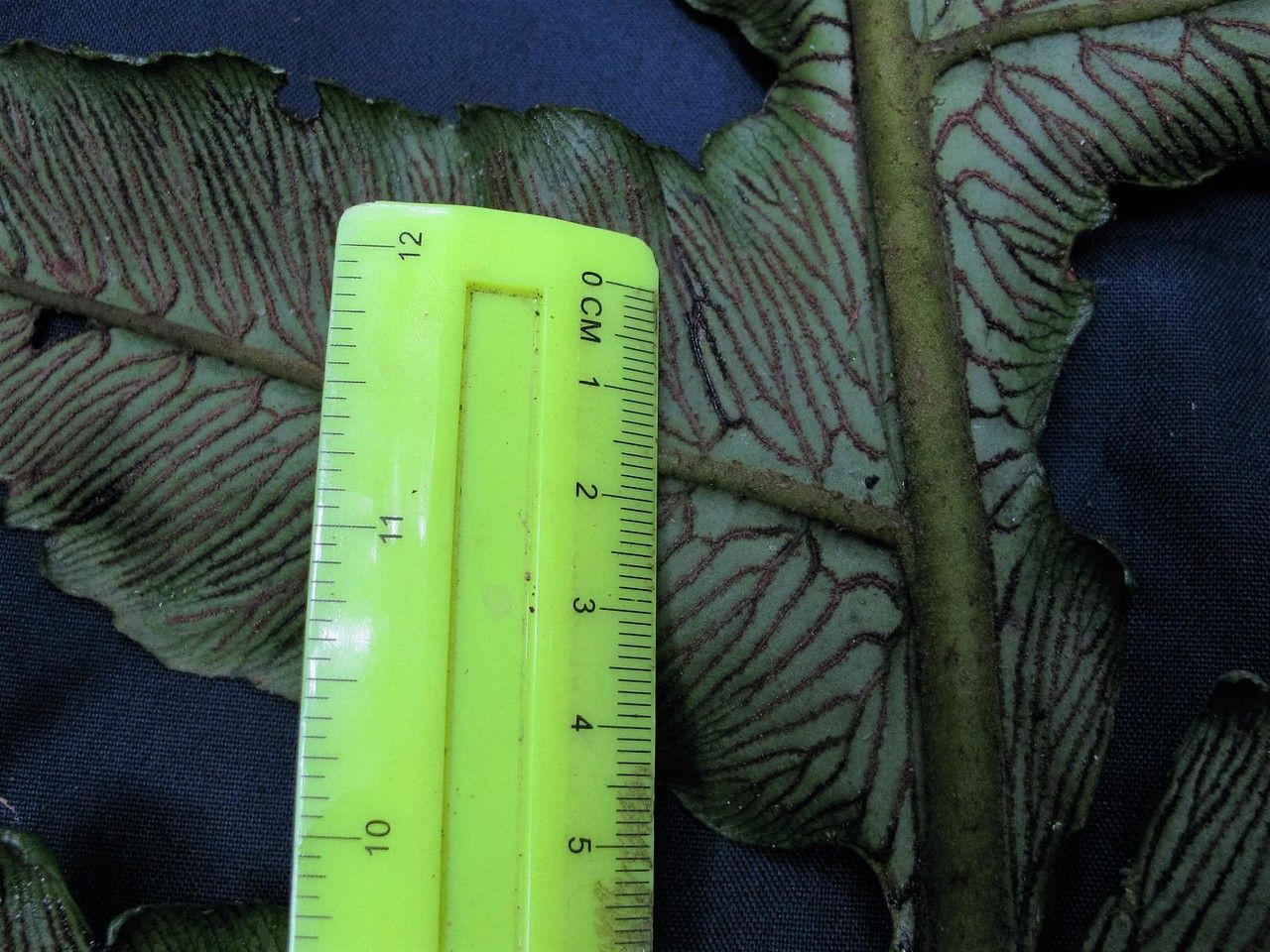
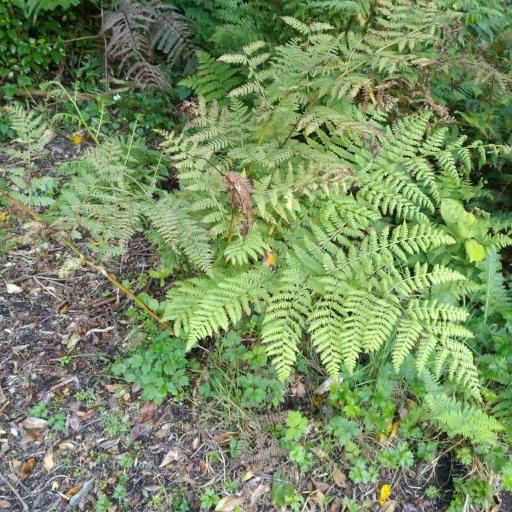
Diplazium dilatatum is a small fern occurring in India, Indochina, Malesia and Australia as far south as Wauchope, New South Wales. The habitat is moist shaded areas. The type specimen was collected from Burangrang mountain in Java.
Lady fern typically shows strong disease resistance and faces relatively few insect pests. Its care is regarded as challenging because it needs a consistently moist environment and frequent watering. At the same time, if the roots are overwatered and the surroundings lack good ventilation, they are susceptible to rot. Lady fern is appropriate for people with some gardening experience, since many can keep it alive for a limited time. Nevertheless, it can struggle to thrive and its fronds may dry out and become less healthy over time.
How to keep Diplazium Dilatatum.
Light
The lady fern does best with moderate sunlight, benefiting from a balance of light and shade for optimal health. It can also grow in complete shade, showing good adaptability. Too much sun may scorch the leaves, while too little can lead to poor frond development.
Water
Lady fern thrives in the moist understories of forests and prefers soil that remains evenly moist. To maintain its health, it needs to be watered twice a week. Often grown indoors for stable conditions, this evergreen plant retains its foliage all year round. Even during the cooler months when its growth slows, it still requires consistent moisture.
Temperature
Lady fern comes from tropical areas, where the climate is generally warm and humid. As a result, it is well suited to high temperatures and humidity. It does not tolerate sudden temperature changes and prefers a steady thermal environment, so it is important to prevent temperature fluctuations indoors. It usually cannot withstand cold conditions and needs higher temperatures to grow. If the surrounding temperature falls too low, the plant may stop growing or even die.
Pruning
For optimal growth, prune lady ferns in early spring. Use clean tools to remove dead fronds and trim any overgrown areas. This improves air circulation and reduces the risk of fungal infections. After pruning, water the ferns properly and apply mulch to support healthy new growth.
Botanical profile.
- Plant Type
- Fern
- Life Cycle
- Perennial
- Genus
- Diplazium
- Family
- Aspleniaceae
- Hardiness Zone
- 8-11
- Mature Height
- 2.13 m
- Mature Spread
- 1.52 m
- Leaf Color
- Forest Green, Dark Green
- Leaf Type
- Deciduous
- Planting Time
- Spring, Summer, Autumn
- Native Area
- Nepal, India, Malaysia, Indonesia, Vietnam, Myanmar, Japan, Philippines, Bangladesh, Laos, Fiji, Thailand, China
Reader questions.
What are the sunlight requirements for a Lady Fern?
A Lady Fern requires a balanced exposure to sunlight to thrive, performing well in moderate sun or wholly shaded spots. It needs about 3-6 hours of sunlight (partial sun) and can also grow in full shade, which is defined as less than 3 hours of sunlight. Providing the right balance of light and shade is crucial for avoiding leaf burn from too much sun or poor frond development from too little light. Observing how sunlight moves through your garden can help you pick the best spots for your plants, ensuring their happiness and health.
What should I do if my indoor Lady Fern isn't getting enough natural sunlight?
If your indoor Lady Fern isn't receiving sufficient natural sunlight, especially in winter or in less sunny spaces, using artificial lights can be an effective solution. LED lights are recommended because they can provide the specific wavelengths of light that plants need. For full sun plants, 30-50W per square foot is advisable, partial sun plants require 20-30W per square foot, and full shade plants need 10-20W per square foot. The light source should be placed 12-36 inches above the plant to mimic natural sunlight, and most plants will need 8-12 hours of this artificial light per day.
What are common symptoms of inadequate light for Lady Ferns, and how can they be addressed?
Common symptoms of inadequate light in Lady Ferns include small and pale new leaves, leggy or sparse growth, faster leaf drop, delayed or halted growth, and symptoms of overexposure like chlorosis, sunscald, leaf curling, wilting, and leaf scorching. To address these, gradually acclimate your plant to more sunlight by shifting it to increasingly sunnier spots weekly until it receives 3-6 hours of sunlight daily. For large or immobile plants, consider using artificial light for at least 8 hours a day. Gradually moving plants outdoors to optimum sunlight spots and minimizing obstructions that block sunlight can also help. Note that parts of the plant that have been affected by insufficient light may not recover, but new growth should be healthy after adjusting light exposure.