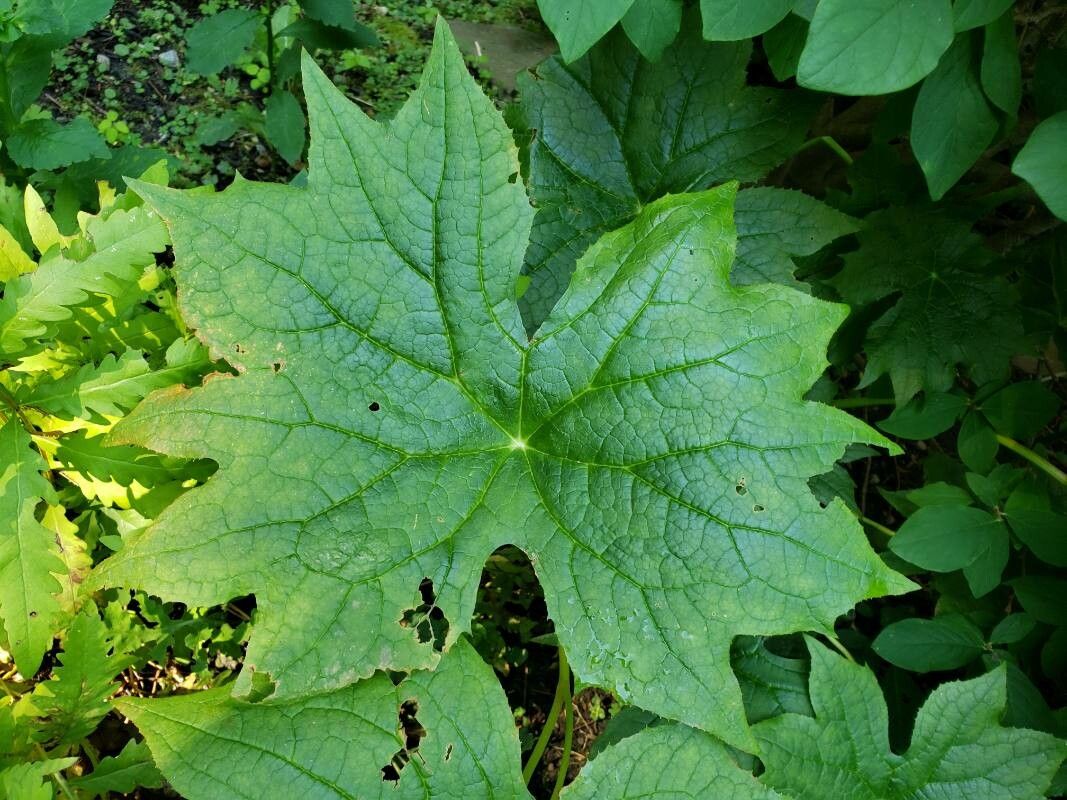
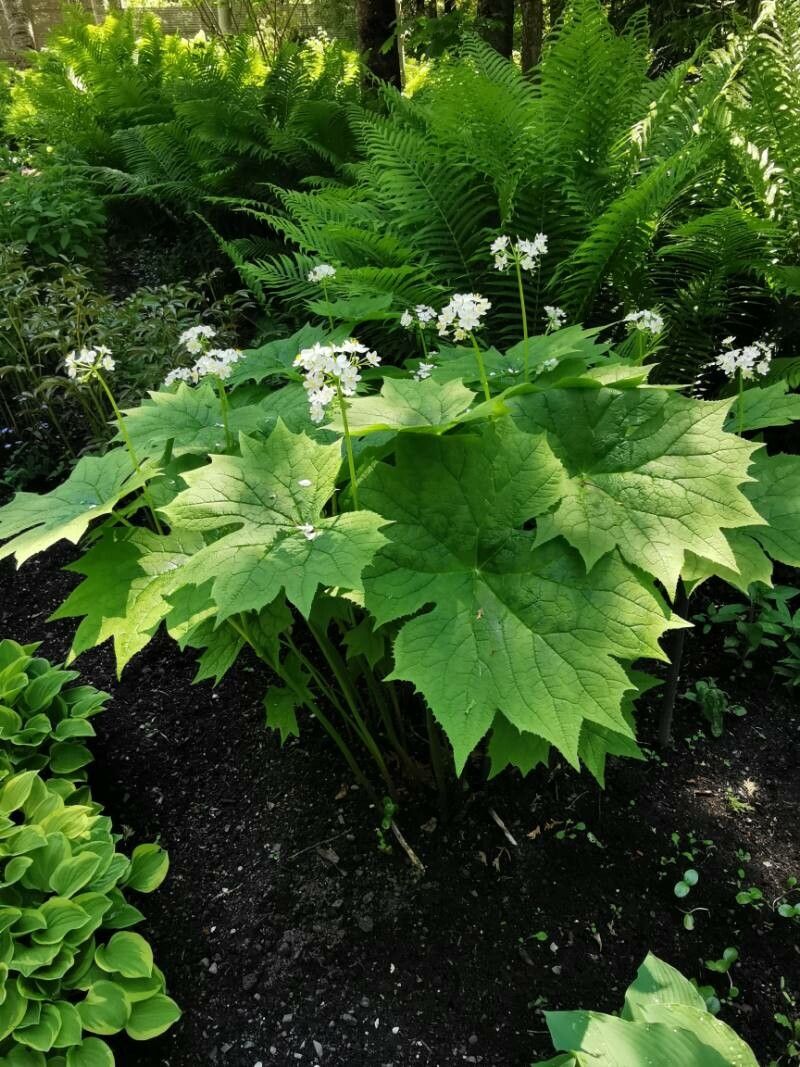
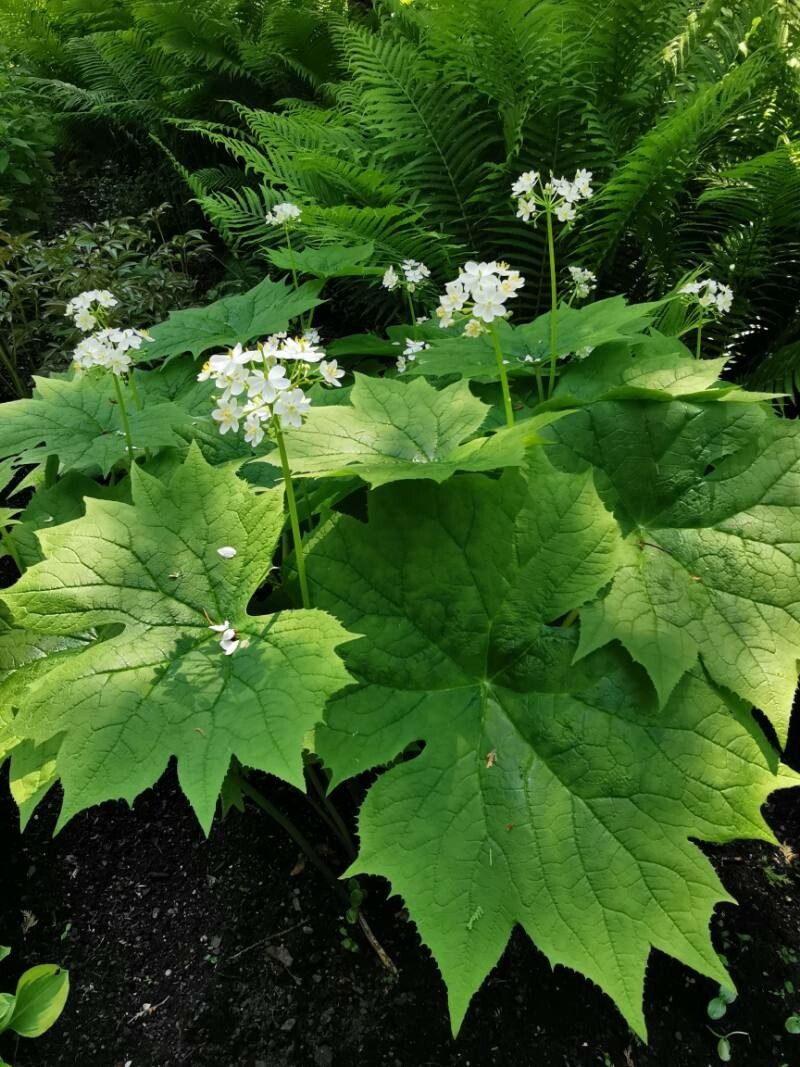
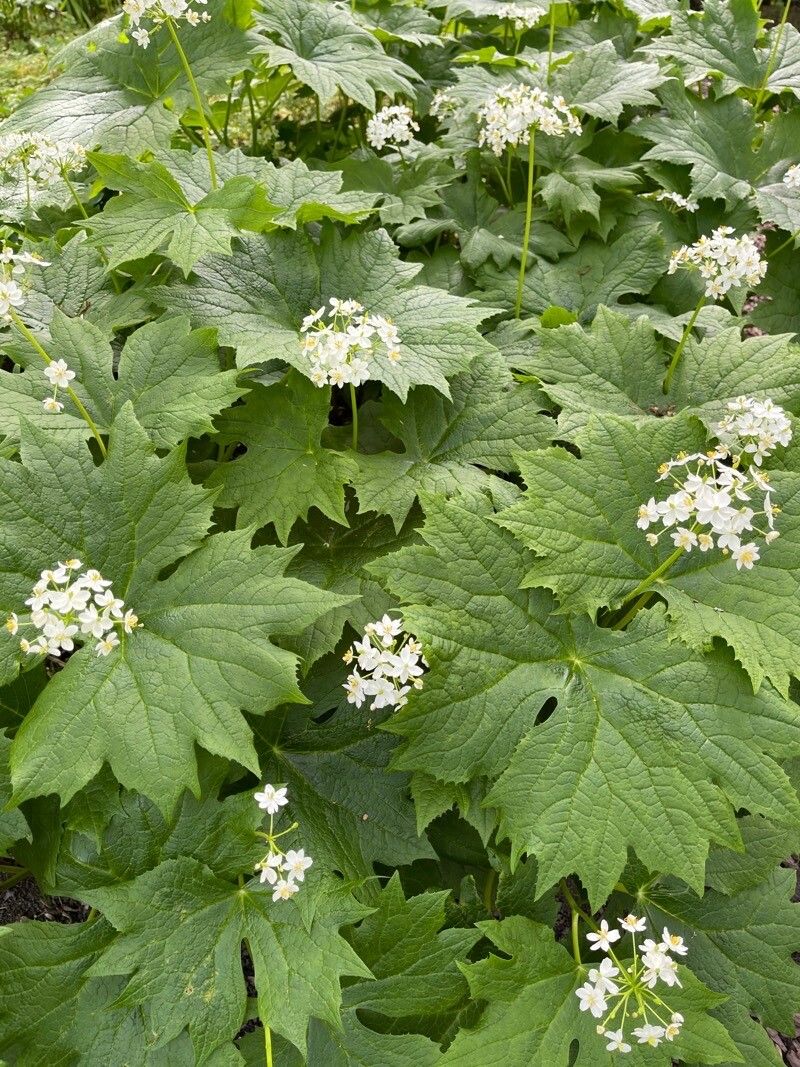
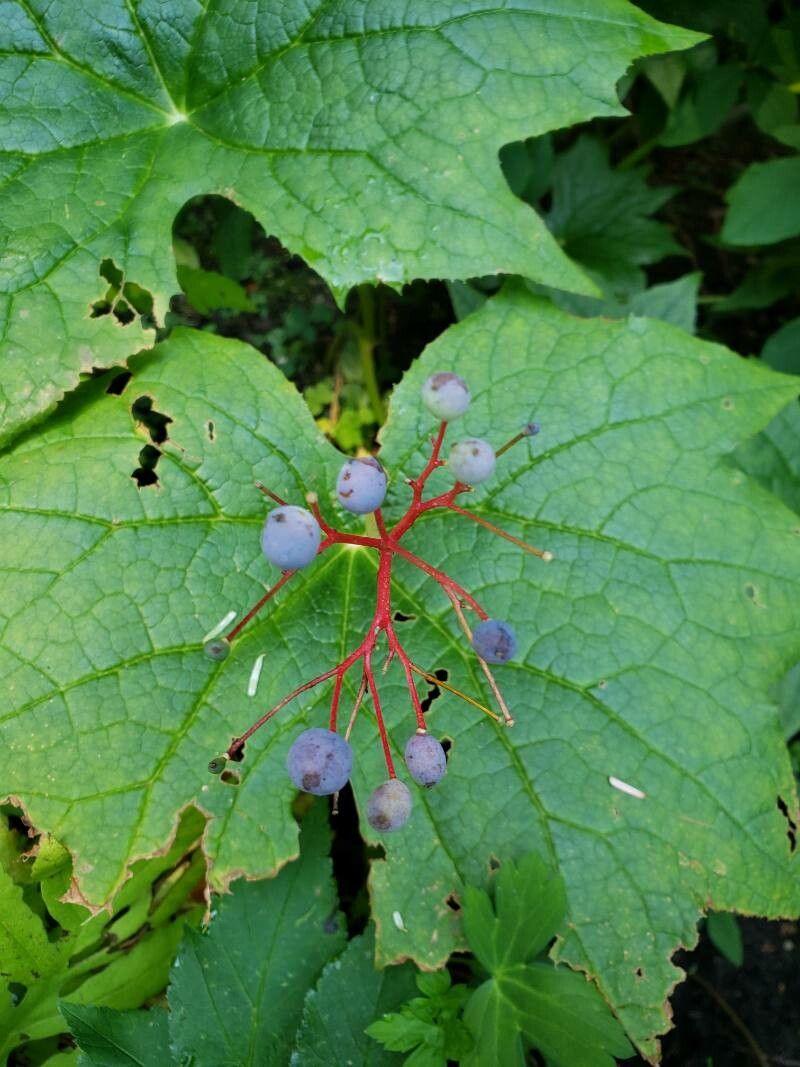
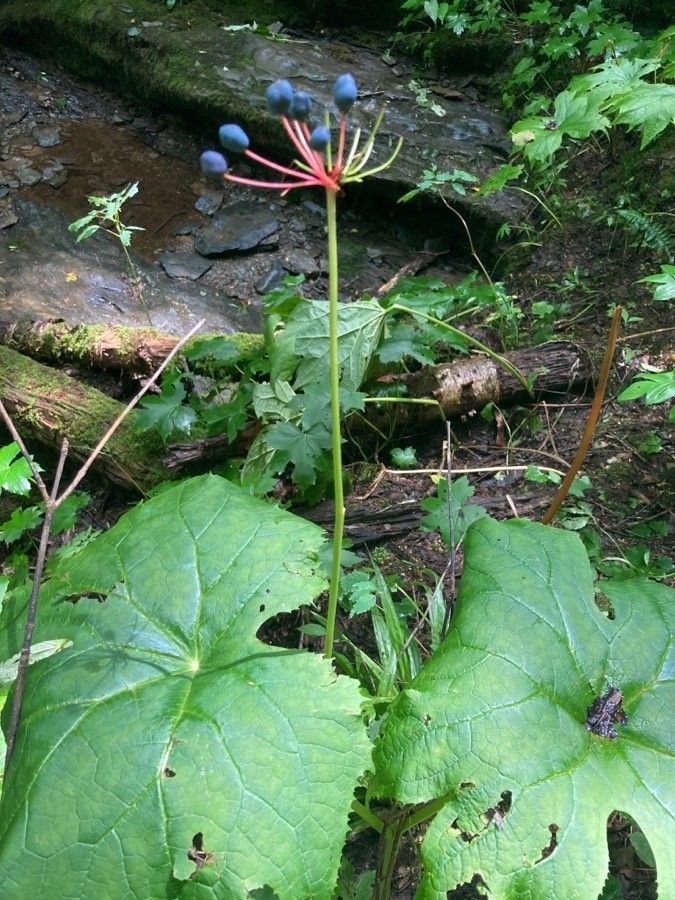
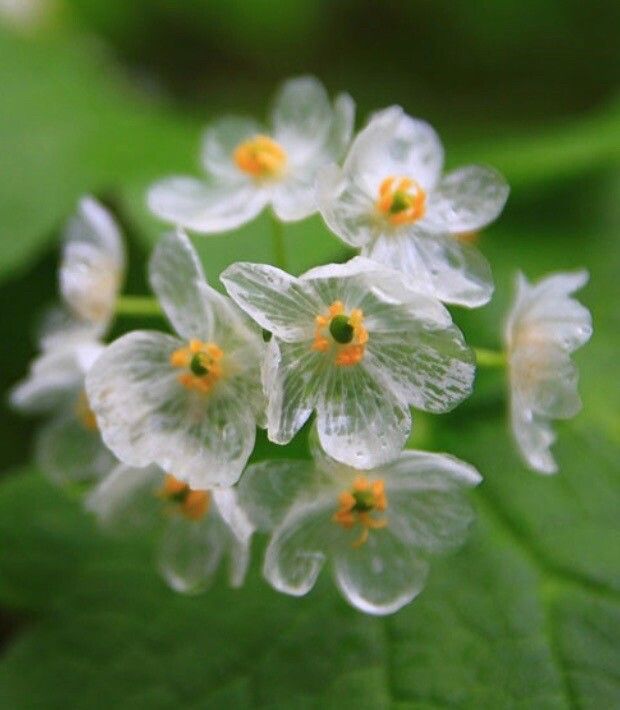
Diphylleia cymosa, the umbrella leaf, is an ornamental plant of the family Berberidaceae, which is native of United States. It is endemic to the deciduous forests of the southeast United States and blooms in the late spring.
American Umbrellaleaf resists disease well and is generally not prone to illnesses. Nevertheless, it can be affected by pests and diseases present in its surroundings. Such infections are typically mild. Regarding care, the plant requires a moderate level of maintenance. Regular pruning is necessary to keep a neat appearance and support healthy growth. Applying fertilizer can also help encourage flowering. The American Umbrellaleaf is suitable for anyone with an outdoor area, such as a garden or patio, and does not require much gardening experience. It may need more attention when grown indoors.
How to keep Diphylleia Cymosa.
Light
American Umbrellaleaf prefers conditions with moderate sunlight. Although it is hardy enough to endure fully shaded areas, it thrives best in partly sunlit locations. Excessive sun can impede growth, while too little light may weaken the plant and interfere with proper leaf unfolding.
Water
The American Umbrellaleaf is native to the moist woodlands of Eastern North America. It thrives in soil that remains consistently moist, yet it can tolerate moderate drought once it is well-established. To maintain ideal moisture levels, water it weekly. Typically, this plant is grown outdoors in shaded areas, where it greatly benefits from natural rainfall during its growing season.
Temperature
American Umbrellaleaf is native to temperate regions and does well in temperatures ranging from 41 to 95 °F (5 to 35 ℃). It adapts to seasonal changes but may require extra protection during periods of extreme heat or frost.
Fertilizer
The best time to fertilize an American Umbrellaleaf is in early spring, as it comes out of dormancy and begins active growth. Fertilizing supplies essential nutrients for healthy growth. Although the American Umbrellaleaf has relatively low fertilizer needs, annual fertilization can improve its survival and encourage better, longer-lasting flowers.
Pruning
The American Umbrellaleaf features broad leaves and ornamental blooms. To promote healthy growth and improve air circulation, it is best to prune the plant from early to late spring. This involves removing dead stems and shaping the plant. Regular pruning not only helps prevent diseases but also enhances the vitality and aesthetic appeal of the American Umbrellaleaf in gardens.
Botanical profile.
- Plant Type
- Herb
- Life Cycle
- Perennial
- Genus
- Diphylleia
- Family
- Berberidaceae
- Hardiness Zone
- 4-9
- Mature Height
- 61 cm
- Mature Spread
- 40 cm
- Leaf Color
- Green
- Leaf Type
- Deciduous
- Flower Color
- White
- Flower Size
- 2.54 cm
- Bloom Time
- Early spring, Mid spring
- Planting Time
- Autumn, Spring
- Harvest Time
- Mid summer, Late summer, Early fall
Other names.
Reader questions.
How should I water my American Umbrellaleaf plant?
To properly water the American Umbrellaleaf, it is recommended to use filtered water at room temperature or slightly warmer. Tap water may contain harmful particles that can affect the plant's health. Since the American Umbrellaleaf is accustomed to a warm environment, cold water should be avoided as it can shock the plant. Additionally, overhead watering should be avoided to prevent foliage complications. Instead, it is best to apply filtered room temperature water directly to the soil and ensure that the soil is completely soaked. This method benefits the plant by moistening the roots and aiding their spread throughout the soil to gather necessary nutrients.
Why should I use fertilizer on my American Umbrellaleaf plant?
The main structure of the American Umbrellaleaf is made up of its leaves. Proper fertilization is crucial for ensuring that these leaves look great and function properly. Fertilization helps maintain consistent color and healthy texture in the leaves. It also benefits the plant below the surface, aiding in the growth of new roots and sustaining existing ones. This not only ensures the plant's current health but also improves its ability to absorb nutrients from the soil in the future.
What are the sun requirements for American Umbrellaleaf?
American Umbrellaleaf thrives under specific sun conditions. It prefers partial sun, which means about 3-6 hours of sunlight, and can also grow in full shade, with less than 3 hours of sunlight. It's important to monitor the sunlight's movement through your garden to find spots that provide a perfect balance of light and shade, ensuring the plant's happiness.
What is the native climate for American Umbrellaleaf?
American Umbrellaleaf is native to temperate regions, thriving in temperatures that range from 41°F to 95°F (5°C to 35°C). It is well-adapted to seasonal changes, though it may require additional protection against extreme heat or frost. This plant also possesses strong cold resistance, making special frost protection measures unnecessary in most winter conditions. However, in exceptionally cold winters where temperatures drop below -30°C, protective measures like covering the plant with soil or straw are advised. To prepare for winter, it's recommended to water the plant abundantly before the first freeze of autumn, ensuring the soil remains moist and enters a frozen state to protect against drought and water scarcity during the colder months.
What should I do if I give my American Umbrellaleaf plant too much or too little water?
Overwatering and underwatering are both harmful to your American Umbrellaleaf, but overwatering is more commonly encountered. Overwatering can cause wilting, yellowing leaves, and can lead to diseases like root rot, mold, and mildew, which can be fatal to the plant. While underwatering is less likely to happen to the American Umbrellaleaf due to its drought tolerance, it is still possible. In such cases, the leaves of the plant become brittle and brown. It's important to promptly recognize signs of overwatering when caring for your American Umbrellaleaf. Some diseases caused by overwatering, like root rot, can't be fixed if left untreated for too long. If you notice early signs of overwatering, reduce your watering schedule immediately. Additionally, check the quality of the soil and replace it with well-draining potting mix if it drains poorly. Conversely, if your American Umbrellaleaf shows signs of not getting enough water, simply increase your watering frequency until the signs improve.
When should I fertilize my American Umbrella leaf plant?
If you choose to grow your American Umbrellaleaf outdoors, you can expect new growth to appear in early spring. This is the signal to start fertilizing for the year. Usually, a single application of fertilizer is enough for your American Umbrellaleaf to thrive during spring. However, if you want to maximize its growth, you can feed it multiple times. In this case, you can give your American Umbrellaleaf fertilizer about once every month to a month and a half during the spring and early summer.
What are the essential requirements for growing American Umbrellaleaf?
American Umbrellaleaf grows best in environments with moderate solar exposure. Although it can survive in fully shaded areas, it achieves optimal growth under partial sunlight conditions. Both over-exposure to sunlight and insufficient light can negatively impact the plant’s growth, affecting leaf unfolding or potentially stunting growth. When natural light is inadequate, especially indoors, artificial lighting becomes crucial. LED lights are recommended for their ability to be customized to the specific light wavelengths needed by the plant, with varying requirements based on the plant's natural sun preferences.
How does low temperature affect American Umbrellaleaf, and what are the solutions?
American Umbrellaleaf is cold-tolerant, performing best when temperatures stay above -25°C. Despite this tolerance, prolonged exposure to temperatures below -30°C might not immediately show noticeable effects during winter but could lead to decreased sprouting or a lack of sprouting come springtime. If this occurs, removing parts that have failed to sprout in the spring is advisable to encourage new growth and maintain plant health.
How much should I water my American Umbrellaleaf plant?
If your American Umbrellaleaf is in a pot, the most precise way to determine if it needs water is by inserting your finger into the soil. If the top two to three inches of soil feel dry, it's time to water. If your American Umbrellaleaf is planted outdoors in the ground, you can also use this method to test the soil. When the top few inches of soil have dried out, it's time to water. Generally, during spring and early fall, watering once a week will suffice. However, during extremely hot weather, you may need to water twice or more per week. It's worth noting that mature, well-established American Umbrellaleaf plants can tolerate drought well.
When is the best time to not add fertilizer to my American Umbrellaleaf?
During the late fall and winter, your American Umbrellaleaf goes into a dormant phase where it stops producing new growth. Avoid fertilizing it during this time. In spring and summer, if you choose to fertilize, start reducing the amount as summer approaches because the growth rate will slow down. Generally, it's not recommended to fertilize your American Umbrellaleaf during extremely hot weather or when the soil is very dry as this can stress and damage it.
What are common symptoms of incorrect lighting conditions in American Umbrellaleaf?
When American Umbrellaleaf is grown under incorrect lighting conditions, several symptoms can arise. For plants receiving too little light, issues such as small leaves, leggy or sparse growth, faster leaf dropping, slower or no new growth, lighter-colored new leaves, and even chlorosis may occur. Conversely, too much sunlight can lead to symptoms like sunscald, leaf curling, wilting, leaf scorching, and a general reduction in plant health. Recognizing these symptoms early is vital for adjusting care and preventing further damage.
How does high temperature affect American Umbrellaleaf, and what are the solutions?
During the summer months, it is crucial to ensure that American Umbrellaleaf's environment remains below 35°C to avoid heat stress. Exceeding temperatures of 38°C can cause the leaves to lighten in color, become prone to curling, suffer from sunburn, and, in severe cases, lead to the entire plant wilting and drying out. To mitigate these effects, trim away the damaged parts of the plant, relocate it to a shaded area or use a shade cloth to protect it from the intense midday and afternoon sun. Additionally, watering the plant in the morning and evening can help maintain soil moisture and prevent the plant from drying out.