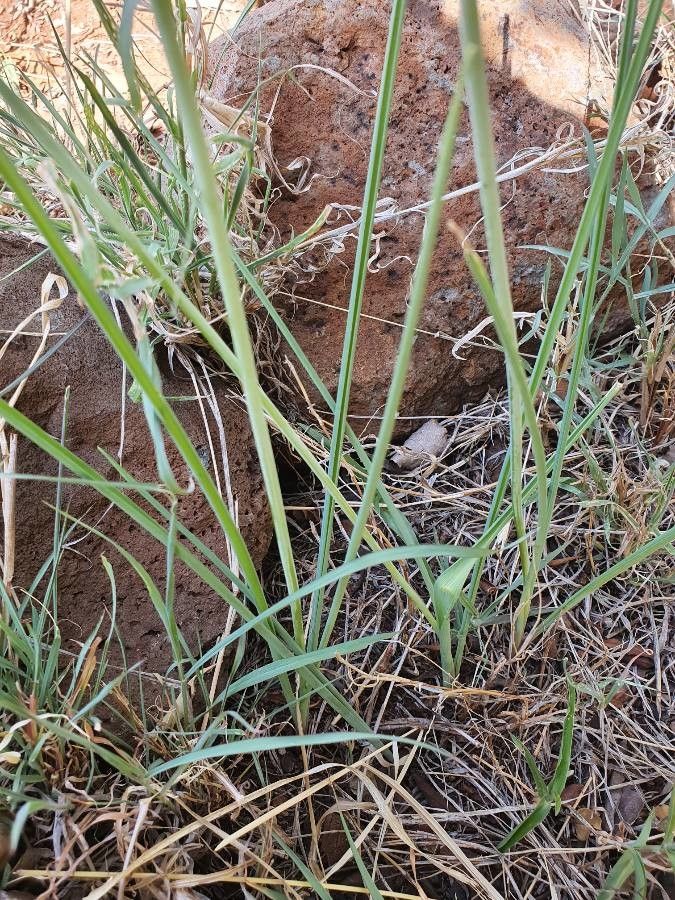
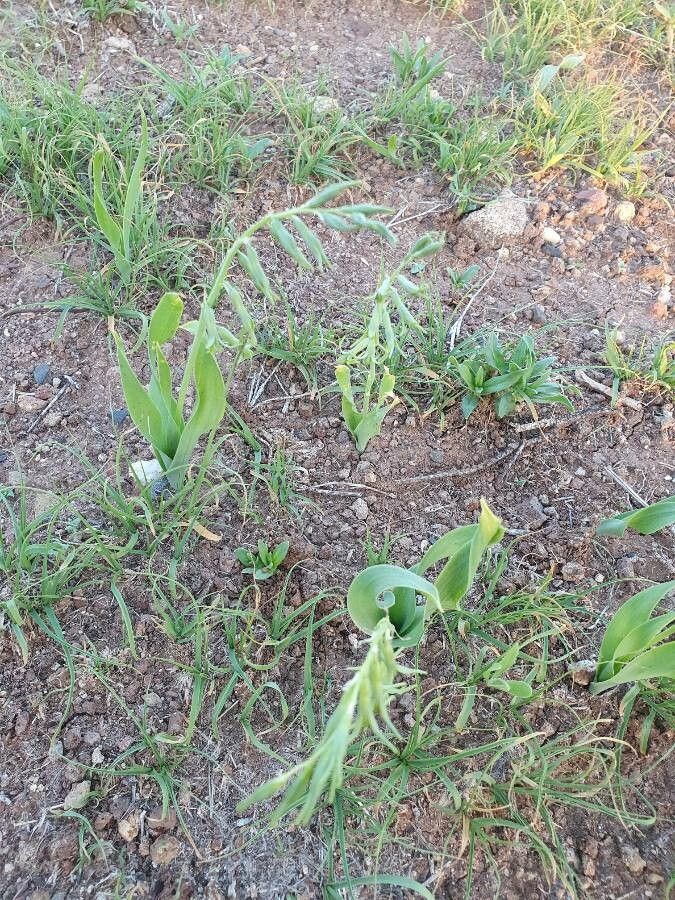
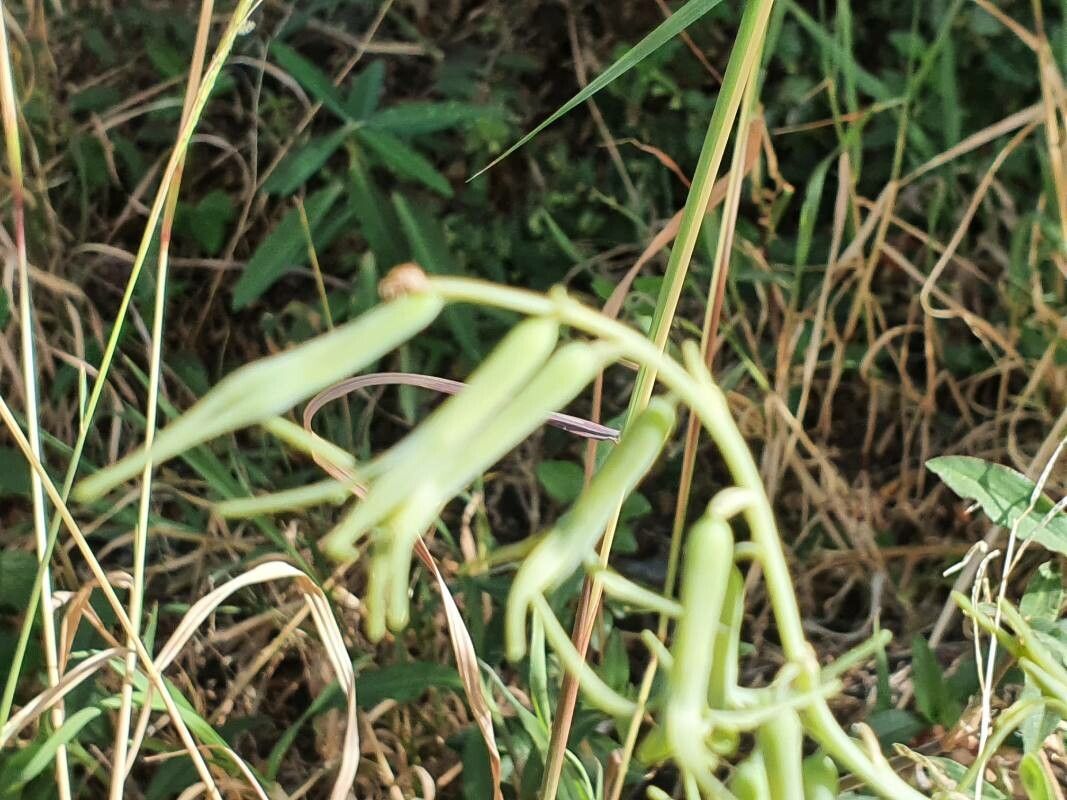
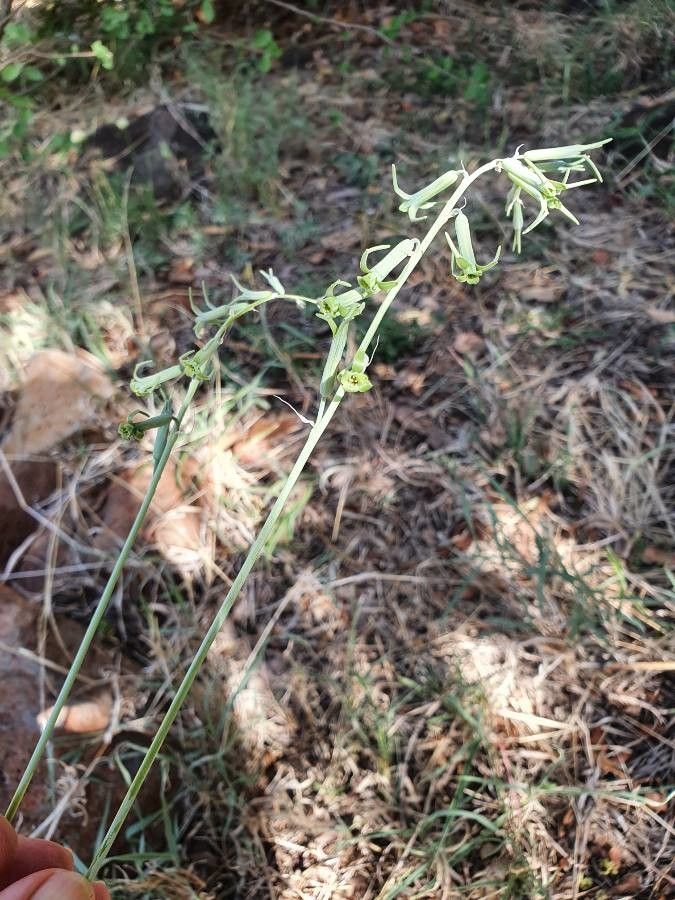
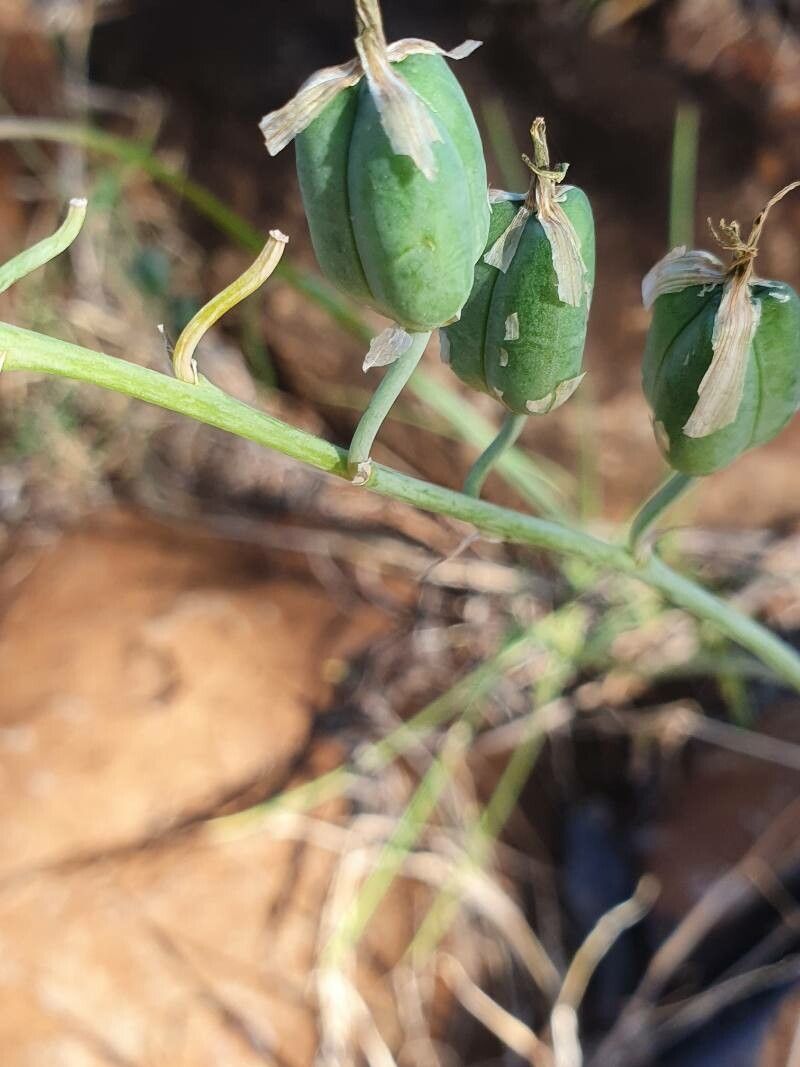
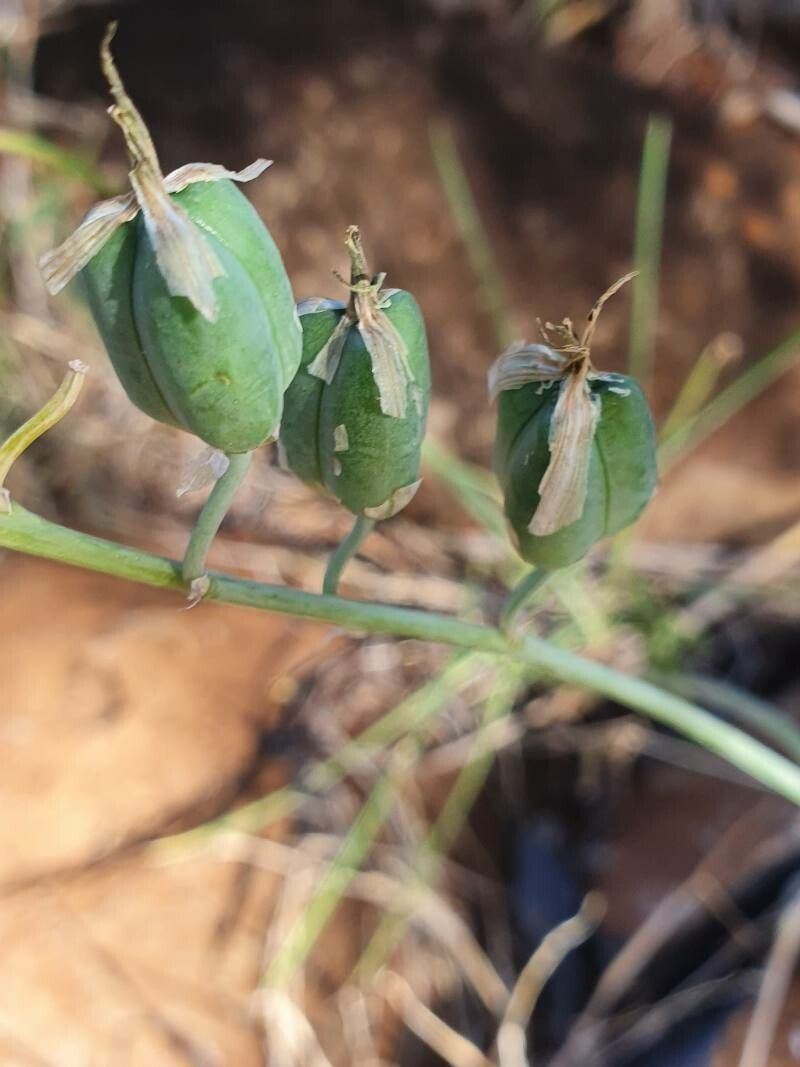
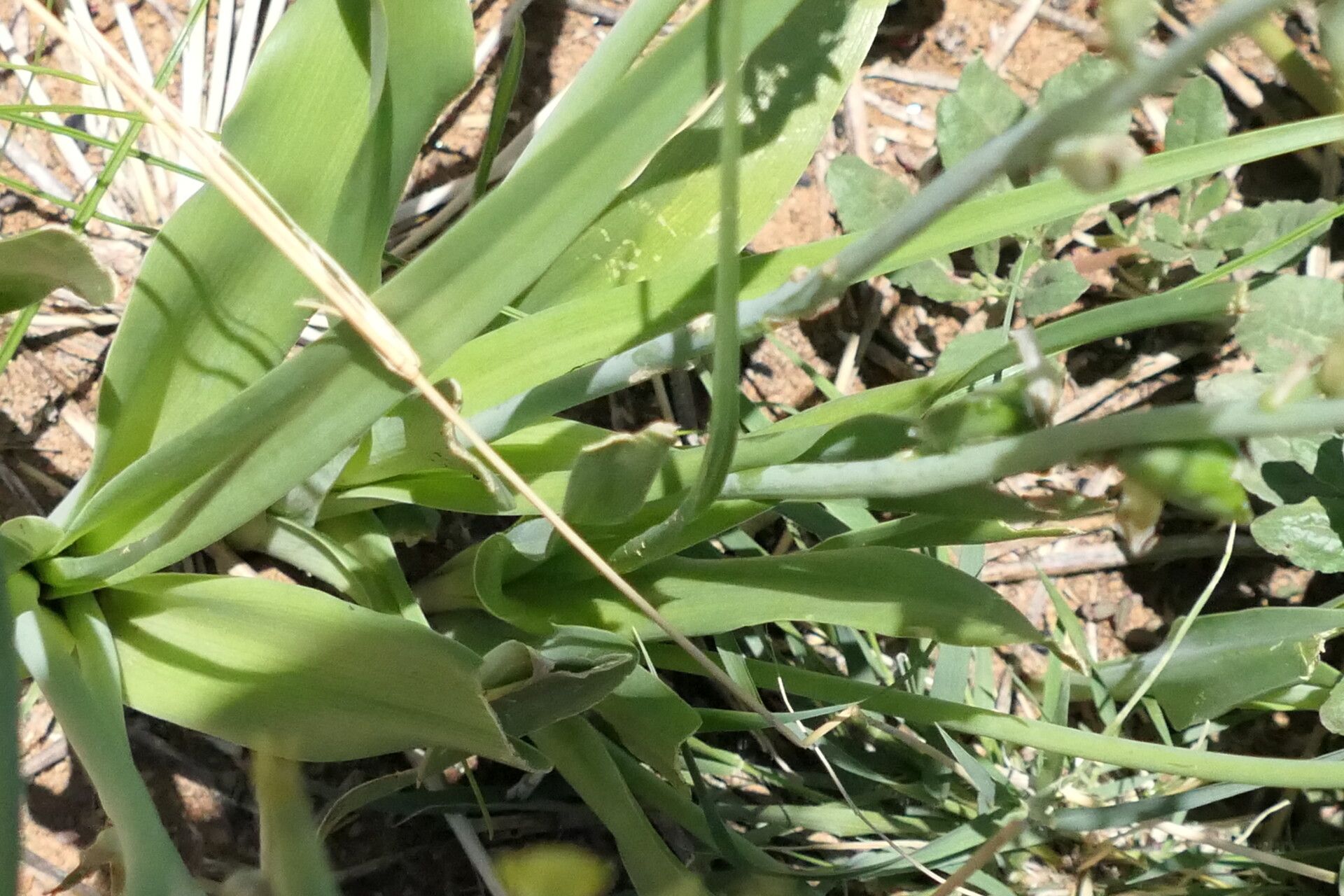
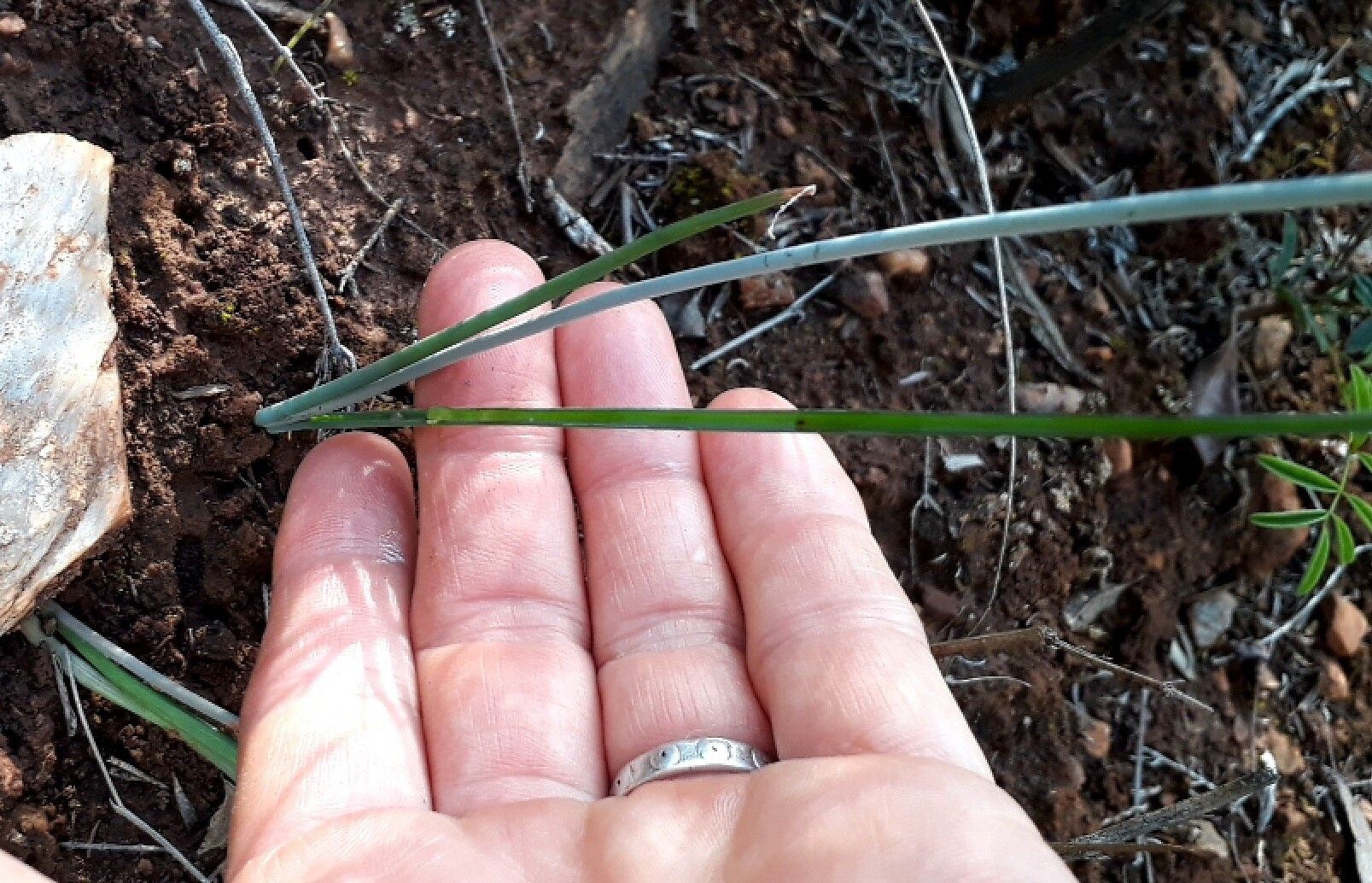
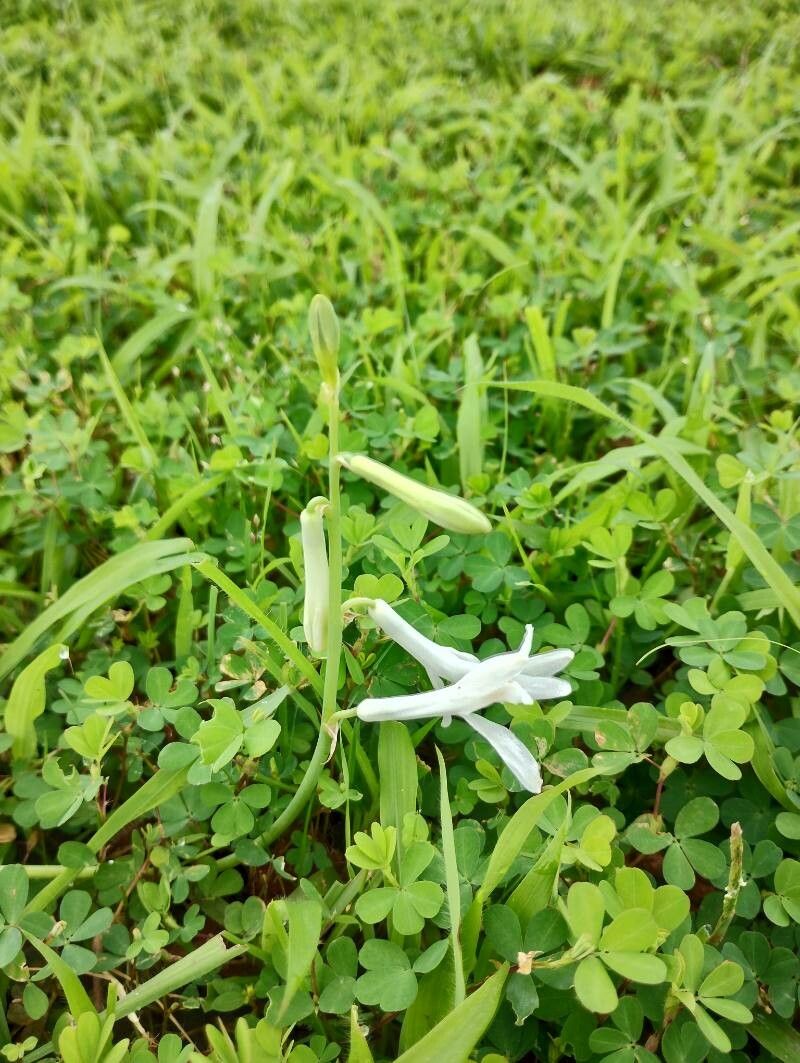
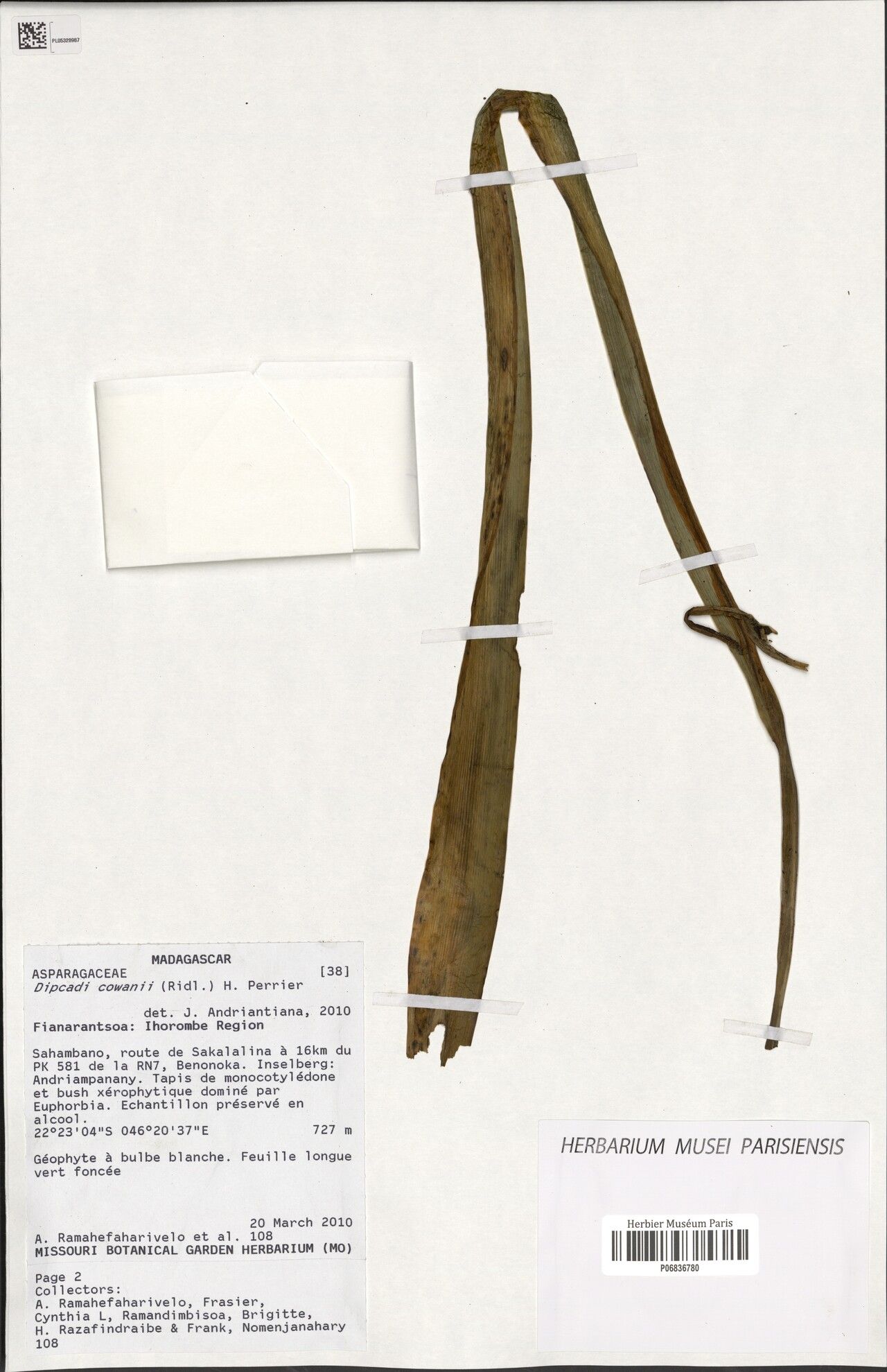
Dainty green bells shows strong resistance to disease and is generally not prone to illnesses. However, it can be affected by pests and diseases present in its environment. These problems are usually minor. Regarding care, this plant needs moderate maintenance. It should be pruned regularly to keep a neat appearance and encourage healthy growth. Fertilizing can also help stimulate flowering. Dainty green bells is well suited for anyone with outdoor space, such as a garden or patio, and does not require extensive experience in plant care. It may need more attention when kept indoors.
How to keep Dipcadi Viride.
Light
Dainty green bells naturally occurs in habitats such as forest understories or rocky areas, where it is subject to natural shade. It prefers partial sun but can tolerate full sun or full shade, illustrating its versatile, hardy nature.
Water
Dainty green bells thrive in arid environments, showcasing their drought tolerance. During the growing season, they require weekly watering and careful monitoring of soil moisture. As a deciduous plant, they shed their leaves annually and prefer a balanced water intake, avoiding both overwatering and dryness.
Temperature
Dainty green bells shows good adaptability to temperature, tolerating high heat and wide temperature swings. In hot weather, attention should be given to watering and supplying appropriate shade to prevent sunburn. On the other hand, Dainty green bells is relatively insensitive to low temperatures. While it can endure some cold, very low temperatures can cause frost damage.
Fertilizer
The best time to fertilize Dainty green bells is in early spring, when the flowers are forming. The appropriate fertilizer promotes stronger blooms and helps Dainty green bells develop attractive flowers. Fertilizing in early spring guarantees better flowering during the season and supplies energy for dormant growth phases.
Pruning
The dainty green bells plant showcases delicate, bell-shaped green flowers. To keep it well-shaped, remove dead stems, and encourage new growth, it is best to prune in early to late spring. This not only promotes better airflow but also reduces pests and enhances flowering. For detailed pruning techniques, refer to horticultural guidelines.
Botanical profile.
- Plant Type
- Herb
- Life Cycle
- Perennial
- Genus
- Dipcadi
- Family
- Asparagaceae
- Hardiness Zone
- 7
- Mature Height
- 0.15 m to 2.13 m
- Mature Spread
- 20 cm to 30 cm
- Leaf Color
- Green
- Leaf Type
- Semi-evergreen
- Flower Color
- Green
- Flower Size
- 5.08 cm to 25.40 cm
- Bloom Time
- Mid spring, Late spring, Early summer
- Planting Time
- Spring, Summer, Autumn
- Harvest Time
- Summer
- Native Area
- Burkina Faso, Djibouti, Somalia, Lesotho, Angola, Namibia, Madagascar, Rwanda, Eritrea, Nigeria, Yemen, Kenya, Niger, Uganda, Tanzania, Zimbabwe, Mali, Guinea-Bissau, Benin, Sierra Leone, Cameroon, Burundi, Mozambique, Oman, Ghana, Ethiopia, Botswana, Congo, Saudi Arabia, Malawi, South Africa, Zambia, Sudan, Mauritania, Guinea, Chad, Togo, Côte d'Ivoire, Eswatini, Congo (DRC)
Reader questions.
How should I water my delicate green bell plants?
To best care for the Dainty green bells plant, follow these tips: 1. Use filtered water at room temperature or slightly warmer. Tap water can have harmful particles. 2. The Dainty green bells come from a warm environment, so avoid using cold water, which can shock the plant. 3. Opt for watering the soil directly, not overhead. This prevents foliage complications. 4. Apply filtered room temperature water until the soil is fully soaked. This benefits the plant by moistening the roots and aiding nutrient absorption.
What is 'Dainty green bells' known as scientifically?
Dainty green bells is known scientifically as Dipcadi viride. It is a distinct plant species recognized by its unique botanic name which helps in accurately identifying it among the vast diversity of the plant kingdom.
What should I do if I give too much or too little water to my Dainty green bells?
Overwatering is a common issue for Dainty green bells and can cause wilting, yellowing leaves, and diseases like root rot. Underwatering is less common but can lead to brittle, brown leaves. It's important to notice signs of overwatering early and reduce watering immediately. Check the soil's drainage and replace if necessary. If underwatering is detected, simply increase watering until signs improve.
How often do I need to water my Dainty green bells?
If your plant is in a pot, the best way to check if your Dainty green bells needs water is to stick your finger into the soil. If the top two to three inches of soil feel dry, it's time to water. The same method can be used if you grow your Dainty green bells outdoors in the ground. Once again, if the top few inches of soil are dry, it's time to water. Typically, during the spring and early fall, you'll need to water this plant about once a week using this method. However, in extremely hot weather, you may need to water twice a week or even more. It's important to note that mature, well-established Dainty green bells have a remarkable ability to withstand drought.
How much water does my Dainty green bells plant need?
When watering your Dainty green bells, don't be timid with the amount of water. Make sure the top couple inches of soil are dry, and then give the plant a thorough watering, allowing the water to soak through the entire soil. You should add enough water to see excess water draining through the pot's holes at the bottom. If you don't see any excess water draining, you may not have given enough water. However, be careful not to let the water accumulate in the soil, as this can harm the plant. On the other hand, if water is not draining through the pot, it could mean the soil is not draining well, which is not good for the plant's health. If the plant is outside, one inch of rain per week will be enough.
How do I water my delicate green bells as they grow?
The water requirements of Dainty green bells vary depending on the growth stage. In the first few years or when transplanted, more water is needed as the plant focuses on developing new roots for future growth. These roots thrive with additional moisture. As the plant matures, less water is required. Additionally, during the bloom period, more water may be necessary to support flower development.
How do I water my Dainty green bells during different seasons?
The Dainty green bells have different water needs depending on the season. In the hottest months of the year, they will require the most water. During this time, you may need to water the plant more than once per week, depending on how quickly the soil dries. However, in winter, the plant goes into a dormant phase and requires much less water. It is possible that you won't need to water it at all during this time. If you choose to water it during winter, do so no more than once per month. Overwatering during this period increases the chances of the plant getting a disease.
What's the difference between watering my delicate green bells inside and outside?
Gardeners who live outside of temperate and tropical regions commonly grow Dainty green bells indoors. When growing this plant indoors, it is important to be aware that the soil in a container dries out faster compared to ground soil. Additionally, if you have drying elements like air conditioning units, your Dainty green bells may require more frequent watering compared to if they were planted outside. In the latter scenario, you may not need to water your Dainty green bells very often, especially if you receive regular rainfall. However, if you grow this plant indoors, you will need to water it more frequently since relying on rainwater to soak the soil is not an option.