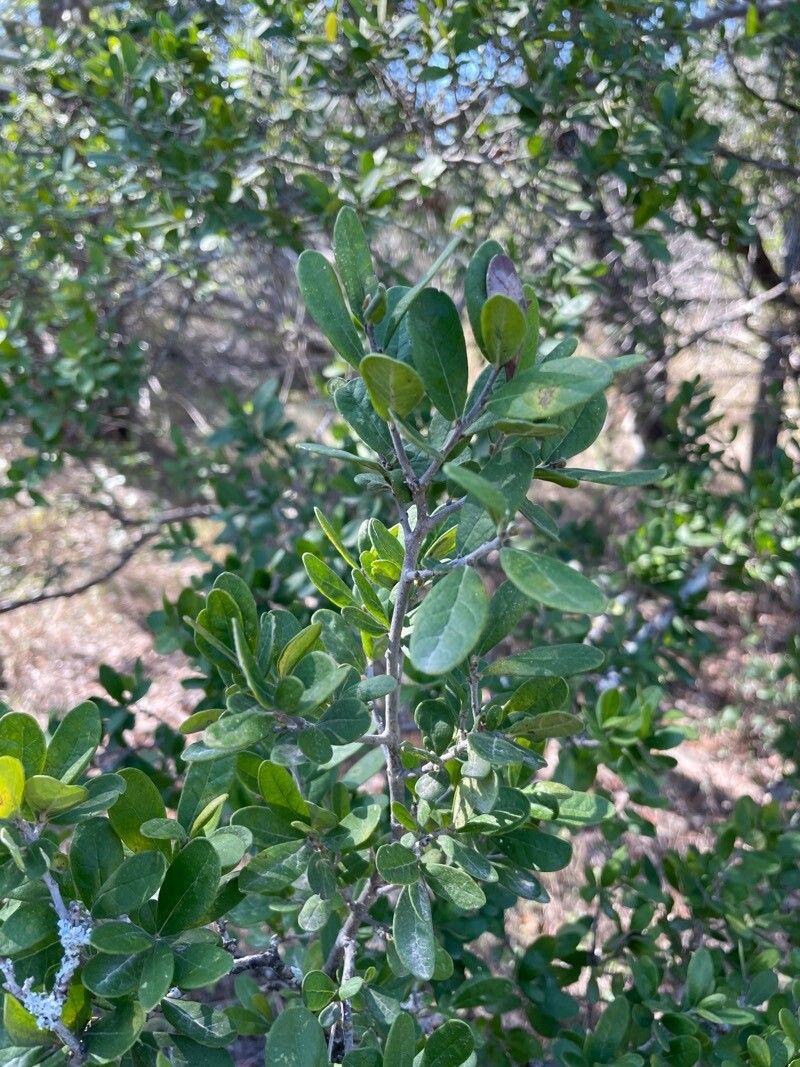
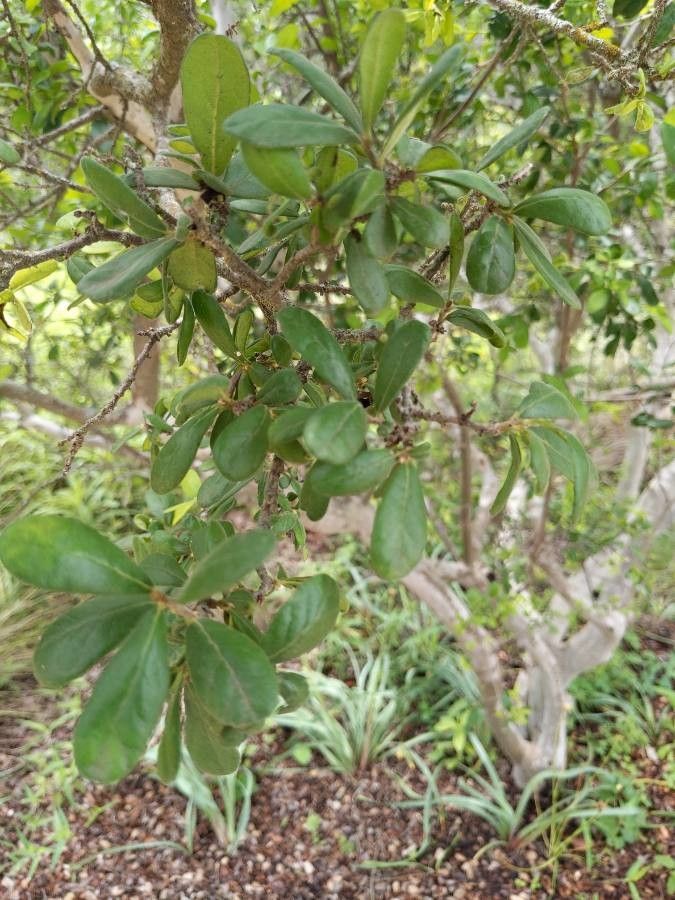
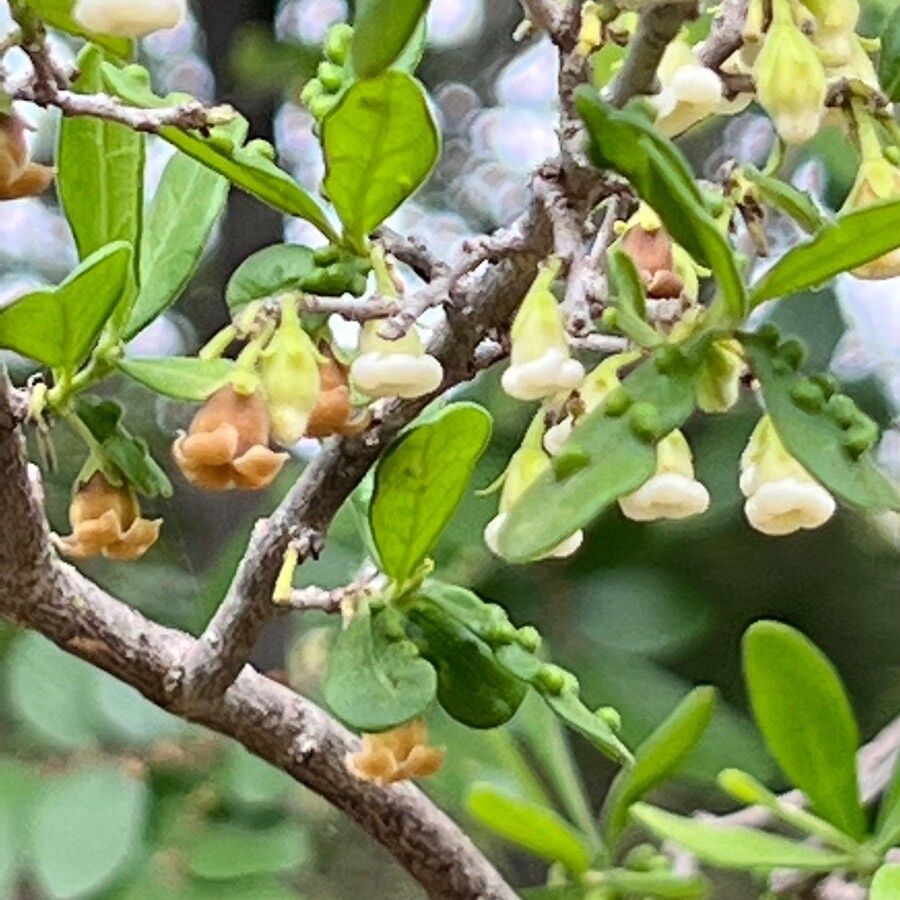
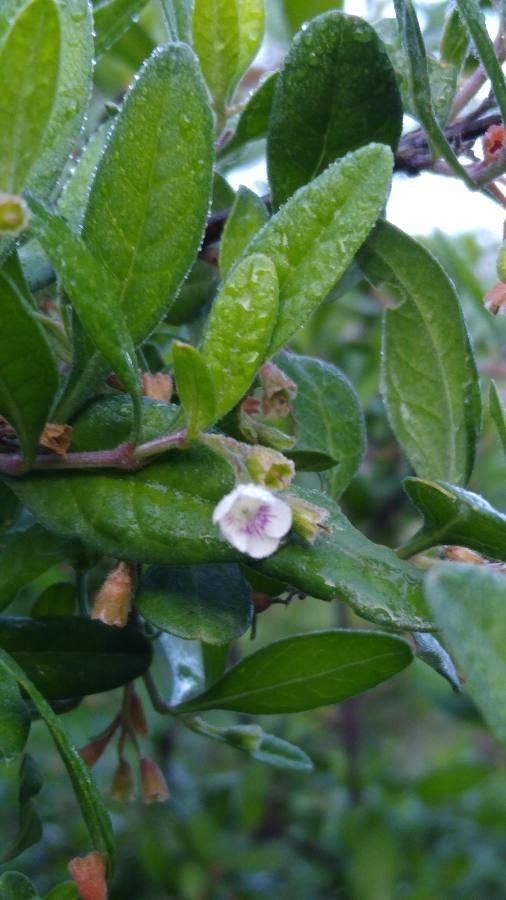
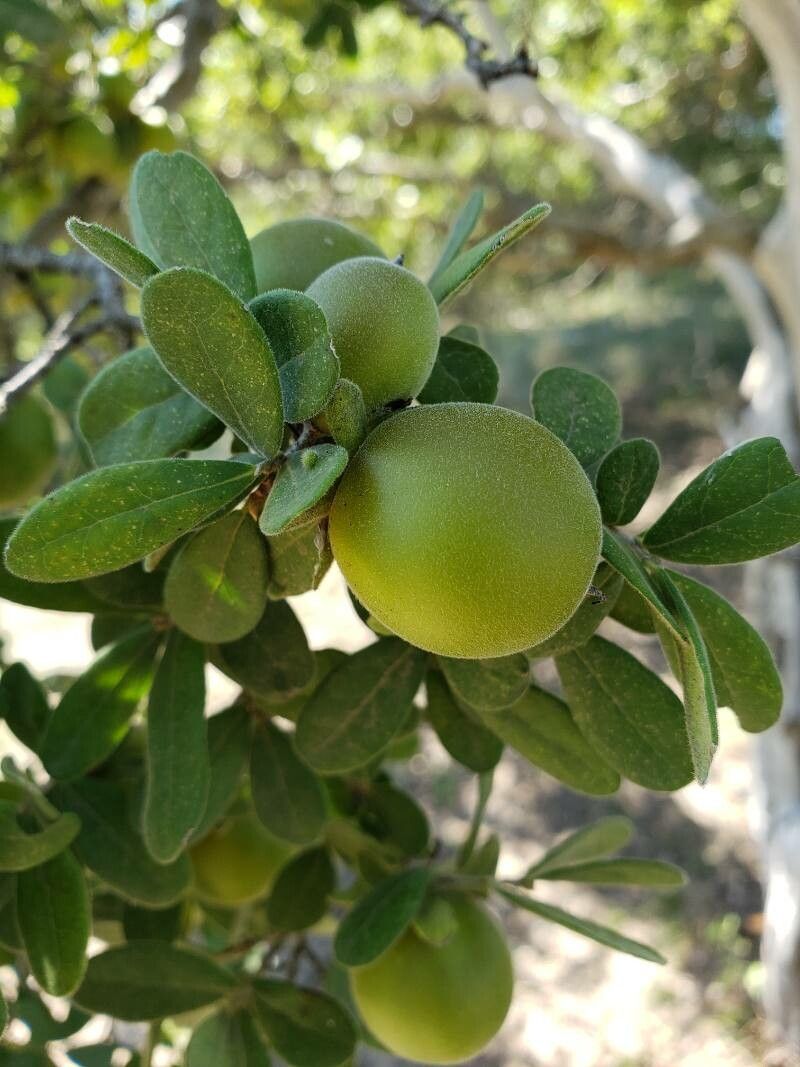
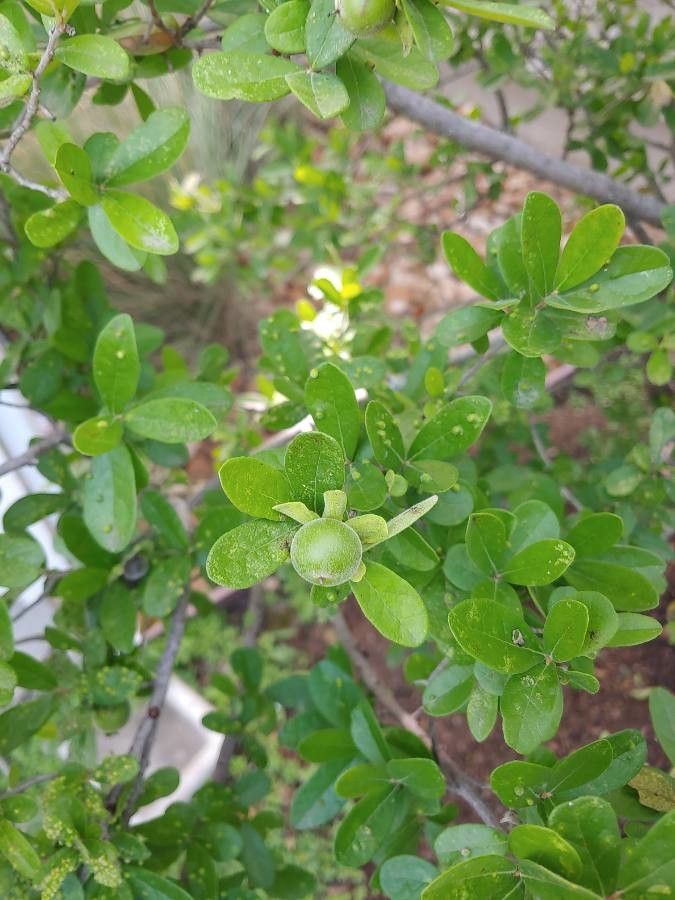
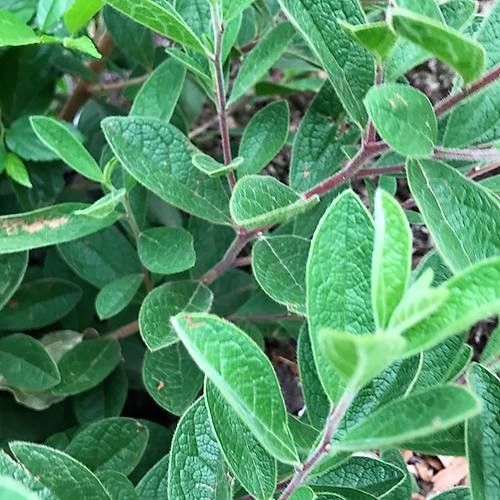
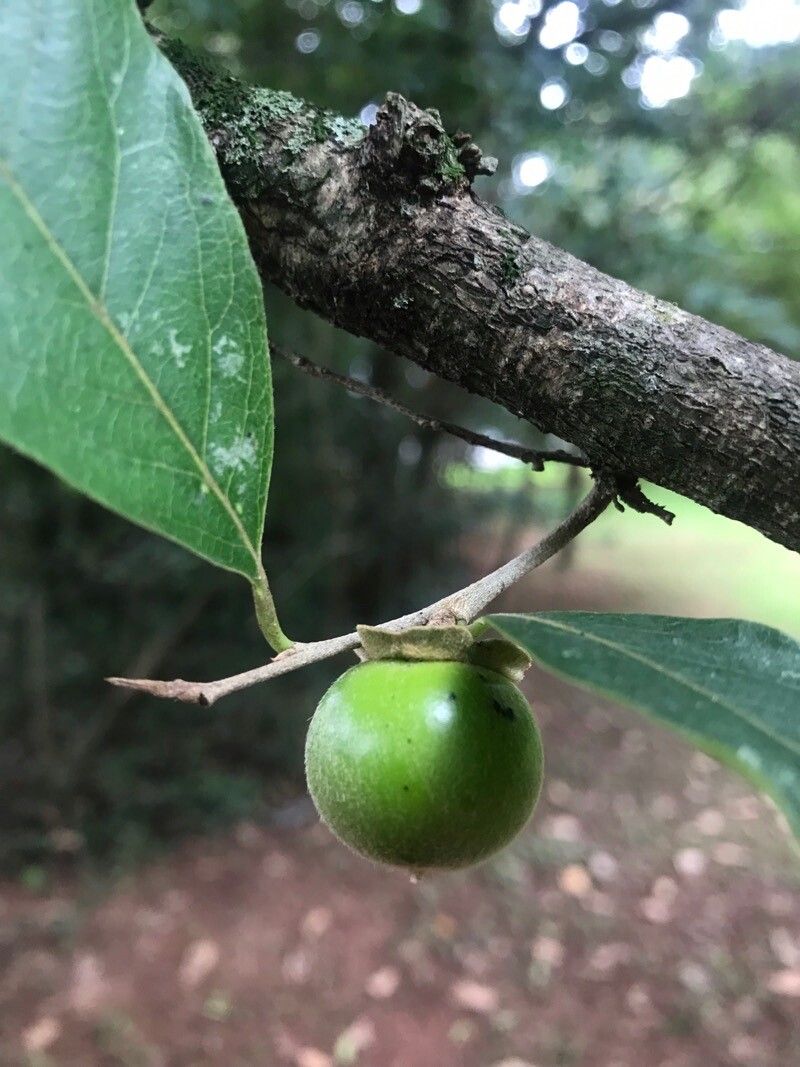
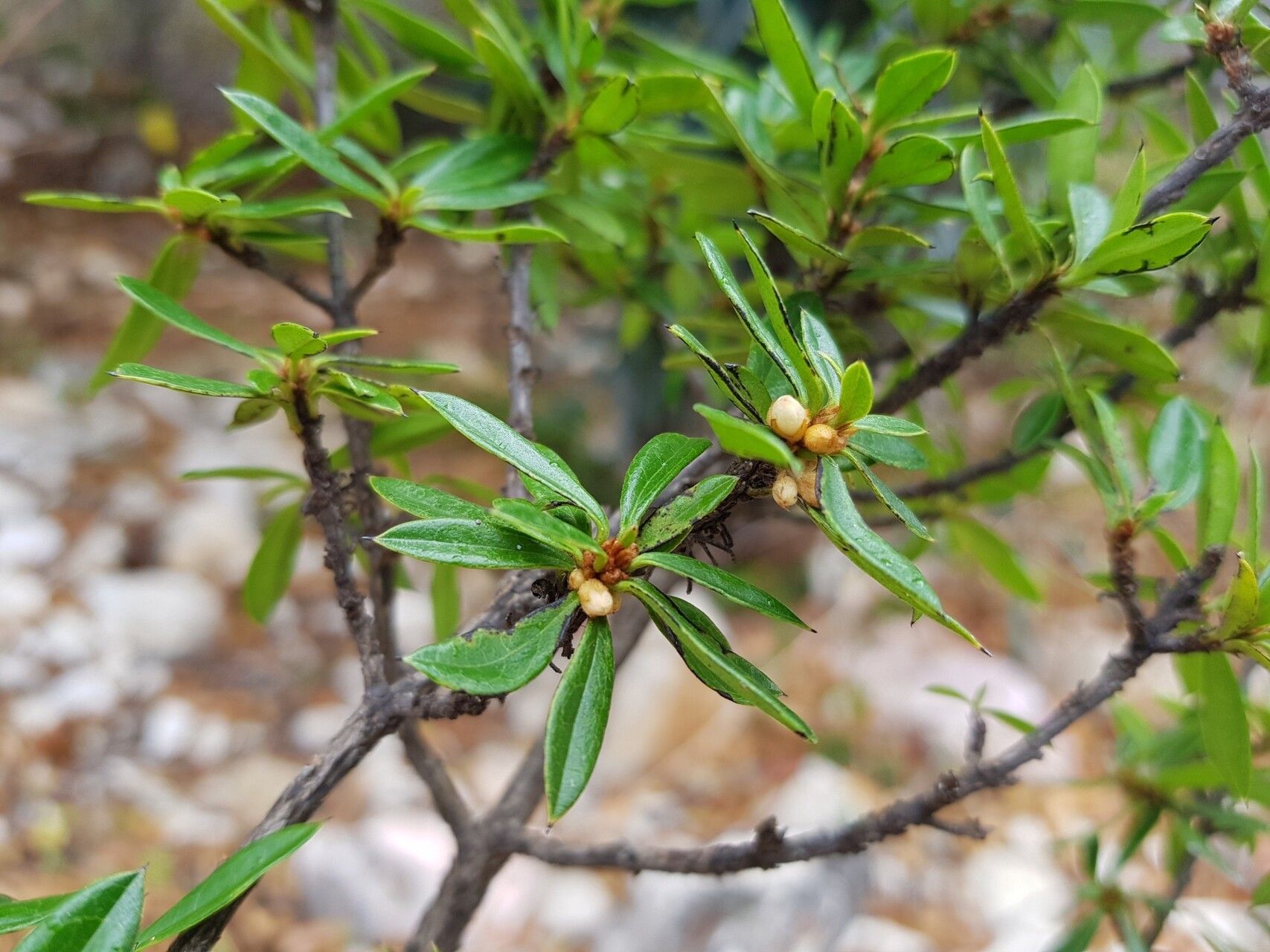
Diospyros texana is a species of persimmon that is native to central, south and west Texas and southwest Oklahoma in the United States, and eastern Chihuahua, Coahuila, Nuevo León, and Tamaulipas in northeastern Mexico. Common names include Texas persimmon, Mexican persimmon and the more ambiguous "black persimmon". It is known in Spanish as chapote, chapote manzano, or chapote prieto, all of which are derived from the Nahuatl word tzapotl. That word also refers to several other fruit-bearing trees.
The Texas persimmon is fairly resistant to disease and is generally not susceptible to illnesses. Concerning care, this plant is fairly low-maintenance. When grown outdoors it needs little watering, and larger plants usually do not require pruning. Smaller plants, however, should be pruned after they finish blooming. The Texas persimmon is suitable for anyone with outdoor space, such as a garden or deck, and does not demand much experience in plant care.
How to keep Diospyros Texana.
Light
The Texas persimmon grows best when exposed to plentiful sunlight throughout the day. It can also tolerate a mix of sun and shade, so it adapts to various light conditions. As in its native habitat, sunny conditions support its optimal growth. Both excessive sun and insufficient sun can harm its overall health.
Water
Texas persimmon is highly drought-tolerant and thrives in arid conditions with minimal watering requirements—typically only needing water once every one to two weeks. This tree is well-suited for outdoor growth because it benefits from natural rainfall. During its dormant season, it has a leaf-shedding cycle that helps conserve moisture.
Humidity
This plant will thrive in moderate humidity, which is probably the level in your home. However, misting it a few times a week can be very beneficial. Make sure the room has good ventilation.
Temperature
The Texas persimmon requires a particular range of climates to grow well. Its native temperature requirements include an average range of 59 to 100 ℉ (15 to 38 ℃). The plant prefers warm to hot conditions between 68 to 95 ℉ (20 to 35 ℃) but can tolerate brief dips to 32 ℉ (0 ℃). In winter, temperatures below 23 ℉ (-5 ℃) are not recommended, and in summer it can endure temperatures up to 113 ℉ (45 ℃).
Fertilizer
The Texas persimmon plant needs adequate nutrients for optimal fruit production. Fertilize in early spring to encourage new growth and bloom development. Regular fertilization keeps the plant healthy, helps it produce more delicious fruit, and prevents nutrient deficiency problems such as yellow leaves and poor fruit production.
Pruning
Texas persimmon is known for its dark bark and sweet fruits. To maintain healthy growth and improve fruit production, it benefits from pruning in late winter. This helps to enhance air circulation and sunlight exposure. When pruning, make clean cuts close to the trunk to encourage healthy regrowth. Be sure to use sterilized tools to prevent disease. Regular pruning supports both fruit production and the overall health of the plant.
Botanical profile.
- Plant Type
- Tree
- Life Cycle
- Perennial
- Genus
- Diospyros
- Family
- Ebenaceae
- Hardiness Zone
- 8-11
- Mature Height
- 6.1 m to 12.19 m
- Mature Spread
- 4.57 m to 7.62 m
- Leaf Color
- Green
- Leaf Type
- Semi-evergreen, Deciduous
- Flower Color
- White
- Flower Size
- 2.54 cm
- Bloom Time
- Mid spring, Late spring, Early summer
- Planting Time
- Spring
- Harvest Time
- Mid summer
- Native Area
- Mexico
Other names.
Reader questions.
How should I water my Texas persimmon tree?
To promote excellent root development, place a garden hose at the base of the plant. Avoid spraying the leaves directly, as they may need extra watering if exposed to direct sunlight. You can use bubblers or soaker hoses to moisten the roots, covering the entire garden or bed when adding or removing plants. Make sure to drain any excess water and wait for the soil to dry before watering again. Water at ground level to prevent diseases. On a sunny day, it's recommended to spray the entire bush with water. Whether in a pot or in the ground, remember that Texas persimmon prefers deep watering.
Why is it important to fertilize my Texas persimmon plant?
The growth of plants, particularly fast-growing ones, depletes the soil of nutrients. Regular fertilization is necessary for Texas persimmon to remain healthy and produce delicious fruit. Without proper fertilization, plants may encounter various problems. Nutrient deficiency can result in issues such as yellow leaves, reddish coloration, misshapen leaves, withered tips, and dieback across large parts of the plant. Bark disorders, slow growth, poor shoot development, and a lack of fruit production can also occur due to nutrient deficiencies.
What are the sunlight requirements for Texas Persimmon?
Texas Persimmon thrives best with abundant sunshine throughout the day, requiring above 6 hours of sunlight to prosper in full sun conditions, but it can also tolerate partial sun, needing about 3-6 hours of sunlight. Its ability to endure a mix of sun and shade ensures it can adapt to various sunlight conditions. However, both overexposure and lack of sun can negatively affect its health. Observing how sunlight moves through your garden and choosing locations that offer a balance of light and shade is crucial for the happiness of your plants.
What are the ideal climate conditions for growing a Texas Persimmon?
The Texas Persimmon (Diospyros texana) flourishes within a specific climate range, thriving in warm to hot temperatures. Ideally, it prefers temperatures between 68 to 95°F (20 to 35°C), although it is capable of withstanding brief periods of cold down to 32°F (0°C). These plants are suited to regions where the average temperature falls between 59 to 100°F (15 to 38°C). It's important to note that during winter, it's best to keep the environment above 23°F (-5°C) as the plant can suffer damage in colder conditions. In the heat of summer, Texas Persimmon can handle temperatures up to 113°F (45°C). If temperatures are expected to drop below -5°C, some temporary cold protection measures, like wrapping the plant in plastic film or fabric, might be necessary.
What should I do if I give Texas persimmon plants too much or too little water?
When a Texas persimmon is overwatered, its leaves can turn yellow, drop off, and wilt. The plant may also appear dull and unhealthy, with mushy stems. In such cases, it is best to adjust your watering schedule if possible. Conversely, wilting can also indicate under watering, with leaves turning crispy and dry. To address this, check the soil and provide a thorough watering if it is dry. However, excessive watering can result in the recovery of the persimmon but still leave the plant with dry and yellow leaves due to damaged roots. Once the plant returns to normal, the yellowing of leaves will cease. If you have a Texas persimmon indoors, always monitor the moisture levels in the pot and avoid overwatering. Look for signs of black spots, and if present, allow the soil to dry out for a few days before watering again. Overwatering can lead to root rot, so if you notice discolored and slimy roots, consider transferring the plant to a different pot. It's important to prevent root rot by avoiding excessively soggy soil. When planting a Texas persimmon outdoors, make sure to dig a bit deeper. If the soil feels too dry when you check with your fingers, it may indicate under watering, in which case you should provide adequate water to help the plant recover.
What is the ideal time to add fertilizer to my Texas persimmon plant?
The best time to fertilize Texas persimmon is in the early spring, before the buds start to emerge. This is because during this time, the persimmon tree is using its stored winter reserves to grow new leaves and blooms. To provide enough energy for the blooming process, it is recommended to fertilize about 2 to 4 weeks before the expected blooming time. This allows the nutrients to penetrate the soil and be absorbed by the plant. While you can continue fertilizing during the spring, it's best to avoid fertilizing in the autumn. Fertilizing during this time can result in excessive foliage growth, which can make the leaves vulnerable to damage during winter.
How can artificial lighting benefit indoor Texas Persimmon plants?
For Texas Persimmon plants grown indoors where natural sunlight is insufficient, especially during winter or in less sunny spaces, artificial lighting can be a vital solution. It promotes faster, healthier growth by providing adequate lighting. LED lights, being customizable to deliver specific wavelengths needed by plants, are popular. The amount of artificial light required varies: full sun plants need 30-50W/sq ft, partial sun plants need 20-30W/sq ft, and full shade plants need 10-20W/sq ft. The light source should be placed 12-36 inches above the plant to mimic natural sunlight, ensuring the plant receives 8-12 hours of light per day.
How does low temperature affect Texas Persimmon and how can it be protected?
Texas Persimmon has a moderate tolerance to low temperatures, performing best when the mercury stays above 59°F (15°C). It can endure winters as long as temperatures do not fall below -5°C. If the temperature dips below -10°C, the leaves may droop and, depending on the severity of the cold, they might not recover; in extreme cases, the leaves wilt and drop off. To protect the plant from low temperatures, you should trim off any frost-damaged parts and wrap the plant with non-woven fabric or cloth. Additionally, constructing a wind barrier can help protect it from cold winds.
How frequently should I water my Texas persimmon?
The Texas persimmon prefers deep and infrequent watering, especially when planted in pots. Water them with a gallon of water each time to ensure sufficient hydration. Potted plants have limited water storage, so the soil tends to dry out faster. In colder regions, water every 3 to 5 days, preferably in the morning when the soil is dry. You can check if watering is needed by examining the soil inside. If the top 2-3 inches are dry, give the plant a thorough watering. On hot days, monitor the moisture daily as the heat can quickly dry out the soil. If you have a garden, irrigation is necessary, especially in hot climates. Water once a week when you notice the soil is becoming too dry. Take into account the amount of rainwater the plant receives to avoid overwatering and root rot. During spring and fall, Texas persimmons typically grow. When outdoors, apply a layer of mulch about 3 to 4 inches deep to conserve water. Sandy soil drains faster, so water more often. Clay soil, on the other hand, requires less frequent watering to avoid root rot. Keeping track of watering dates and observing drooping leaves can help you maintain the appropriate watering schedule.
When is it not a good idea to use fertilizer on my Texas persimmon?
To take care of Texas persimmon, avoid fertilizing in its first year of growth. Be cautious about fertilizing unnecessarily and avoid it if you pruned 20% or more of the plant the previous year. If the plant is diseased or damaged, hold off on fertilizing as it may cause more harm. Instead, address the underlying issue before considering fertilizer. It is also best to avoid fertilizing after the peak of summer, as this can lead to excessive growth before winter. During hot and dry times of the year, refrain from fertilizing as dry soil is less effective at delivering nutrients. Fertilizing at this time can also promote growth, increasing the plant's water requirements which may not be readily available. It is advisable to apply fertilizer earlier in the season when temperatures are cooler. Lastly, be mindful that Texas persimmon can absorb fertilizer applied to nearby plants or lawns, so be cautious about inadvertently over-fertilizing.
What are the symptoms of insufficient sunlight in Texas Persimmon?
Texas Persimmon may exhibit several symptoms when experiencing insufficient sunlight, including smaller new leaves, leggy or sparse growth, faster leaf drop, slower or no new growth, lighter-colored new leaves, symptoms of chlorosis (leaf yellowing), sunscald, leaf curling, wilting, and leaf scorching. These symptoms indicate that the plant is not receiving enough light to maintain healthy growth and function effectively.
What impact does high temperature have on Texas Persimmon and what are the solutions?
During the summer months, it is crucial to ensure the Texas Persimmon does not experience temperatures above 100°F (38°C). Exposure to temperatures exceeding 109°F (43°C) can cause the plant's leaves to lighten in color, the tips to dry and wither, and the leaves to curl. Such conditions also increase the plant's susceptibility to sunburn. To mitigate these issues, sunburned and dried parts should be trimmed away. Moving the plant to a shaded area during the peak midday and afternoon heat or using a shade cloth can offer protection. Additionally, watering the plant in the morning and evening helps keep the soil adequately moist, further easing the stress of high temperatures.