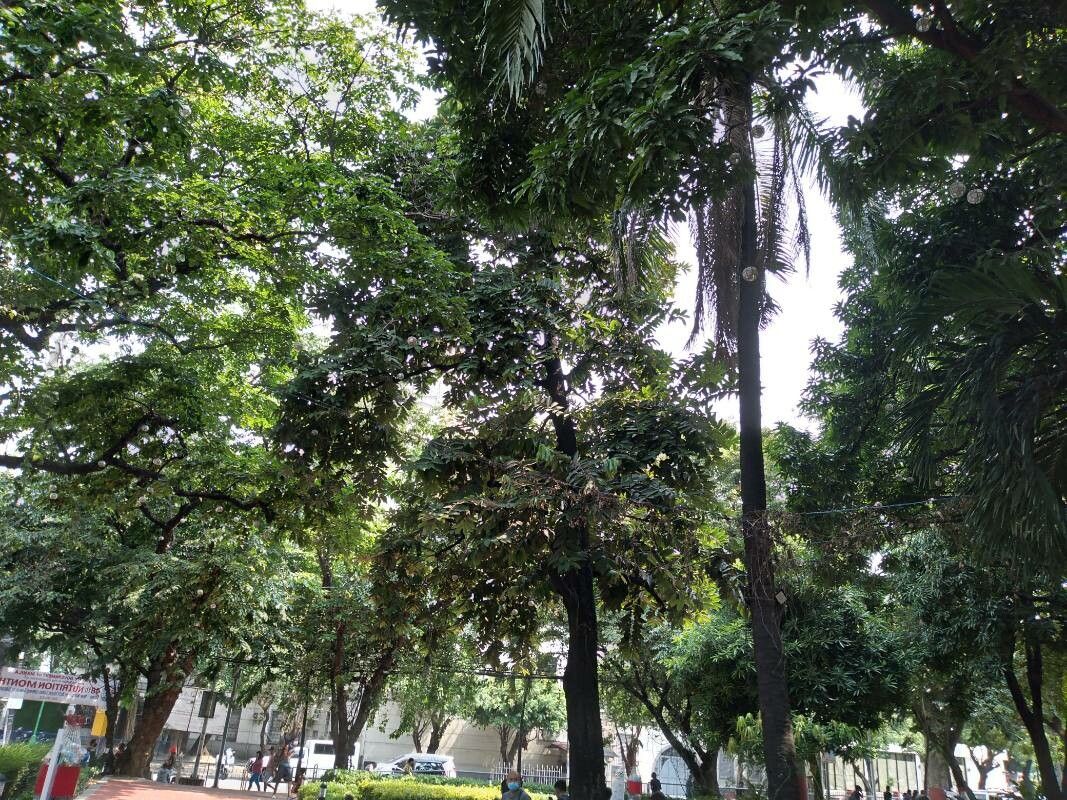
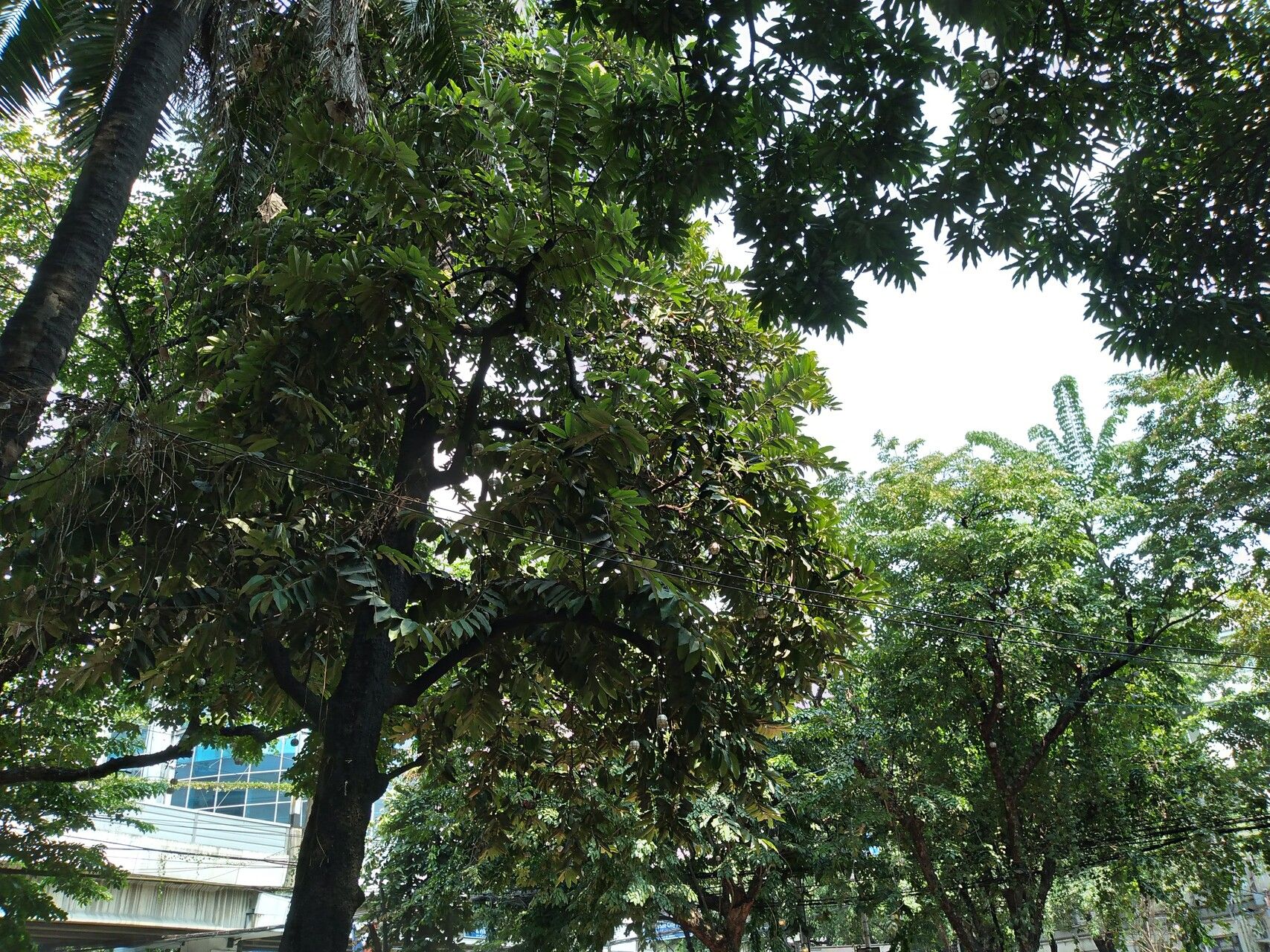
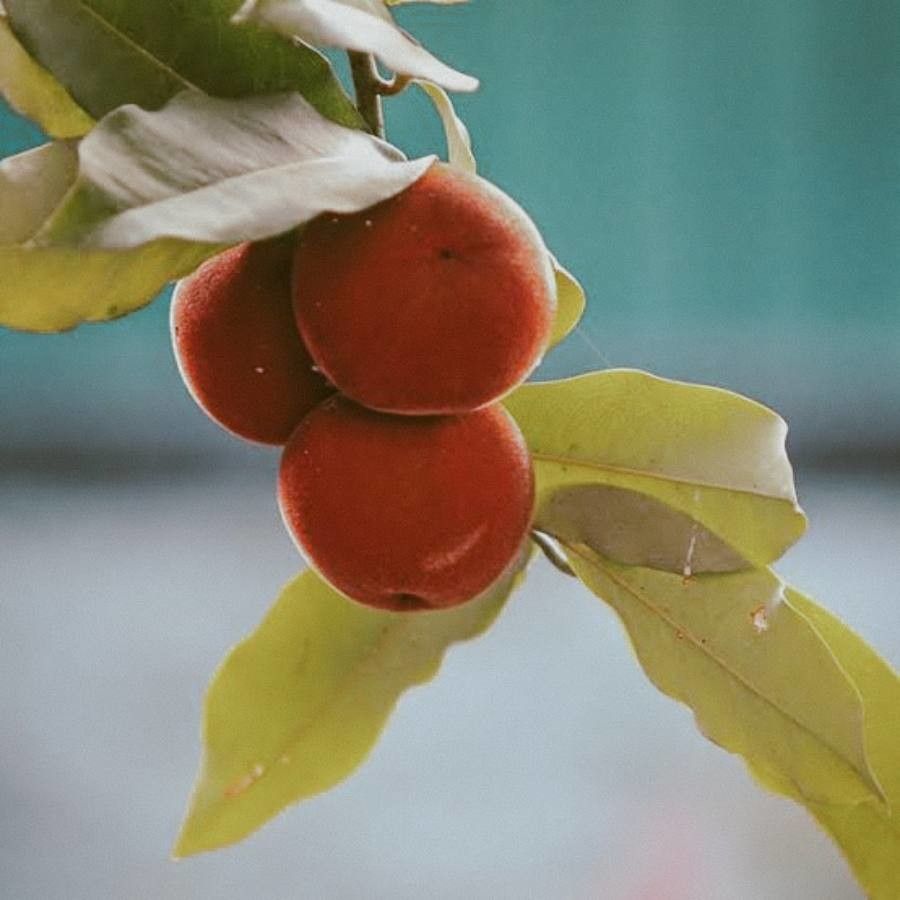
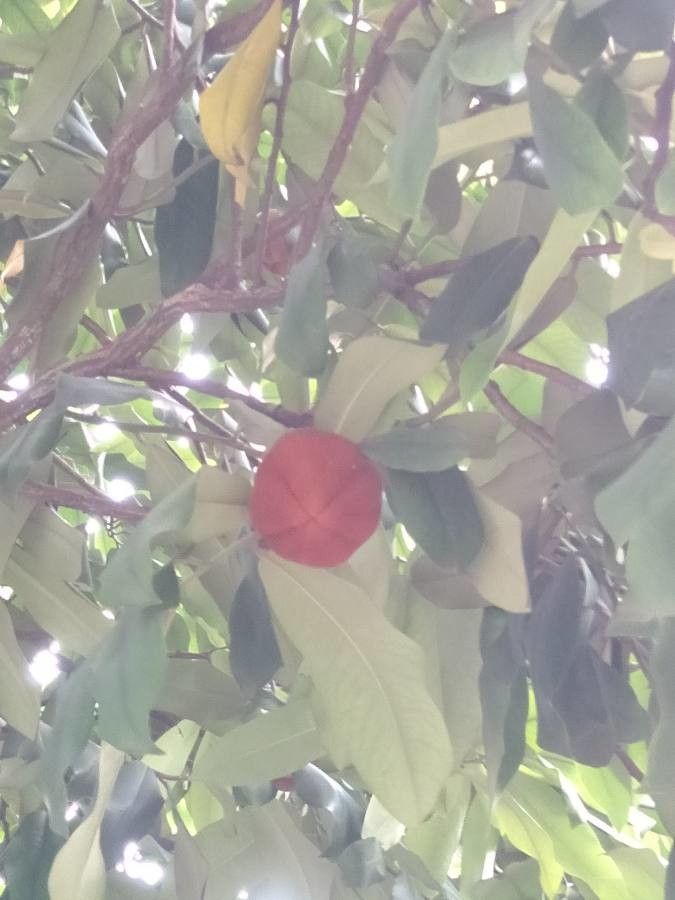
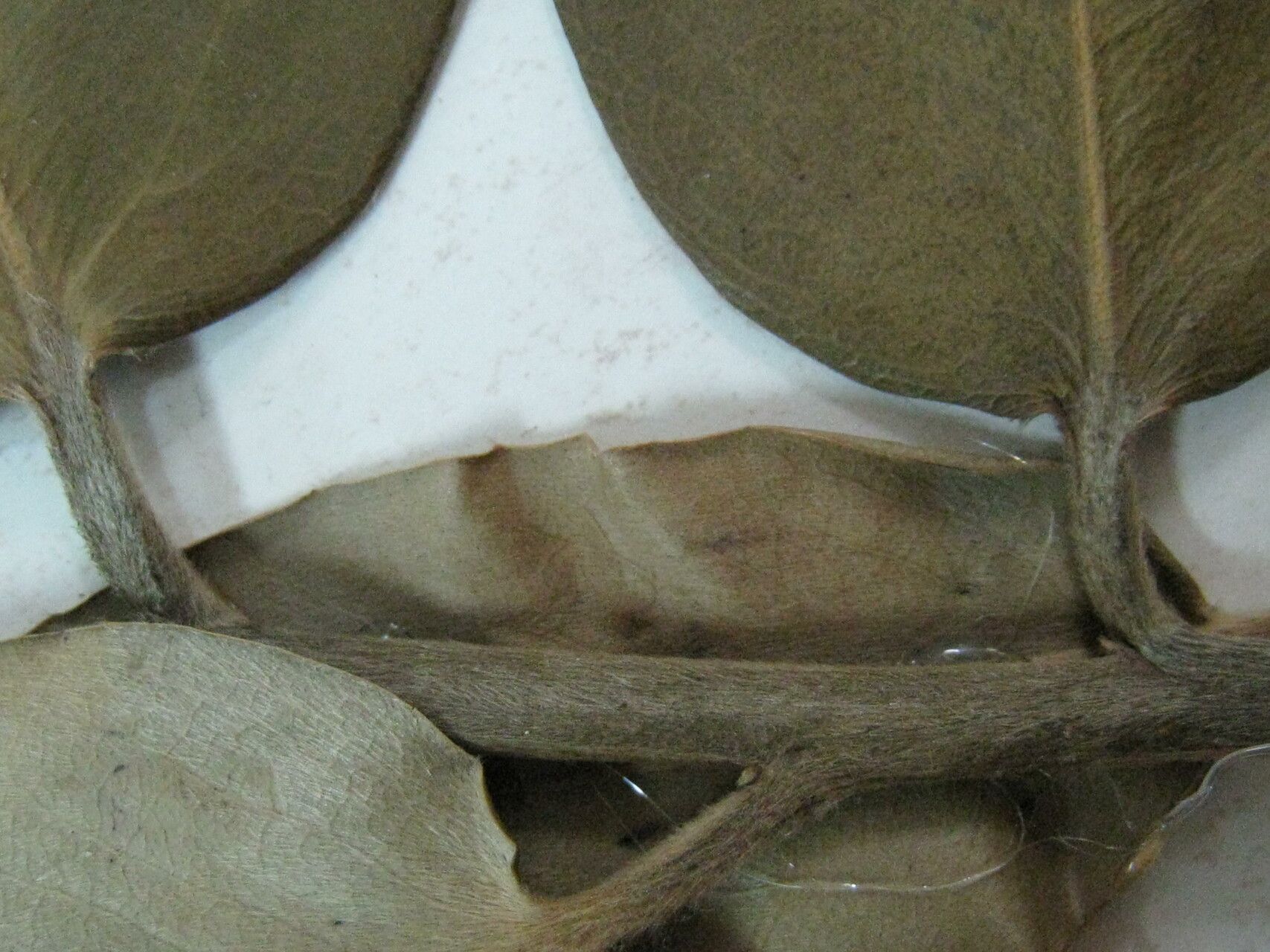
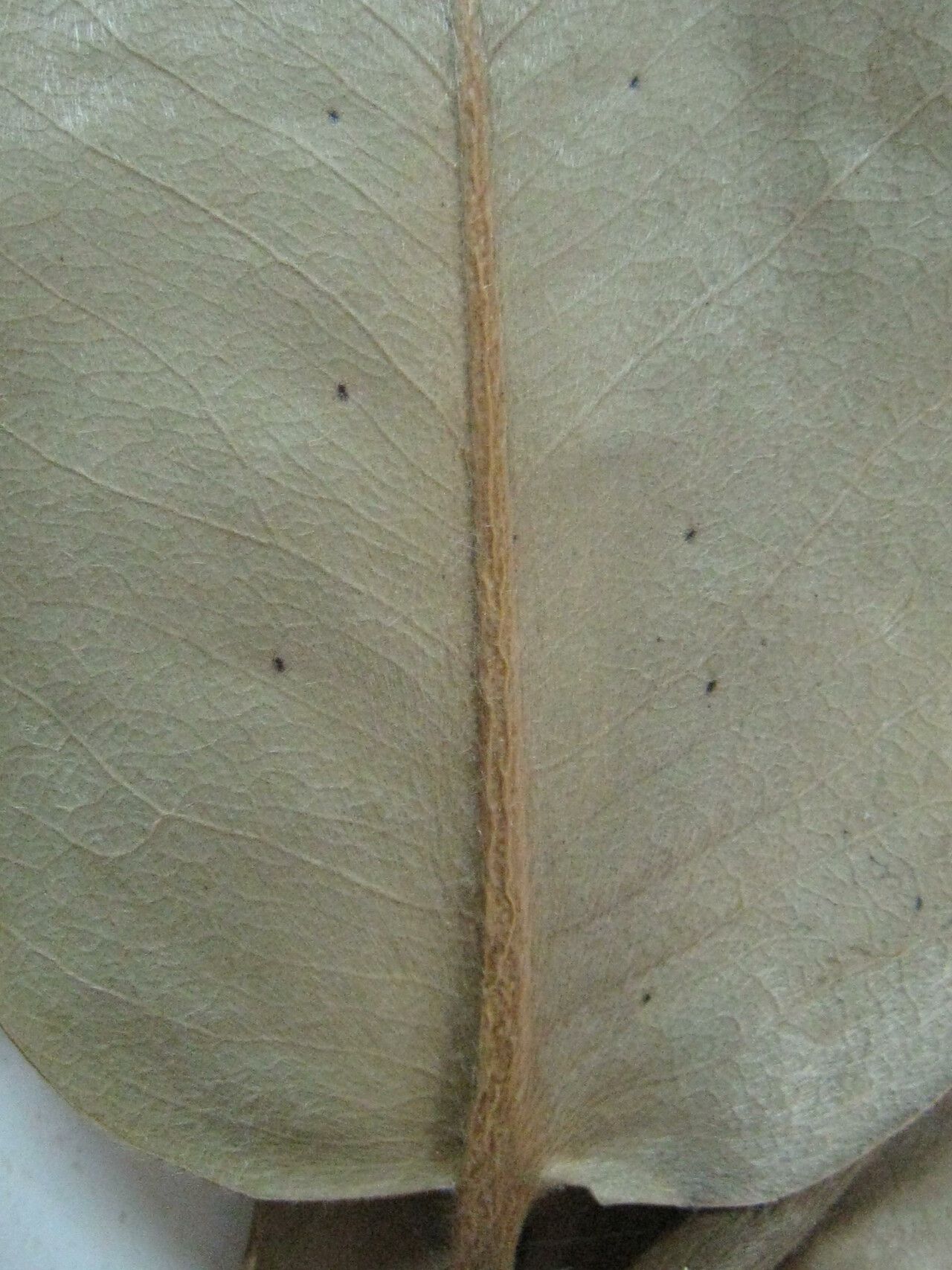
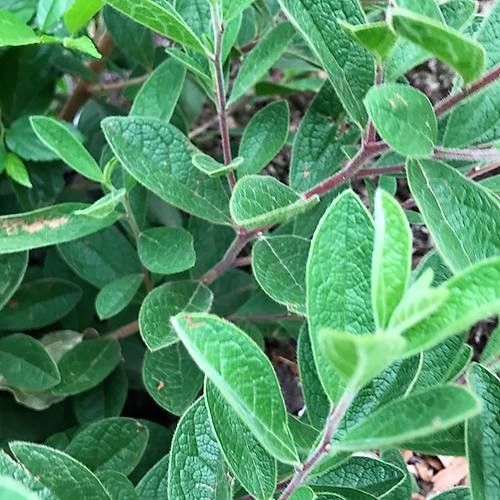
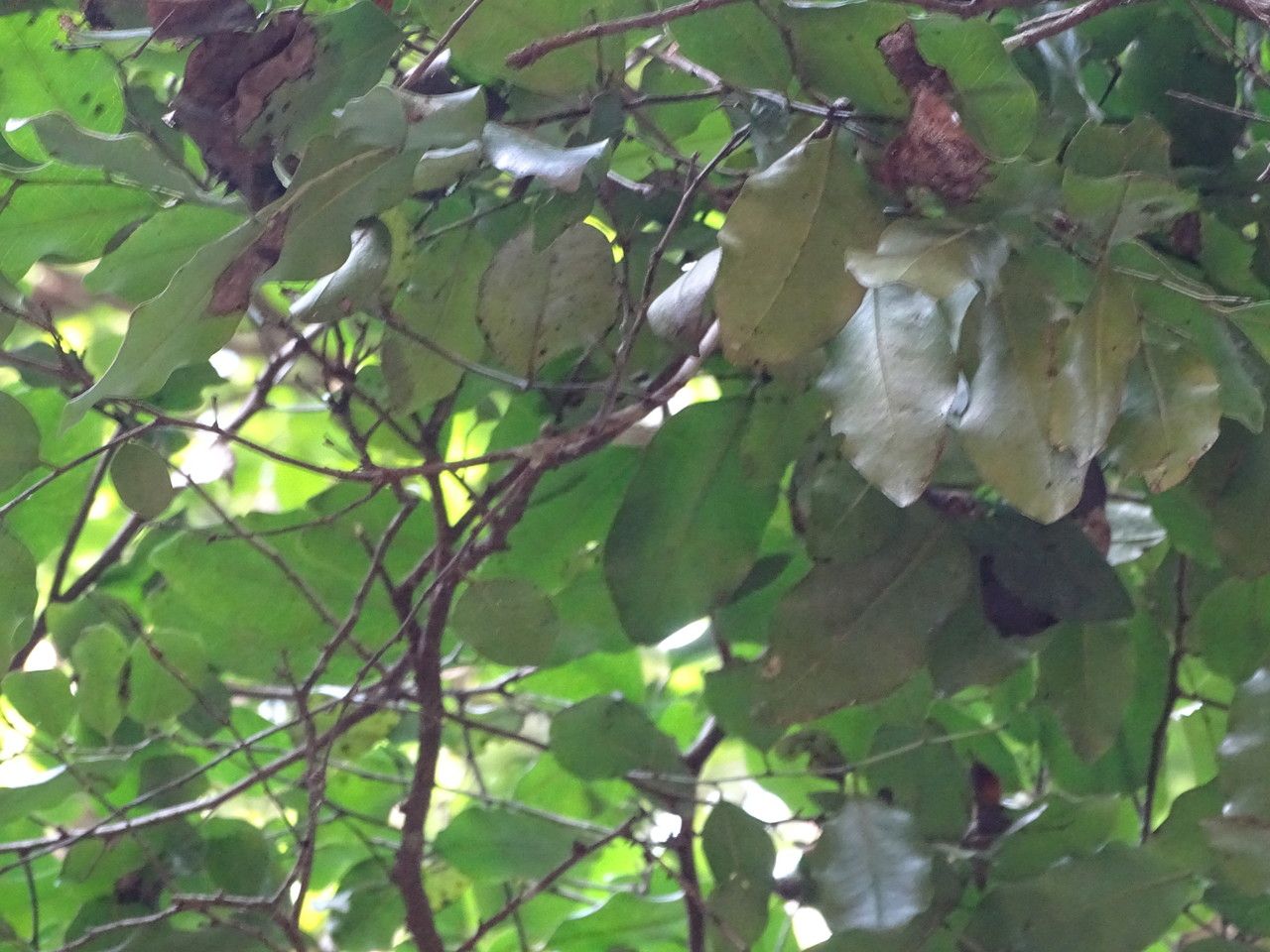
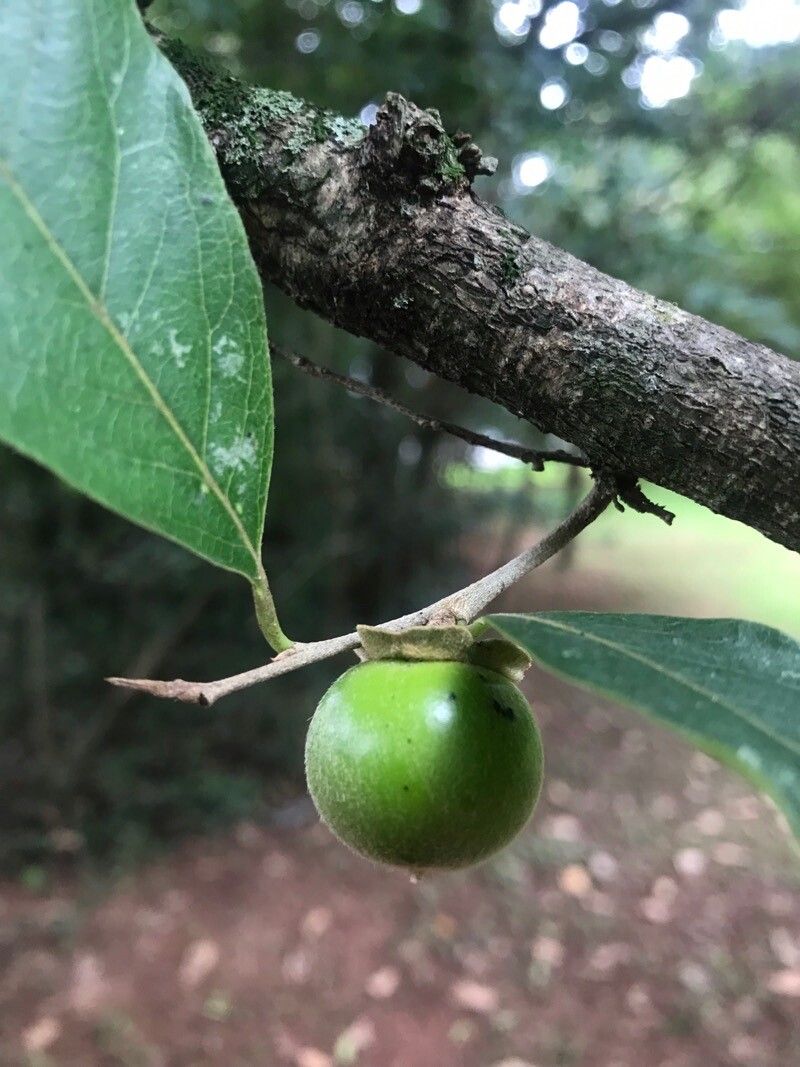
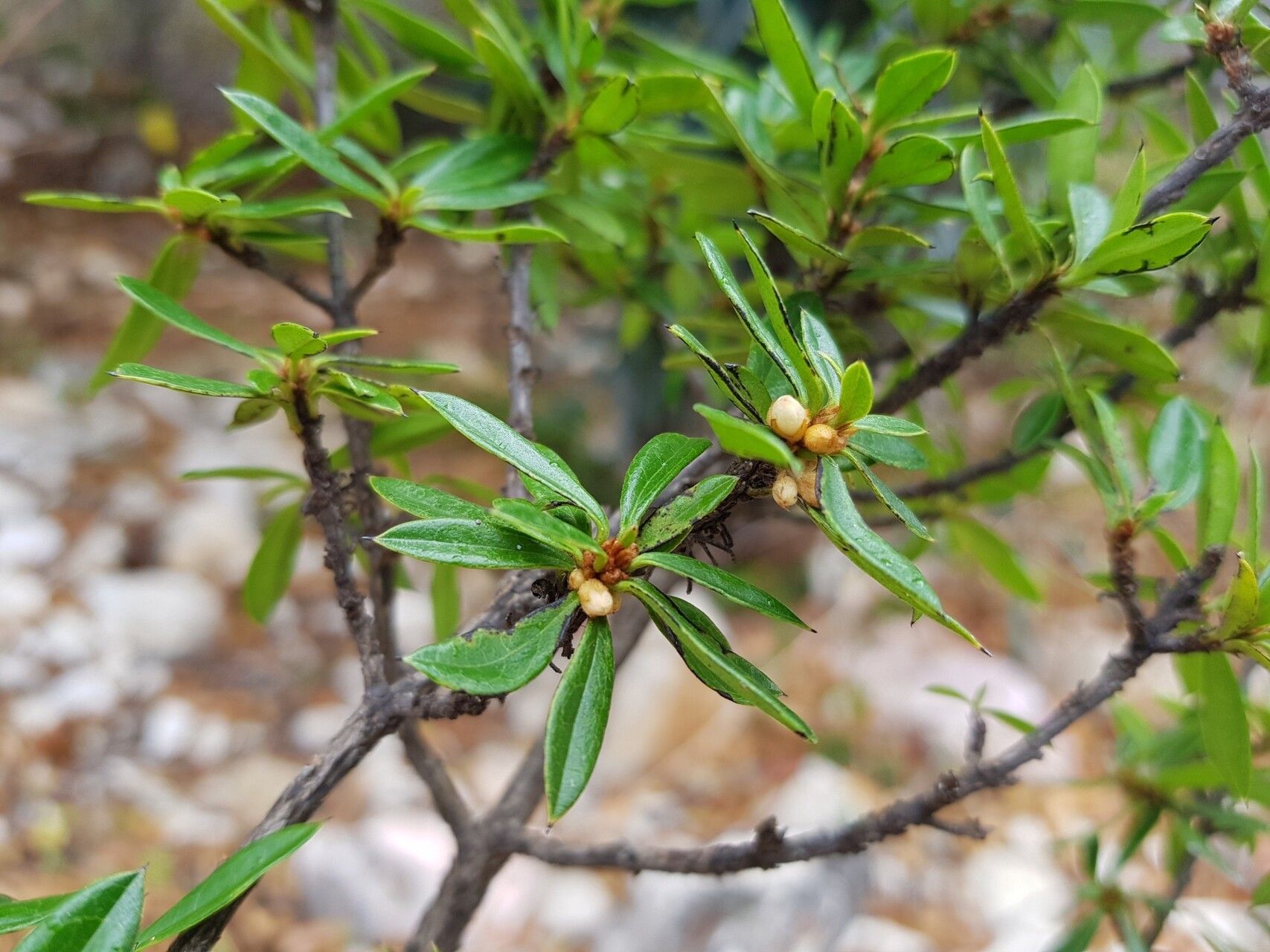
Diospyros blancoi, (synonym Diospyros discolor), commonly known as velvet apple, velvet persimmon, kamagong, or mabolo tree, is a tree of the genus Diospyros of ebony trees and persimmons. It produces edible fruit with a fine, velvety, reddish-brown fur-like covering. The fruit has a soft, creamy, pink flesh, with a taste and aroma comparable to peaches.It is widely distributed and native to the Philippines, but it is also native to eastern and southern Taiwan. It has also been introduced to other parts of Southeast Asia, the Pacific Islands, South Asia, the Caribbean, Florida, and other tropical regions.
Velvet apple has good disease resistance and is generally not susceptible to disease. In terms of care, this plant is relatively low-maintenance. When grown outdoors it needs minimal watering, and larger plants typically do not require pruning. However, smaller plants should be pruned after they have bloomed. Velvet applet is suitable for anyone with an outdoor area, such as a garden or deck, and does not demand much caregiving experience.
How to keep Diospyros Discolor.
Light
Velvet apple thrives in locations with plentiful sunlight, though it can also withstand lower light levels. Excessive exposure may damage it, while insufficient light can impede its development. Its native habitat offers a variety of light conditions, allowing the plant to stay healthy under different sunlight levels.
Water
Velvet apple, native to humid tropical regions, thrives in environments where moisture is consistent and can tolerate moderate drought. To mimic its natural habitat, water the plant every 1-2 weeks, ensuring it is planted in well-draining soil. While typically grown outdoors, it flourishes in areas with stable humidity and conditions similar to the loamy floors of a forest.
Temperature
Velvet apple comes from tropical regions, where the climate is generally warm and humid. As a result, it is well suited to high temperatures and moisture. It does not tolerate sudden temperature changes and prefers a stable thermal environment, so avoiding temperature fluctuations indoors is important. It usually cannot withstand cold and needs warmer conditions to grow. If the surrounding temperature drops too much, the plant may stop growing or even die.
Fertilizer
Select organic fertilizers (e.g., fish emulsion, compost) instead of chemical fertilizers for Velvet apple. Give young plants higher amounts of nitrogen and phosphorus in spring. Incorporate compost or fertilizer prior to or after planting. For mature plants, provide a balanced fertilizer or one specific to any deficiency in spring. Nutrient deficiency causes small leaves, short branches, yellow or bronze leaves, acidic fruits, premature fruit fall, and splitting.
Pruning
Pruning during the dormant season, from early to late winter, is essential for velvet apple trees. This process involves removing dead branches, thinning the canopy for better air circulation, and shaping any overgrown areas. Such care during the dormant season promotes healthy growth, reduces the risk of disease, and improves fruit production, all of which are crucial for successful gardening.
Botanical profile.
- Plant Type
- Tree
- Life Cycle
- Perennial
- Genus
- Diospyros
- Family
- Ebenaceae
- Hardiness Zone
- 10
- Mature Height
- 15.24 m to 30.48 m
- Mature Spread
- 10.06 m to 14.94 m
- Leaf Color
- Green, Silver
- Leaf Type
- Evergreen
- Flower Color
- White
- Flower Size
- 2.54 cm
- Bloom Time
- Late spring, Early summer, Mid summer
- Planting Time
- Spring, Summer, Autumn, Winter
- Harvest Time
- Late summer, Fall
Other names.
Reader questions.
How should I water my Velvet apple plant?
Watering your Velvet apple is not complicated. You can use any common watering tool, such as watering cans, hoses, or even cups. Remember to water it directly to the soil, making sure to moisten all areas equally for the root system. Filtered water is preferred to avoid harmful particles, and using water at or slightly above room temperature is best to prevent shocking the plant. However, the Velvet apple is generally adaptable and will respond well to any type of water.
What are the sunlight requirements for Velvet Apple?
Velvet Apple requires full sun exposure of over 6 hours of sunlight a day, but it can also thrive in partial sun with about 3-6 hours of sunlight. It's crucial to observe how sunlight moves through your garden, ensuring you pick a location that offers a balanced environment of light and shade for optimum growth. Despite its flexibility in light tolerance, extremes in sunlight exposure can either harm or hinder its development, reflecting its adaptability to varied light conditions found in its native habitat.
What is the Velvet Apple?
The Velvet Apple, known scientifically as Diospyros discolor, is a distinctive fruit with unique characteristics. While the information provided does not detail the essentials, symptoms, or additional facts about the Velvet Apple, it is recognized by its botanical name and is a point of interest for those exploring diverse fruit species or studying botany.
What should I do if I give my Velvet apple too much or too little water?
When caring for outdoor plants, especially newly planted ones or seedlings, it's important to avoid under-watering. Make sure to water them adequately for a few months while they are still small or recently planted. As the roots become established, Velvet apple trees can mostly rely on rainfall. When Velvet apple trees are grown in pots, overwatering is more likely to occur. If you accidentally overwater your Velvet apple, take immediate action to correct the situation. Stop watering the plant right away to minimize the impact of overwatering. Then, remove the Velvet apple from its pot and inspect the roots. If you find no signs of root rot, you can return the plant to its container. However, if you see any affected roots, trim them away and consider applying a fungicide to prevent further damage. Finally, repot your Velvet apple in well-draining soil. For underwatered Velvet apple trees, simply increase the frequency of watering. It is usually an easy problem to fix. If the leaves are drooping, drying out, or falling off, they will regain their fullness soon after sufficient watering. Make sure to adjust your watering schedule promptly when you notice underwatering occurring.
How does artificial lighting benefit indoor Velvet Apple plants?
For Velvet Apple plants grown indoors, insufficient natural sunlight, especially in winter or less sunny spaces, necessitates the use of artificial lighting to ensure optimal growth. Artificial lights, such as LED lights, are effective as they can be tailored to provide the specific wavelengths needed by plants. The recommended artificial light intensity varies by the plant's sunlight needs: 30-50W/sq ft for full sun plants, 20-30W/sq ft for partial sun plants, and 10-20W/sq ft for full shade plants. Position the light source 12-36 inches above the plant to mimic natural sunlight and set the duration to match natural daylight hours, typically between 8-12 hours per day.
How much water does my Velvet apple tree need?
Most outdoor plants can grow naturally with rainfall. However, if your area doesn't receive enough rain, you should water your plants adequately every 2 weeks in the spring and fall, and more frequently in the summer. During the winter, water sparingly as plants require less water. Young or newly planted Velvet apple plants need more frequent watering to establish themselves, while mature plants are more adaptable and drought tolerant. For potted Velvet apple plants, there are two main ways to determine watering frequency. The first is setting a predetermined watering schedule, such as once a week or every other week. However, this approach may not always be effective as it doesn't consider the unique conditions of your plant's environment. Watering frequency can also vary depending on the season. During summer, when water needs are highest, a predetermined schedule may not be sufficient. Another option is to base watering frequency on soil moisture. It is recommended to wait until the top two to four inches of soil have completely dried out before watering again.
What symptoms indicate Velvet Apple is receiving inadequate light?
Velvet Apple shows several symptoms when experiencing light deficiency. New leaves may appear smaller, growth can become leggy or sparse, and there might be faster leaf drop as the plant conserves resources. Additionally, growth may slow down or halt altogether, with new leaves showing paler colors, indicating a lack of chlorophyll. Excessive sunlight can lead to chlorosis, where leaves lose their green color, sunscald which damages plant tissue, leaf curling as a defense against sunlight, wilting from excessive water loss, and leaf scorching characterized by brown, crispy leaf edges.
How much water does my Velvet apple tree need?
When watering your Velvet apple, it's important to note that it doesn't always require a large amount of water. If only a few inches of soil have dried since the last watering, providing about five to ten ounces of water should promote healthy growth. You can also gauge the amount of water needed based on the moisture level of the soil. Pay attention to how many inches of soil have dried out between waterings. To ensure the Velvet apple gets sufficient moisture, water until all the layers of dry soil have become moist again. If more than half of the soil has dried, it's advisable to give more water than usual. In such cases, keep adding water until you see excess water draining from the pot's holes. If your Velvet apple is planted in an area where it receives plenty of rainfall, additional watering may not be necessary. However, for young or newly established plants, it's important to ensure they receive 1-2 inches of rain per week. Once the Velvet apple has grown and become established, it can rely solely on rainwater for sustenance. Only during hot weather or when there has been no rainfall for 2-3 weeks should you consider providing a full watering to prevent the plant from experiencing stress.
How can I address Velvet Apple's light-related issues?
To mitigate light-related problems in Velvet Apple, indoor plants should gradually be moved to sunnier spots until they receive at least 6 hours of direct sunlight daily, with the use of south-facing windows and keeping curtains open suggested for maximum exposure. Artificial light sources can be used to supplement light for large or immobile plants. For outdoor plants, gradual relocation to sunnier areas is recommended to prevent sunburn, alongside pruning to reduce obstructions or transplanting smaller plants to sunnier locations with better drainage during their dormant period for ground plants. It's important to note that while parts of the plant that suffered due to low light might not recover, new growth should be healthy once light conditions improve.
How can I know if I'm giving enough water to my Velvet apple?
When it comes to the Velvet apple, overwatering is a more common issue to watch out for. There are a few signs that indicate overwatering, such as yellowing leaves and possible leaf drop. Overwatering can also cause the plant to shrink in overall size and lead to root rot. On the other hand, an underwatered Velvet apple will start to wilt and may have brown or brittle leaves. Regardless of whether you notice signs of overwatering or underwatering, it's important to take action and restore the health of your Velvet apple.
How do I give water to my Velvet apple tree as it grows?
When the Velvet apple is young, especially as a seedling, it requires more water compared to when it is mature. It is crucial to keep the soil consistently moist during the early stages to promote root development. This applies to Velvet apples that have been transplanted as well. With proper care, the Velvet apple can produce beautiful flowers and fruits. If your Velvet apple is currently flowering or bearing fruit, it will likely need slightly more water to support these plant structures.
How do I provide water for my Velvet apple tree throughout the year?
The watering needs of your Velvet apple will be affected by the changing seasons. In the hot summer months, especially if your plant is exposed to ample sunlight, you will likely need to increase the amount of water you give it. The strong summer sunlight can cause the soil to dry out faster, requiring more frequent watering. On the other hand, during the winter when the plant is not actively growing, it will need much less water. Watering once every 2 to 3 weeks, or even skipping watering occasionally, will suffice. If you are growing the Velvet apple indoors, be cautious of appliances like air conditioners that can cause the plant to dry out quickly, necessitating more frequent watering.