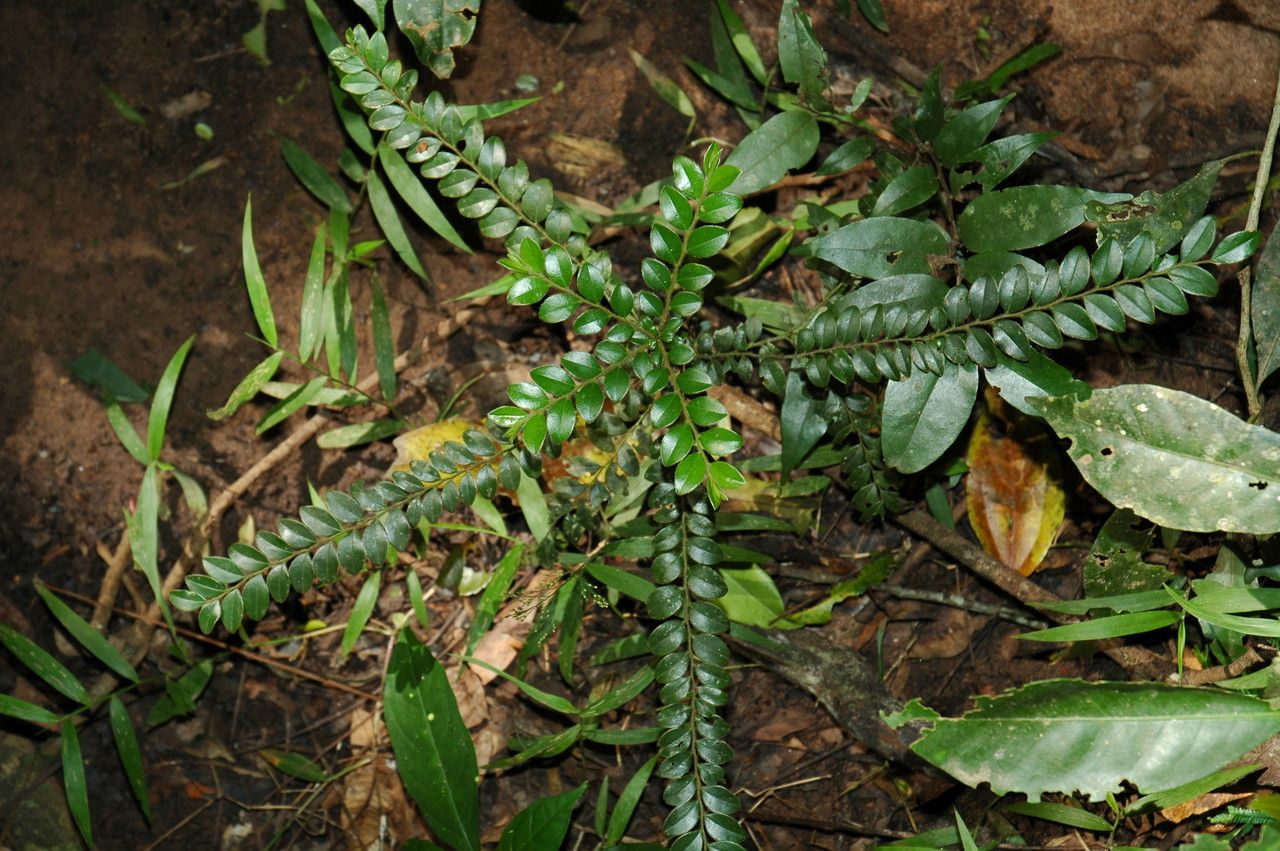
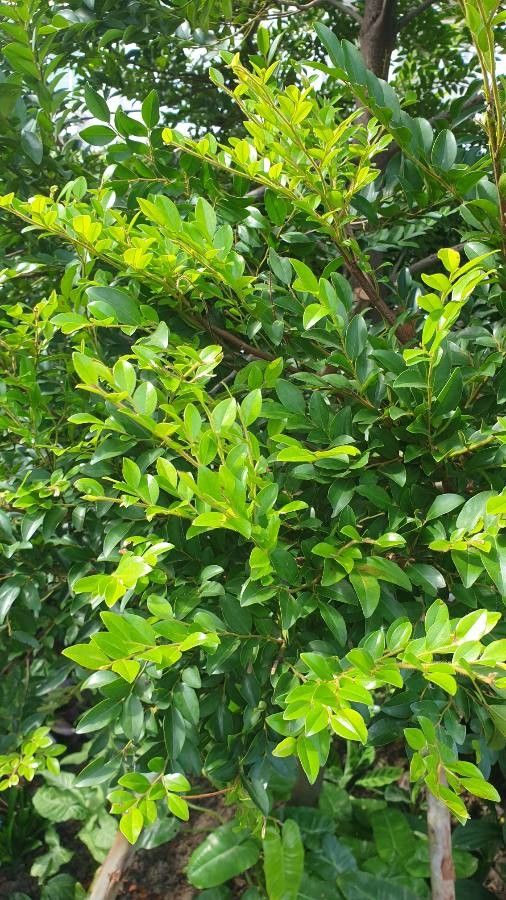
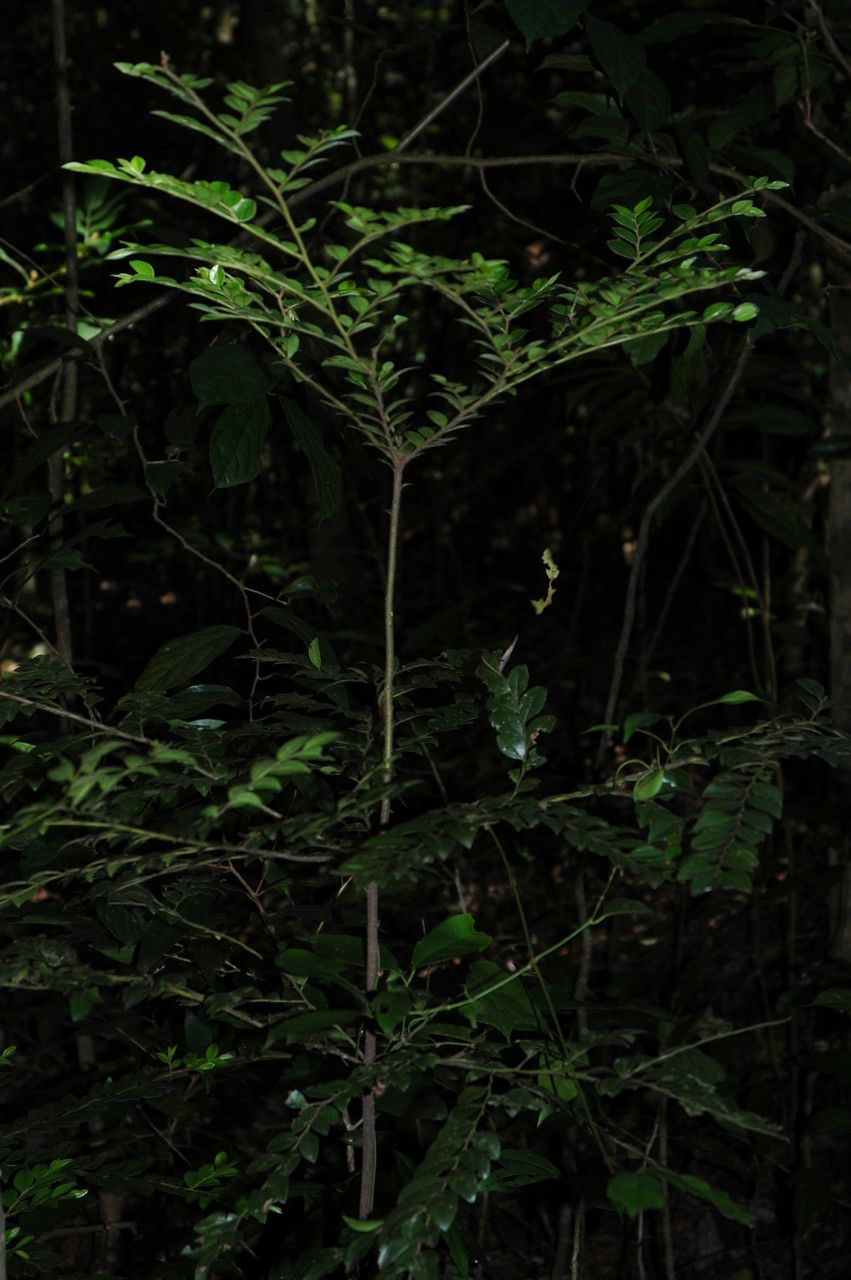
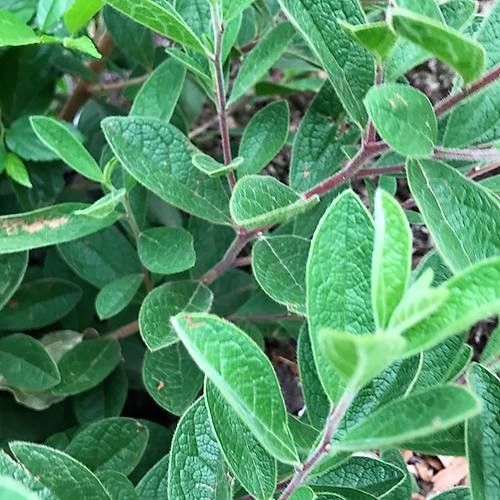
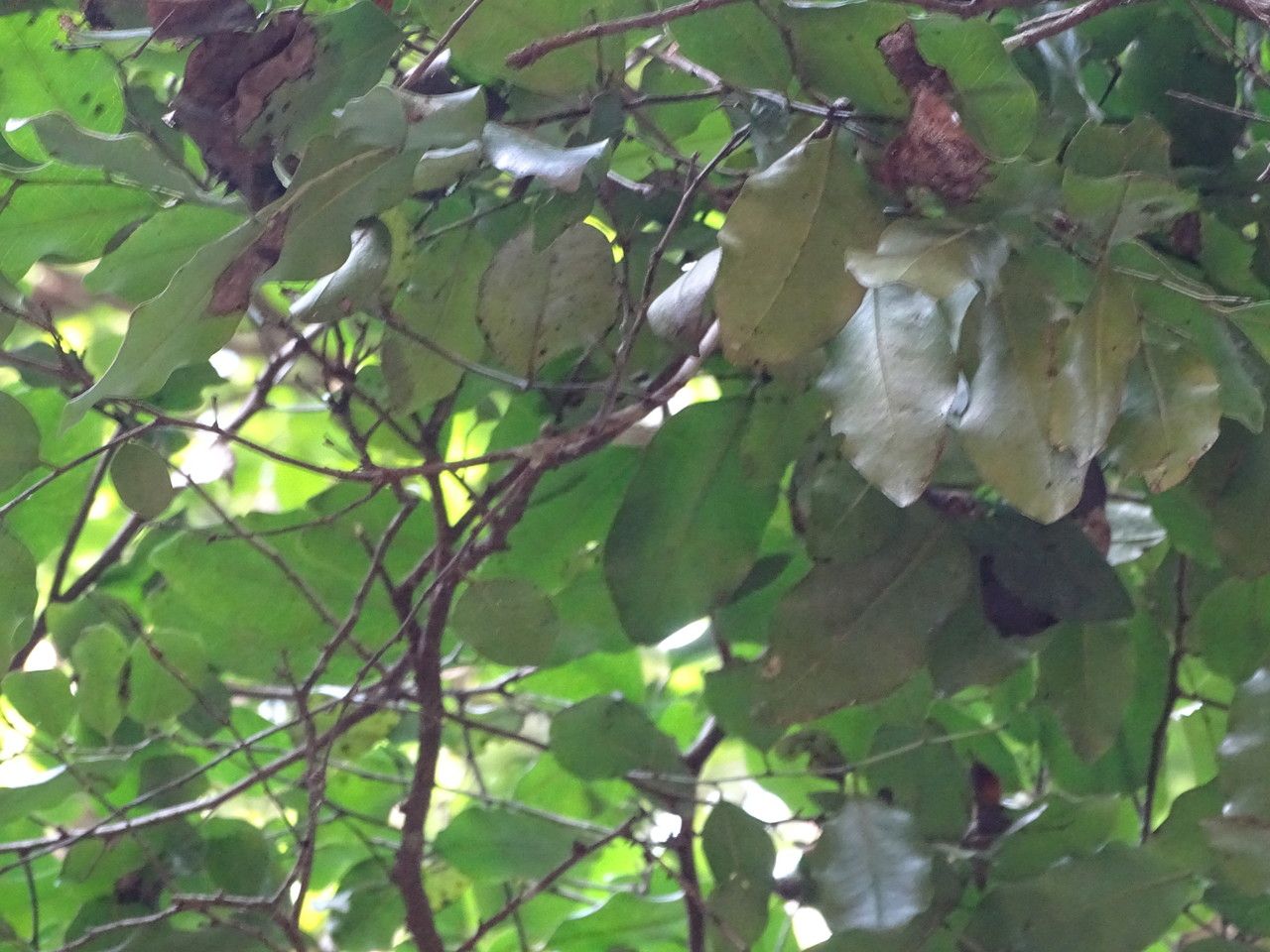
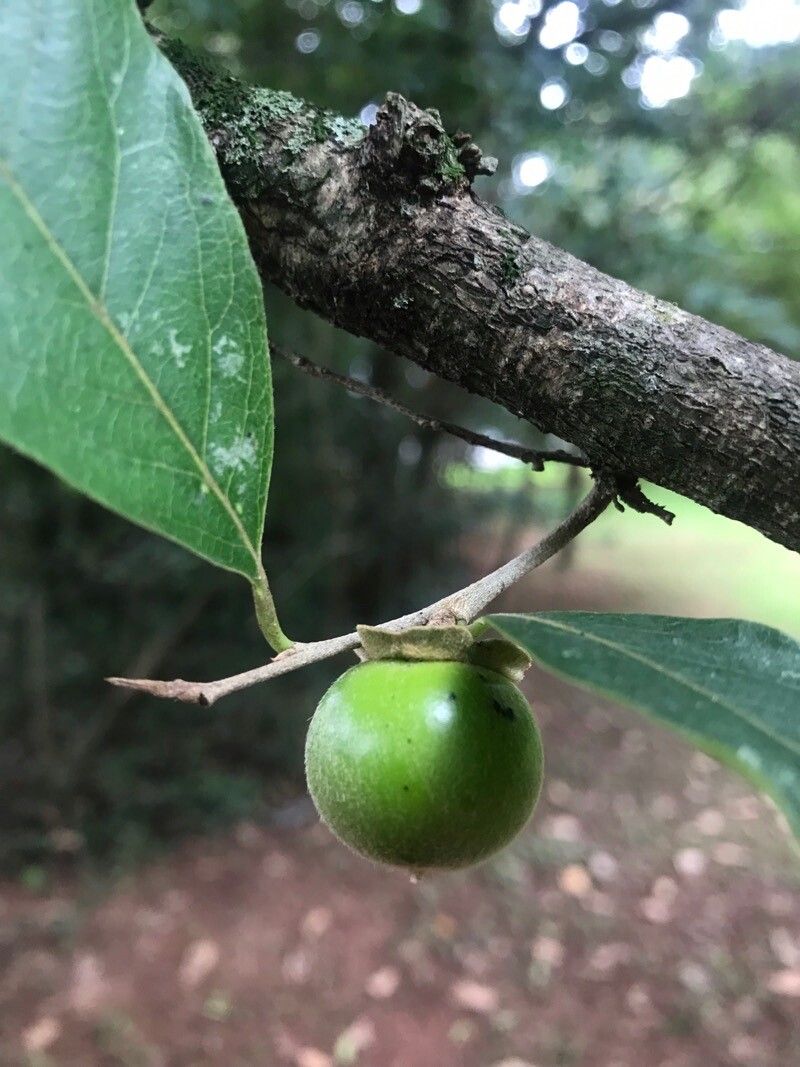
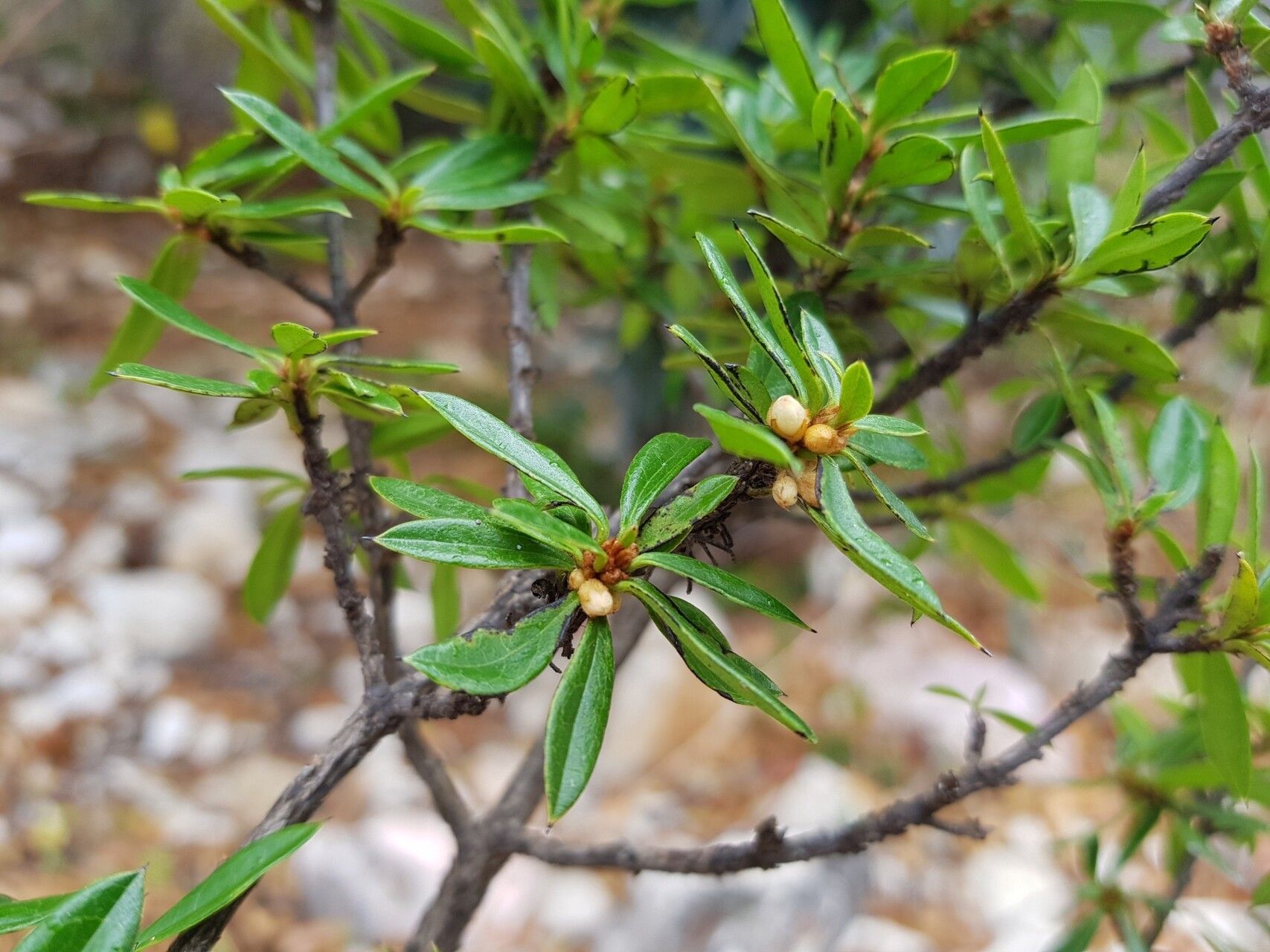
Diospyros buxifolia is a tree in the family Ebenaceae. It grows up to 30 metres (100 ft) tall. Inflorescences bear up to five flowers. The fruits are ellipsoid, up to 1.6 cm (1 in) long. The specific epithet buxifolia is from the Latin, referring to the leaves' resemblance to those of the genus Buxus. Habitat is forests from sea level to 1,000 metres (3,300 ft) altitude. D. buxifolia is found widely from India to Indochina and in Malesia as far as New Guinea.
Diospyros buxifolia has strong resistance to disease and is usually not susceptible to illnesses. In terms of care, this plant is fairly low-maintenance. When grown outdoors it needs little watering, and larger plants typically do not require pruning. Smaller plants, however, should be pruned after they finish blooming. Diospyros buxifoliat is appropriate for anyone with an outdoor area, such as a garden or deck, and does not demand extensive care experience.
How to keep Diospyros Buxifolia.
Light
Diospyros buxifolia is native to habitats such as forest understories and rocky areas, where it occurs in natural shade. It prefers partial sun but can tolerate full sun or full shade, showing its versatile and hardy nature.
Water
Diospyros buxifolia thrives in well-drained soil and can tolerate drought conditions. It generally requires watering every 1-2 weeks. Being an evergreen plant, it retains its leaves throughout the year, which helps minimize water loss through transpiration. These characteristics make it well-suited for indoor gardening.
Temperature
Diospyros buxifolia comes from tropical areas, where the climate is generally warm and humid. As a result, it is well suited to high temperatures and humidity. It does not tolerate sudden temperature shifts and prefers a stable thermal environment, so avoiding temperature fluctuations indoors is important. It usually cannot withstand cold and needs higher temperatures to grow. If the surrounding temperature falls too low, the plant may stop growing or even die.
Fertilizer
The best time to fertilize a Diospyros buxifolia is in early spring as it breaks dormancy. This encourages overall growth and flower development. Fertilization improves foliage, stems, and branches, while encouraging larger, more vibrant, and longer-lasting flowers. It helps transport nutrients from the roots to the flowers and enhances the plant’s health and resistance to disease.
Pruning
Diospyros buxifolia has dense, evergreen foliage. Prune it in early spring to shape the plant, control its size, and remove any damaged branches. Thinning out overcrowded areas also improves air circulation and light penetration. Regular pruning encourages healthy growth and enhances flowering. Always use clean, sharp tools to prevent disease, and refer to specific guidelines for detailed techniques.
Botanical profile.
- Plant Type
- Shrub
- Life Cycle
- Perennial
- Genus
- Diospyros
- Family
- Ebenaceae
- Hardiness Zone
- 9-11
- Mature Height
- 4.88 m to 10.06 m
- Mature Spread
- 3.05 m to 4.88 m
- Leaf Color
- Dark Green
- Leaf Type
- Evergreen
- Flower Color
- White
- Flower Size
- 1.02 cm to 1.52 cm
- Bloom Time
- Late spring, Early summer
- Planting Time
- Spring, Summer, Autumn
- Harvest Time
- Late summer, Early fall, Mid fall
- Native Area
- India, Malaysia, Indonesia, Cambodia, Vietnam, Philippines, Singapore, Brunei, Thailand
Other names.
Reader questions.
What are the sunlight requirements for Diospyros buxifolia?
Diospyros buxifolia thrives in different sunlight conditions but requires specific amounts to flourish. For full sun exposure, it needs above 6 hours of sunlight per day, ideal for parts of your garden that receive direct light most of the day. For partial sun, about 3-6 hours of sunlight per day is sufficient, accommodating spaces that enjoy a balanced mix of light and shade. It's important to observe the movement of sunlight through your garden to identify spots that offer the perfect balance for your plant, ensuring it remains healthy and happy.