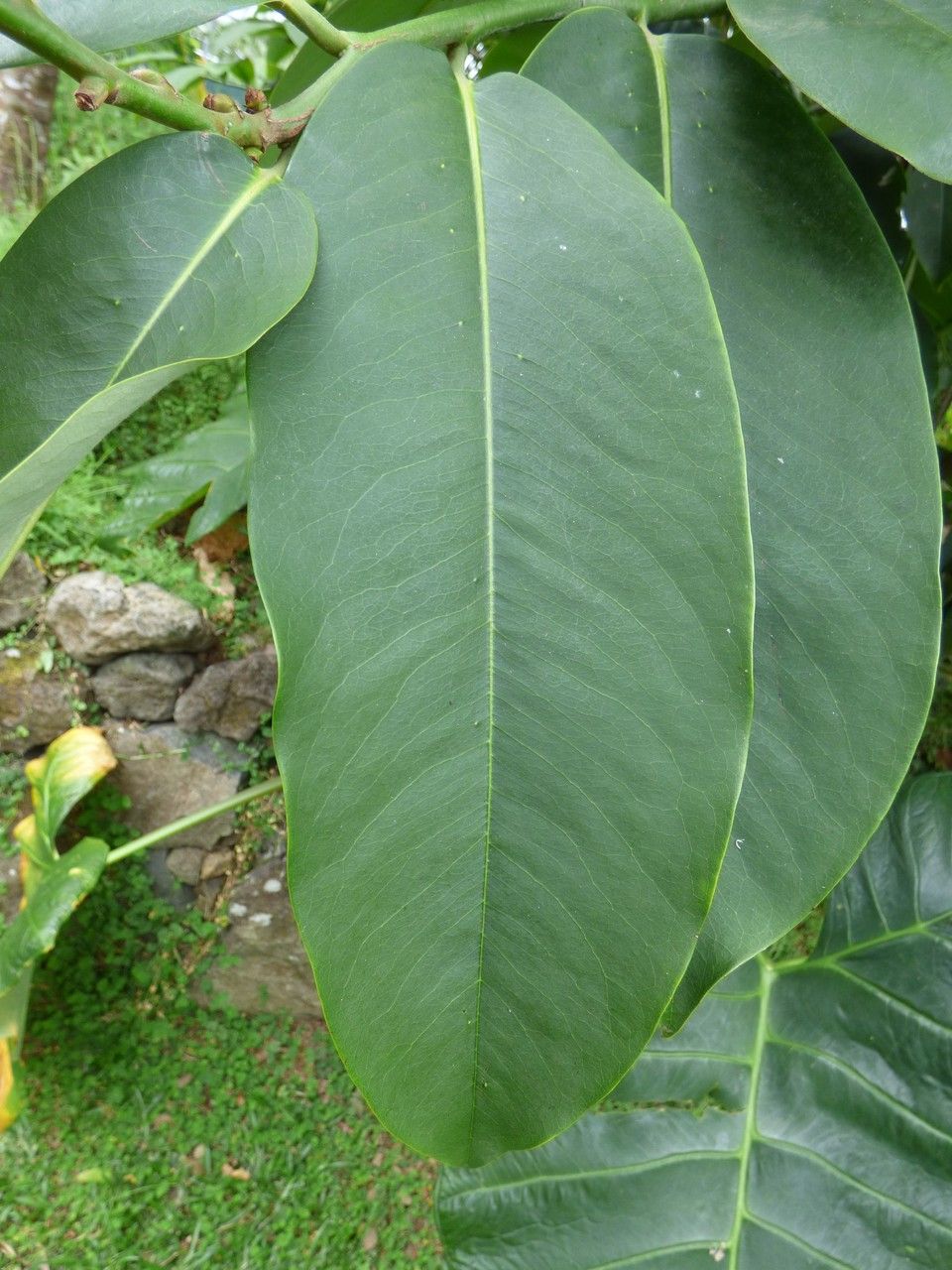
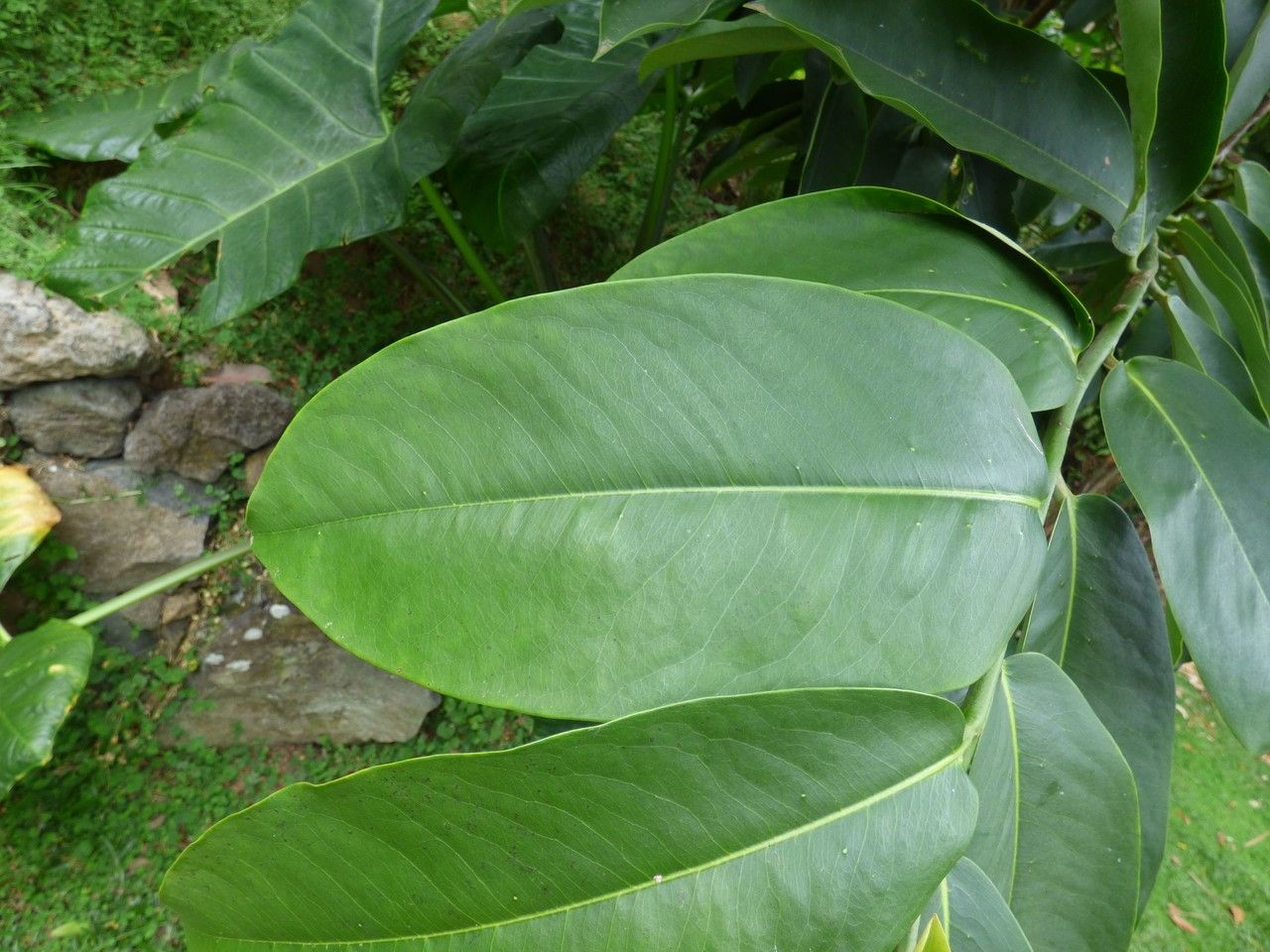
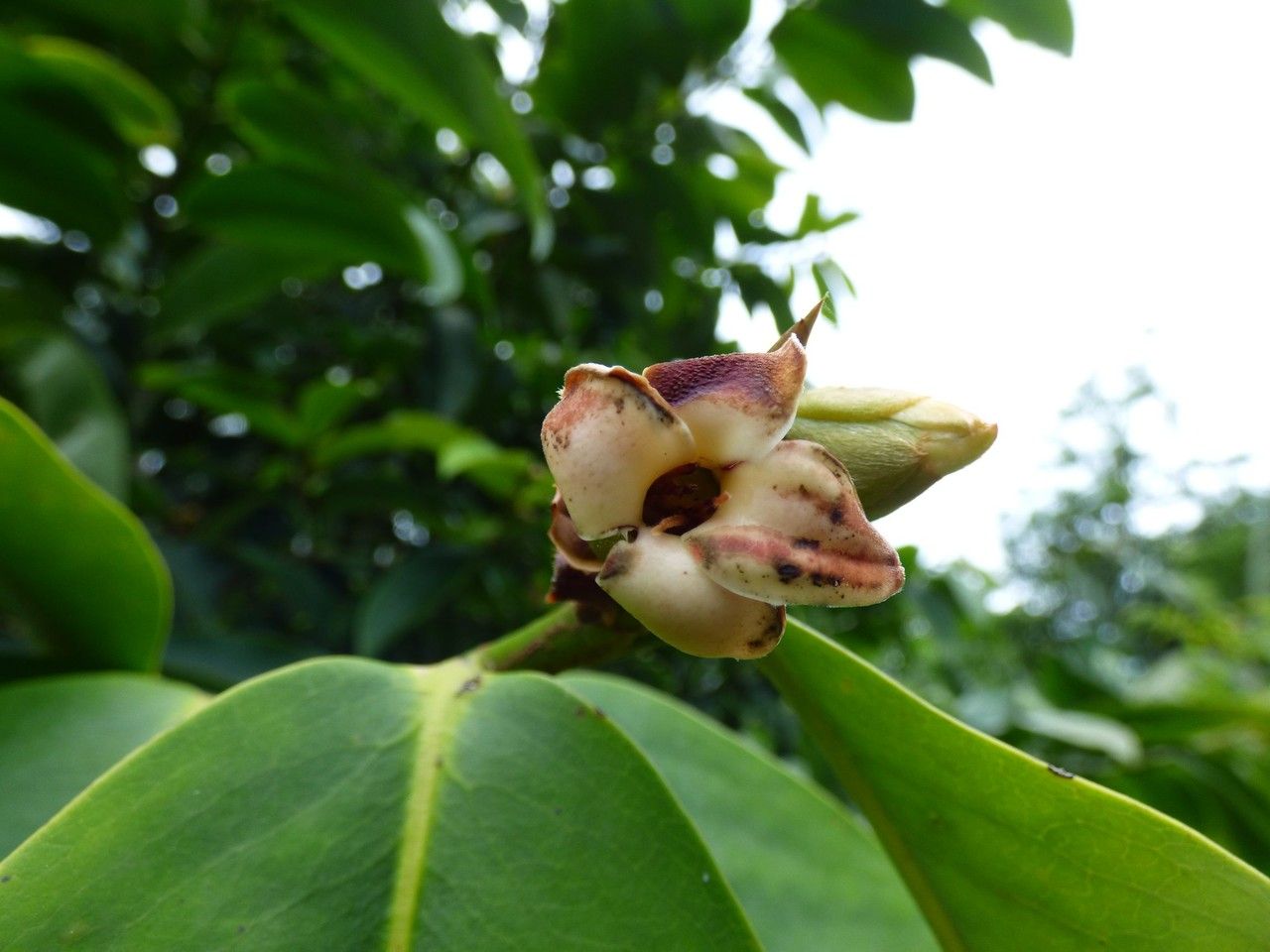
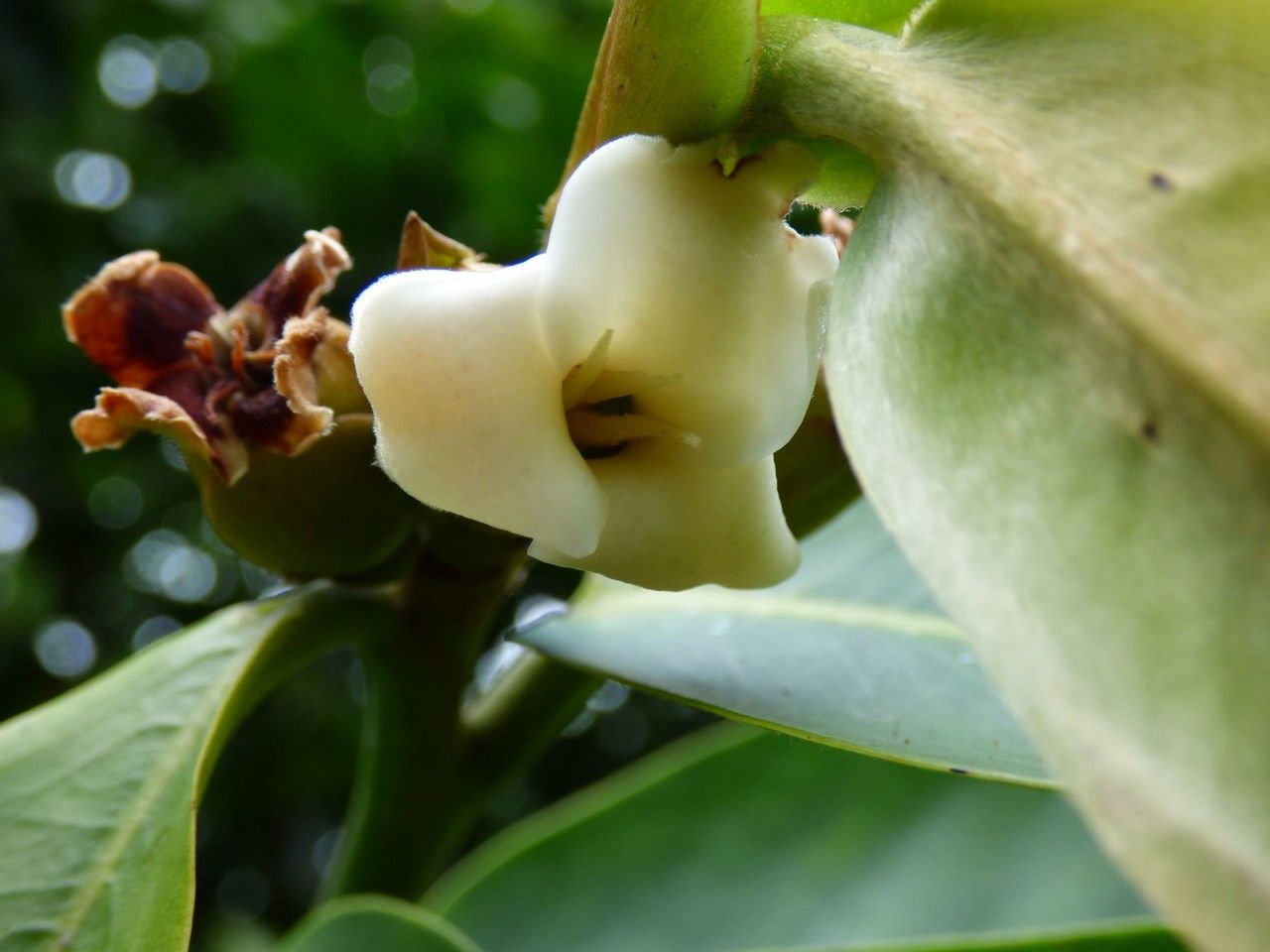
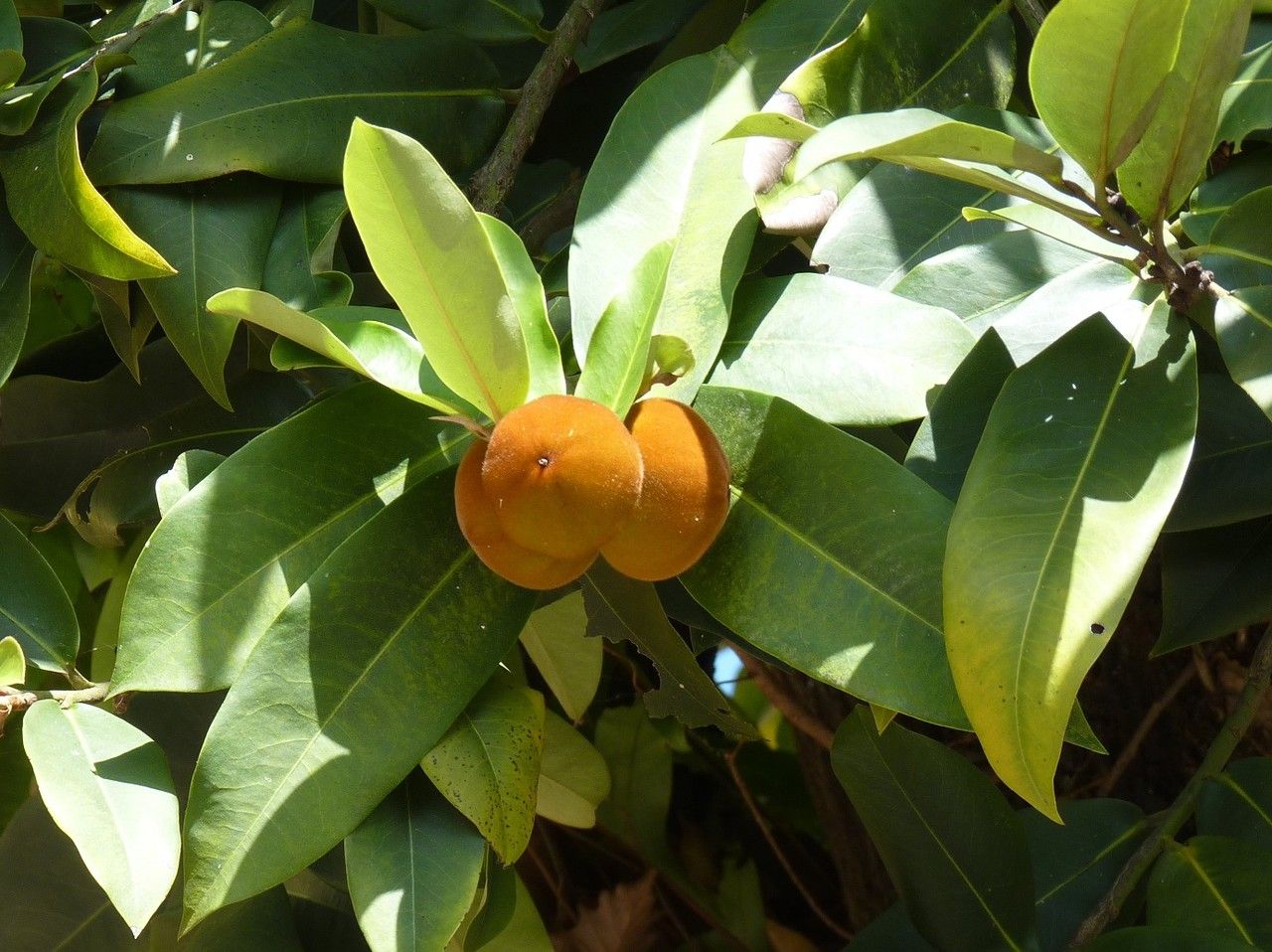
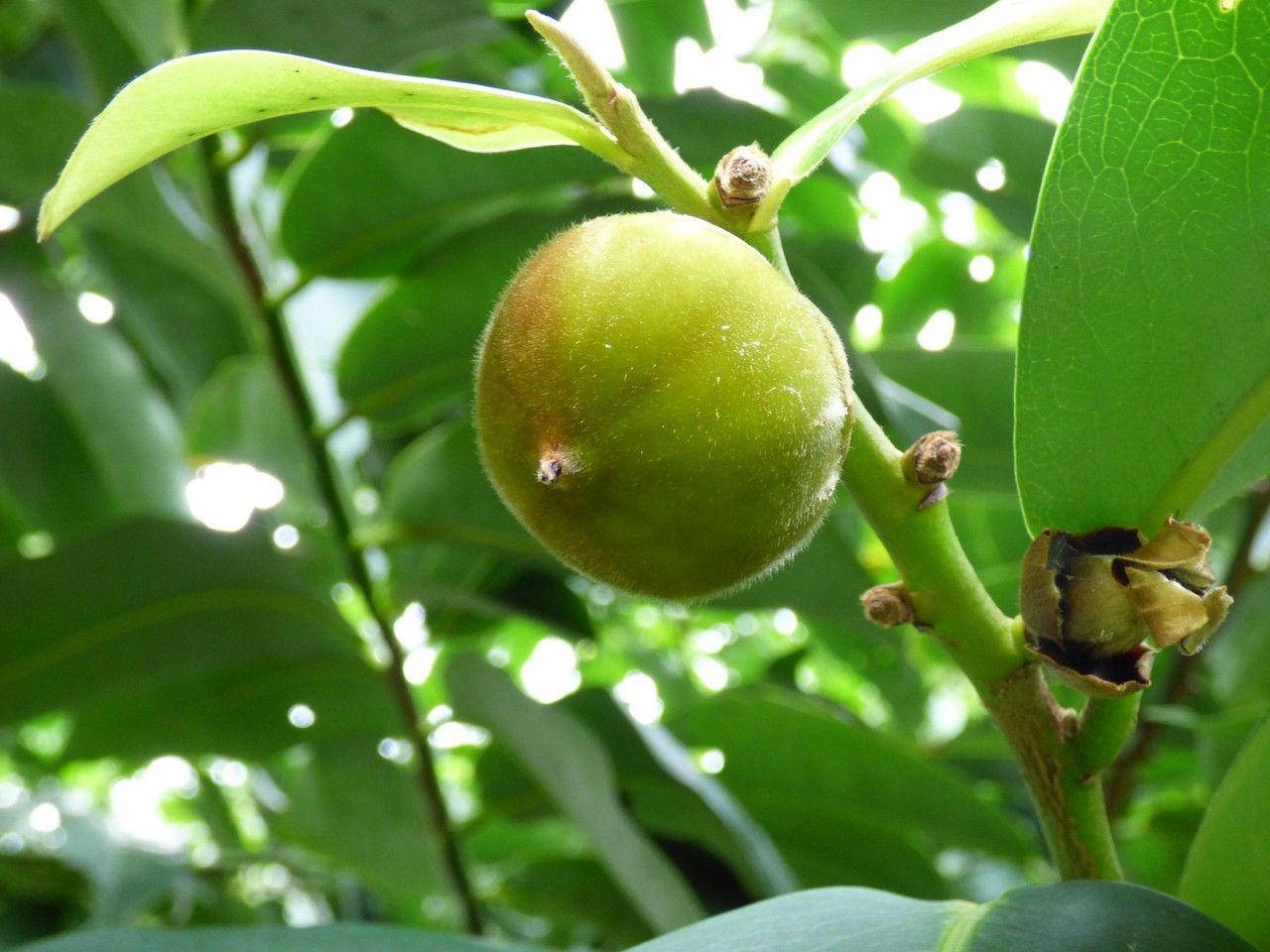
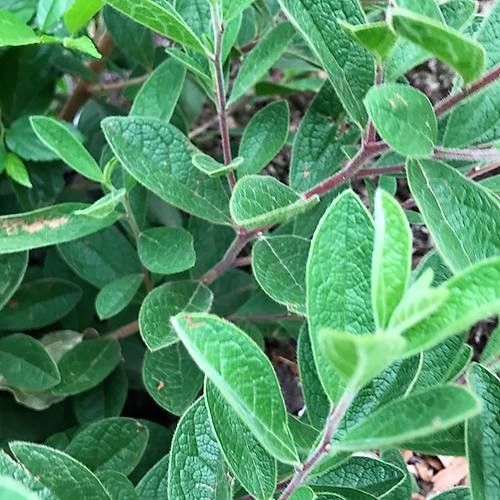
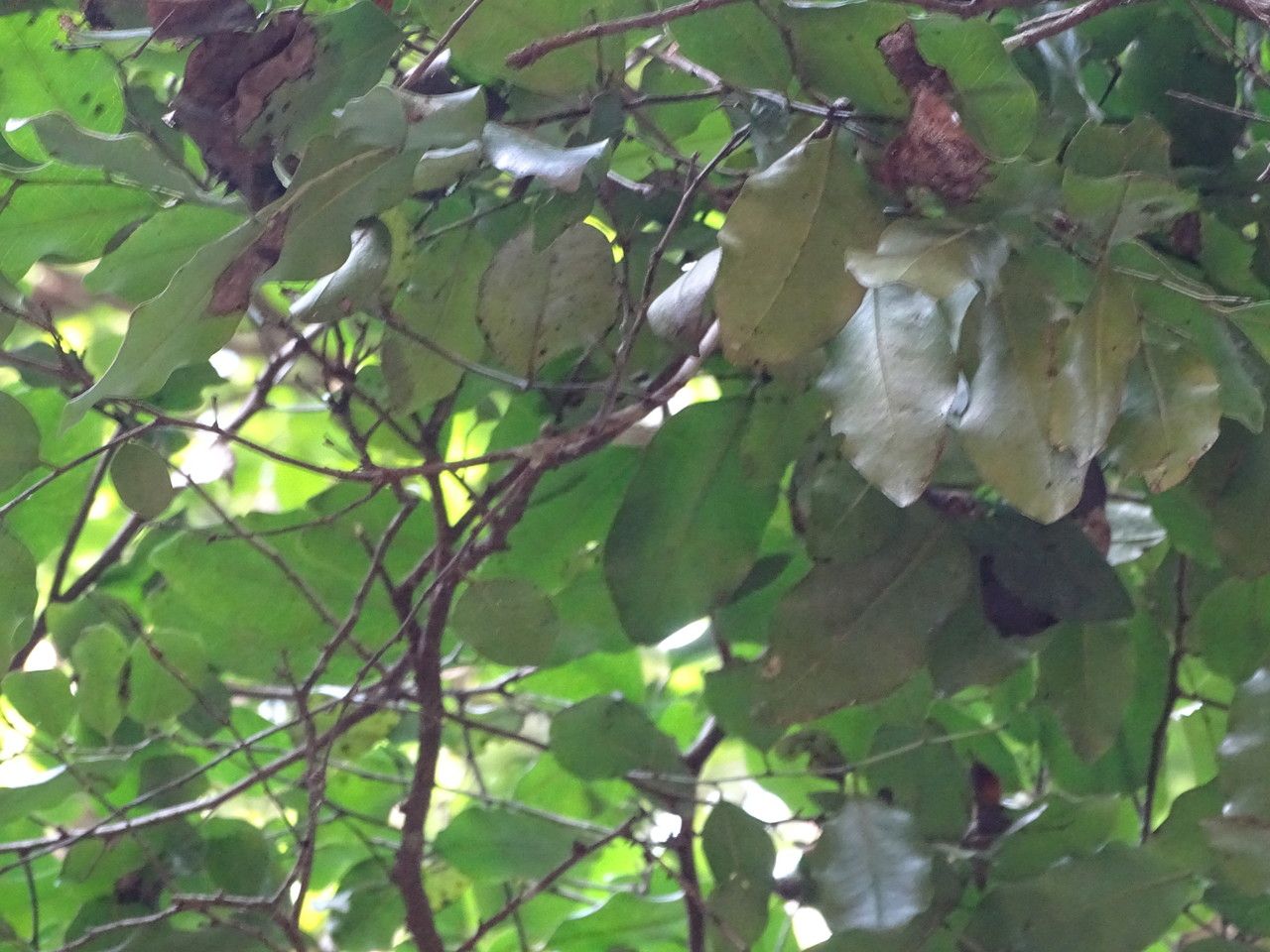
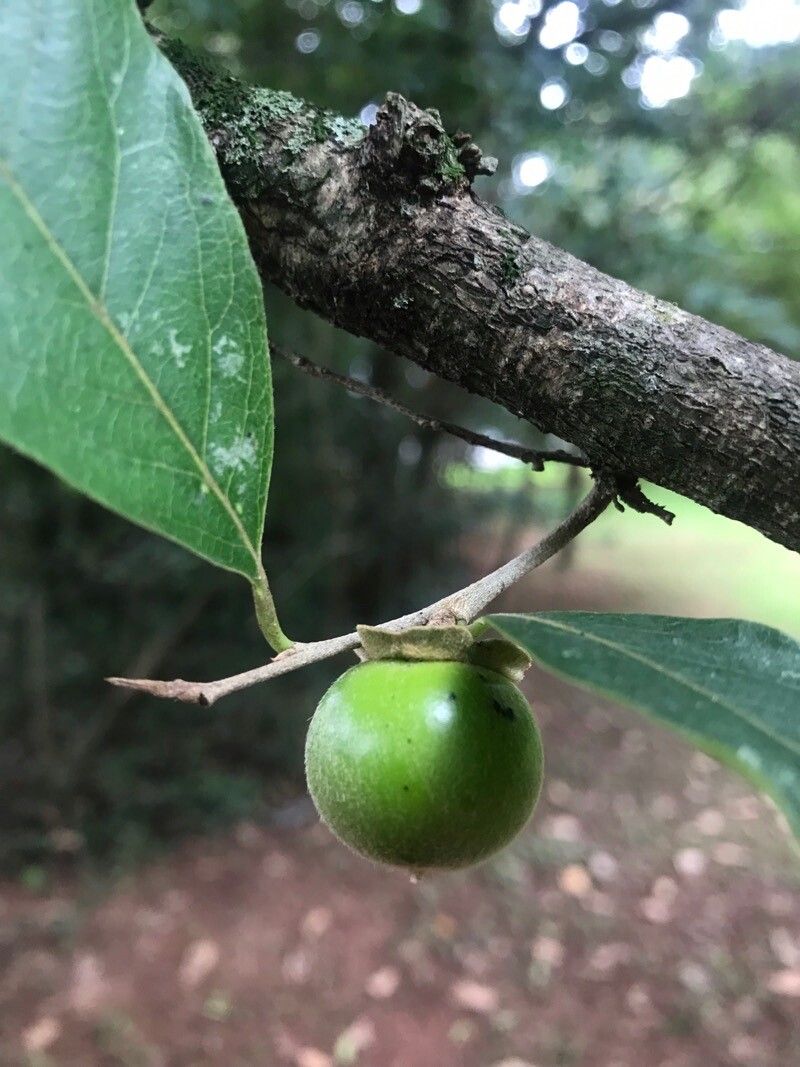
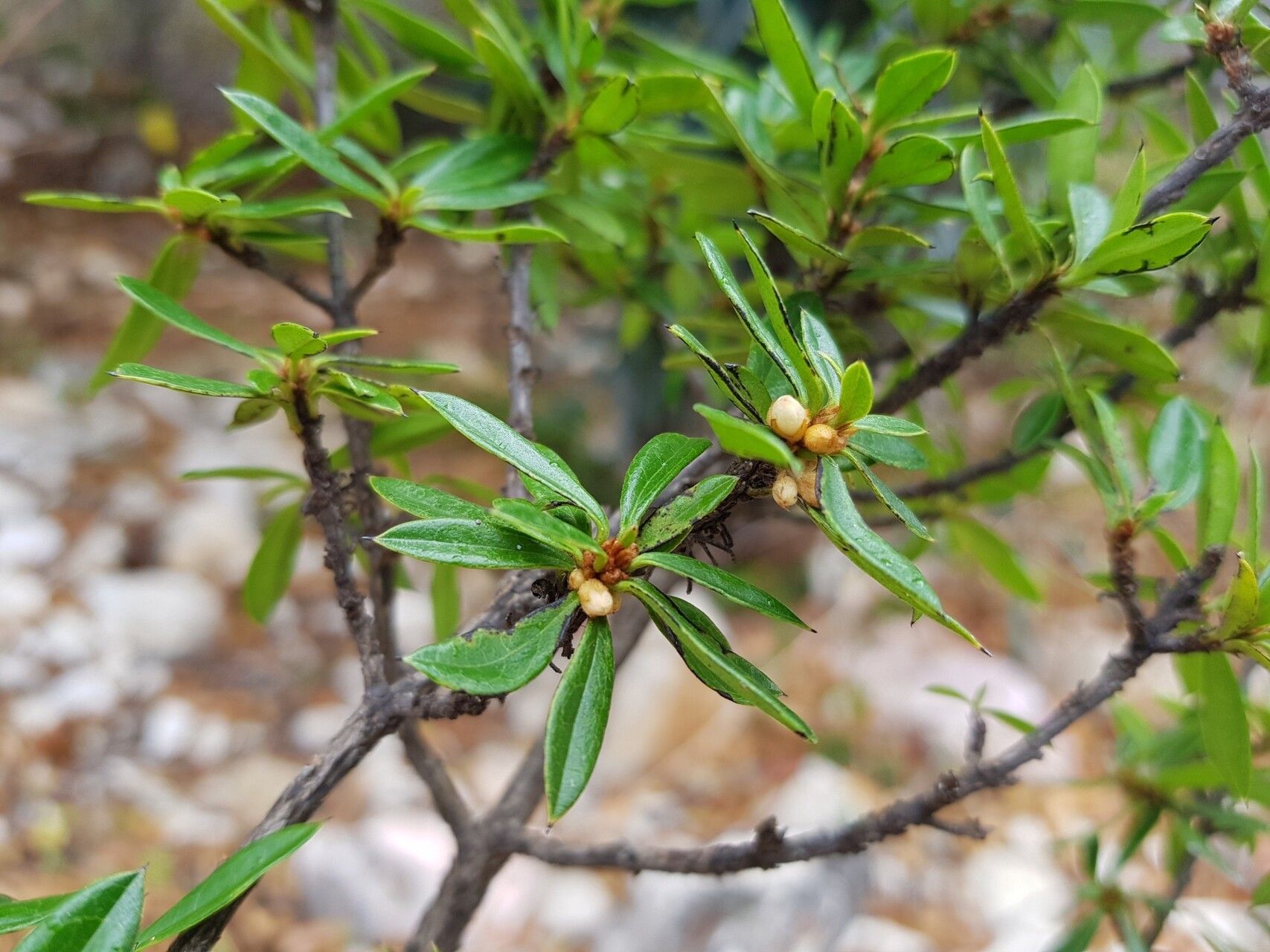
Diospyros blancoi, commonly known as Blanco's Ebony, is a species of tree in the Ebenaceae family. Native to the Philippines, this tree thrives in lowland and secondary growth forests. It can reach heights of up to 25 meters with a trunk diameter of up to 60 centimeters. The bark is dark brown or blackish with vertical fissures, and its leaves are glossy green and oblong-shaped. Blanco's Ebony produces small white flowers that give way to round fruits, which turn black when ripe. The ripe fruit has a sweet taste, but it contains tannins that make it bitter if eaten unripe. The wood of Diospyros blancoi is highly valued for its durability, strength, and its beautiful dark color, making it ideal for crafting furniture, flooring, and musical instruments such as guitars and pianos. Due to deforestation caused by logging activities in the Philippines, Diospyros blancoi has become endangered, with only a few remaining populations left in protected areas like Mount Makiling National Park. Conservation efforts are underway to protect this species from extinction through reforestation programs and the strict enforcement of laws against illegal logging.
Velvet apple has good disease resistance and is generally not susceptible to disease. In terms of care, this plant is relatively low-maintenance. When grown outdoors it needs minimal watering, and larger plants typically do not require pruning. However, smaller plants should be pruned after they have bloomed. Velvet applet is suitable for anyone with an outdoor area, such as a garden or deck, and does not demand much caregiving experience.
How to keep Diospyros Blancoi.
Light
Velvet apple thrives in locations with plentiful sunlight, though it can also withstand lower light levels. Excessive exposure may damage it, while insufficient light can impede its development. Its native habitat offers a variety of light conditions, allowing the plant to stay healthy under different sunlight levels.
Water
The velvet apple flourishes in humid environments, preferring regular moisture but can withstand brief dry spells. Water it every 2-3 weeks, allowing the soil to dry out slightly between waterings. As an evergreen, its dense foliage helps retain water, reducing loss and maintaining hydration even when temperatures change.
Temperature
Velvet apple comes from tropical regions, where the climate is generally warm and humid. As a result, it is well suited to high temperatures and moisture. It does not tolerate sudden temperature changes and prefers a stable thermal environment, so avoiding temperature fluctuations indoors is important. It usually cannot withstand cold and needs warmer conditions to grow. If the surrounding temperature drops too much, the plant may stop growing or even die.
Fertilizer
Select organic fertilizers (e.g., fish emulsion, compost) instead of chemical fertilizers for Velvet apple. Give young plants higher amounts of nitrogen and phosphorus in spring. Incorporate compost or fertilizer prior to or after planting. For mature plants, provide a balanced fertilizer or one specific to any deficiency in spring. Nutrient deficiency causes small leaves, short branches, yellow or bronze leaves, acidic fruits, premature fruit fall, and splitting.
Pruning
For optimal results, prune velvet apple trees in late winter when they are dormant. Focus on thinning the branches and removing any dead or misaligned ones. It's best to use a central leader system for training the tree, cutting back the central leader by one-third. Utilizing a trellis can support the tree's growth and reduce the need for extensive pruning.
Botanical profile.
- Plant Type
- Tree
- Life Cycle
- Perennial
- Genus
- Diospyros
- Family
- Ebenaceae
- Hardiness Zone
- 10
- Mature Height
- 15.24 m to 30.48 m
- Mature Spread
- 10.06 m to 14.94 m
- Leaf Color
- Green, Silver
- Leaf Type
- Evergreen
- Flower Color
- White
- Flower Size
- 2.54 cm
- Bloom Time
- Late spring, Early summer, Mid summer
- Planting Time
- Spring, Summer, Autumn, Winter
- Harvest Time
- Late summer, Fall
Other names.