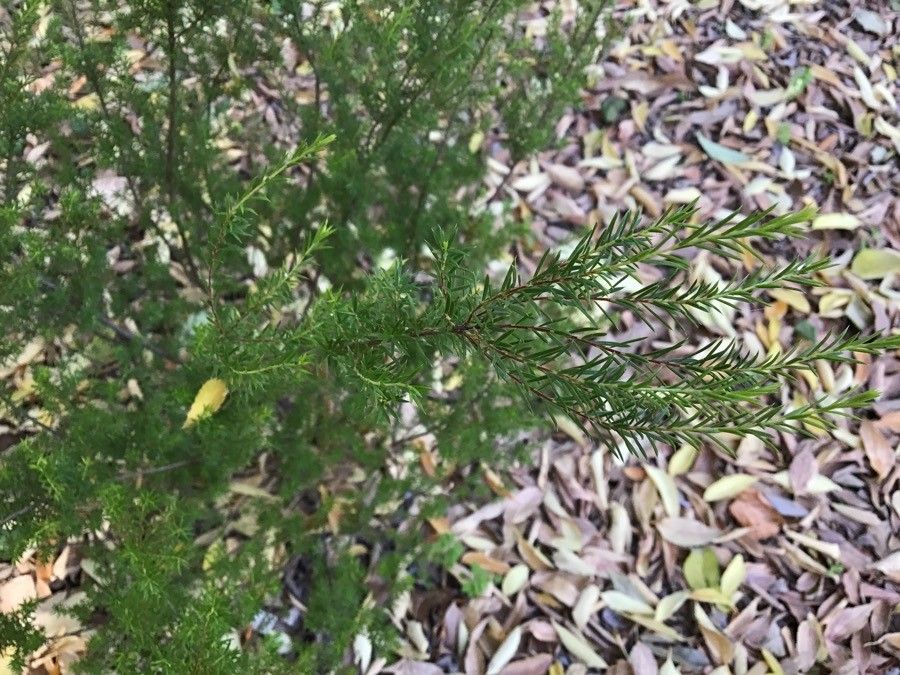
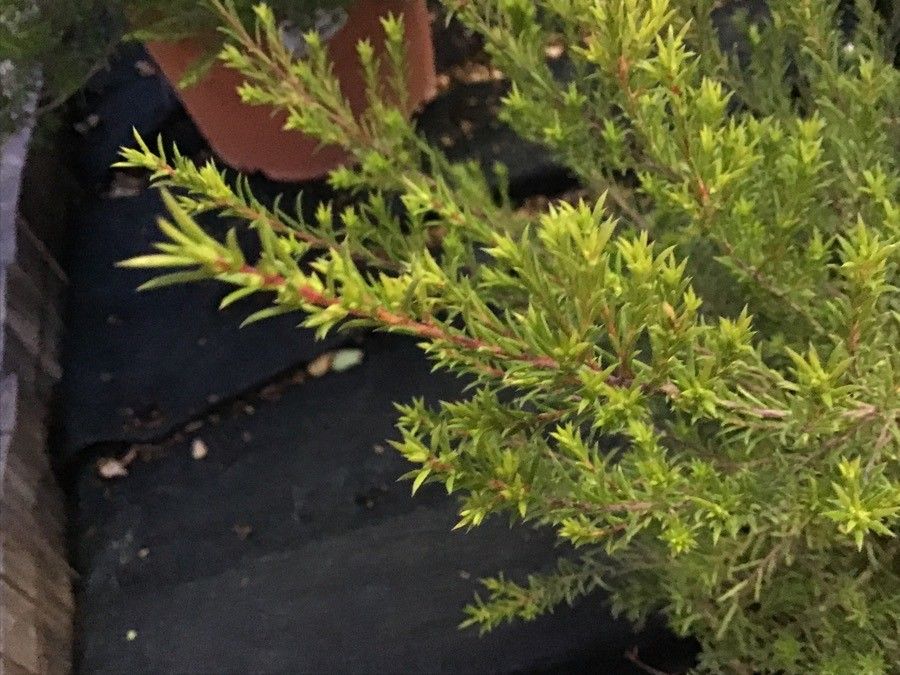
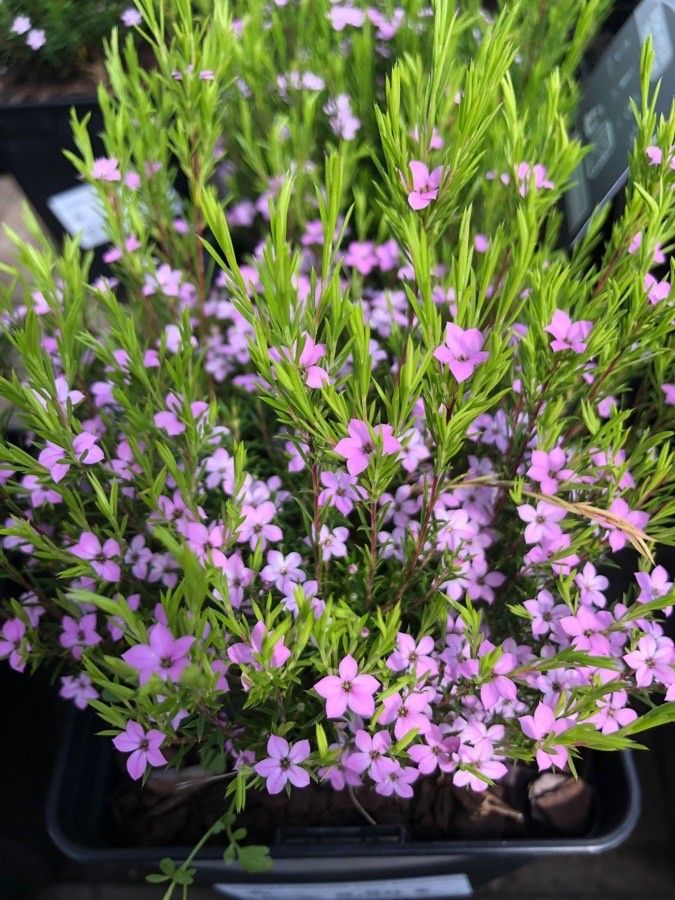
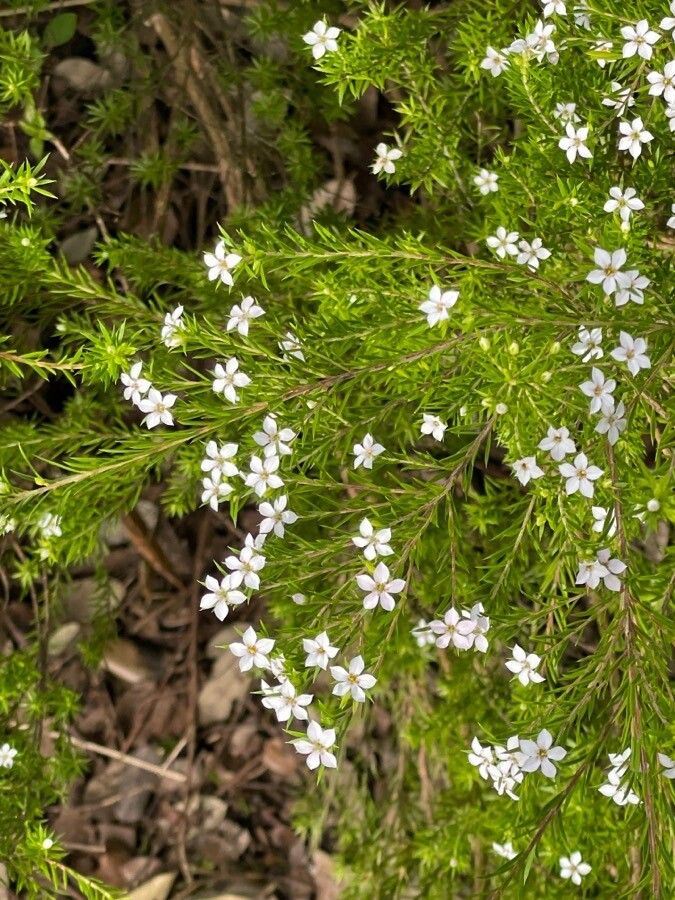
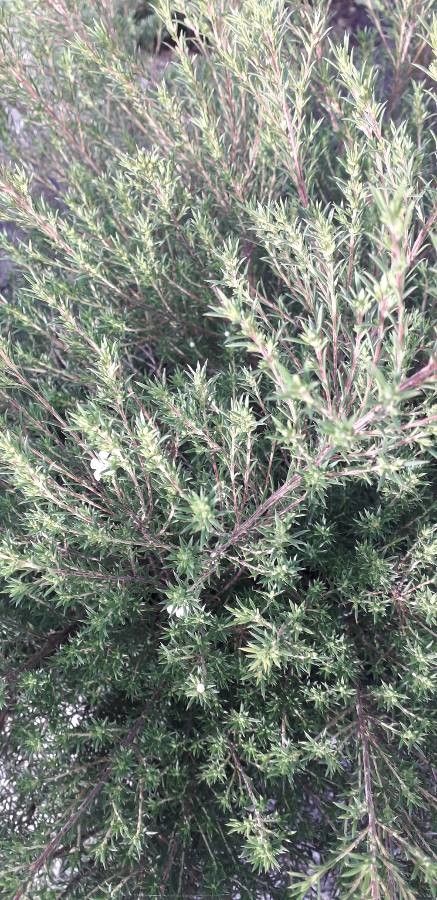
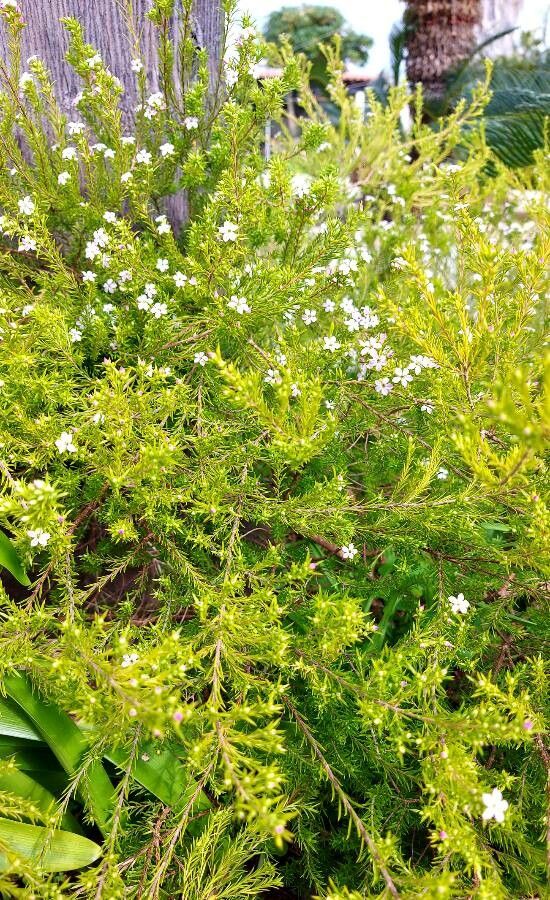
Hottentots bitterbuchu shows strong resistance to disease and is generally not prone to illnesses. In terms of care, this plant is fairly low-maintenance. When grown outdoors it needs minimal watering, and larger plants usually do not require pruning. Smaller plants, however, should be pruned after they have finished blooming. Hottentots bitterbuchut is appropriate for anyone with an outdoor area, such as a garden or deck, and does not demand much care experience.
How to keep Diosma Hirsuta.
Light
Hottentots bitterbuchu is native to open habitats, such as sunny meadows and forest margins, which receive abundant light. It does best in Full Sun but can tolerate Partial Sun, adjusting well to a range of sunlight conditions.
Water
The Hottentots bitterbuchu thrives in dry conditions and is tolerant of drought. To simulate its natural habitat, water the plant every 1-2 weeks. This plant is best suited for outdoor environments with rocky terrain and requires well-draining soil to prevent waterlogging. Proper drainage is crucial for its health, especially during the growing season.
Temperature
Hottentots bitterbuchu shows strong adaptability to a range of climatic conditions, whether in scorching summers or cold winters. It does, however, have a preferred temperature range for optimal growth. If temperatures rise too high, the plant can suffer from heat and humidity stress, which may cause it to die. In areas where temperatures near the lower limit of its cold tolerance, it is necessary to use insulation measures to protect the plant.
Fertilizer
Timing is essential when fertilizing Hottentots bitterbuchu. Apply fertilizer in early spring and then monthly through early summer. Fertilizer encourages attractive blooms and supplies energy during both dormant and active growth phases.
Pruning
To promote healthy growth and maintain the shape of your Hottentots bitterbuchu, it's important to prune it in early spring. Begin by removing any dead branches and trimming the plant to improve air circulation, which helps reduce the risk of disease. Regular pruning not only manages the size of the plant but also encourages a fuller appearance, making it a vibrant feature in your garden.
Pot & Repot
Repot hottentots bitterbuchu every 2-3 years, ideally in early spring. Use larger pots that offer good drainage. After repotting, keep the soil moist and place the plant in partial sunlight to aid its recovery. Consistent care following the transfer is essential for the thriving growth of hottentots bitterbuchu.
Botanical profile.
- Plant Type
- Shrub
- Life Cycle
- Perennial
- Genus
- Diosma
- Family
- Rutaceae
- Hardiness Zone
- 9-11
- Mature Height
- 49 cm to 91 cm
- Mature Spread
- 0.49 m to 1.52 m
- Leaf Color
- Dark Green
- Leaf Type
- Evergreen
- Flower Color
- White, Pink
- Flower Size
- 0.51 cm to 0.76 cm
- Bloom Time
- Fall
- Planting Time
- Spring, Summer
- Harvest Time
- Winter
- Native Area
- South Africa
Other names.
Reader questions.
How should I water my Hottentots bitterbuchu plants for optimal growth?
When watering your Hottentots bitterbuchu, you have flexibility in your choice of watering tools. Common options like watering cans, hoses, or even cups will effectively moisten the plant's soil. Regardless of the tool used, it's important to water directly onto the soil and ensure equal moisture distribution to all areas. Using filtered water is beneficial to avoid harmful particles present in tap water. Additionally, water at or slightly above room temperature is preferable to avoid shocking the plant. However, the Hottentots bitterbuchu is generally adaptable and responds well to different types of water.
Why should I put fertilizer on my Hottentots bitterbuchu plant?
To help your Hottentots bitterbuchu thrive and produce beautiful blooms, it is important to fertilize it for several reasons. One obvious reason is that fertilizer enhances flower production. Applying fertilizer in early spring is especially beneficial for ensuring excellent blooms during that season. Additionally, fertilizer provides your Hottentots bitterbuchu with ample energy which it can store in the ground during its dormant phases. By giving your plant extra nutrients during fall planting or late spring, it can store more energy to utilize once active growth resumes.
What are the sunlight requirements for Hottentots bitterbuchu?
Hottentots bitterbuchu thrives in environments that offer full sun, defined as above 6 hours of sunlight per day, but it can also tolerate partial sun, which is about 3-6 hours of sunlight daily. It is vital to observe how sunlight moves through your garden to find spots that offer a perfect balance of light and shade, ensuring your plants' well-being.
What should I do if I give my Hottentots bitterbuchu too much water or too little water?
Outdoor plants, especially newly planted ones or seedlings, can easily suffer from a lack of watering. It's important to remember that for the first few months of a small or recently planted tree, consistent watering is necessary. Once the roots have established, the Hottentots bitterbuchu plant can usually rely on rainwater. In the case of potted Hottentots bitterbuchu plants, overwatering is more common. If you accidentally overwater your plant, it's crucial to act promptly. First, stop watering the plant immediately to minimize the effects of overwatering. Then, remove the plant from its pot to check the roots. If you find no signs of root rot, you can return it to the container. However, if root rot is present, trim the affected roots and consider applying a fungicide to prevent further damage. Finally, repot the plant in well-draining soil. Underwatering is a relatively easy problem to fix. If you notice drooping, drying, and falling leaves, it's a sign of underwatering. Simply water the plant more frequently, and the leaves will regain their fullness quickly. It's crucial to correct your watering frequency as soon as you notice underwatering occurring.
When should I put fertilizer on my Hottentots bitterbuchu?
When fertilizing Hottentots bitterbuchu, timing is crucial. If you apply fertilizer too early, while it is still dormant, it won't be effective and will be washed away by rainwater, causing waste and pollution. It is best to apply the first round of fertilizer in early spring and continue fertilizing once a month until early summer.
How does Hottentots bitterbuchu adapt to different sunlight conditions?
Originating from open areas like sunny meadows and forest edges, Hottentots bitterbuchu is well-suited to full sun but can also adapt to partial sun. When natural sunlight is not sufficient, especially in winter or less sunny locations, artificial lighting can be a crucial supplement. LEDs are recommended for indoor plants, needing 30-50W/sq ft for full sun plants, 20-30W/sq ft for partial sun, and 10-20W/sq ft for full shade plants. The ideal distance between the plant and light source varies from 12-36 inches, and most plants benefit from 8-12 hours of light per day.
How often do I need to water my Hottentots bitterbuchu plant?
If your area receives enough rainfall, most outdoor plants can grow without any additional watering. However, if your area lacks rainfall, it's important to water your plants adequately. In the spring and fall, watering every 2 weeks should be sufficient. In the summer, more frequent watering is needed. During the slower growth period of winter, you can water less frequently or even not at all. For young or newly planted Hottentots bitterbuchu plants, more frequent watering is necessary to help them establish and grow. Determining how often to water potted Hottentots bitterbuchu plants can be done in two ways. The first is setting a predetermined watering schedule, such as once a week or every other week. However, this may not always work as it doesn't consider the specific growing conditions. The second approach is to base watering frequency on soil moisture. It's recommended to wait until the top two to four inches of soil have completely dried out before watering again. This method takes into account the plant's water needs and prevents overwatering.
When is the best time to not give fertilizer to my Hottentots bitterbuchu?
To ensure optimal growth and blooming of Hottentots bitterbuchu, it is important to manage its fertilizer properly. Avoid using fertilizers high in nitrogen, as they can cause excessive leaf growth but inhibit blooming. Instead, opt for fertilizers with lower nitrogen levels compared to other nutrients. Timing is also crucial. Avoid fertilizing the plant after early autumn, as this can result in too much growth right before winter. Similarly, refrain from fertilizing during hot and dry periods, as dry soil does not effectively deliver fertilizer and the plant may not have sufficient water to support stimulated growth. Ideally, fertilize earlier in the season when temperatures are cooler. Additionally, be mindful that Hottentots bitterbuchu can absorb fertilizer from nearby plants or lawns. Therefore, be cautious not to unintentionally over-fertilize the plant by providing it with a double dose.
What are the symptoms of light deficiency in Hottentots bitterbuchu?
When exposed to suboptimal lighting, Hottentots bitterbuchu may show various symptoms. These include smaller new leaves, leggy or sparse growth, faster leaf drop, slower or no new growth, lighter-colored new leaves, chlorosis, sunscald, leaf curling, wilting, and leaf scorching. These symptoms indicate the plant's struggle to adapt to insufficient light, affecting its appearance and overall health.
How much water does my Hottentots bitterbuchu plant need?
When watering your Hottentots bitterbuchu, you don't always need to give it a lot of water. If only a few inches of soil have dried since your last watering, giving it about five to ten ounces of water will support healthy growth. You can also base the water volume on the moisture level of the soil. If more than half of the soil has become dry, give more water than usual until you see excess water draining from the pot's holes. If your Hottentots bitterbuchu gets plenty of rain outdoors, it may not need additional watering. However, when it's young or getting established, make sure it gets 1-2 inches of rain per week. As it grows, it can survive on rainwater unless there is a hot, dry spell for 2-3 weeks, in which case you should give it a full watering to prevent stress.
What kind of fertilizer does my Hottentots bitterbuchu plant require?
For a Hottentots bitterbuchu, the ideal fertilizer should have a balanced mix of the main plant nutrients, with slightly more phosphorus. Another option is to enhance the soil by adding organic materials like compost, worm castings, and manure. Some experienced gardeners add water-soluble fertilizers with phosphorus 1-2 times when flower buds appear to promote better flower development, larger size, and longer blooming. Fertilizers can come in various forms, and most will work well for Hottentots bitterbuchu. However, the best options are either liquid or powdered fertilizers. Regardless of the type, always dilute the fertilizer and apply it while watering your Hottentots bitterbuchu.
What solutions are available for Hottentots bitterbuchu facing insufficient sunlight?
For plants facing insufficient sunlight, indoor solutions include gradually relocating them to sunnier spots or using artificial light to ensure they receive at least 6 hours of direct sunlight daily. Outdoor and in-ground plants should be gradually moved to sunnier locations, avoiding sudden changes to prevent sunburn. Measures like reducing obstructions, pruning, or transplanting during the plant's dormant period can significantly improve sunlight exposure. Remember, while plants affected by insufficient light may not fully recover, new growth post-adjustment should be healthy.