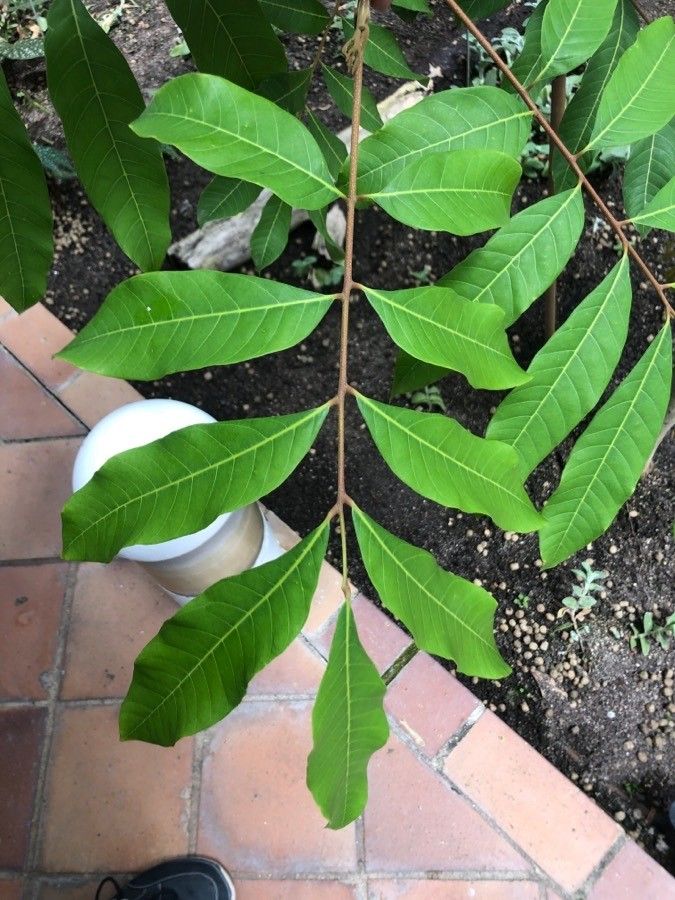
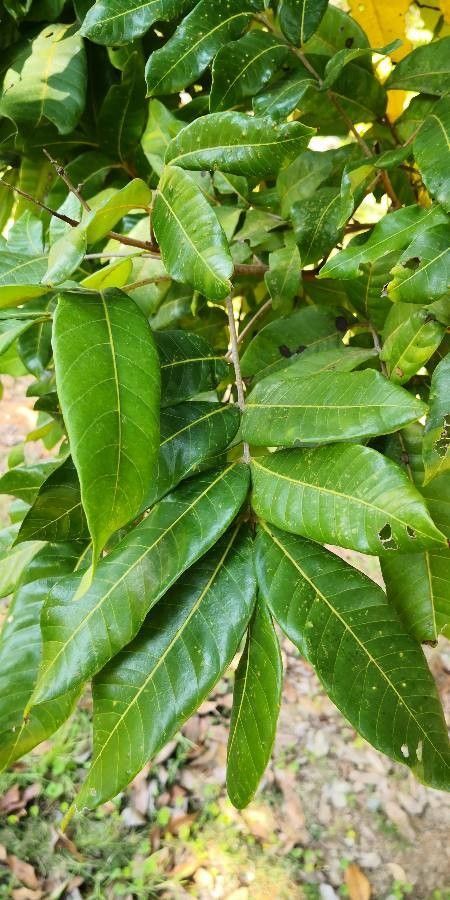
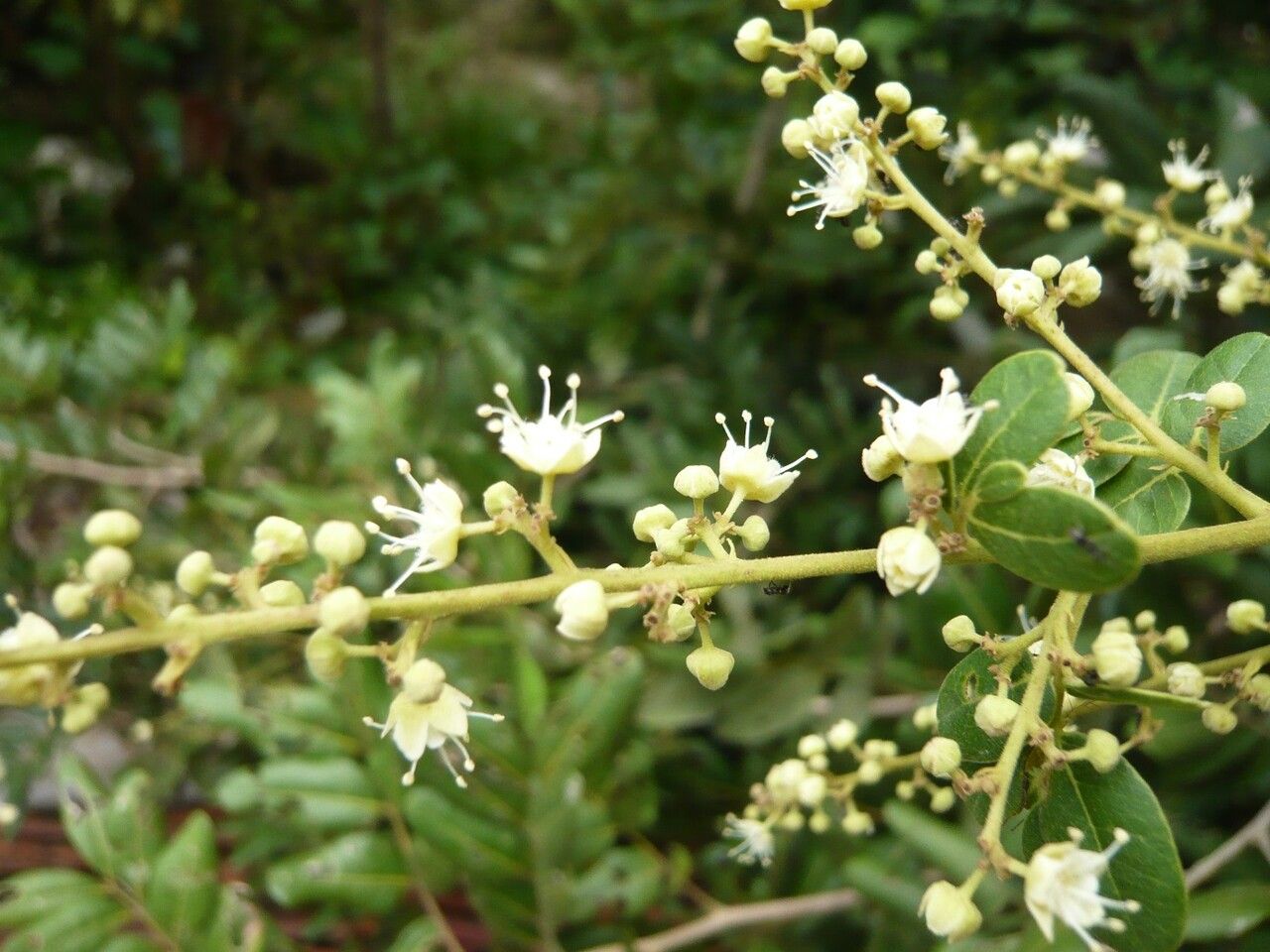
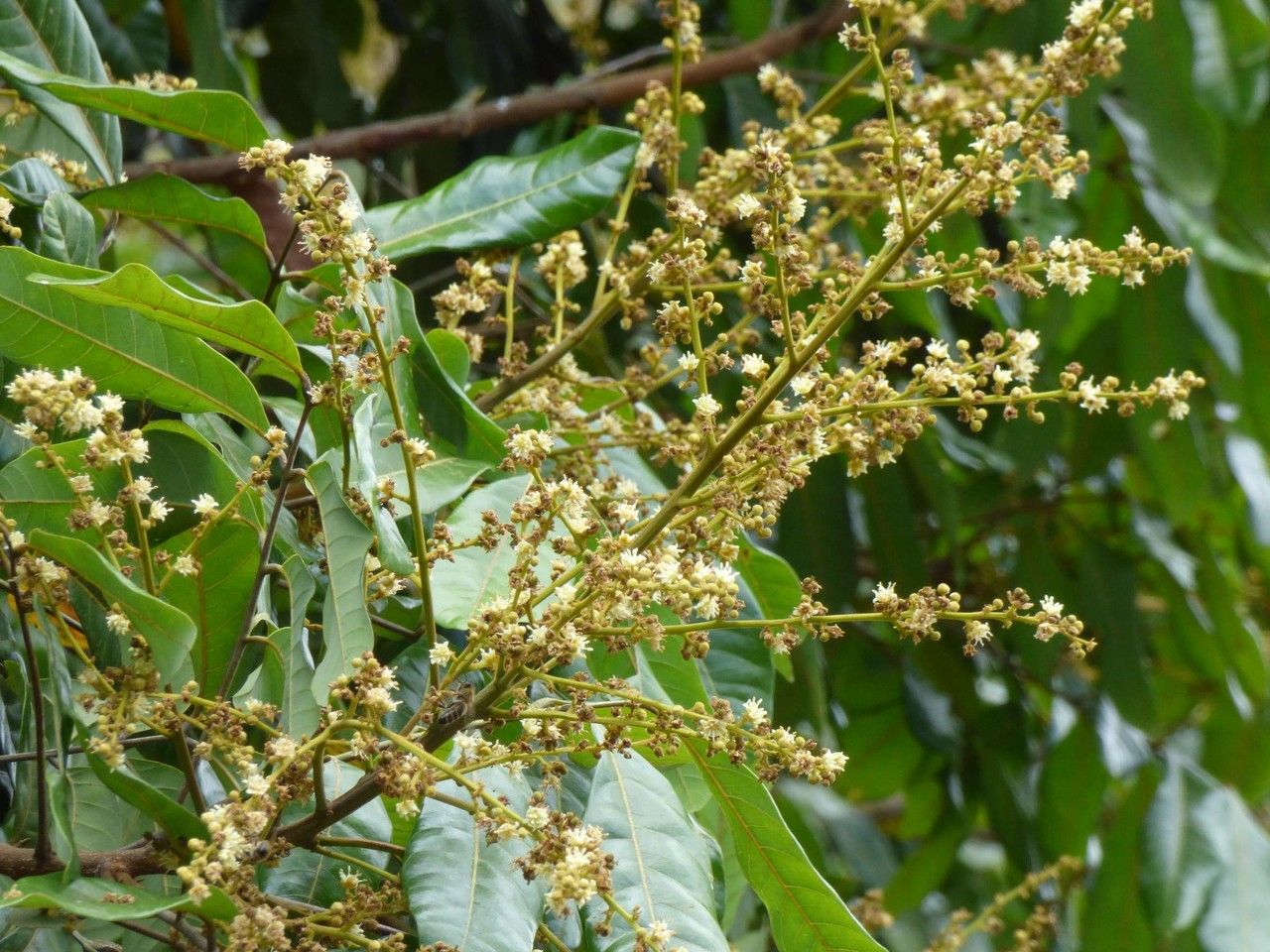
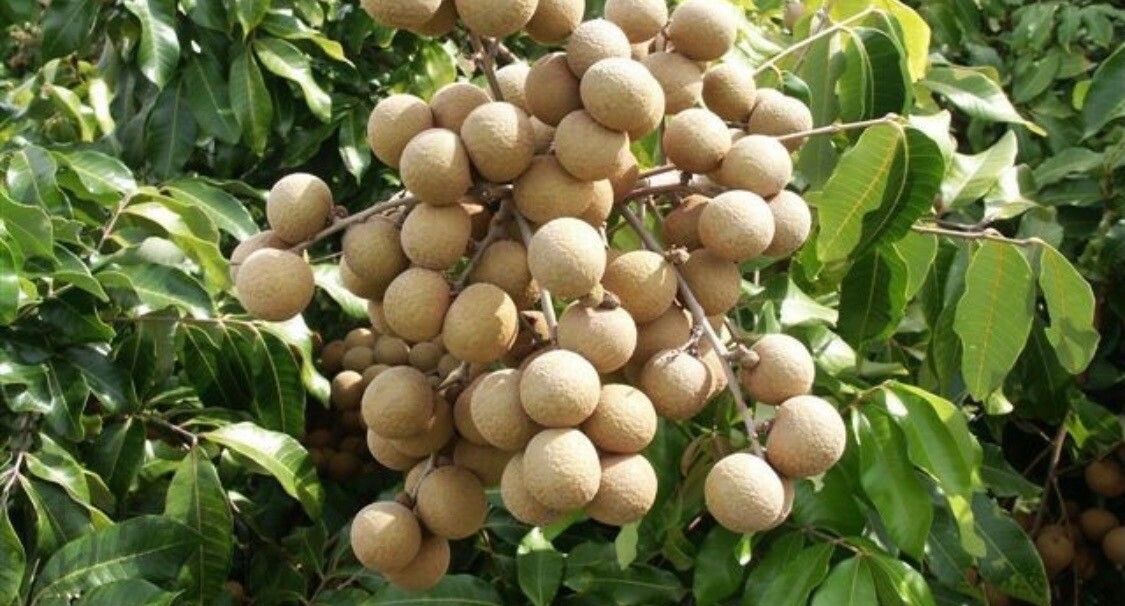
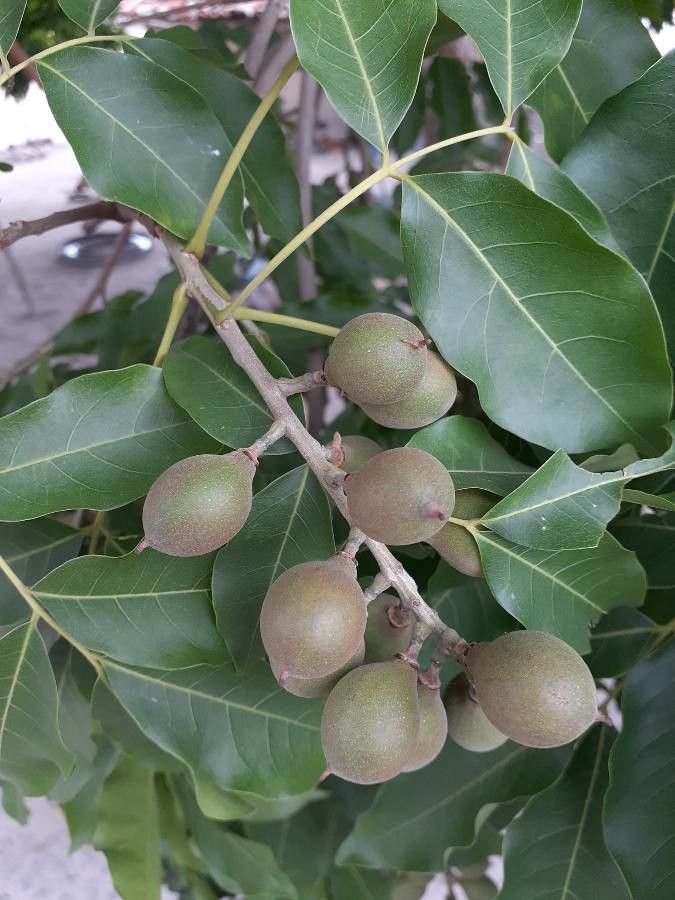
Dimocarpus longan, commonly known as the longan plant, is a tropical fruit tree that belongs to the Sapindaceae family. Native to Southeast Asia, it is widely cultivated in countries such as China, Thailand, and Vietnam. The tree can grow up to 20 meters tall and features a dense canopy of dark green leaves.
The fruit of the longan plant is small and round, with a thin, brownish-yellow shell that encloses its translucent, white flesh. The flesh has a sweet flavor with hints of muskiness and contains a single large seed in its center.
Longans are rich in vitamin C, potassium, magnesium, iron, phosphorus, and other essential nutrients that are beneficial for overall health. They are also known for their medicinal properties, such as improving digestion and boosting immunity.
The longan plant requires warm temperatures and high humidity levels for optimal growth. It can be propagated through seeds or by grafting onto rootstock from related species such as lychee or rambutan.
In addition to being consumed fresh or dried like raisins, longans are used in many Asian cuisines, including desserts and sweet drinks. Traditionally, longans have been valued for their medicinal properties, making them an important part of traditional medicine practices across Southeast Asia and China today.
Longan is highly disease-resistant and generally not prone to illnesses. In terms of care, this plant is fairly low-maintenance. Planted outdoors, it needs little watering, and larger plants typically do not require pruning. However, smaller plants should be pruned after they have finished blooming. Longan is suitable for anyone with an outdoor space, such as a garden or deck, and does not demand much care experience.
How to keep Dimocarpus Longan.
Light
Longan prefers abundant sunlight but can tolerate moderate light levels. Native to a region with plentiful sun, it grows best under those conditions. Excessive sunlight can cause stress, whereas too little light may lead to poor growth and reduced fruit production.
Water
Longan, a fruit native to humid subtropical regions, thrives in moist environments and can tolerate drought, although it prefers consistent humidity. To keep the soil moist without making it soggy, water the plant every two weeks. Applying mulch enhances outdoor growth by retaining moisture and shielding the roots from weather fluctuations.
Temperature
Longan is native to regions where temperatures range from 59 to 95 °F (15 to 35 ℃). It prefers temperatures within that span. Making seasonal adjustments to replicate those conditions could boost growth.
Fertilizer
The Longan plant needs adequate nutrients to achieve optimal fruit production. Fertilize in early spring to encourage new growth and bloom development. Regular fertilization keeps the plant healthy, yields more flavorful fruit, and prevents nutrient deficiency problems like yellowing leaves and reduced fruit production.
Pruning
Longan is a tropical fruit tree known for its sweet, translucent fruit. To enhance airflow and improve fruit quality, prune the tree between early and late spring by removing dead or overcrowded branches. Make clean, angled cuts to encourage healing and help maintain the tree's size, shape, and productivity.
Botanical profile.
- Plant Type
- Tree
- Life Cycle
- Perennial
- Genus
- Dimocarpus
- Family
- Sapindaceae
- Hardiness Zone
- 8-10
- Mature Height
- 9.14 m to 29.87 m
- Mature Spread
- 9.14 m to 11.89 m
- Leaf Color
- Green
- Leaf Type
- Evergreen
- Flower Color
- Yellow
- Flower Size
- 2.54 cm
- Bloom Time
- Early summer, Mid summer
- Planting Time
- Spring, Winter
- Harvest Time
- Mid summer, Late summer, Early fall
Other names.
Reader questions.
How should I water my Longan tree for best results?
Your Longan plant is not very particular when it comes to watering. You can use any common watering tool, such as watering cans, hoses, or even cups, to water it. Regardless of the tool you choose, it's important to apply the water directly to the soil. Make sure you evenly moisten all areas of the soil to give the entire root system the water it needs. Using filtered water is recommended as tap water may contain harmful particles. Additionally, it's best to use water that is at room temperature or slightly above, as using very hot or cold water can be a bit shocking for the Longan. However, the Longan generally responds well to any type of water you give it.
Why should I put fertilizer on my Longan tree?
Regular fertilization is essential for the healthy growth of plants, especially fast-growing types, as they deplete the soil of nutrients. Providing Longan with extra nutrients through fertilization not only ensures its well-being but also promotes the production of delicious fruit. Plants that have not been fertilized for a long time are prone to various issues. Nutrient deficiency can result in problems such as yellow leaves, reddish coloration, distorted shapes, withered tips, or even significant dieback. In addition, insufficient nutrients can lead to bark disorders, slow growth, poor shoot development, and a lack of fruit production.
What are the sunlight requirements for Longan plants?
Longan plants thrive with ample sunlight exposure, significantly benefiting from generous amounts of sunlight. However, they can still endure moderate levels of sunlight. The plant originates from a habitat with plenty of sun exposure, under which conditions it exhibits optimal growth. While extreme sun exposure may cause stress, insufficient sunlight will likely weaken its growth and fruit production. It is vital to ensure the plant receives a balance of light, with full sun conditions entailing above 6 hours of sunlight and partial sun referring to about 3-6 hours of sunlight daily.
What is the ideal temperature range for growing Longan?
The Longan plant thrives in environments with temperatures ranging from 59 to 95°F (15 to 35°C). This temperature range is optimal for its growth. Longan also has some level of cold tolerance, so it doesn't generally require additional measures if the temperature is above -5°C. However, if temperatures are expected to drop below -5°C, it's necessary to protect the plant temporarily using methods such as wrapping it with plastic film, fabric, or other suitable materials to guard against the cold. These protective measures should be removed once the temperature rises again to avoid potential harm to the plant.
What should I do if I give my Longan tree too much or too little water?
When planting outdoor plants, especially newly planted ones or seedlings, it's important to remember that they can easily become under-watered. Make sure to water them enough for a few months, especially when the tree is small or has just been planted. Once the roots are established, Longan trees can typically rely on rainwater most of the time. If you have Longan trees in pots, overwatering is more likely to occur. If you accidentally overwater your Longan, it's important to act quickly to rectify the situation. Firstly, stop watering the plant immediately to minimize the impact of overwatering. Then, carefully remove the Longan from its pot to inspect its roots. If there are no signs of root rot, you can return the plant to its container. However, if you do find evidence of root rot, trim away the affected roots and consider applying a fungicide to prevent further damage. Lastly, replant your Longan in well-draining soil. On the other hand, underwatering a Longan tree is often easier to fix. If you notice drooping, dried out leaves that eventually fall off, it's a sign of underwatering. Simply increase the frequency of watering to avoid this problem. Correct the watering schedule as soon as you notice signs of underwatering, and the leaves will regain their fullness quickly.
When should I fertilize my Longan tree for the best results?
The best time to fertilize Longan is in early spring, before the buds emerge. During this time, Longan uses the energy reserves stored over winter to produce new growth. To support the development of blooms, it is recommended to fertilize about 2 to 4 weeks before the expected blooming period. This allows enough time for the nutrients to penetrate the soil and be absorbed by the plant. While you can continue to feed Longan during spring, it is not advisable to fertilize in autumn as it can lead to excessive late-season foliage, making the leaves vulnerable to damage in winter.
How can I use artificial lighting for Longan plants?
Artificial lighting serves as an essential solution for Longan plants, especially when natural sunlight is insufficient. This is often the case in winter or in locations that receive less sunlight. For optimal growth indoors, selecting the correct type of artificial light is crucial, with LED lights being a popular choice due to their ability to provide specific wavelengths needed by plants. The general guidelines include providing 30-50W/sq ft of artificial light for full sun plants, 20-30W/sq ft for partial sun plants, and 10-20W/sq ft for full shade plants. The artificial light source should be placed 12-36 inches above the plant to mimic natural sunlight, and the duration should replicate natural daylight hours, typically 8-12 hours per day for most plant species.
How does Longan respond to low temperatures, and what are the recommended solutions?
Longan has a moderate tolerance to low temperatures, but it thrives best when the temperature remains above 15°C. In the winter, it is crucial to ensure the temperature stays above -5°C. If temperatures fall below -10°C, you might notice the Longan's leaves starting to droop. While the leaves can recover from mild cold damage, severe cases could lead to wilting and eventual leaf drop. The recommended solution for frost damage includes trimming off the frost-damaged parts and taking preventive measures such as wrapping the plant with non-woven fabric or cloth and creating a wind barrier to protect it from cold winds before low temperatures hit again.
How frequently should I water my Longan plant?
If you live in an area with sufficient rainfall, most outdoor plants can grow normally without additional watering. However, if your area experiences a lack of rainfall, there are some guidelines to follow. During the spring and fall, water your plants adequately every 2 weeks. In the summer, when plants require more moisture, water them more frequently. In the winter, when growth slows down and plants need less water, water them sparingly. In fact, during the winter, you may not need to water them at all. If your Longan plant is young or newly planted, it will require more frequent watering to help it establish and become more adaptable to drought conditions. For potted Longan plants, there are two main approaches to determining watering frequency. The first option is to follow a predetermined watering schedule, such as watering once every week or every other week. However, this may not always be accurate as it doesn't take into consideration the specific growing environment for your plant. Another option is to base your watering frequency on soil moisture. Typically, it's best to wait until the top two to four inches of soil, which is about 1/3 to 1/2 the depth of the pot, have completely dried out before watering again. The watering frequency can also vary depending on the season, with higher water needs in the summer.
When is the best time to not add fertilizer to my Longan plant?
To ensure optimal growth of Longan trees, it is recommended to avoid fertilizing them during their first year of growth. Even in the subsequent years, caution should be exercised when deciding to provide fertilizer, ensuring that it is truly necessary. Additionally, refrain from fertilizing if the tree was pruned significantly the previous year (20% or more). In cases where the plant is diseased or damaged, it is best to avoid fertilization altogether, as it can exacerbate the problem rather than resolve it. Keep in mind that fertilizer is not a cure-all solution and addressing the underlying issue should be prioritized before contemplating feeding the plant again. Furthermore, it is advisable to refrain from fertilizing Longan trees after the peak of summer as this can promote excessive growth just before the winter season. Similarly, avoid fertilizing during hot and dry periods, as fertilizers are less effective in dry soil and can stimulate growth that requires additional watering that may not be available. It is preferable to apply fertilizer earlier in the season when temperatures are cooler. Lastly, it is important to be mindful that Longan trees have the ability to absorb fertilizer that has been applied to nearby plants or lawns. Consequently, be cautious to avoid accidentally providing a double-dose of fertilizer to the plants.
What are the symptoms of insufficient light in Longan plants?
Longan plants sensitive to heat and light may exhibit several symptoms indicating insufficient light exposure. These include smaller new leaves, leggy or sparse growth, faster leaf drop, stalled or nonexistent new growth, and lighter-colored new leaves. Chlorosis, or yellowing of the leaves due to chlorophyll breakdown from excessive sunlight, sunscald, leaf curling as a defense against intense sunlight, wilting from increased water loss, and leaf scorching from excessive sunlight exposure are also key signs that a Longan plant is not receiving enough light.
What should be done if Longan is exposed to high temperatures?
During the summer, it's important to ensure that Longan is kept below 35°C. Exposure to temperatures above 41°C can cause the leaves to lighten in color, with leaf tips potentially drying and withering, leaves curling up, and an increased risk of sunburn to the plant. To mitigate damage from high temperatures, trim away the sunburned and dried parts of the plant. Then, move the Longan to a shaded location, particularly away from the intense midday and afternoon sun, or use a shade cloth to create some shade. Additionally, maintain soil moisture by watering the plant in the morning and evening.