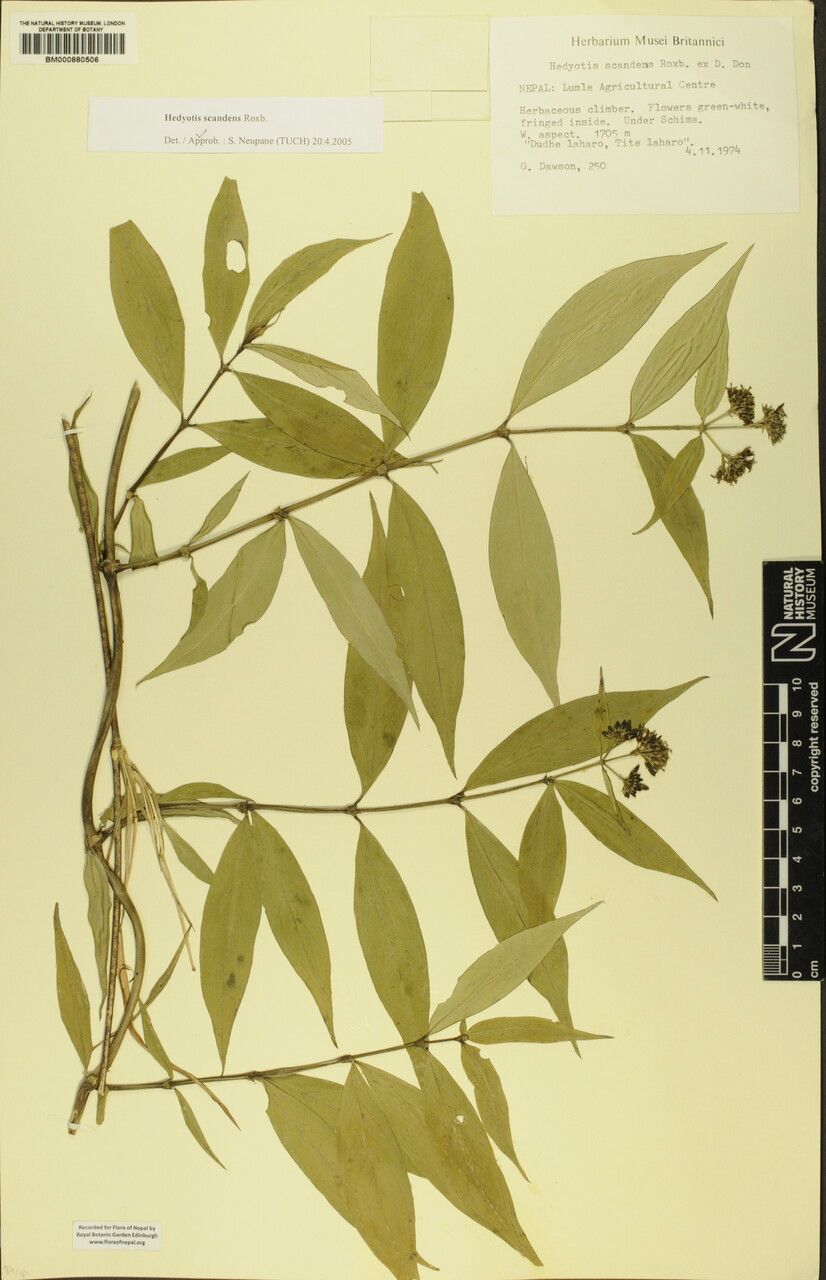
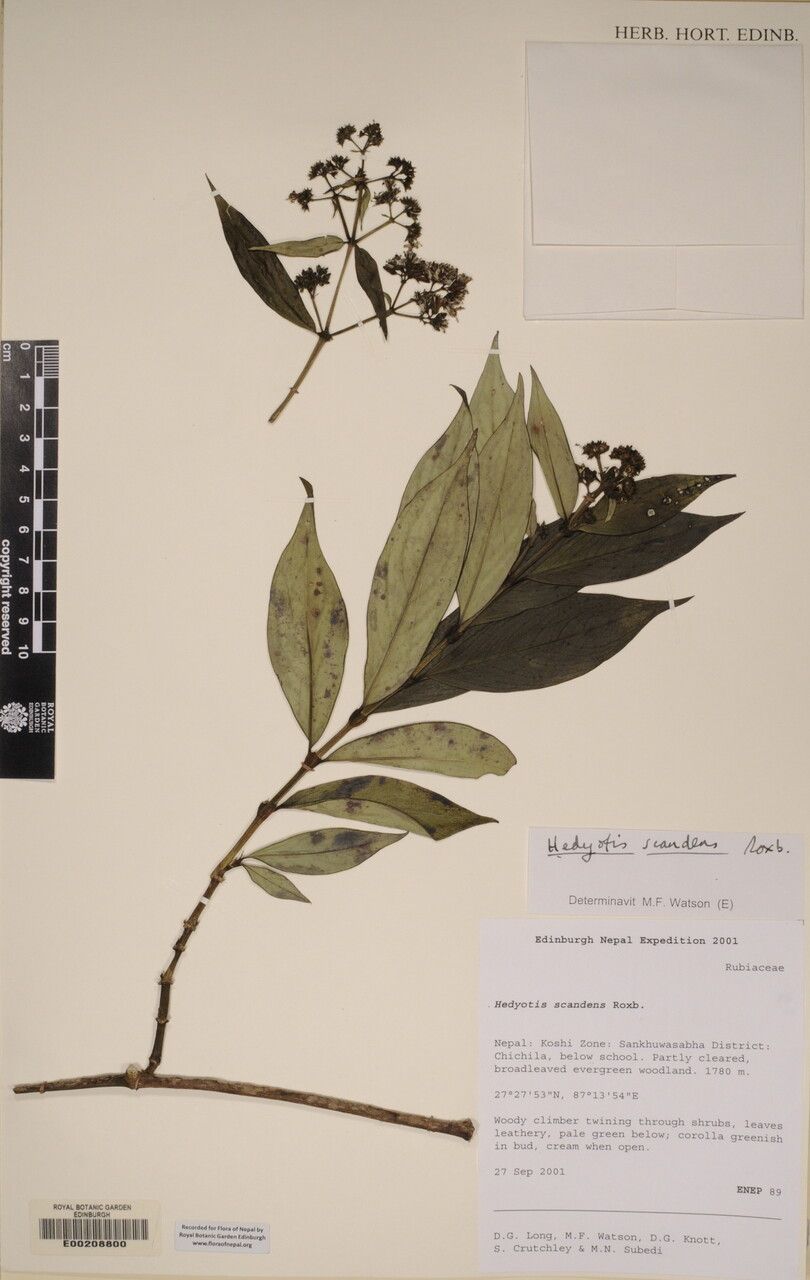
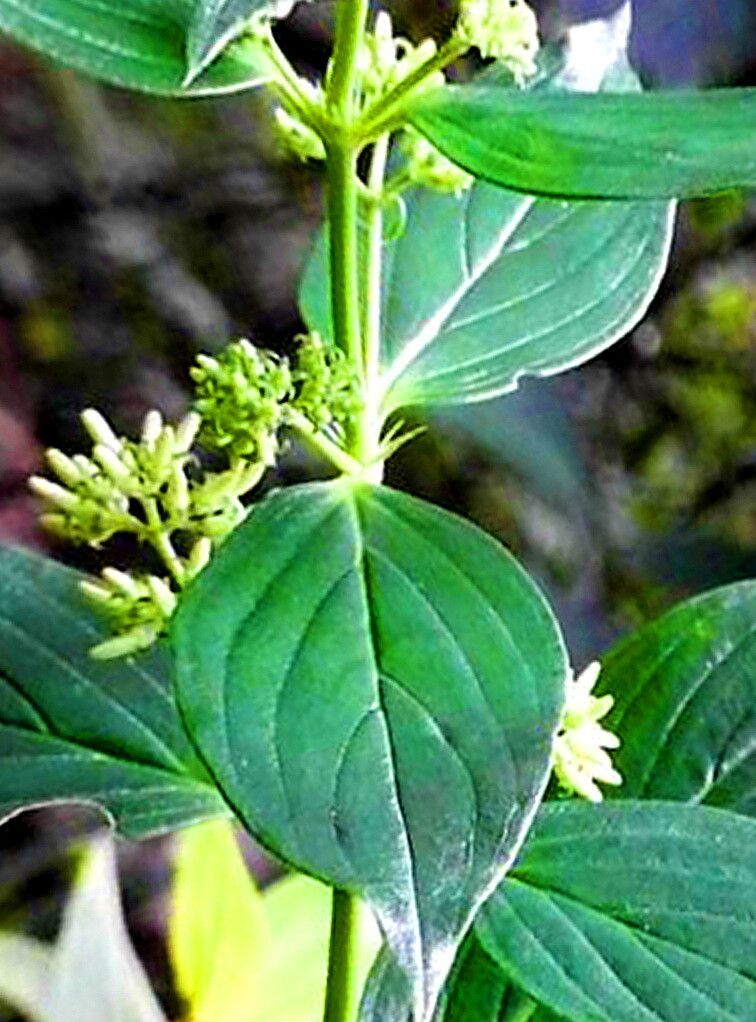
The climbing diamond flower is quite resistant to disease and usually does not suffer from illnesses. In terms of care, this plant is fairly low-maintenance. When grown outdoors it needs little watering, and larger specimens typically do not require pruning. Smaller plants, however, should be pruned after they finish blooming. The climbing diamond flower is suitable for anyone with outdoor space, such as a garden or deck, and does not demand extensive care experience.
How to keep Dimetia Scandens.
Light
The diamond flower plant, which is typically found in areas like forest understories or rocky terrains that are naturally shaded, exhibits a flexible and robust character. While it thrives best in partial sunlight, it can also acclimate to either complete sunlight or total shade.
Water
The climbing diamond flower thrives in environments similar to its natural habitat, which includes periods of intermittent rain and dry spells. It is best to water this plant every 2-3 weeks, ensuring that the soil is allowed to dry out slightly between waterings. Primarily cultivated outdoors, the climbing diamond flower benefits greatly from rainwater, as natural precipitation helps to stimulate its growth.
Temperature
The climbing diamond flower is native to tropical areas, known for their hot and moist climate. Therefore, it thrives under high heat and humidity conditions. It isn't favorable towards rapid shifts in temperature, preferring a constant thermal surroundings, which means maintaining a steady indoor temperature is crucial. The plant typically struggles with low temperatures and requires warmer conditions to grow. A significantly low environmental temperature could halt its growth or even result in its death.
Fertilizer
The optimal period to provide nutrition to a Climbing diamond flower is at the beginning of spring when it awakens from its dormant state. This encourages overall growth and blossoming of the flowers. Fertilizing not only augments the leaves, stems, and branches, it also aids in the growth of bigger, brighter, and enduring flowers. It supports the transportation of nutrients from roots to flowers and elevates the resilience and overall health of the plant against diseases.
Pruning
For optimal growth and flowering, the diamond flower plant benefits greatly from careful pruning in early spring. Focus on removing dead stems and excess growth to improve its shape and enhance air circulation. Be sure to use clean, sharp tools to prevent disease, ensuring the plant remains healthy and produces abundant blooms.
Botanical profile.
- Plant Type
- Shrub
- Life Cycle
- Perennial
- Genus
- Dimetia
- Family
- Rubiaceae
- Hardiness Zone
- 10-12
- Mature Height
- 3.05 m to 4.88 m
- Mature Spread
- 2.13 m to 3.05 m
- Leaf Color
- Green, Dark Green
- Leaf Type
- Semi-evergreen
- Flower Color
- White
- Flower Size
- 1.02 cm to 2.03 cm
- Bloom Time
- Late spring, Summer
- Planting Time
- Spring, Summer, Autumn
- Harvest Time
- Late summer, Fall
- Native Area
- Nepal, India, Cambodia, Vietnam, Myanmar, Bhutan, Bangladesh, Laos, China