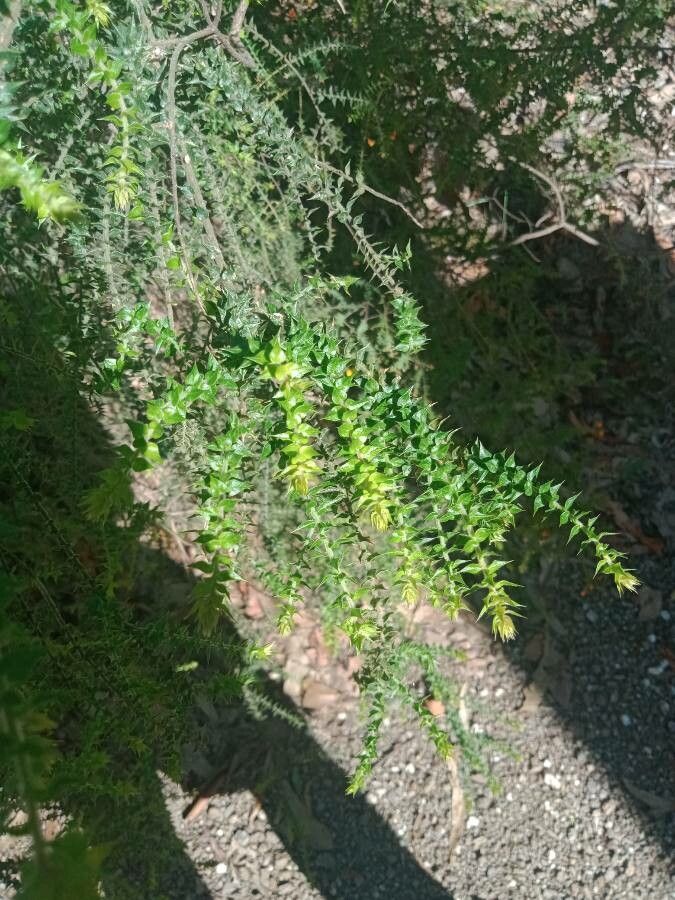
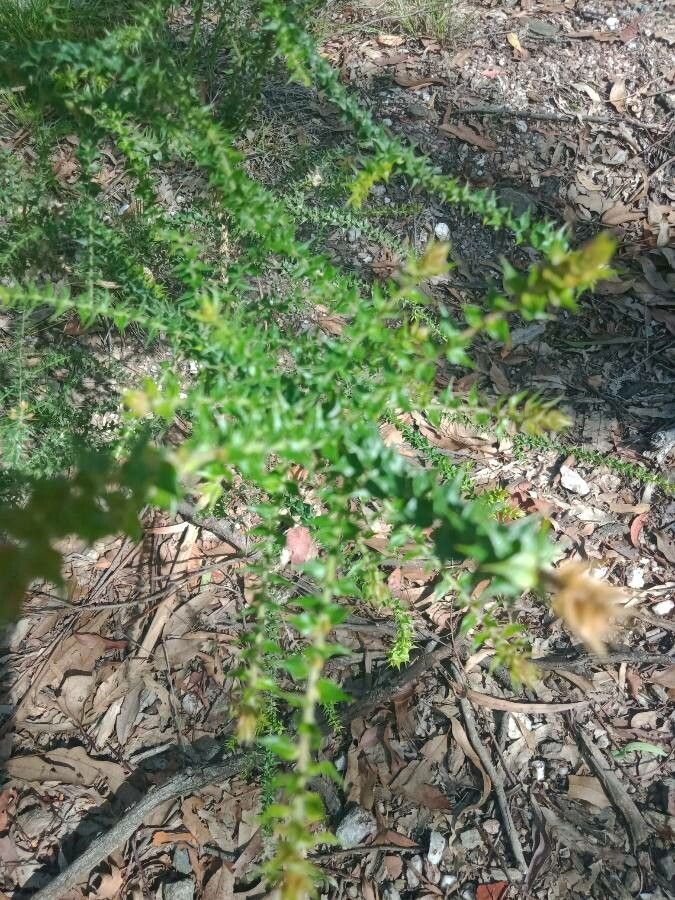
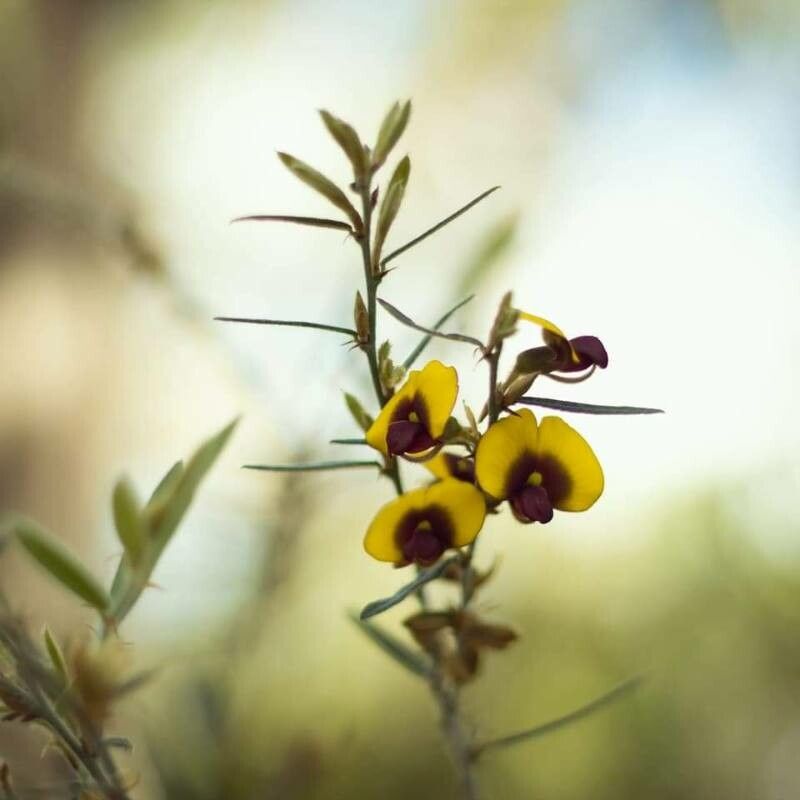
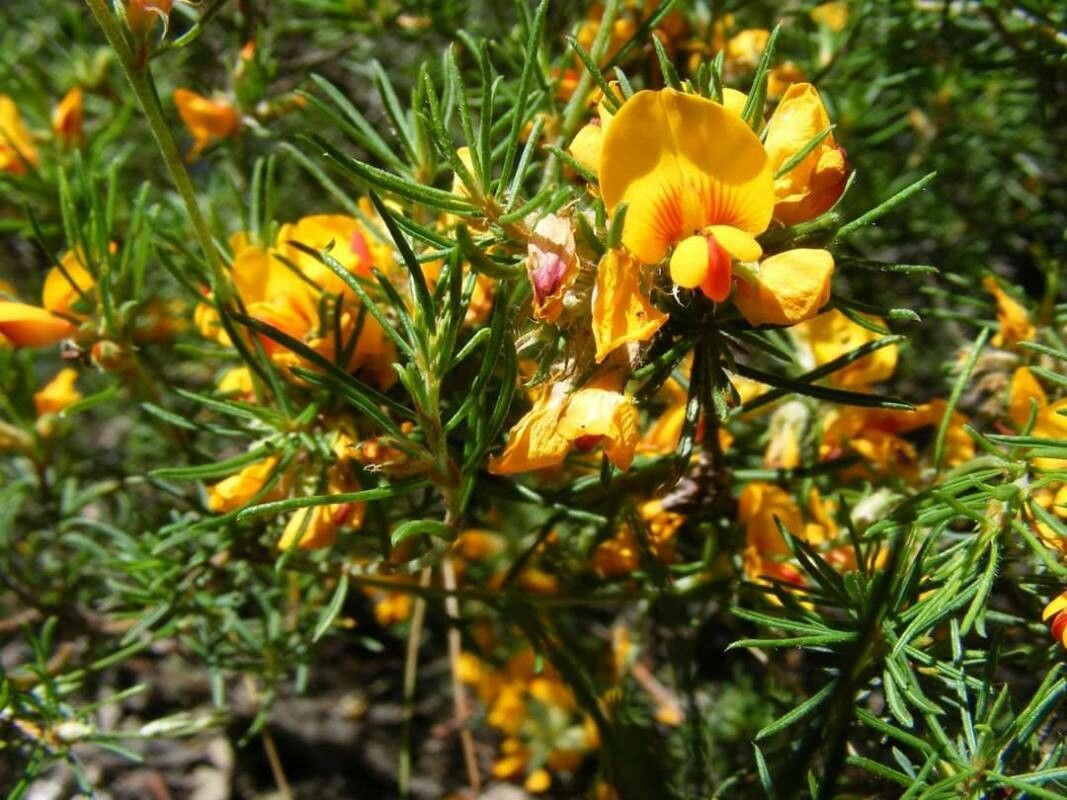
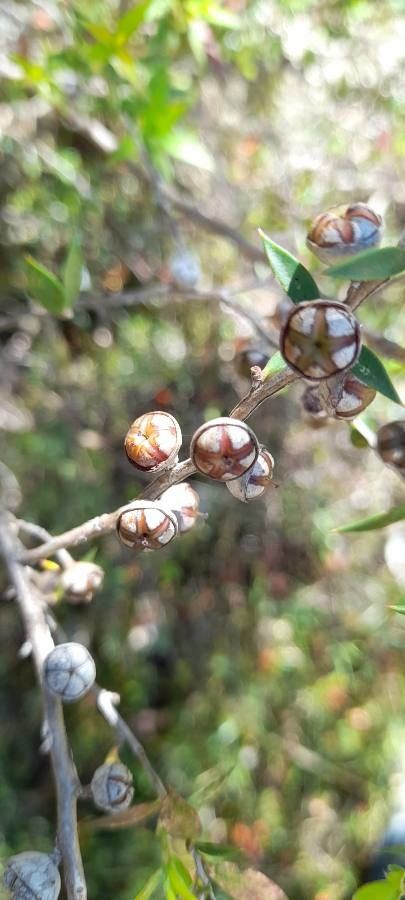
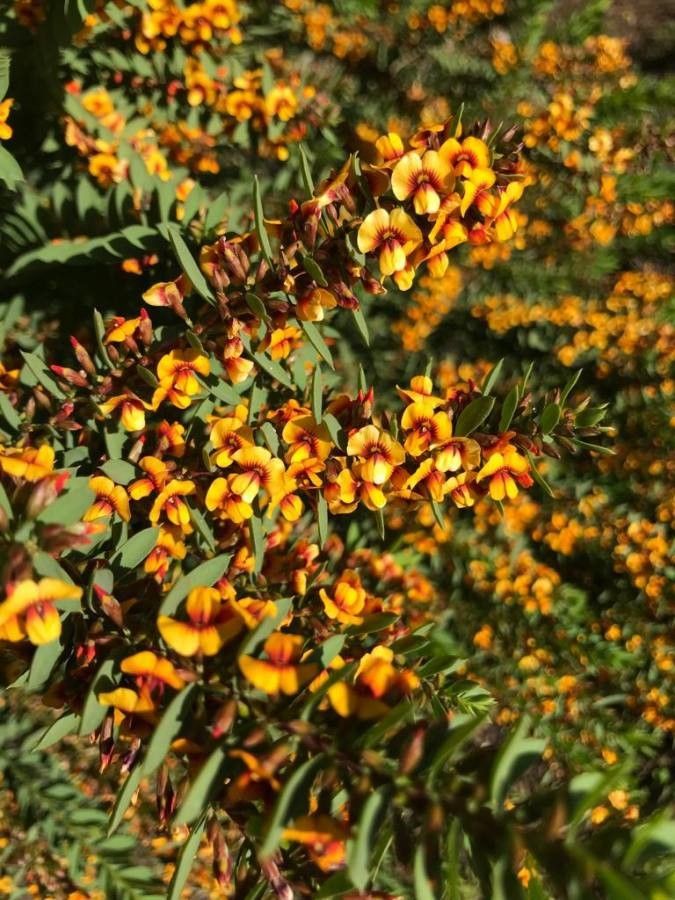
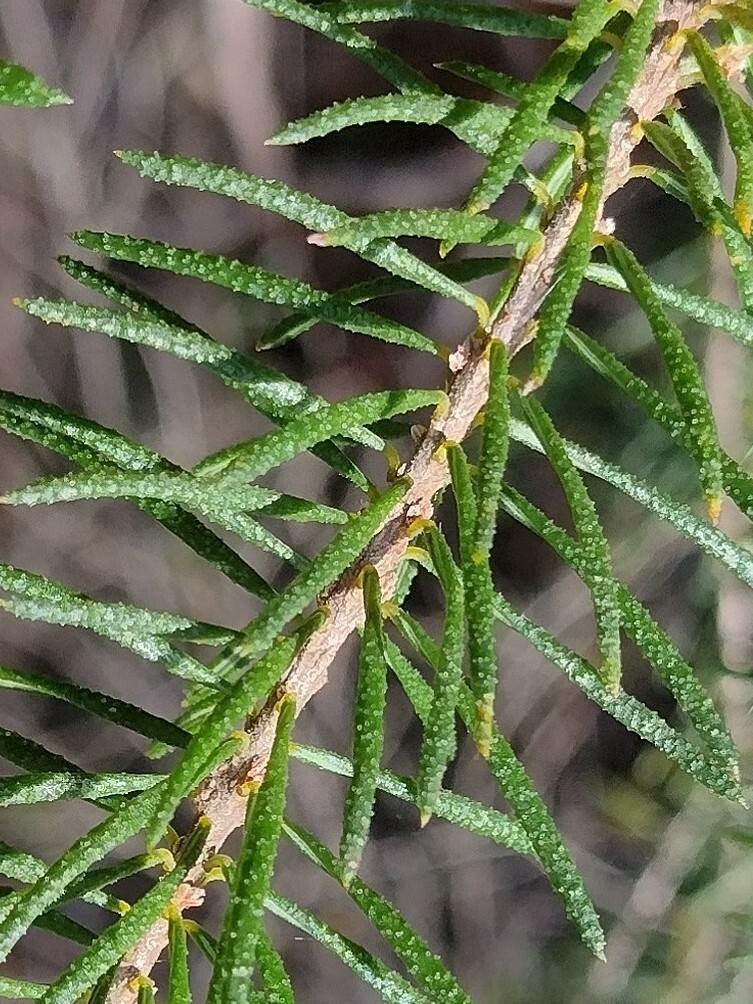
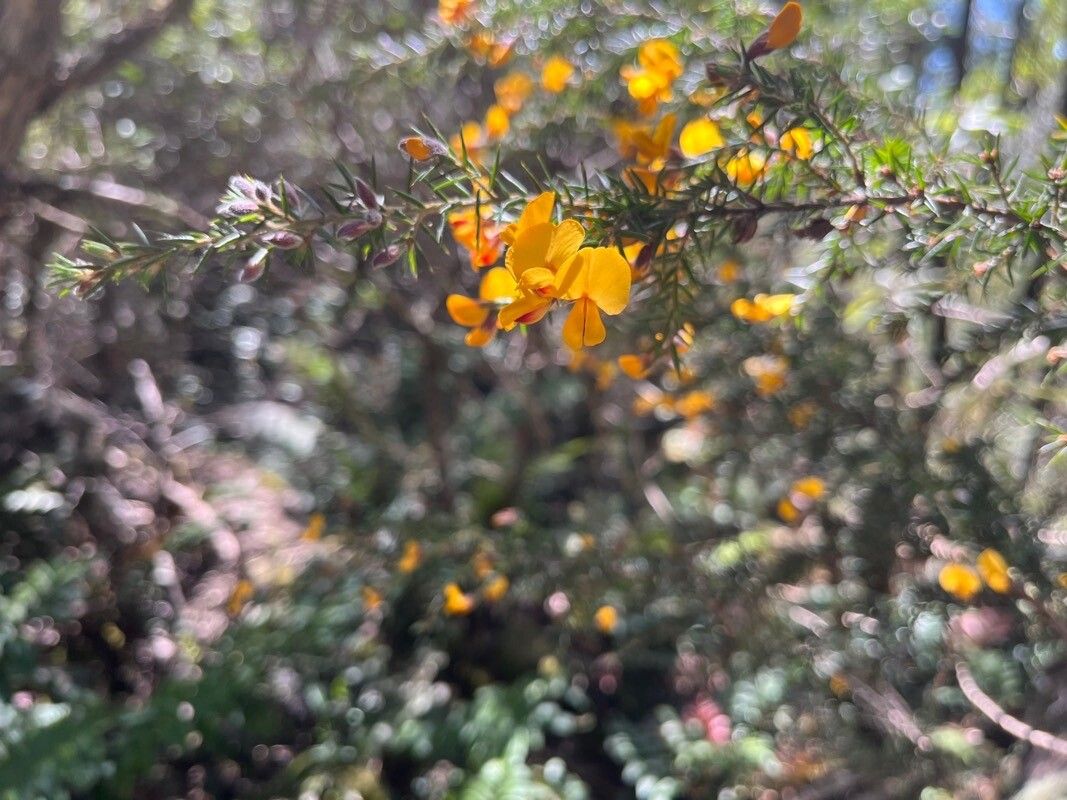
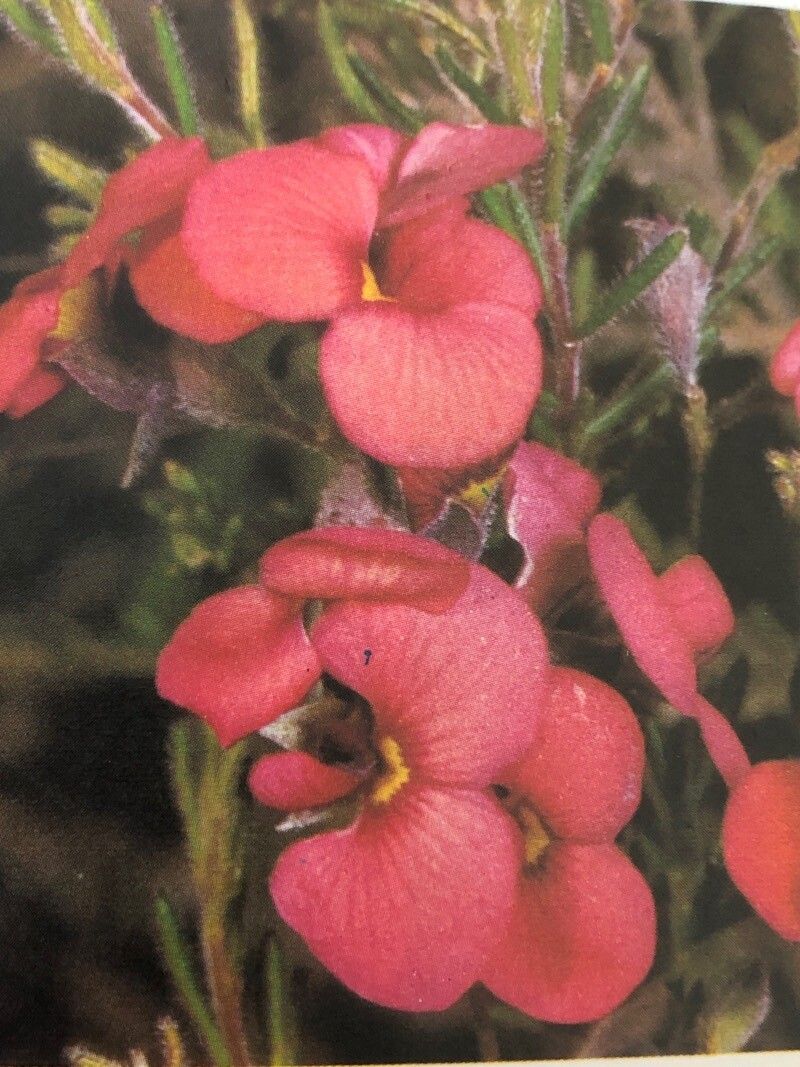
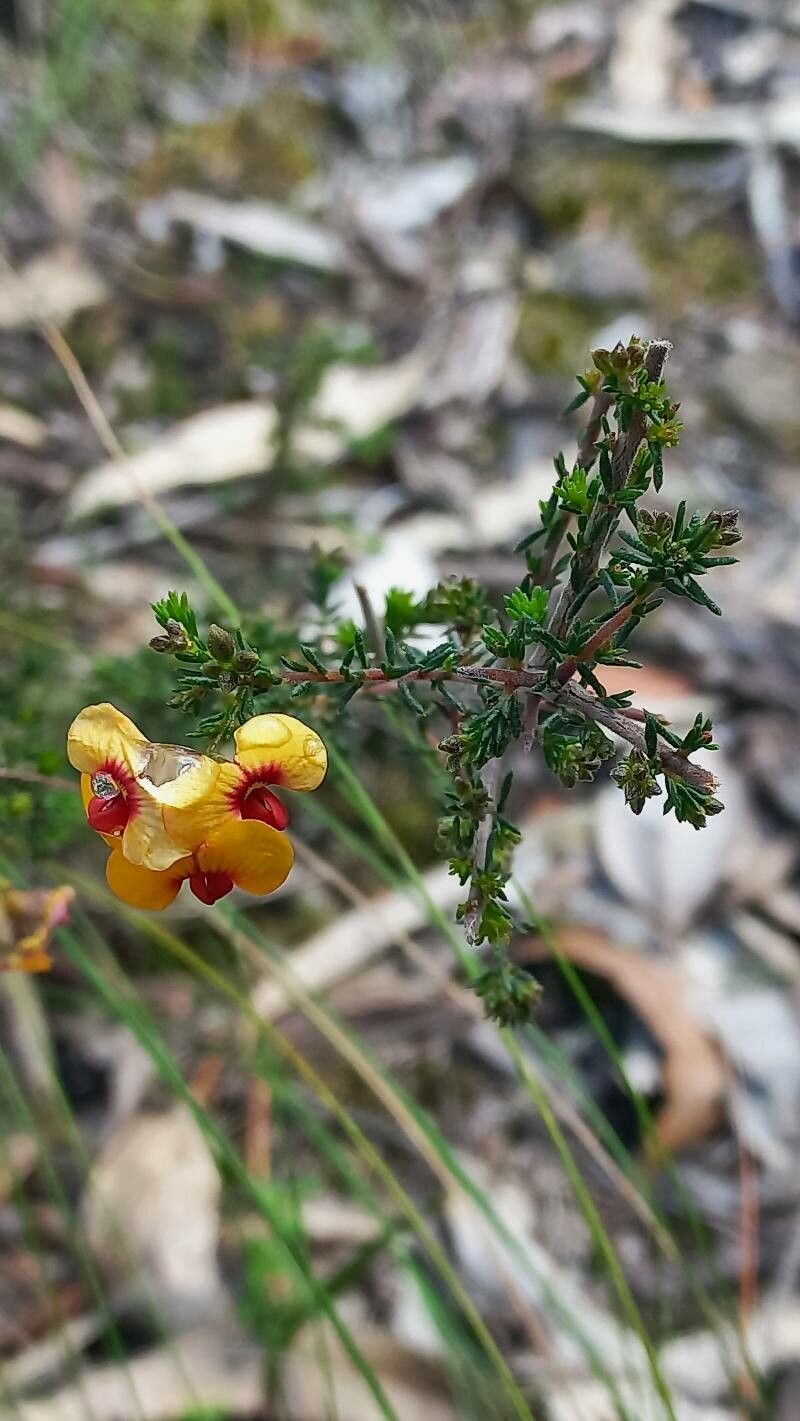
Dillwynia retorta, commonly known as eggs and bacon, is a species of flowering plant shrub in the family Fabaceae and grows in New South Wales and Queensland. It is usually an erect shrub with thin, smooth, crowded leaves and yellow flowers with red markings.
Eggs and bacon has strong disease resistance and is generally not prone to disease. In terms of care, this plant is relatively low-maintenance. When planted outdoors it needs only minimal watering, and larger plants usually do not require pruning. Smaller plants, however, should be pruned after they have bloomed. Eggs and bacont is suitable for anyone with an outdoor space, such as a garden or deck, and does not require much care experience.
How to keep Dillwynia Retorta.
Light
Eggs and bacon comes from open habitats, like sunny meadows and forest edges, that supply abundant light. It performs best in Full Sun but can also withstand Partial Sun, showing adaptability to different sunlight levels.
Temperature
Eggs and bacon shows strong adaptability to a variety of climate conditions, whether facing scorching summers or frigid winters. However, it does have an optimal temperature range for growth. If temperatures become excessively high, the plant is vulnerable to heat and humidity stress, which can cause it to die. In areas where temperatures approach the lower limit of its cold tolerance, it is important to put insulation measures in place to protect the plant.
Fertilizer
Timing is important for fertilizing Eggs and bacon. Apply fertilizer in early spring and then every month until early summer. Fertilizer encourages attractive blooms and supplies energy during both dormant and active growth periods.
Pruning
Eggs and Bacon features vibrant yellow and red flowers, and it requires light pruning in early spring. To maintain the plant's health, trim one-third of it to remove dead branches and improve air circulation, which helps reduce the risk of disease. Pruning at the right time encourages bushier growth and a more attractive shape without disrupting the flowering cycle.
Botanical profile.
- Plant Type
- Shrub
- Life Cycle
- Perennial
- Genus
- Dillwynia
- Family
- Fabaceae
- Hardiness Zone
- 9-11
- Mature Height
- 0.49 m to 2.13 m
- Mature Spread
- 0.49 m to 1.52 m
- Leaf Color
- Dark Green
- Leaf Type
- Evergreen
- Flower Color
- Yellow, Orange
- Flower Size
- 0.76 cm to 1.02 cm
- Bloom Time
- Spring
- Planting Time
- Spring, Summer
- Harvest Time
- Summer
Other names.