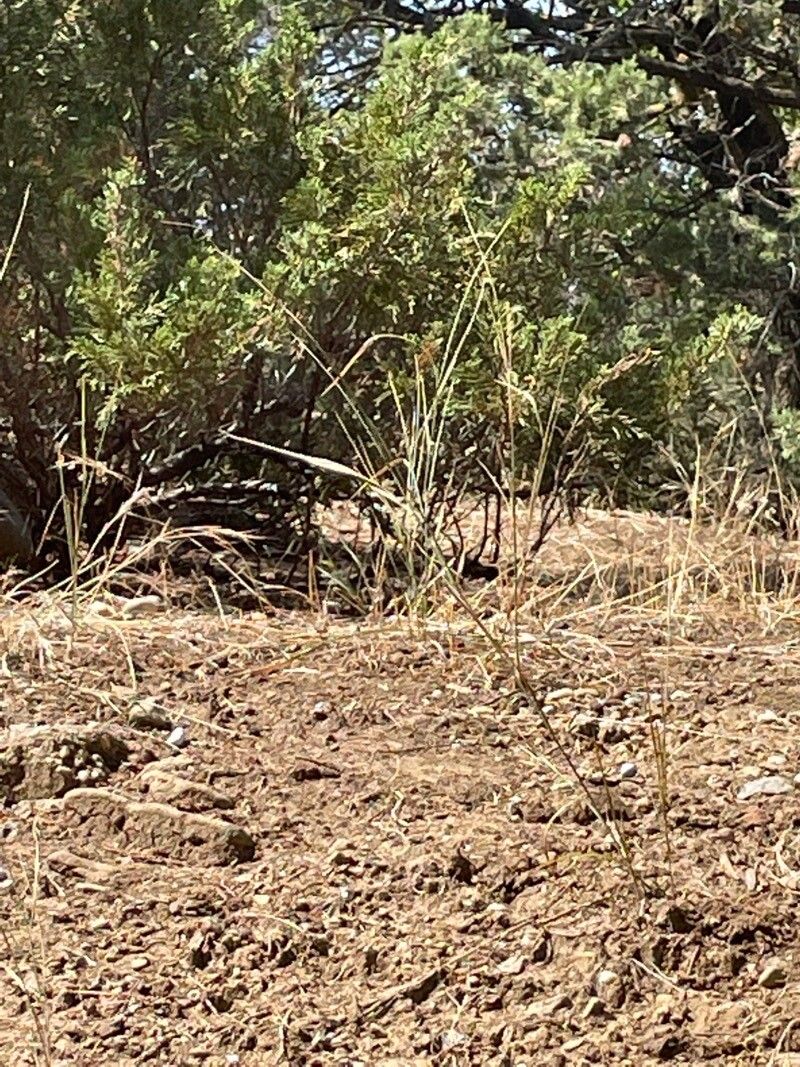
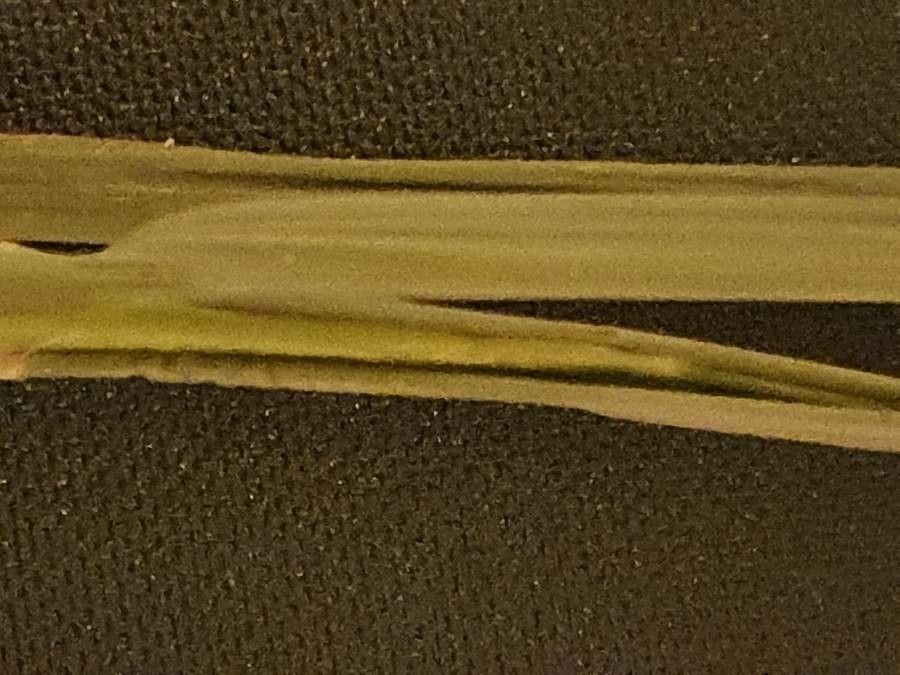
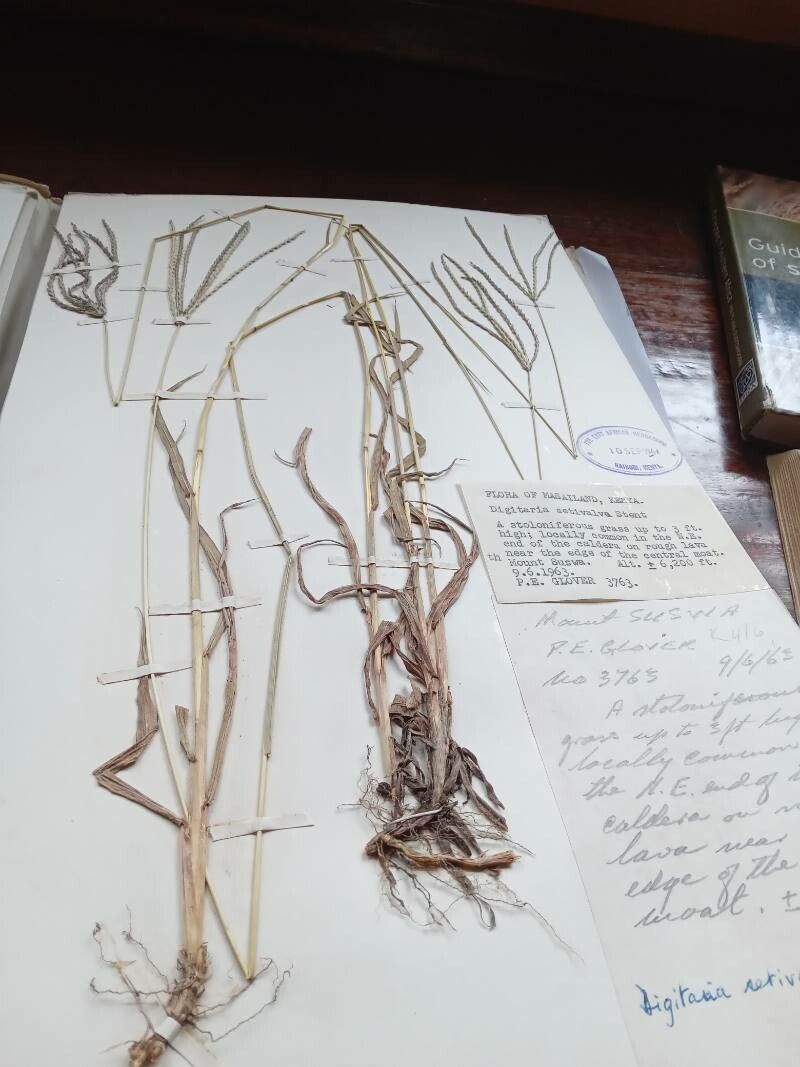
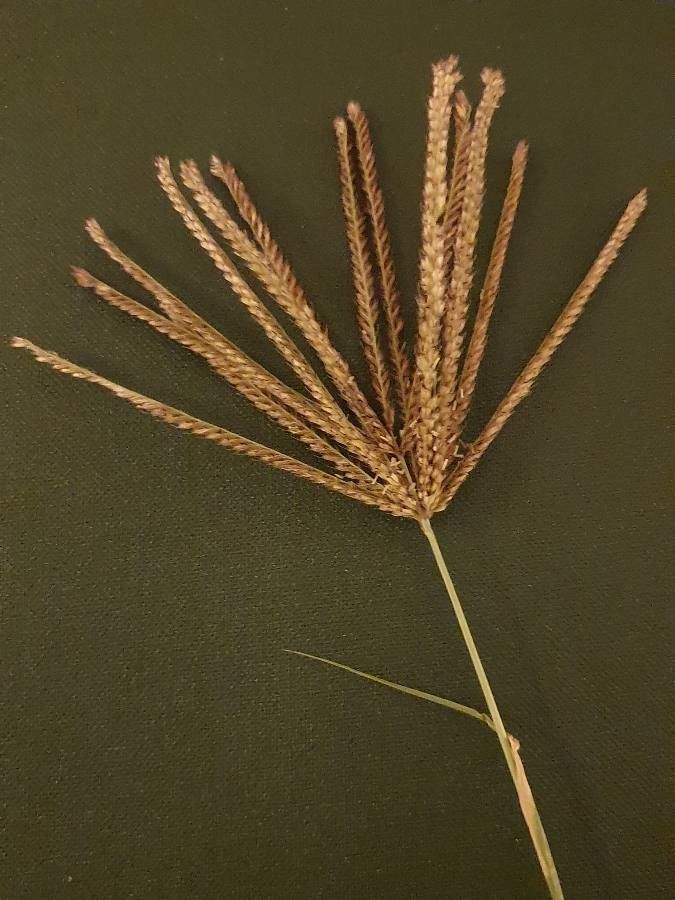
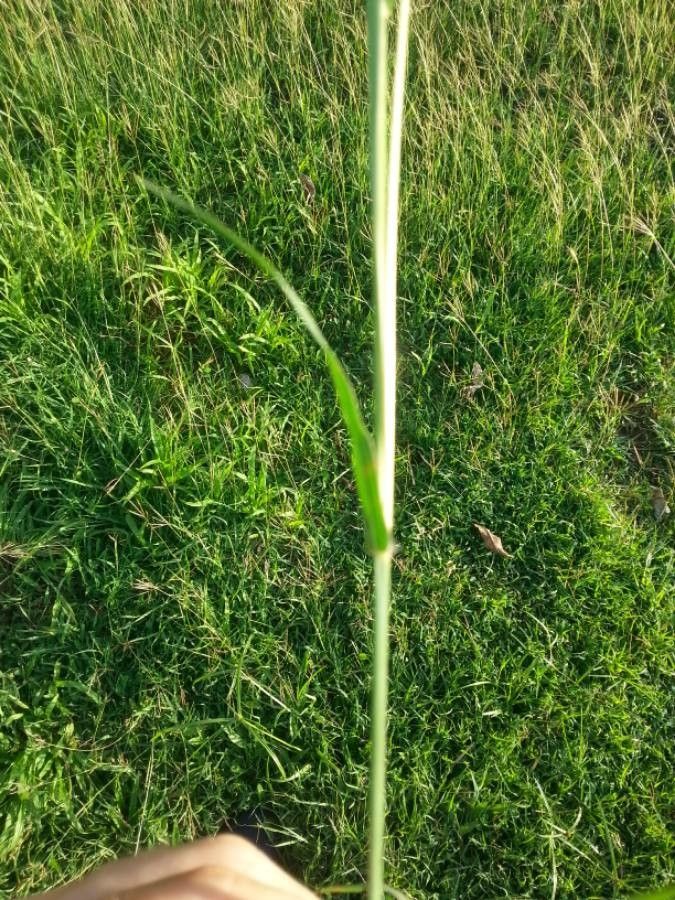
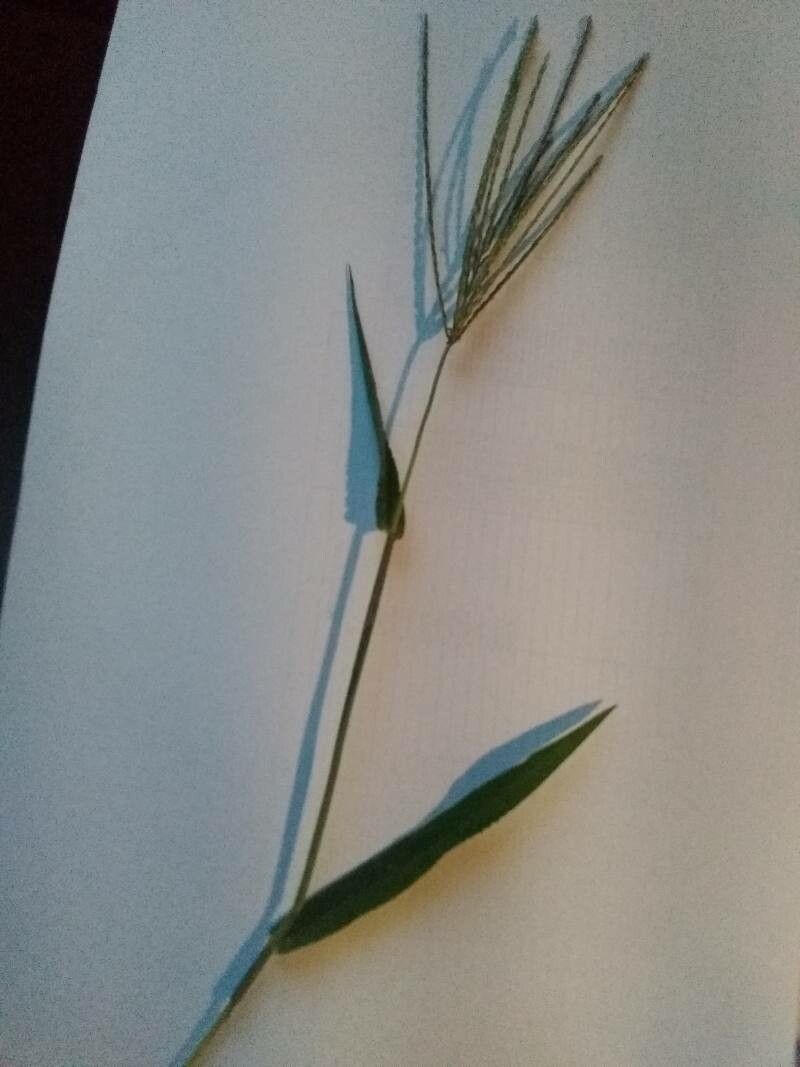
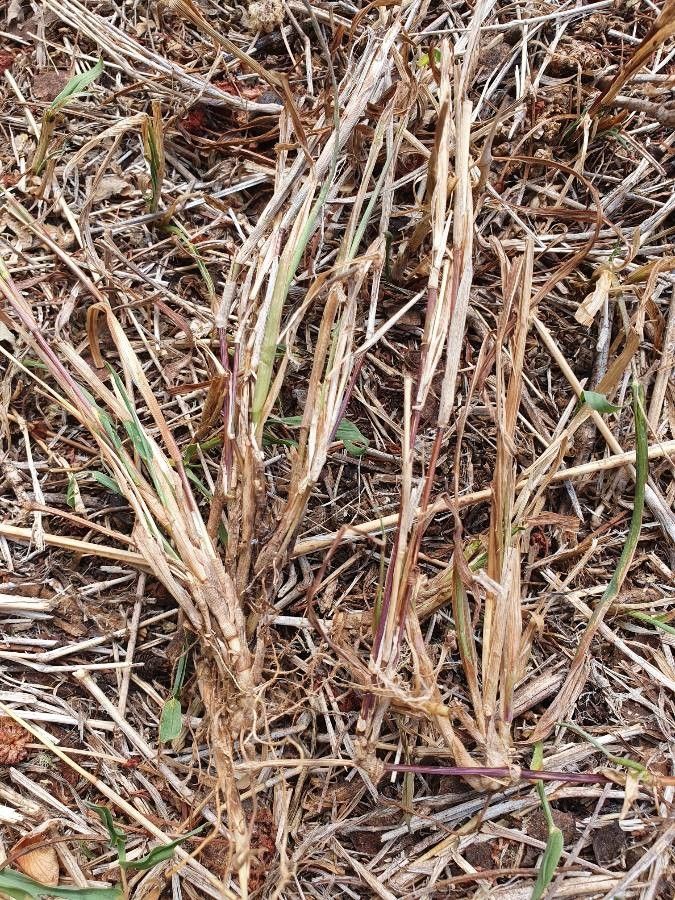
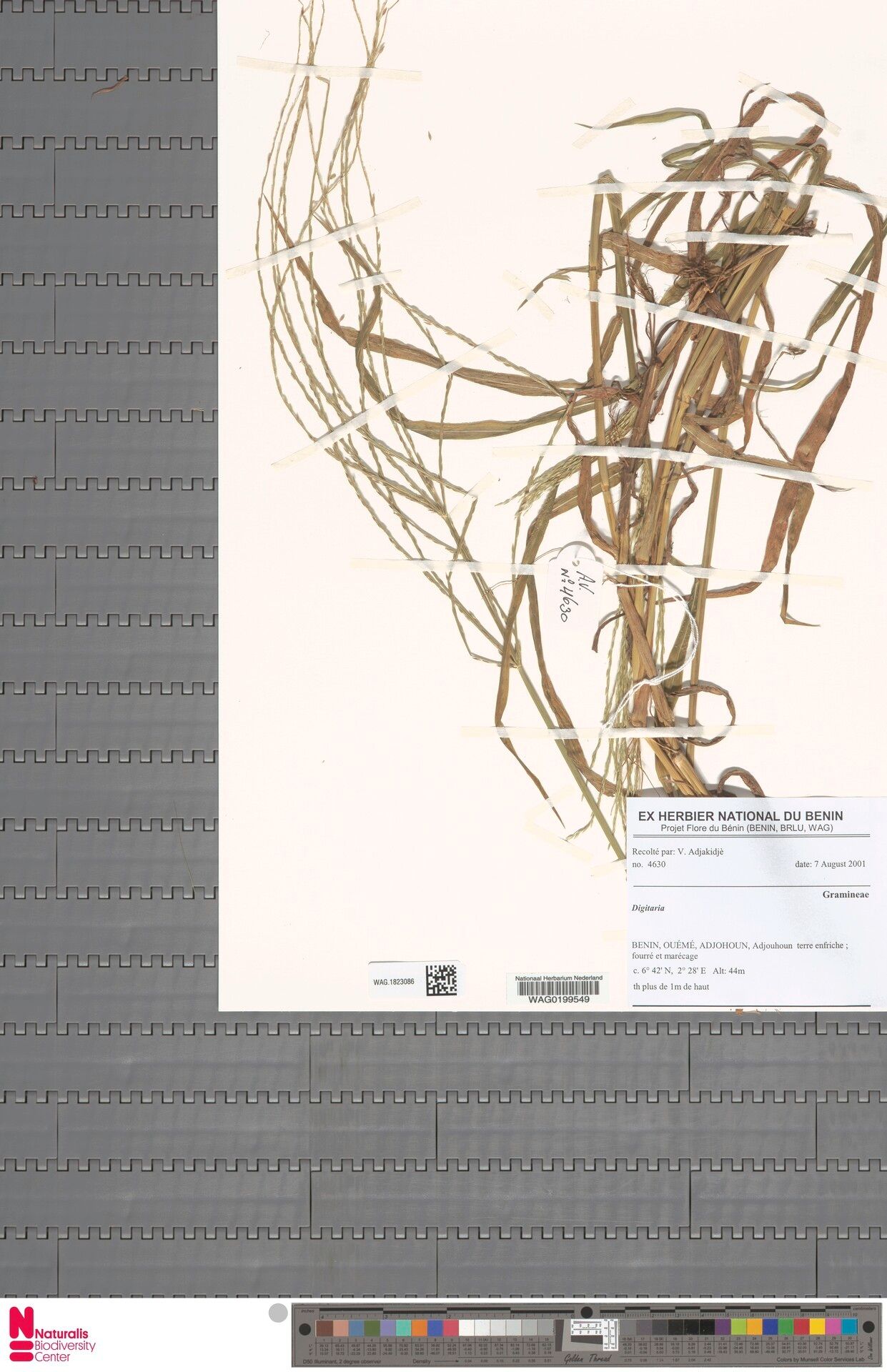
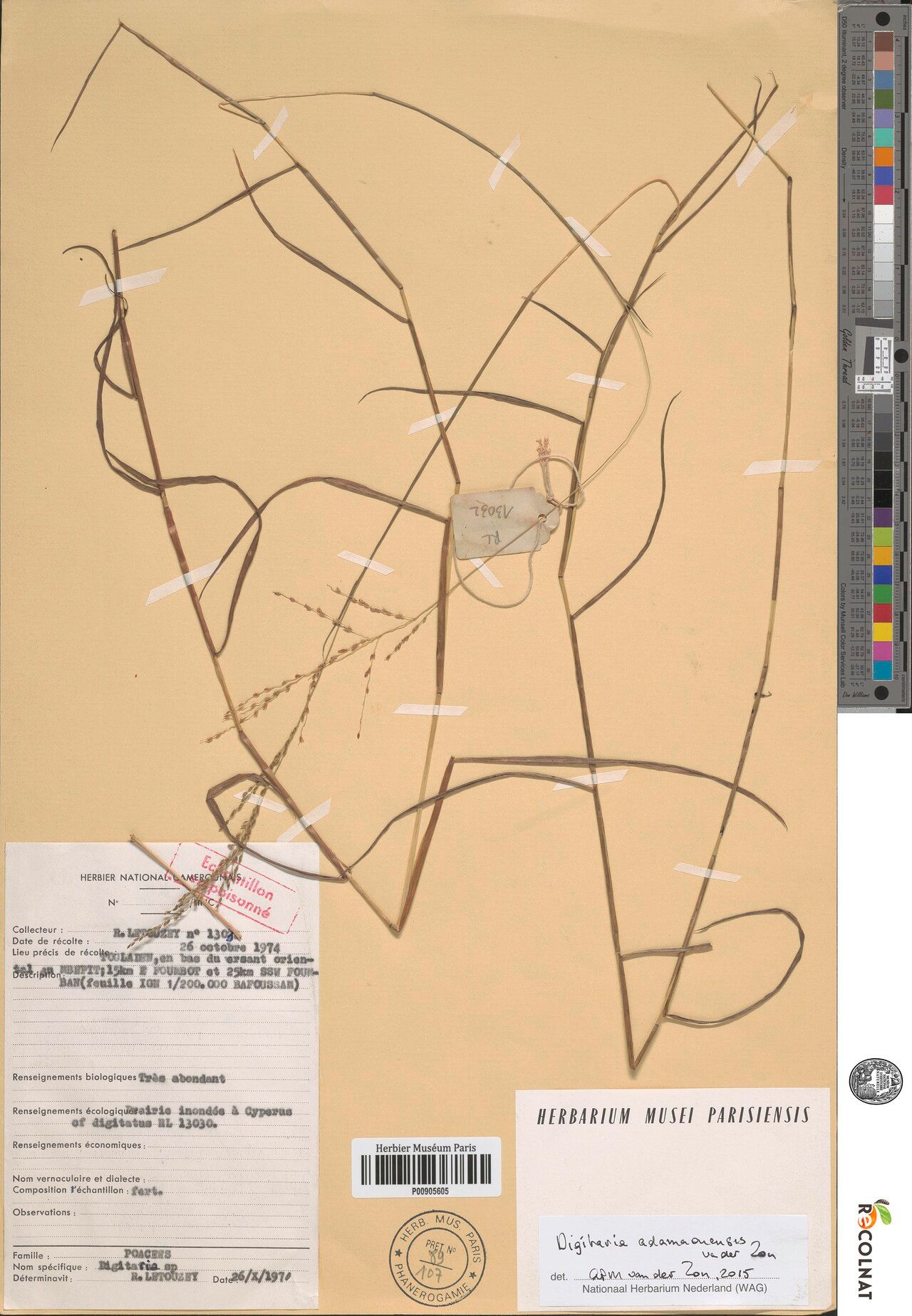
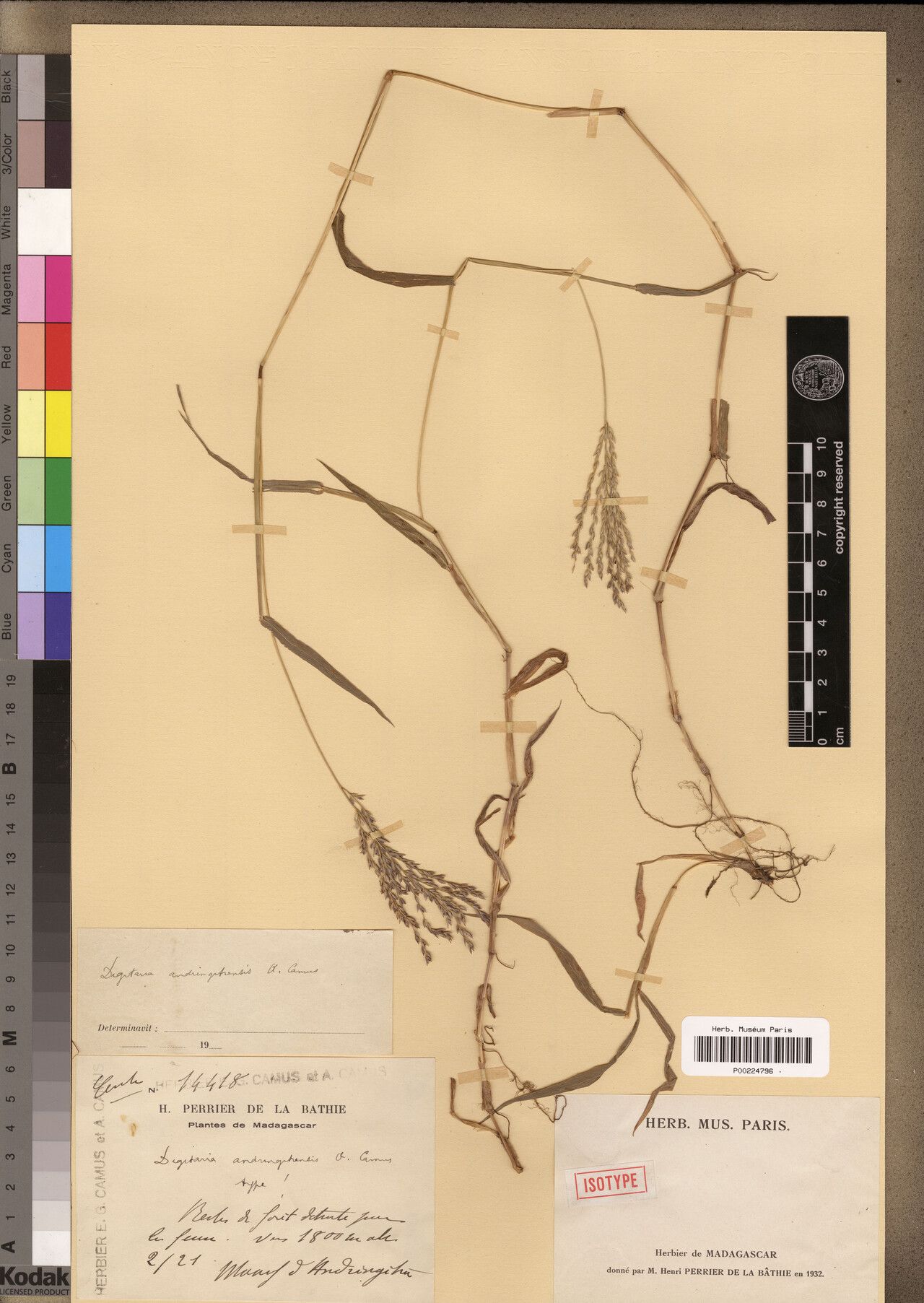
Digitaria eriantha, commonly known as African finger grass, is a perennial grass species belonging to the Poaceae family. Native to Africa, this versatile plant has been introduced to many other regions worldwide due to its adaptability and usefulness. It has a tufted growth habit, with stems reaching up to 1 meter in height. The leaves are narrow, extending up to 30 centimeters long, and have a pointed tip.
African finger grass is highly valued for grazing livestock, especially during the dry season when other forage options are scarce, due to its high nutritional content. Additionally, its dense mats are beneficial for soil conservation, as they help prevent erosion.
The plant thrives in well-drained soils, tolerating both drought conditions and moderate frost. While it grows best in full sun, it can also handle partial shade.
Beyond its practical uses, Digitaria eriantha is appreciated for ornamental purposes because of its appealing appearance in gardens and landscapes.
In summary, Digitaria eriantha is a significant plant species with multiple uses, including livestock feed, soil conservation, and ornamental applications, making it a valuable component of many ecosystems worldwide.
Digit grass shows strong resistance to disease and is usually not susceptible to illnesses. Regarding maintenance, this plant is fairly low-maintenance. Planted outdoors, it needs only light watering, and larger specimens typically do not require pruning. Smaller plants, however, should be trimmed after they finish blooming. Digit grass is appropriate for anyone with an outdoor area, like a garden or deck, and does not demand much care experience.
How to keep Digitaria Eriantha.
Light
Digit grass is a perennial herb that loves the sun and emanates from open environments, typically prospering in meadows and grasslands. This plant prefers direct sunlight but can also withstand conditions of partial sun.
Temperature
Digit grass demonstrates suitable adaptability to temperature changes, with the capacity to endure higher temperatures and major temperature fluctuations. It's essential to monitor the watering and offer sufficient shading during high temperatures to avoid sunburn. Conversely, Digit grass has a somewhat lower tolerance for cooler temperatures. While it can endure a certain amount of cold, exceptionally low temperatures could cause frost damage.
Fertilizer
Grass digits necessitate extra nourishment to stimulate robust fresh development. In the spring season, positioning some compost around the plant's base can competently supply the important nutrients it needs. The act of fertilizing assists in promoting strong growth and enables the plant to ward off diseases and pests.
Pruning
Digit grass is a hardy and drought-tolerant species that grows quickly. To promote healthy growth and improve air circulation, trim the grass in early spring by removing dead stems and thinning any crowded areas. Be sure to clean your pruning tools to prevent the spread of disease. These practices help to enhance the quality of forage and preserve the plant's ornamental appeal.
Botanical profile.
- Plant Type
- Grass
- Life Cycle
- Perennial
- Genus
- Digitaria
- Family
- Poaceae
- Hardiness Zone
- 8-11
- Mature Height
- 0.3 m to 1.22 m
- Mature Spread
- 30 cm to 61 cm
- Leaf Color
- Green, Dark Green
- Leaf Type
- Evergreen
- Flower Size
- 0.20 cm to 0.51 cm
- Bloom Time
- Summer, Early fall, Mid fall
- Planting Time
- Spring, Summer, Autumn
- Harvest Time
- Late summer, Fall, Early winter
- Native Area
- Lesotho, Angola, Mozambique, Tanzania, South Africa, Zambia, Eswatini, Namibia, Madagascar, Botswana, Zimbabwe
Other names.