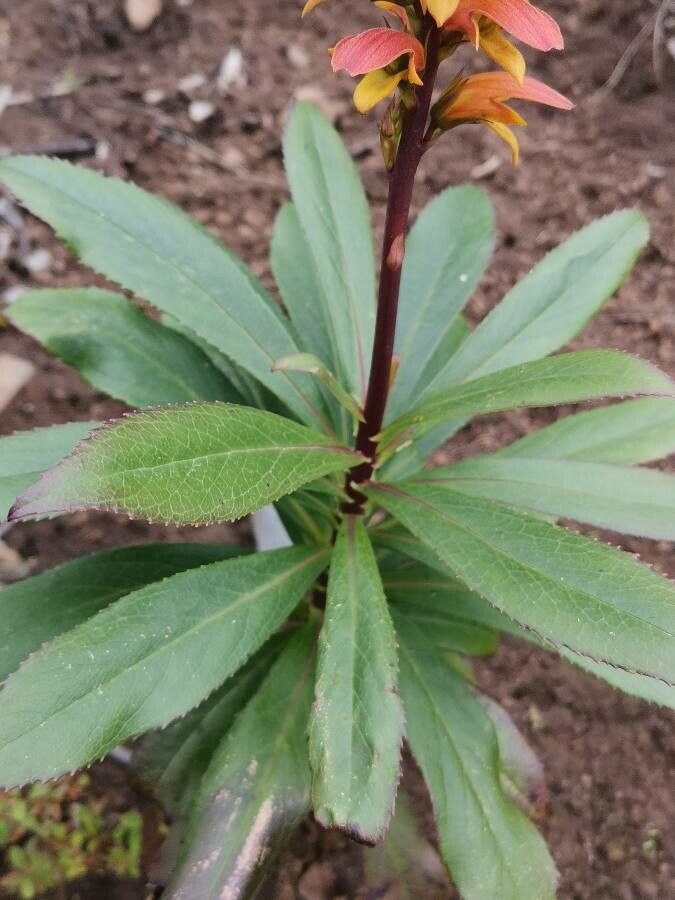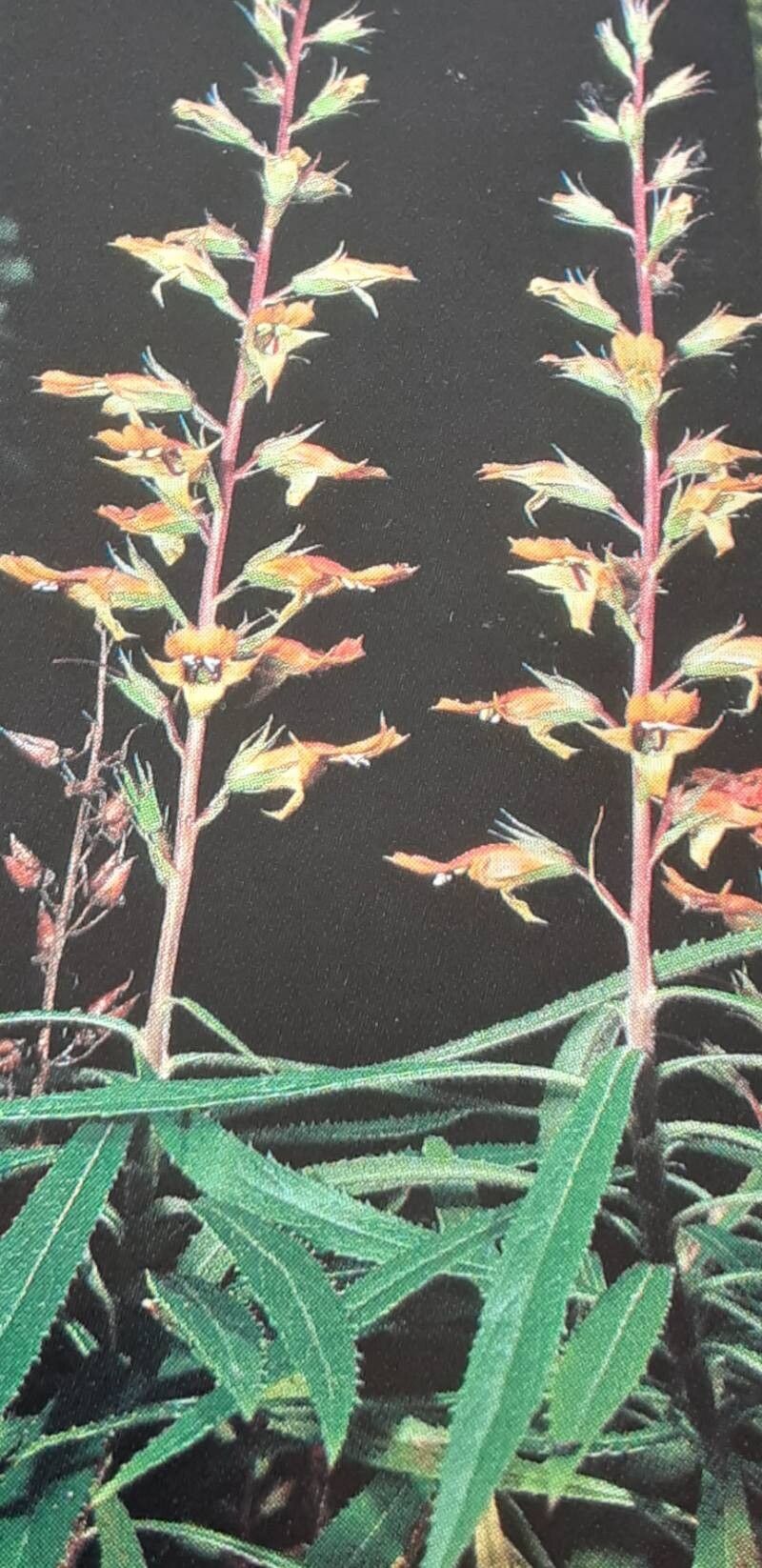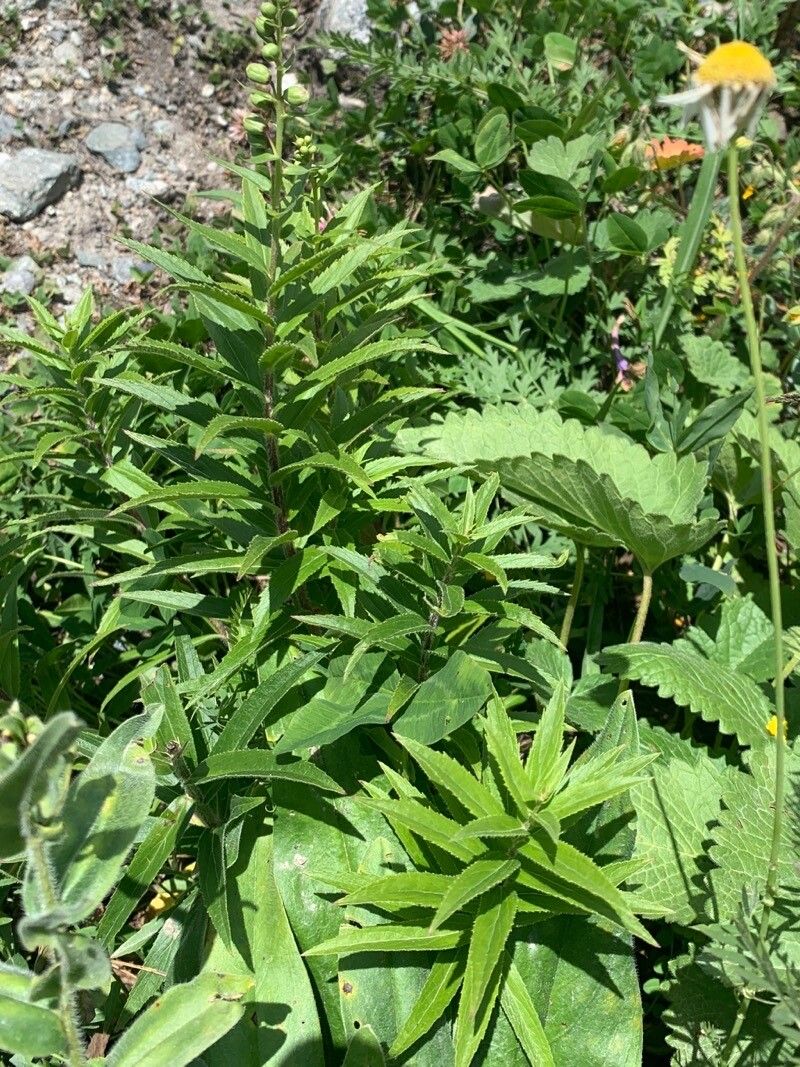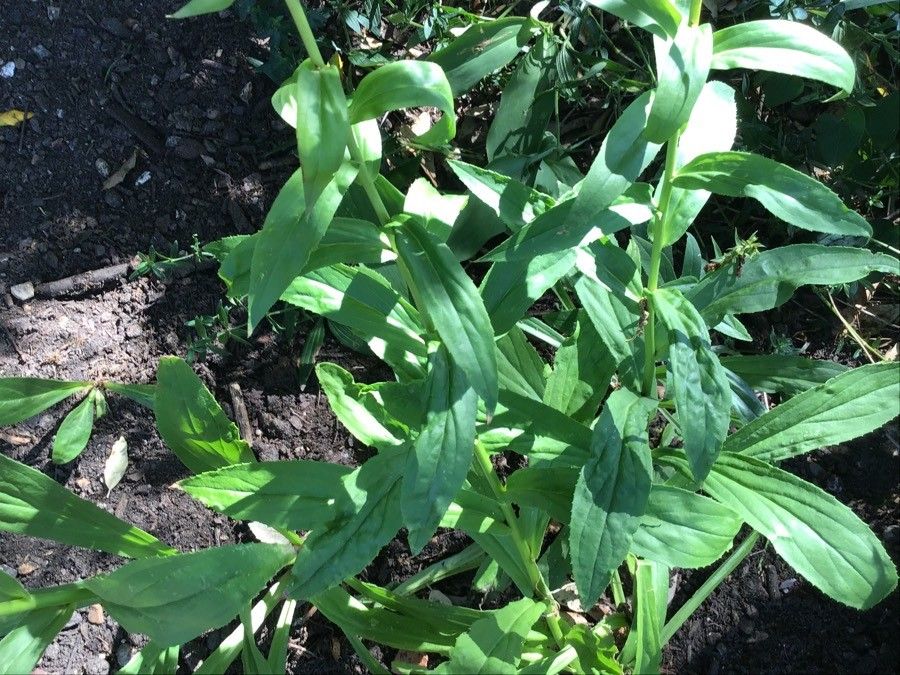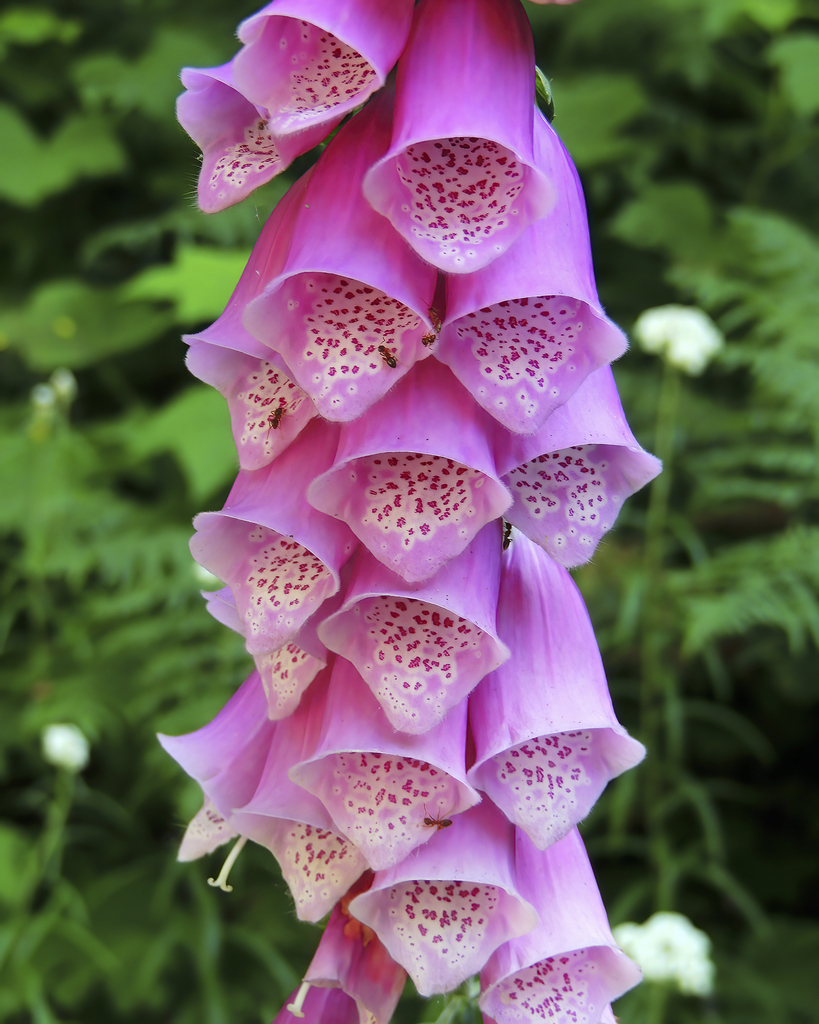
Digitalis purpurea, commonly known as foxglove, is a biennial or short-lived perennial plant that belongs to the Plantaginaceae family. Native to Europe and Western Asia, it has since been naturalized in many regions around the world. The plant typically reaches a height of 1-2 meters and forms a rosette of leaves in its first year, followed by tall spikes of bell-shaped flowers in its second year.
The flowers are usually purple or pink with white spots on the inside, blooming on long stems that can grow up to 1 meter in length. The leaves are large, hairy, and oval-shaped with toothed edges, growing up to 20 cm long and forming a basal rosette.
Digitalis purpurea contains several cardiac glycosides, such as digitoxin and digoxin, which have been used for centuries for their medicinal properties. These compounds have potent effects on the heart muscle by increasing its contractility while decreasing heart rate.
The plant thrives in moist soil but can tolerate some drought once established. It grows best in partial shade but can also adapt to full sun if provided with adequate moisture.
Foxglove is commonly used as an ornamental garden plant due to its attractive flowers, which attract bees, butterflies, hummingbirds, and other pollinators, making it an important part of any garden ecosystem. However, it is also toxic if ingested, so it should be handled carefully around children or pets who may be tempted by its bright colors without knowing the dangers.
The name "common foxglove" originates from medieval English as "fox-glove." It was first known by the Anglo-Saxon term "foxes glofa," meaning "the glove of the fox," because the flowers resemble fingers wearing gloves. As the most prevalent species in its genus, it is referred to as the common foxglove.
The common foxglove is fairly disease-resistant and generally not prone to illness. Still, it can be affected by pests and diseases present in its environment. These problems are usually mild. In terms of care, this plant needs moderate maintenance. Regular pruning is necessary to preserve a neat appearance and support healthy growth. Fertilizing can also encourage flowering. Common foxglove is suitable for anyone with outdoor space, such as a garden or patio, and does not demand extensive gardening experience. It may require more attention when grown indoors.
How to keep Digitalis Purpurea.
Light
For healthy growth, common foxglove needs a site that gets direct, unblocked sunlight throughout the day, though it can tolerate spots with partially filtered sun. This requirement comes from its native habitat, which preferred full sun exposure. To prevent harm, common foxglove should not be placed in overly strong sunlight nor kept in excessively shaded locations.
Water
Common foxglove flourishes in the moist conditions typical of temperate woodlands. It needs consistent moisture, so watering twice a week ensures optimal hydration. Being an herbaceous perennial, common foxglove thrives best when grown outdoors, benefiting from natural rainfall during its active growing season.
Humidity
This plant will thrive in moderate humidity, which is probably the level in your home. However, misting it a few times a week can be very beneficial. Make sure the room has good ventilation.
Temperature
Common foxglove is native to temperate regions and grows best at temperatures between 68 and 95 °F (20 to 35 °C). It copes well with seasonal shifts, but in extreme cold or heat it will need soil modification to ensure the required warmth or coolness.
Fertilizer
Common foxglove requires regular fertilizing to encourage flowering but does not tolerate excess. It needs small, frequent applications of fertilizer throughout its entire life cycle, especially during the peak of active growth and while it is flowering. You will feed your Common foxglove until they stop blooming.
Pruning
The common foxglove is characterized by tall spires of tubular flowers and heart-shaped leaves. To promote vigorous growth and maintain its appearance, it is best to prune the plant from early to late spring. During pruning, remove any spent flower stalks and damaged foliage. This timing coincides with the plant's spring growth period and encourages better blooms. For detailed pruning techniques, refer to horticulture guides.
Pot & Repot
When repotting Common foxglove, choose a pot that is 1–2 inches (2.5–5.1 cm) larger in diameter and has good drainage. Use a well-draining potting mix and consider adding perlite for extra drainage. Repot in spring or early summer, then water thoroughly and place in a shady spot at first.
Botanical profile.
- Plant Type
- Herb
- Life Cycle
- Biennial, Perennial, Annual
- Genus
- Digitalis
- Family
- Plantaginaceae
- Hardiness Zone
- 5-9
- Mature Height
- 0.61 m to 2.13 m
- Mature Spread
- 10 cm to 49 cm
- Leaf Color
- Green
- Leaf Type
- Deciduous
- Flower Color
- Purple, Pink, White
- Flower Size
- 3.05 cm to 4.57 cm
- Bloom Time
- Early summer, Mid summer
- Planting Time
- Spring, Summer
- Harvest Time
- Mid summer
- Native Area
- Europe and Northwest Africa
Other names.
Reader questions.
When Should I Water My Common Foxglove?
Timing is crucial for the health and growth of common foxglove, and there are specific indicators to guide you on when to water. You should water common foxglove when the top few inches of soil feel dry. If the soil appears dark or sticks to your fingers, it might be too soon for another watering. Excessive wilting or limpness of leaves, browning or crispy leaf tips, and a change in the vibrant hue of its flowers to a browning or yellowing are all signs your common foxglove might need water. However, it's important to be cautious as both under and overwatering can lead to issues such as root rot or limit the plant's bloom.
Why should I add fertilizer to my Common foxglove plant?
Properly fertilizing flowering plants like Common foxglove can improve their growth and make them bloom splendidly. These plants are known for blooming abundantly, so they need a good amount of fertilizer to replenish the necessary nutrients for their growth. Nitrogen plays an important role in promoting early-season vegetative growth and maintaining green foliage through photosynthesis and chlorophyll production. Phosphorus is crucial for enhancing flower formation, strengthening stems, and aiding in the capturing and converting of sunlight into energy that fuels growth. Potassium helps in transporting water, nutrients, and sugars within the plant, from the roots to the shoots. Additionally, it encourages root growth and enhances the plant's ability to tolerate drought during the summer.
What are the sunlight requirements for common foxglove?
Common foxglove thrives best in environments with plenty of unobstructed sunlight throughout the day, echoing its natural habitat that favors full sun exposure. However, it can also endure in locations where sunlight is partially obstructed. This plant requires more than 6 hours of sunlight for 'full sun' conditions and about 3-6 hours of sunlight for 'partial sun' conditions. It’s vital to monitor the movement of sunlight through your garden to find the ideal balance of light and shade for your plants, ensuring they remain healthy and happy.
What is the ideal temperature range for Common Foxglove and how does it adapt to seasonal changes?
Common foxglove, known botanically as Digitalis purpurea, thrives best in temperate zones with temperatures ranging from 68 to 95 °F (20 to 35 °C). It adapts well to seasonal changes, indicating a degree of flexibility to different weather conditions. Despite this adaptability, in extreme cold or heat, soil modification might be necessary to maintain the required warmth or coolness for the plant. Common foxglove exhibits strong cold resistance; therefore, special frost protection measures are usually not needed. However, in cases where winter temperatures are expected to fall sharply, providing cold protection by covering the plant with soil or straw can be beneficial. Additionally, watering the plant abundantly before the first autumn freeze to ensure the soil remains moist helps prevent drought and water scarcity during the colder months.
How Should I Water My Common Foxglove?
Common foxglove has particular watering needs, preferring consistently moist soil while being at risk of overwatering. A recommended technique is bottom-watering, which involves allowing the plant to absorb water through its roots from a tray, preventing soil saturation and reducing the risk of fungal diseases. If using a watering can, opt for one with a narrow spout to direct water to the base and avoid the foliage, which can promote disease. A moisture meter can help judge the right watering moment more accurately by gauging the soil's moisture near the roots. Remember, watering the foliage directly is to be avoided to reduce the risk of fungal diseases.
When should I fertilize my Common foxglove for the best results?
Common foxglove requires regular, light doses of fertilizer to maintain its health. Fertilization should be done frequently throughout the plant's life cycle, with a particular focus during the peak periods of active growth and flowering. It is important to feed your Common foxglove until it stops blooming. If the plant is grown in a container, it will require more frequent fertilization compared to in-ground plants, since the root zone is smaller and nutrients are limited.
How does artificial lighting support the growth of common foxglove indoors?
When natural sunlight is insufficient, especially during winter or in less sunny spaces, artificial lighting becomes crucial for the growth of indoor plants like common foxglove. Artificial lights, particularly LED lights, can be customized to provide the specific wavelengths of light that plants need to flourish. For full sun plants like common foxglove, 30-50 watts per square foot of artificial light is recommended. The light source should be placed 12-36 inches above the plant, simulating natural sunlight, and the duration should mimic natural daylight hours, typically 8-12 hours per day, to promote faster and healthier growth.
What should be done if Common Foxglove is exposed to temperatures below its growth limit?
Common foxglove is cold-tolerant, favoring conditions above certain temperature thresholds for optimal growth and survival. Despite its resilience, exposure to temperatures below its growth limit might not result in immediate visible damage but can lead to decreased sprouting or no sprouting in the following spring. If this happens, it's advisable to remove any parts of the plant that have failed to sprout as a solution to encourage new growth and maintain the plant's health.
How Much Water Does Common Foxglove Really Need?
Common foxglove thrives in consistently moist soil with proper drainage, reflecting its native woodland habitat. Water quantity should be adjusted based on pot size, root depth, and the plant's size. Generally, when the top inch of soil feels dry, it's time to water, aiming to saturate the soil fully without causing waterlogging. Small pots may need about 0.5 liters of water, while larger ones might require 1-2 liters. Proper hydration is indicated by vibrant, healthy leaves and upright growth, with colorful bell-shaped flowers during bloom season. Conversely, symptoms like wilting, yellowing leaves, or soil with a foul odor suggest overwatering, while dry and brittle leaves indicate underwatering.
When is the best time to not put fertilizer on my Common foxglove?
Fertilizer can sometimes be harmful to Common foxglove, especially if the plant is already stressed. It's best to avoid fertilizing when the plant is dealing with diseases like downy mildew, powdery mildew, gray mold, or leaf spot, as well as insect problems such as aphids, spider mites, or whiteflies. Using fertilizer can weaken the plant's defenses and make it more susceptible to other pests or diseases. It's also important to avoid fertilizing when the soil surface is hardened or too dry, as this can cause fertilizer burn on the roots. Before fertilizing, make sure to water the potting soil slightly. In the hottest part of the summer, Common foxglove may go dormant until temperatures cool down. During this dormant period, it's best to wait and avoid fertilizing until growth resumes.
What symptoms indicate inadequate light for common foxglove?
Common foxglove may show several symptoms when exposed to inadequate light, indicating that it is struggling with light deficiency. Such symptoms include new leaves growing smaller than mature ones, leggy or sparse growth as the space between leaves or stems elongates, early shedding of older leaves to conserve resources, delayed or halted growth, appearance of lighter-colored or pale new leaves due to lack of chlorophyll, chlorosis or yellowing of leaves, damage from intense light exposure such as sunscald, leaf curling as a defense against too much light, wilting from excessive water loss, and leaf scorching characterized by brown, dry edges on leaves.
How should Common Foxglove be cared for in high temperature conditions?
During the summer months, it's essential to ensure that the Common foxglove does not experience temperatures above its maximum tolerance level. Exposure to too much heat can cause the leaves to lighten in color, curl, become susceptible to sunburn, and in extreme cases, lead to the wilting and drying out of the entire plant. To mitigate these effects, trim away the parts of the plant that have been sunburned or dried up. Moving the plant to a shaded area or utilizing a shade cloth to protect it from the midday and afternoon sun can also be beneficial. Additionally, watering the plant in the morning and evening will help to maintain soil moisture and support the plant's well-being in high temperatures.