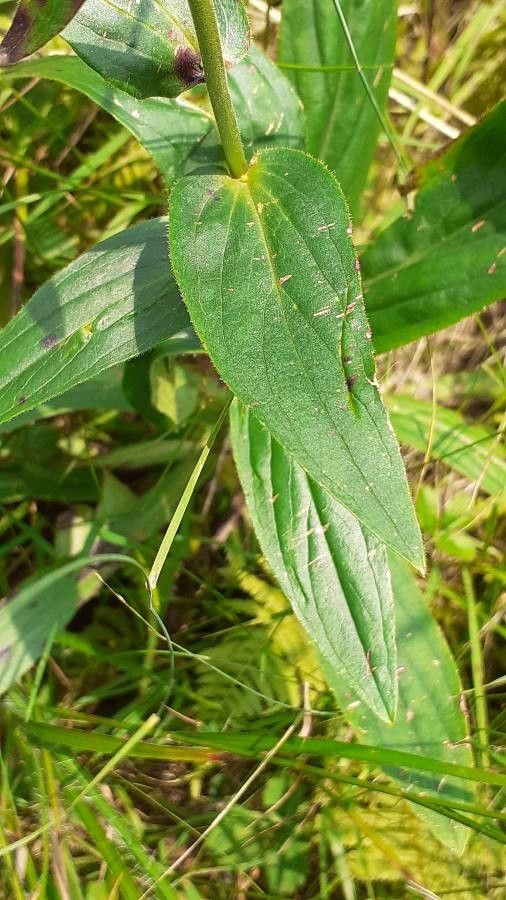
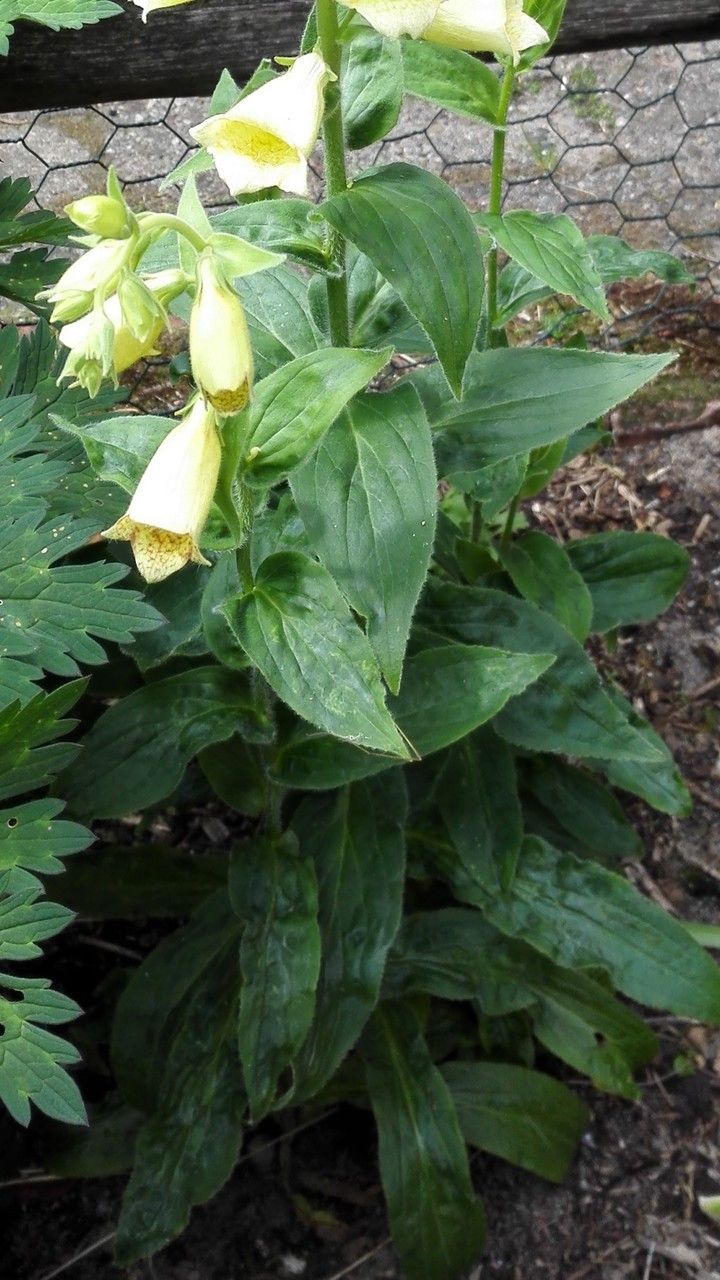
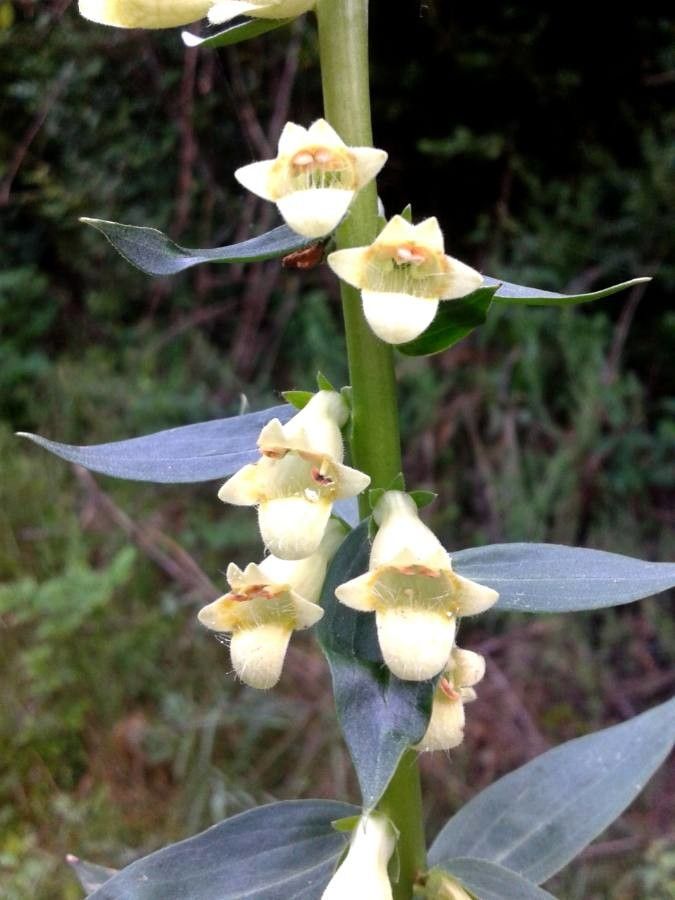
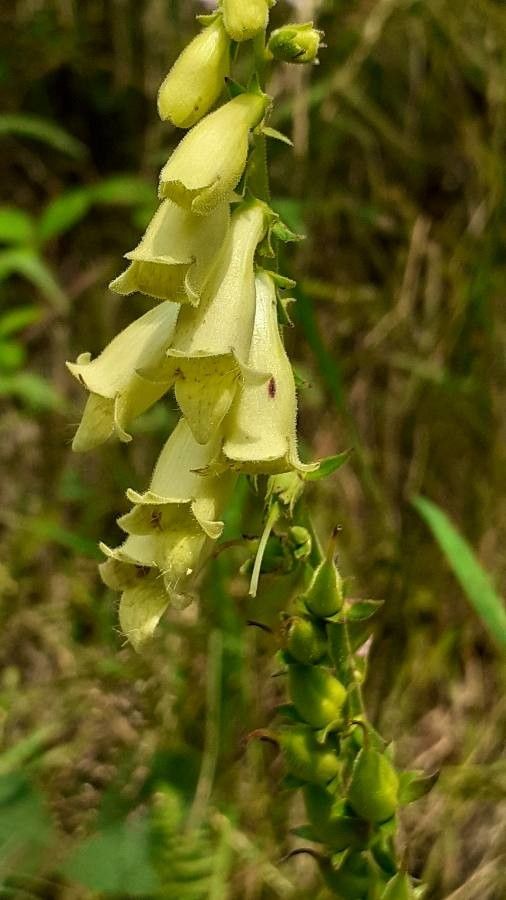
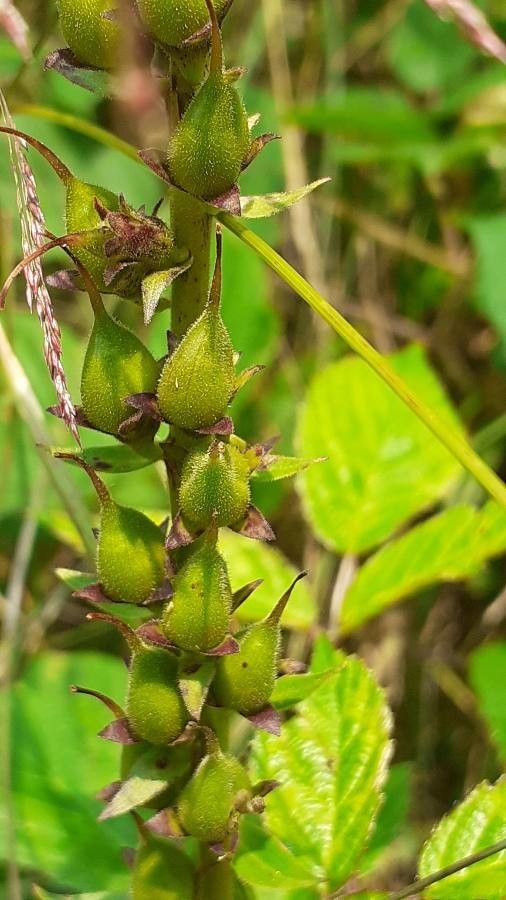
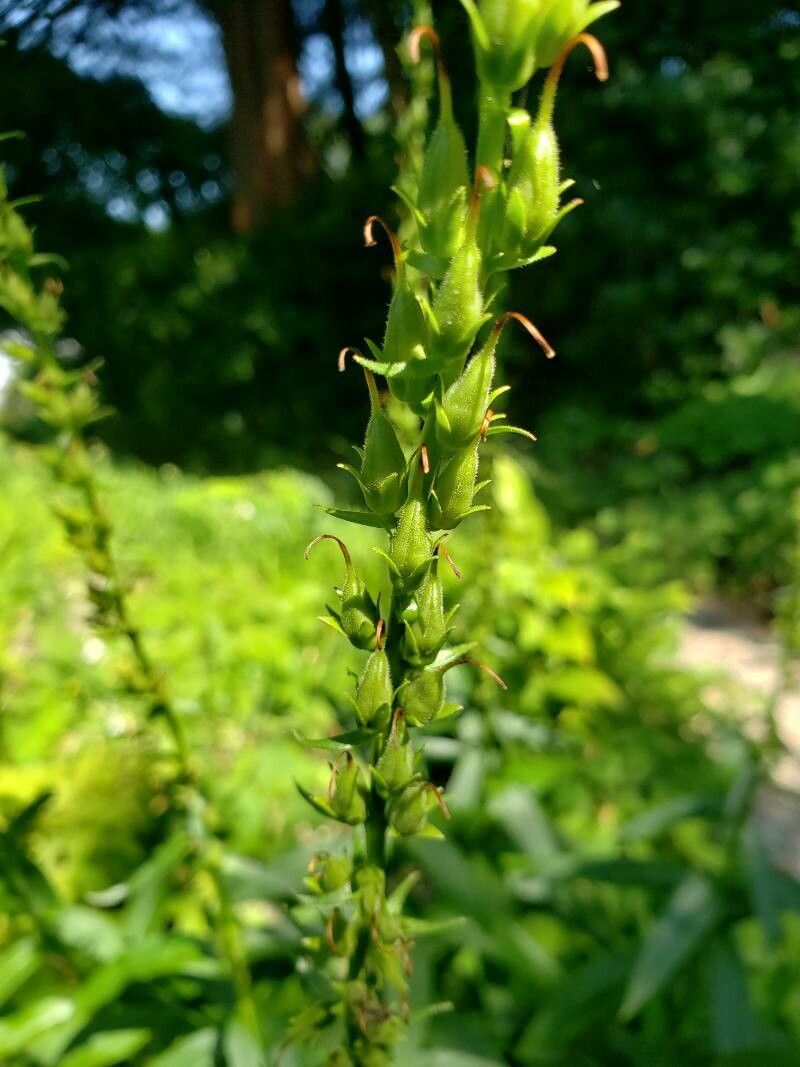
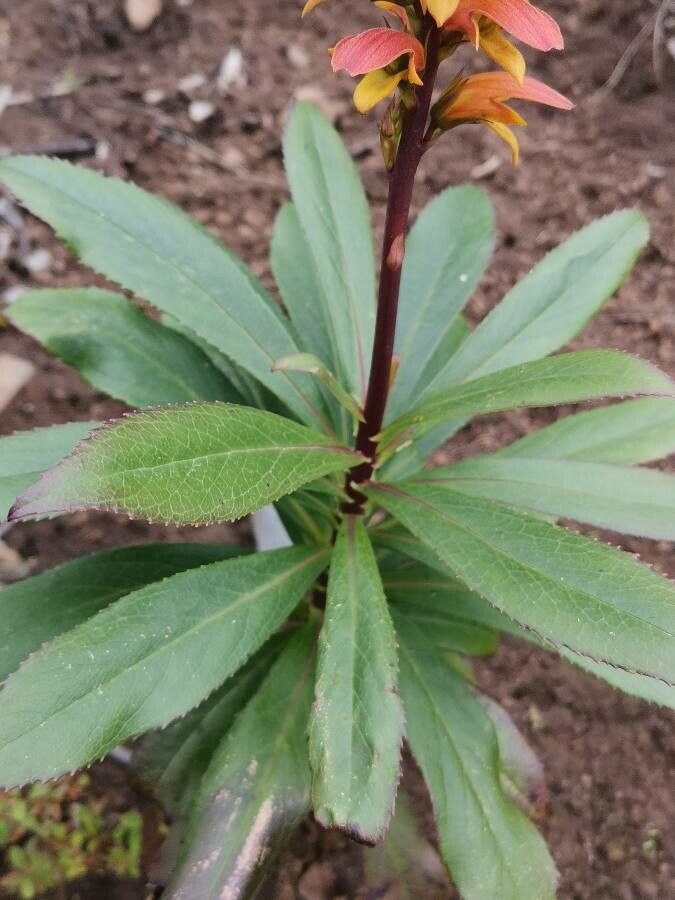
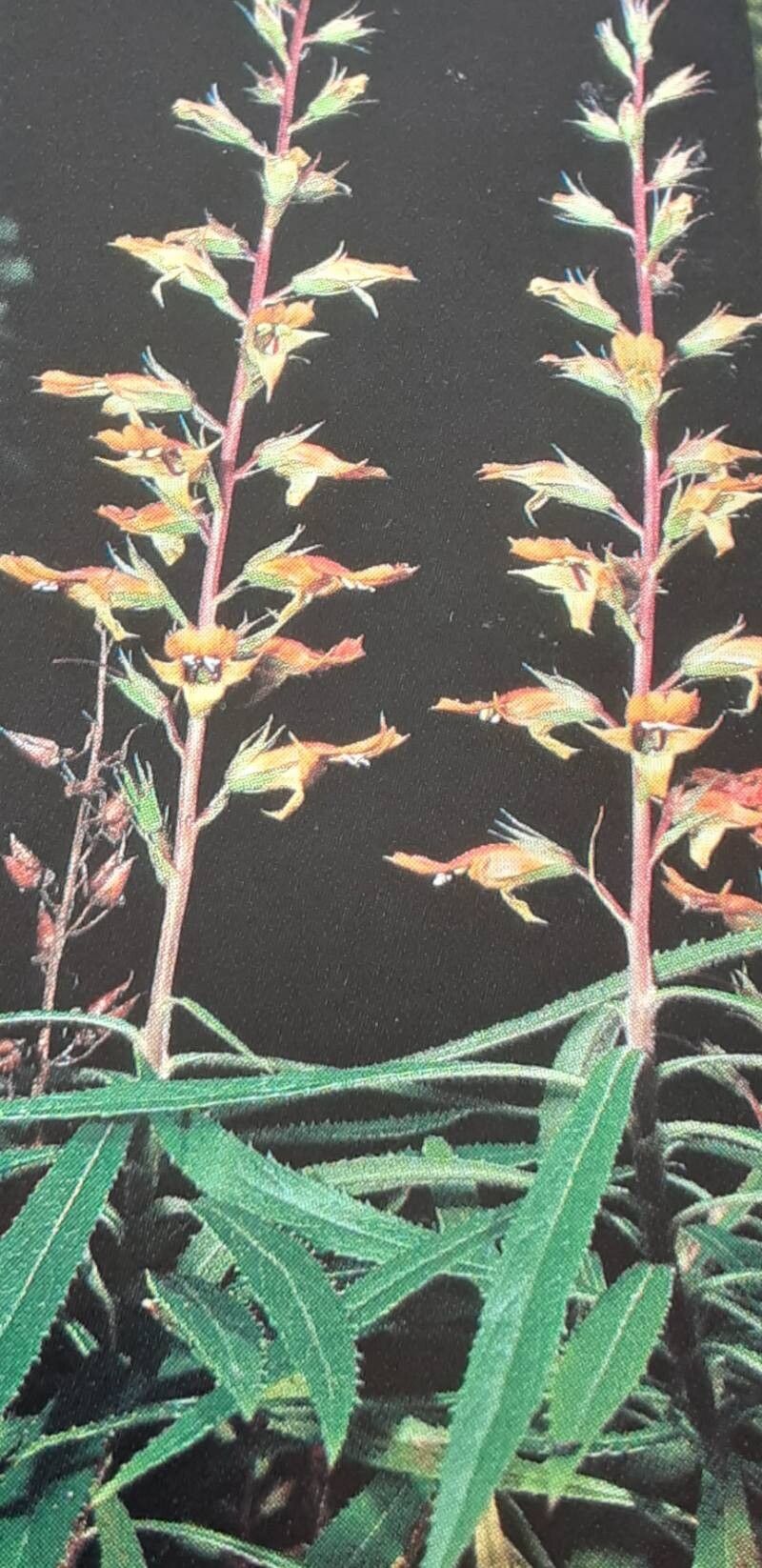
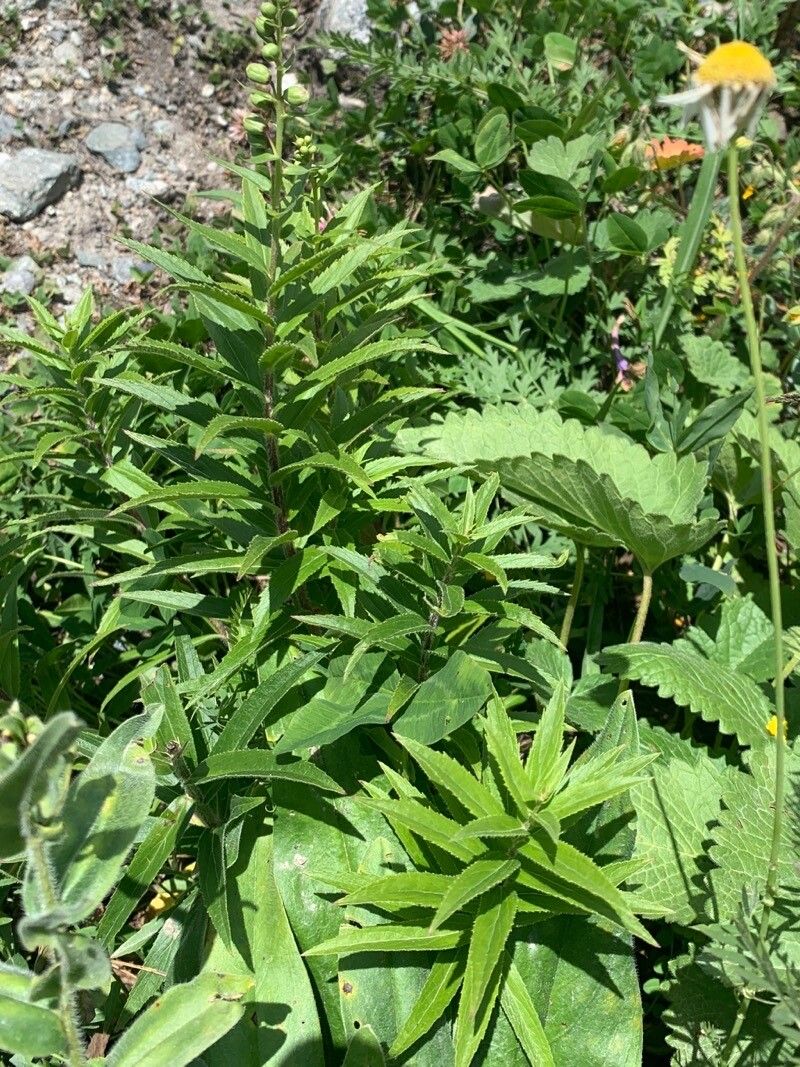
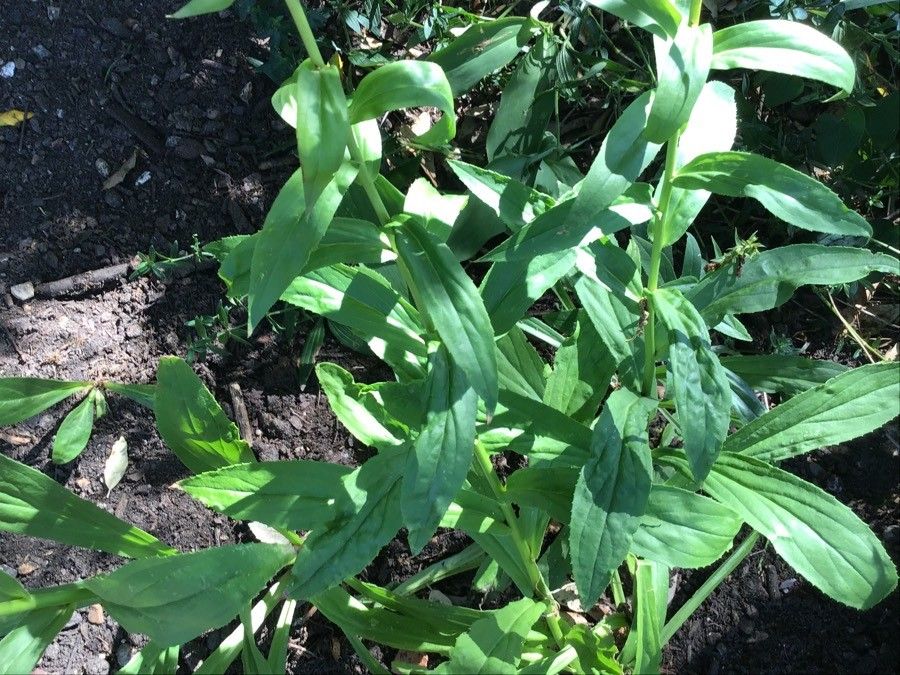
Digitalis lutea, commonly known as yellow foxglove, is a perennial herbaceous plant that belongs to the family Plantaginaceae. Native to the mountainous regions of Europe and Asia, it can grow up to 1.5 meters tall. The plant features a rosette of basal leaves that are lance-shaped and covered with fine hairs. These leaves are green on top and grayish-green underneath. The tubular flowers display a yellow coloration that fades towards the base. Digitalis lutea is renowned for its medicinal properties, containing cardiac glycosides that can be used to treat heart conditions such as atrial fibrillation and congestive heart failure. However, it should be used with caution due to its toxicity. The plant thrives best in well-drained soil with partial shade or full sun exposure, but it can also tolerate a variety of soil types, including sandy and clay soils. Overall, Digitalis lutea is an attractive ornamental plant that adds color and texture to gardens. When used under medical supervision, it can offer medicinal benefits as well.
Yellow foxglove is fairly disease-resistant and usually not highly susceptible to illnesses. However, it can be affected by pests and diseases found in its surroundings, and these problems are typically mild. For care, the plant needs moderate maintenance. It should be pruned regularly to keep a neat appearance and support healthy growth. Fertilizing can also encourage blooming. Yellow foxglove is appropriate for anyone with outdoor space, such as a garden or patio, and does not demand extensive plant-care experience. It may need more attention when grown indoors.
How to keep Digitalis Lutea.
Light
Yellow foxglove grows best when it gets plenty of sunlight during the day. It can also tolerate less-than-ideal light, adapting to both light shade and very low sunlight. Too much or too little light can negatively affect its flowering and overall health.
Water
Straw foxglove, a plant native to the understories of European woodlands, prefers environments with moderate moisture and partial shade. It does well with consistent humidity but can withstand short periods of dryness. To keep the soil moist without causing waterlogging, water it weekly. Be sure to adjust your watering schedule based on seasonal rainfall, especially in temperate climates.
Temperature
Yellow foxglove can tolerate a wide range of temperatures, but its distribution can still be restricted by different combinations of water and heat conditions. It performs best in warm summer climates with sufficient rainfall or watering. Long periods of cloudy, rainy weather, as well as extended high temperatures, can increase the chance of Yellow foxglove dying. In winter, shielding it from the cold can improve the plant's survival rate.
Fertilizer
The best time to fertilize a Yellow foxglove is in early spring, when it is coming out of dormancy and beginning active growth. Fertilization supplies essential nutrients for healthy development. Although Yellow foxglove has fairly low feeding requirements, applying fertilizer once a year can improve its survival and encourage healthier, longer-lasting flowers.
Pruning
Straw foxglove benefits greatly from proper pruning. To maintain its health, cut back any dead or diseased stems in early spring or late winter. After the plant has finished flowering, remove spent blooms to encourage new growth. In late autumn, trim the plant down to ground level. This helps prepare it for winter, improves air circulation, and promotes healthier growth in the next season.
Botanical profile.
- Plant Type
- Herb
- Life Cycle
- Perennial, Biennial
- Genus
- Digitalis
- Family
- Plantaginaceae
- Hardiness Zone
- 3-8
- Mature Height
- 91 cm
- Mature Spread
- 49 cm
- Leaf Color
- Green
- Leaf Type
- Evergreen
- Flower Color
- Yellow
- Flower Size
- 3.05 cm to 5.08 cm
- Bloom Time
- Late spring, Early summer, Mid summer
- Planting Time
- Summer, Autumn
- Harvest Time
- Late summer, Early fall, Mid fall
- Native Area
- Austria, Czech Republic, Slovakia, Bulgaria, Poland, Greece, Croatia, Slovenia, Belarus, Ukraine, Serbia, Russia, Lithuania, Hungary, Germany, Italy, Switzerland, Estonia, Albania, Romania, Latvia, Belgium, Moldova, France
Other names.
Reader questions.
How should I water my Straw foxglove plant in the best way?
When watering the Straw foxglove, it is important to use filtered water at room temperature. Tap water may contain harmful particles for this plant. The ideal temperature of the water should be at room temperature or slightly warmer since the Straw foxglove is accustomed to warmer climates and cold water may shock it. Instead of overhead watering, it is recommended to apply filtered room temperature water directly to the soil until it is completely soaked. This helps the roots to spread and collect necessary nutrients, promoting the plant's health.
Why should I put fertilizer on my Straw foxglove?
Fertilization is important for the Straw foxglove and other plants because it provides necessary nutrients for growth. Although the Straw foxglove has relatively low fertilization needs and can survive without it, annual fertilization can be greatly beneficial. It helps keep the plant alive and promotes the creation of longer-lasting, more beautiful flowers. Those wanting their Straw foxglove to look its best should prioritize annual fertilization.
What are the sunlight requirements for Straw foxglove?
Straw foxglove thrives in full sunlight, requiring above 6 hours of sunlight for optimal growth. It can also grow in partial sun, which means about 3-6 hours of sunlight. However, it's essential to watch how sunlight moves through your garden and choose spots that provide a balance of light and shade to ensure the plant's happiness. While Straw foxglove adores plenty of sunlight, it can tolerate some shade. Too much or too little sunlight might negatively affect its vitality. Therefore, placing it in a location with ample sun exposure throughout the day is ideal.
What is the native climate for Straw foxglove?
Straw foxglove, botanically known as Digitalis lutea, is native to regions where the temperatures range from 32 to 95 °F (0 to 35 °C). It flourishes in moderate, temperate climates. The plant possesses strong resilience against cold but may require extra care such as strategic shade placement or additional watering in conditions of excessive heat to maintain its health.
What do I do if I give my Straw foxglove too much or too little water?
Both overwatering and underwatering can harm your Straw foxglove, with overwatering being more common. When this plant receives excess water, its stems and leaves may wilt and turn yellow. Prolonged overwatering can also lead to diseases like root rot, mold, and mildew, which can be fatal. While underwatering is less common for the Straw foxglove, it can still happen. In such cases, the leaves may become brittle and brown. It's important to recognize the signs of overwatering early on. Some diseases caused by overwatering, such as root rot, may not be reversible if addressed too late. If you see early signs of overwatering, reduce your watering immediately. Additionally, assess the soil quality; if it drains poorly, replace it with a loose, well-draining potting mix. On the other hand, if your Straw foxglove shows signs of inadequate watering, simply water it more frequently until the signs improve.
When should I fertilize my Straw foxglove plant?
The best time to fertilize a Straw foxglove is in late winter to early spring when it is coming out of its dormant phase and starting to grow actively. Fertilizing at this time promotes healthy growth and sets the plant up for a successful season. Although it is generally best to fertilize in early spring, it is also acceptable to fertilize in the fall. However, it is not recommended to fertilize during summer or winter.
How can I use artificial lighting for Straw foxglove indoors?
When natural sunlight is insufficient, especially during winter or in less sunny spaces, artificial lighting becomes crucial for the growth of Straw foxglove indoors. Optimal growth can be achieved by using artificial lights that provide 30-50W/sq ft for full sun plants, 20-30W/sq ft for partial sun plants, and 10-20W/sq ft for full shade plants. LED lights are recommended because they can be customized to provide specific wavelengths needed by plants. The artificial light source should be placed 12-36 inches above the plant, mimicking natural sunlight's distance. It's also important to mimic natural daylight hours, ensuring most plants receive 8-12 hours of light per day.
How do you protect Straw foxglove during extreme winter conditions?
Straw foxglove demonstrates significant cold resistance, so it generally does not require special frost protection measures throughout the winter. However, in regions where temperatures are expected to plunge below -35°C, it's crucial to safeguard the plant by covering it with insulating materials like soil or straw. Additionally, it is advisable to water the plant abundantly before the first frost of autumn to ensure the soil stays moist and freezes, which helps in preventing drought and water scarcity for the plant during the winter and early spring.
How many times should I give water to my Straw foxglove?
If your Straw foxglove plant is in a pot, the best way to determine if it needs water is by checking the moisture levels in the soil. Simply stick your finger into the soil and if the top two to three inches feel dry, it's time to water it. For outdoor grown Straw foxgloves, you can use the same method to test the soil. When you find that the top few inches of soil have dried out, it's time to give it a drink. In the spring and early fall, this usually means watering once a week. However, during hot weather, you may need to water twice or more per week. It's worth noting that mature, well-established Straw foxgloves are quite resilient and can tolerate dry conditions.
When shouldn't I put fertilizer on my Straw foxglove?
To ensure proper fertilization for your Straw foxglove, it is recommended to fertilize only in late winter and early spring. This plant has low fertilization needs and a single annual feeding is sufficient. Overfertilization should be avoided, so refrain from fertilizing during spring, summer, and fall, unless you missed fertilizing in spring, in which case it is acceptable to feed the plant in fall. Additionally, there is no need to fertilize during winter as the plant is in a dormant growth phase and does not produce new growth.
What are the symptoms of inadequate sunlight for Straw foxglove?
When Straw foxglove does not receive enough sunlight, it may exhibit several symptoms indicating light deficiency. These symptoms include smaller new leaves than the previous ones, leggy or sparse growth, faster leaf drop, delayed or halted growth, lighter-colored new leaves, and conditions such as chlorosis, where leaves lose their green color and turn yellow. Additionally, excessive sunlight can cause symptoms like sunscald, leaf curling, wilting, and leaf scorching, highlighting the importance of finding the right balance of light exposure for the health of the plant.
What are the symptoms of Straw foxglove under low temperature conditions?
Straw foxglove is quite tolerant of cold and performs best when the temperature remains above 0°C. However, during winter, it's essential to ensure the temperature does not fall below -30°C. If the temperature drops below -35°C, while there may not be noticeable changes during the winter, there could be a reduced number of sprouts or possibly none at all when spring arrives. The recommended solution for this scenario is to remove any parts of the plant that have failed to sprout in the spring.