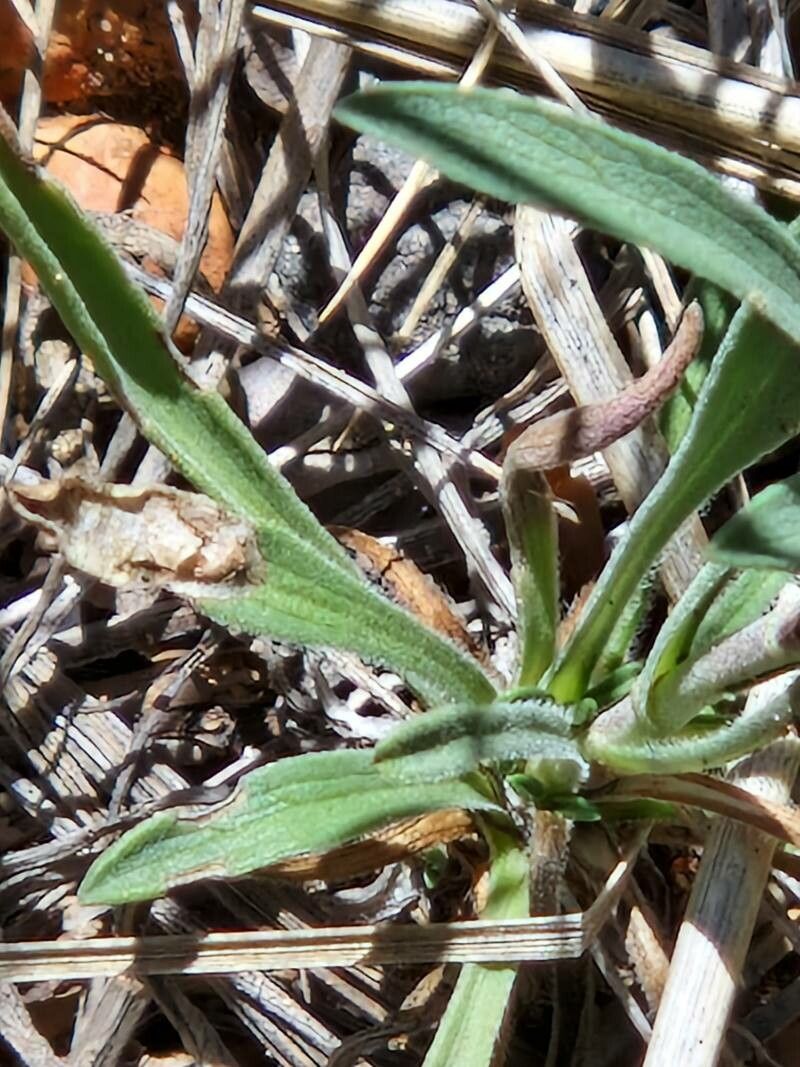
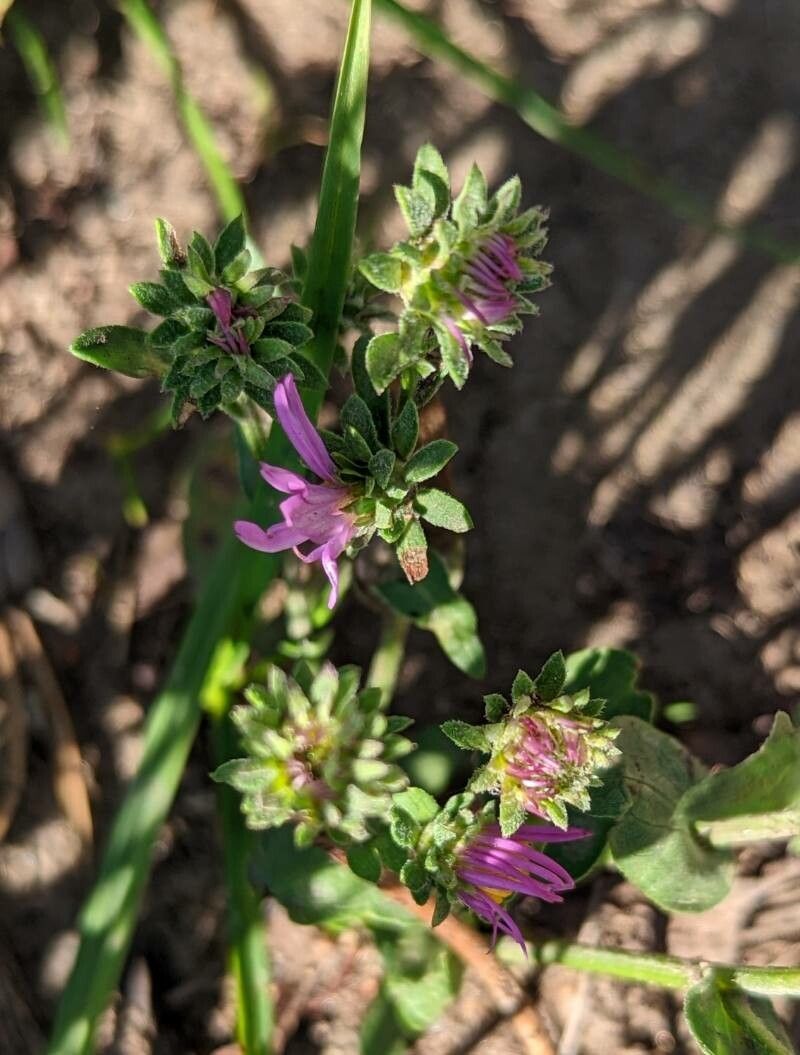
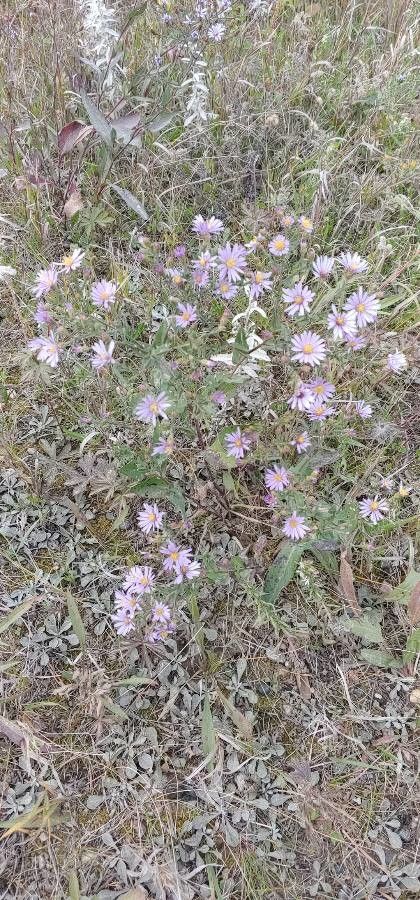
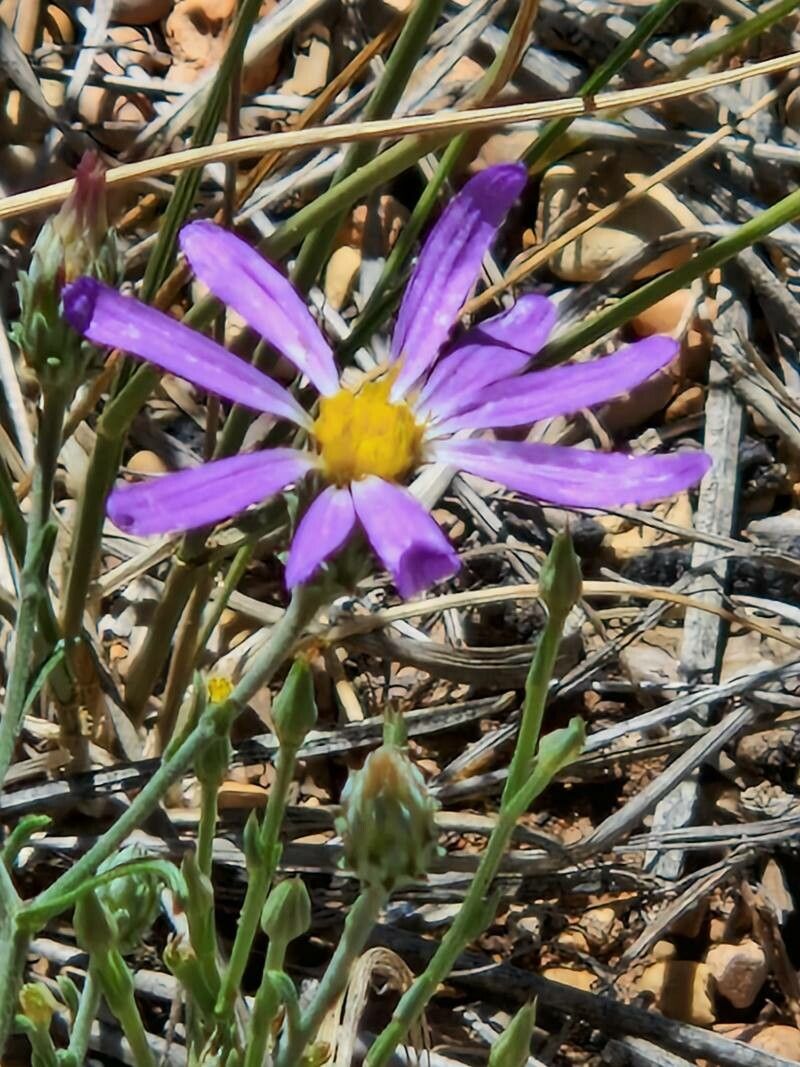
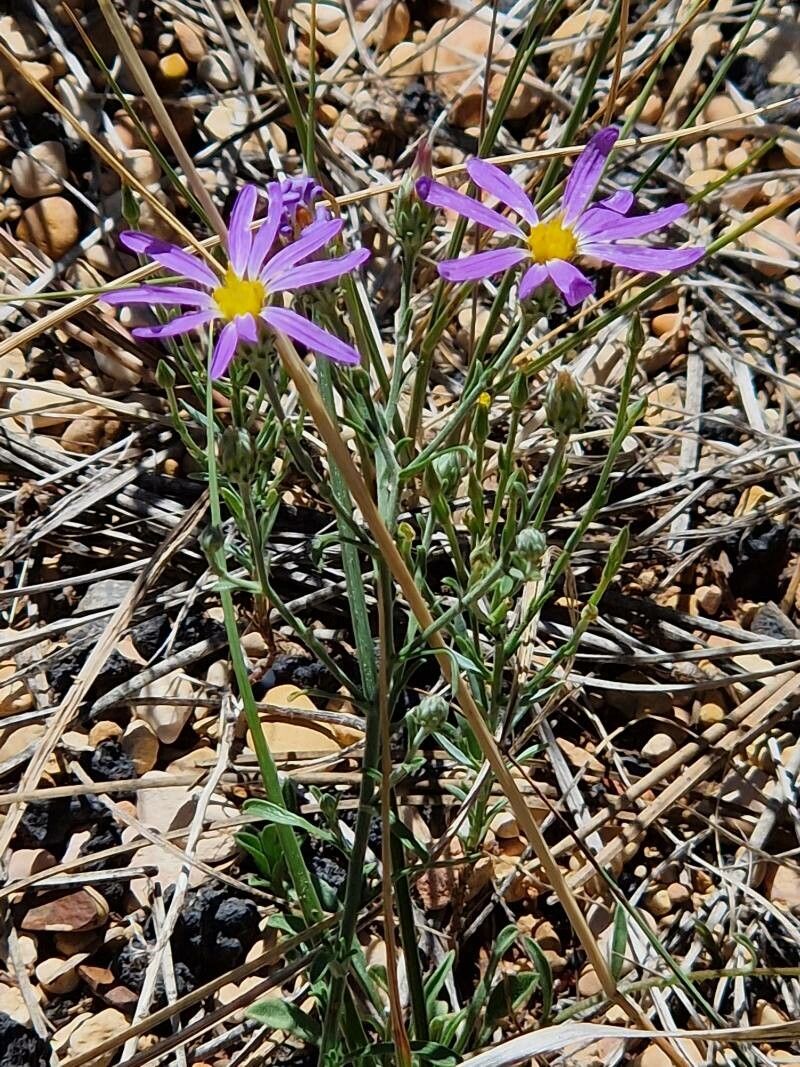
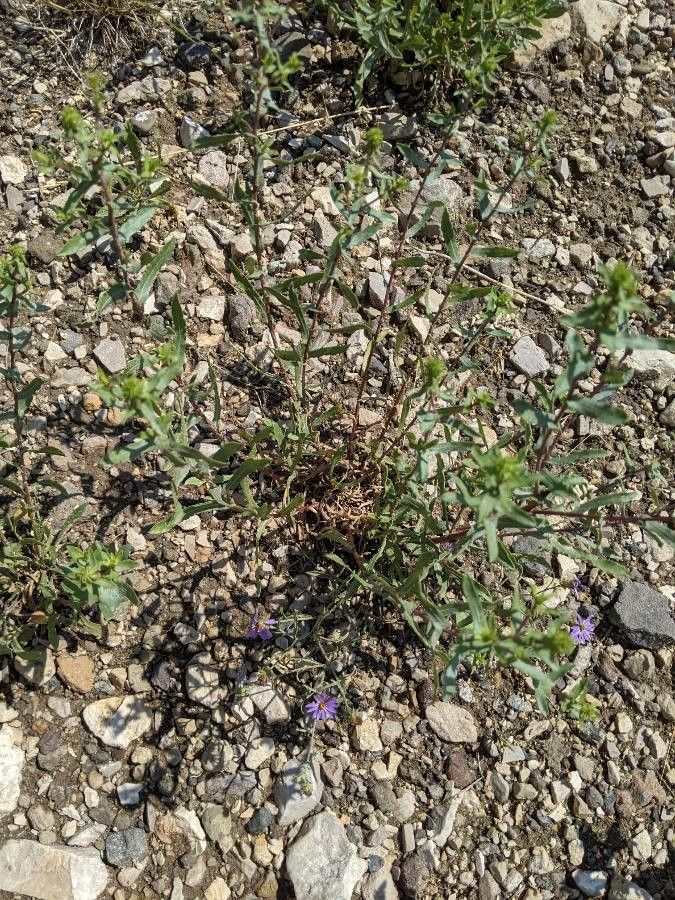
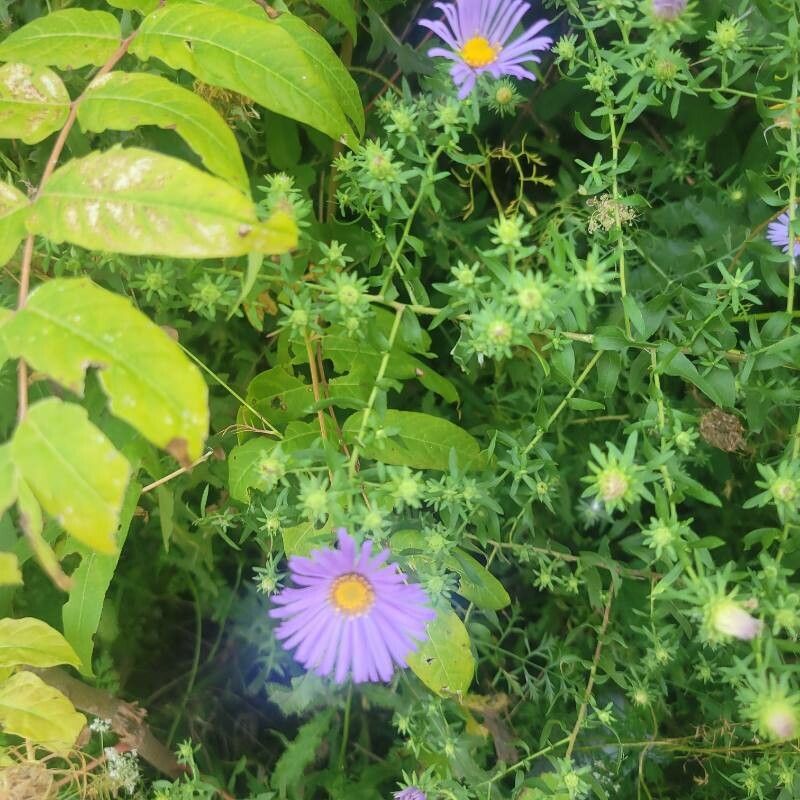
Dieteria canescens is an annual plant or short lived perennial plant in the family Asteraceae, known by the common names hoary tansyaster and hoary-aster.
Sand aster is fairly disease-resistant and is usually not prone to illnesses. Still, it can be affected by pests and diseases present in its environment. Such problems are typically minor. Regarding care, this plant needs moderate maintenance. It should be pruned regularly to keep a tidy appearance and support healthy growth. Fertilizing can also encourage flowering. Sand aster is suitable for anyone with outdoor space, like a garden or patio, and does not require much care experience. It may need extra attention when kept indoors.
How to keep Dieteria Canescens.
Light
The sand aster plant typically emerges from a sunny, open habitat where it flourishes under direct sunlight. While it can survive in partially sunny conditions, it ideally requires full sun exposure for the best growth. This plant, which can be either annual or biennial, has a recognized preference for sunlit surroundings.
Water
The sand aster flourishes in dry conditions and is highly drought-tolerant. To mimic its natural environment with infrequent rainfall, it's best to water it once a week. Planting it in well-draining soil simulates its sandy habitat, which helps reduce the risk of root rot and encourages healthy growth.
Temperature
The Sand aster plant has the capacity to adjust to various temperature ranges, yet the combination of heat and water conditions can still restrict its dispersion. It flourishes optimally in temperate climates during summer, granted there is sufficient rainfall or irrigation. Extended durations of overcast and rainy conditions, in addition to sustained high temperatures, can amplify the risk of the Sand aster perishing. During winter, shielding the plant from the cold enhances its chances of survival.
Fertilizer
The Sand aster requires consistent fertilizing in order to encourage blooming, but it doesn't appreciate excessive amounts. It calls for smaller, frequent applications of nutrients throughout its entire life, particularly during its prime growth stage and when it's in bloom. The feeding of your Sand aster should continue until they halt their flowering.
Pruning
The sand aster showcases daisy-like flowers paired with silver-green foliage. To maintain its health and appearance, prune the plant from early to late spring. Trim back one-third of the plant and remove any dead or spent flowers. This encourages healthy growth, enhances blooming, and improves airflow around the plant. For more detailed guidance, consider consulting your local university extension service.
Botanical profile.
- Plant Type
- Herb
- Life Cycle
- Biennial, Perennial
- Genus
- Dieteria
- Family
- Asteraceae
- Hardiness Zone
- 4-9
- Mature Height
- 0.3 m to 1.22 m
- Mature Spread
- 20 cm to 40 cm
- Leaf Color
- Gray, Green
- Leaf Type
- Semi-evergreen
- Flower Color
- Purple, Lavender
- Flower Size
- 2.54 cm to 5.08 cm
- Bloom Time
- Mid summer, Late summer, Early fall
- Planting Time
- Spring, Summer
- Harvest Time
- Early fall, Mid fall
- Native Area
- Mexico
Other names.