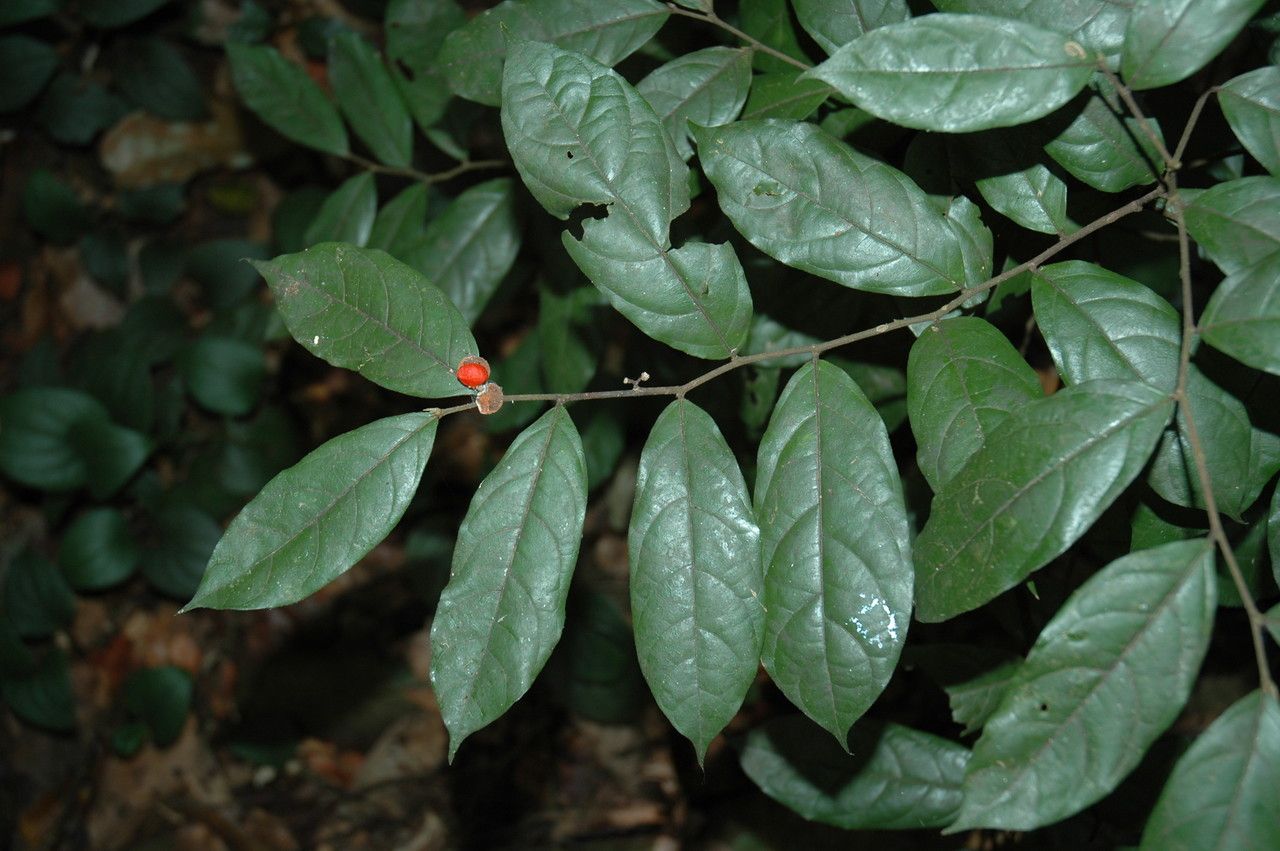
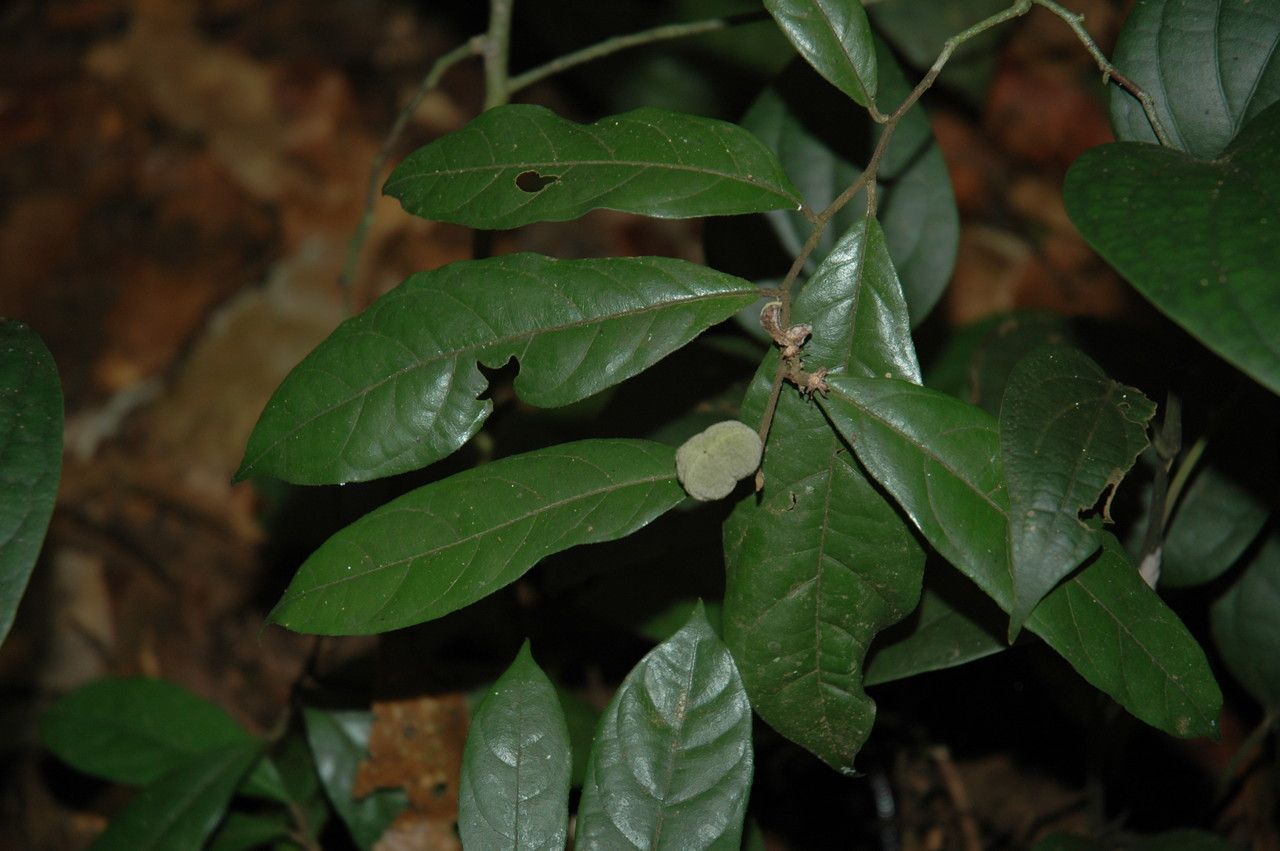
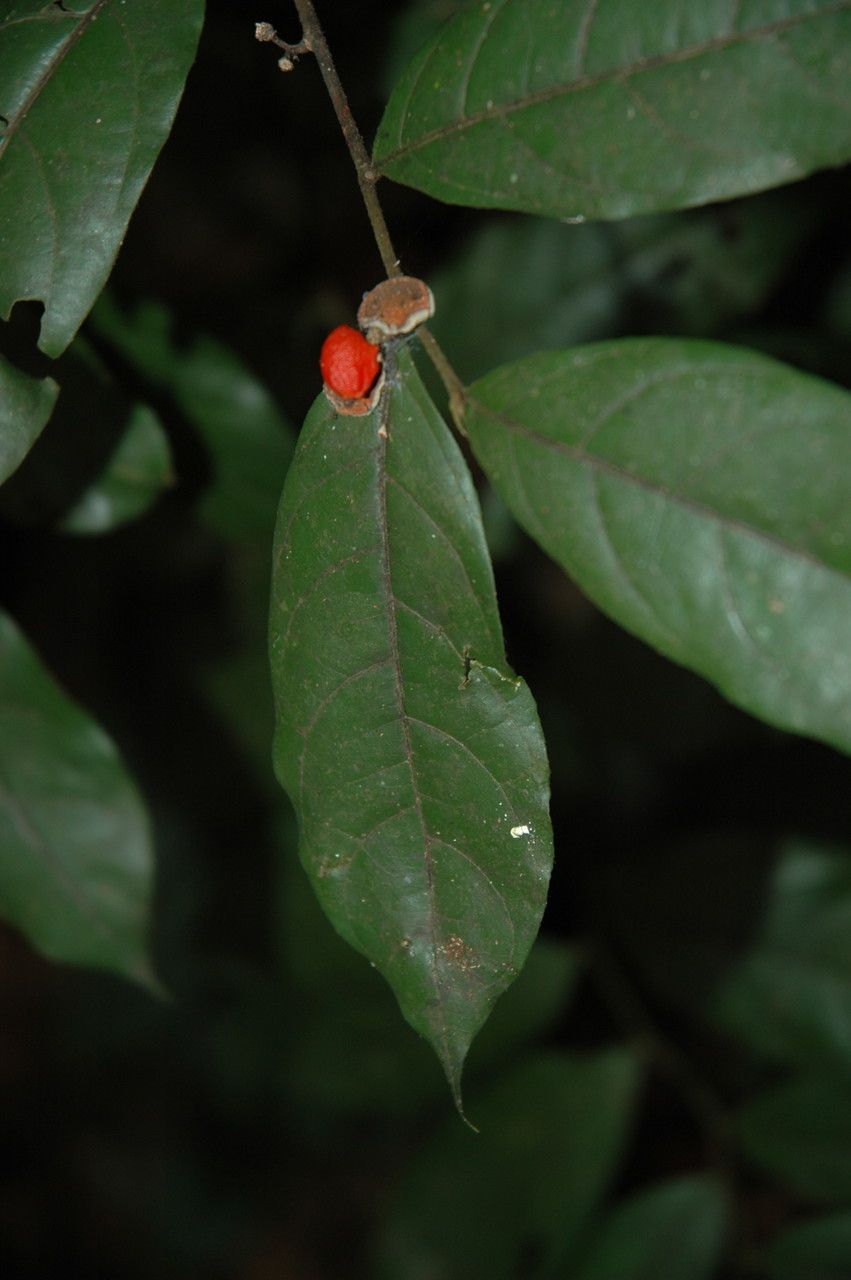
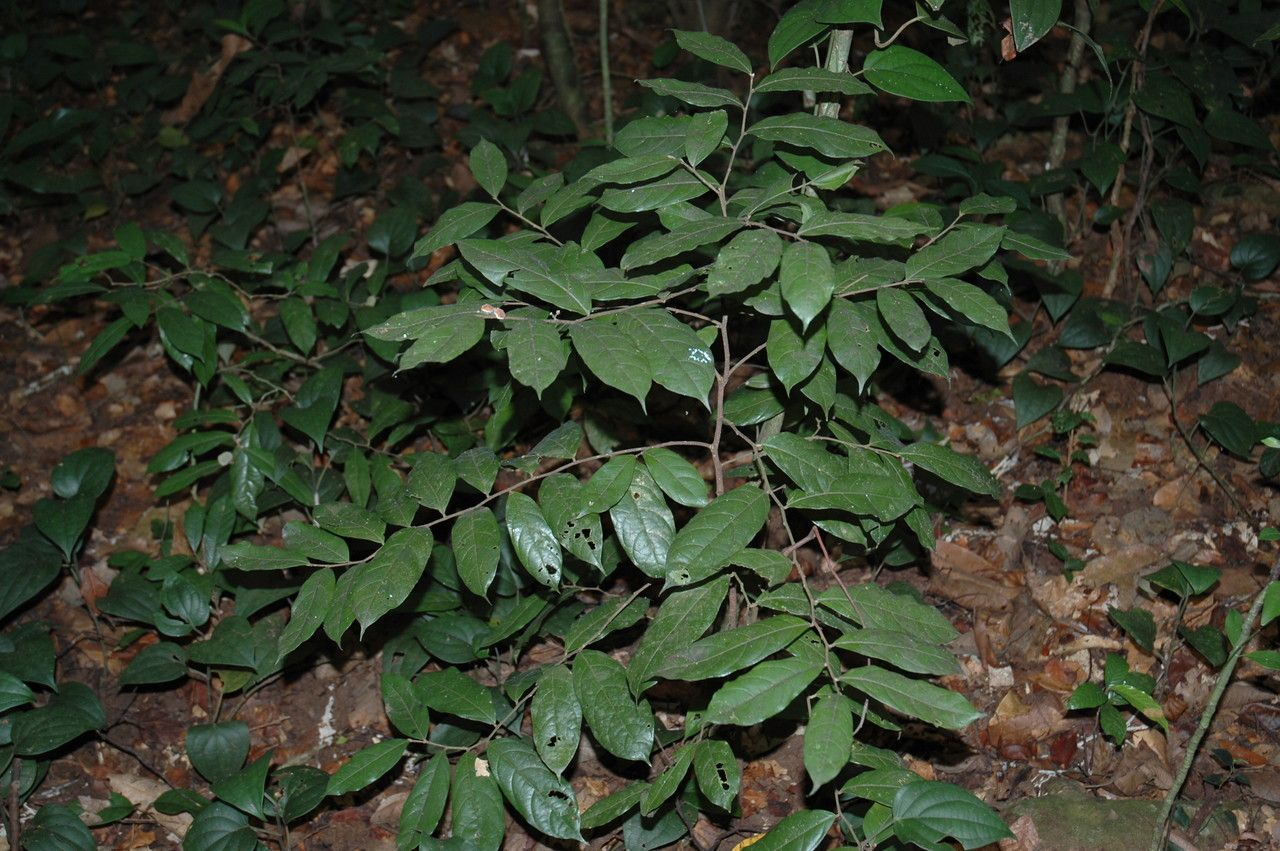
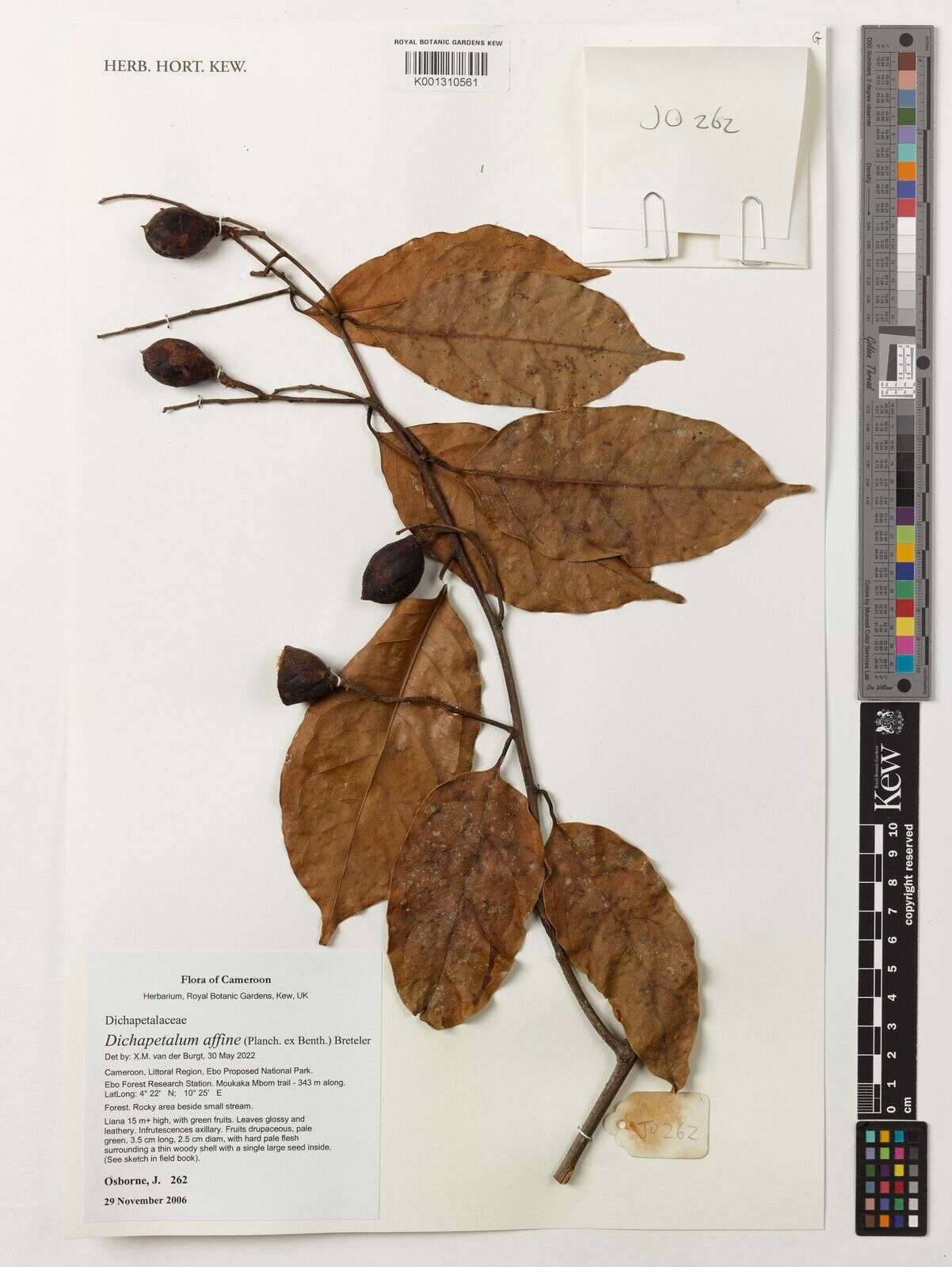
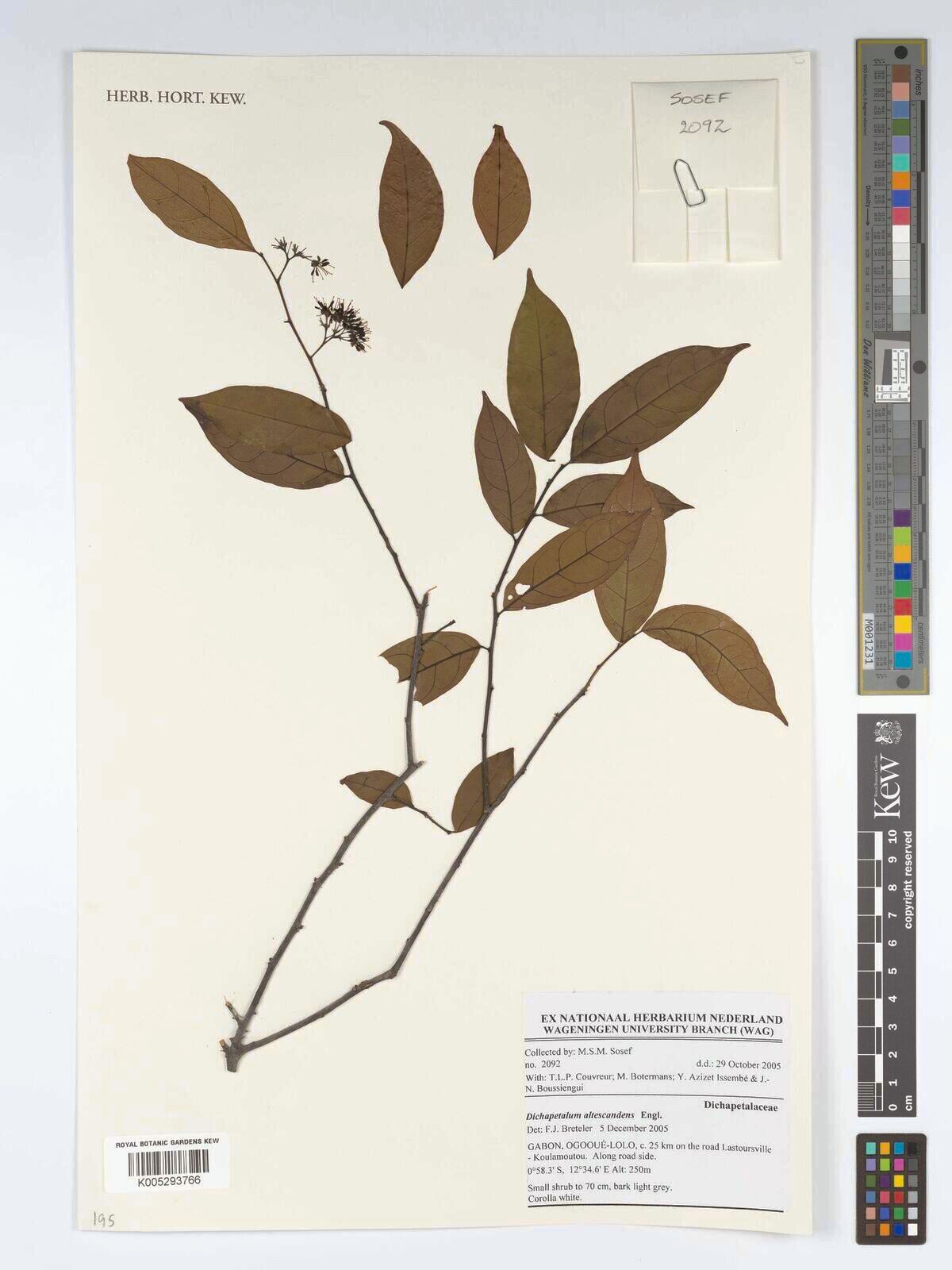
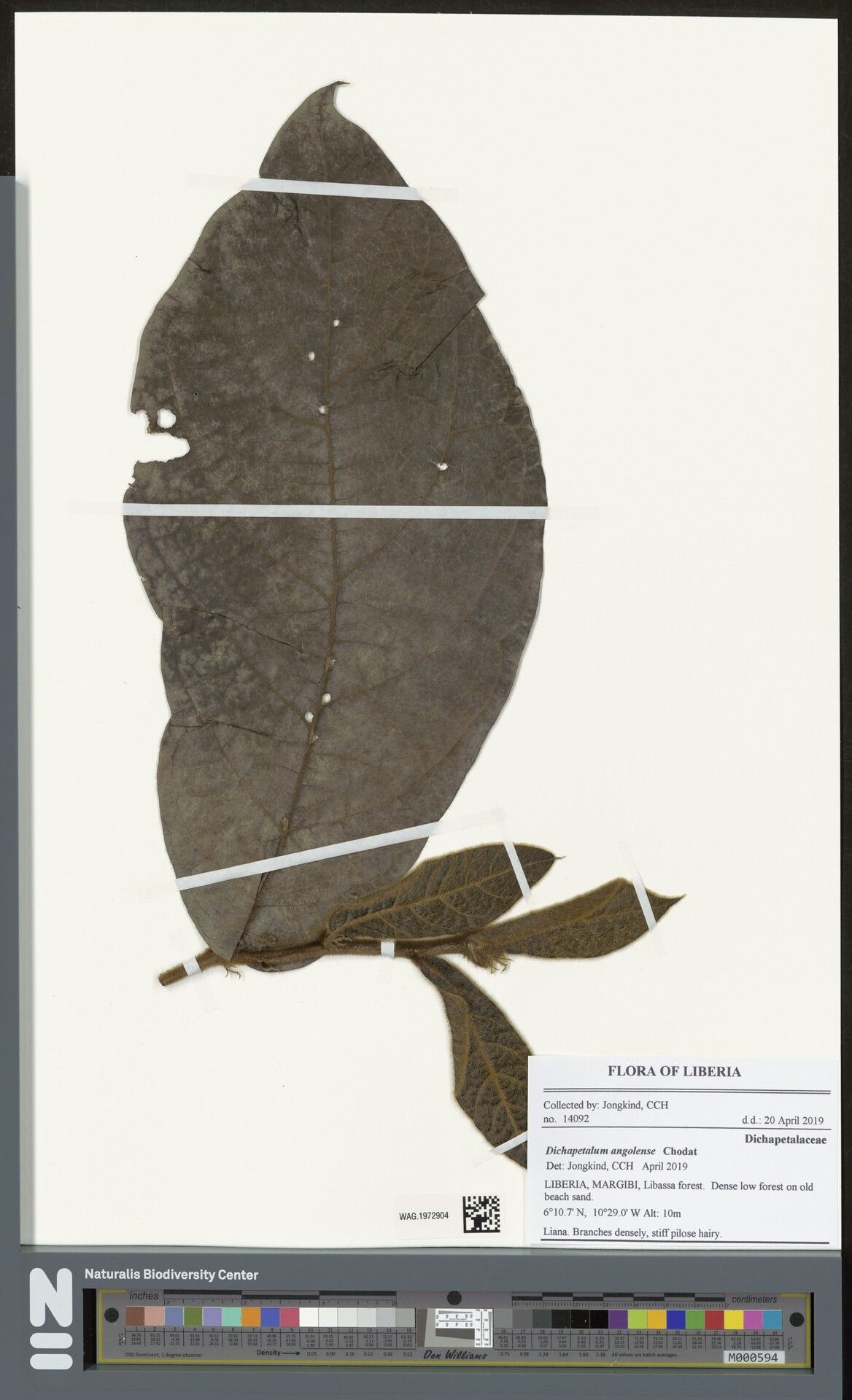
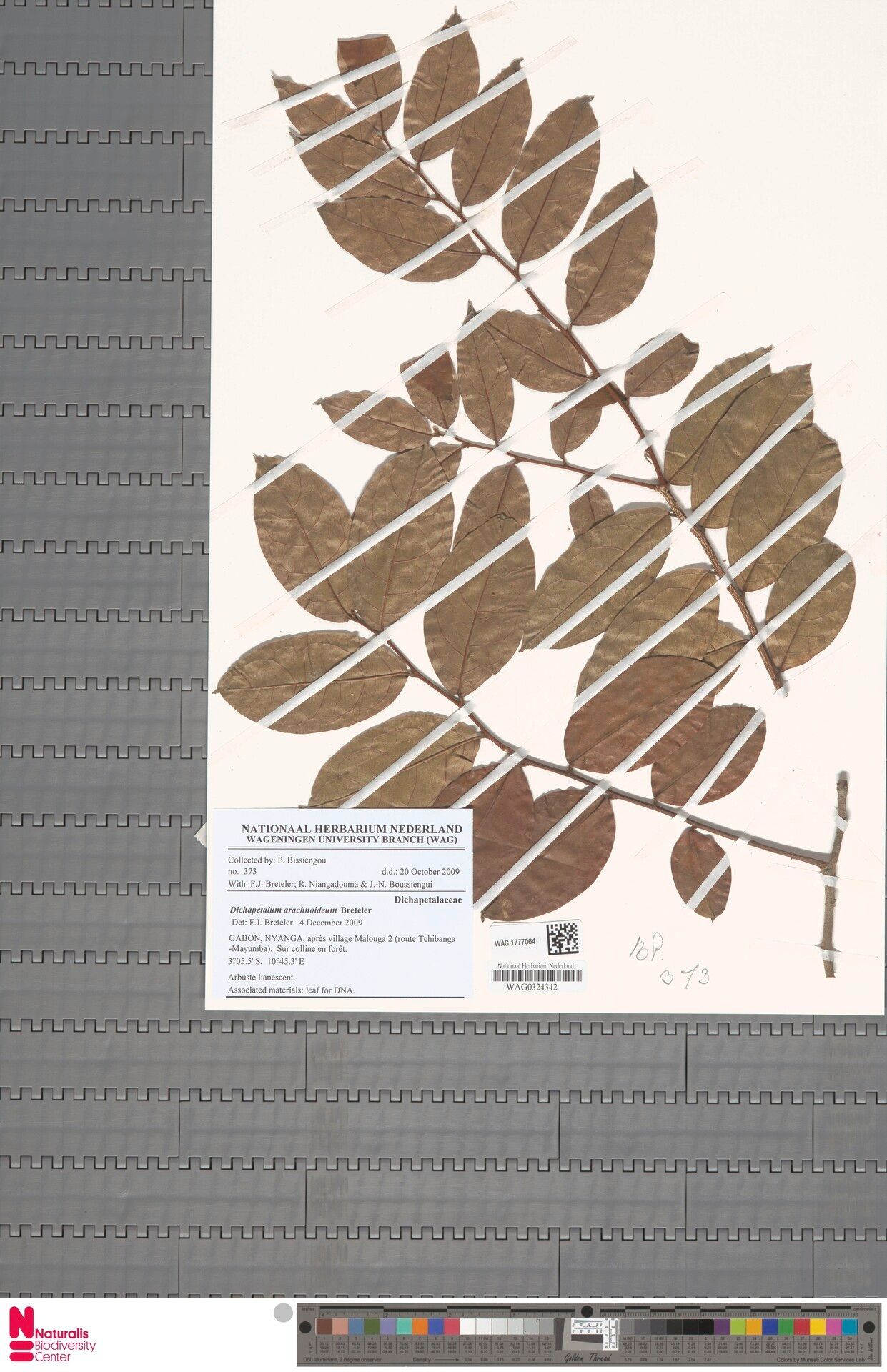
Dichapetalum gelonioides, the gelonium poison-leaf, is a large shrub or small semi-evergreen tree, up to 5 m tall, originally described from Indo-Malaysian region.
Gelonium poison-leaf is resistant to disease and generally not susceptible to illnesses. As for maintenance, this plant is fairly low-maintenance. When grown outdoors it needs only light watering, and larger plants typically do not require pruning. Smaller plants, however, should be pruned after they finish blooming. Gelonium poison-leaft is suitable for anyone who has an outdoor area, like a garden or a deck, and it does not call for extensive plant-care experience.
How to keep Dichapetalum Gelonioides.
Light
Gelonium poison-leaf is native to habitats like forest understories and rocky areas, where it grows in natural shade. It prefers partial sun but can tolerate full sun or full shade, showing that it is versatile and hardy.
Water
Gelonium poison-leaf thrives in high humidity and moist environments, which are typical of tropical rainforests. It prefers consistent moisture while avoiding waterlogging, and it has a moderate tolerance for drought. To keep the plant healthy, it is important to water it twice a week, even during cooler months, since it is an evergreen that retains its foliage throughout the year.
Temperature
Gelonium poison-leaf comes from tropical areas, where the weather is usually warm and humid. Consequently, it is adapted to high temperatures and moisture. It does not tolerate sudden temperature shifts and prefers a consistent thermal environment, so avoiding temperature fluctuations indoors is important. It typically cannot endure cold and needs warmer conditions to grow. If the surrounding temperature falls too low, the plant may stop growing or even die.
Fertilizer
Fertilizing is essential for the care of Gelonium poison-leaf. Regular feeding during the growing season maintains energy for its showy leaves and supports overall growth. Failing to fertilize can lead to unhealthy foliage, reduced ornamental value, and stunted or weak growth that is prone to breaking.
Pruning
The Gelonium poison-leaf is known for its distinctive foliage and the toxins it produces. To maintain the health and shape of the plant, prune it in early spring using clean tools. This not only removes dead wood but also improves air circulation and light penetration. Regular pruning helps control its spread and encourages new growth. Due to its toxicity, always wear protective gear while handling the plant. Pruning before the growing season begins also minimizes stress on the plant.
Botanical profile.
- Plant Type
- Tree, Shrub
- Life Cycle
- Perennial
- Genus
- Dichapetalum
- Family
- Dichapetalaceae
- Hardiness Zone
- 10-12
- Mature Height
- 3.05 m to 10.06 m
- Mature Spread
- 2.13 m to 4.88 m
- Leaf Color
- Dark Green
- Leaf Type
- Semi-evergreen
- Flower Color
- White
- Flower Size
- 0.25 cm to 0.51 cm
- Bloom Time
- Late spring, Summer, Early fall
- Planting Time
- Spring, Summer, Autumn
- Harvest Time
- Late summer, Fall
Reader questions.
What are the sun requirements for Gelonium poison-leaf?
The Gelonium poison-leaf, botanically known as Dichapetalum gelonioides, thrives in conditions where it can receive partial sun, roughly about 3 to 6 hours of sunlight daily. It's important to observe the movement of sunlight through your garden to identify spots that offer a harmonious balance of light and shade. This careful selection ensures the plants' well-being, allowing them to grow happily in their environment.