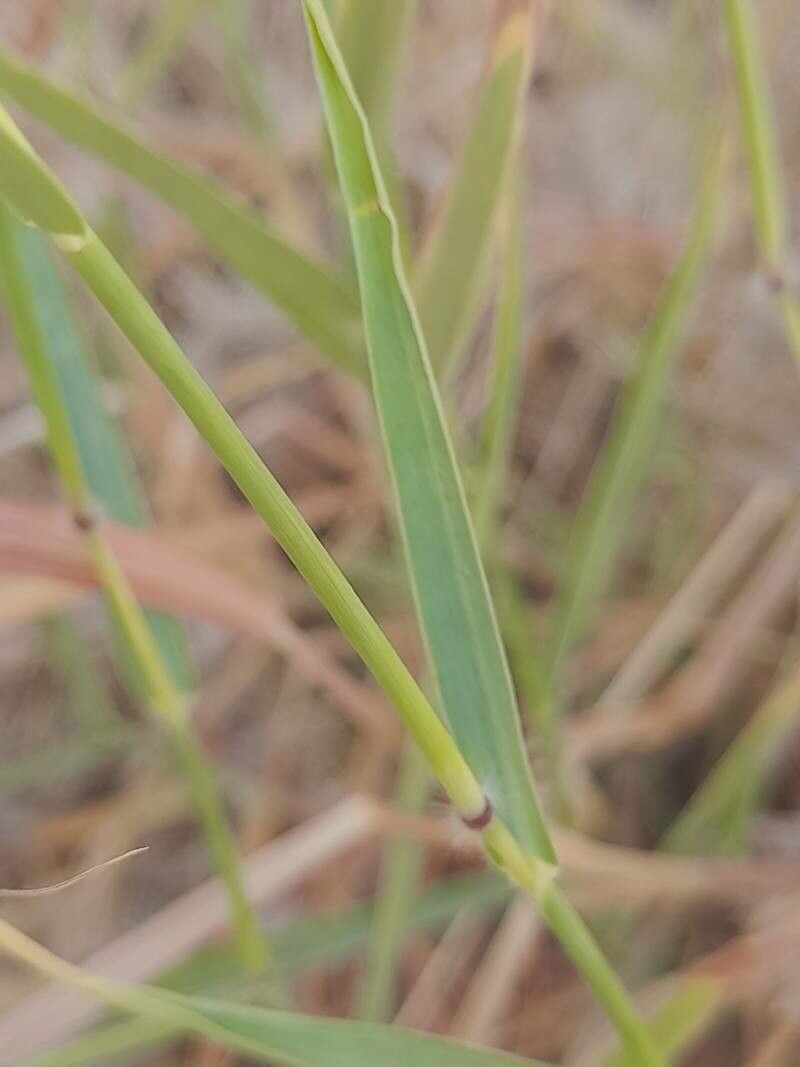
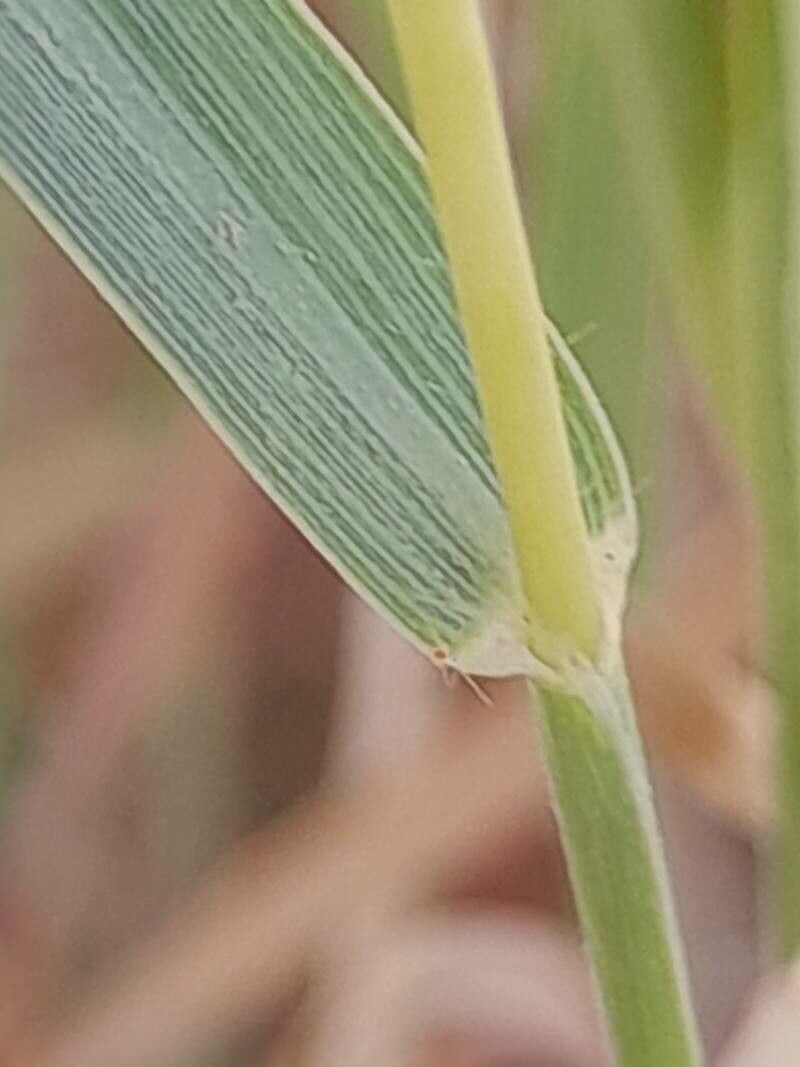
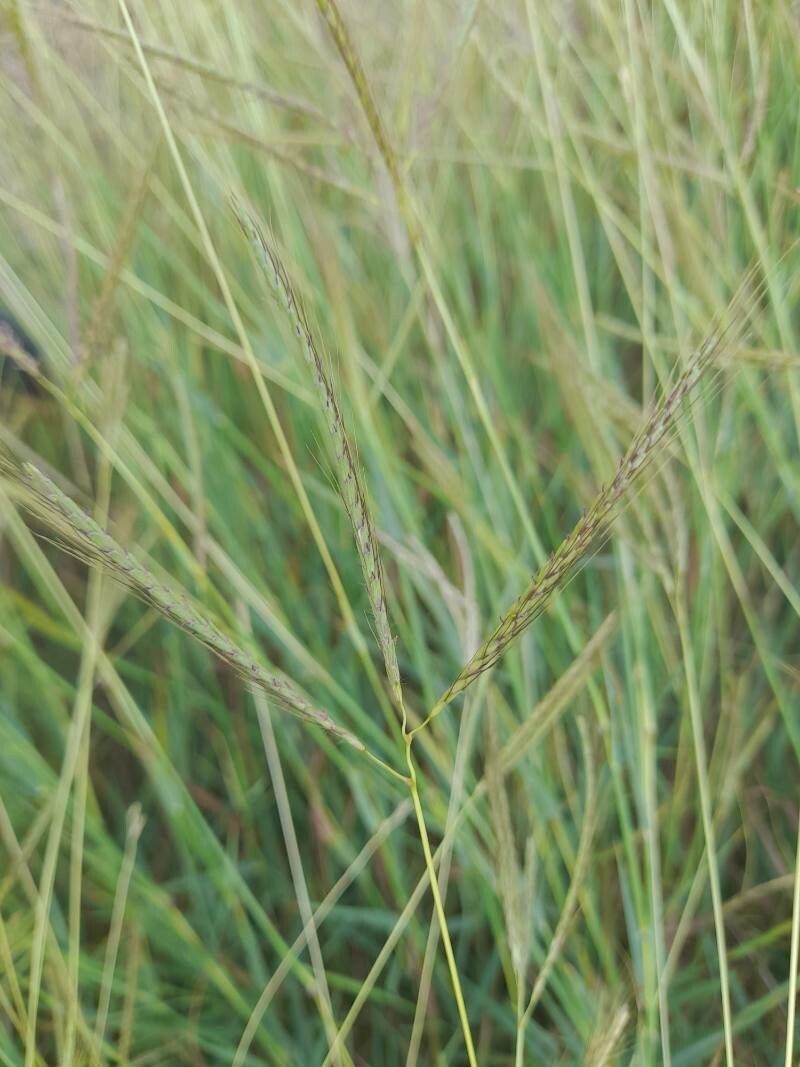
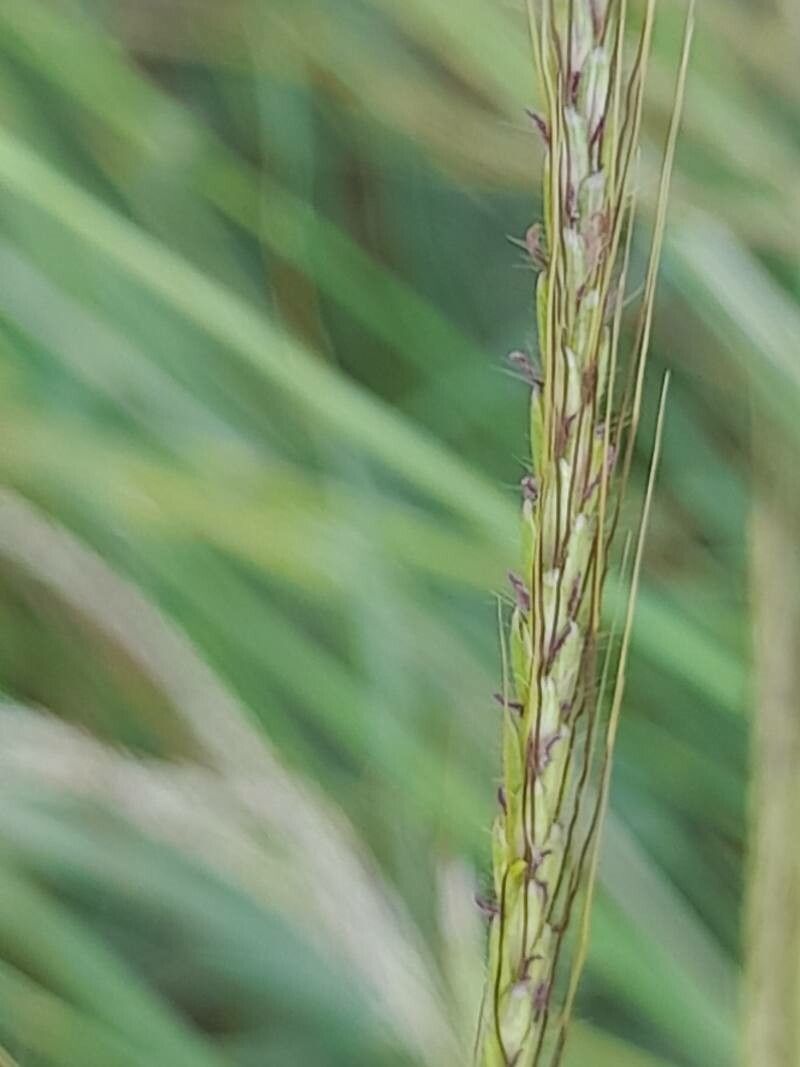
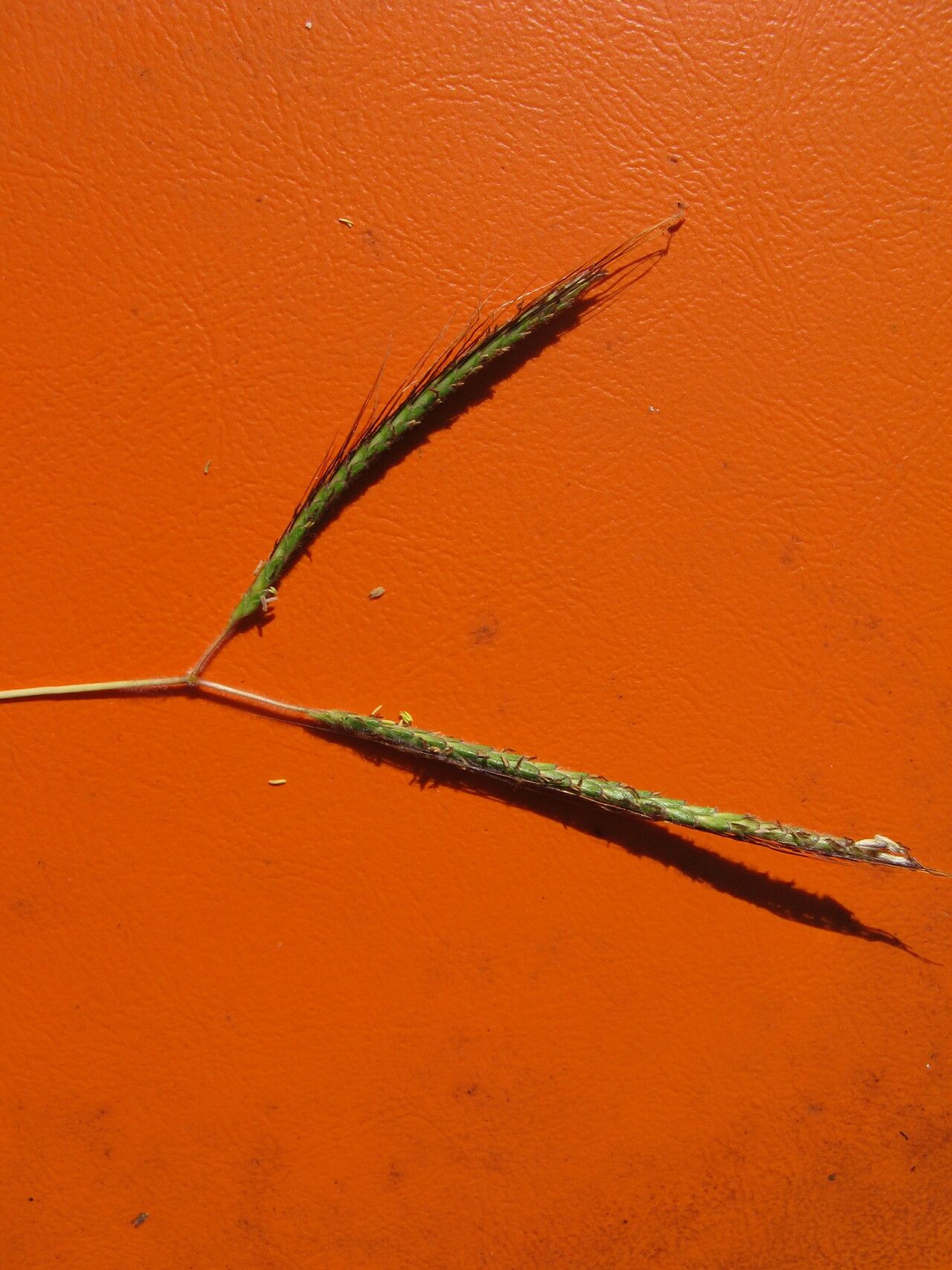
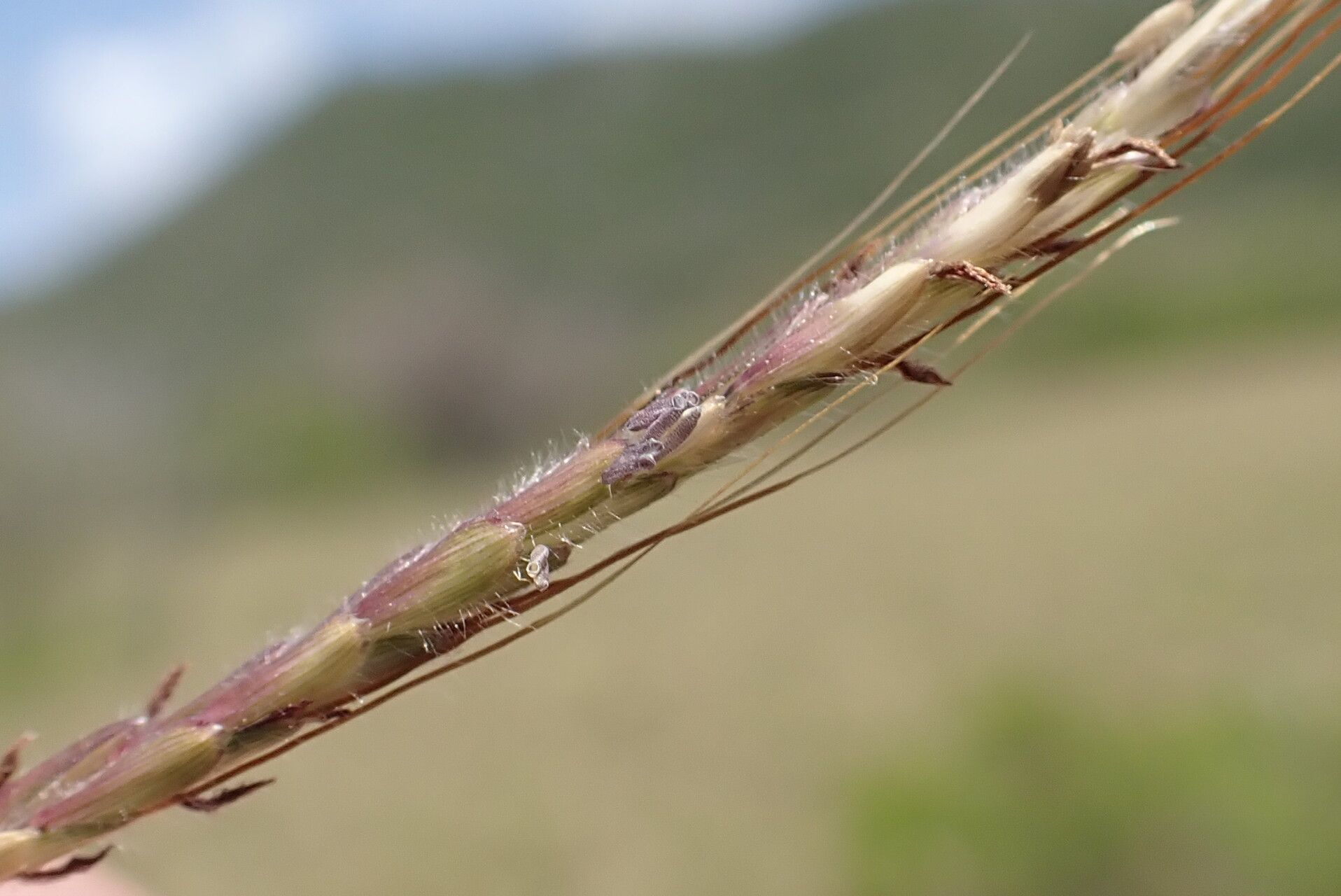
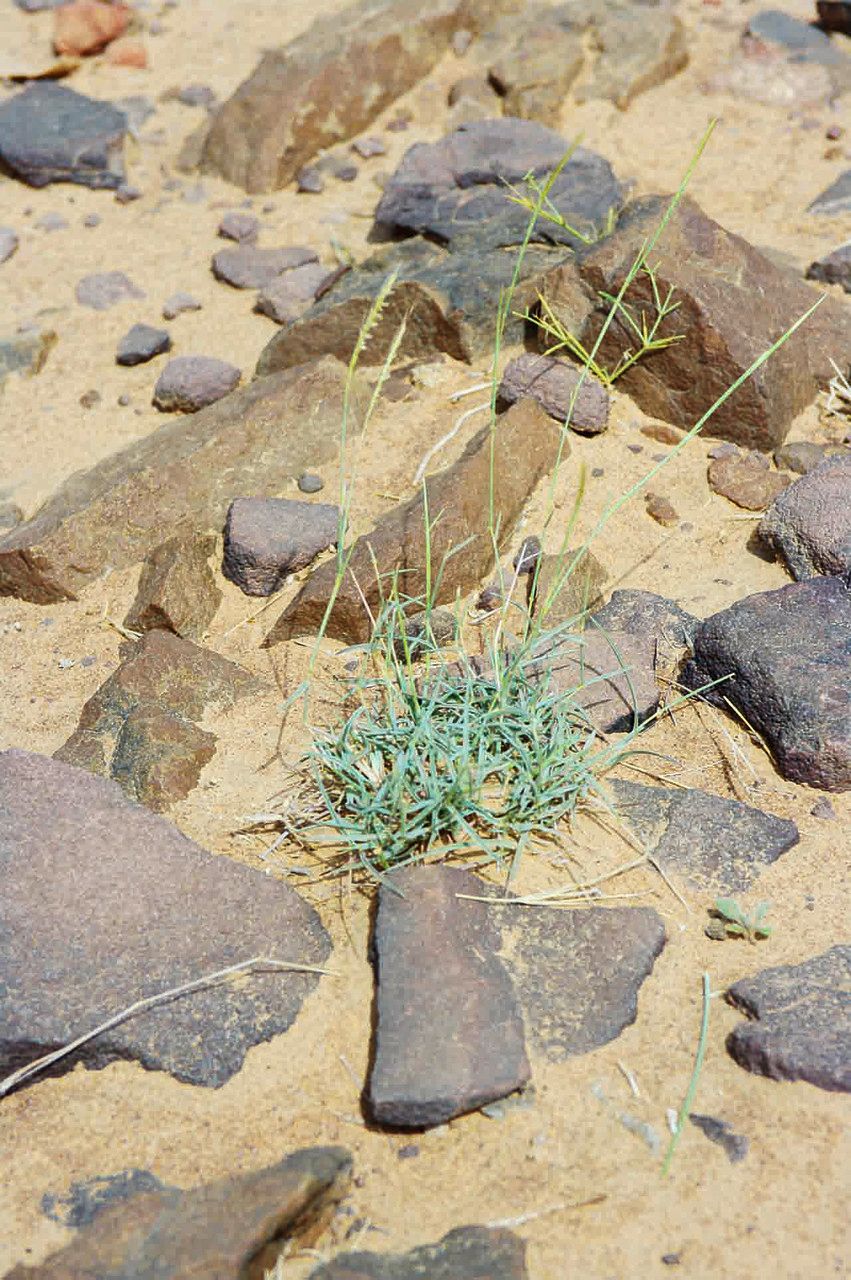
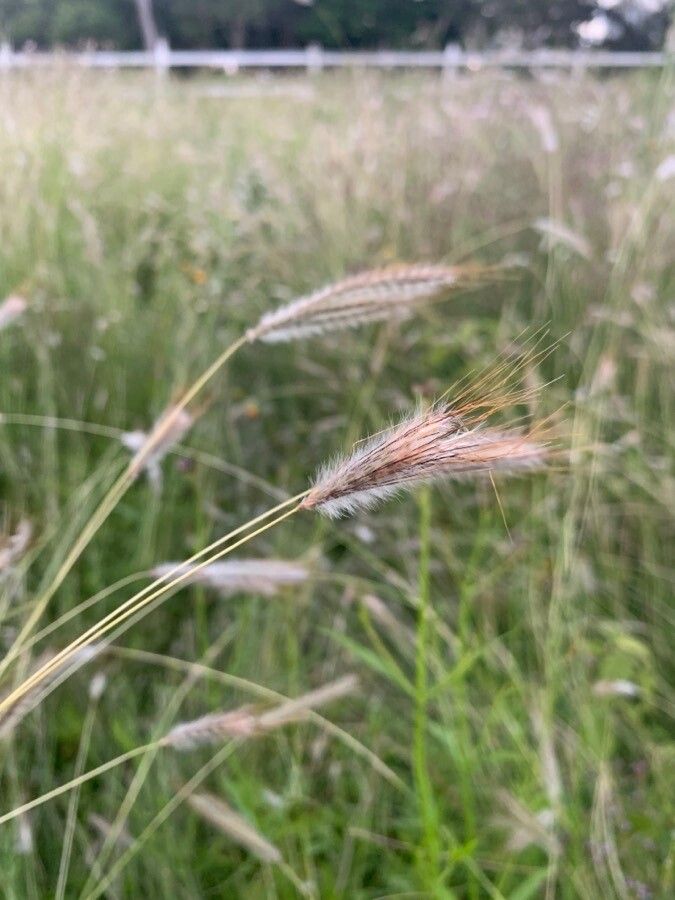
Dichanthium annulatum is a species of grass in the family Poaceae. It is commonly used as a forage for livestock.
Common names include marvel grass, Diaz bluestem, Kleberg bluestem, Hindi grass, ringed dichanthium, sheda grass, medio bluestem (var. papillosum), jargu grass, Delhi grass, vuda bluegrass, two-flowered golden-beard, Santa Barbara grass. It is native to tropical Asia, the Middle East, and parts of Africa. In India, it is very important in agriculture. It has been introduced to many other parts of the world for cultivation, and it has become naturalized in some places, such as Australia.
Kleberg's bluestem is highly resistant to disease and generally not susceptible to illnesses. In terms of care, this plant is fairly low-maintenance. When grown outdoors it needs minimal watering, and larger specimens typically do not require pruning. Smaller plants, however, should be pruned after they have finished blooming. Kleberg's bluestem is suitable for anyone with an outdoor area, such as a garden or deck, and does not need a great deal of gardening experience.
How to keep Dichanthium Annulatum.
Light
Kleberg's bluestem is a sun-loving perennial herbaceous plant that comes from open habitats and frequently thrives in meadows and grasslands. It prefers full sun but can also tolerate partial sun.
Water
Kleberg's bluestem thrives in native grasslands, demonstrating resilience to drought by retaining moisture effectively. Weekly watering simulates natural rainfall, while increased irrigation during growth phases encourages lush foliage. Primarily grown outdoors, Kleberg's bluestem aligns with seasonal growth rhythms for optimal health.
Temperature
Kleberg's bluestem comes from tropical areas, where the weather is generally warm and humid. As a result, it is adapted to high temperatures and humidity. It is not fond of sudden temperature changes and prefers a steady temperature environment, so avoiding indoor temperature fluctuations is important. It usually cannot tolerate cold and requires warmer conditions to grow. If the surrounding temperature falls too low, the plant may stop growing or even die.
Fertilizer
Kleberg's bluestem needs extra nutrients to encourage healthy new growth. In spring, spreading compost around the plant's base can effectively supply the nutrition it requires. Fertilizing helps support vigorous growth and enables the plant to resist diseases and pests.
Pruning
Kleberg's bluestem, a perennial grass, benefits greatly from pruning in early spring. This process involves trimming back the old stems to encourage new growth and improve air circulation. Making clean, angled cuts helps prevent disease, encourages denser foliage, and manages the plant's invasiveness. Additionally, it enhances the grass's appearance and prevents overcrowding, contributing to a healthier landscape overall.
Botanical profile.
- Plant Type
- Grass
- Life Cycle
- Perennial
- Genus
- Dichanthium
- Family
- Poaceae
- Hardiness Zone
- 8-11
- Mature Height
- 61 cm to 91 cm
- Mature Spread
- 20 cm to 49 cm
- Leaf Color
- Green
- Leaf Type
- Semi-evergreen
- Flower Color
- Purple
- Flower Size
- 3.05 cm to 6.35 cm
- Bloom Time
- Summer, Early fall, Mid fall
- Planting Time
- Spring, Summer, Autumn
- Harvest Time
- Late summer, Fall, Early winter
- Native Area
- Sri Lanka, Libya, Somalia, Egypt, Turkey, Malaysia, India, Djibouti, Angola, United Arab Emirates, Namibia, Madagascar, Eritrea, Pakistan, Morocco, Yemen, Kenya, Uganda, Tanzania, Zimbabwe, Niger, Mali, Iraq, Jordan, Indonesia, Mozambique, Oman, Ethiopia, Qatar, Botswana, Nepal, Saudi Arabia, Malawi, Tunisia, South Africa, Zambia, Sudan, Philippines, Mauritania, Laos, Bangladesh, Chad, Lebanon, China, Afghanistan, Vietnam, Myanmar, Israel, Papua New Guinea, Bhutan, Senegal, Eswatini, Iran, Côte d'Ivoire, Algeria, Kuwait, Thailand
Other names.
Reader questions.
What are the sunlight requirements for Kleberg's bluestem?
Kleberg's bluestem thrives in full sunlight, requiring above 6 hours of direct sunlight per day to flourish. However, it can also tolerate partial sun conditions, which means about 3-6 hours of sunlight per day. It's crucial to observe how sunlight moves through your garden to ensure that you choose spots providing the ideal balance of light and shade, guaranteeing the plant's health and happiness.
What are the essential conditions for growing Kleberg's bluestem?
As a sun-loving perennial herbaceous plant, Kleberg's bluestem originates from open habitats like meadows and grasslands, indicating its preference for full sun. Nevertheless, it can also adapt to partial sun conditions. In instances where natural sunlight is insufficient, especially during winter or in less sunny spaces, artificial lighting can be a beneficial supplement for indoor plants. LED lights, in particular, are recommended because they can be customized to provide the specific wavelengths that plants need. For optimal growth, full sun plants need 30-50W/sq ft, partial sun plants require 20-30W/sq ft, and full shade plants need 10-20W/sq ft of artificial light.
What are the symptoms of inadequate lighting for Kleberg's bluestem?
When Kleberg's bluestem is exposed to inadequate lighting, several symptoms may manifest, including smaller new leaves, leggy or sparse growth, faster leaf drop, and slower or no new growth at all. These signs indicate the plant's effort to conserve resources under stressful conditions. Additionally, lighter-colored new leaves, chlorosis (yellowing of leaves), sunscald, leaf curling, wilting, and leaf scorching can occur due to inappropriate light levels. These symptoms reflect the plant's struggle with either too much or too little sunlight.
How can you address lighting issues for Kleberg's bluestem?
To tackle lighting problems for Kleberg's bluestem, whether growing indoors or outdoors, gradual adjustment to the optimal lighting conditions is key. For indoor plants, move them to a sunnier spot each week until they receive at least 6 hours of sunlight daily, utilizing a south-facing window for maximum exposure. Artificial lighting, such as desk lamps or professional grow lights, can supplement natural sunlight when necessary. For outdoor plants, similarly move them gradually to sunnier locations to avoid sunburn. Managing the amount of light involves reducing obstructions, such as by pruning trees, or relocating the plants to areas with better sunlight access and good drainage, especially during their dormant periods for smaller plants. It's important to note that parts of the plant affected by inadequate light may not recover, but new growth will be healthy with proper light adjustment.