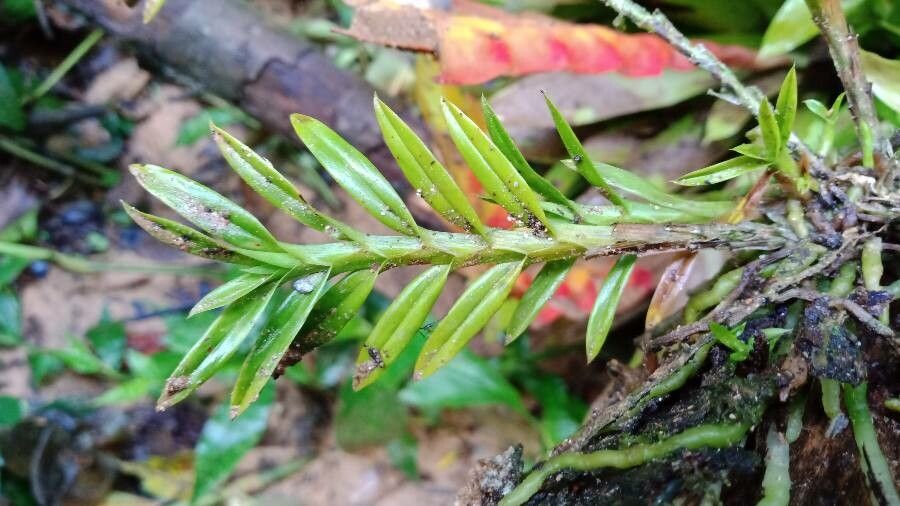
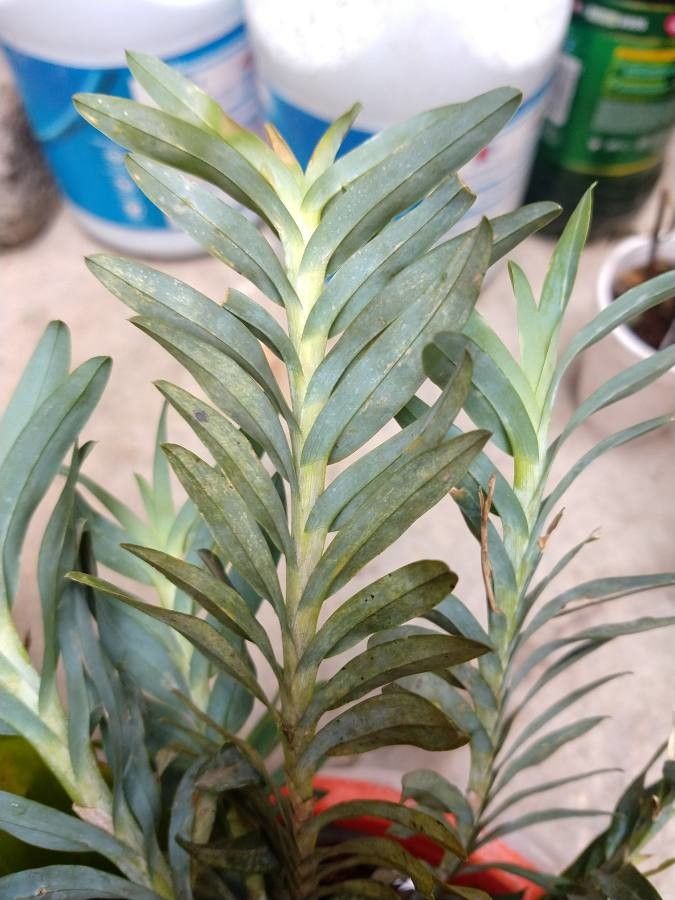
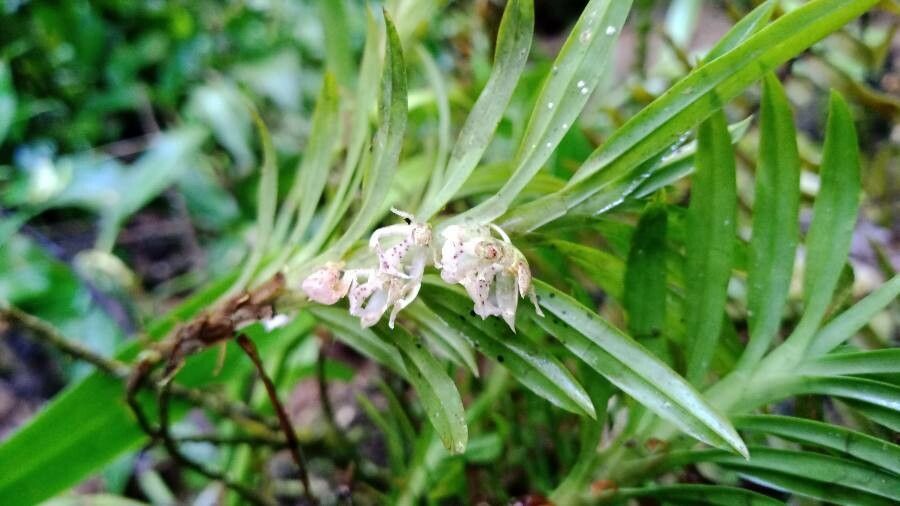
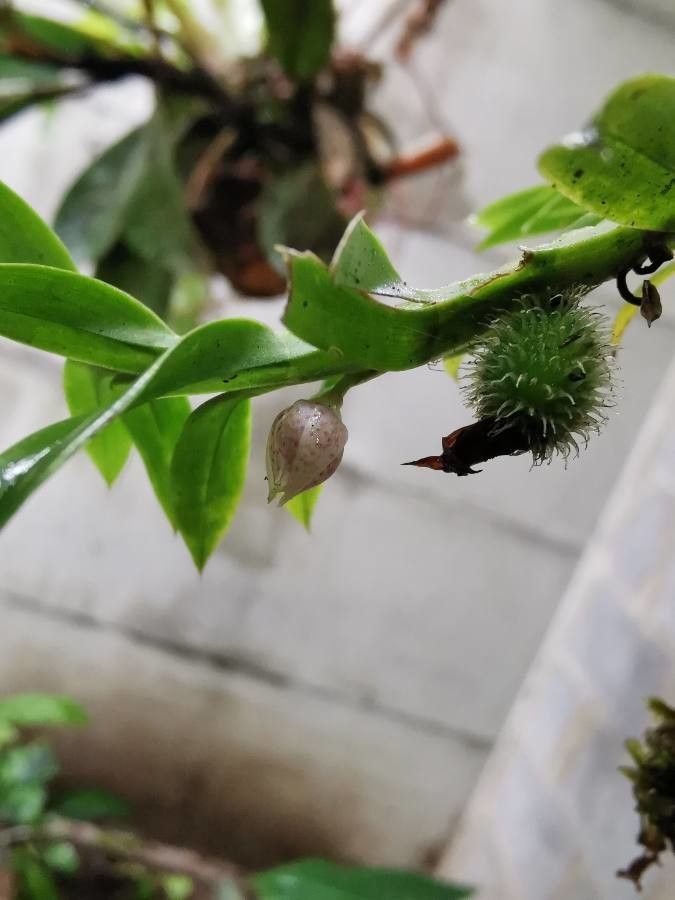
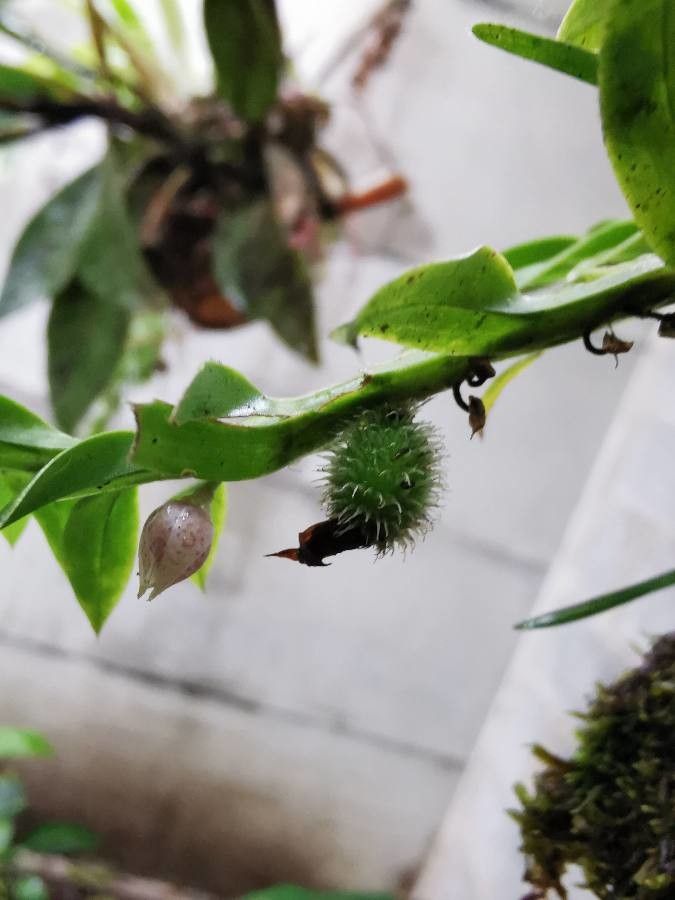
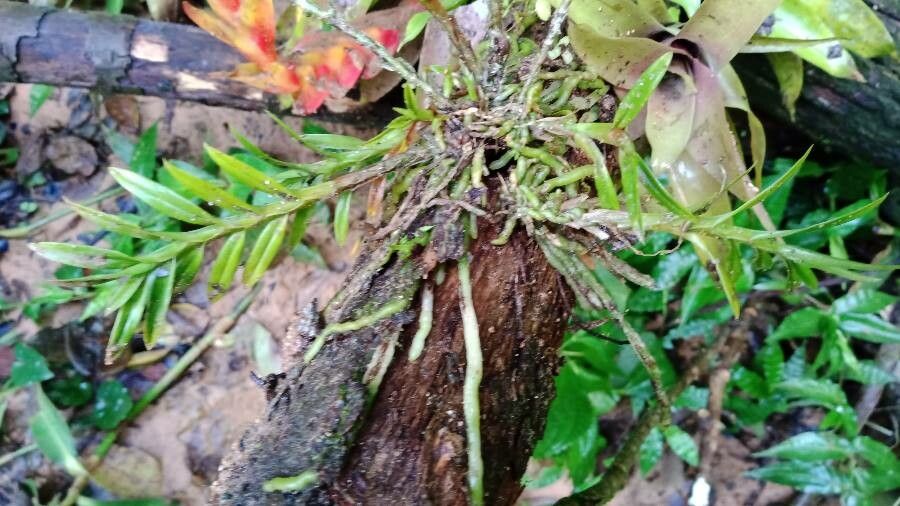
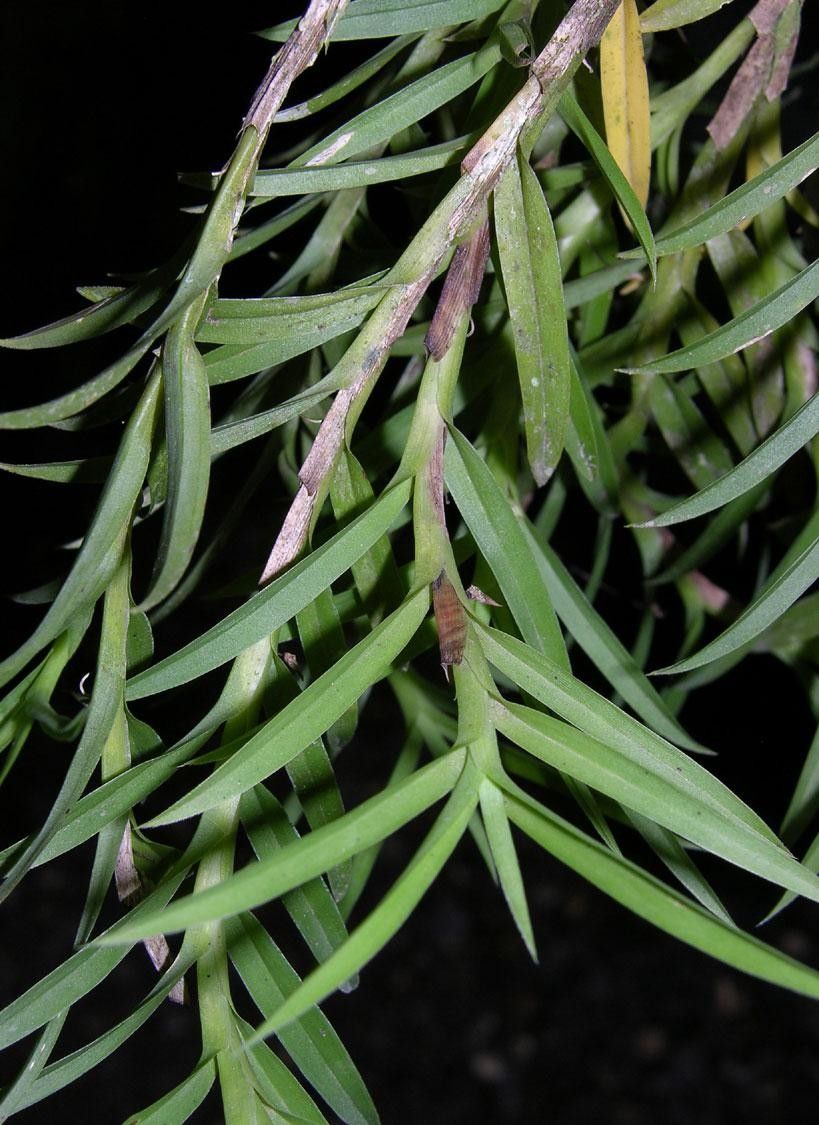
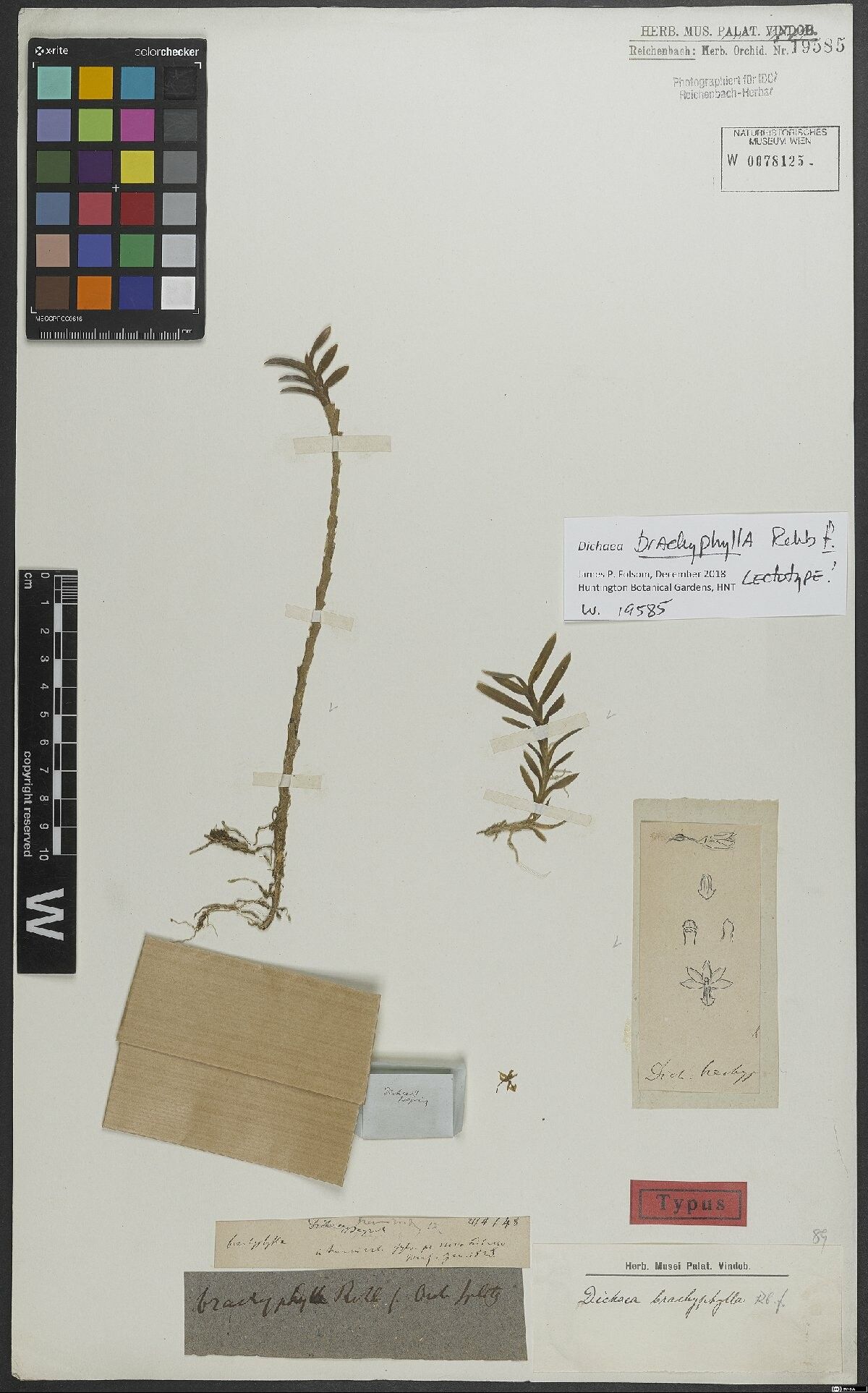
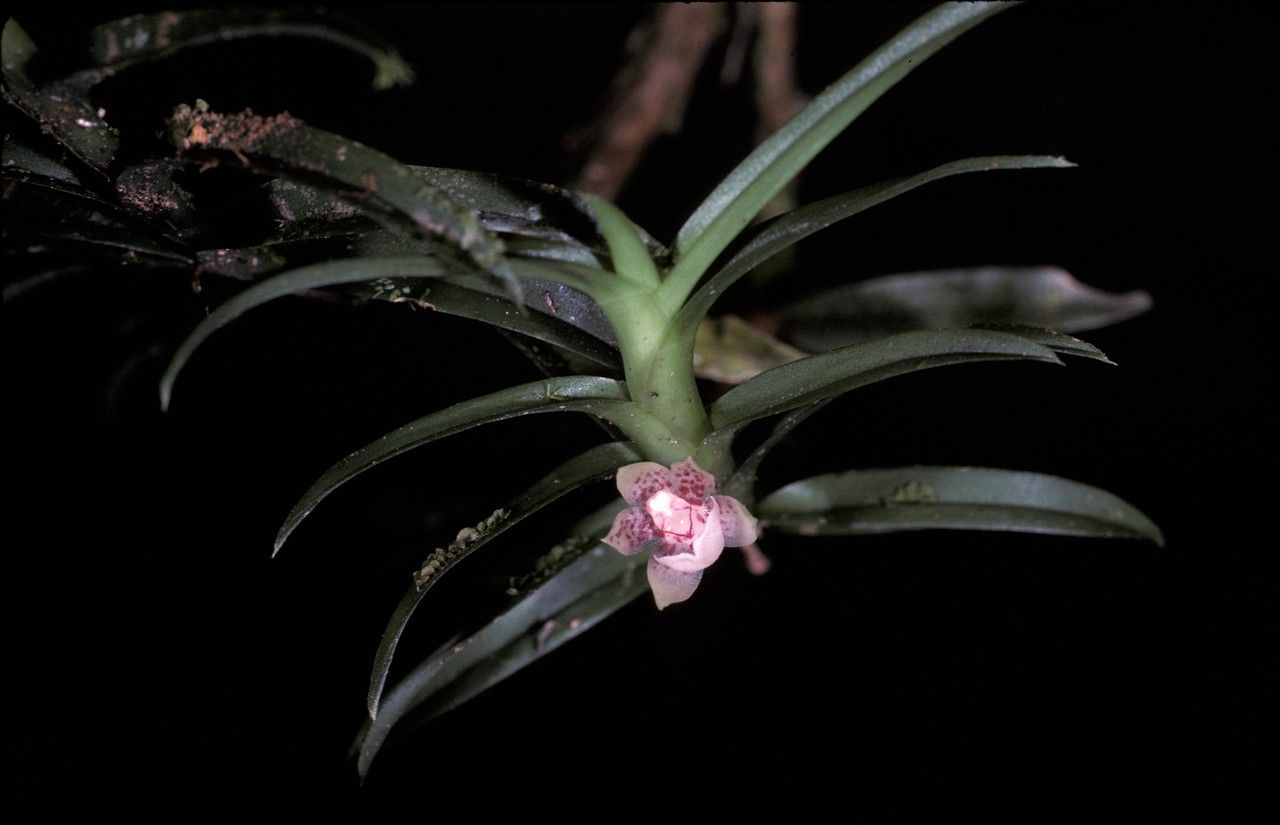
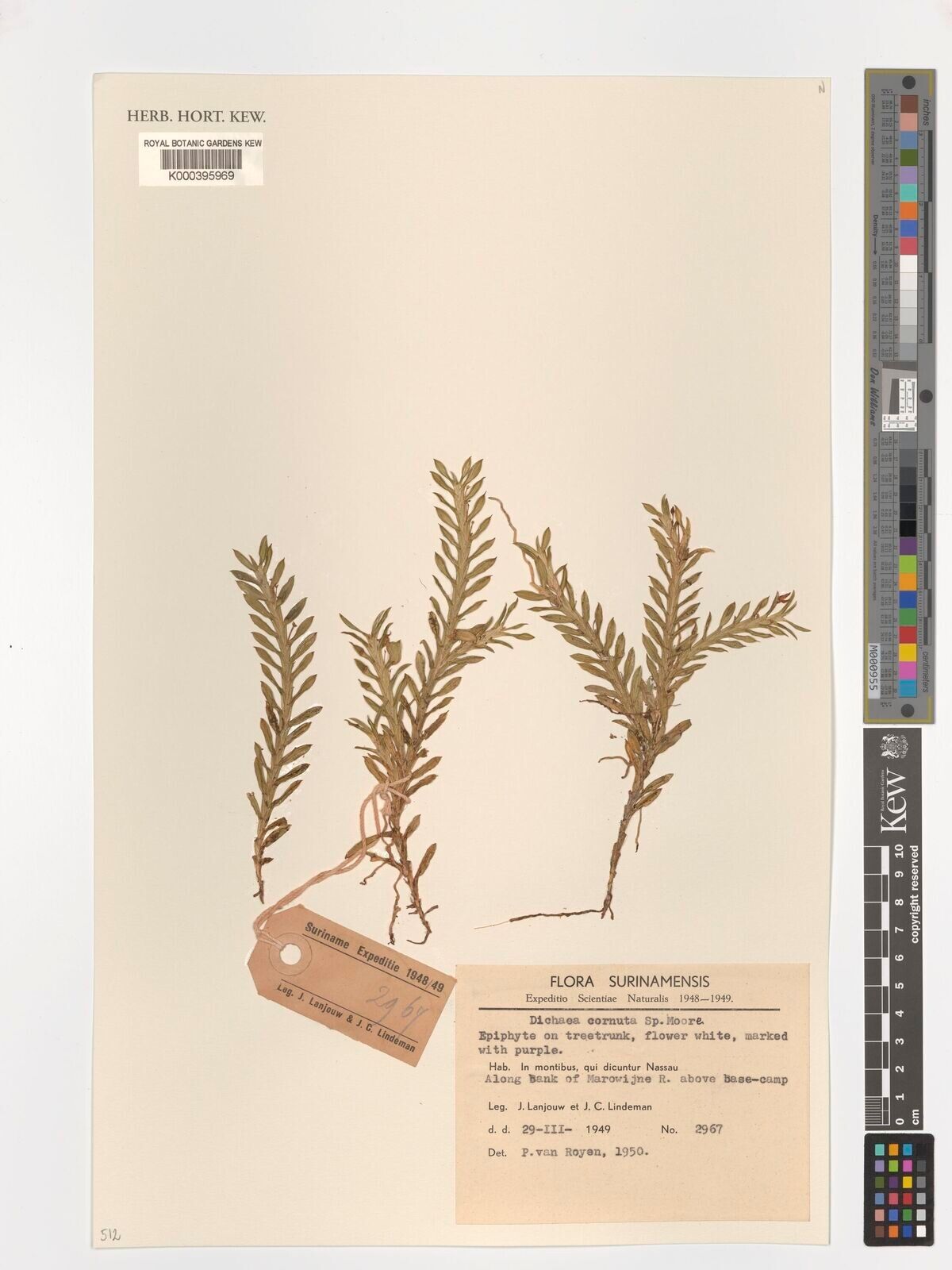
Dichaea panamensis suele presentar buena resistencia a las enfermedades y tiene relativamente pocos insectos plaga. El nivel de cuidado de Dichaea panamensis se considera difícil, ya que requiere un ambiente de alta humedad pero bien ventilado y con pocos patógenos dañinos. Un riego excesivo puede causar pudrición de las raíces. Cultivar Dichaea panamensis es adecuado para cualquiera, pero conservarla sana y lograr que vuelva a florecer exige mayor experiencia en el cultivo.
How to keep Dichaea Panamensis.
Light
Dichaea panamensis originates from habitats like forest undergrowth or rocky terrains where natural shadow is present. It favors partial sunlight settings but it can also adjust to total sunlight or total shade, showing its adaptable and robust characteristics.
Temperature
Dichaea panamensis flourishes in balmy settings. It develops optimally in moderately increased temperatures but not overly hot and humid conditions. Solar rays aid in heating the plant and encourages blooming. Nonetheless, extended exposure to direct solar rays in the summer can result in sunburn, thus controlling the quantity of sunlight it receives in this season is vital. Typically, the plant has low tolerance for chilly conditions, hence, it needs sufficient safeguarding and elevated temperatures in the winter season to avert freezing.
Fertilizer
Appropriate fertilization is essential for the health and look of Dichaea panamensis. During the summer, fertilize Dichaea panamensis, repeating this process every month until the end of summer. These nutrients boost development and aid in maintaining the parts of the plant. The act of fertilizing improves the flower presentation of Dichaea panamensis, guaranteeing top-quality blossoms.
Pot & Repot
When you're ready to repot Dichaea panamensis, select a pot that is marginally bigger and has excellent drainage—ideally, you should use a transparent orchid pot. You should fill it with an orchid-specialized mix that drains well and includes either bark or moss. Carefully cleanse the roots and cut off any that are either dying or decayed. Do the repotting after the flowering period, typically in the springtime or autumn, water it intensively, and position it in a spot with strong, indirect sunlight. Try not to interfere with the roots once they're repotted.
Botanical profile.
- Plant Type
- Herb
- Life Cycle
- Perennial
- Genus
- Dichaea
- Family
- Orchidaceae
- Hardiness Zone
- 10-12
- Mature Height
- 15 cm to 30 cm
- Mature Spread
- 10 cm to 20 cm
- Leaf Color
- Forest Green
- Leaf Type
- Evergreen
- Flower Color
- White
- Flower Size
- 1.02 cm to 2.03 cm
- Bloom Time
- All year round
- Planting Time
- Spring, Summer
- Harvest Time
- All year round
- Native Area
- Colombia, Belize, Honduras, Mexico, Guatemala, Bolivia, Venezuela, Peru, Brazil, Nicaragua, Ecuador, Costa Rica, Panama
Other names.