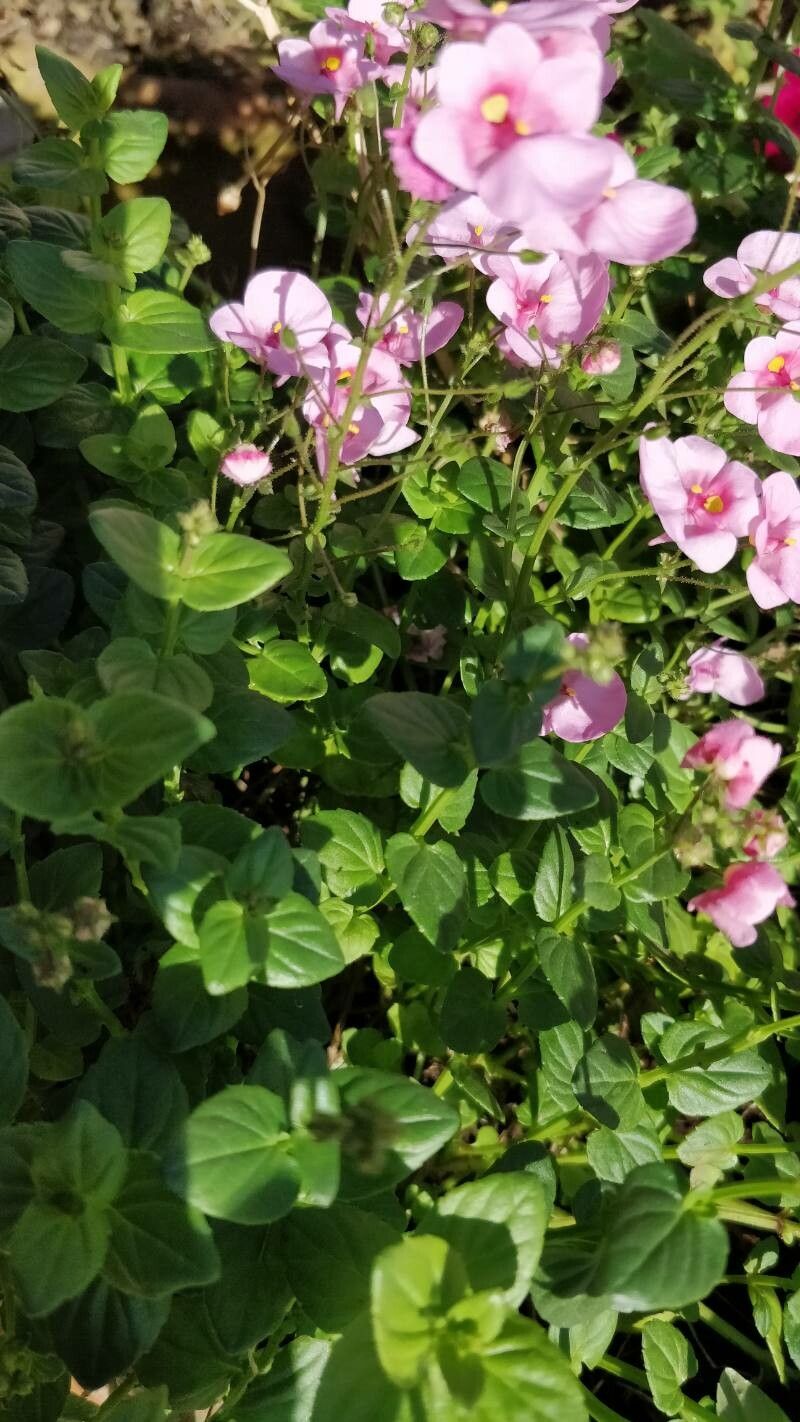
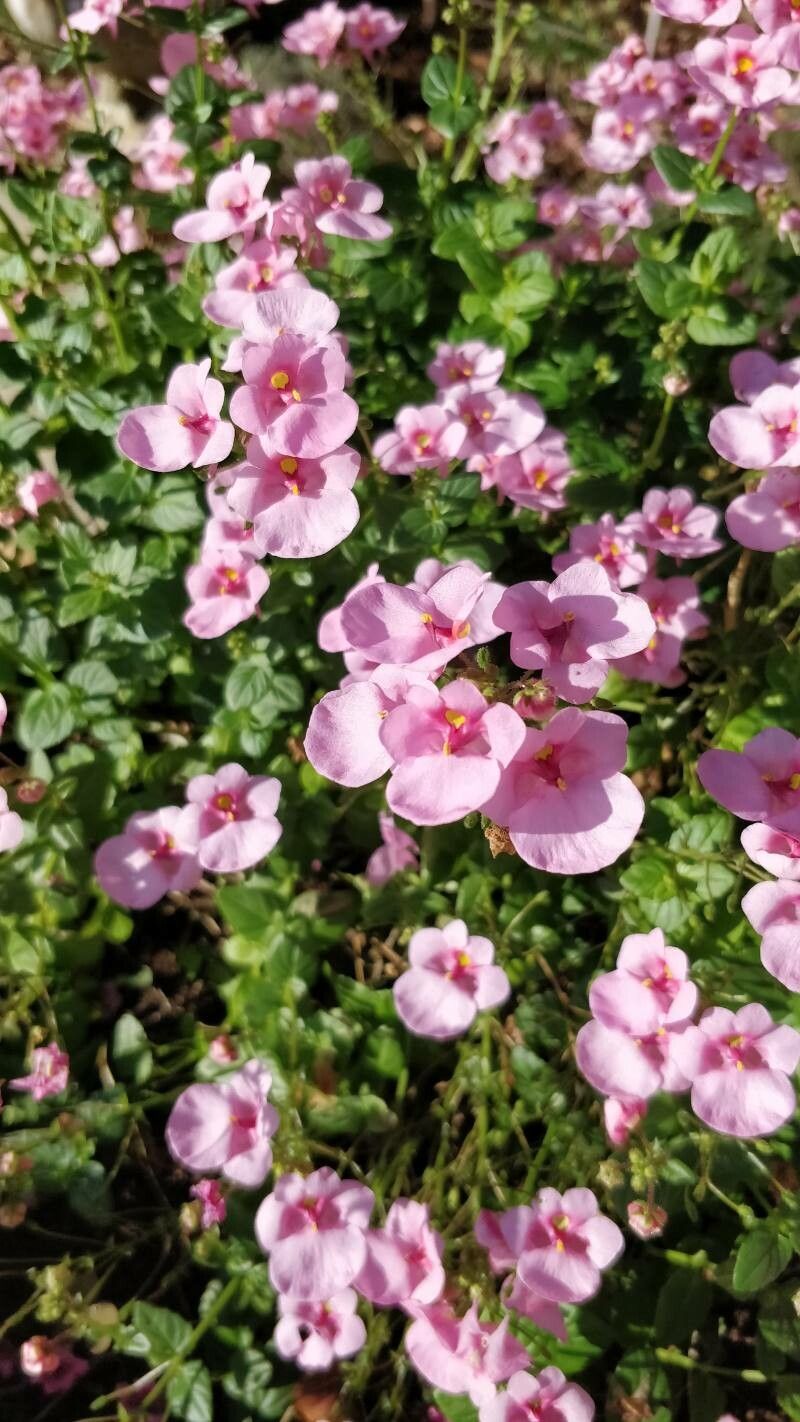
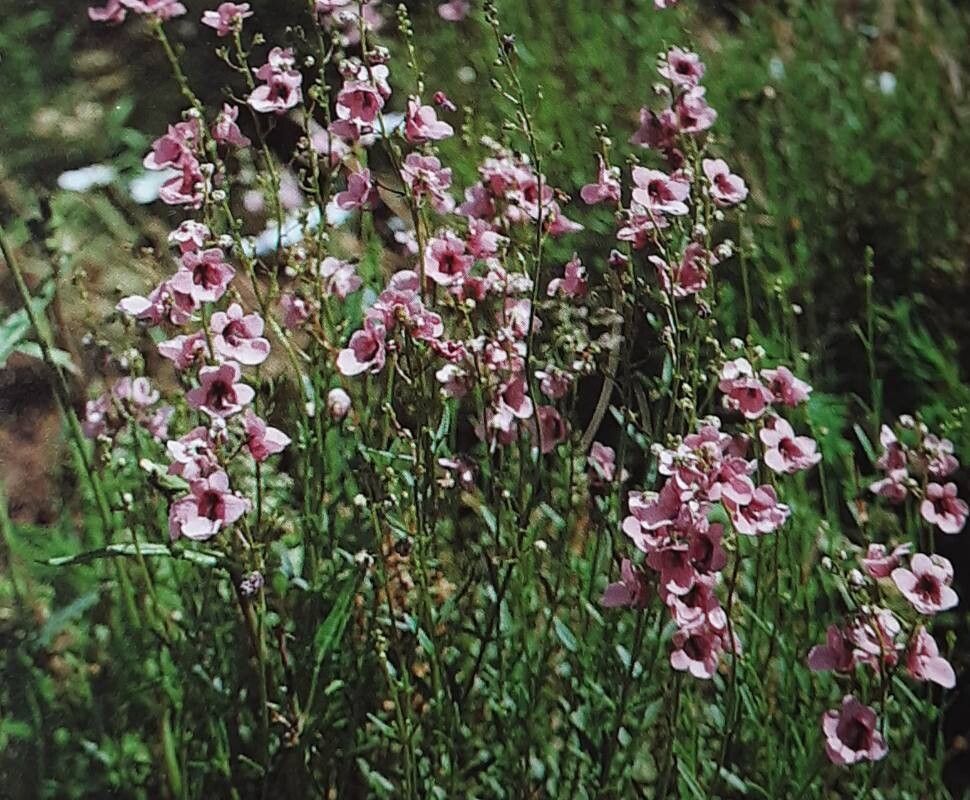
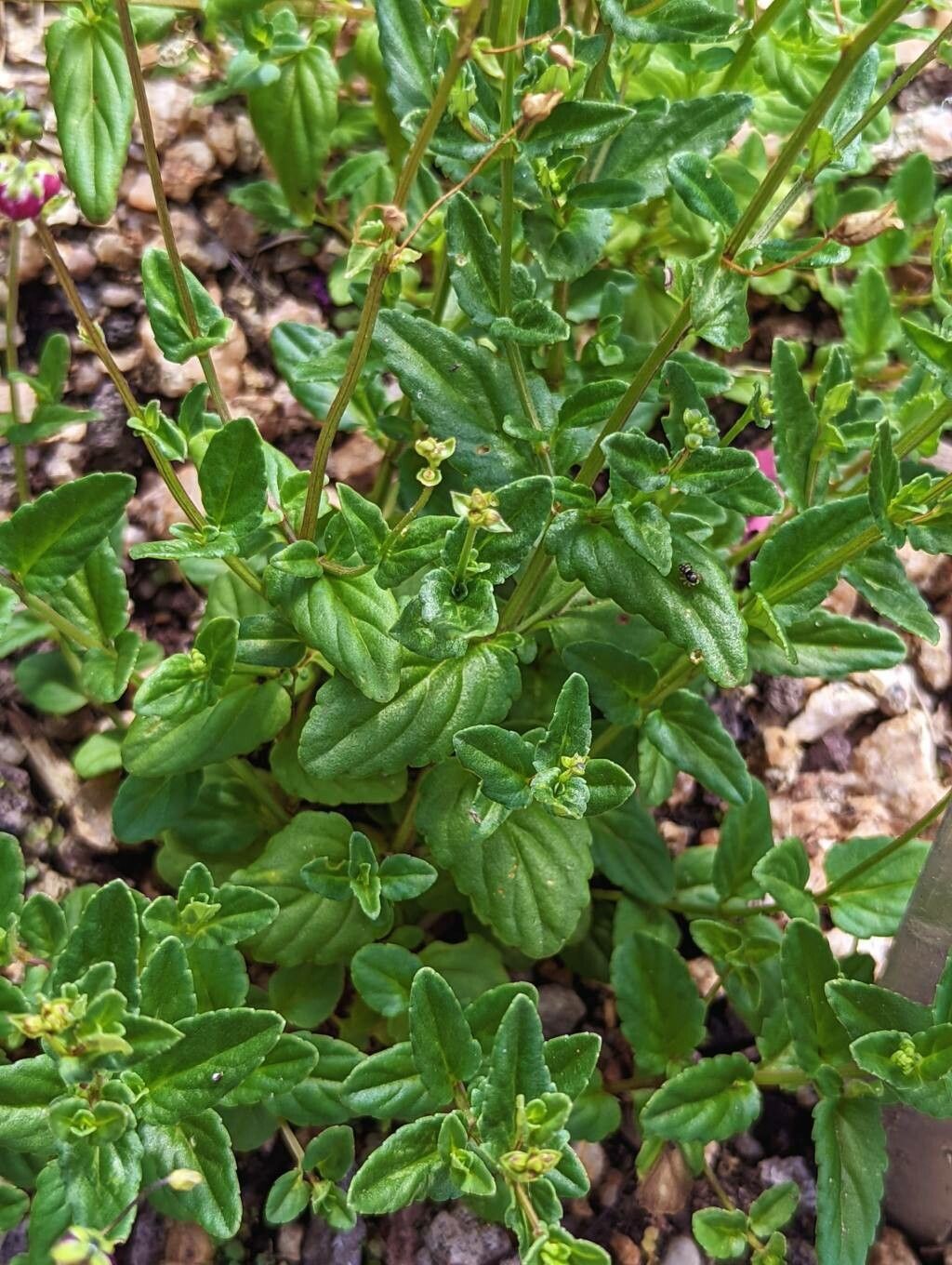
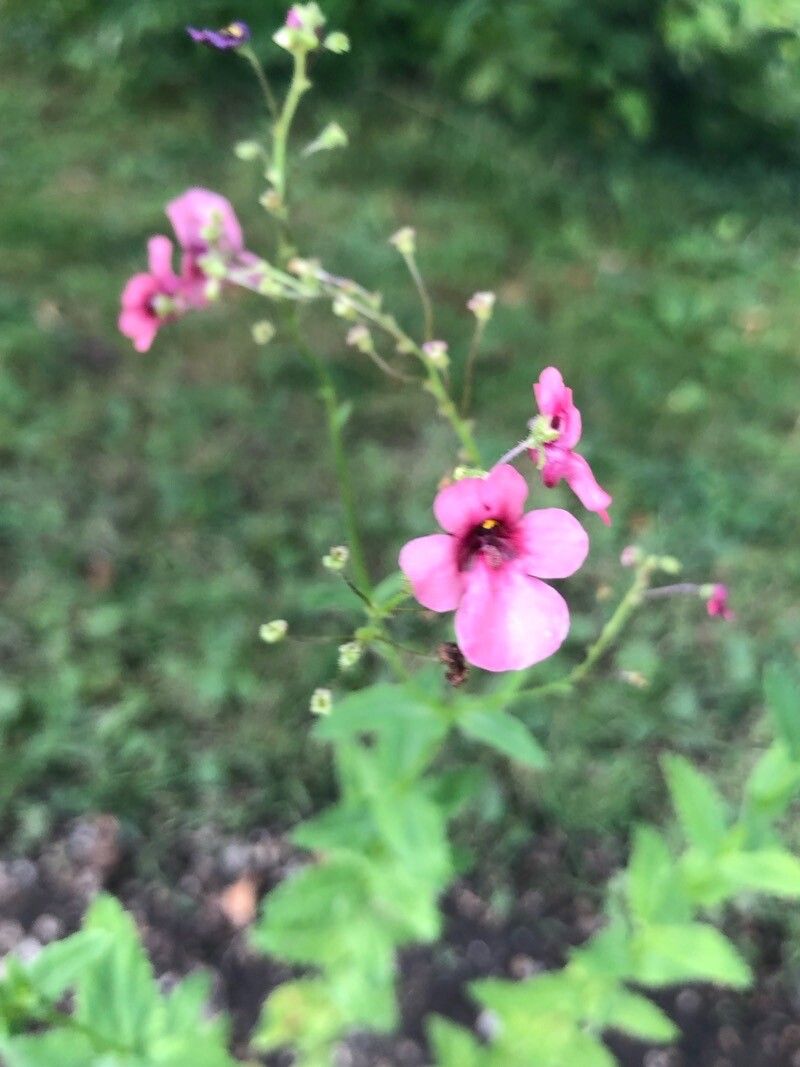
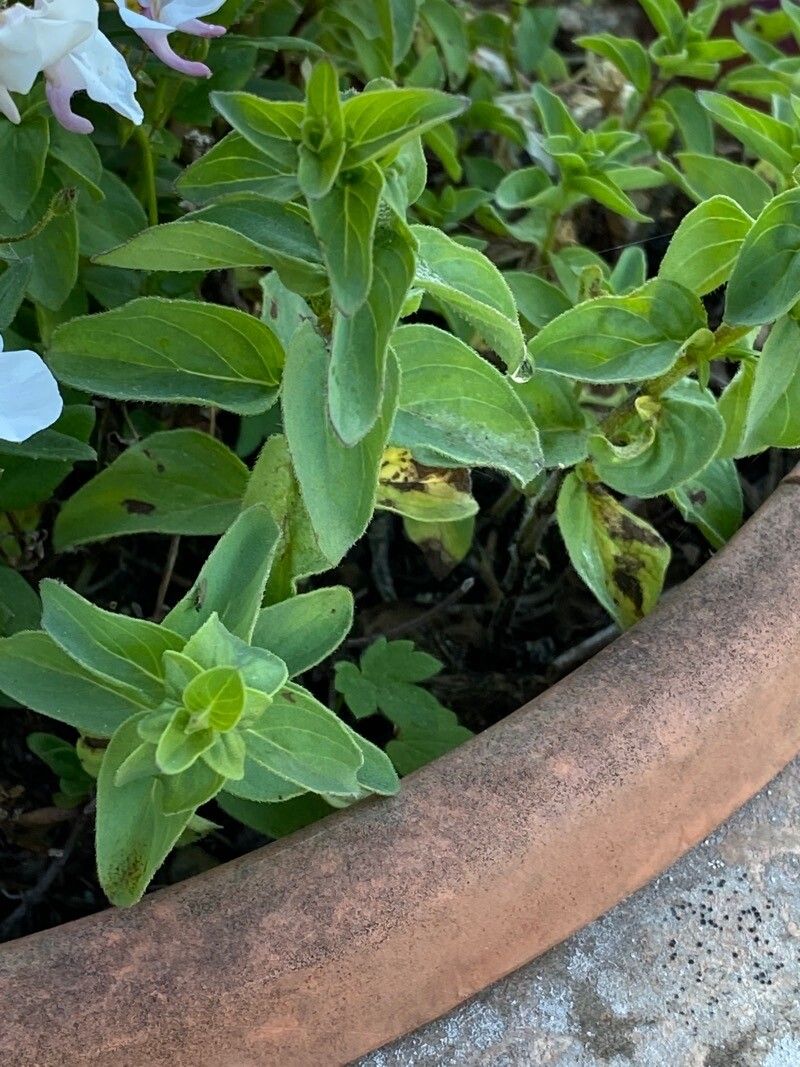
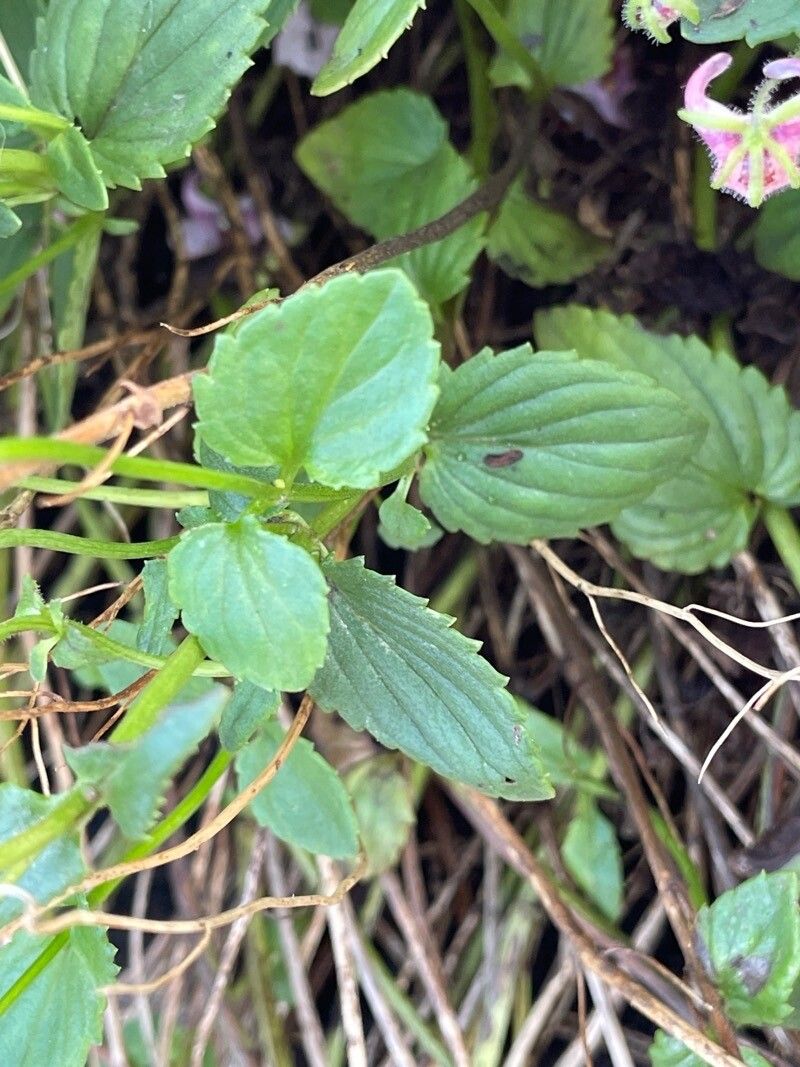
Diascia integerrima, commonly known as Fairy Foxglove or Twinspur, is a herbaceous perennial plant that belongs to the Scrophulariaceae family. Native to South Africa, it is widely cultivated in gardens and landscapes for its ornamental appeal. The plant grows up to 30 cm in height and produces delicate pink or white flowers that bloom from spring through summer. These flowers are arranged in clusters on long stems, giving them a graceful appearance.
Diascia integerrima thrives in well-drained soil with moderate moisture levels and full sun exposure. While it can tolerate some shade, it may produce fewer flowers under such conditions. The plant requires regular watering during dry spells but can endure short periods of drought.
Due to its compact size and attractive blooms, Fairy Foxglove is an excellent choice for rock gardens, borders, containers, or hanging baskets. Its flowers attract bees and butterflies, adding an element of lively activity to the garden. Additionally, it makes a great cut flower, thanks to its long-lasting blooms.
Overall, Diascia integerrima is an easy-to-grow perennial with charming pink or white flowers that enhance any garden setting while attracting pollinators to your outdoor space.
Twinspur is fairly disease-resistant and typically not prone to illnesses. However, it can be affected by pests and diseases present in its environment. Such infections are generally mild. Regarding care, this plant needs moderate maintenance. It should be pruned regularly to preserve an attractive appearance and promote healthy growth. Applying fertilizer can also encourage flowering. Twinspur is suitable for anyone with outdoor space, like a garden or patio, and doesn't demand extensive care experience. It may need more attention when grown indoors.
How to keep Diascia Integerrima.
Light
Twinspur is a perennial herbaceous plant that prefers sunny conditions and originates from open habitats, commonly growing in meadows and grasslands. It favors full sun but can also tolerate partial sun.
Water
Diascia integerrima flourishes in moderately moist environments, thriving in conditions with balanced water and humidity levels. For optimal health, it should be watered weekly. This plant is versatile when grown outdoors, as it can adapt to various climate zones and tolerate different amounts of rainfall.
Temperature
Twinspur can tolerate a wide range of temperatures, but its distribution may still be restricted by different combinations of water and heat. It performs best in warm summers with sufficient rainfall or watering. Long periods of cloudy, rainy weather or prolonged high temperatures increase the chance of Twinspur dying. In winter, proper protection from cold can raise the plant's survival rate.
Fertilizer
The best time to fertilize a Twinspur is in early spring, when it is coming out of dormancy and beginning active growth. Fertilizing supplies essential nutrients for healthy growth. Although Twinspur has relatively low fertilizer needs, applying fertilizer annually can enhance its survival and encourage better, longer-lasting flowers.
Pruning
Diascia integerrima is a perennial plant known for its vibrant flowers. To encourage growth and blooming, prune it in early spring. Be sure to remove any dead stems, but avoid heavy pruning once new shoots have started to appear. Regular pruning helps improve air circulation and prevent disease. For best results, use clean tools and follow expert guidelines.
Botanical profile.
- Plant Type
- Herb
- Life Cycle
- Perennial
- Genus
- Diascia
- Family
- Scrophulariaceae
- Hardiness Zone
- 9-11
- Mature Height
- 20 cm to 30 cm
- Mature Spread
- 30 cm to 46 cm
- Leaf Color
- Green
- Leaf Type
- Deciduous
- Flower Color
- Pink
- Flower Size
- 2.54 cm
- Bloom Time
- Mid spring, Late spring, Summer, Early fall
- Planting Time
- Spring, Autumn
- Harvest Time
- Summer, Early fall, Mid fall
- Native Area
- South Africa, Lesotho
Reader questions.
What are the sun requirements for Diascia integerrima?
Diascia integerrima needs varying amounts of sunlight depending on the desired growth condition. For partial sun exposure, it requires about 3-6 hours of sunlight daily. If you're aiming for plants that thrive in full sun, they will need more than 6 hours of sunlight. It's essential to watch how sunlight moves through your garden throughout the day. This observation will help you choose spots that provide the perfect balance of light and shade, which ensures your Diascia integerrima plants are happy and healthy.