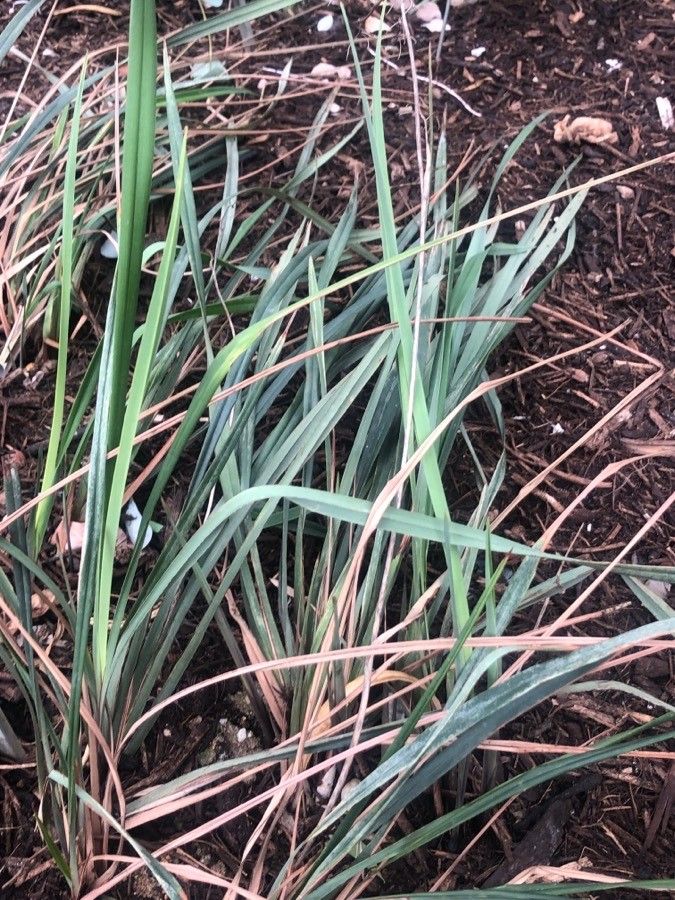
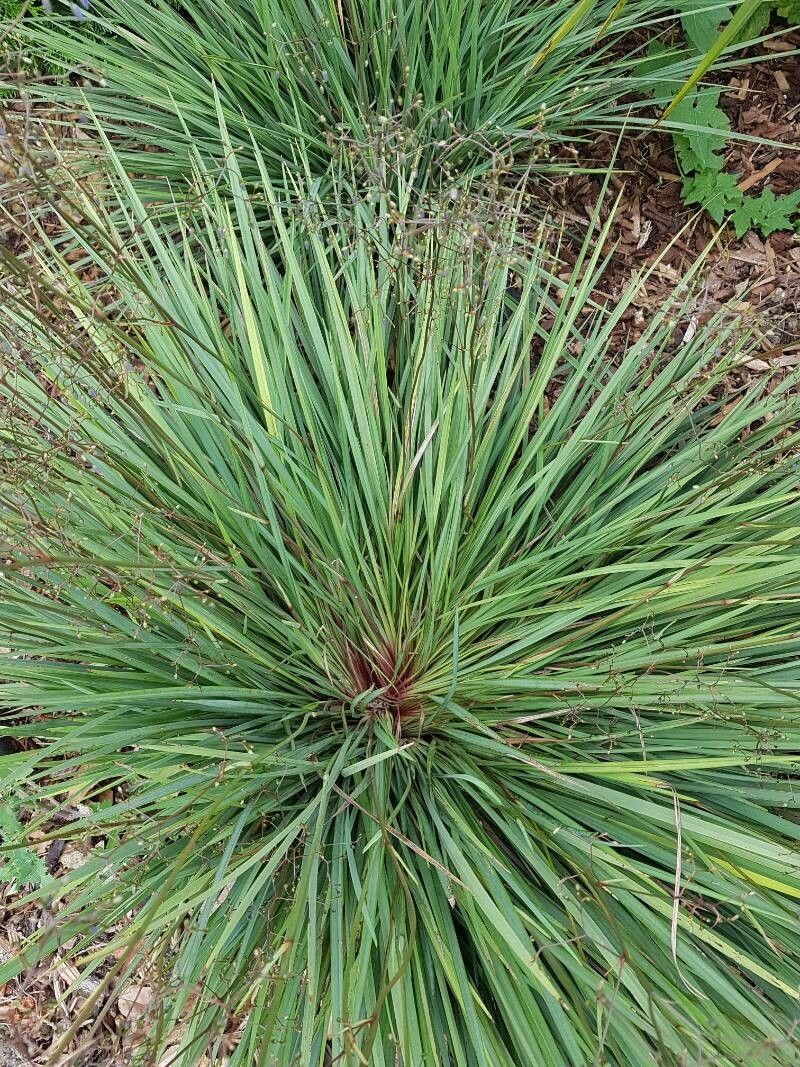
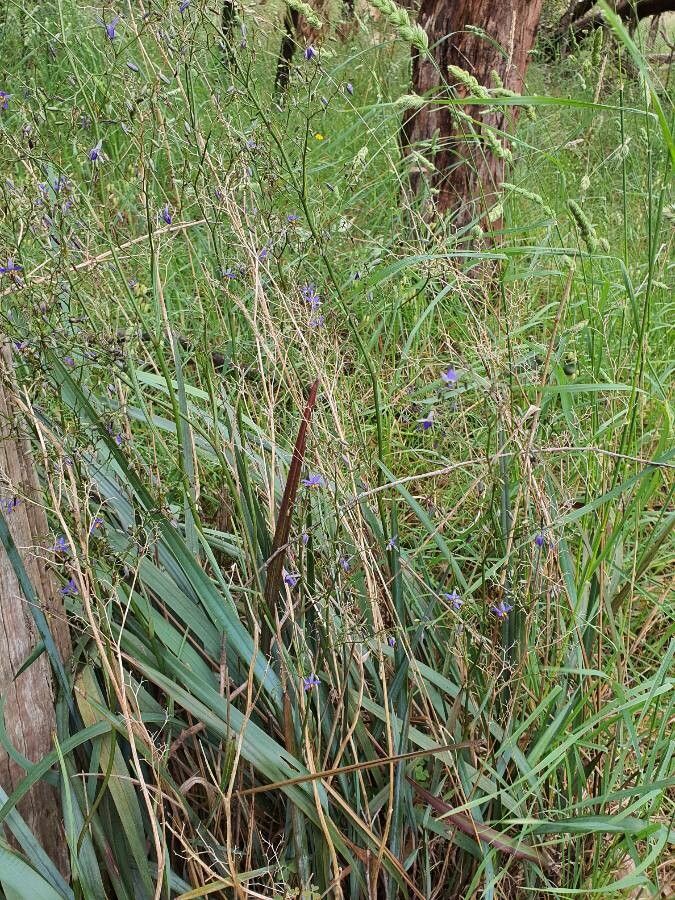
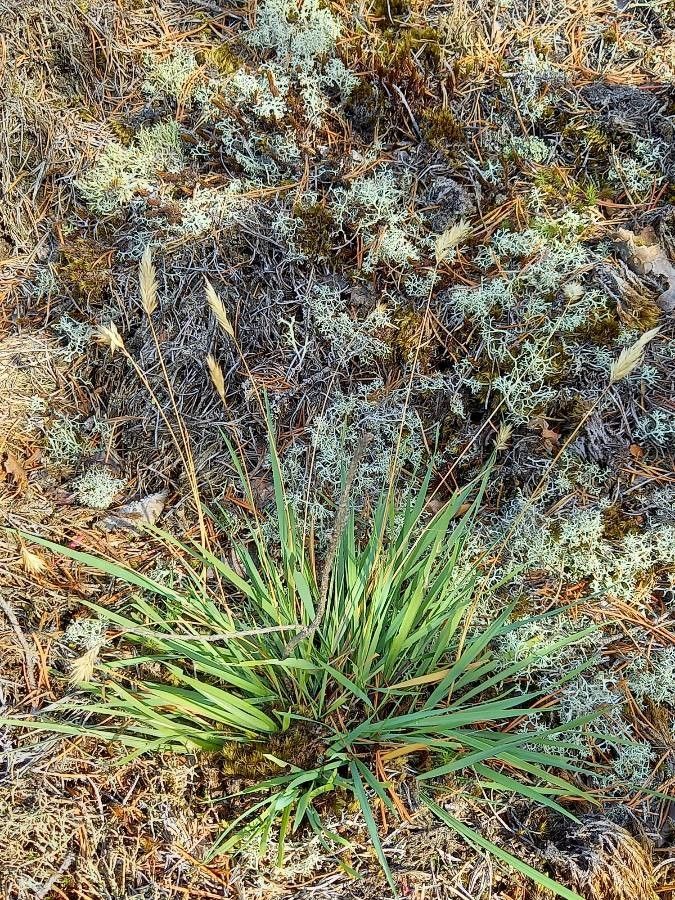
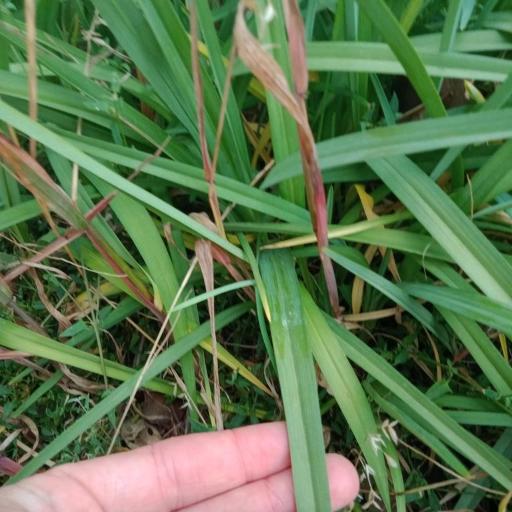
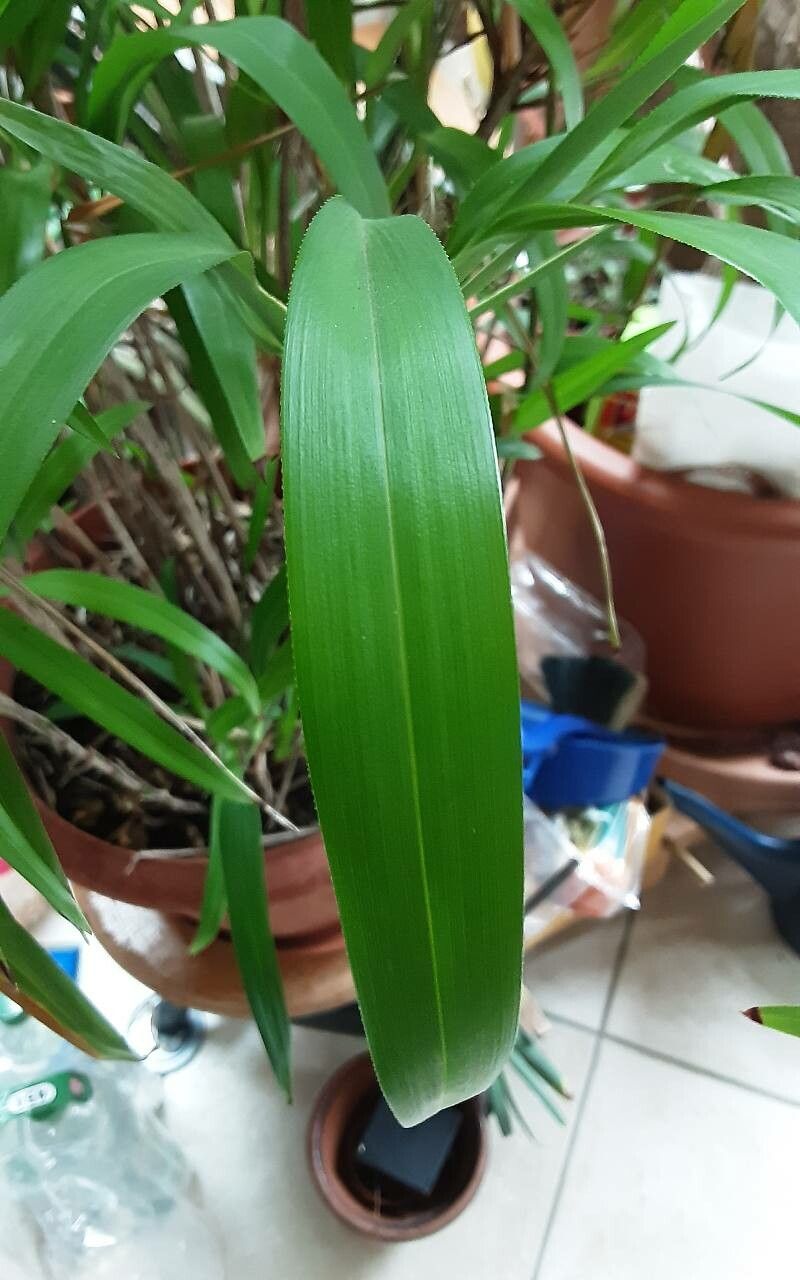
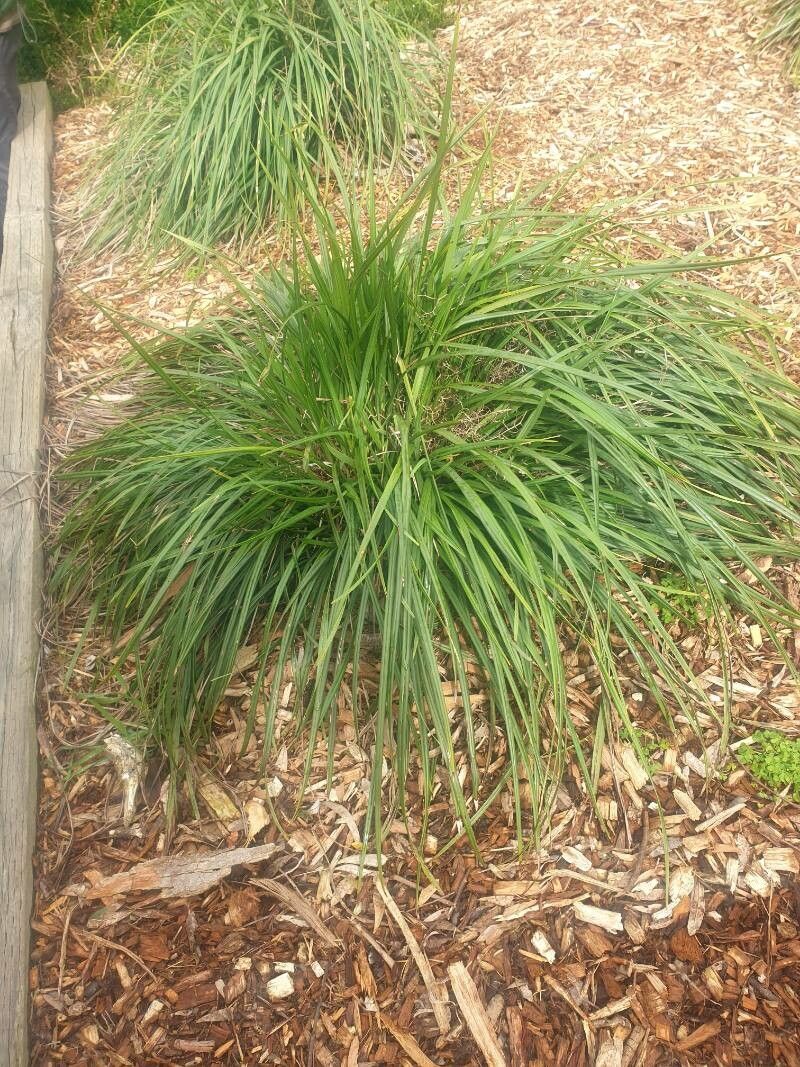
Dianella revoluta, commonly known as the blueberry lily or flax lily, is a perennial plant native to Australia. Belonging to the family Asphodelaceae, this plant is widely appreciated for its ornamental value. It typically grows up to 1 meter tall and features long, narrow, bluish-green leaves arranged in a rosette pattern at the base of the stem, with a slightly curved shape.
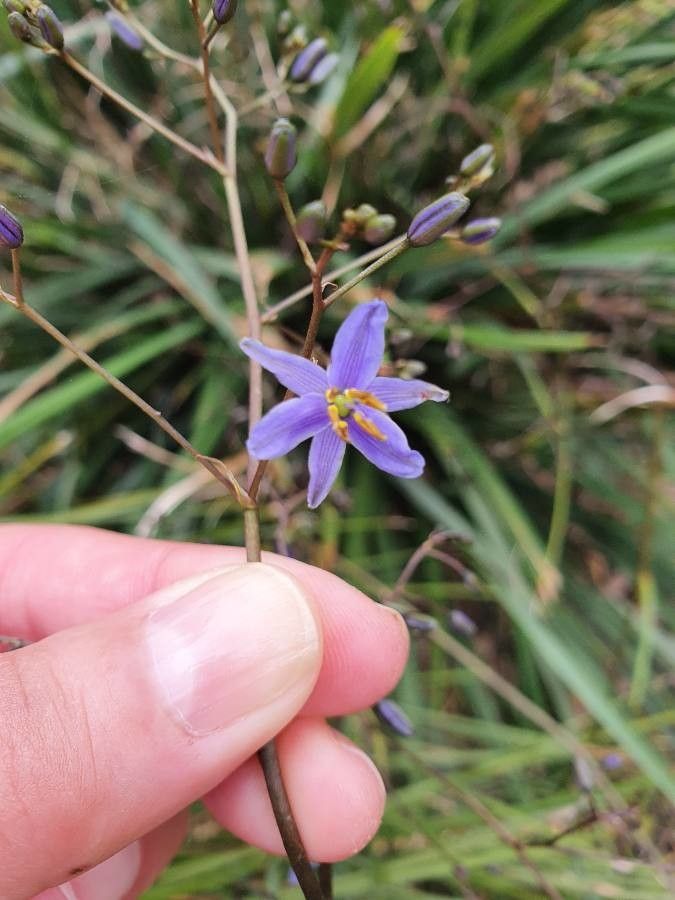
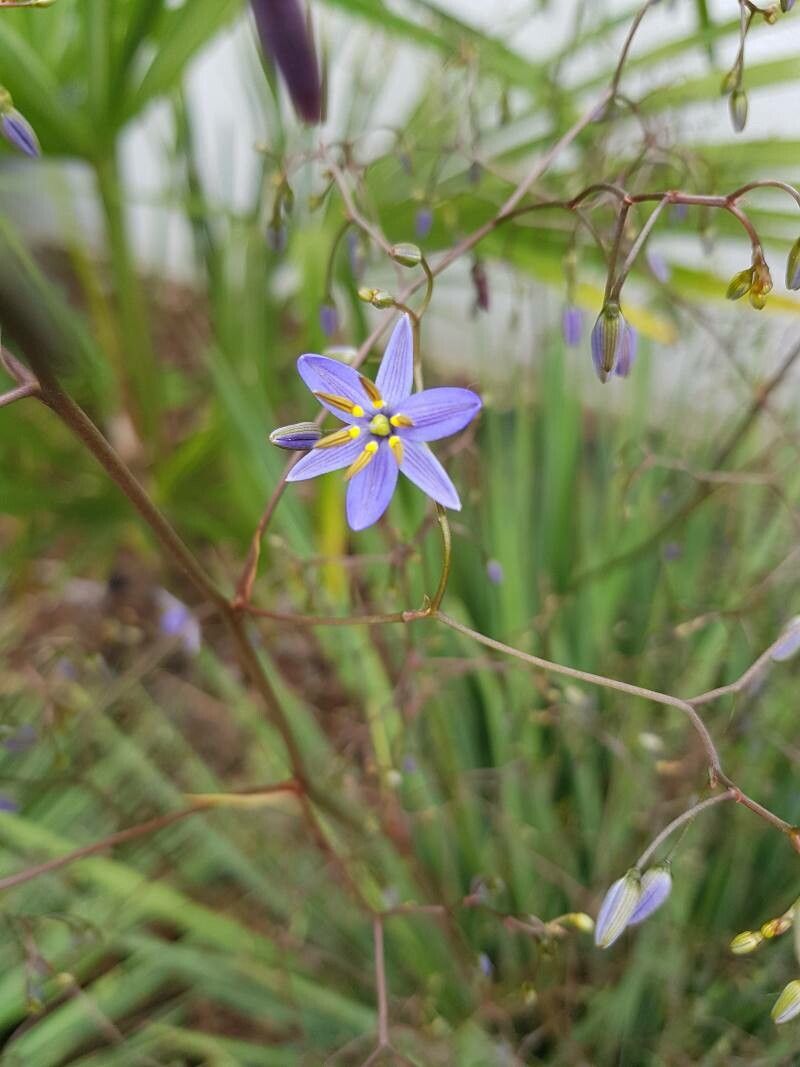
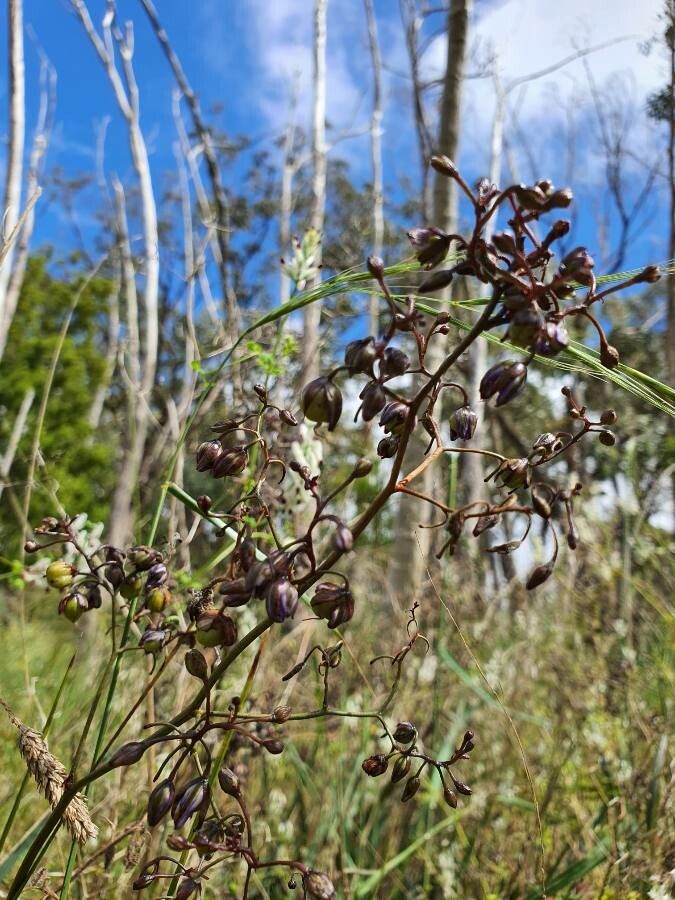
During the spring and summer, the blueberry lily produces small flowers that are usually blue or purple. These flowers appear on long stems that rise above the foliage. Following the blooming period, the plant produces small berries that resemble blueberries, although they are not edible.
Dianella revoluta is easy to cultivate, thriving in well-drained soil with moderate watering. While it prefers full sun, it can also tolerate partial shade. This versatile plant can serve as an accent, border, or mass planting for ground cover.
Beyond its ornamental use, Dianella revoluta has been utilized by indigenous Australians for its medicinal properties, particularly for treating skin infections and inflammation due to its antibacterial qualities.
Overall, Dianella revoluta is an attractive and low-maintenance addition to any garden. Its striking foliage and delicate flowers make it a popular choice among gardeners worldwide.
Blueberry lily is fairly resistant to disease and typically does not suffer from many ailments. Nevertheless, it can be affected by pests and diseases found in its environment. When infections do occur, they are generally mild. As for upkeep, this plant needs a moderate level of care. Regular pruning is necessary to preserve an attractive appearance and encourage healthy growth. Applying fertilizer can also aid in stimulating blooms. Blueberry lily is well suited for anyone with outdoor areas like a garden or patio and does not demand extensive gardening experience. It may, however, need more attention when cultivated indoors.
How to keep Dianella Revoluta.
Light
Blueberry lily is a sun-loving perennial herbaceous plant native to open habitats, commonly thriving in meadows and grasslands. It prefers full sun but can also tolerate partial sun.
Water
The Blueberry Lily is native to well-drained woodlands in Australia, where it thrives in areas with sporadic rainfall. To care for this evergreen plant, it's best to water it weekly, ensuring a balance between moisture and its tolerance to drought. The Blueberry Lily keeps its lush foliage intact regardless of the changing soil moisture levels, showcasing its resilience and adaptability to its natural environment.
Temperature
Blueberry lily can adjust to a broad range of temperature conditions, but its distribution may still be constrained by different combinations of moisture and heat. It grows best in warm summer climates with sufficient rainfall or irrigation. Extended periods of cloudy, rainy weather or prolonged high temperatures can raise the chance of Blueberry lily dying. In winter, appropriate protection from cold can enhance the plant's survival rate.
Fertilizer
The best time to fertilize a Blueberry lily is in early spring, when it is coming out of dormancy and beginning active growth. Fertilization supplies essential nutrients needed for healthy growth. Although Blueberry lily has relatively low fertilizer requirements, applying fertilizer annually can improve its survival and encourage better, longer-lasting flowers.
Pruning
The Blueberry Lily is characterized by its evergreen, strappy leaves and vibrant blue to purple flowers. For optimal growth, it is best to prune the plant in early spring. This involves removing any damaged foliage and spent flower stalks. Be sure to use clean tools to prevent the spread of disease. Regular pruning not only helps maintain the plant's shape but also enhances its vigor, leading to a healthier and more appealing appearance.
Botanical profile.
- Plant Type
- Herb
- Life Cycle
- Perennial
- Genus
- Dianella
- Family
- Asphodelaceae
- Hardiness Zone
- 8-11
- Mature Height
- 91 cm
- Mature Spread
- 1.52 m
- Leaf Color
- Green
- Leaf Type
- Evergreen
- Flower Color
- Blue, Purple
- Flower Size
- 1.02 cm to 2.03 cm
- Bloom Time
- Mid spring, Late spring, Early summer
- Planting Time
- Spring, Summer, Autumn
- Harvest Time
- Mid summer, Late summer, Early fall
Other names.
Reader questions.
What is the botanical name of the Blueberry lily?
The botanical name of the Blueberry lily is Dianella revoluta.