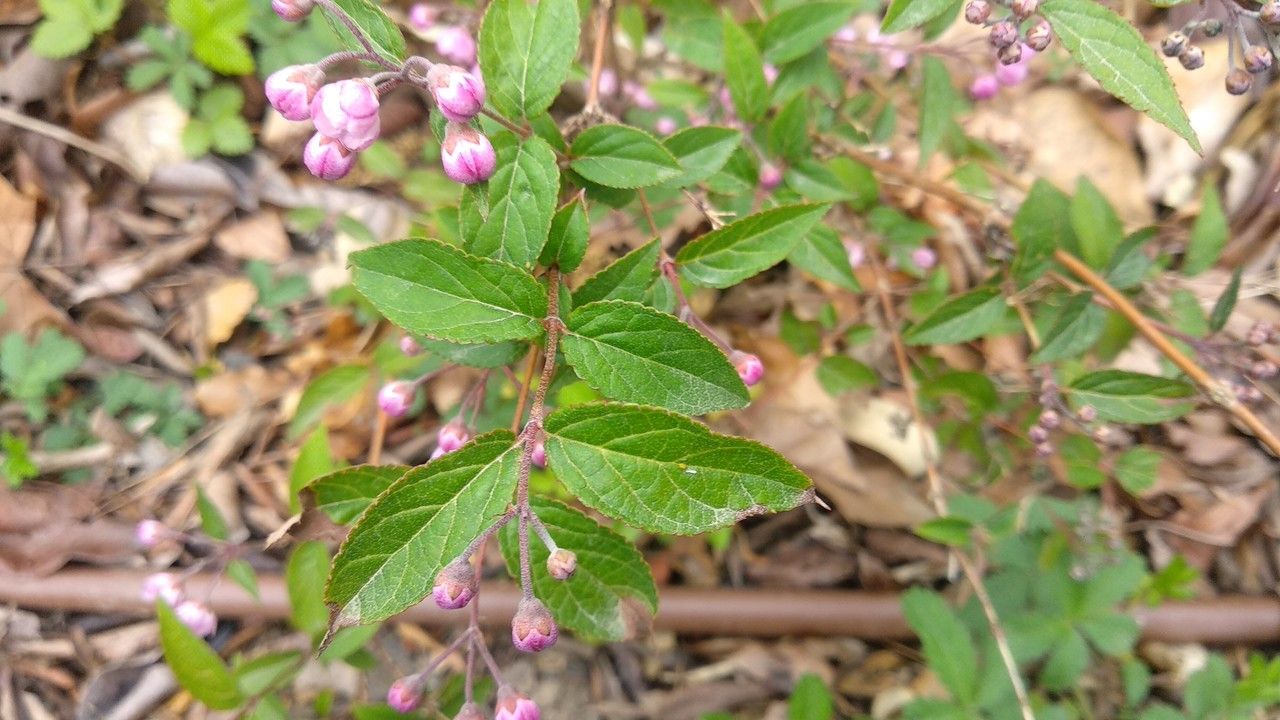
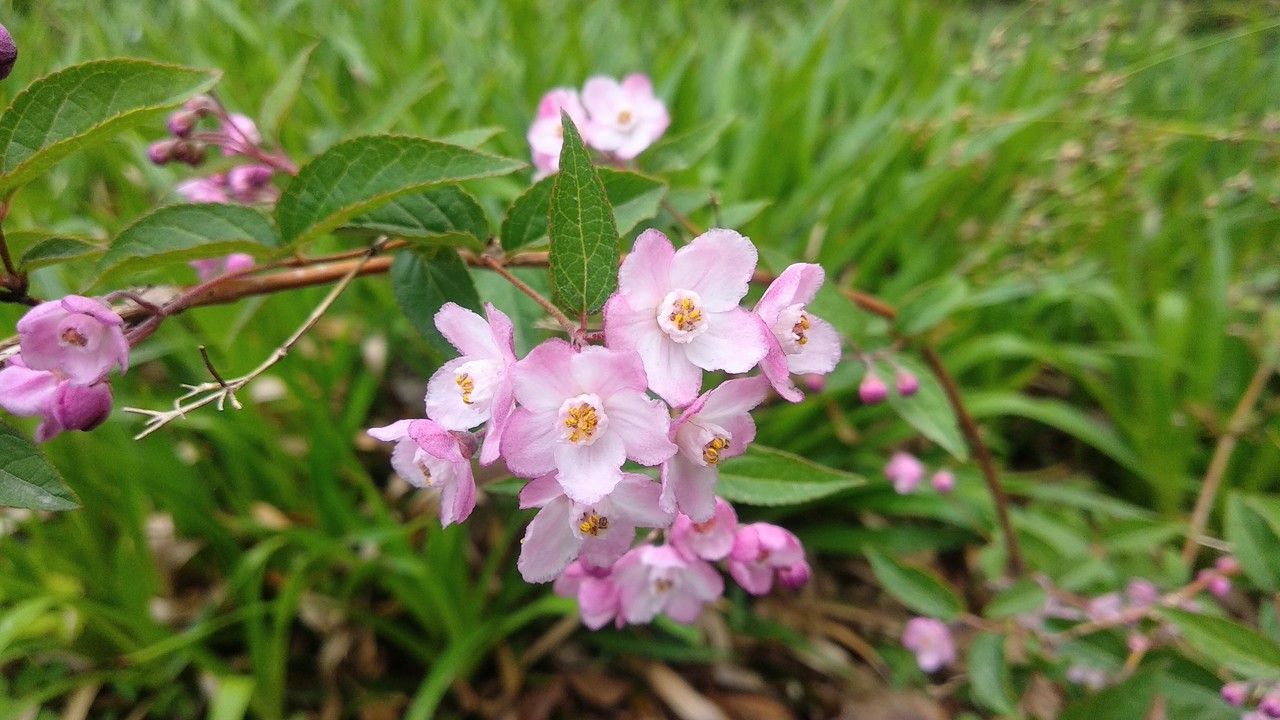
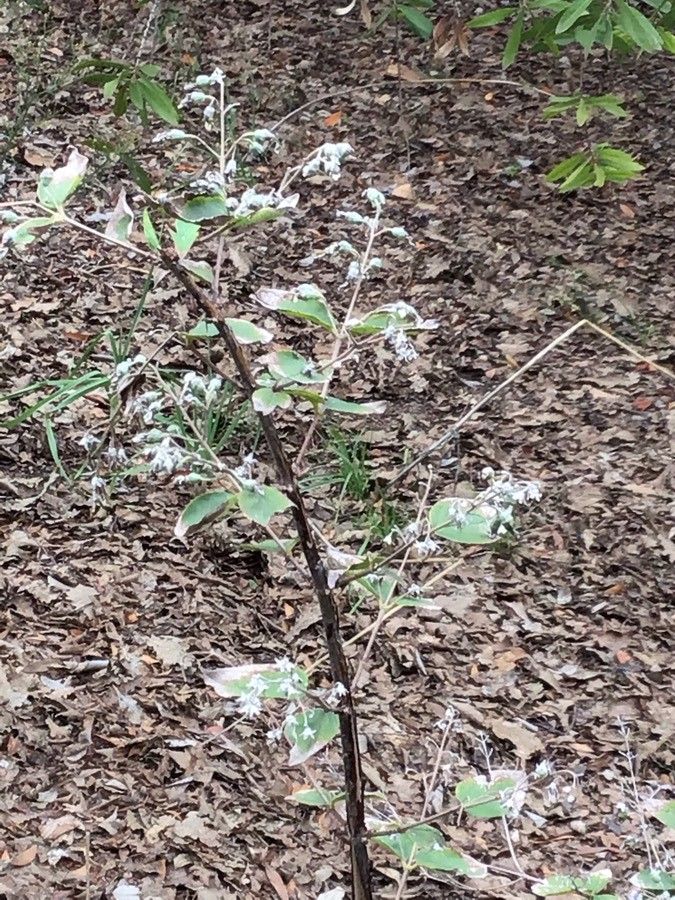
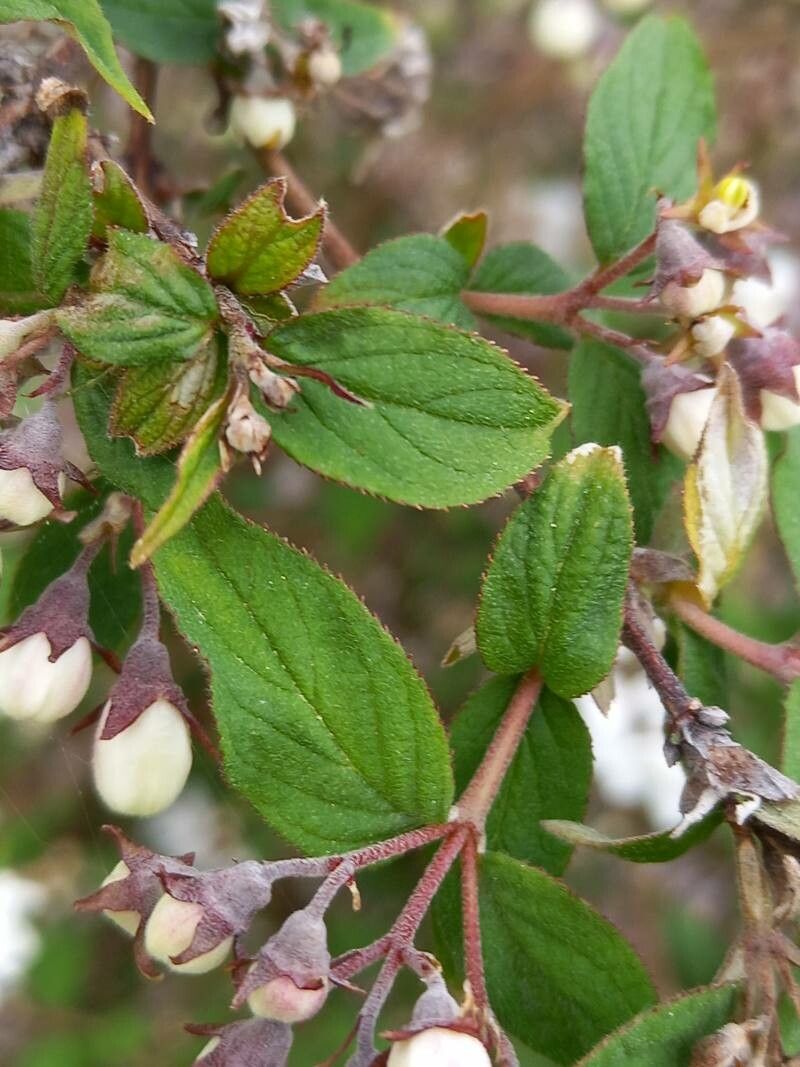
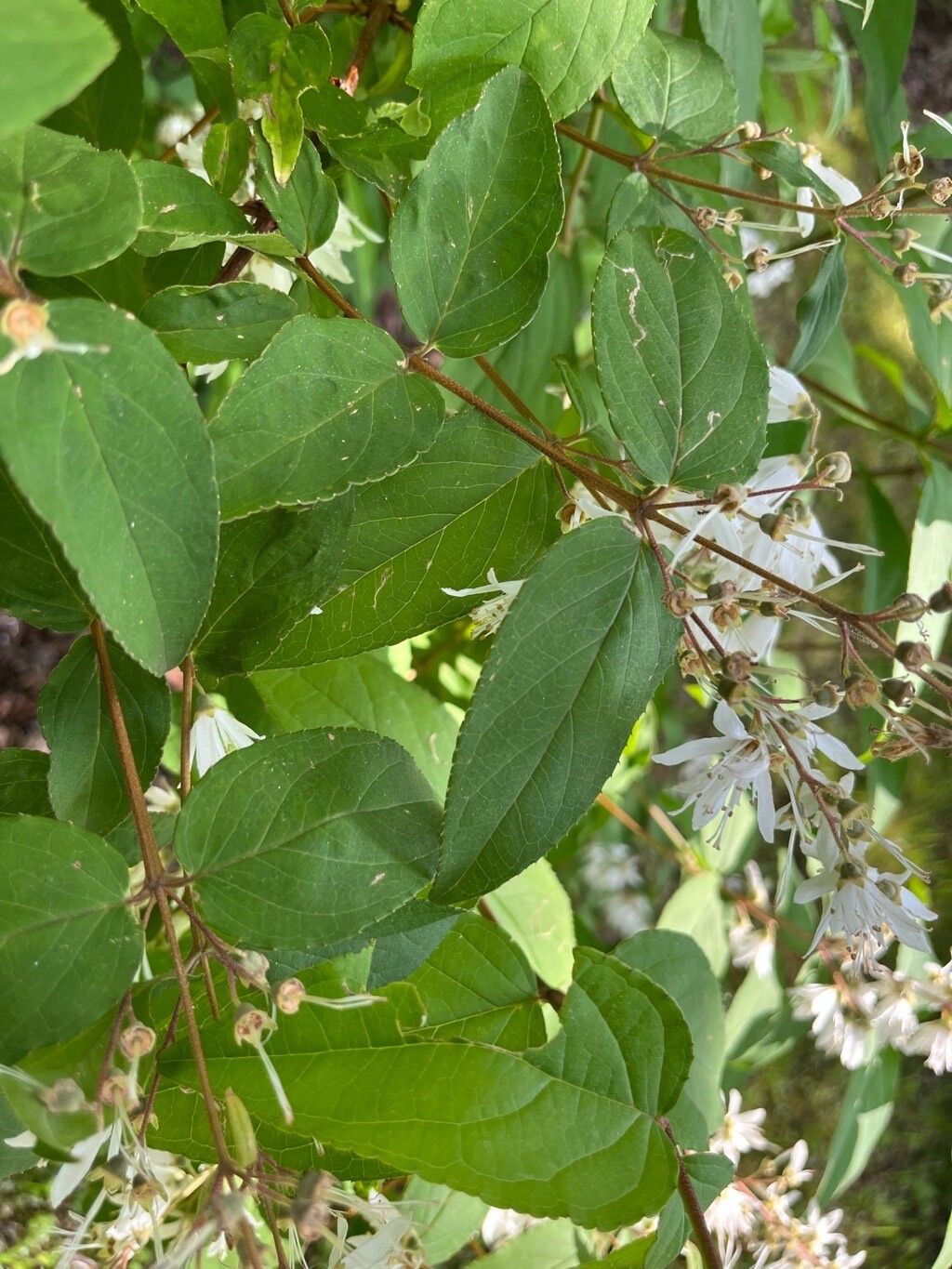
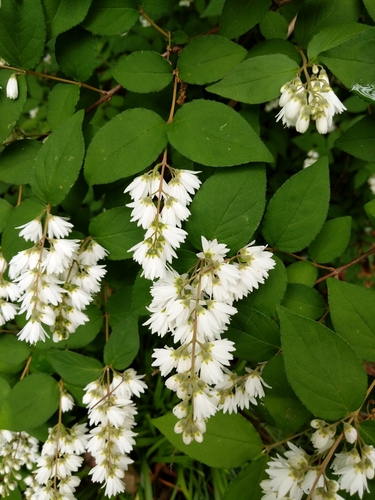
Deutzia rubens is resistant to disease and is typically not susceptible to illnesses. Regarding care, this plant is fairly low-maintenance. When grown outdoors it needs only light watering, and larger plants typically do not require pruning. Smaller plants, however, should be pruned after they finish blooming. Deutzia rubenst is appropriate for anyone with an outdoor area, such as a garden or a deck, and does not demand much experience in plant care.
How to keep Deutzia Rubens.
Light
Deutzia rubens tolerates different light levels — it does best when it receives sunlight for roughly half the day, but it can also do well in full shade or full sun. Too little or too much sun can cause reduced growth or leaf burn. Its native habitat features filtered sunlight.
Water
Deutzia rubens thrives in a moderate climate and prefers consistent moisture. It's moderately drought-tolerant but requires weekly watering to keep the soil at an optimal moisture level. This plant is usually grown outdoors, where it benefits from natural rainfall, especially during its active growing season when water demand is highest.
Temperature
Deutzia rubens is highly adaptable to a range of climatic conditions, from very hot summers to very cold winters. Nevertheless, it has an optimal temperature range for growth. When temperatures become too high, the plant is susceptible to heat and humidity stress, which can cause its death. In areas where temperatures approach the lower limit of its cold tolerance, it is important to take insulating measures to protect the plant.
Fertilizer
Correct timing is essential for fertilizing Deutzia rubens. Apply fertilizer in early spring and continue every month until early summer. Fertilizer encourages attractive blooms and supplies energy both during dormancy and in active growth periods.
Pruning
Deutzia rubens is known for its vibrant foliage and delicate flowers. To maintain its health and appearance, it's important to prune it in early spring. Start by removing any dead wood and thinning out crowded stems to improve air circulation. Additionally, cut back one-third of the oldest stems to ground level. This will promote new growth and increase flowering. Make sure to use clean tools to prevent the spread of disease.
Botanical profile.
- Plant Type
- Shrub
- Life Cycle
- Perennial
- Genus
- Deutzia
- Family
- Hydrangeaceae
- Hardiness Zone
- 5-8
- Mature Height
- 91 cm
- Mature Spread
- 0.91 m to 1.52 m
- Leaf Color
- Green
- Leaf Type
- Deciduous
- Flower Color
- Pink
- Flower Size
- 3.05 cm to 6.35 cm
- Bloom Time
- Mid spring, Late spring
- Planting Time
- Spring, Summer, Autumn
- Harvest Time
- Early summer, Mid summer
- Native Area
- China
Reader questions.
How should Deutzia rubens be watered?
Soaker hoses provide an effective method to keep leaves and flowers moist without wetting the entire plant. Simply lay the hose around the plant, turn it on for about 30 to 45 minutes, and wait for the soil to become moist. To conserve moisture, some people use drip feeders. When watering Deutzia rubens in pots, a watering can should be used. Water the plant until you see moisture dripping out of the bottom of the pots. Watering cans are portable and allow deep penetration of water into the roots for optimal growth.
Why should I put fertilizer on my Deutzia rubens plant?
Fertilizing your Deutzia rubens is important for several reasons. Firstly, it will help the plant produce beautiful blooms. To achieve excellent flowers during the spring season, it is recommended to fertilize in early spring. Secondly, fertilizer provides the Deutzia rubens with energy that it can store in the ground during its dormant growth phases. By giving it extra nutrients during fall planting or late spring, more energy will be stored for use during active growth.
How much sunlight does Deutzia rubens need to grow?
Deutzia rubens, a plant that thrives with 3-6 hours of direct sunlight daily, also requires shade during the hottest parts of the day to avoid sun damage. Morning sunlight is ideal for this plant, but it can handle some afternoon sun if it is not too hot. To provide the right amount of sunlight, consider planting Deutzia rubens in a partially sunny spot, like under a tree or on the east side of a building.
What should I do if I give Deutzia rubens too much or too little water?
If you have overwatered your Deutzia rubens plant, it's important to take steps to prevent further damage. Thankfully, Deutzia rubens is a hardy plant, so it has a higher chance of surviving this kind of situation. The first thing you should do is allow the plant to dry out by stopping watering it. The roots of these plants don't tolerate being constantly wet, so it can be helpful to aerate the soil to improve drainage. Some signs of overwatering include premature yellow leaf loss, fewer flowers, and misshapen buds. In more severe cases, the leaves may wilt and turn brown, indicating potential root rot. On the other hand, underwatering can also cause similar symptoms. If your Deutzia rubens plant is wilting, it may be a sign that it needs more water. Check the soil by sticking your finger in it - if it feels dry, this means the plant is dehydrated. In this case, it's a good idea to add water in the evening to moisten the soil. However, it's important to always check the soil for dryness and follow a regular watering schedule, preferably in the morning.
When should I fertilize my Deutzia rubens plant?
Proper timing is important for fertilizing Deutzia rubens. Avoid using fertilizer too early when the plant is still dormant. If applied at this time, the fertilizer will not be effective and may be washed away by rainwater, resulting in waste and pollution. It is recommended to apply the first dose of fertilizer in early spring and continue with monthly applications until early summer.
What happens if Deutzia rubens doesn't get enough sunlight?
Deutzia rubens, a plant, can experience negative effects from excessive sunlight exposure. This includes yellowing, drying out, burning, wilting, and stunted growth. To prevent sun damage, it is advisable to provide some shade during the hottest times of the day. This can be done using a shade cloth or by planting Deutzia rubens near taller plants that offer natural shade.
How many times do I need to water Deutzia rubens?
To properly care for your Deutzia rubens, it is recommended to water it deeply two to three times a week. If you live in a hot climate, you may need to increase the frequency of watering. The plant has average water needs and prefers moist but well-drained soil. To determine when to water, check the soil moisture by feeling it. If the soil is dry to a depth of about 2-4 inches, it is time to water. If the plant is planted outdoors, it generally requires watering 1-2 times a week. However, keep in mind that outdoor plants naturally receive moisture from rainwater, so watering less frequently when it rains is preferable.
When should I not put fertilizer on my Deutzia rubens?
To ensure optimal blooming, it's important to avoid using a fertilizer with excessive nitrogen on Deutzia rubens. This can result in abundant leaf growth but fewer blooms. Look for a fertilizer that contains a lower proportion of nitrogen compared to other essential nutrients. Additionally, it's crucial not to fertilize Deutzia rubens during late autumn, as excessive growth right before winter can be detrimental. Moreover, it's advisable to refrain from fertilizing the plant during hot and dry periods when the soil is dry. Dry soil does not efficiently deliver nutrients, and fertilizing during this time can stimulate growth that requires more water, which may not be available. It is best to apply fertilizer during earlier parts of the season, when temperatures are cooler. Lastly, bear in mind that Deutzia rubens can absorb fertilizer from nearby plants or lawns. Hence, it's important to be mindful and avoid inadvertently giving the tree/shrub a double-dose of fertilizer.
What happens if Deutzia rubens gets too much sunlight?
If Deutzia rubens doesn't receive sufficient sunlight, it could grow tall and thin, with not many leaves. The leaves might also become yellow or pale green, indicating a lack of chlorophyll production due to sunlight deprivation. To address this issue, you can attempt moving Deutzia rubens to a sunnier location or trim nearby foliage to enable more light to reach the plant.
How much water does my Deutzia rubens plant require?
The amount of water needed can vary depending on several factors, such as the weather, shade, and species. For example, newly planted Deutzia rubens will require more water compared to the established ones. In the growing season and when grown in pots, watering them once a week with a can of water should be sufficient. When they are outdoors, it's important to monitor the amount of rain they receive using moisture meters. If the soil is dry, it's recommended to water them thoroughly using a sprinkler. It's better to water the Deutzia rubens less frequently, but make sure to do so adequately to ensure they receive enough moisture.
What kind of fertilizer should I use for my Deutzia rubens?
To best nourish and enhance the growth of your Deutzia rubens, it is recommended to use a fertilizer with a well-balanced combination of the three essential plant nutrients, with somewhat higher levels of phosphorus. Alternatively, improving the soil of your Deutzia rubens can be achieved by adding organic materials like compost, worm castings, and manure. Experienced gardeners may choose to supplement with water-soluble fertilizers containing phosphorus 1-2 times when the flower buds start appearing, resulting in better flower development, larger blooms, and extended blooming time. Fertilizers for Deutzia rubens come in various forms, with liquid or powdered options being particularly effective. Regardless of the form chosen, it is important to dilute the fertilizer and apply it during watering of your Deutzia rubens.
Why is it important to water my Deutzia rubens plant?
Understanding the watering needs of the plants you grow is crucial for their successful growth, regardless of the plant type. Deutzia rubens, in particular, requires ample water to thrive but can easily droop if not adequately moistened. It is important to keep the soil consistently moist, while also ensuring good drainage to avoid root rot. Both overwatering and underwatering can cause issues such as reduced flower production and stunted growth.