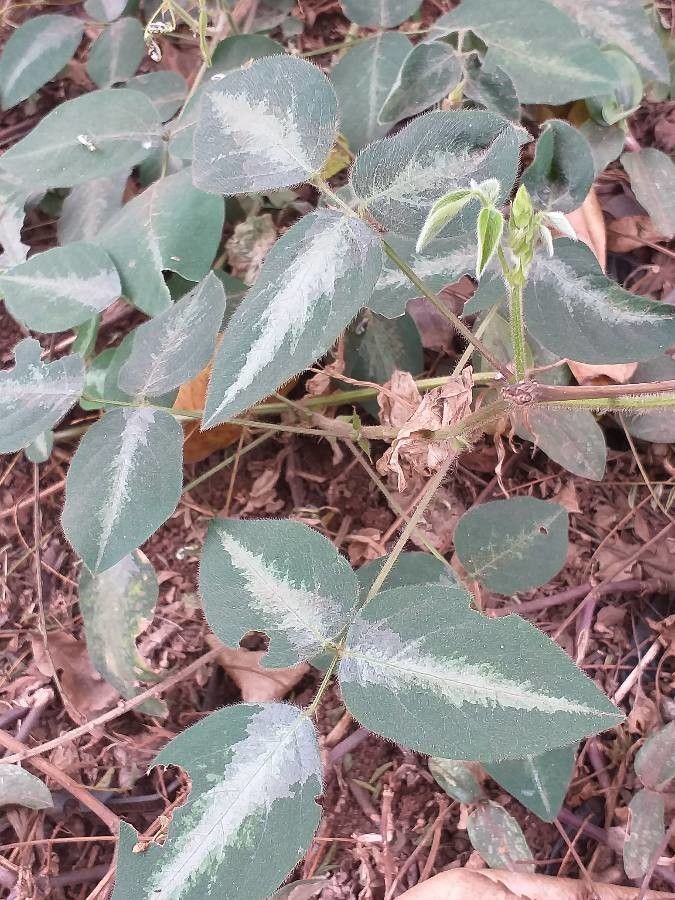
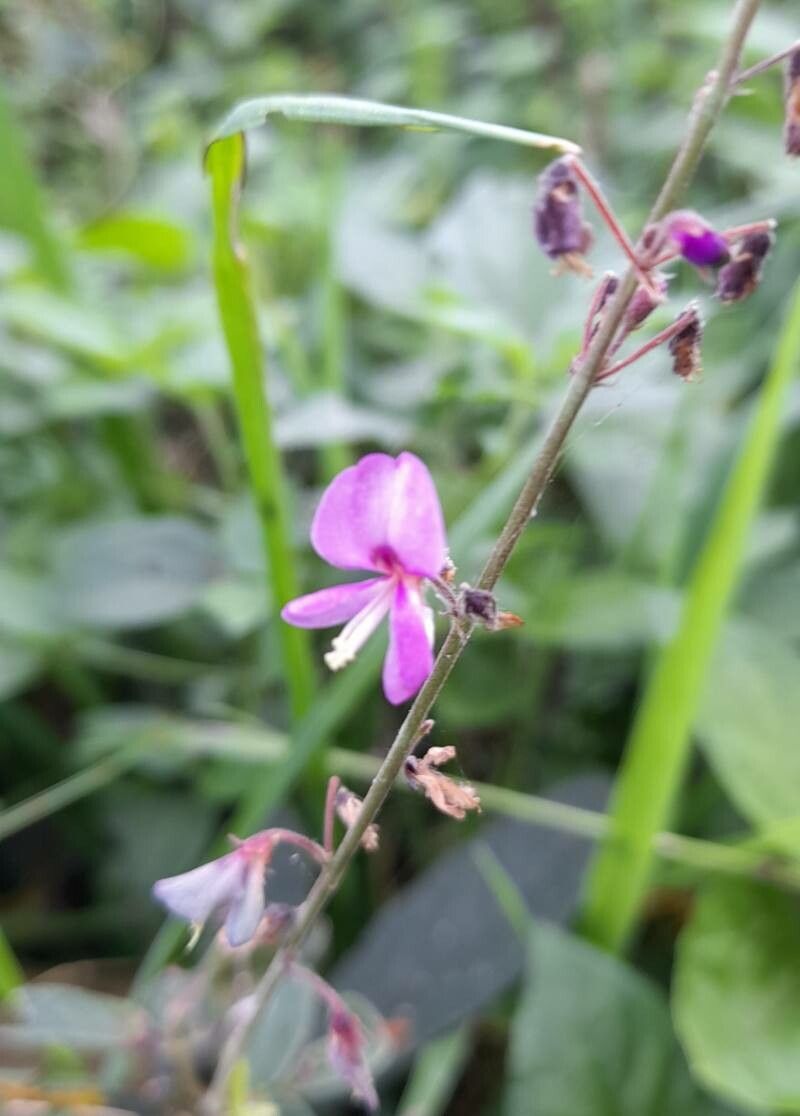
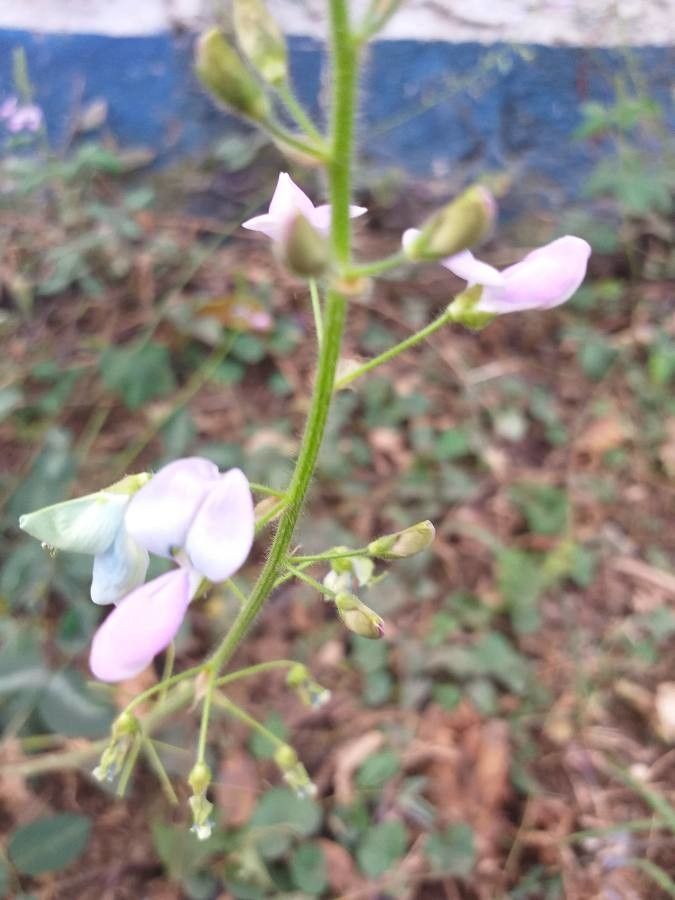
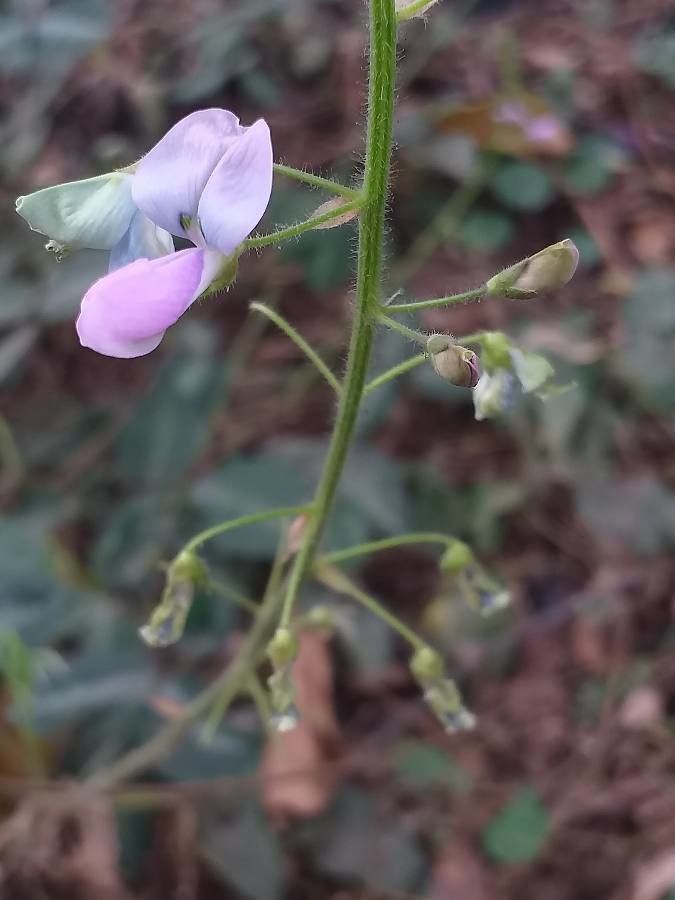
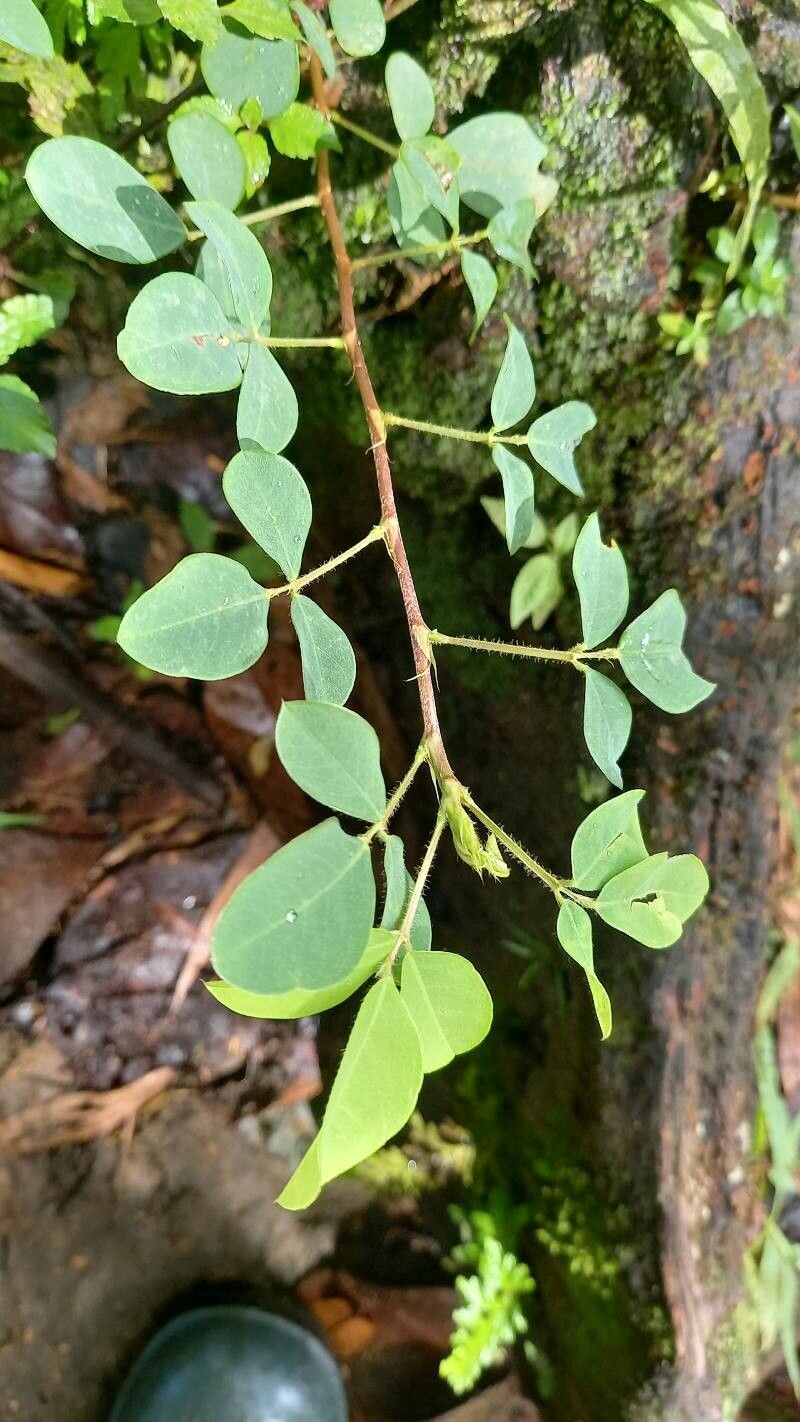
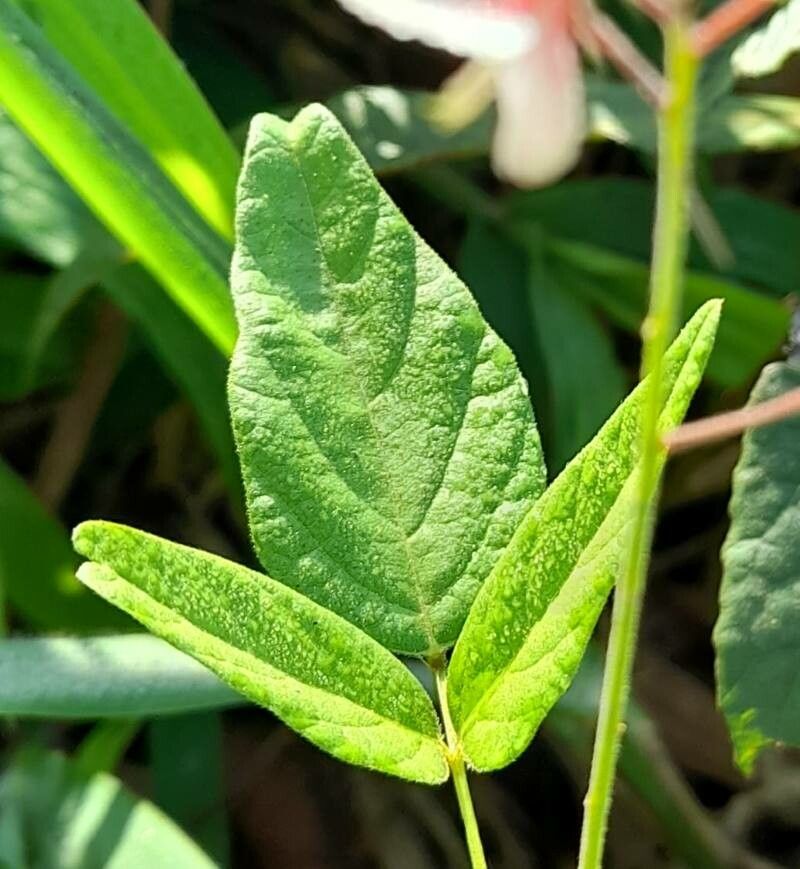
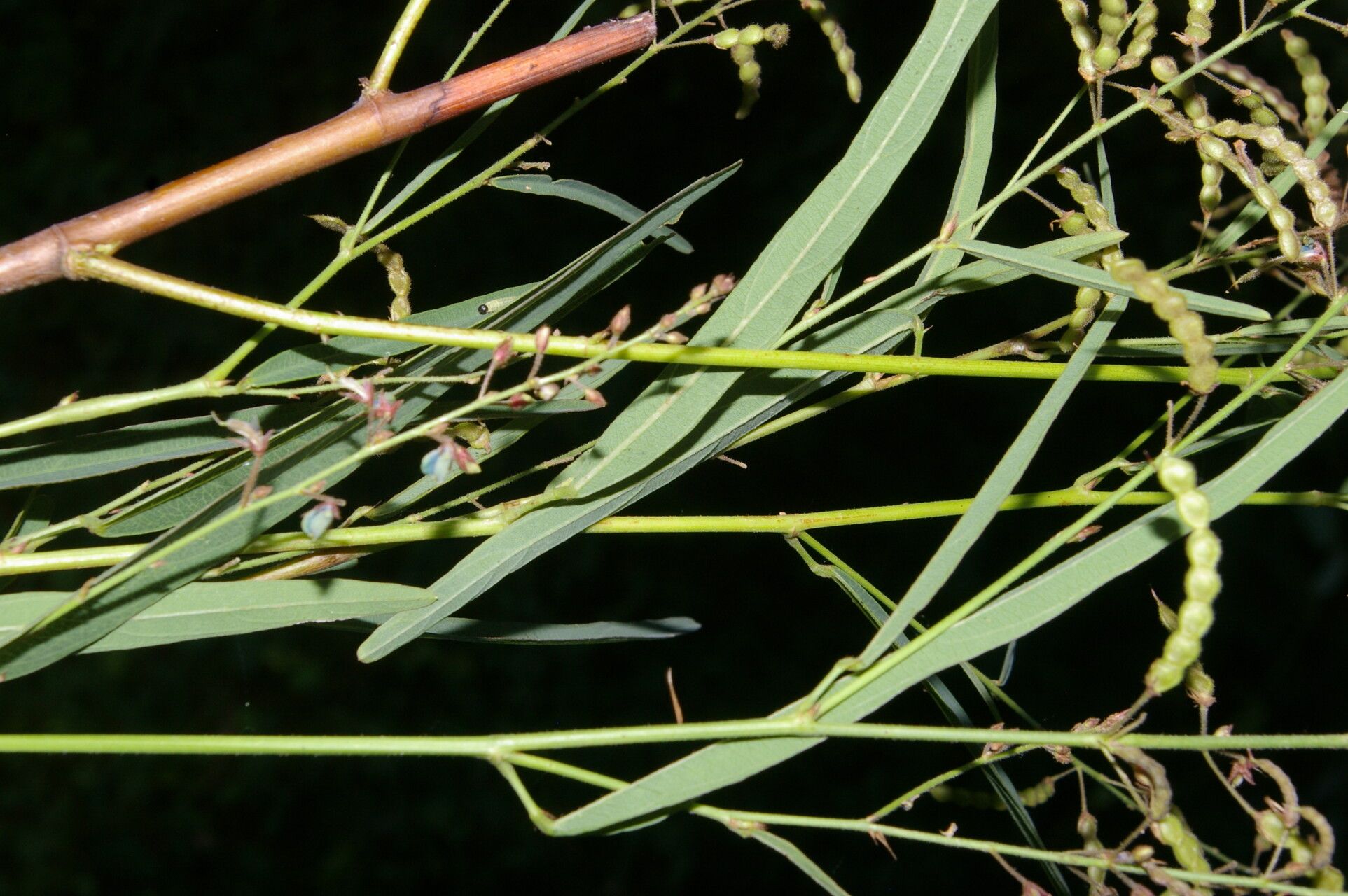
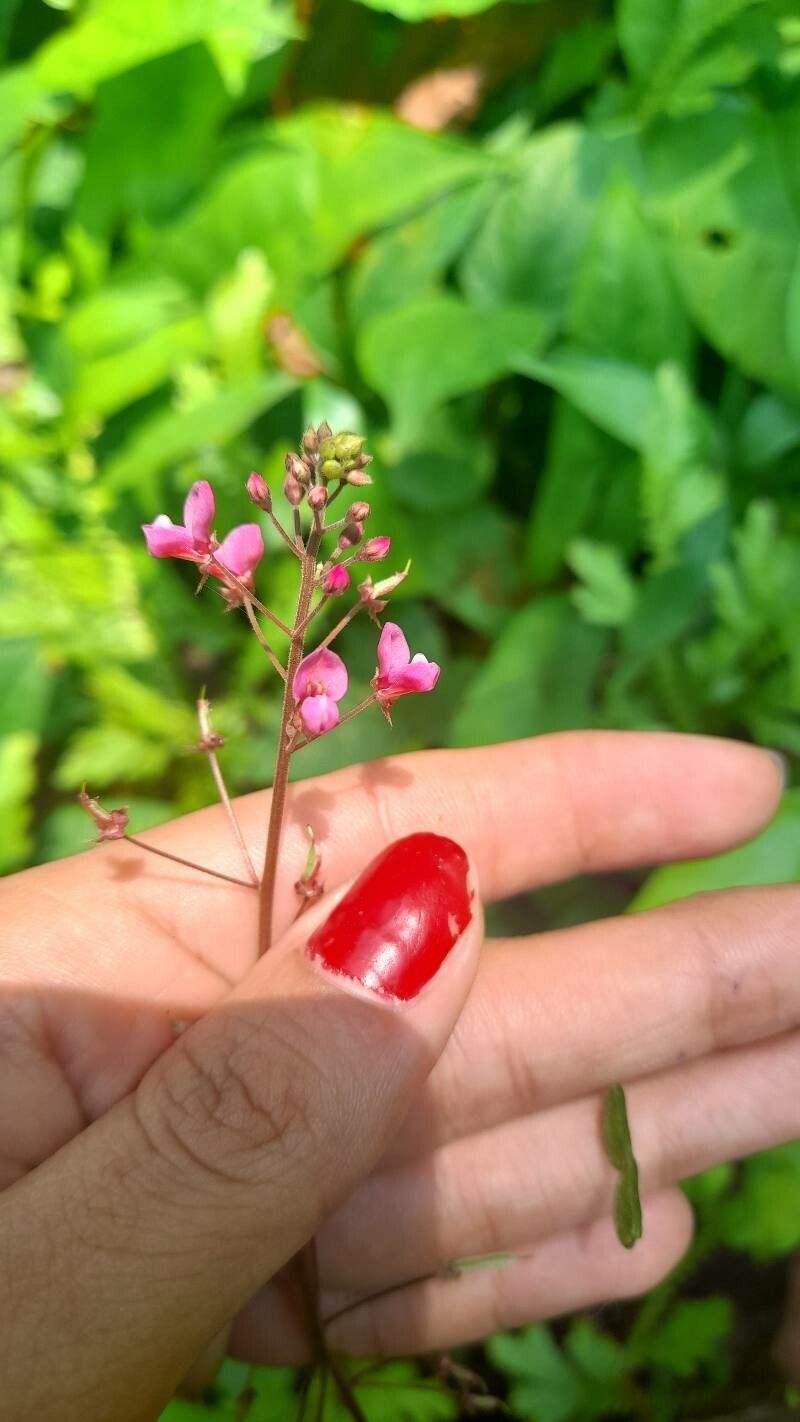
Desmodium uncinatum, the silverleaf desmodium, is a species of flowering plant in the family Fabaceae, native to Latin America, and introduced as a fodder to various locales in Africa, India, New Guinea, Australia and Hawaii. Although chiefly a fodder, it can also be used for pasture, deferred feed, cut-and-carry, hay, ground cover, and mulch. It is considered invasive in Australia and Hawaii.This species of Desmodium has also found use in the push-pull technology for pest management where it is grown as an intercrop between rows of a cereal crop to control stem-boring insects and fall armyworms. Together with D. intortum (greenleaf desmodium) they are the most common two intercrops of push-pull technology.
Silverleaf desmodium has good disease resistance and is generally not prone to illnesses. However, it can be susceptible to pests and diseases found in its surroundings. These infections are usually not severe. For care, this plant requires moderate maintenance. It needs regular pruning to keep a pleasing appearance and support healthy growth. Fertilizing can also help encourage flowering. Silverleaf desmodium is suitable for anyone with outdoor space, such as a garden or patio, and does not demand extensive plant-care experience. It may need more attention when grown indoors.
How to keep Desmodium Uncinatum.
Light
Silverleaf desmodium naturally inhabits places like forest understories or rocky sites, where it receives natural shade. It favors partial sun but can tolerate full sun or full shade, demonstrating its versatile and hardy nature.
Temperature
Silverleaf desmodium comes from tropical areas, where the climate is generally warm and humid. Consequently, it is well suited to high temperatures and humidity. It does not tolerate sudden temperature changes and prefers a consistent thermal environment, so avoiding temperature fluctuations indoors is important. It typically cannot withstand cold temperatures and requires warmer conditions for growth. If the surrounding temperature falls too low, the plant may stop growing or even die.
Fertilizer
Silverleaf desmodium needs the most fertilizer during its active growing period, which is mainly in spring, summer, and early fall. Fertilization is required to supply essential nutrients that might be missing from the soil, encouraging healthy root and stem growth as well as attractive foliage, a key characteristic of this plant.
Pruning
To help Silverleaf desmodium flourish, it's important to prune it regularly in early spring. This encourages growth and helps control its size. Removing dead or damaged parts improves air circulation and allows more light to reach the plant, resulting in denser foliage and enhanced flowering. Be sure to use clean, sharp tools to prevent disease and promote the plant's overall health.
Botanical profile.
- Plant Type
- Herb, Vine
- Life Cycle
- Perennial
- Genus
- Desmodium
- Family
- Fabaceae
- Hardiness Zone
- 9-11
- Mature Height
- 0.49 m to 1.52 m
- Mature Spread
- 0.91 m to 2.13 m
- Leaf Color
- Green, Dark Green
- Leaf Type
- Evergreen
- Flower Size
- 0.76 cm to 1.27 cm
- Bloom Time
- Summer, Early fall, Mid fall
- Planting Time
- Spring, Summer, Autumn
- Harvest Time
- Late summer, Fall, Early winter
Other names.