Desmodium paniculatum, commonly known as the Panicled Tick Trefoil, is a perennial herbaceous plant in the Fabaceae family. Native to tropical and subtropical regions of Asia and Africa, it has also been introduced to other parts of the world as an ornamental plant.
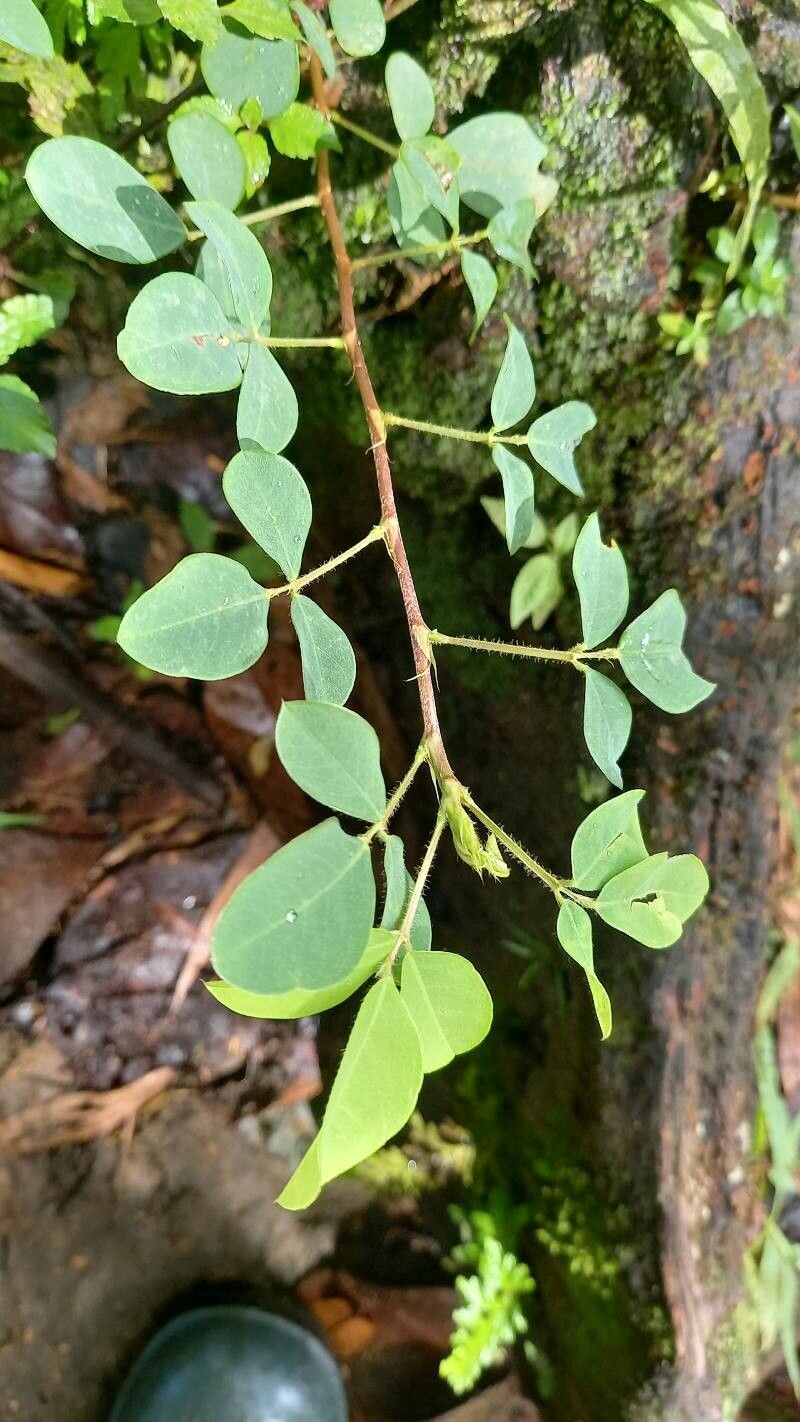
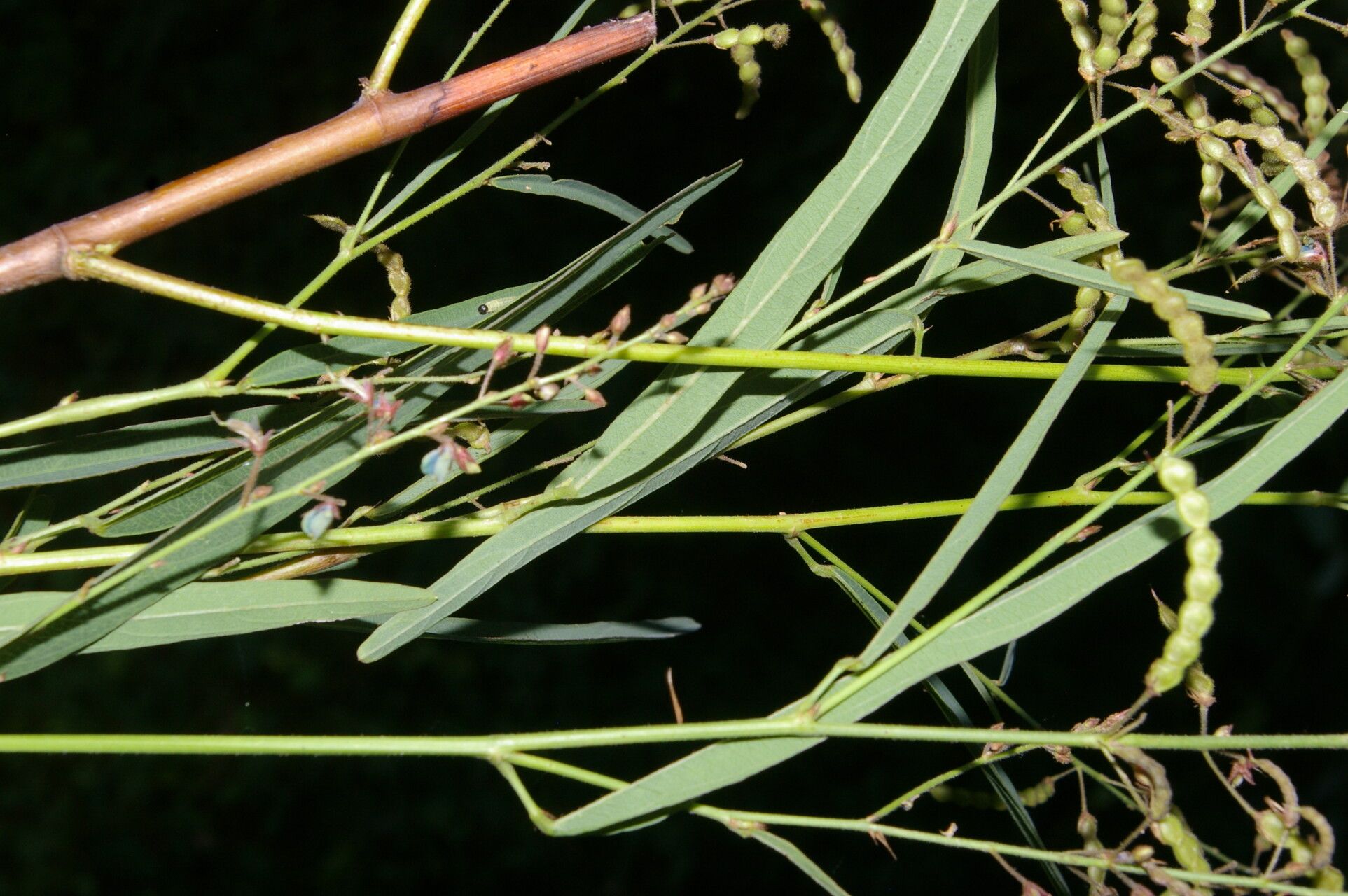
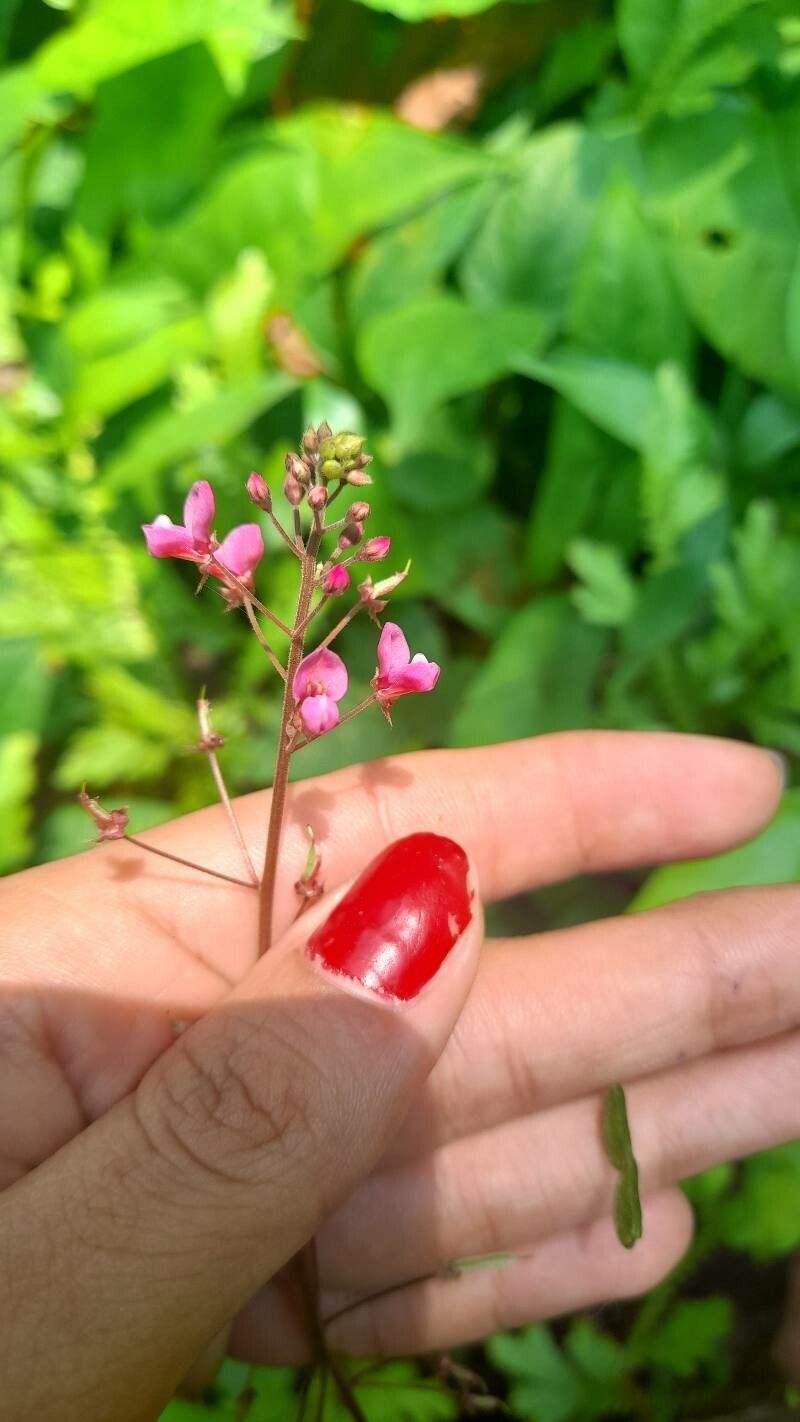
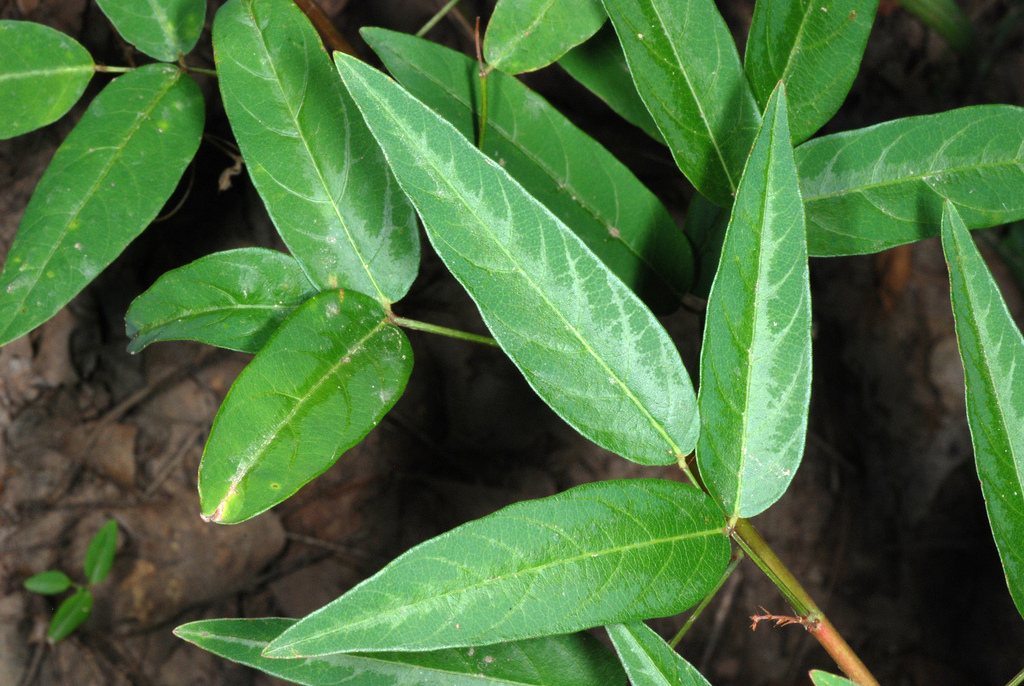
The Panicled Tick Trefoil can grow up to 1 meter tall, featuring a woody stem with branches covered in fine hairs. Its leaves are trifoliate, meaning each leaf is composed of three leaflets, which are ovate or elliptic in shape and can measure up to 10 cm long and 5 cm wide. The flowers are small and come in shades of pink or purple, arranged on long panicles that can reach up to 30 cm in length.
Desmodium paniculatum is renowned for its medicinal properties. Traditionally, it has been used to treat various ailments such as fever, coughs, asthma, and diarrhea. The plant contains several bioactive compounds, including flavonoids, which have antioxidant properties.
This plant prefers well-drained soils with moderate moisture levels but can tolerate drought conditions once established. It thrives in both full sun and partial shade, making it an ideal ornamental plant for gardens.
In conclusion, Desmodium paniculatum is a versatile perennial herb that offers aesthetic value through its beautiful flowers and medicinal benefits through its bioactive compounds, making it an important addition both ecologically and medicinally.
Panicledleaf ticktrefoil is fairly resistant to disease and generally does not suffer from many illnesses. However, it can be vulnerable to pests and pathogens present in its environment. Such infections are typically mild. In terms of care, this plant has moderate maintenance needs. It should be pruned regularly to preserve an attractive appearance and promote healthy growth. Fertilizing can also help encourage flowering. Panicledleaf ticktrefoil is suitable for anyone with outdoor space, like a garden or patio, and does not require extensive experience in plant care. It may demand more attention when grown indoors.
How to keep Desmodium Paniculatum.
Light
Panicledleaf ticktrefoil does best in full-sun conditions. It can, however, tolerate locations that receive only part of the day's sunlight. The plant comes from areas where sunlight is present for most of the day. Excessive or insufficient sunlight can reduce its growth and vigor.
Water
Panicledleaf ticktrefoil flourishes in humid environments where it requires consistent moisture, though it’s important to avoid waterlogging. Providing water weekly helps meet its needs. This herbaceous plant requires more hydration during its active outdoor growing season to remain healthy and promote growth.
Temperature
Panicledleaf ticktrefoil favors temperatures of 41 to 95 ℉ (5 to 35 ℃). It grows best in its native surroundings when temperatures remain within that range. In cooler seasons, it may benefit from protection or increased sunlight exposure to maintain optimal temperature conditions.
Fertilizer
One spring application of fertilizer is generally enough for Panicledleaf ticktrefoil, though repeated feedings can promote more vigorous growth. Apply fertilizer roughly every month to six weeks. Fertilization improves the appearance and function of the leaves, maintaining even color and a healthy texture. It also encourages root development and enhances nutrient uptake for lasting plant health.
Pruning
The panicledleaf ticktrefoil features delicate, panicle-shaped flowers and trifoliate leaves. For best results, prune this plant from early to late spring, concentrating on removing dead or damaged stems to encourage new growth and improve airflow. Be careful not to over-prune, as this can impact its blooming potential. Instead, engage in regular light pruning to maintain its shape and vitality, which will enhance its overall health.
Botanical profile.
- Plant Type
- Herb
- Life Cycle
- Perennial
- Genus
- Desmodium
- Family
- Fabaceae
- Hardiness Zone
- 5-9
- Mature Height
- 91 cm
- Mature Spread
- 30 cm to 46 cm
- Leaf Color
- Green, Blue
- Leaf Type
- Evergreen
- Flower Color
- Pink, Purple
- Flower Size
- 2.54 cm
- Bloom Time
- Early summer, Mid summer
- Planting Time
- Spring
- Harvest Time
- Mid summer
Other names.
Reader questions.
How should I water my Panicledleaf ticktrefoil plant?
To properly water the Panicledleaf ticktrefoil, follow these steps for best results. First, use filtered water that is at room temperature. This type of water is preferred because tap water may contain harmful particles. Next, consider the plant's origin. Since the Panicledleaf ticktrefoil comes from a warm environment, it's important to avoid using cold water, as it can be shocking to the plant. Additionally, overhead watering should be avoided to prevent complications with the foliage. Instead, focus on the soil. Apply the filtered room temperature water directly to the soil until it is completely soaked. This method of soaking the soil is highly beneficial for this plant as it enables the roots to spread and collect the necessary nutrients.
Why should I put fertilizer on my Panicledleaf ticktrefoil plant?
Ensuring that the leaves of the Panicledleaf ticktrefoil look great and perform their function is crucial, and one effective way to achieve this is through fertilization. Proper fertilization promotes consistent leaf color and a healthy texture. Moreover, fertilization also benefits the plant below the soil's surface by promoting the growth of new roots and maintaining existing ones. This dual effect means that fertilization not only keeps the plant healthy at present, but also improves its ability to absorb soil nutrients in the future.
What are the sunlight requirements for Panicledleaf ticktrefoil?
Panicledleaf ticktrefoil thrives best under full sun conditions, requiring above 6 hours of sunlight daily. It can, however, tolerate partial sun, which is about 3-6 hours of sunlight. This plant originates from environments with abundant sunlight for most of the day. Whether placed indoors or outdoors, insufficient or excessive exposure to sunlight can negatively affect its growth and vitality. Observing how sunlight moves through your garden will help you choose locations that offer the right balance of light and shade, ensuring your plants' happiness.
What temperature conditions are best for Panicledleaf ticktrefoil?
Panicledleaf ticktrefoil, or Desmodium paniculatum, thrives in temperatures ranging from 41°F to 95°F (5°C to 35°C). It is well-suited to its native environment within this temperature range. During cooler seasons, it may benefit from additional protection or more sunlight exposure to maintain optimal conditions. Although it has strong cold resistance, in regions where winter temperatures may drop below -25°C, steps should be taken to protect the plant from extreme cold. This can include covering the plant with soil or straw and watering it abundantly before the first freeze in autumn to ensure the soil is moist when it enters a frozen state, thus preventing drought and water scarcity during the colder months.
What should I do if I give my Panicledleaf ticktrefoil too much or too little water?
Overwatering is a common issue for Panicledleaf ticktrefoil and can lead to wilting, yellowing of leaves, and various diseases like root rot, mold, and mildew. Underwatering is less common, but can cause brittle, brown leaves. To prevent damage from overwatering, it's important to notice the signs early and reduce watering. If the soil drains poorly, replace it with a well-draining mix. If underwatering is the problem, increase watering until the signs disappear.
When should I fertilize my Panicledleaf ticktrefoil for the best results?
If you grow Panicledleaf ticktrefoil outdoors, it will start growing new leaves in early spring. This is your cue to start fertilizing for the year. Usually, a single application of fertilizer in the spring is enough for the plant's growth. But if you want to maximize its growth, you can fertilize it multiple times during spring and early summer. In this case, you can feed it once every month to a month and a half.
How can artificial lighting be used for Panicledleaf ticktrefoil indoors?
When natural sunlight is insufficient, especially during winter or in less sunny spaces, panicledleaf ticktrefoil can benefit significantly from artificial lighting. To ensure optimal growth, choose the right type of artificial light, such as LED lights that provide specific wavelengths needed by plants. Full sun plants need 30-50W/sq ft of light, partial sun plants 20-30W/sq ft, and full shade plants 10-20W/sq ft. Set the light source 12-36 inches above the plant, mimicking natural sunlight, and ensure the lighting duration matches the natural daylight hours for your plant species, which is usually about 8-12 hours per day.
How should you care for Panicledleaf ticktrefoil in low temperatures?
Panicledleaf ticktrefoil is cold-tolerant and prefers temperatures to remain above 5°C. When winter temperatures are expected to stay above -20°C but can drop below -25°C, there may not be noticeable changes to the plant during winter. However, these conditions might lead to decreased sprouting or failure to sprout in spring. To manage this, it is recommended to remove any parts of the plant that have failed to sprout once spring arrives as a rejuvenation technique.
How often do I need to water my Panicledleaf ticktrefoil?
If your Panicledleaf ticktrefoil is in a pot, the most precise way to determine if it needs water is by checking the soil. When you dip your finger into the soil and find that the top two to three inches are dry, it's time to water it. Similarly, if you have planted the Panicledleaf ticktrefoil outdoors, you can use the same method to test the soil. Once the top few inches have dried out, you should water the plant. Typically, during spring and early fall, you will need to water it about once a week. However, in extremely hot weather, you may have to water it twice or even more per week. Nevertheless, mature and well-established Panicledleaf ticktrefoil plants have an impressive ability to tolerate drought.
When is it not a good idea to put fertilizer on my Panicledleaf ticktrefoil?
During late fall and winter, your Panicledleaf ticktrefoil enters a dormant phase and stops producing new growth. It is advisable to avoid fertilizing it during this period. If you decide to fertilize multiple times in spring and summer, start reducing the fertilization rate as summer approaches since the growth rate of your Panicledleaf ticktrefoil will also slow down. In general, it is not recommended to fertilize your Panicledleaf ticktrefoil during extremely hot weather or when the soil is excessively dry. Fertilizing in such conditions can stress your Panicledleaf ticktrefoil and lead to its premature demise.
What are the signs of inadequate sunlight for Panicledleaf ticktrefoil?
Panicledleaf ticktrefoil shows several symptoms when exposed to inadequate lighting, including smaller new leaves, leggy or sparse growth, accelerated leaf drop, slower or halted new growth, lighter-colored new leaves, chlorosis, and symptoms of overexposure like sunscald, leaf curling, wilting, and leaf scorching. These symptoms indicate the plant is either receiving too much or too little sunlight, affecting its ability to thrive.
What are the recommended care instructions for Panicledleaf ticktrefoil in high temperatures?
In higher temperatures, particularly during summer, it is important to ensure that Panicledleaf ticktrefoil does not experience temperatures above 35°C. Exposure to temperatures over 38°C can cause the leaves to lighten in color, become prone to curling, suffer from sunburn, and in severe cases, lead to wilting and drying of the entire plant. To mitigate these effects, trim away sunburned and dried-up parts of the plant, relocate it to a shaded area away from the harsh midday and afternoon sun, or use a shade cloth. Additionally, watering the plant in the morning and evening can help keep the soil adequately moist and protect the plant from heat stress.