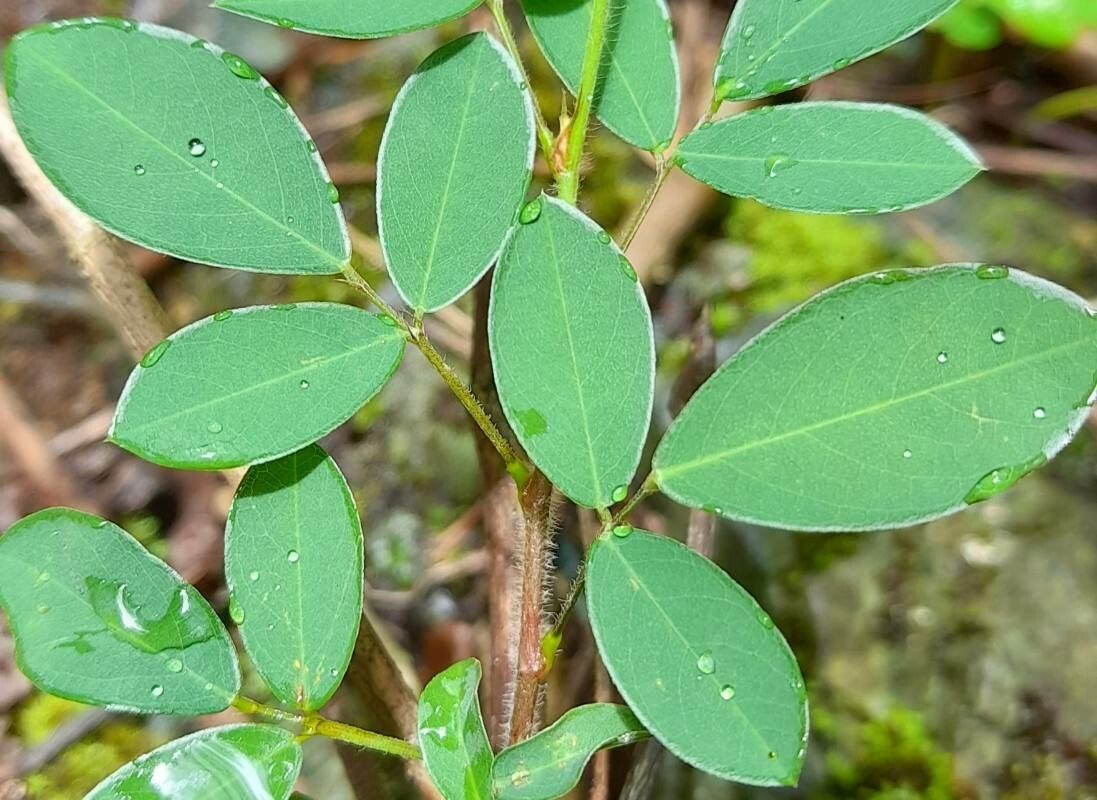
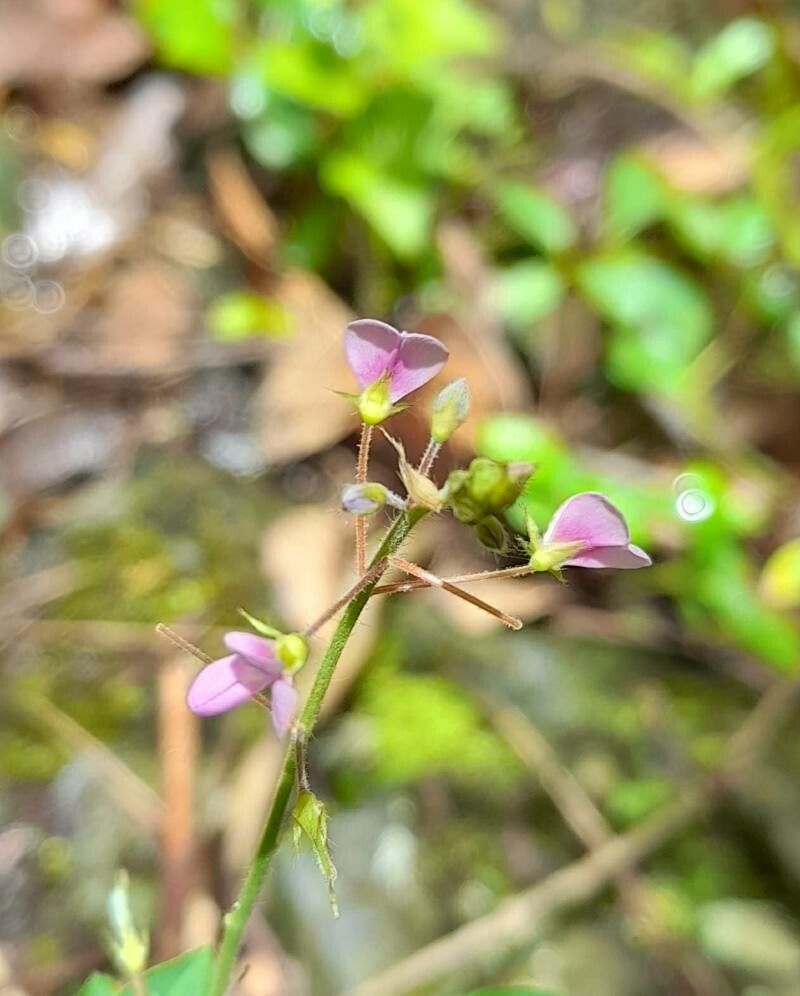
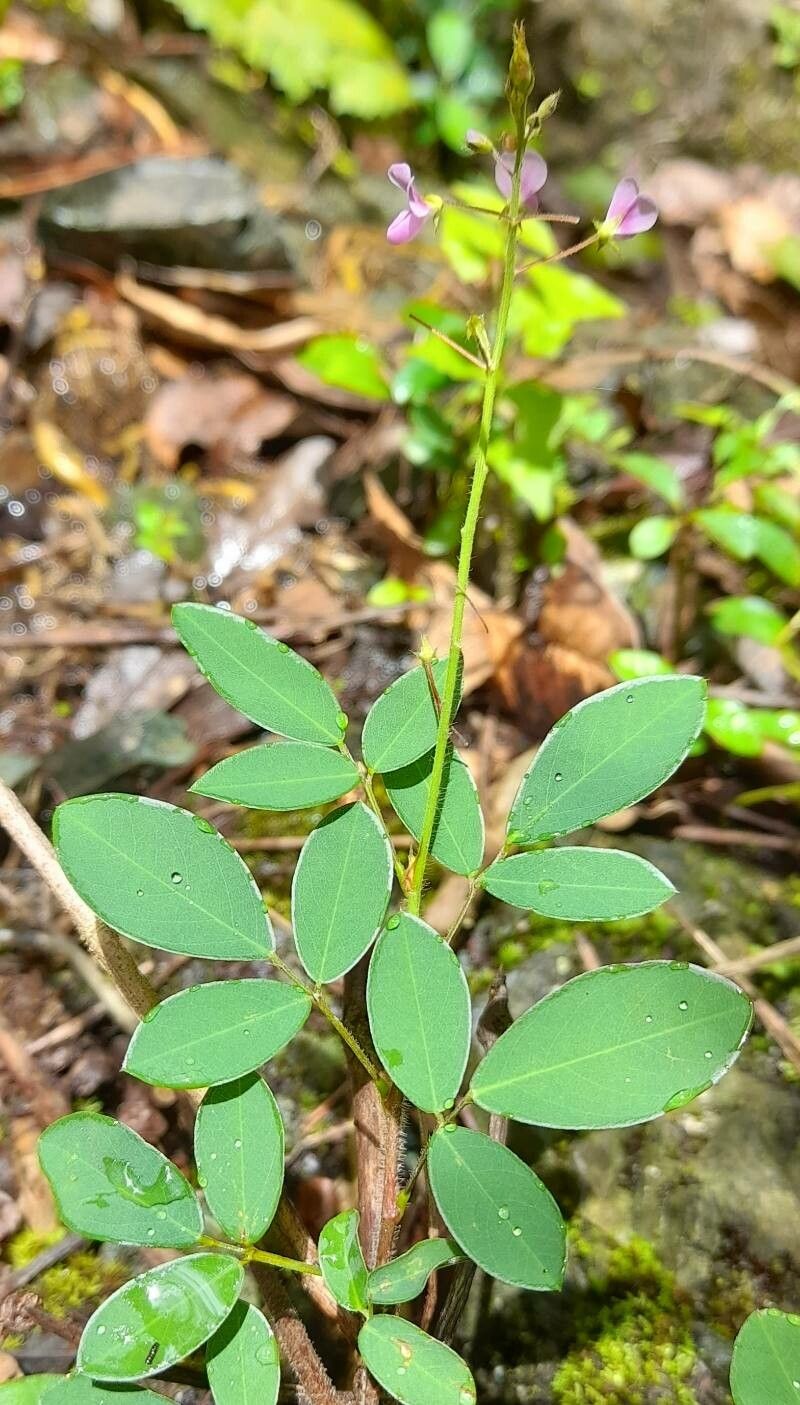
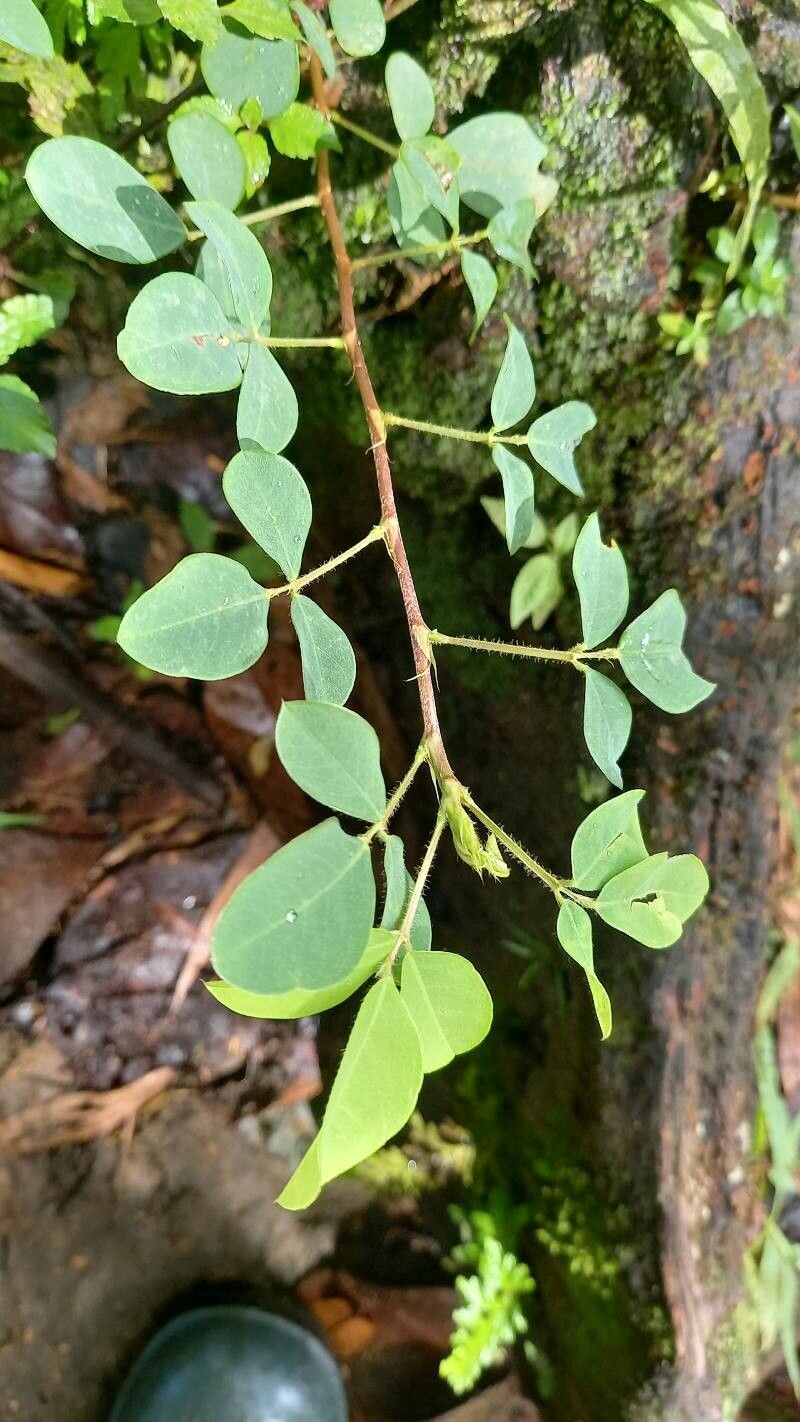
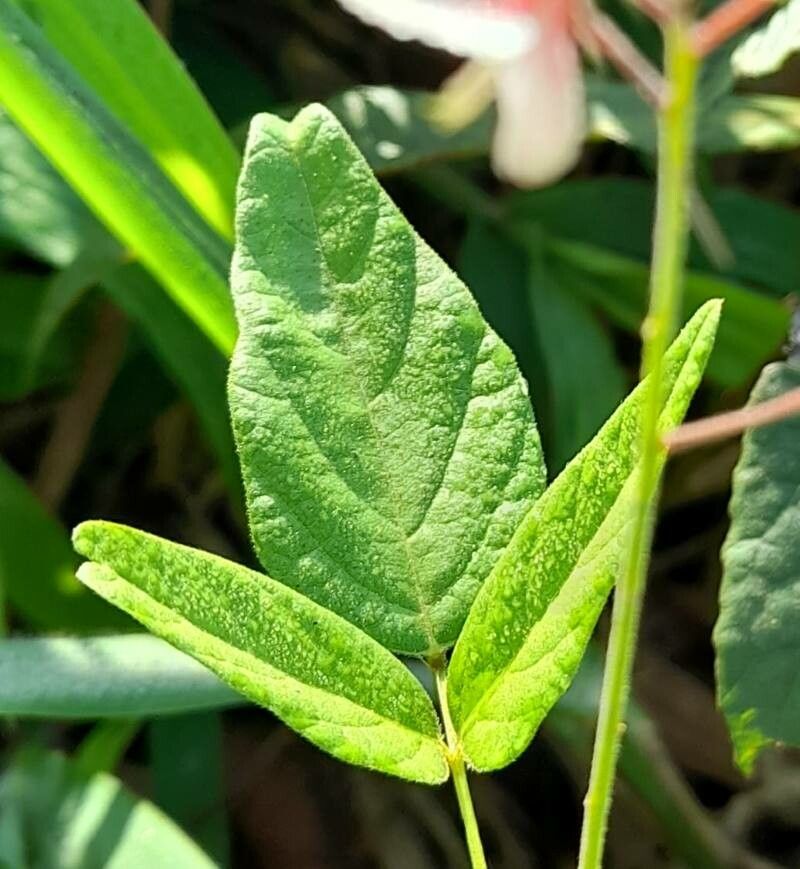
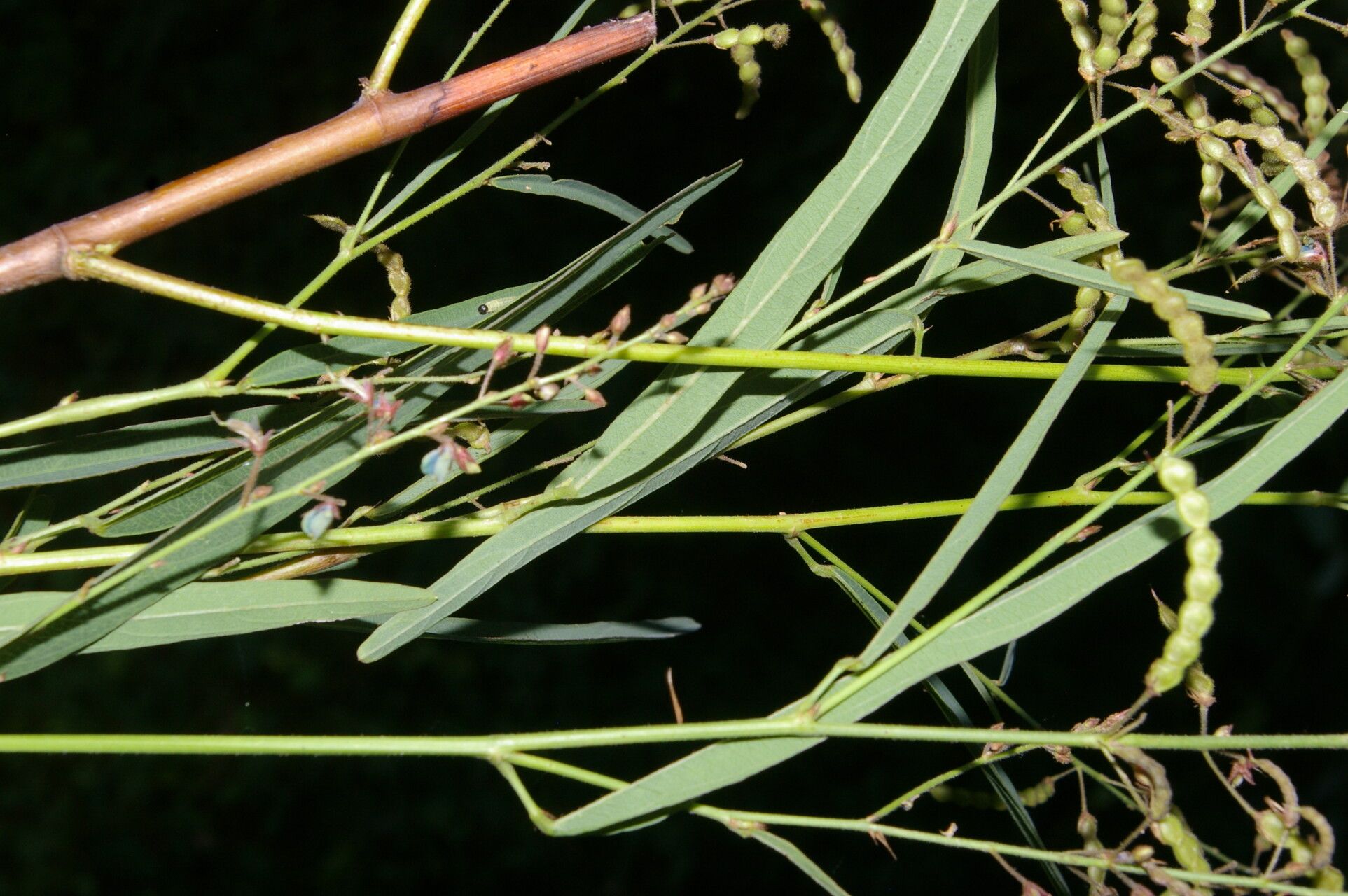
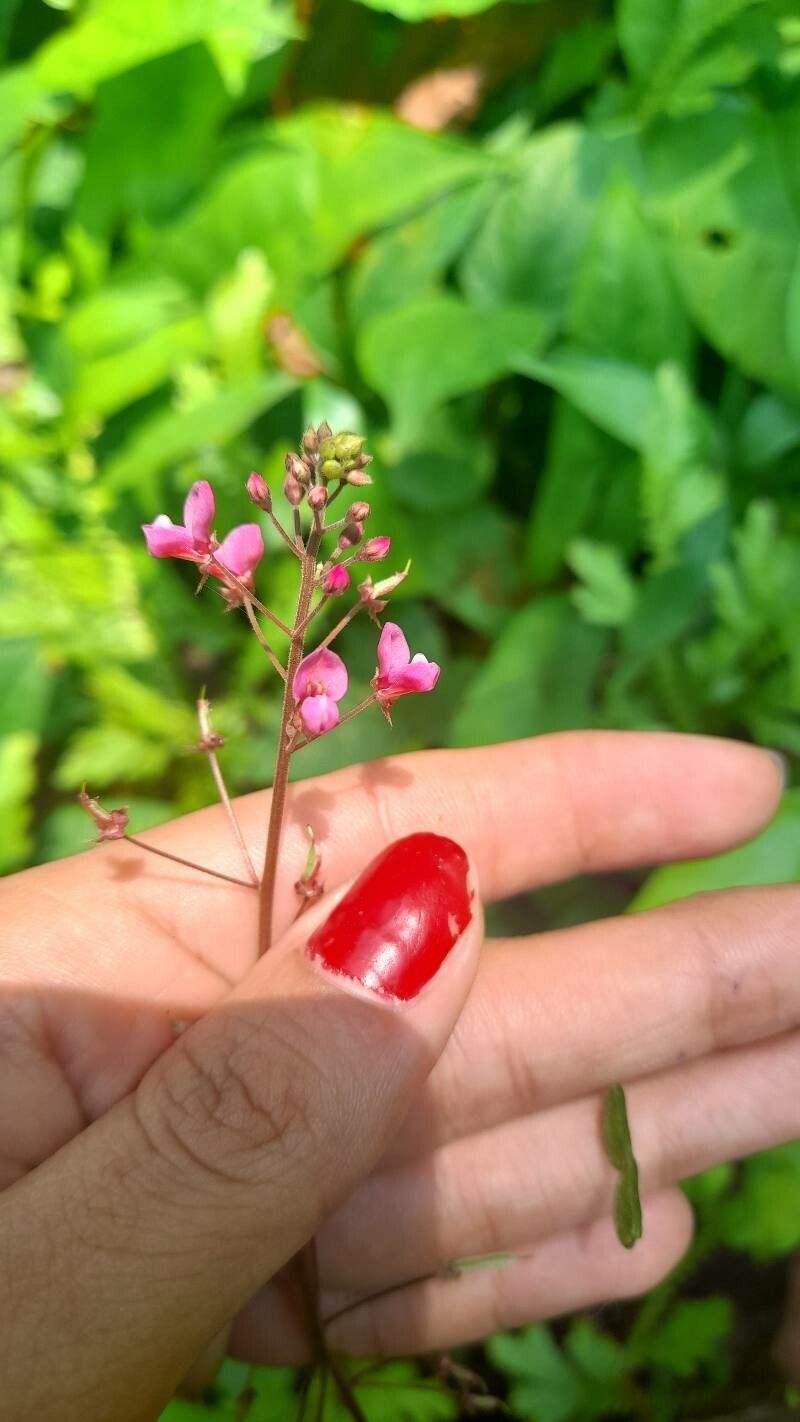
Desmodium ciliare, the hairy small-leaf ticktrefoil, is a perennial forb native to North America. It grows 0.2-1.0 meters tall, has alternate, trifoliolate compound leaves, and pink or purple flowers.
Hairy small-leaf tick-trefoil has strong disease resistance and is generally not prone to diseases. However, it can be affected by pests and diseases present in its environment; these infections are typically not severe. Regarding care, this plant requires a moderate level of maintenance. It should be pruned regularly to maintain a good appearance and healthy growth, and fertilizing can help encourage flowering. Hairy small-leaf tick-trefoil is suitable for anyone with outdoor space, such as a garden or patio, and does not demand extensive care experience. It may require more attention when grown indoors.
How to keep Desmodium Ciliare.
Light
Hairy small-leaf tick-trefoil is a sun-loving, perennial herbaceous plant that comes from open habitats and is commonly found in meadows and grasslands. It prefers full sun but can also tolerate partial sun.
Temperature
Hairy small-leaf tick-trefoil is fairly adaptable to temperature, able to tolerate higher heat and wide temperature fluctuations. In hot conditions, care should be taken to water it and provide suitable shade to prevent sunburn. However, it has relatively poor cold tolerance; while it can endure some chill, excessively cold conditions can cause frost damage.
Fertilizer
One fertilizer application in spring is typically adequate for Hairy small-leaf tick-trefoil, though multiple feedings can maximize growth. Apply fertilizer about once every month to a month and a half. Fertilizing improves leaf appearance and function, helping maintain uniform color and a healthy texture. It also encourages root development and nutrient absorption for long-term plant health.
Pruning
The hairy small-leaf tick-trefoil has small, trifoliate leaves covered in hair. To maintain its shape and health, prune the plant from early to late spring. This will help remove damaged growth and promote bushiness. Be sure to use sharp tools for clean cuts. Regular pruning enhances blooming and overall health. Improve airflow by thinning the branches, and check for pests and diseases after pruning.
Botanical profile.
- Plant Type
- Herb
- Life Cycle
- Perennial
- Genus
- Desmodium
- Family
- Leguminosae
- Hardiness Zone
- 5-9
- Mature Height
- 30 cm to 91 cm
- Mature Spread
- 30 cm to 61 cm
- Leaf Color
- Green, Dark Green
- Leaf Type
- Deciduous
- Flower Size
- 0.51 cm to 0.76 cm
- Bloom Time
- Mid summer, Late summer, Early fall
- Planting Time
- Spring, Summer, Autumn
- Harvest Time
- Early fall, Mid fall
- Native Area
- Honduras, Bahamas
Other names.