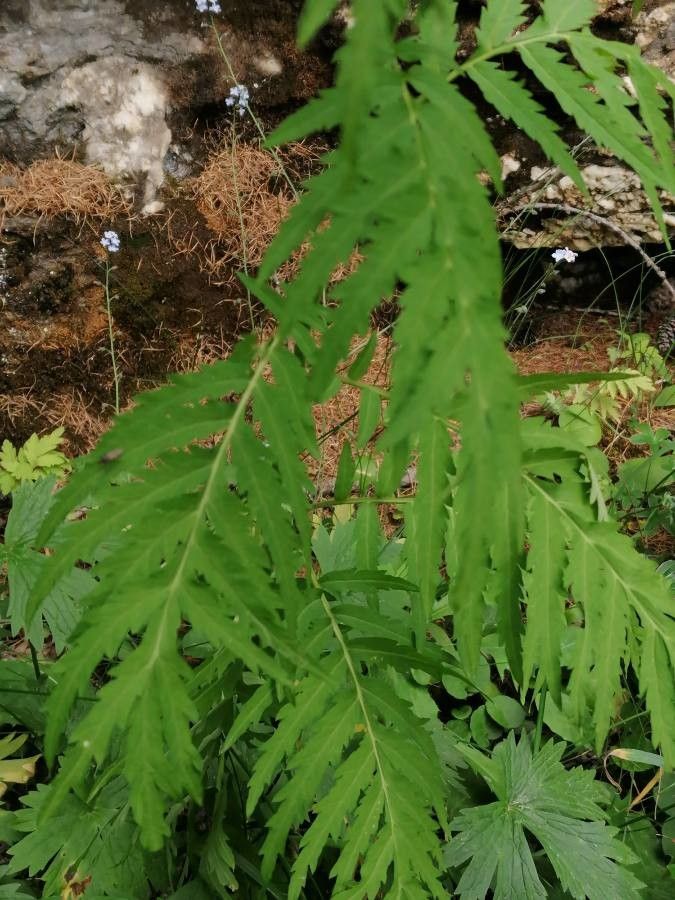
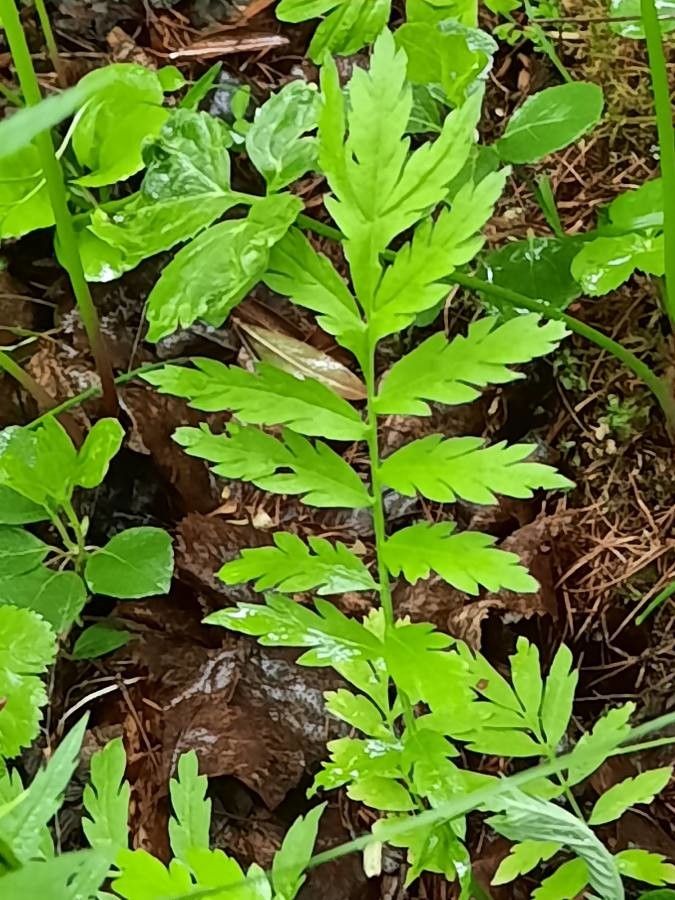
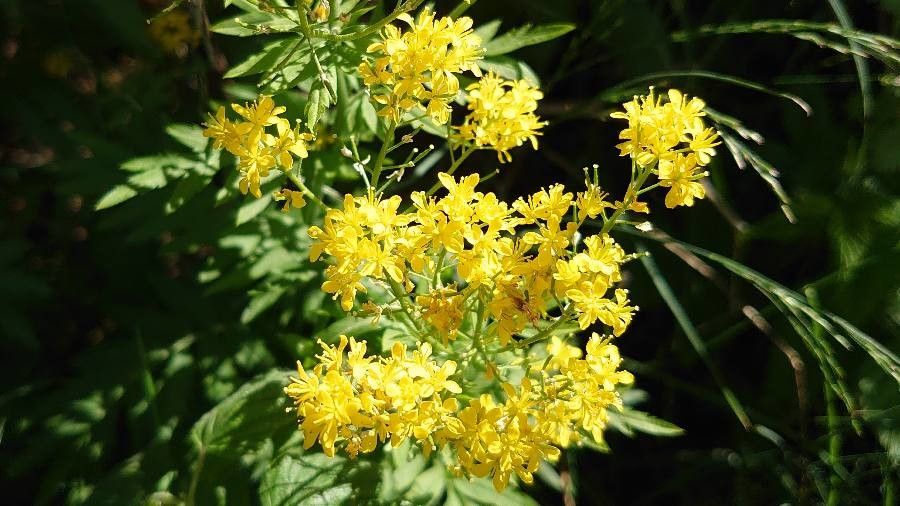
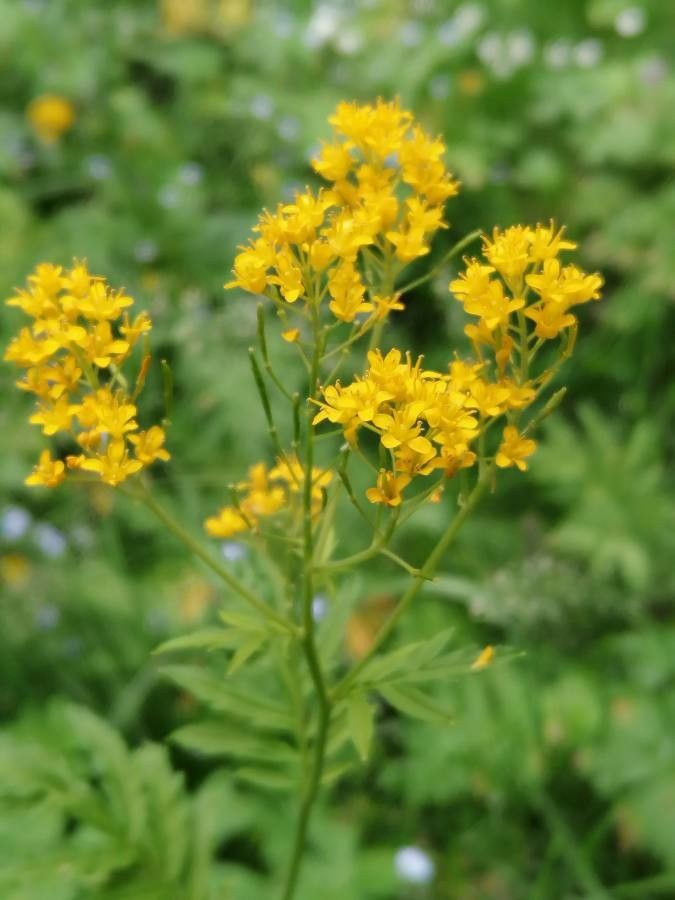
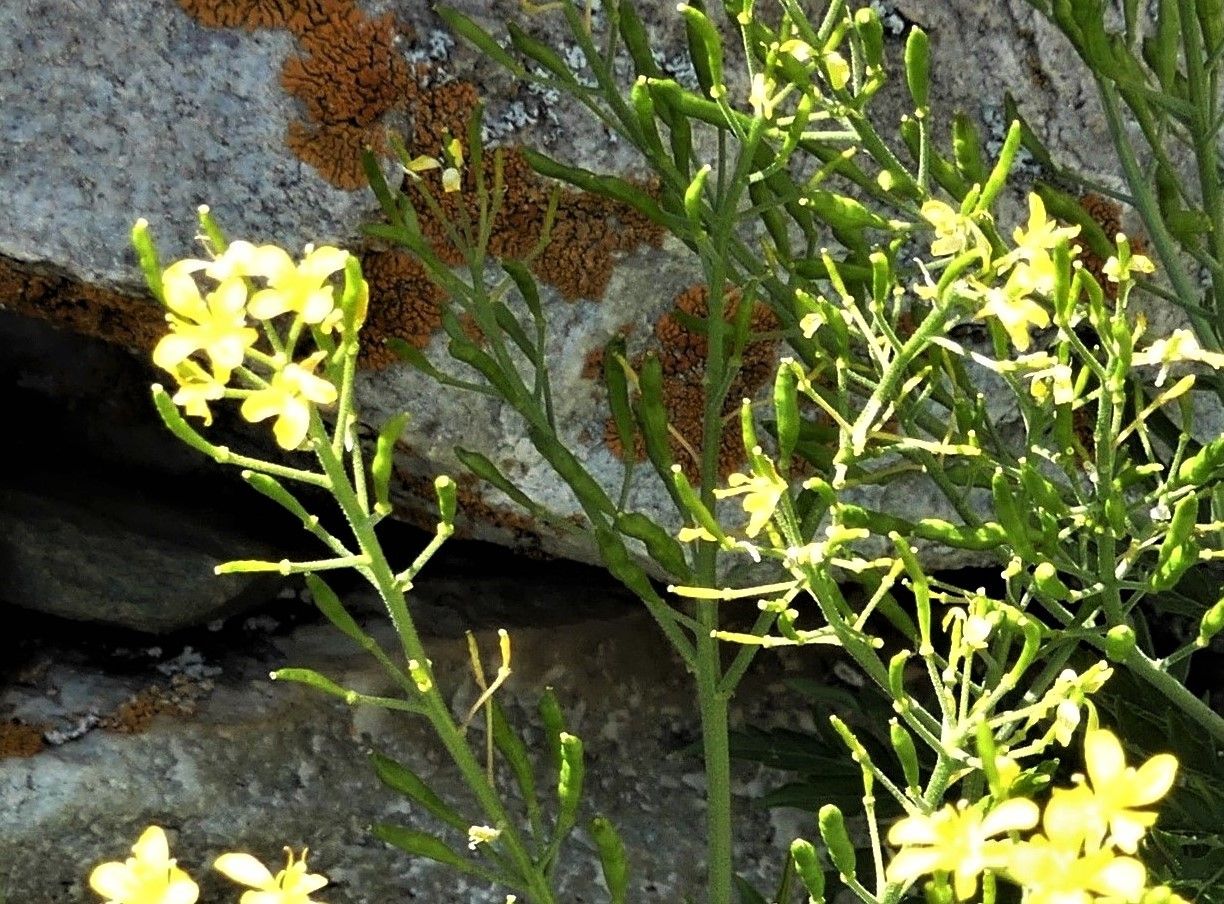
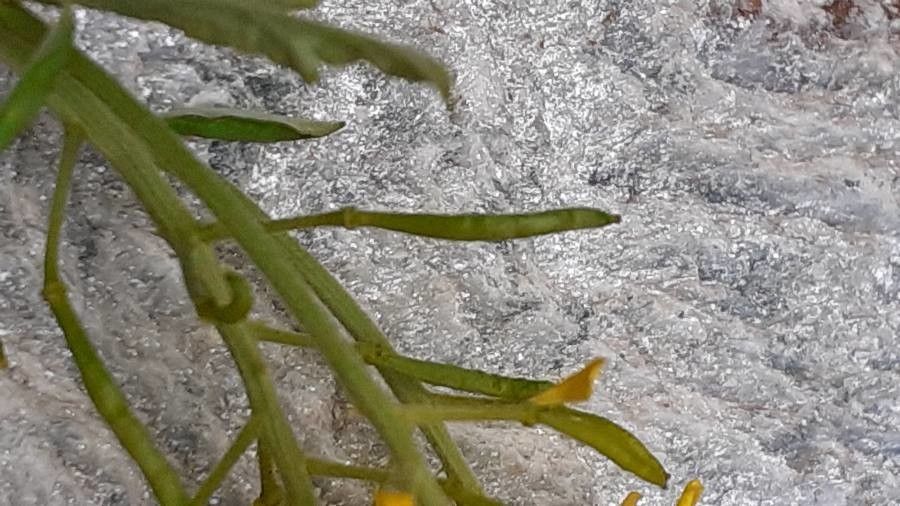
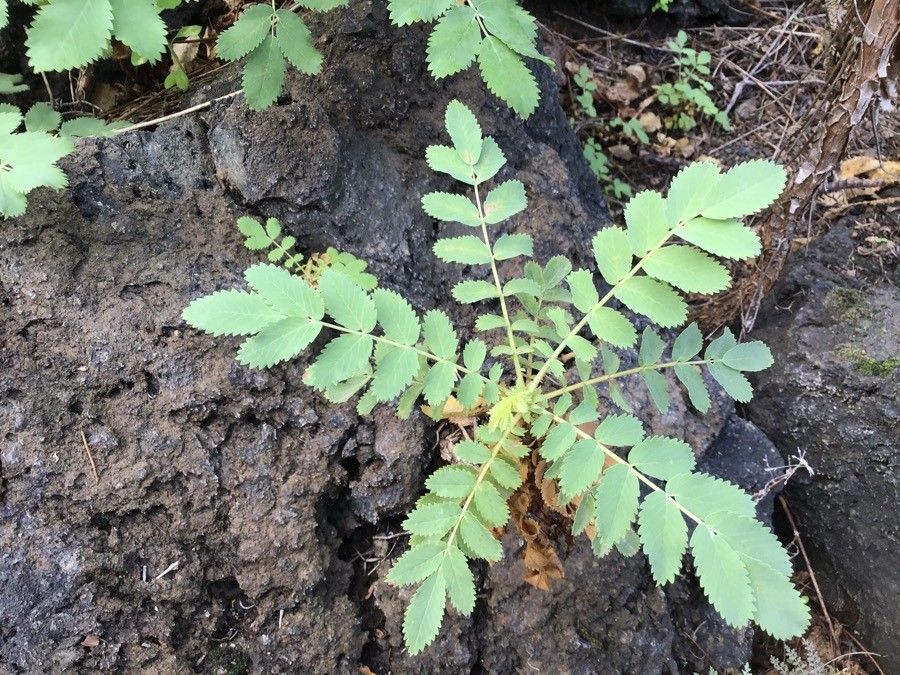
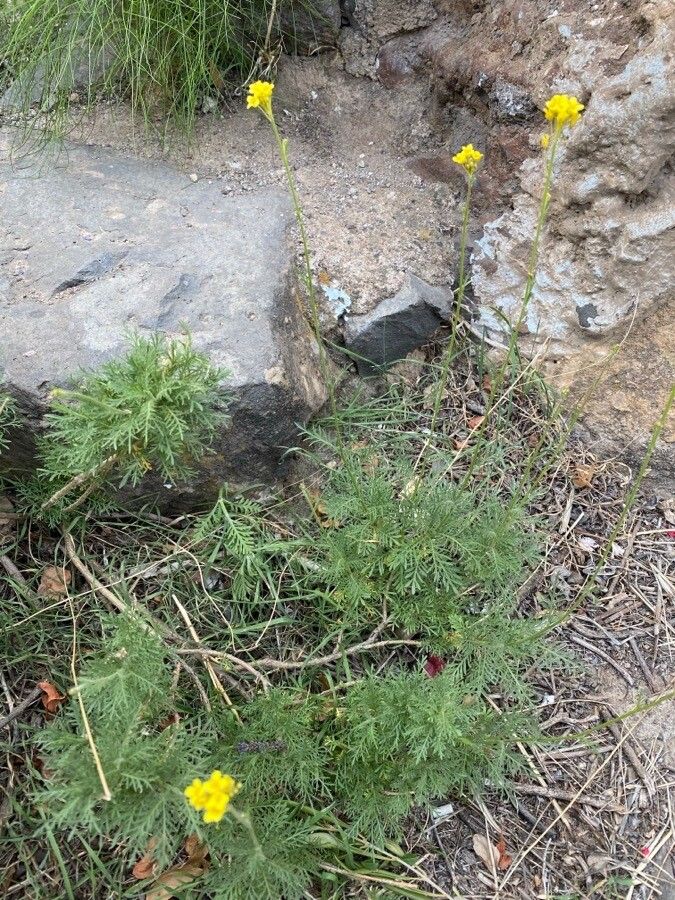
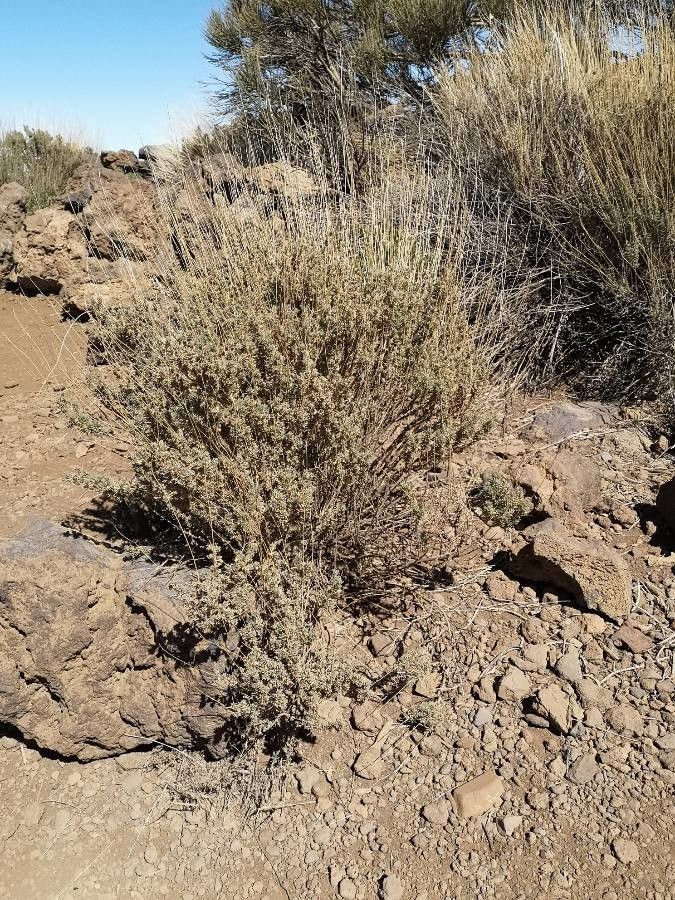
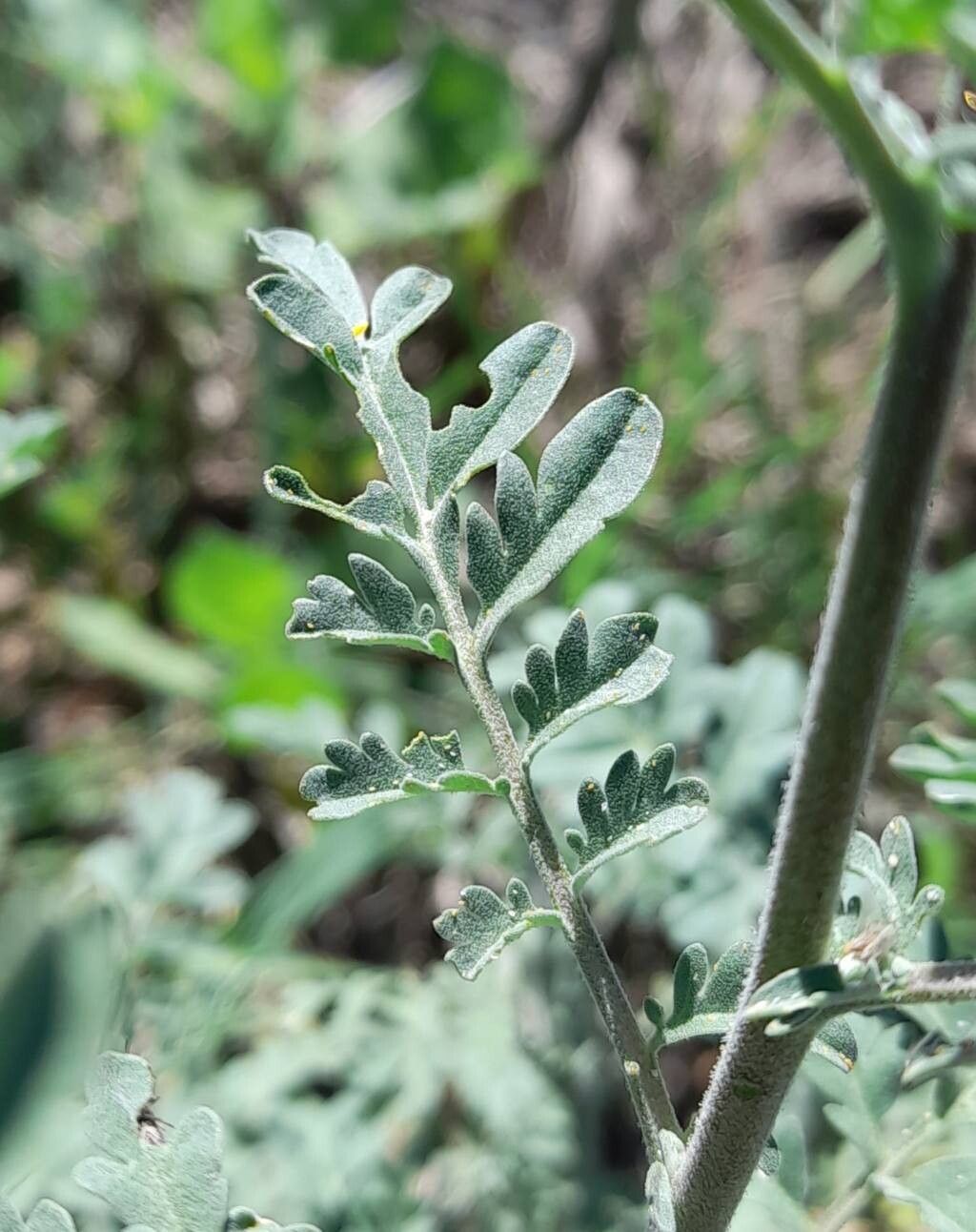
Tansey-leaved rocket has strong resistance to disease and is generally not easily affected by illnesses. That said, it can be vulnerable to pests and diseases present in its environment. When infections occur, they are typically mild. Regarding care, this plant needs a moderate level of maintenance. It should be pruned on a regular basis to preserve a neat appearance and healthy growth. Applying fertilizer can also encourage more abundant flowering. Tansey-leaved rocket is appropriate for anyone who has outdoor space, like a garden or patio, and does not demand extensive gardening experience. It may need extra attention if cultivated indoors.
How to keep Descurainia Tanacetifolia.
Light
Tansey-leaved rocket comes from bright, open environments and does best in full sun. It can tolerate partial sun but prefers direct sunlight for optimal growth. This plant, which can be annual or biennial, is recognized for its sun-loving nature.
Water
The tansey-leaved rocket plant is drought-tolerant and thrives with a moderate balance of moisture. To keep it healthy, water it twice a week. It prefers well-draining soil similar to its native arid habitats, which helps avoid waterlogged roots and promotes healthy growth.
Temperature
Tansey-leaved rocket can tolerate a wide range of temperatures, but its distribution may still be restricted by various combinations of moisture and heat. It does best in warm summer conditions with sufficient rainfall or watering. Extended periods of cloudy, wet weather or prolonged high temperatures increase the chance of Tansey-leaved rocket dying. In winter, adequate protection from cold helps improve the plant's survival.
Fertilizer
Tansey-leaved rocket does well with regular, light applications of fertilizer to encourage healthy leaf development. You should feed Tansey-leaved rocket about once per month during the summer. Nitrogen is important for foliage, and providing nitrogen-rich feeds helps Tansey-leaved rocket thrive.
Pruning
To ensure healthy growth and flowering, tansey-leaved rocket should be pruned from early to late spring. Focus on removing any dead or diseased stems during this period. Light trimming can help maintain the plant's shape, and using clean tools with the correct technique will improve air circulation, reducing the risk of fungal infections. The best time for pruning is during the plant's active growth period.
Botanical profile.
- Plant Type
- Herb
- Life Cycle
- Annual
- Genus
- Descurainia
- Family
- Brassicaceae
- Hardiness Zone
- 5-9
- Mature Height
- 30 cm to 76 cm
- Mature Spread
- 20 cm to 40 cm
- Leaf Color
- Green, Dark Green
- Leaf Type
- Semi-evergreen
- Flower Color
- Yellow
- Flower Size
- 0.25 cm to 0.51 cm
- Bloom Time
- Mid spring, Late spring
- Planting Time
- Spring, Summer, Autumn
- Harvest Time
- Early summer, Mid summer
- Native Area
- Italy, Switzerland, France
Other names.