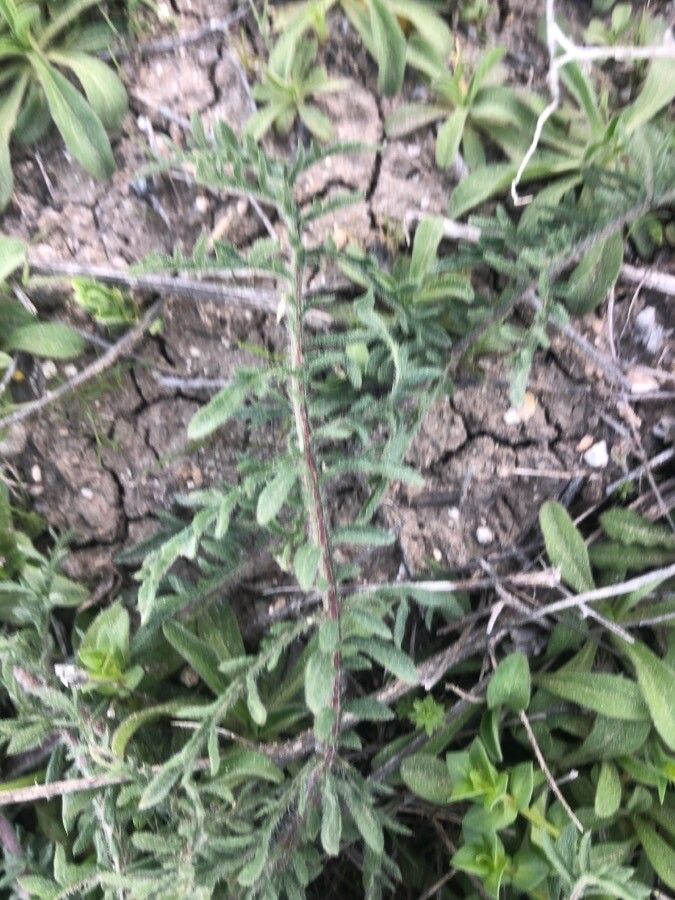
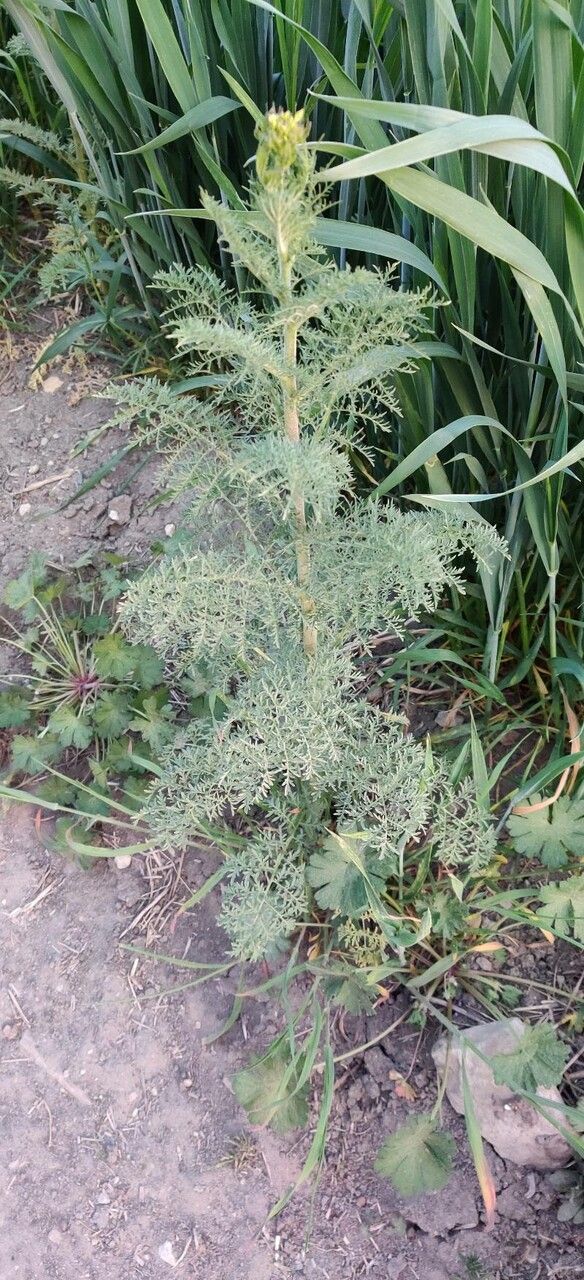
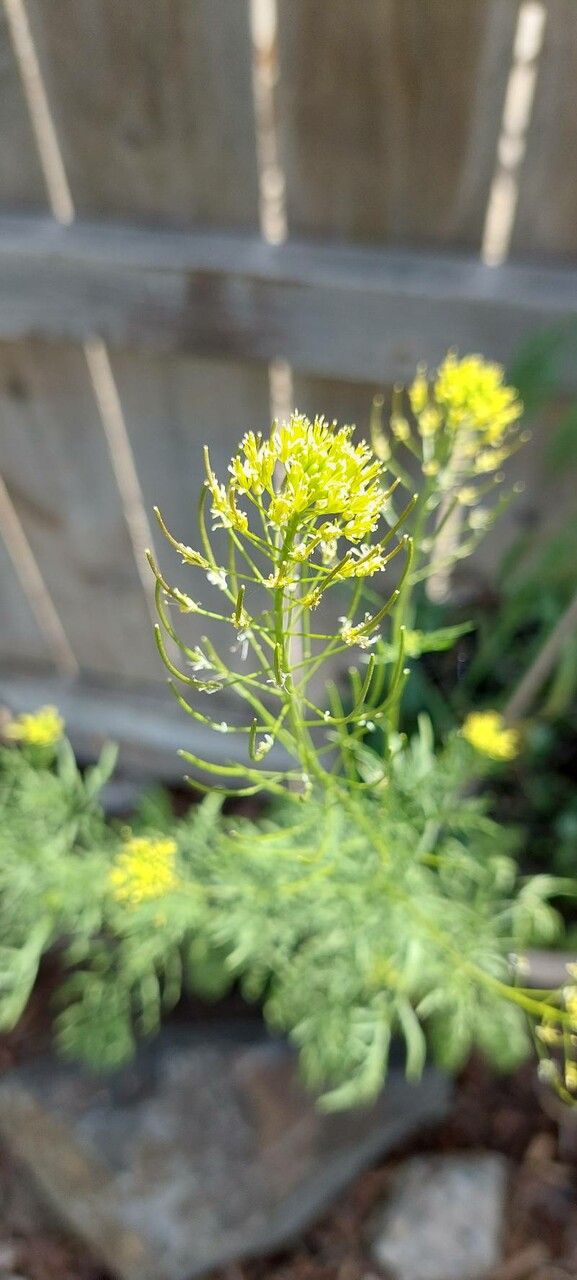
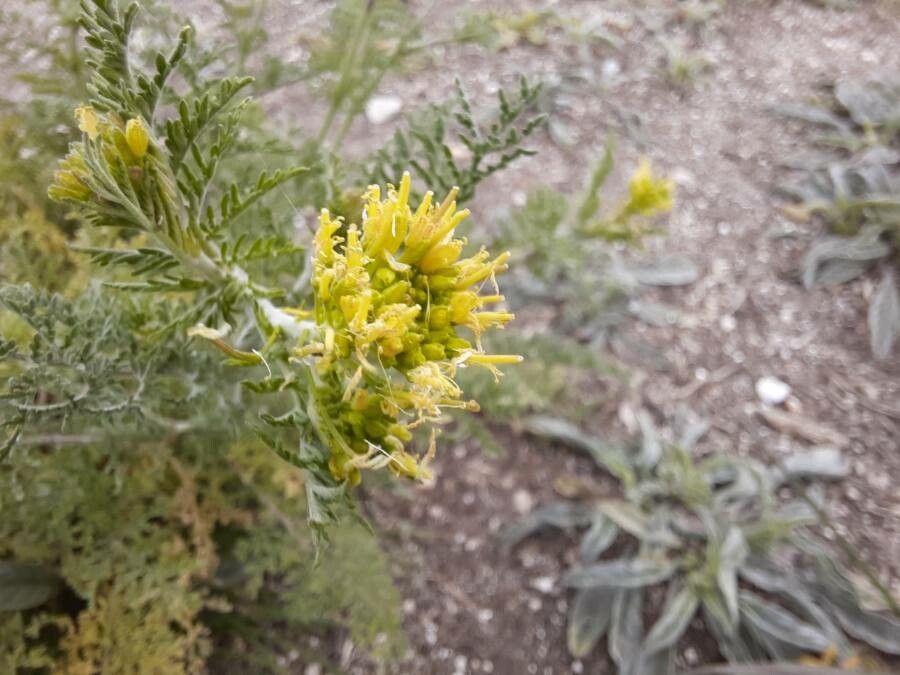
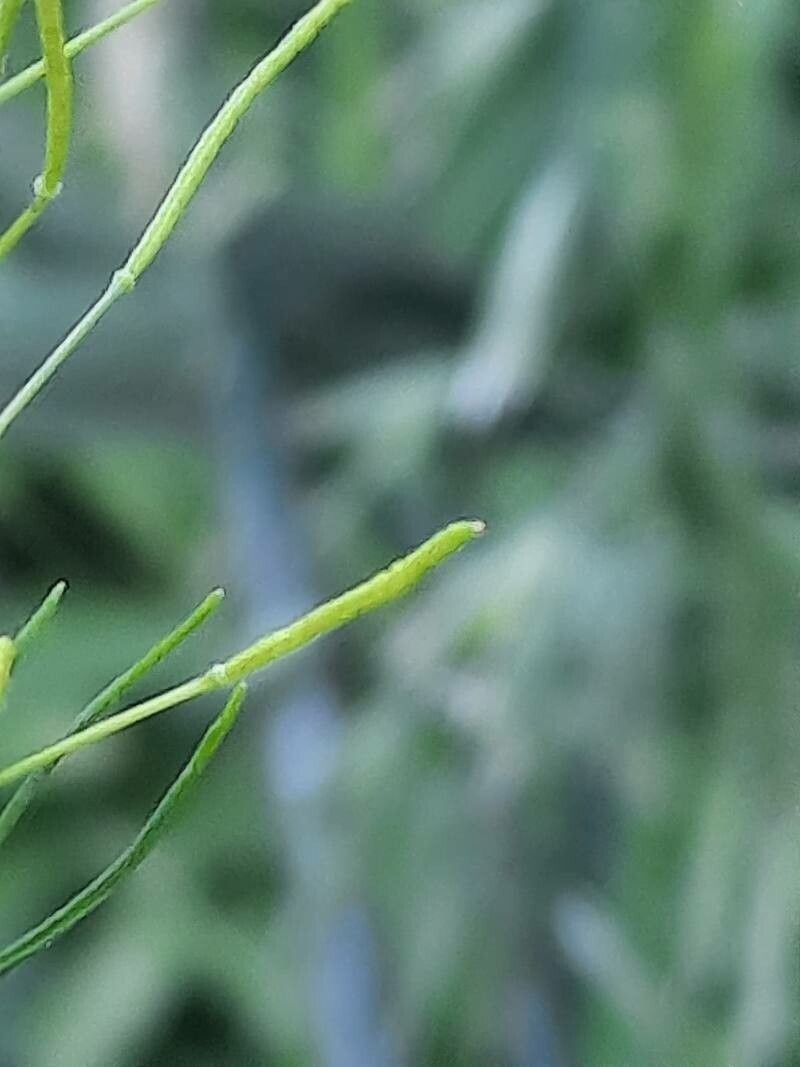
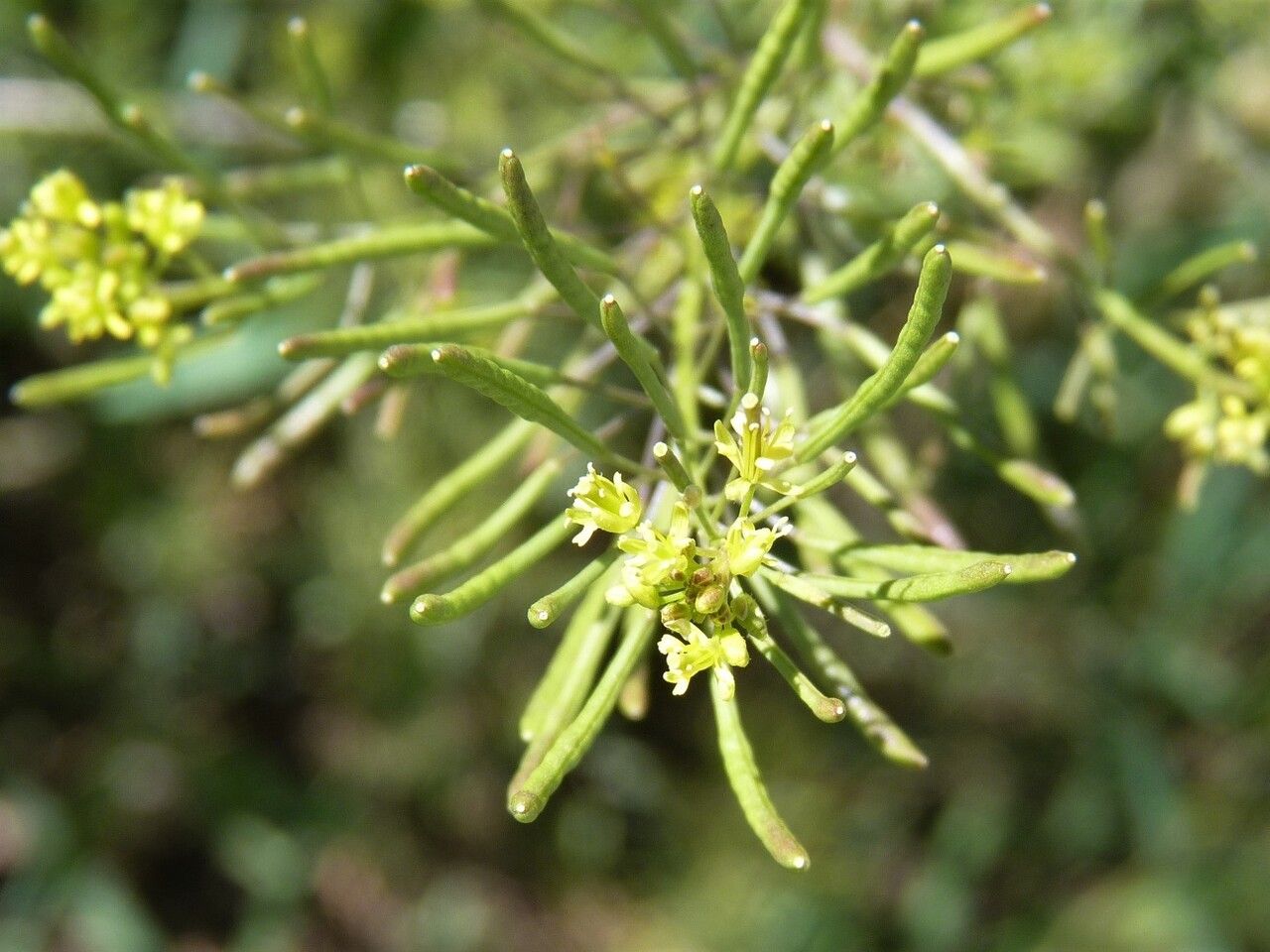
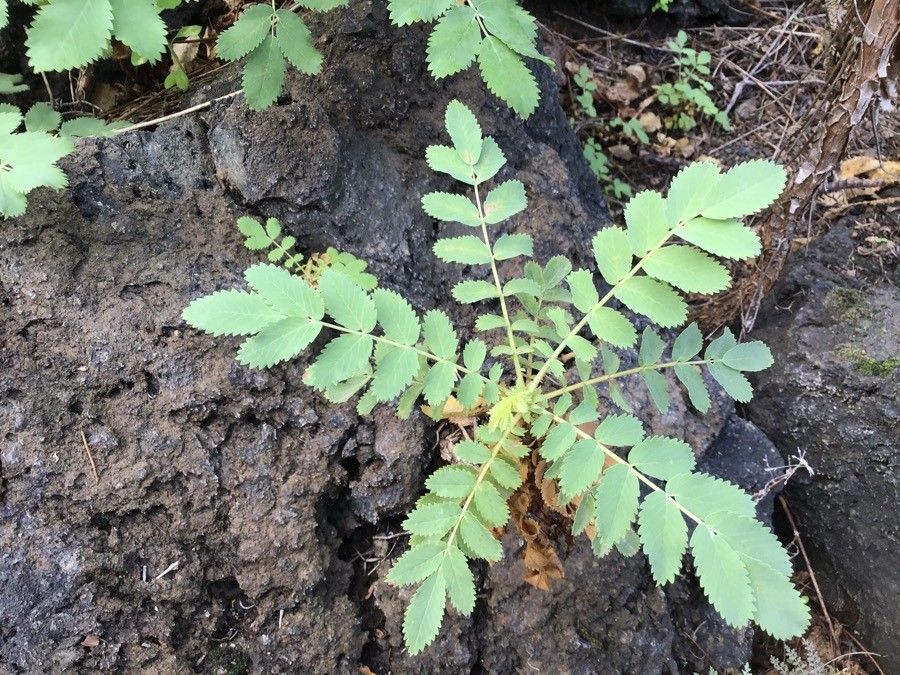
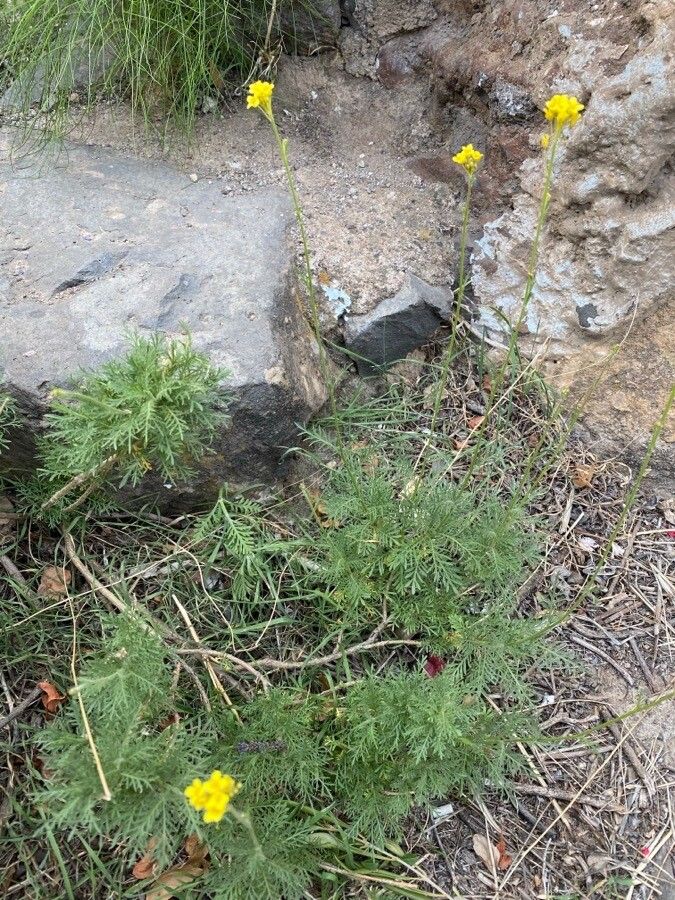
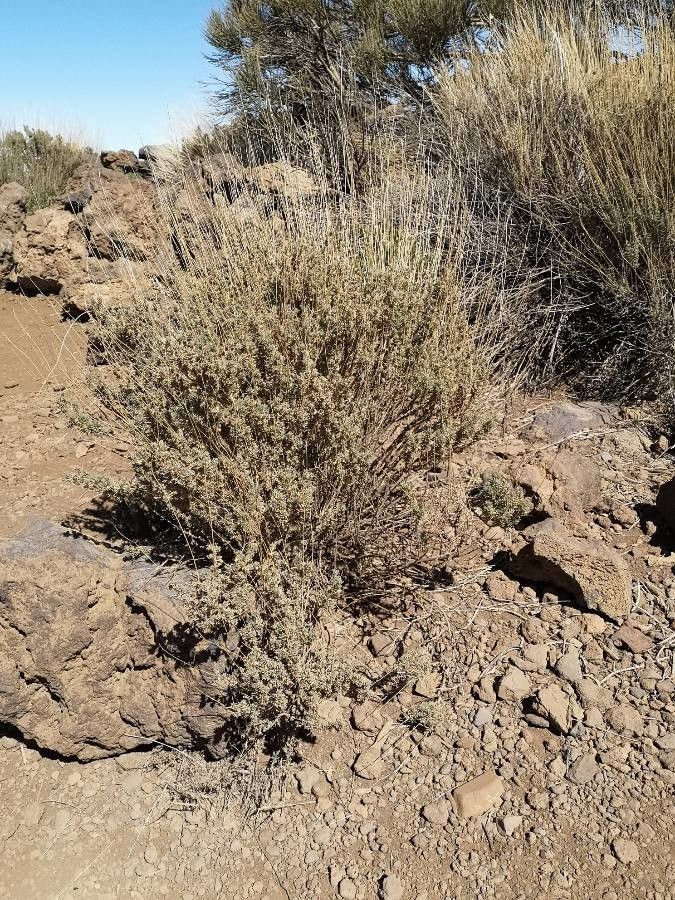
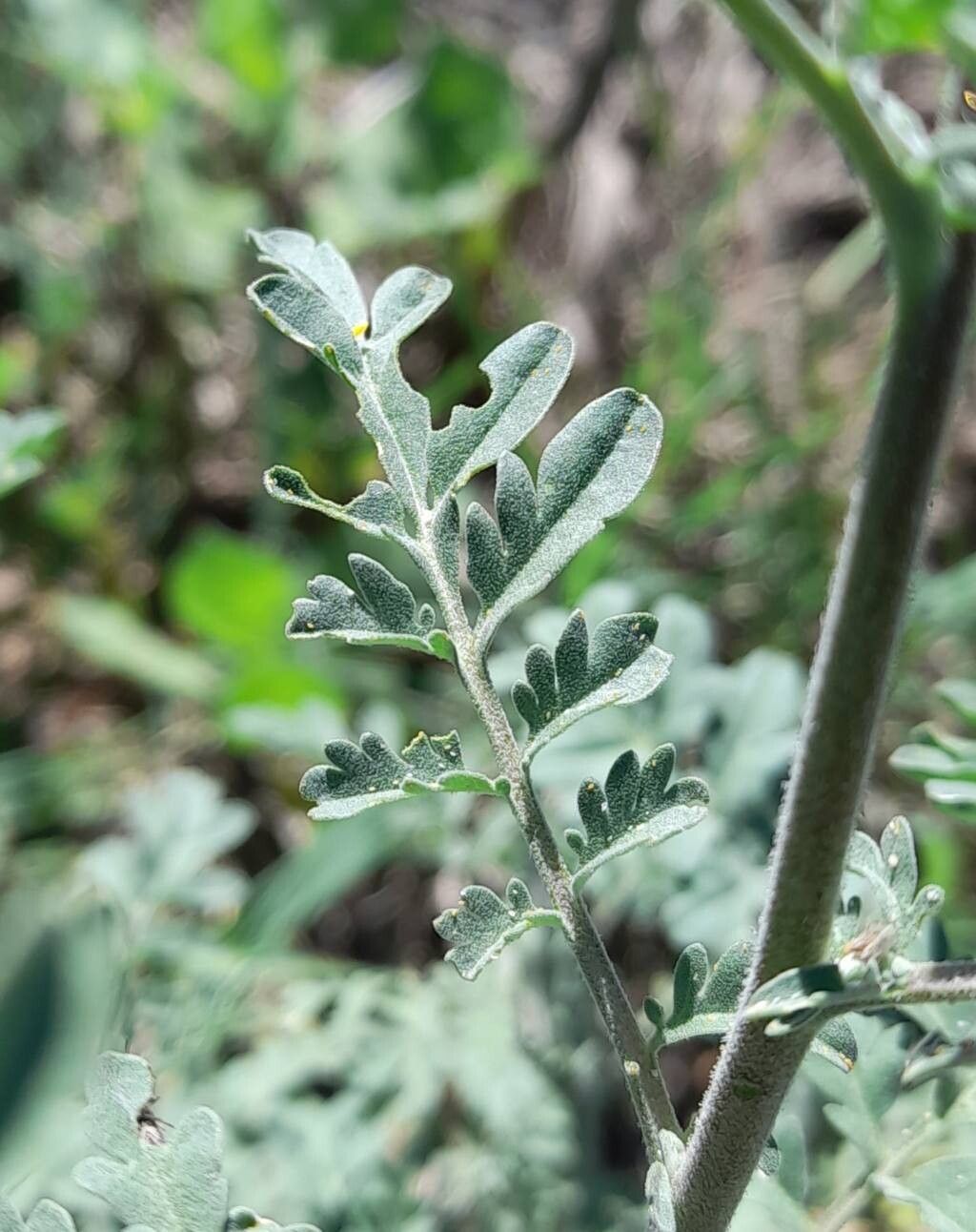
Descurainia sophia, commonly known as flixweed or herb-Sophia, is an annual herbaceous plant that belongs to the Brassicaceae family. Native to Europe and Asia, it has now spread worldwide. The plant can grow up to 60 cm tall and features a slender stem with small, finely divided leaves. The flowers of Descurainia sophia are small and yellow, arranged in clusters at the tips of the branches. The fruit is a long, narrow pod that contains numerous tiny seeds. For centuries, this plant has been used for medicinal purposes in traditional medicine systems such as Ayurveda and Chinese medicine. It contains various bioactive compounds, including flavonoids, alkaloids, and saponins, which have been found to possess anti-inflammatory properties. Descurainia sophia also serves as a food source for livestock, including sheep and goats, due to its high protein content. Additionally, it contributes to soil conservation practices because it can thrive in poor soils with low fertility levels. Overall, Descurainia sophia is a fascinating plant with various medicinal and agricultural uses, making it an important species worthy of further study.
Flixweed has strong disease resistance and is typically not susceptible to illnesses. Still, it can be affected by pests and diseases present in its surroundings. These infections are usually mild. As for care, this plant requires a moderate level of maintenance. It should be pruned regularly to keep a good appearance and support healthy growth. Fertilizing can also help encourage flowering. Flixweed is suitable for anyone with outdoor space, such as a garden or patio, and does not demand extensive care experience. It may need more attention when grown indoors.
How to keep Descurainia Sophia.
Light
Flixweed does best with plentiful sunlight during the day, though it can cope in locations that receive sun for only part of the day. Originally found in areas with abundant light, it can suffer in heavy shade or with insufficient light, which may harm its health and reduce its lifespan.
Water
Flixweed, a plant native to arid regions, thrives in dry conditions and is highly drought-tolerant. It needs minimal watering—usually just once a week—and flourishes in well-draining soil, which mimics its natural habitat. This resilient species is ideally grown outdoors, where it can most benefit from its hardy nature.
Temperature
Flixweed is indigenous to temperate areas and does best at temperatures of 68 to 95 °F (20 to 35 ℃). For optimum growth, those conditions should be maintained. Seasonal adjustments may be necessary to regulate temperature and mimic its natural habitat.
Fertilizer
Flixweed benefits from regular, dilute fertilizer applications to encourage healthy leaf development. You should fertilize Flixweed about once a month during the summer. Nitrogen is essential for foliage, and adding nitrogen-rich sources helps Flixweed thrive.
Botanical profile.
- Plant Type
- Herb
- Life Cycle
- Annual, Biennial
- Genus
- Descurainia
- Family
- Brassicaceae
- Hardiness Zone
- 5
- Mature Height
- 10 cm to 76 cm
- Mature Spread
- 20 cm to 40 cm
- Leaf Color
- Green
- Leaf Type
- Deciduous
- Flower Color
- Yellow, Green
- Flower Size
- 0.51 cm
- Bloom Time
- Mid spring, Late spring, Early summer
- Planting Time
- Spring, Summer, Autumn
- Harvest Time
- Early summer, Mid summer
- Native Area
- Egypt, Turkey, Sweden, India, Austria, Slovakia, Montenegro, Pakistan, Slovenia, Morocco, Croatia, Belarus, Uzbekistan, Russia, Iraq, Germany, Jordan, Iceland, Estonia, Romania, Latvia, Belgium, Moldova, Portugal, Nepal, Netherlands, France, Tajikistan, Czech Republic, Bulgaria, Armenia, Poland, Greece, North Macedonia, Ukraine, Serbia, Lebanon, Lithuania, Norway, China, Syria, Kyrgyzstan, Kazakhstan, Italy, Spain, Switzerland, Denmark, Mongolia, Israel, Finland, Bhutan, Bosnia and Herzegovina, Iran, Albania, Azerbaijan, Algeria, Hungary, Turkmenistan
Other names.
Reader questions.
What should I do if I give my Flixweed plant too much water or too little water?
To address underwatering Flixweed, simply water it more regularly when you notice it lacks moisture. Overwatering, on the other hand, can be a more severe issue. It can lead to disease and eventually death for the plant. To prevent this, it's important to choose a suitable location that receives plenty of sunlight to dry out the soil and has good drainage to prevent water from accumulating. If you've overwatered Flixweed in a pot, consider repotting it in one with better drainage and loose soil.
What are the sunlight requirements for Flixweed?
Flixweed requires full sun, defined as over 6 hours of sunlight per day, to thrive optimally. It can also tolerate partial sun, which is about 3-6 hours of sunlight. Observing the movement of sunlight through your garden is crucial for positioning your plants in spots that provide an ideal balance of light and shade. This balance ensures the plants' happiness and promotes healthy growth.
What is the ideal temperature range for growing Flixweed?
Flixweed, also known by its botanical name Descurainia sophia, is native to temperate regions and flourishes in a temperature range of 68 to 95°F (20 to 35°C). To ensure optimum growth, it is essential to maintain these temperature conditions, making seasonal adjustments to replicate its natural habitat as closely as possible.
How frequently do I need to water my Flixweed plant?
To keep your Flixweed healthy, it's important to water it regularly. In the spring, watering once a week is usually enough. However, as the weather gets hotter, you may need to water it two to three times a week. Be careful not to overdo it, as too much water can harm your Flixweed. Regardless of how often you water, make sure the soil is moist but not wet. Watering Flixweed in a pot is a bit different. Potted plants tend to dry out faster, so you may need to water them a few times a week. In contrast, in-ground plants usually only need to be watered once a week.
How does Flixweed respond to different lighting conditions?
Flixweed flourishes when it receives ample sunlight throughout the day but can adapt to conditions with only partial daily sun exposure. Originally thriving in sunny habitats, Flixweed may struggle and potentially suffer in health and lifespan if placed in overly shady conditions or deprived of sufficient light. Therefore, ensuring that Flixweed receives enough natural or artificial light is essential for its health.
Does Flixweed require frost protection measures?
Flixweed is highly cold-tolerant and does not require additional frost protection measures during the winter. However, it is recommended to water the plant generously before the first freeze in autumn. This practice helps to keep the soil moist, ensuring it enters a frozen state, which is crucial for preventing drought and water scarcity for the plant during winter and early spring.
How much water does my Flixweed plant need?
There are a few ways to determine how much water to give to your Flixweed. One method is to feel the soil for moisture and water until the top six inches feel moist. Another way is to use a set measurement, like two gallons per week, depending on the temperature and soil dryness. However, be cautious not to overwater if your plant needs less. When growing Flixweed in a container, moisten all layers of dry soil and check for moisture by sticking your finger in or looking for excess water draining from the pot.
What artificial lighting requirements do indoor Flixweed plants have?
Indoor Flixweed plants require adequate lighting for optimal growth, especially when natural sunlight is insufficient. Artificial lights, such as LED lights tailored to provide specific wavelengths of light, are a vital solution. Full sun plants need 30-50W/sq ft, partial sun plants need 20-30W/sq ft, and full shade plants require 10-20W/sq ft of artificial light. The light source should be placed 12-36 inches above the plant and kept on for 8-12 hours per day, mimicking the natural daylight hours.
What are the symptoms of low temperature damage in Flixweed, and how can it be mitigated?
Although Flixweed is extremely cold-tolerant, winter temperatures should be maintained above -25°C. If temperatures drop below this threshold, the plant may not show any noticeable changes during winter, but there could be a decrease in sprouting or even no sprouting during springtime. The solution for this is to remove any parts of the plant that have failed to sprout in spring.
How do I know if I'm giving enough water to my Flixweed?
Avoiding overwatering can be challenging for Flixweed. On one hand, these plants have deep roots that need weekly soil moisture. However, Flixweed is highly vulnerable to root rot and may develop browning from excessive watering. Underwatering is less of a concern for Flixweed, as they can withstand periods without watering. Nevertheless, if neglected for too long, the plant may wilt and exhibit dry leaves.
What are the symptoms of light deficiency in Flixweed?
Inadequate light exposure can lead to several symptoms in Flixweed, including smaller new leaves, leggy or sparse growth, early leaf drop, delayed or halted growth, paler or irregularly colored new leaves, chlorosis, sunscald, leaf curling, wilting, and leaf scorching. These symptoms indicate the plant is struggling to photosynthesize effectively, which can affect its overall health.
How does high temperature affect Flixweed, and what are the solutions?
Flixweed is not tolerant of high temperatures. When the temperature exceeds 35°C, its growth stops, and the risk of rot increases. To protect the plant from high temperature damage, trim away any sunburned and dried-up parts. Moving the plant to a location that provides shade during the midday and afternoon sun, or using a shade cloth to create shade, can be beneficial. Additionally, watering the plant in the morning and evening helps keep the soil moist and supports the plant's well-being under high temperature conditions.