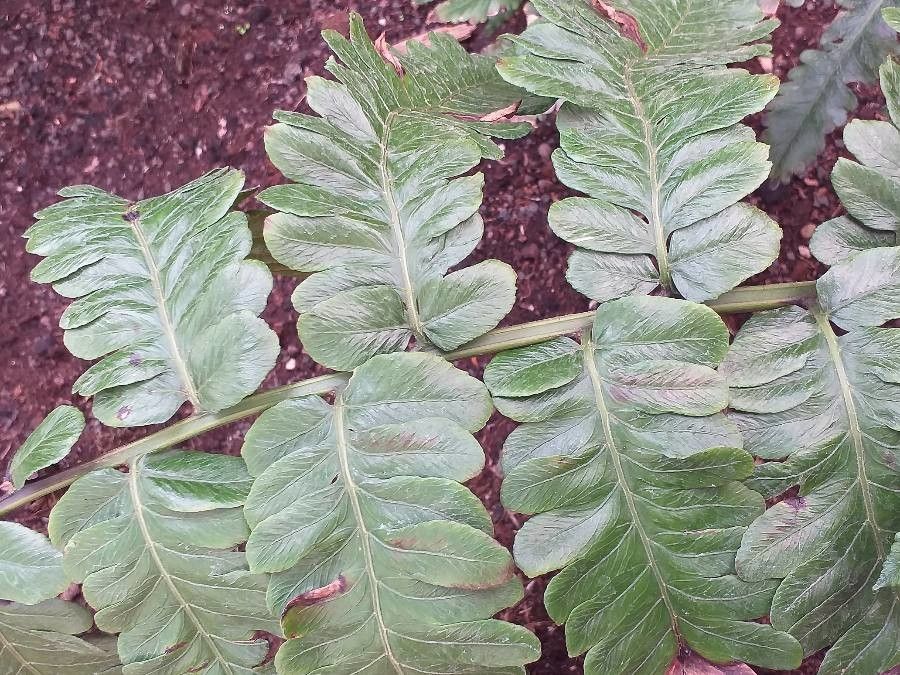
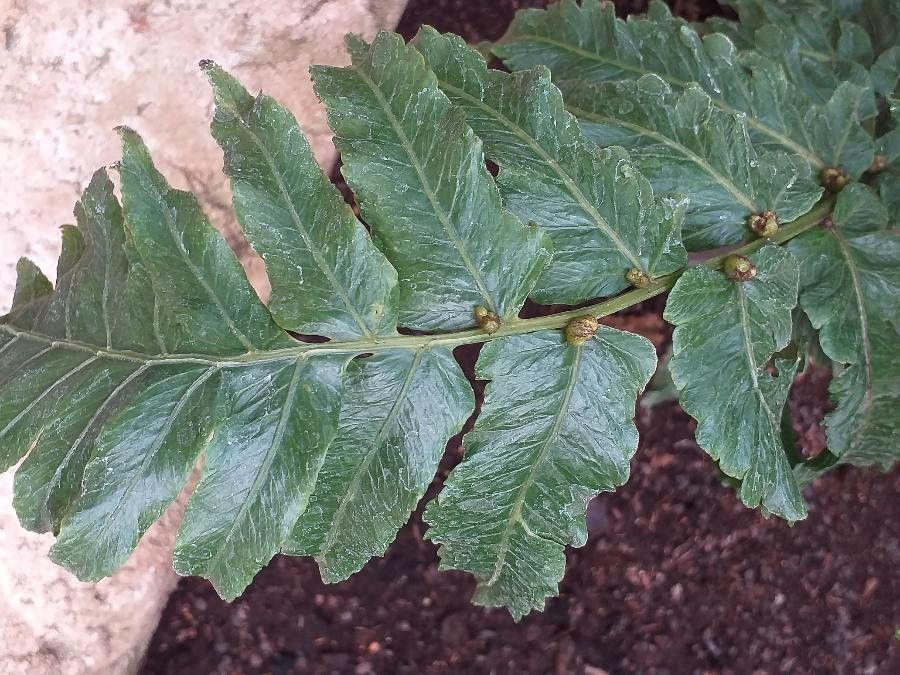
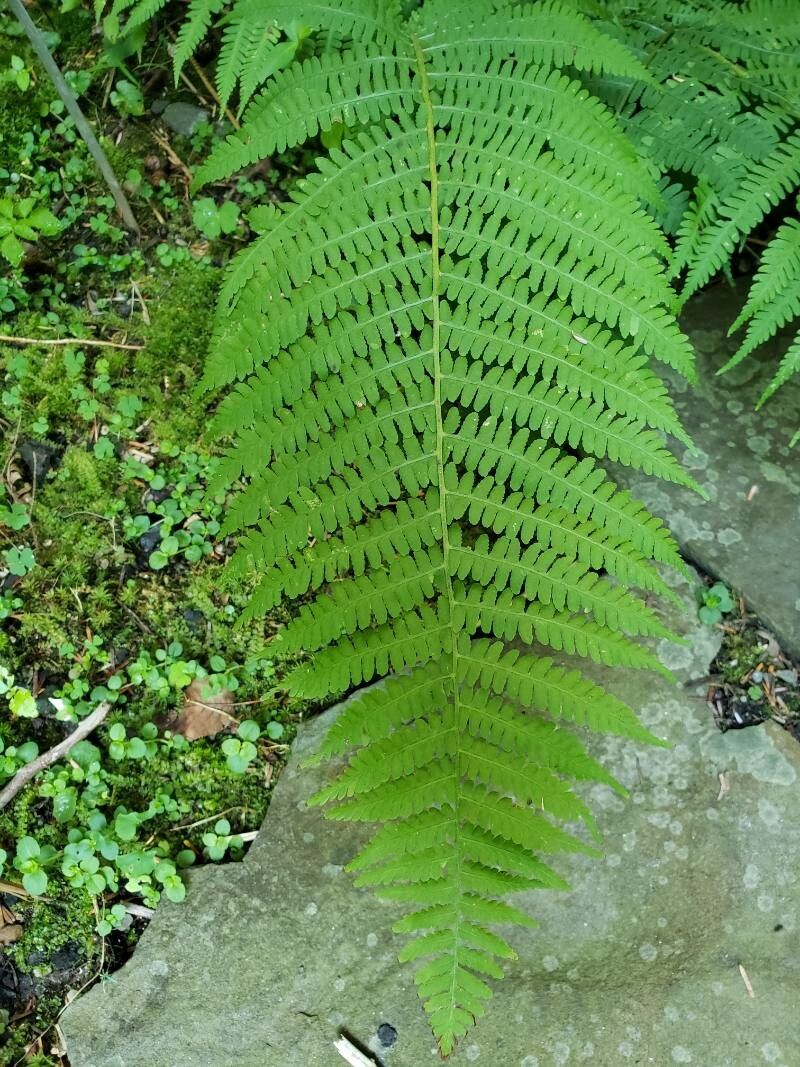
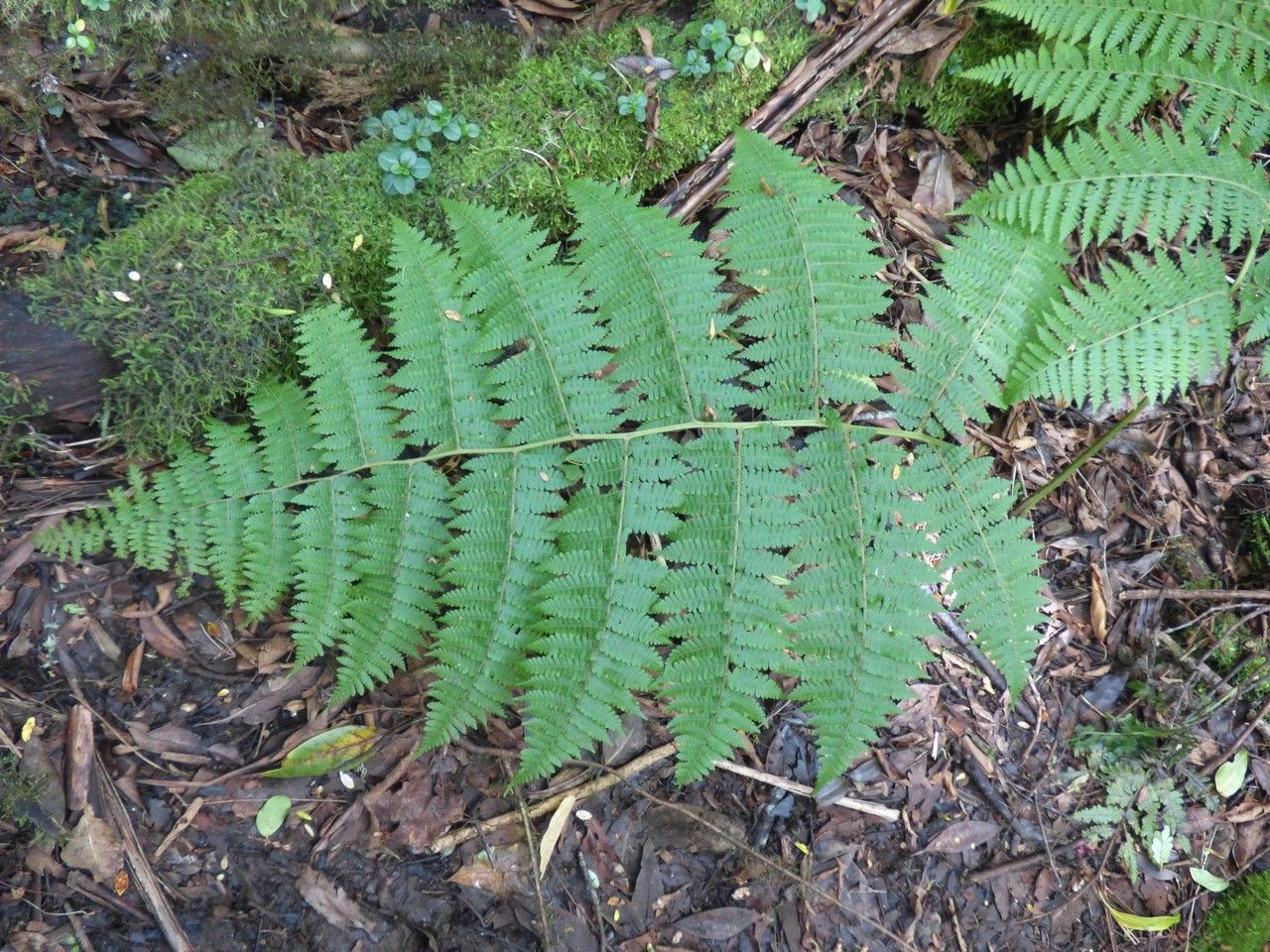
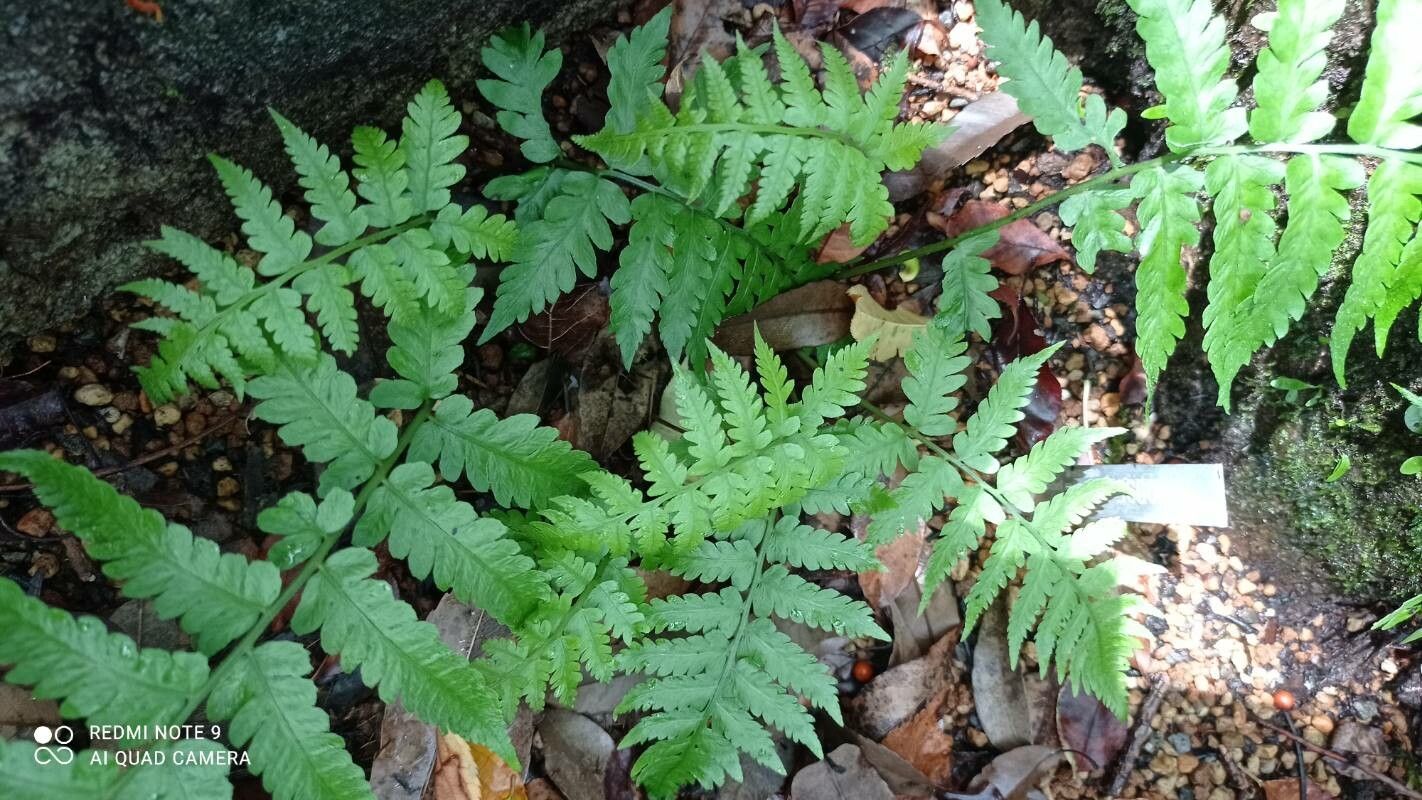
False spleenwort typically has strong resistance to disease and is affected by relatively few insect pests. Caring for False spleenwort is considered difficult because it needs a consistently moist environment and frequent watering. Its roots, however, are susceptible to rot if overwatered or if the surroundings lack good ventilation. This plant is better suited to growers with some experience, since most people can keep it alive for a period of time. Even so, False spleenwort may struggle to thrive, and its leaves can dry out and become less healthy as time passes.
How to keep Deparia Lancea.
Light
False spleenwort is native to habitats such as forest understories or rocky areas that provide natural shade. It prefers full shade but can tolerate partial sun.
Water
False spleenwort, originally from humid environments, thrives in conditions with consistent moisture and high humidity. While it is moderately drought-tolerant, it prefers to be watered twice a week. Ideal for indoor cultivation, false spleenwort requires well-draining soil to support its growth during the active season.
Temperature
False spleenwort does best in forest thickets. It is very sensitive to temperature and humidity; high heat, dry conditions, and strong sunlight can all cause it distress. In summer it needs adequate shading and a humid environment. Generally it doesn't need special winter care, but an extended winter drought can still kill the plant.
Pruning
The False Spleenwort is a fern known for its delicate, lace-like fronds. To encourage new growth, it is best to prune the plant in early spring by removing any dead or damaged fronds. Use sharp shears to make clean cuts. Regular pruning improves the plant's shape, enhances air circulation, and reduces the risk of disease, helping to maintain a healthy and attractive appearance.
Botanical profile.
- Plant Type
- Fern
- Life Cycle
- Perennial
- Genus
- Deparia
- Family
- Aspleniaceae
- Hardiness Zone
- 7-10
- Mature Height
- 30 cm to 61 cm
- Mature Spread
- 30 cm to 49 cm
- Leaf Color
- Light Green, Medium Sea Green
- Leaf Type
- Deciduous
- Planting Time
- Spring, Summer, Autumn
- Native Area
- Nepal, Sri Lanka, India, Vietnam, Myanmar, Japan, Philippines, Bhutan, Bangladesh, Laos, South Korea, Thailand, China
Other names.