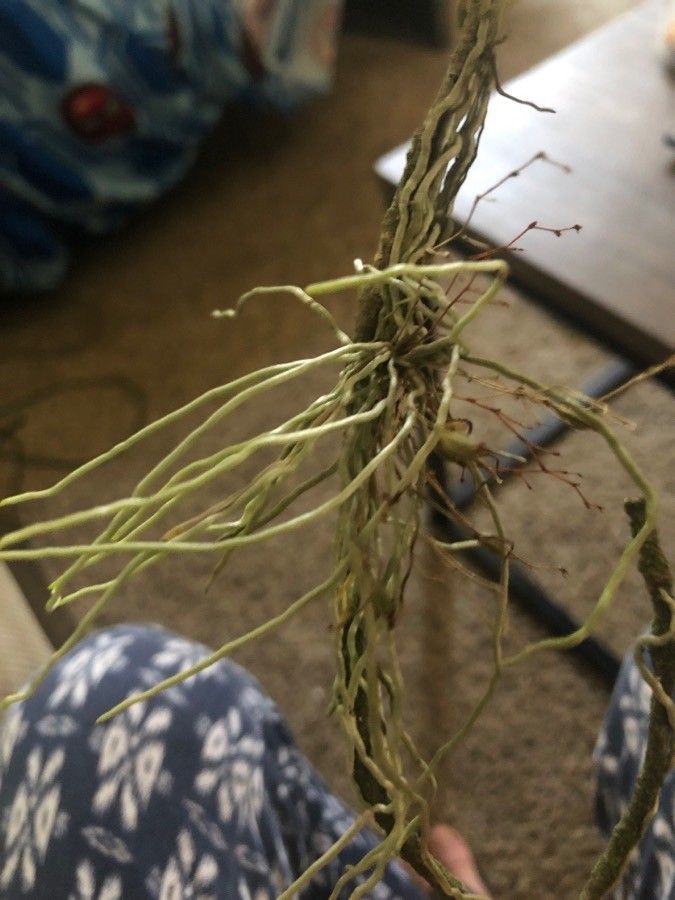
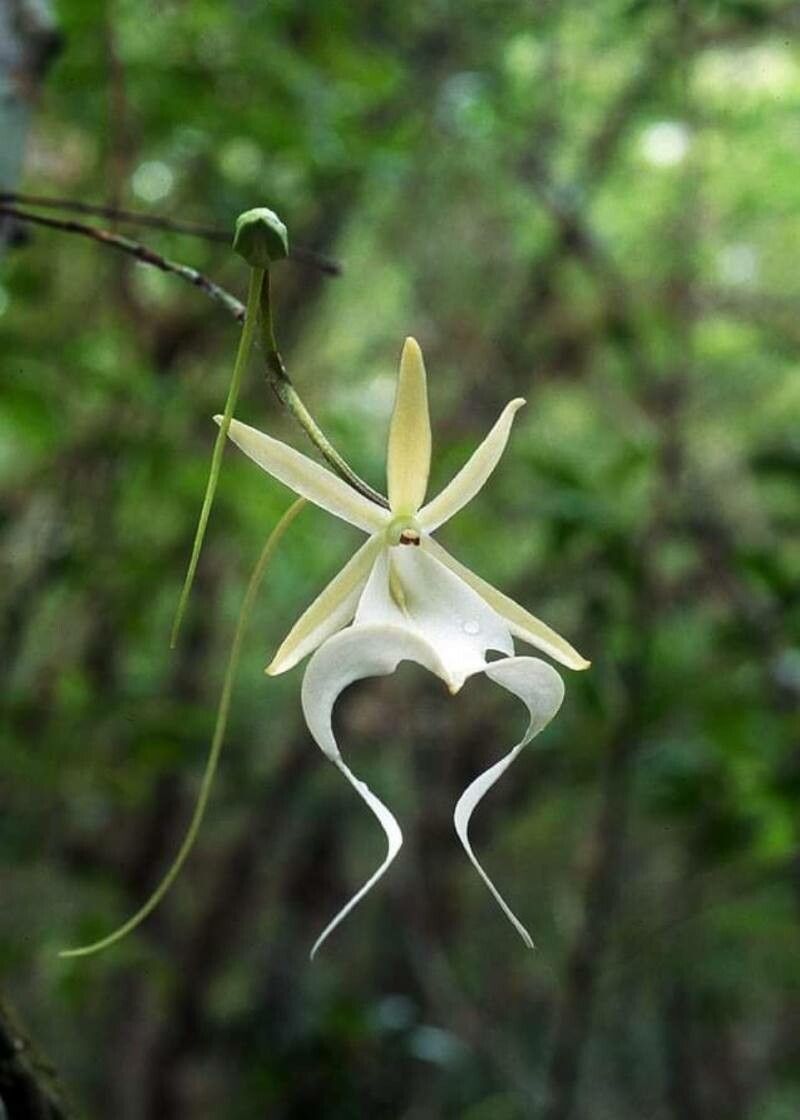
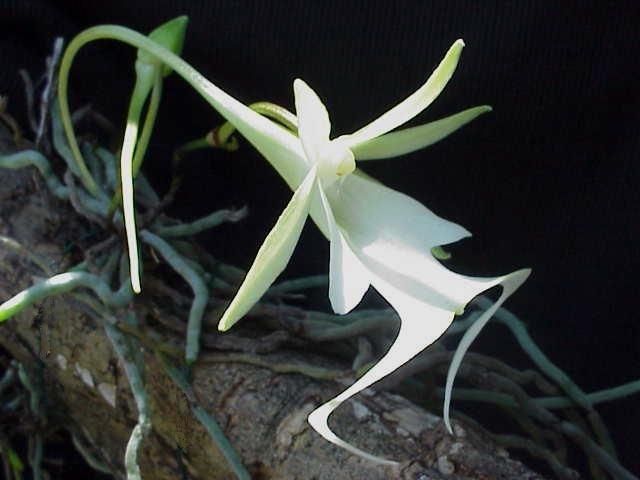
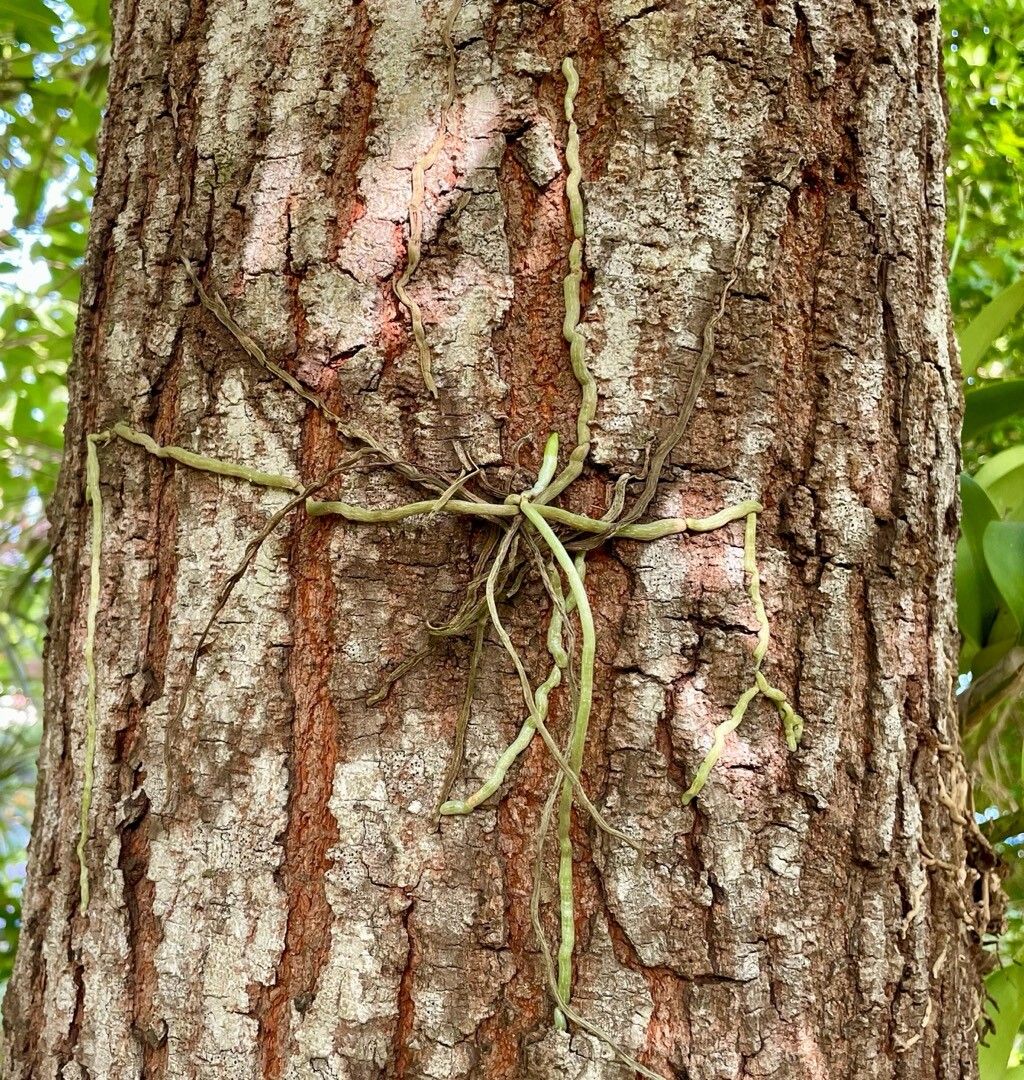
Dendrophylax lindenii, commonly known as the ghost orchid, is a rare and unique epiphytic orchid species native to the southern United States and the Caribbean. It is renowned for its striking appearance, featuring long white roots that hang from its host tree and delicate white flowers that bloom in the summer.
The ghost orchid has a fascinating life cycle. It relies on mycorrhizal fungi to obtain nutrients from its host tree, which it does not harm or parasitize. The plant lacks leaves and chlorophyll, instead generating energy through photosynthesis in its roots.
Due to habitat loss and over-collection for horticultural purposes, Dendrophylax lindenii is considered endangered in many areas where it once thrived. Conservation efforts are underway to protect this unique species through habitat preservation and restoration projects.
The ghost orchid has also gained attention from being prominently featured in Susan Orlean's book "The Orchid Thief," which was later adapted into the movie "Adaptation."
Palmpolly has good resistance to disease and is generally not prone to illnesses. However, it can be vulnerable to rot if ventilation is poor. Its care level is considered medium, as it needs frequent misting to increase humidity and a small amount of fertilizer added to its water. Palmpolly is appropriate for someone with some growing experience, since improper care over time can be fatal to the plant, even when problems are not immediately obvious.
How to keep Dendrophylax Lindenii.
Light
Palmpolly is native to habitats like forest understories or rocky areas, where it occurs in natural shade. It prefers partial sun but can tolerate full sun or full shade, showing its versatile and hardy nature.
Water
The Palmpolly plant thrives with adequate moisture, though it can withstand short periods of drought. During the summer, water the plant once a week. In the fall and winter, extend the watering interval to every 10 days. To maintain the humidity around the plant, regularly mist it. It's important to use water with a neutral pH; you can achieve this by letting tap or rainwater sit for a while before using it.
Temperature
Palmpolly does well in warm settings. It prefers moderately high temperatures but not extreme heat and humidity. Sunlight warms the plant and encourages flowering. However, extended exposure to direct sun in summer can cause sunburn, so the amount of sunlight it receives in that season should be regulated. The plant generally does not tolerate cold well, so it needs adequate protection and warmer conditions in winter to avoid freezing.
Fertilizer
Palmpolly doesn't need much fertilization. After it sprouts in the spring, use a nitrogen-rich fertilizer with an N-P-K ratio of 30-10-10 every 10 days. In the summer, switch to a balanced fertilizer with an N-P-K ratio of 20-20-20. In the fall, using a phosphorus-rich fertilizer can help improve blooming.
Pruning
Palmpolly is characterized by its overlapping leaves and thrives as an epiphyte. To promote its health and flowering, it's ideal to perform selective pruning in early spring using sterilized tools. This practice enhances airflow and light penetration. Regular light pruning helps to manage the plant's size and shape, thereby boosting its overall growth and aesthetic appeal.
Botanical profile.
- Plant Type
- Vine
- Life Cycle
- Perennial
- Genus
- Dendrophylax
- Family
- Orchidaceae
- Hardiness Zone
- 10-12
- Mature Height
- 10 cm to 20 cm
- Mature Spread
- 5 cm to 10 cm
- Leaf Color
- Light Gray
- Leaf Type
- Evergreen
- Flower Size
- 6.35 cm to 10.16 cm
- Bloom Time
- Summer, Early fall, Mid fall
- Planting Time
- Summer
- Harvest Time
- Late summer, Fall, Early winter
- Native Area
- Bahamas, Cuba
Other names.