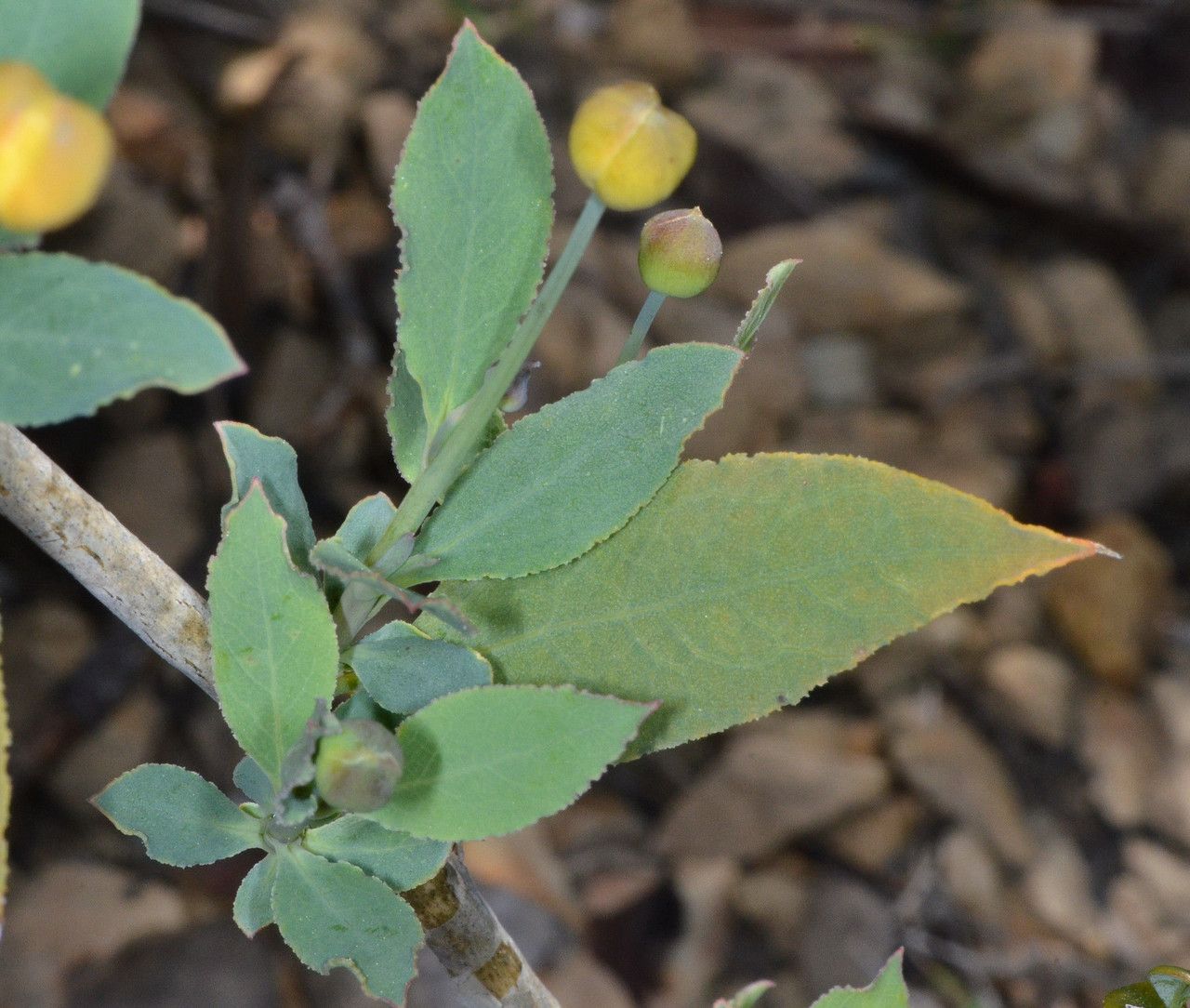
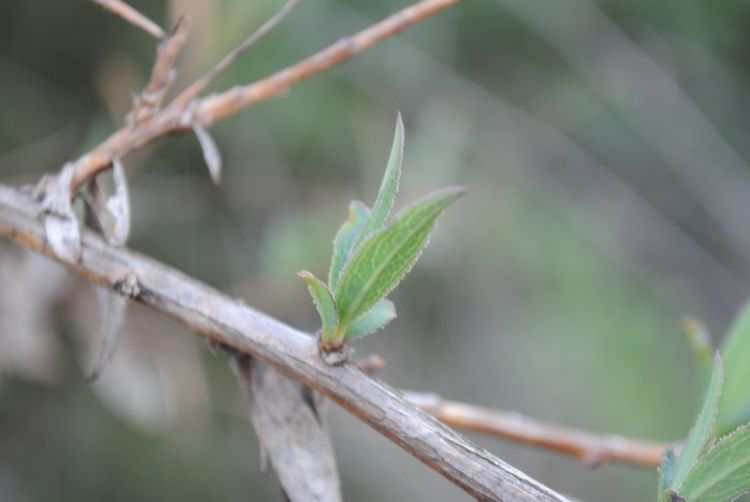
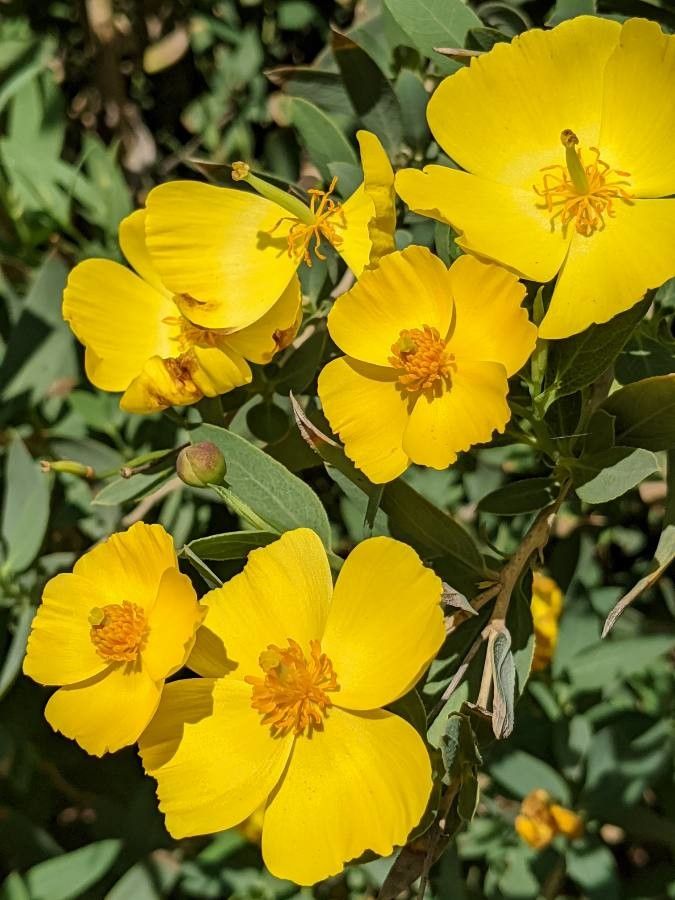
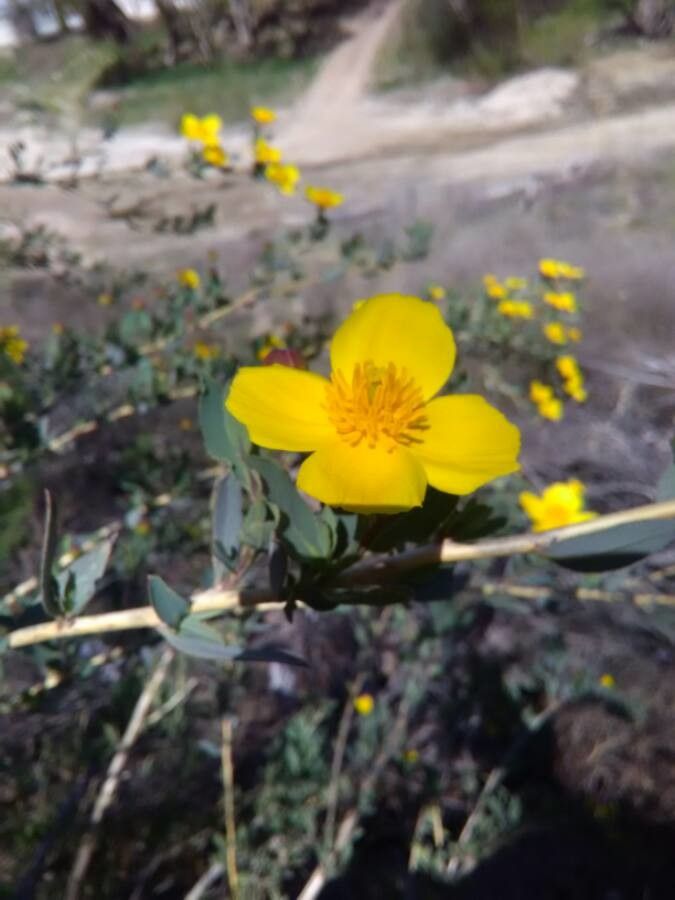
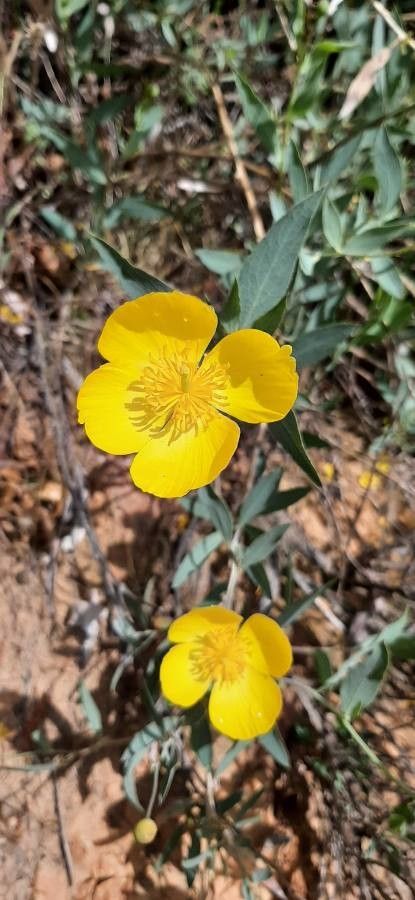
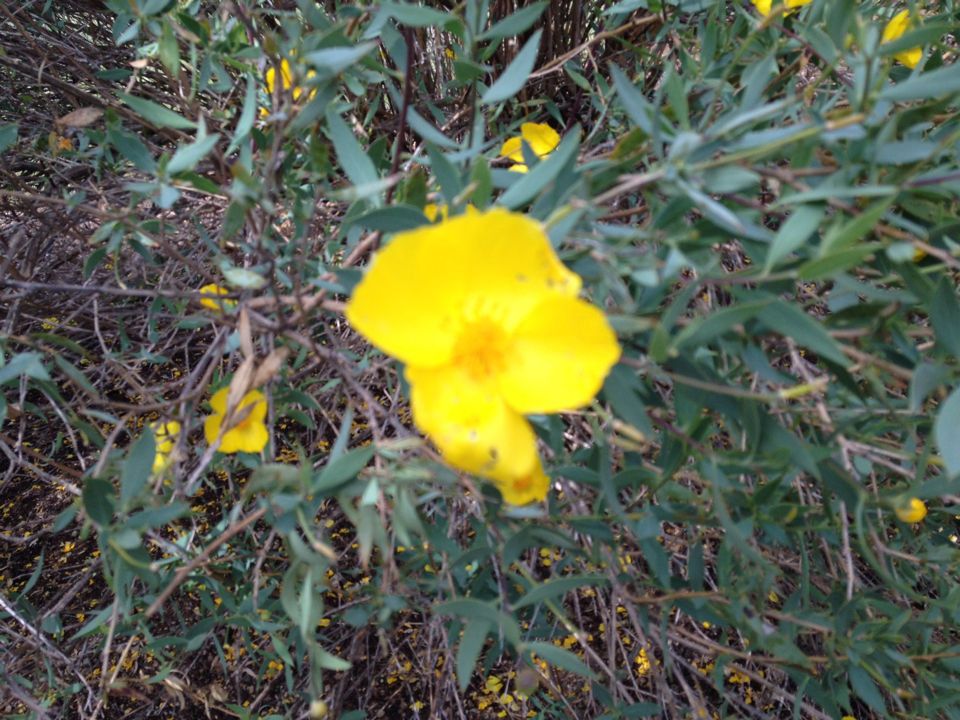
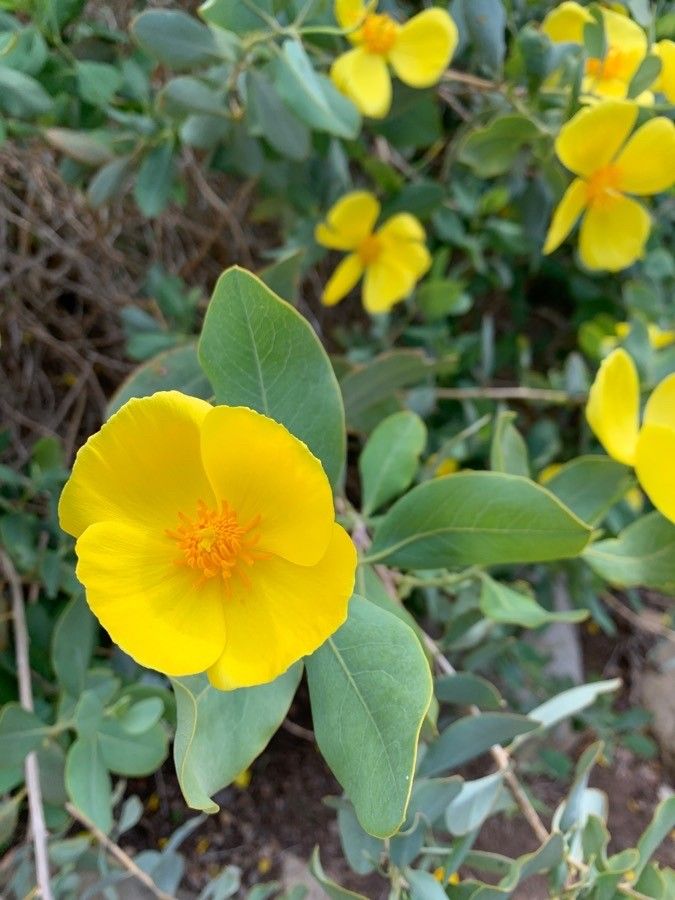
Dendromecon rigida, commonly known as the tree poppy or bush poppy, is a species of flowering plant in the Papaveraceae family. Native to California and Baja California, it thrives in various habitats, including chaparral, coastal sage scrub, and oak woodlands.
This evergreen shrub can reach heights of up to 10 feet, with a spread of 6 to 8 feet. It features glossy green leaves that are leathery in texture and can grow up to 6 inches long. The plant produces bright yellow flowers with four petals, which bloom from late winter through early summer.
The tree poppy prefers well-drained soils and full sun exposure, though it can tolerate some shade. Once established, it is drought-tolerant but benefits from occasional watering during extended dry periods.
Aside from its aesthetic appeal as a garden plant, Dendromecon rigida has been used medicinally by Native American tribes for centuries. The leaves were applied topically as an antiseptic for wounds, while the roots were boiled into tea for internal use to treat various ailments.
Overall, Dendromecon rigida is an attractive shrub that adds vibrant yellow blooms to any garden or landscape. It also holds historical significance for its medicinal uses among Native American tribes in the California region.
Bush poppy is highly disease-resistant and is usually not susceptible to illnesses. As for maintenance, this plant is fairly low-maintenance. Planted outdoors, it needs only light watering, and larger specimens typically do not require pruning. Smaller specimens, however, should be pruned after they finish blooming. Bush poppy is suitable for anyone with an outdoor area, such as a garden or deck, and does not demand much gardening experience.
How to keep Dendromecon Rigida.
Light
Bush poppy does best with plentiful sunlight. Because it comes from sunny habitats, it shows healthy growth under those conditions. The plant can tolerate short spells of reduced light, but prolonged low light will stunt its growth. Too much sun can scorch its leaves, while too little light can make it become leggy.
Water
The bush poppy flourishes in dry, sunny climates, demonstrating excellent drought tolerance. It should be watered every 1-2 weeks, ensuring the soil is allowed to dry out between waterings to prevent overwatering. Usually grown outdoors, the bush poppy needs a well-draining soil mix to avoid root rot and effectively retain moisture.
Temperature
Bush poppy originates from temperate climates and thrives when temperatures range from 50 to 95°F (10 to 35℃). For best growth, keep temperatures within these limits year-round, altering heating or shading as needed.
Fertilizer
Timing is critical for fertilizing Bush poppy. Apply fertilizer in early spring and continue on a monthly schedule until early summer. The fertilizer promotes lovely blooms and supplies energy during both dormant and active growth phases.
Pruning
The bush poppy is a resilient evergreen shrub, celebrated for its bright yellow flowers. To maintain its size and encourage healthy growth, prune it between early and late winter. Be sure to remove any dead branches and thin out crowded areas to improve air circulation. Light pruning is recommended for this plant, as heavy pruning can cause stress and should be avoided.
Pot & Repot
Repot bush poppies every two years in early spring to encourage healthy growth, as these plants can grow up to 6 feet tall. Choose large containers with excellent drainage and place them in a location that receives full sunlight. After repotting, water sparingly to avoid root rot, as bush poppies have sensitive roots.
Botanical profile.
- Plant Type
- Tree, Shrub
- Life Cycle
- Perennial
- Genus
- Dendromecon
- Family
- Papaveraceae
- Hardiness Zone
- 6-10
- Mature Height
- 3.05 m
- Mature Spread
- 3.05 m
- Leaf Color
- Green, Blue
- Leaf Type
- Evergreen
- Flower Color
- Yellow
- Flower Size
- 2.03 cm to 6.35 cm
- Bloom Time
- Spring, Summer
- Planting Time
- Spring, Summer, Autumn
- Harvest Time
- Summer, Early fall, Mid fall
Other names.
Reader questions.
How should I water my Bush poppy?
Your Bush poppy is not particular about how you water it. You can use any common watering tool, such as watering cans, hoses, or even cups. When watering, make sure to apply the water directly to the soil, ensuring that all areas are moistened equally. Using filtered water is helpful because tap water may contain harmful particles. It's also ideal to use water that is at or slightly above room temperature, as extremely hot or cold water can shock the Bush poppy. However, the plant usually responds well to any type of water you provide.
Why should I put fertilizer on my Bush poppy?
Fertilizing a Bush poppy is important for several reasons. Firstly, it helps the plant produce beautiful blooms. To ensure the best results, it's recommended to fertilize in early spring. Secondly, fertilizer provides the plant with energy that can be stored during its dormant phases. By providing extra nutrients during fall planting or late spring, the Bush poppy can store more energy for active growth.
What are the sunlight requirements for Bush Poppy (Dendromecon rigida)?
Bush Poppy, known botanically as Dendromecon rigida, thrives best when exposed to full sun, requiring more than 6 hours of sunlight daily to maintain its health and promote growth. It's crucial to observe your garden's sunlight patterns, choosing locations that offer an ideal balance of light and shade. Although Bush Poppy originates from environments with abundant sunshine and can endure periods of less sunlight, prolonged exposure to inadequate light can stunt its growth, while excessive sun may scorch its leaves.
What is the native environment of the Bush Poppy?
The Bush Poppy, with its botanical name Dendromecon rigida, is native to temperate environments. It thrives in temperatures ranging from 50 to 95°F (10 to 35°C). To ensure optimal growth, it's important to maintain these temperatures throughout the year, making adjustments for heating or shading as necessary.
What should I do if I give my Bush poppy too much or too little water?
Outdoor plants, especially newly planted ones or seedlings, are often at risk of not getting enough water. It's important to remember that when the tree is small or recently planted, you need to water it sufficiently for a few months. Once the roots are established, Bush poppy plants can usually rely on rain for moisture. When Bush poppy is planted in pots, overwatering is more likely to occur. If you accidentally overwater your Bush poppy, it's important to address the situation promptly. First, stop watering the plant immediately to minimize the impact of overwatering. Then, remove the Bush poppy from its pot and inspect the roots. If there are no signs of root rot, you can return the plant to its container. If you do find root rot, trim away the affected roots and consider using a fungicide to prevent further damage. Repot the Bush poppy in well-draining soil. For underwatered Bush poppies, simply increase the frequency of watering. It's usually an easy fix, as the leaves will droop, dry out, and fall off. After sufficient watering, the leaves will return to fullness. Remember to adjust your watering schedule as soon as you notice underwatering.
When should I fertilize my Bush poppy?
When fertilizing Bush poppy, timing is crucial. It is important to avoid using fertilizer too early while the plant is still dormant, as it will not be effective and may be washed away by rainwater, causing waste and pollution. To ensure proper fertilization, the first application should be done in the early spring and continued once a month until early summer.
How do indoor plants like Bush Poppy benefit from artificial lighting?
Indoor plants, including Bush Poppy, require adequate lighting for optimal growth. When natural sunlight is insufficient, especially during winter or in less sunny spaces, artificial lighting provides a significant boost to plant health and growth. It's recommended to use LED lights as they can be tailored to deliver the specific wavelengths needed by plants. For optimal growth under artificial light, full sun plants need 30-50W per square foot, partial sun plants require 20-30W per square foot, and full shade plants need 10-20W per square foot. Ensure the light source is placed 12-36 inches above the plant to mimic natural sunlight and keep the lights on for 8-12 hours per day, depending on the plant species needs.
Does the Bush Poppy need frost protection in winter?
The Bush Poppy has strong cold resistance, meaning special frost protection measures are typically not needed during winter. If winter temperatures are expected to drop below -25°C, however, it's important to provide cold protection. This can be done by wrapping the trunk and branches with materials like non-woven fabric or cloth. Additionally, watering the plant abundantly before the first freeze in autumn helps ensure the soil remains moist and enters a frozen state. This preparation prevents drought and water scarcity for the plant during winter and early spring.
How much water does my Bush poppy need?
To properly care for most outdoor plants, you can rely on natural rainfall. However, if your area doesn't get much rain, you'll need to water your plants every two weeks in spring and fall, and more frequently in the summer. During the slower growth period in winter, you can water less or not at all. If you have a young or newly planted Bush poppy, it will need more frequent watering to help it establish and become drought tolerant. For potted plants, there are two ways to determine when to water your Bush poppy. One is to follow a set watering schedule, such as once a week or every other week. However, this may not always work because it doesn't consider the specific conditions of your plant's environment. Another approach is to check the soil moisture. Wait until the top two to four inches of soil (about ⅓ to ½ depth of the pots) are completely dry before watering again. Keep in mind that during summer, when the plant needs more water, a predetermined schedule may not be sufficient.
When shouldn't I put fertilizer on my Bush poppy?
To encourage the proper growth of Bush poppy and promote the development of blooms, it is important to avoid using a nitrogen-rich fertilizer. Instead, choose a fertilizer that has a lower level of nitrogen compared to other nutrients. It is also recommended to avoid fertilizing Bush poppy after early autumn, as this can result in excessive growth before winter. Additionally, refrain from fertilizing Bush poppy during hot and dry periods, as dry soil is not as effective at delivering the fertilizer and can lead to stimulated growth that requires more water than may be available. It is best to apply fertilizer earlier in the season when temperatures are cooler. Lastly, keep in mind that Bush poppy can absorb fertilizer from nearby plants or lawns, so take care not to unintentionally provide the tree or shrub with an excessive amount of fertilizer.
What are common symptoms of insufficient sunlight in Bush Poppy?
When Bush Poppy doesn't receive adequate sunlight, it may display symptoms like smaller new leaves, leggy or sparse growth, faster leaf drop, slower or halted growth, and lighter-colored or yellowing leaves (chlorosis). These signs indicate the plant is struggling with light deficiency, impacting its ability to photosynthesize and maintain healthy growth. Conditions such as chlorosis, sunscald, leaf curling, wilting, and leaf scorching are more directly related to excessive sun exposure, indicating that while Bush Poppy loves the sun, balance is key to preventing damage and stress.
How does low temperature affect the Bush Poppy?
The Bush Poppy is cold-tolerant, preferring temperatures above 10°C. During winter, it should be kept above -15°C. Frigid temperatures below -25°C may not immediately affect the plant during winter, but come spring, the branches may become brittle and dry, with no new shoots emerging. To combat this, it's advised to prune away any dead branches that have failed to produce new leaves in spring.