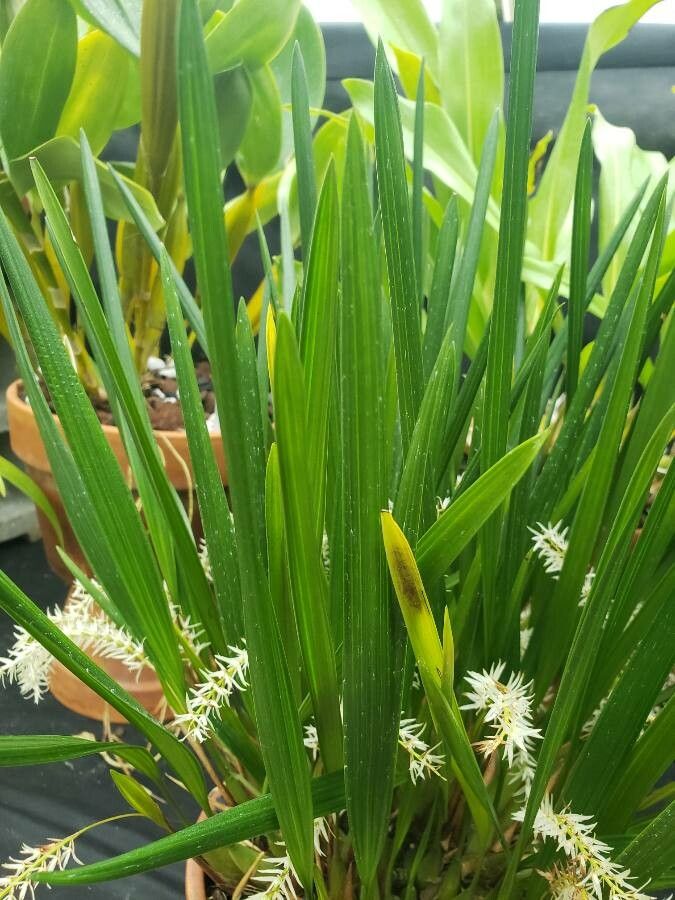
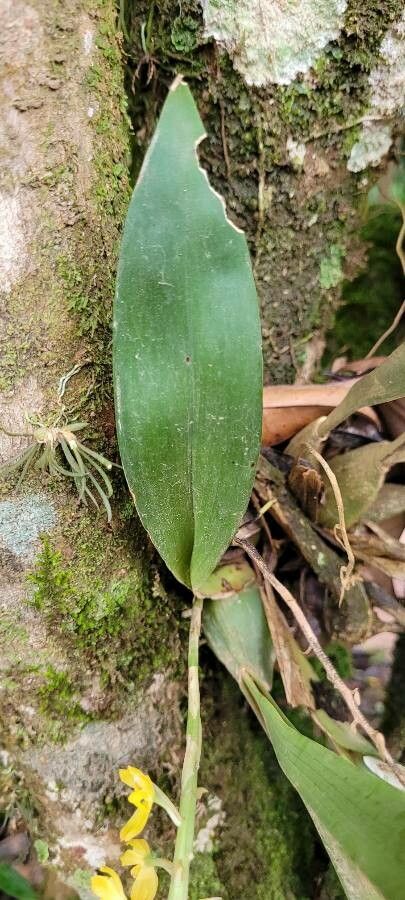
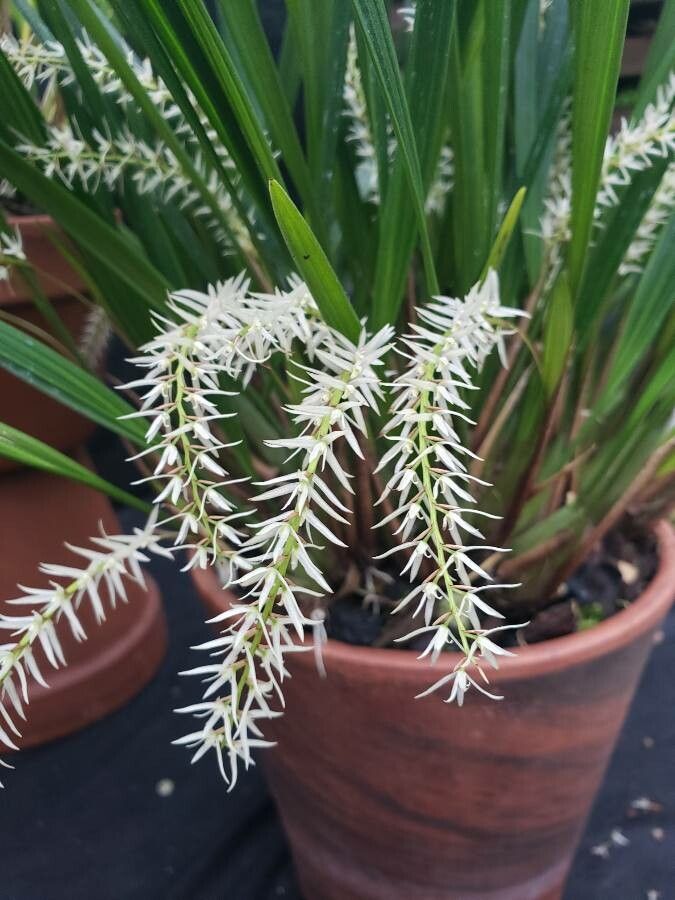
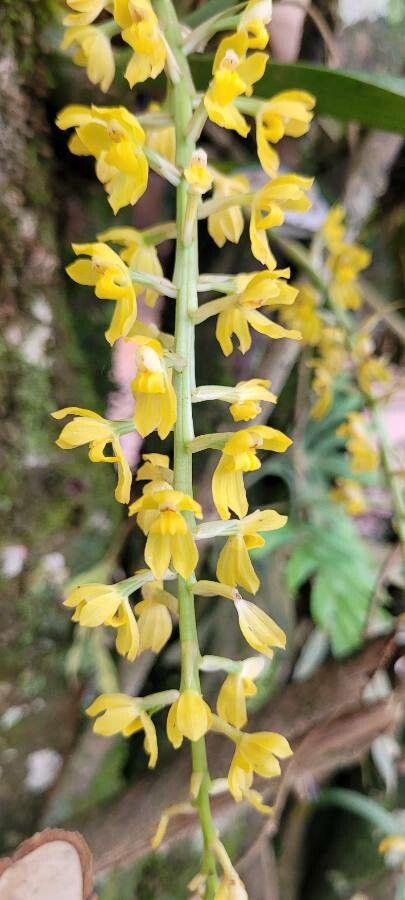
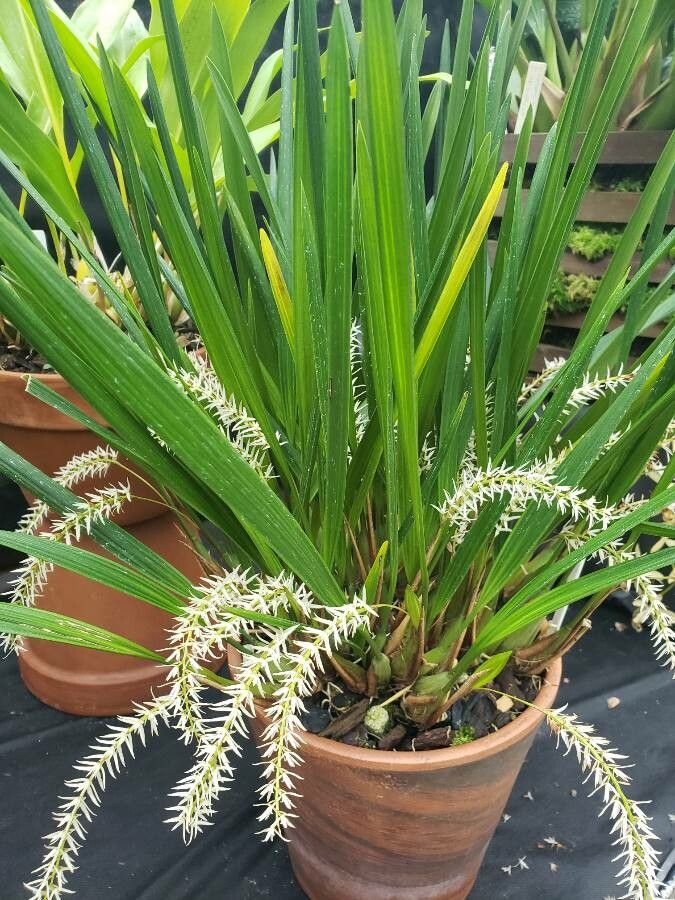
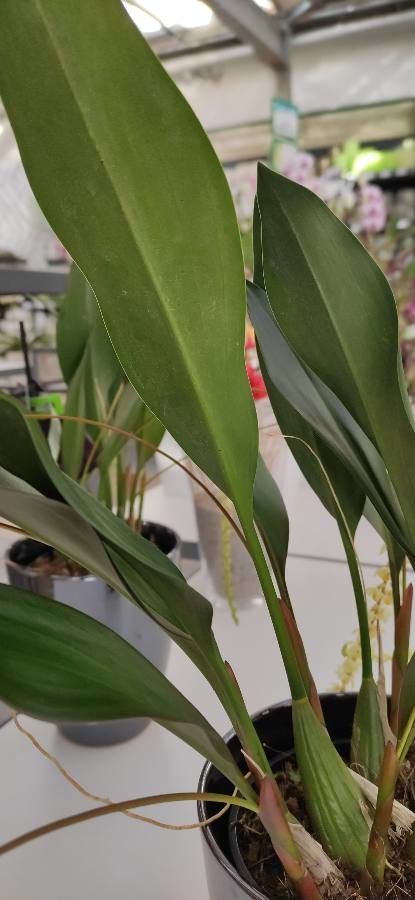
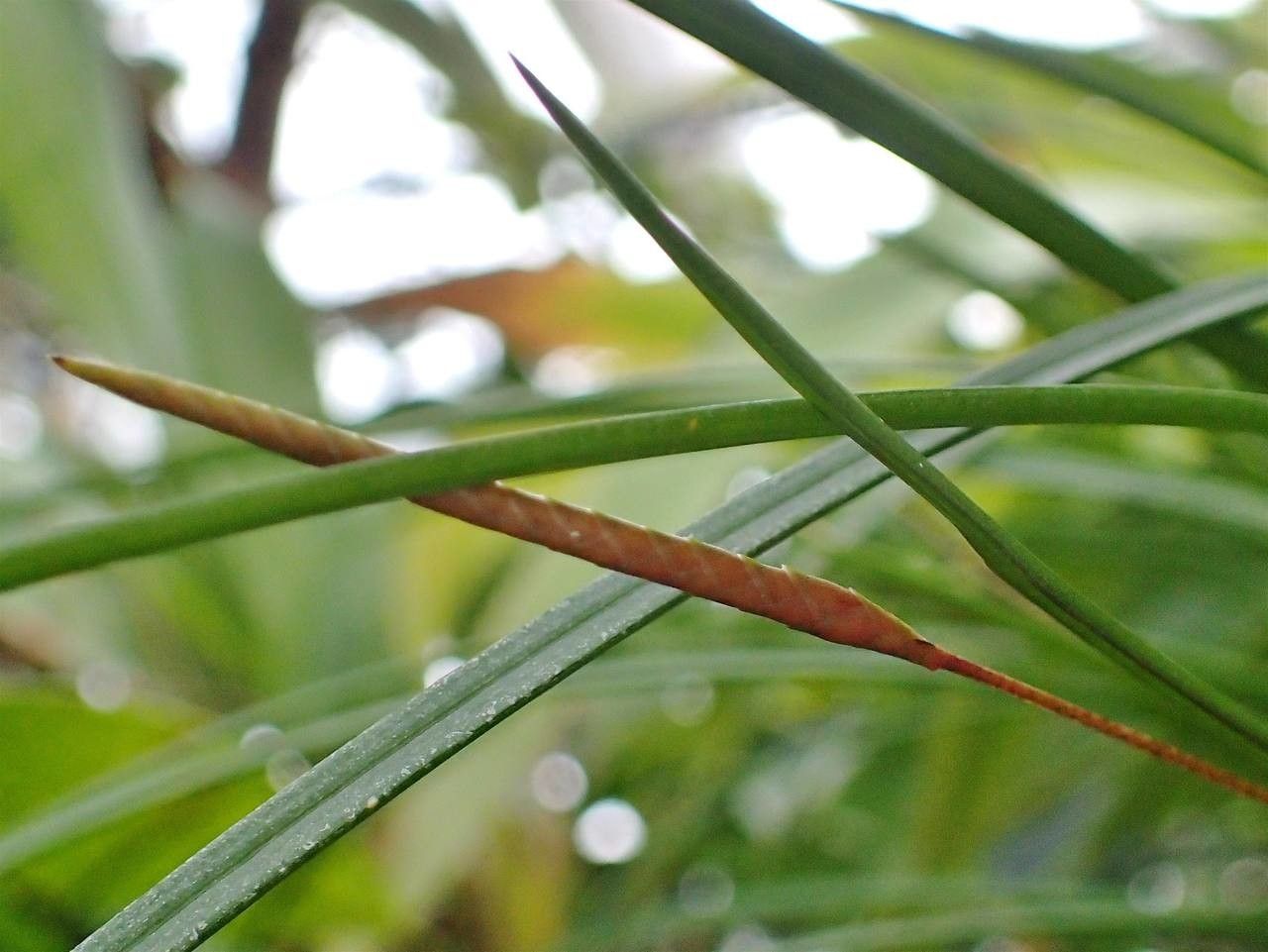
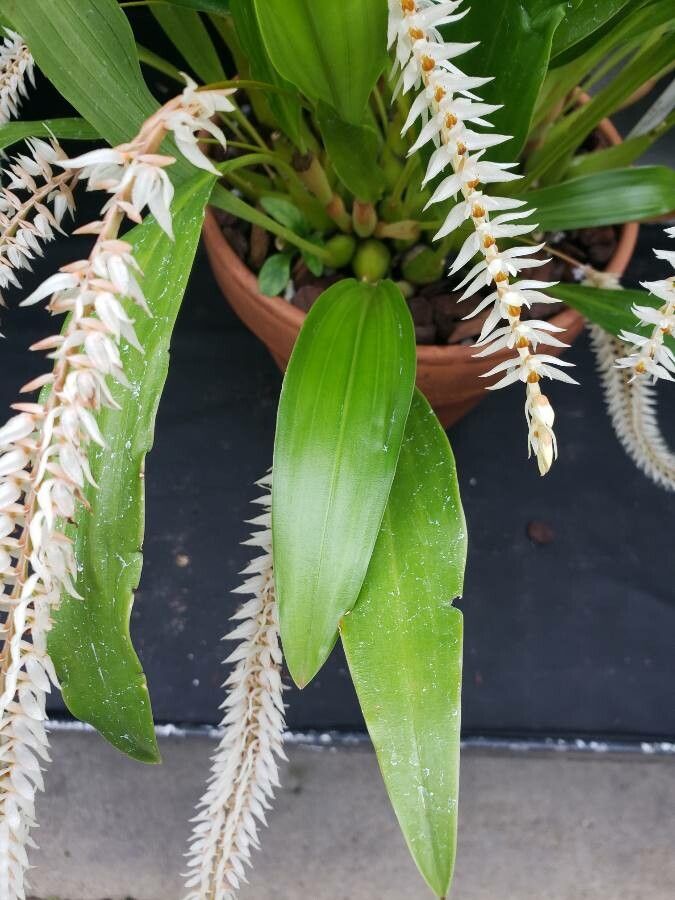
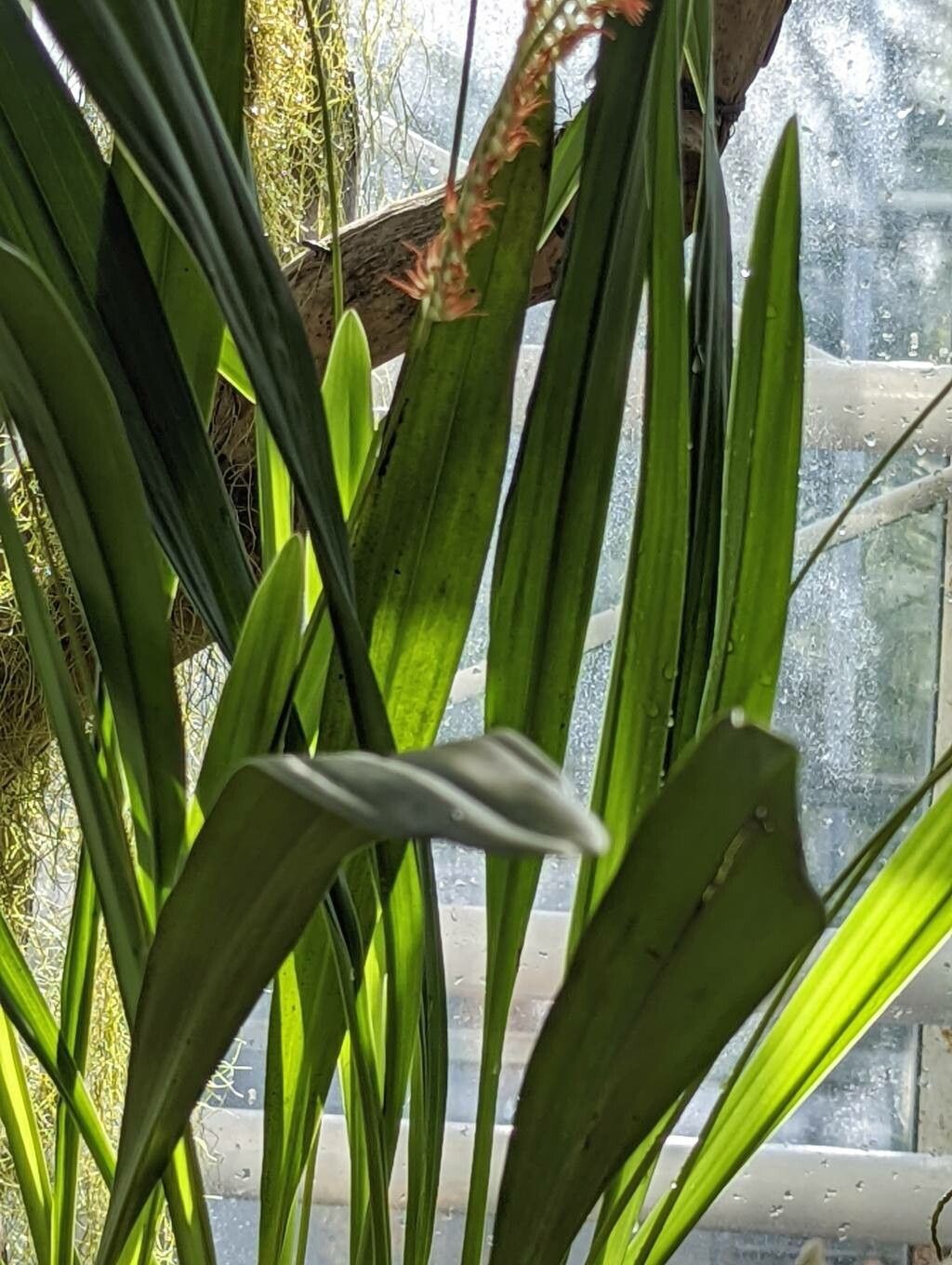
Hook-shaped dendrochilum is generally disease-resistant and has relatively few insect pests. Its care is considered challenging, since it needs high humidity along with good ventilation and minimal harmful pathogens. Too much watering can cause root rot. Although anyone can grow Hook-shaped dendrochilum, maintaining its health and getting it to bloom again requires more growing experience.
How to keep Dendrochilum Uncatum.
Light
Hook-shaped dendrochilum prospers in locations exposed to the full range of daylight. Its health and growth may be harmed if it does not receive enough light. Coming from habitats where the sun is present for most of the day, it can tolerate very strong light without damage. Both excessive and insufficient light can undermine its well-being and reduce its vitality.
Water
Originating from humid forests, the hook-shaped dendrochilum thrives in environments with consistent moisture and stable humidity levels. While it has some drought tolerance, it typically needs watering twice a week. As an indoor-grown epiphytic orchid, this plant benefits from regular misting to mimic the moist conditions of its natural habitat.
Temperature
Hook-shaped dendrochilum comes from habitats where temperatures range from 68 to 100 °F (20 to 38 ℃). This plant does best in warmer conditions. When seasons change, it is recommended to keep the environment warmer as needed.
Fertilizer
Appropriate fertilization is essential for the health and appearance of the Hook-shaped dendrochilum. Fertilize the Hook-shaped dendrochilum during the summer, repeating the application once a month throughout the season. These nutrients support growth and help maintain the plant’s parts. Regular fertilizing improves the Hook-shaped dendrochilum’s floral display, ensuring it produces its best blooms.
Pruning
To keep the hook-shaped dendrochilum healthy and attractive, it requires careful pruning. Prune the plant from early to late spring by removing spent flowers and any damaged foliage. This will help improve airflow and prevent disease. Make sure to use clean, sharp tools, as this practice encourages growth and blooming, while also enhancing the plant's ornamental value.
Pot & Repot
When repotting Hook-shaped dendrochilum, pick a pot a bit larger than the original with good drainage, preferably a clear orchid pot. Use a well-draining, orchid-specific medium that includes bark or moss. Gently clean the roots and cut away any that are dead or rotting. Repot after flowering, usually in spring or fall, water well, and place in bright, indirect light. Once repotted, avoid disturbing the roots.
Botanical profile.
- Plant Type
- Herb
- Life Cycle
- Perennial
- Genus
- Dendrochilum
- Family
- Orchidaceae
- Hardiness Zone
- 9-11
- Mature Height
- 15 cm
- Mature Spread
- 15 cm to 25 cm
- Leaf Color
- Light Green
- Leaf Type
- Deciduous
- Flower Color
- White
- Flower Size
- 1.02 cm
- Bloom Time
- Summer
- Planting Time
- Spring
- Harvest Time
- Late summer, Early fall, Mid fall
Reader questions.
What do I do if I give too much or too little water to my Hook-shaped dendrochilum?
Owners of Hook-shaped dendrochilum may mistake limp and wrinkled leaves as a sign that their plant is not getting enough water, leading them to overwater the plant. However, overwatering exacerbates the problem, so it is important to evaluate the roots rather than just the leaves. Healthy roots are silvery green, green, or white and feel firm, while overwatered roots appear mushy, limp, and brown or black. To rescue an overwatered plant, remove any rotted roots and repot in fresh growing medium. It is advisable to avoid overwatering altogether, as root rot may be irreversible. Therefore, water conservatively to prevent this issue. The symptoms of underwatering and overwatering in Hook-shaped dendrochilum are similar. Check the moisture content of the growing medium either by feeling it with your finger or using a moisture meter. If the plant is underwatered, consider increasing the frequency of watering. Healthy roots are pliable and green, whereas underwatered roots are brittle and brown. To revive an underwatered plant, remove any dried or dead root pieces, repot, and water thoroughly. Within a week or two, the leaves should regain their firmness and appear healthy. If the leaves are too damaged, they can be pruned to allow for new growth.
Why should I put fertilizer on my Hook-shaped dendrochilum?
Fertilizers are a crucial source of fuel for your Hook-shaped dendrochilum's healthy growth. Plants use these nutrients found in the soil to develop new plant material and maintain their overall health. For the Hook-shaped dendrochilum, fertilization is especially important to maximize the beauty of its flowers. Since the flowers are the main attraction of this plant, gardeners should prioritize fertilization to ensure the best blooms possible.
What kind of sunlight does the Hook-shaped dendrochilum thrive in?
The Hook-shaped dendrochilum is a beautiful plant that has long-lasting blooms, provided it gets sufficient humidity and sunlight. When these plants receive the right amount of sun, their blooms stay on for extended periods and their leaves grow strong and tall. Healthy orchids develop a greenish-yellow leaf color, and owners will be impressed by the large number of flowers they produce in proper sunlight.
What is the best temperature for Hook-shaped dendrochilum?
Both Hook-shaped dendrochilum and Hook-shaped dendrochilum require different levels of maintenance, but they both grow best in the same temperature range. To ensure the thriving of warm-weather plants, maintain a temperature between 75-90℉ (25-32℃). Although Hook-shaped dendrochilum can tolerate temperatures outside this range, it is recommended to keep the growing environment within a few degrees of these limits. Hook-shaped dendrochilum can handle temperatures ranging from 50℉ (15℃) as the lower limit to 95℉ (35℃) as the higher limit. As Hook-shaped dendrochilum prefers warmer weather and is typically grown in summer when planted outdoors, it is essential to avoid lower temperatures. Growth slows down below 70℉ (25℃), and temperatures below 50℉ (15℃) can cause damage or even kill the plants.
How frequently do I need to water my Hook-shaped dendrochilum?
No matter what kind of medium you use, water your Hook-shaped dendrochilum when the mix is mostly dry but not completely dry. The frequency may vary depending on the environment, but in general, water it once or twice a week during summer and as little as once every 2 weeks in winter.
When should I fertilize my Hook-shaped dendrochilum?
The Hook-shaped dendrochilum goes through two main phases each year. The first phase, called the dormant phase, occurs during winter and involves minimal new growth. The second phase, known as the active growth phase, occurs during spring and fall. During this phase, the Hook-shaped dendrochilum requires the most fertilization. It is advisable to start fertilizing the plant in the spring and continue doing so once per month throughout the rest of spring and most of summer. As fall approaches, you can gradually reduce the rate of fertilization.
What kind of sunlight does Hook-shaped dendrochilum require?
The hook-shaped dendrochilum orchid requires at least six hours of sunlight every day. There are also other types of epiphytic orchids that can tolerate different levels of sunlight. Some orchids can handle the intense heat of the afternoon sun, while others prefer to be in the shade all day.
Do Hook-shaped dendrochilum plants need different temperatures at different stages of growth?
To help the Hook-shaped dendrochilum bloom to its full potential, it is important to maintain a consistent temperature range. Temperature fluctuations at any growth stage can be harmful. Avoid temperatures below 70℉ (25℃) or above 90℉ (32℃) as they can slow down or hinder growth. Prolonged periods below 50℉ (15℃) can prevent flowering altogether. Since the Hook-shaped dendrochilum is not hardy, it needs a well-controlled environment to thrive. It is crucial to have control over the temperature. Additionally, the Hook-shaped dendrochilum requires a cool period, which will be discussed further below.
How do you water Hook-shaped dendrochilum?
Hook-shaped dendrochilum is an epiphytic plant, meaning it doesn't grow in soil like most plants. To ensure proper growth, it's important to carefully select a suitable growing medium. Regardless of the medium you choose, the container should have adequate drainage holes. Hook-shaped dendrochilum pots are designed to hold a chunky potting mix that provides ventilation, and they are typically tall and narrow to allow air to circulate around the roots. One popular medium for Hook-shaped dendrochilum is bark, which is sourced from fir trees and drains well. Since these plants naturally grow on bark, it makes sense to use a similar substrate indoors. However, using bark requires more frequent watering as it dries out quickly. Another common planting medium for orchids, including Hook-shaped dendrochilum, is sphagnum moss. Most commercially grown specimens are sold in moss because it is lightweight, inexpensive, and reduces the need for frequent watering. However, sphagnum moss can be challenging for those without expertise in orchids. It is highly absorbent and can hold too much water near the roots, leading to root rot. If your Hook-shaped dendrochilum is planted in sphagnum moss and you plan to keep it that way, be cautious about watering. It's best to water judiciously, as it can be difficult to reverse root rot once it occurs. Watering from below is recommended to avoid splashing water on the leaves, stem, and flowers. To do this, place the pot in a container of water and allow the roots to soak up moisture for 10-15 minutes. Stop when the surface of the moss is wet, and ensure thorough drainage before returning the plant to its usual spot, as it dislikes being in standing water.
When is it not a good idea to fertilize my Hook-shaped dendrochilum plant?
If you want to promote the growth of your Hook-shaped dendrochilum, it is important to be mindful of root burn. During the spring and summer, when your plant is actively growing, it requires additional nutrients. However, during the fall and winter when the plant enters its dormancy stage, it is advisable to discontinue fertilization.
Can the Hook-shaped dendrochilum be harmed by sunlight? How can we shield the Hook-shaped dendrochilum from sun and heat damage?
Hook-shaped dendrochilum orchids are resistant to sun damage when provided with high humidity. On the other hand, certain Epiphytic Orchids need shade and good airflow to prevent their leaves and flowers from overheating. To protect orchids from heat damage, gardeners should ensure humidity levels range from 40% to 70%. In hot weather, misting the leaves of orchids can help keep them cooler.
Here are three tips to help control the temperature of Hook-shaped dendrochilum.
Tip #1