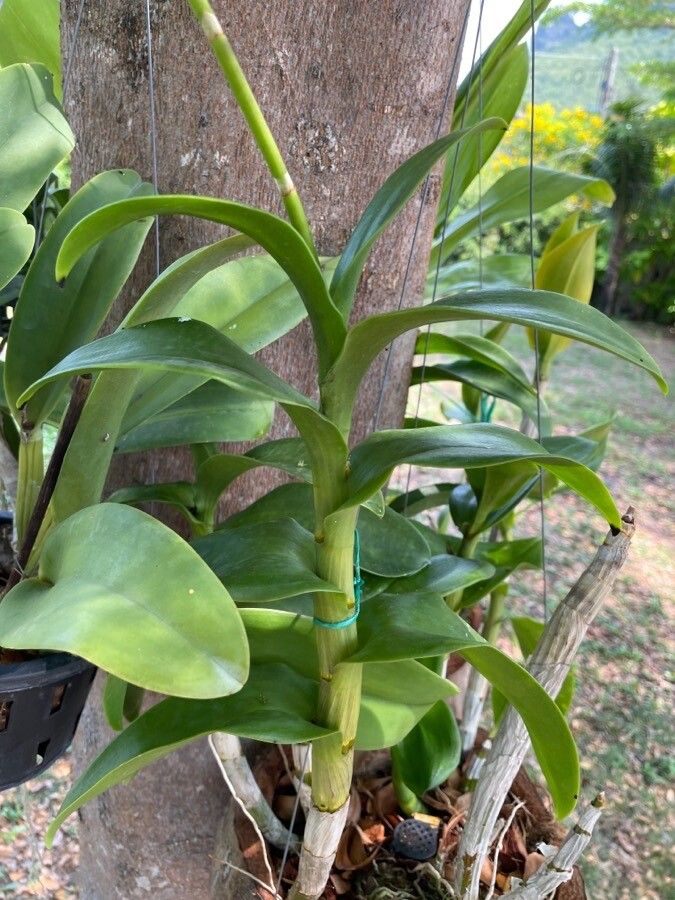
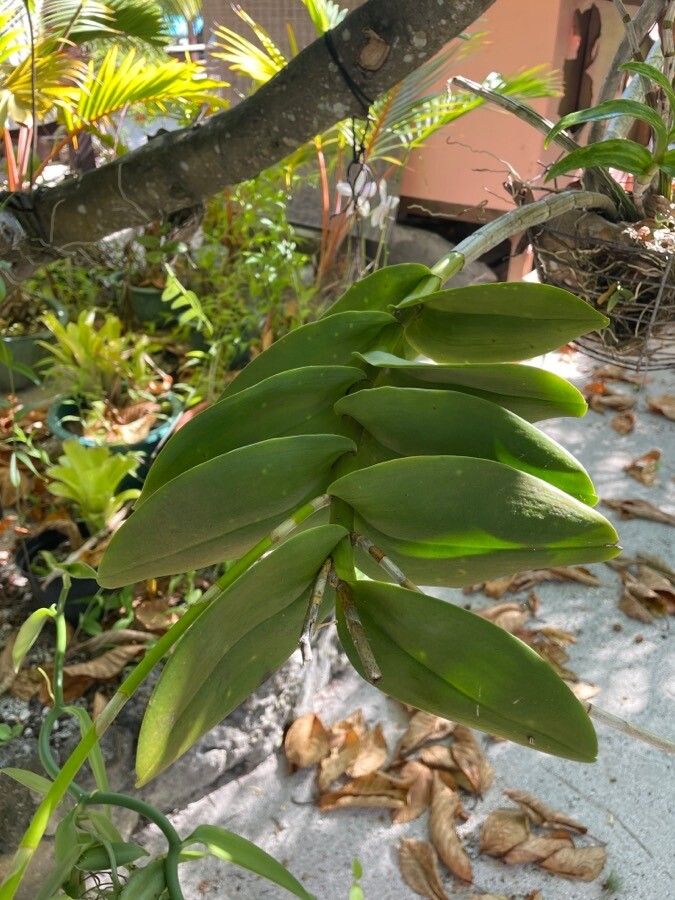
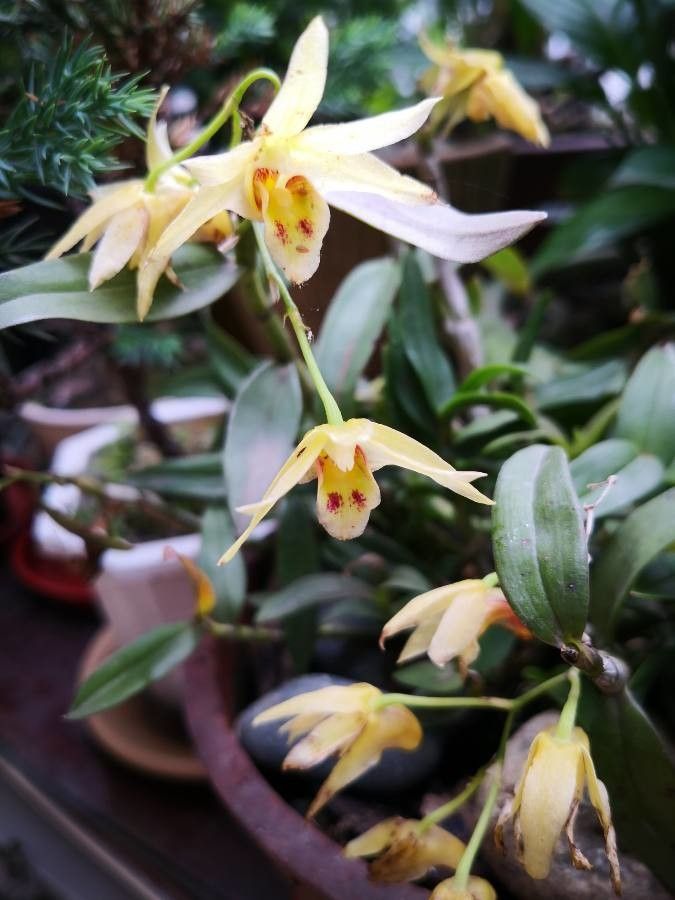
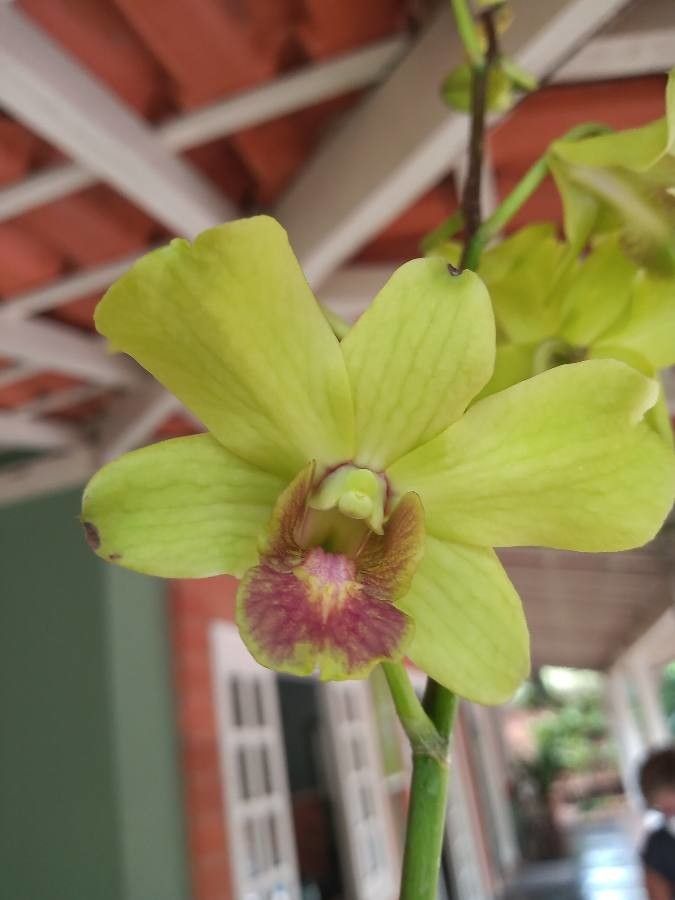
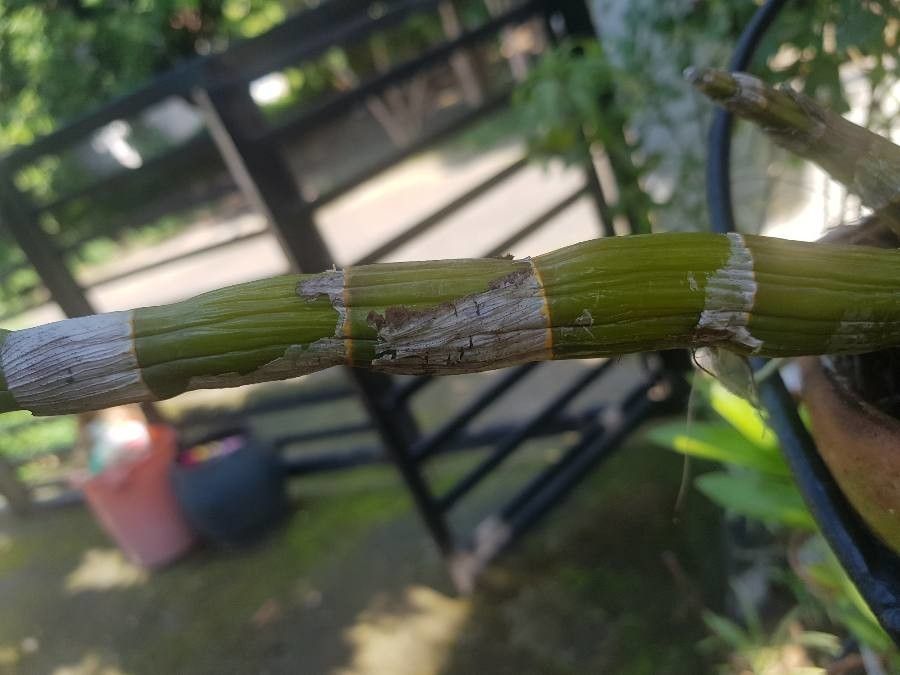
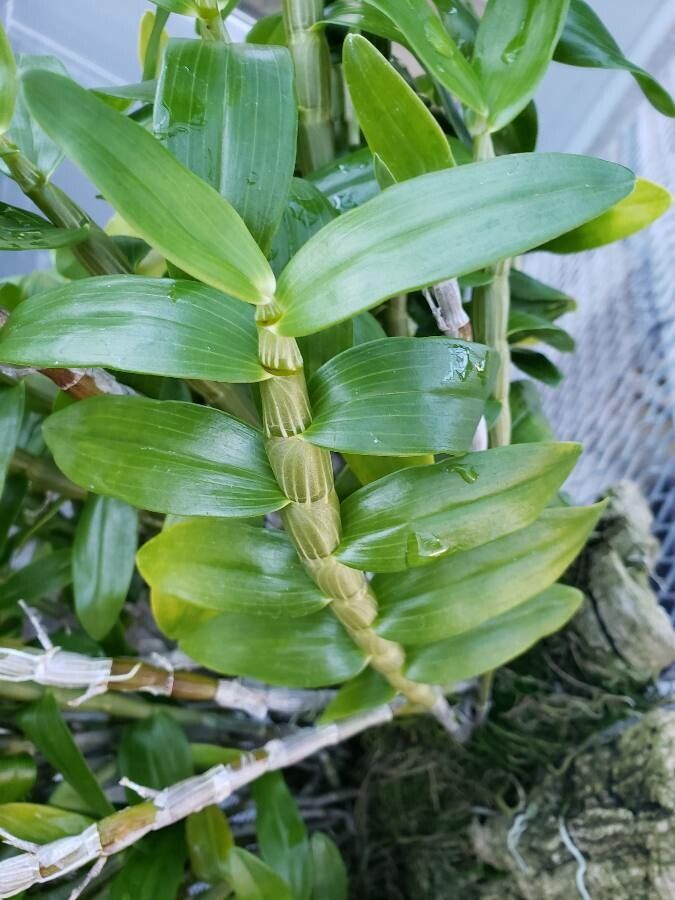
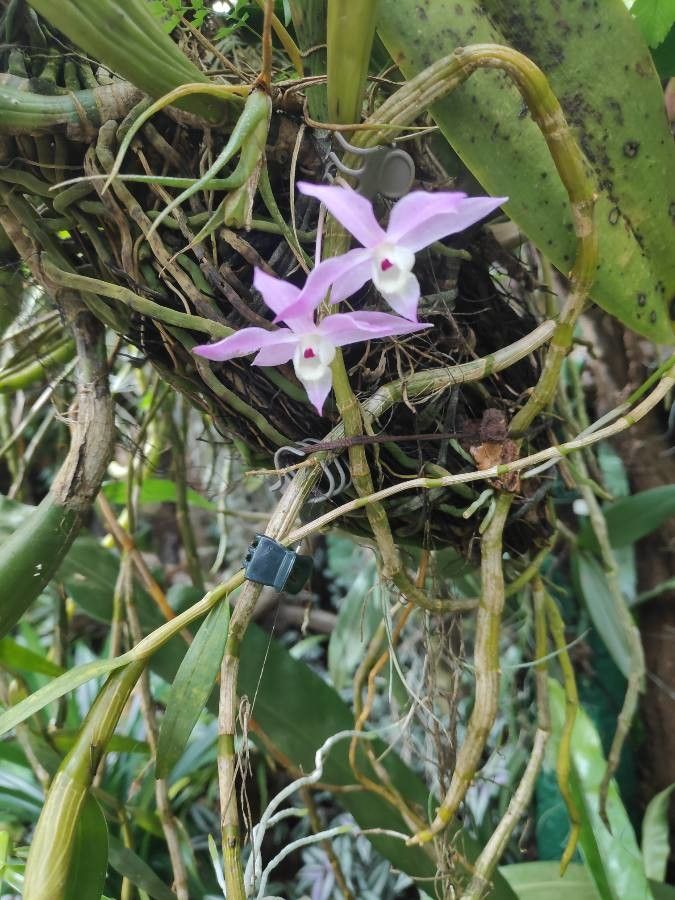
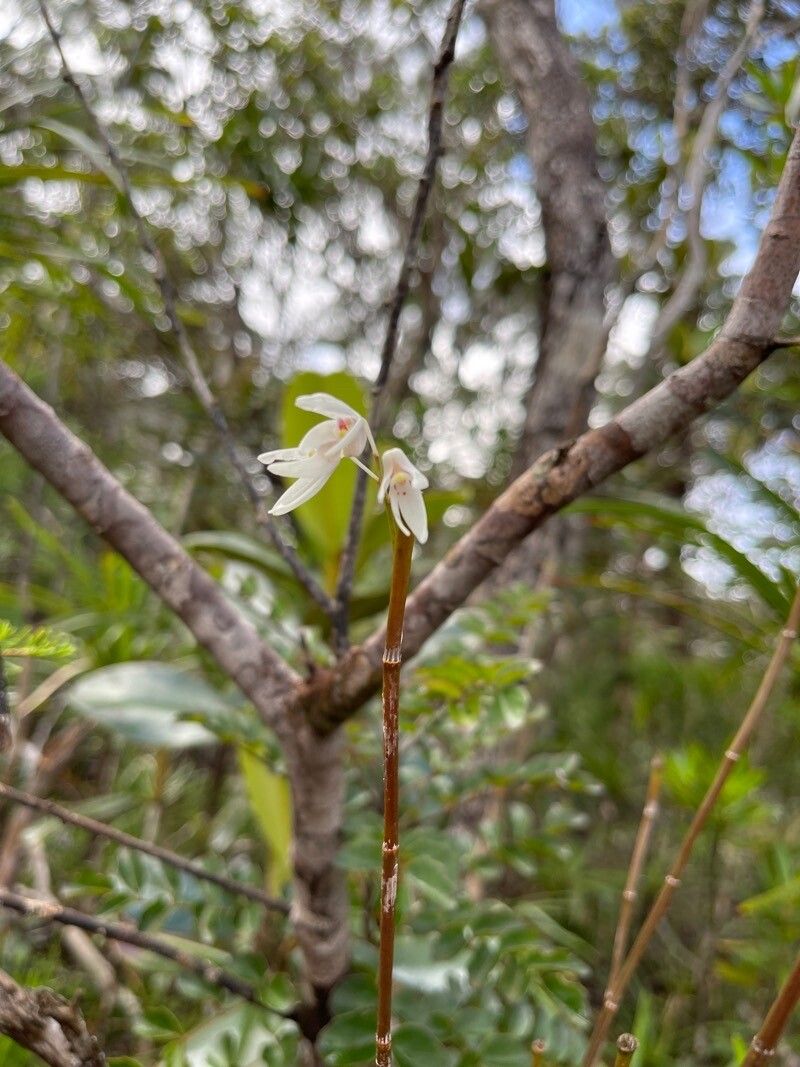
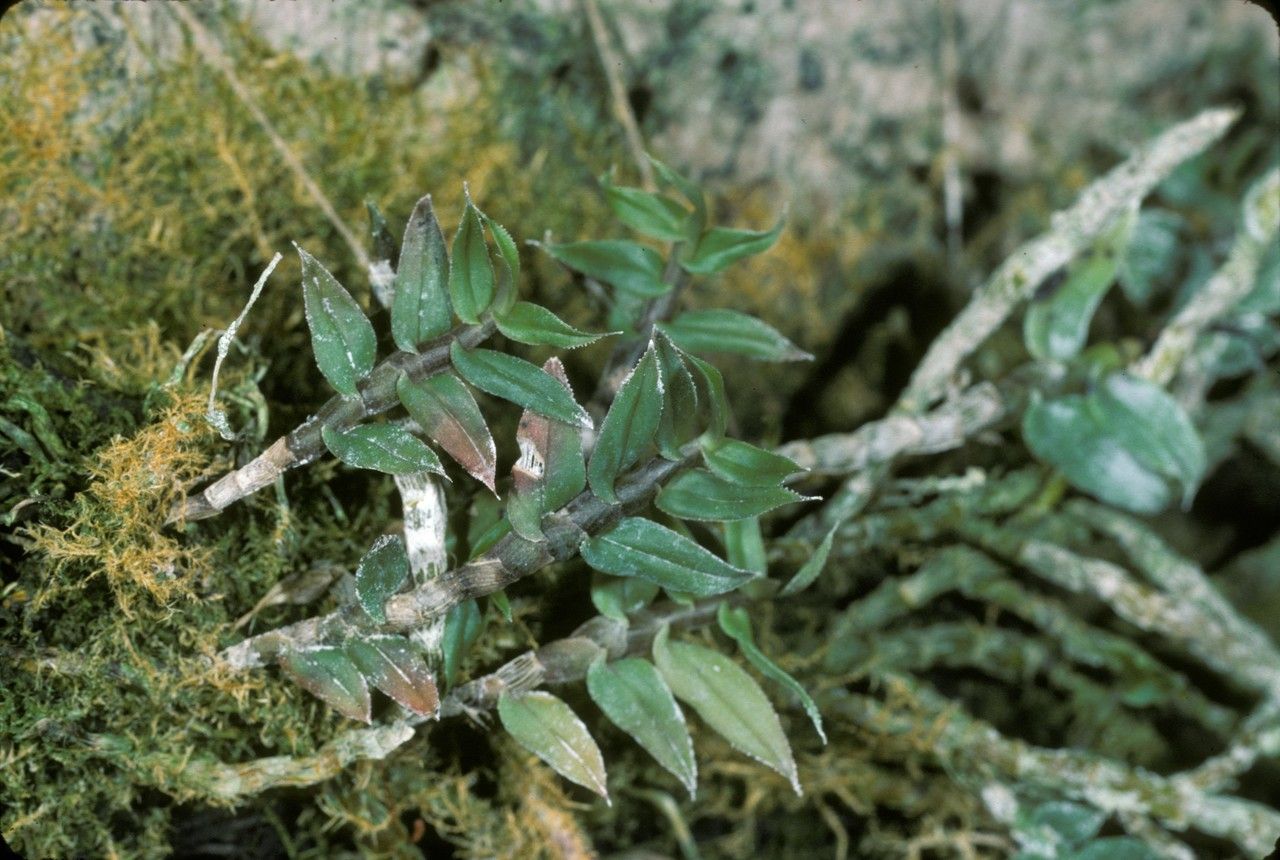
Dendrobium closterium is a species of orchid native to Southeast Asia, including Thailand, Malaysia, and Indonesia. This epiphytic plant thrives on trees and rocks in humid forests. It features long stems with small leaves that grow in an alternating pattern along the stem. The flowers of Dendrobium closterium are small and white with yellow centers, blooming in clusters at the end of the stems.
This orchid species prefers warm daytime temperatures between 20-30°C (68-86°F) and cooler temperatures at night. While it requires high humidity levels to thrive, it can tolerate some dryness between watering.
For centuries, indigenous people have used Dendrobium closterium for its anti-inflammatory properties. Additionally, it is cultivated as an ornamental plant due to its beautiful flowers.
Overall, Dendrobium closterium is a fascinating orchid species with unique characteristics, making it valuable both for its medicinal properties and its aesthetic appeal as an ornamental plant.
Dendrobium closterium typically shows strong resistance to disease and is troubled by relatively few insect pests. Its care is considered challenging because it needs high humidity yet good ventilation and a low presence of harmful pathogens. Too much watering can cause root rot. While anyone can cultivate Dendrobium closterium, keeping it healthy and getting it to bloom again requires greater growing experience.
How to keep Dendrobium Closterium.
Humidity
This plant needs special care because it loves high humidity levels of 60-80% or more. The best way to achieve this is by placing a humidifier near the plant. Daily misting is also essential! Make sure the room has good ventilation.
Temperature
During the blooming and active growth phases, typically from February to September, dendrobium orchids thrive best in warmer temperatures ranging from 65 to 85 °F (18 to 30 °C). It's important to ensure that nighttime temperatures do not drop below 54 °F (12 °C).
Botanical profile.
- Life Cycle
- Perennial
- Genus
- Dendrobium
- Family
- Orchidaceae
- Hardiness Zone
- 10-11
Other names.