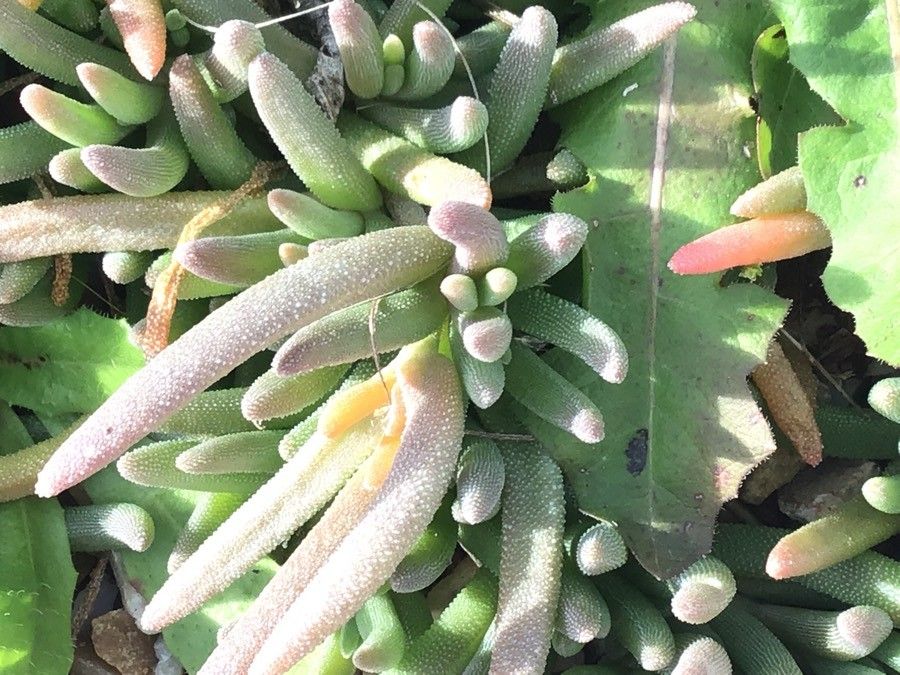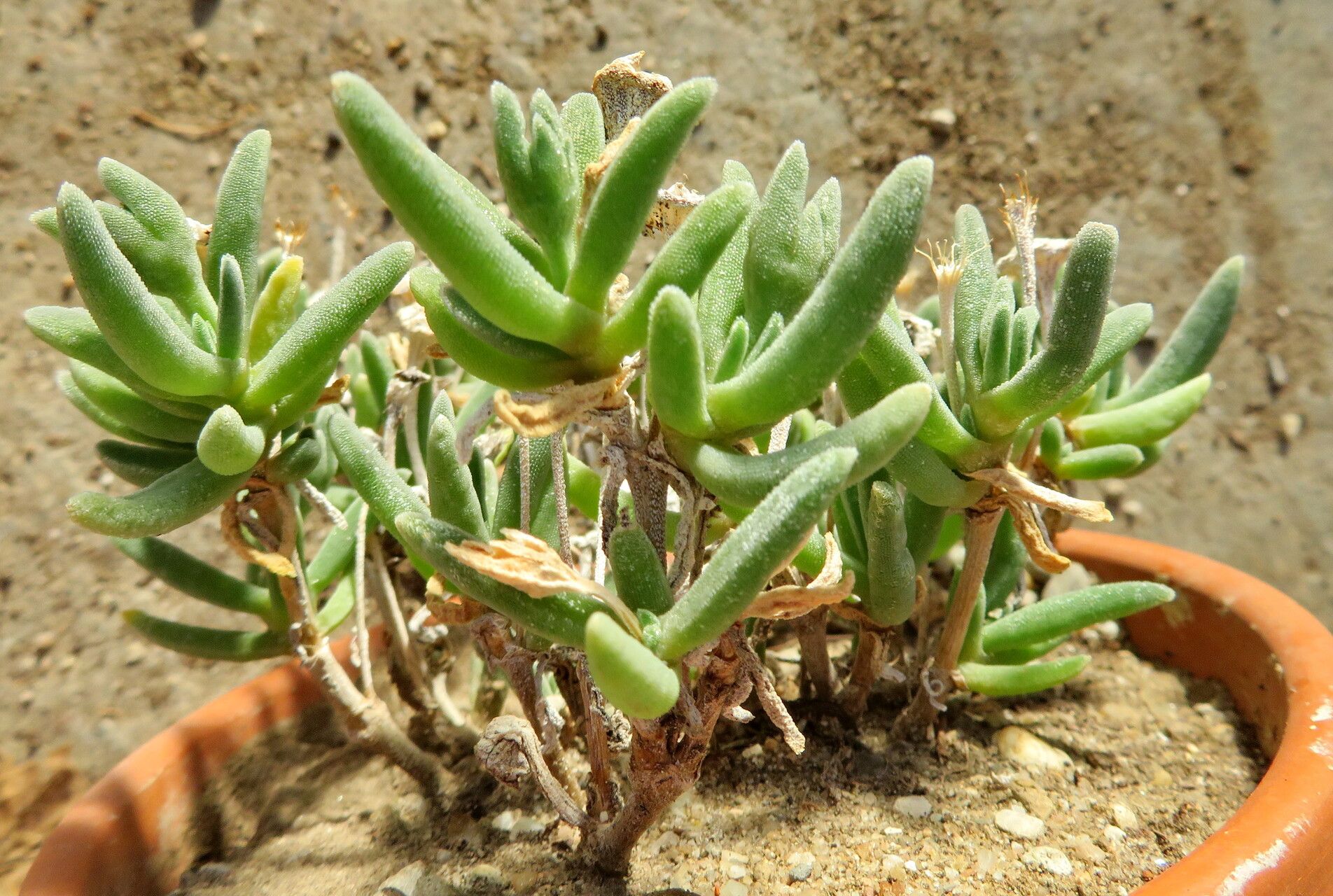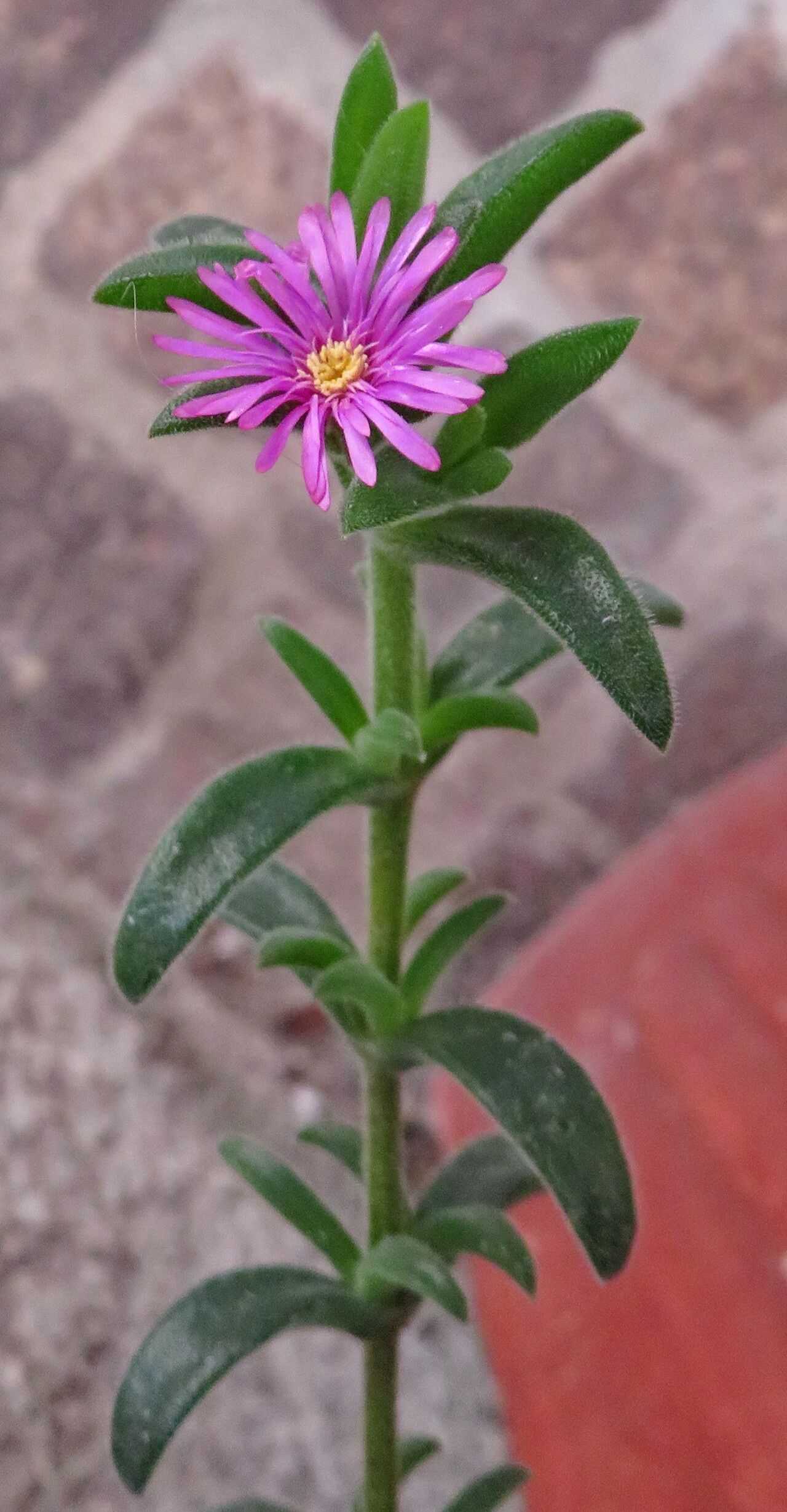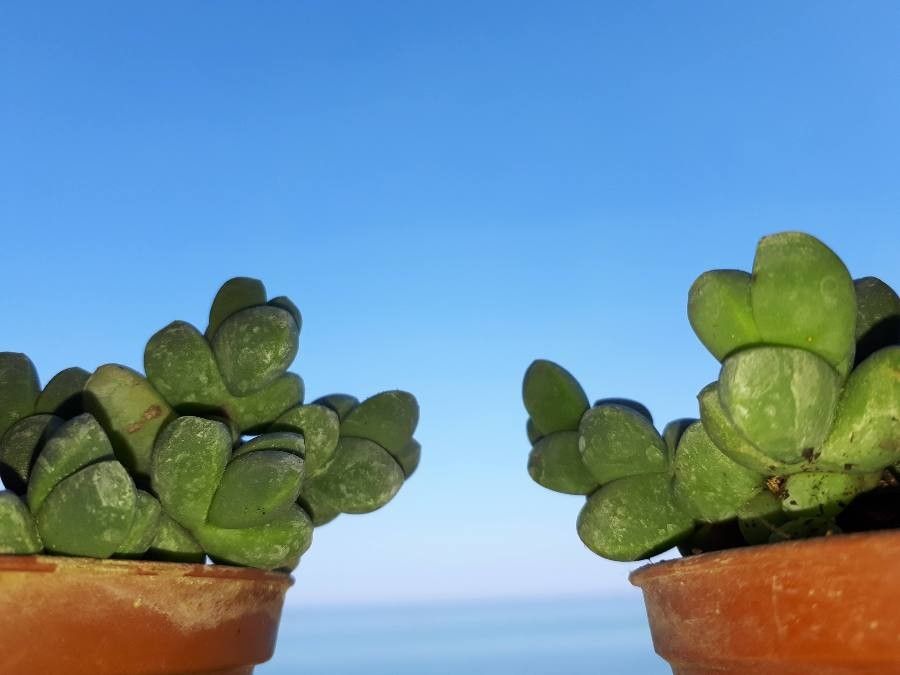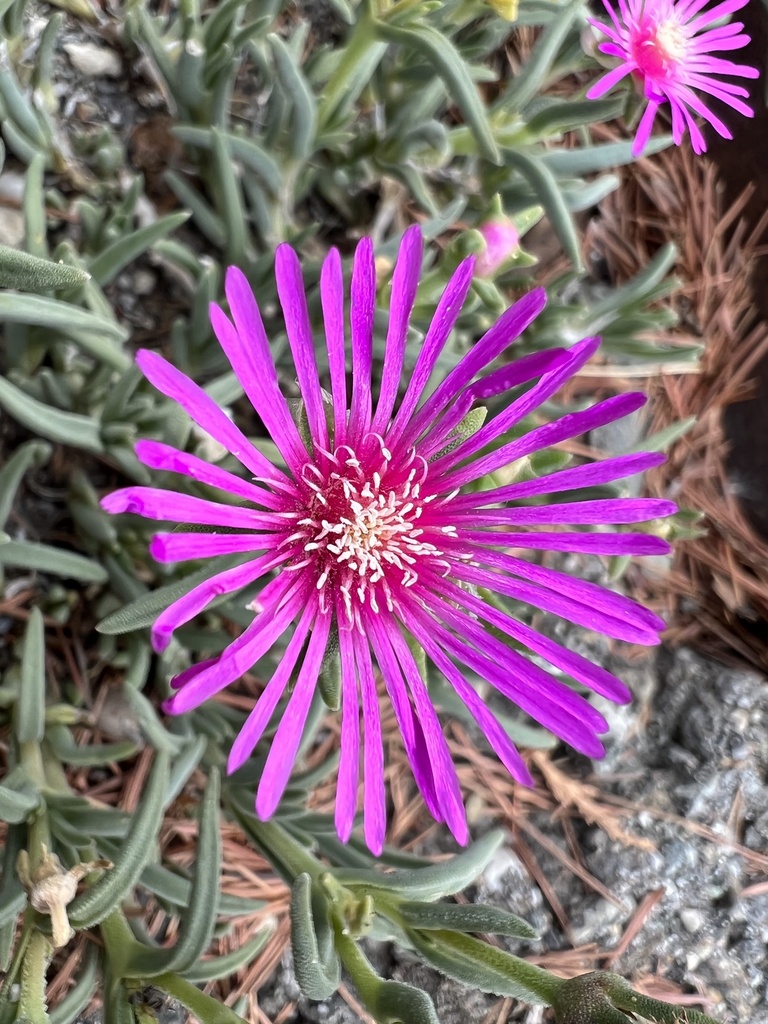
Delosperma cooperi, commonly known as the ice plant or purple ice plant, is a low-growing succulent native to South Africa. A member of the Aizoaceae family, it is widely treasured as an ornamental plant due to its vibrant purple-pink flowers, which bloom from late spring through summer. The plant's fleshy, cylindrical leaves are a striking blue-green, providing a beautiful contrast to its bright blossoms.
This hardy perennial thrives in full sun and well-drained soil, making it an excellent choice for rock gardens or ground cover. While it can withstand drought conditions, it does best with regular watering during its growing season. Propagation is easy, either through stem cuttings or by dividing mature plants.
Beyond its aesthetic appeal, Delosperma cooperi has been used for medicinal purposes by indigenous people in South Africa, treating conditions such as stomach pains and skin infections. Its leaves contain tannins with anti-inflammatory properties.
This plant is unique because it's a drought-tolerant succulent that puts on a stunning display of blossoms. The succulent leaves are shaded beneath a carpet of vibrant, daisy-like flowers. FUN FACT · FROM THE LIBRARY
Overall, Delosperma cooperi is an attractive, easy-to-grow succulent that adds vibrant color to any garden and offers potential medicinal benefits.
Hardy iceplant has moderate disease resistance and is more sensitive to humidity and excess watering. It is also more likely to develop disease when it is kept in low light and overwatered. In terms of care, the hardy iceplant is drought-tolerant and can go long periods without water. It needs little fertilizer and only occasional pruning. Because of this, it is suitable for people of all experience levels, especially those who prefer to spend less time on plant care and who may sometimes be away from home for extended periods. It is a good option for anyone who does not want to invest a lot of time in caring for plants but still wants an easy-to-maintain specimen.
How to keep Delosperma Cooperi.
Light
Hardy iceplant grows best when it gets steady sunlight for most of the day, though it can tolerate areas with less light. Plenty of sun encourages healthy growth, while too little light can cause weak, poor growth. It comes from bright habitats, indicating a preference for sun exposure.
Water
The hardy iceplant is a resilient plant native to the dry highlands of South Africa. It has succulent leaves that store water, making it highly drought-tolerant. This plant thrives when watered every 2-3 weeks, making it an excellent choice for xeriscaping. Its ability to cover the ground reduces the need for irrigation, making the hardy iceplant a sustainable option for outdoor spaces.
Humidity
This plant prefers dry conditions, so don't mist it. However, watering it less often can also thrive in higher humidity.
Temperature
Hardy iceplant grows best in its native habitat when temperatures are between 68 and 95 °F (20 to 35 °C). It prefers this moderately warm range. In colder seasons, altering the conditions to achieve these temperatures can help preserve its growth.
Fertilizer
For hardy iceplant, small amounts of fertilizer once or twice a year during the growing season are sufficient. Do not fertilize in winter or summer when the plant is dormant. Reduce fertilizer for repotted plants and wait a couple of months after repotting before applying fertilizer. Fertilization supports healthy growth and encourages blooms.
Pruning
To keep your hardy iceplant in good shape, prune any excess or dense branches in the spring and fall using tools like knives or scissors. For propagation, cut stems that have 5-6 leaves, then treat the cut with sulfur powder. Make sure the soil is slightly moist to encourage successful rooting.
Pot & Repot
Repot your hardy ice plant every two years in the spring, using a larger container with good drainage. After repotting, place the plant in bright light and water it sparingly to help it recover. This low-maintenance succulent is easy to care for, making the repotting process simple and stress-free.
Toxicity
When the plant is dead, it is the most toxic (greyish, dry and crumbly). It is hazardous both when dry and after summer rain. Dryer seasons benefit the plant, and following a dry winter, it is more likely to be an issue.
Further reading →
The toxicity and danger assessments provided are for reference only. We do not assure their accuracy, so it's crucial not to depend on them. Seek professional advice when necessary for accurate guidance.
Botanical profile.
- Plant Type
- Succulent
- Life Cycle
- Perennial, Annual
- Genus
- Delosperma
- Family
- Aizoaceae
- Hardiness Zone
- 5-9
- Mature Height
- 10 cm to 15 cm
- Mature Spread
- 30 cm to 61 cm
- Leaf Color
- Green
- Leaf Type
- Evergreen
- Flower Color
- Purple, Pink, White, Yellow, Red, Orange
- Flower Size
- 3.05 cm to 5.08 cm
- Bloom Time
- Early spring, Mid spring, Fall, Winter
- Planting Time
- Spring, Autumn
- Harvest Time
- Spring, Mid fall, Late fall, Winter
- Native Area
- South Africa, Lesotho
Other names.
Reader questions.
What do I do if I give too much or too little water to my Hardy iceplant?
Hardy iceplant and other succulents are typically able to withstand long periods without water. However, if you neglect to water your Hardy iceplant for a month or more, it will likely show signs of thirst or damage from underwatering. An underwatered Hardy iceplant will appear lacklustre, wrinkled, and some parts may have dried up, turned brown, or fallen off. The soil will also be completely dried out. To remedy this, give your Hardy iceplant plenty of water by submerging the pot in water for about 5-10 minutes until you feel moisture on the soil surface. On the other hand, overwatering is dangerous for Hardy iceplants and can even be fatal. Excessive moisture can lead to root rot, which hinders the roots from absorbing nutrients and water. Root rot occurs when fungi and bacteria thrive in the wet soil and attack the roots. If your Hardy iceplant is overwatered, it is crucial to change the growing conditions, improve air ventilation, and adjust water frequency. The symptoms of overwatering include yellow, swollen, and translucent organs that may burst open. Without proper treatment, the plant may turn brown or black and easily fall off. To determine if overwatering is the issue, check the soil. If overwatering is confirmed, it is important to act quickly. However, saving an overwatered plant can be challenging, especially if the roots are already rotten. To save the plant, remove it from the pot, rinse the roots clean, and check for signs of root rot. If most of the roots are affected, it may not be possible to save the plant, but if some healthy roots remain, there is hope. Remove any unhealthy-looking roots with a sterilized cutting tool, dip the remaining roots in fungicide, and repot the plant in fresh, well-draining soil. Though not guaranteed, this process usually allows the plant to recover and produce new growth in the next growing season.
Why should I put fertilizer on my Hardy iceplant?
Applying plant food to hardy iceplant during the growing season helps add nutrients to the growing medium, supporting healthy growth. Despite its ability to store water and nutrients, fertilizing can also promote the production of blooms in mature specimens.
What are the sunlight requirements for Hardy iceplant?
The Hardy iceplant, or Delosperma cooperi, thrives under conditions of full sun, which means it requires above 6 hours of sunlight daily, but it can also grow in partial sun, with about 3-6 hours of sunlight. It's important to observe the movement of sunlight through your garden to find spots that offer the right balance of light and shade, ensuring the plant's health and happiness.
What temperatures are ideal for the Hardy iceplant to thrive?
The Hardy iceplant, also known by its botanical name Delosperma cooperi, thrives in temperatures ranging from 68 to 95 °F (20 to 35 °C). It prefers moderately warm environments for optimal growth. This heat-loving plant gradually stops growing and enters a dormant state during the winter months. To maintain its growth during colder seasons, it is advisable to adjust the plant's environment to meet these temperature requirements.
How frequently should I water my Hardy iceplant?
Determining how often to water Hardy iceplant is not an exact science. The simplest way is to only water it when the soil is completely dry. You can check this by either sticking your finger or a moisture meter in the pot to measure the moisture level below the surface. If the soil feels slightly moist, it's best to wait a few days and check again. Generally, during the summer, most people water Hardy iceplant every two weeks, while in winter, once a month is sufficient. However, there are other factors that can influence watering frequency. To help you decide how often to water, the following section provides some considerations.
When should I fertilize my Hardy iceplant?
Hardy iceplant benefits from extra nutrients, but only requires a small amount of fertilizer during its growing season. It is recommended to fertilize the plant 1-2 times per year, specifically in the spring and autumn. Avoid fertilizing in the winter and summer when the plant is dormant. If you have repotted the plant, be cautious with the amount of fertilizer used. It is advisable to wait a couple of months after repotting before applying fertilizer.
How does sunlight impact the growth of Hardy iceplant?
Sunlight plays a crucial role in the growth and health of the Hardy iceplant. This plant performs best when it receives a continuous supply of sun rays for the majority of the day. Abundant sunlight promotes healthy growth, while insufficient sunlight can lead to weak and poor growth. Originating from well-lit environments, the Hardy iceplant has a natural preference for sun exposure. In cases where natural sunlight is inadequate, especially during winter or in less sunny spaces, artificial lighting, like LED lights, can be utilized to provide the necessary wavelengths of light, encouraging faster, healthier growth.
How should Hardy iceplant be cared for during winter?
During the winter, when outdoor temperatures drop below 0°C, the Hardy iceplant should be moved indoors for cultivation to prevent dormancy and protect it from cold damage. It is best placed near a south-facing window to ensure it receives ample sunlight. If natural light is insufficient, supplemental lighting can be utilized. Additionally, the plant's growth slows down when temperatures fall below 20°C, necessitating a reduction or cessation of watering to avoid root rot. For plants grown outdoors that cannot be moved, consider using insulation methods such as setting up a temporary greenhouse or wrapping the plant with plastic film or fabric.
What do I need to think about when watering my Hardy iceplant?
To properly water your Hardy iceplant, consider the following environmental factors: container size, soil type, temperature, and humidity. The container and soil you use will determine the frequency and amount of water needed. Make sure to use a container with good drainage to prevent overwatering. Smaller containers require less water, while larger ones need watering less often. Avoid using an oversized pot, as it can lead to overwatering. When repotting, switch to a container only one size larger than the current one, preferably shallow rather than deep. In terms of seasons, Hardy iceplant requires less water during winter when growth slows down. The cooler air reduces evaporation, keeping the soil moist for longer. The general climate of your area also affects watering needs. If you live in a humid region with lots of rain, you'll water less compared to a dry, arid climate. Remember that conditions can vary within the same location due to seasons, as well as indoor heating and air conditioning. For outdoor planting, once Hardy iceplants establish their root system in the ground, they typically don't need additional watering except during long dry spells. However, potted Hardy iceplants need more water when kept outside due to increased sun exposure, even on shaded porches. In areas where Hardy iceplants can only be grown in containers, they can be moved outdoors in suitable spring and summer temperatures and brought inside when temperatures drop.
When should I not add fertilizer to my Hardy iceplant?
Hardy iceplant, like many other plants, goes through a dormancy period. During this time, it is best to avoid using fertilizer. The plant stops growing in both the summer and winter, making it important to refrain from applying fertilizer during these seasons. Additionally, it is recommended to halt fertilizing for the first few months after repotting in the spring.
What are the signs of insufficient light in Hardy iceplant?
When Hardy iceplant receives inadequate light, it may exhibit several symptoms indicating light deficiency. These include smaller new leaves compared to mature ones, leggy or sparse growth with longer spaces between leaves or stems, faster leaf drop as the plant conserves resources, delayed or halted growth, and pale or irregularly colored new leaves. Chlorosis, sunscald, leaf curling, wilting, and leaf scorching are additional signs that the plant is either getting too much direct sunlight or not enough light, affecting its ability to photosynthesize and maintain overall health.
What are the symptoms and solutions for Hardy iceplant in low temperatures?
Hardy iceplant is not tolerant of low temperatures and does best when the temperature is above 20°C, requiring special care to survive the winter. It should be kept above 0°C to avoid weakening, wilting, and root rot, particularly when temperatures fall below -25°C. In the event of mild frost damage, which may not show immediate symptoms, the plant may gradually wither after a week. The solution involves trimming off the frostbitten areas, checking for and removing any rotted roots, and propagating from healthy cuttings if necessary. The plant should then be moved to a warm environment indoors and placed near a south-facing window for sunlight. Supplemental lighting may be used if sunlight is insufficient.