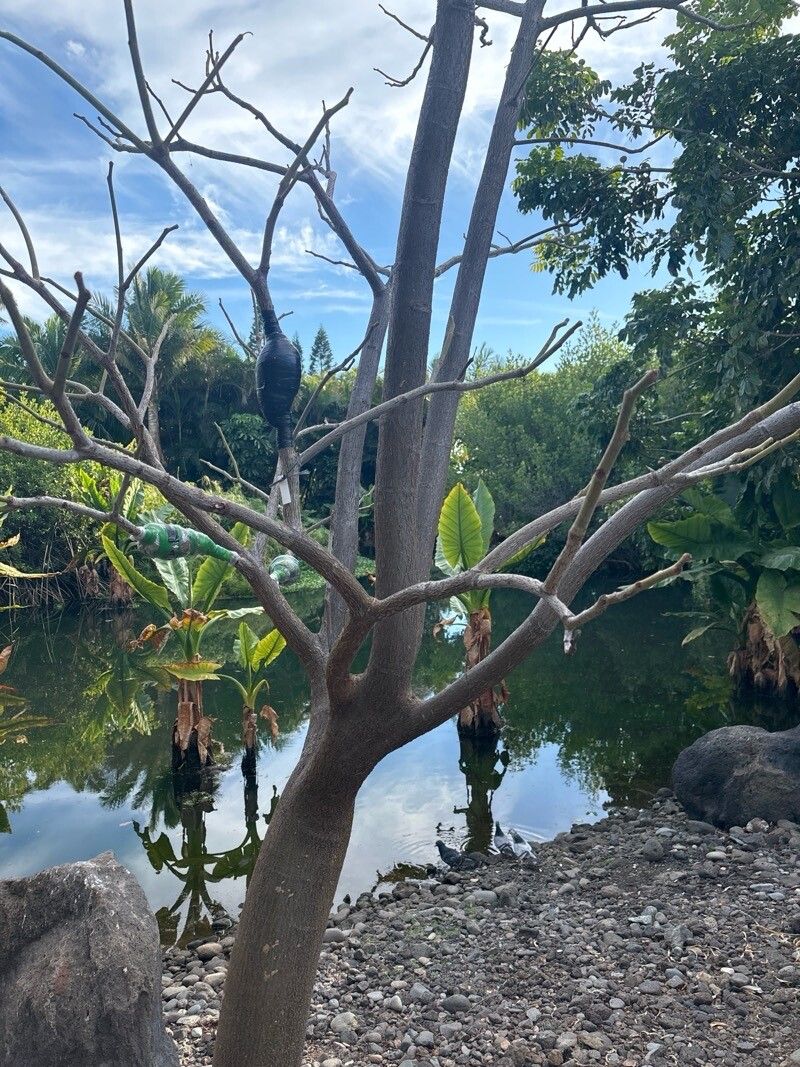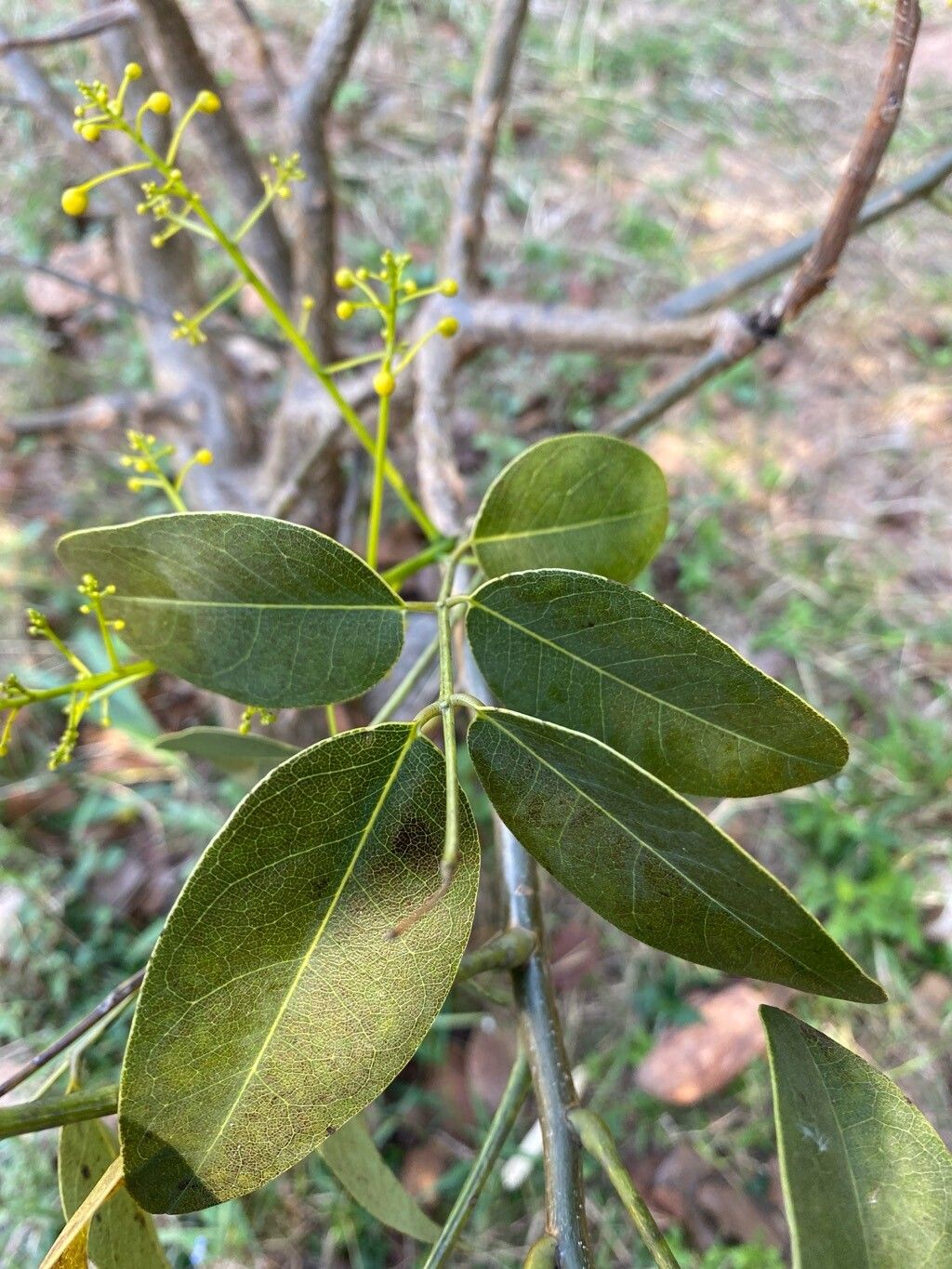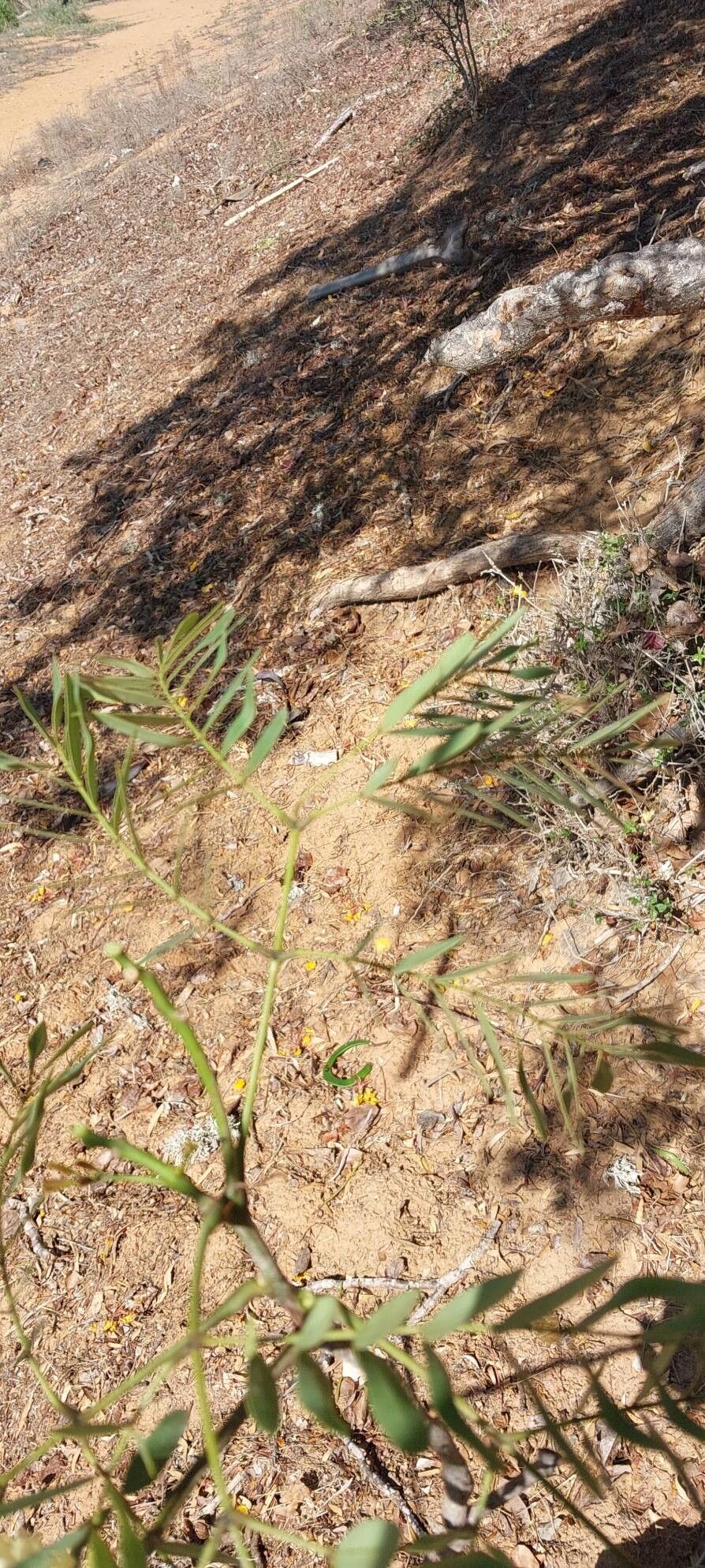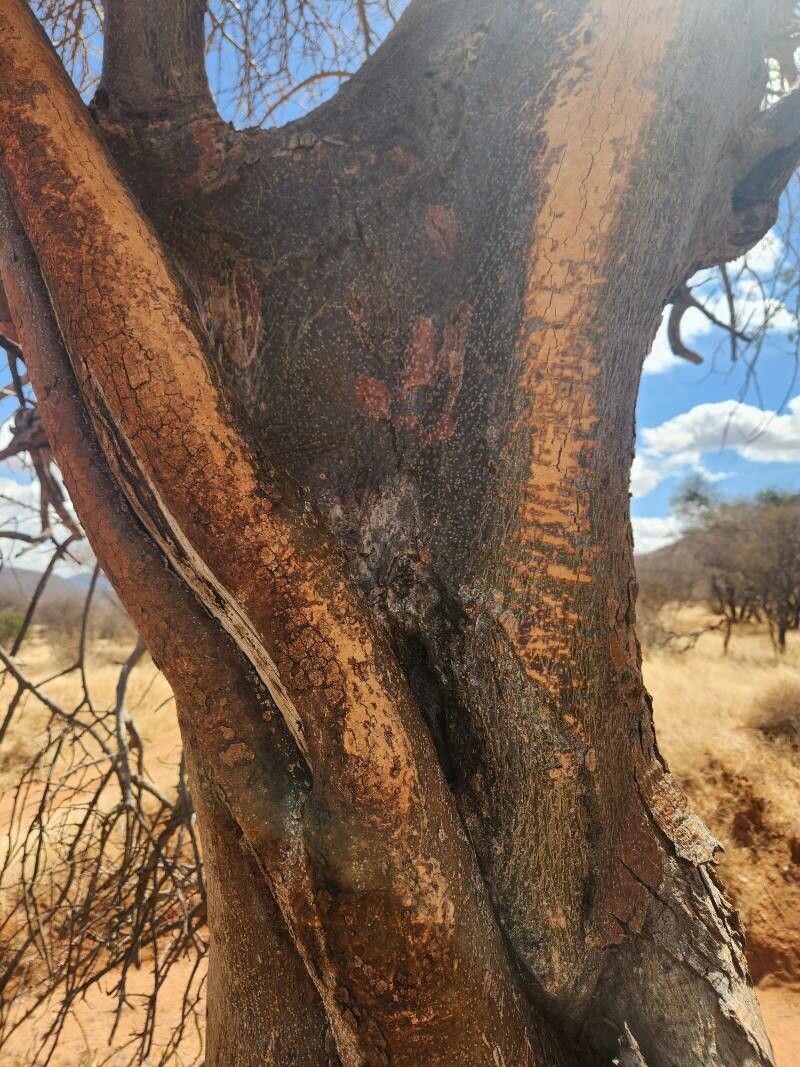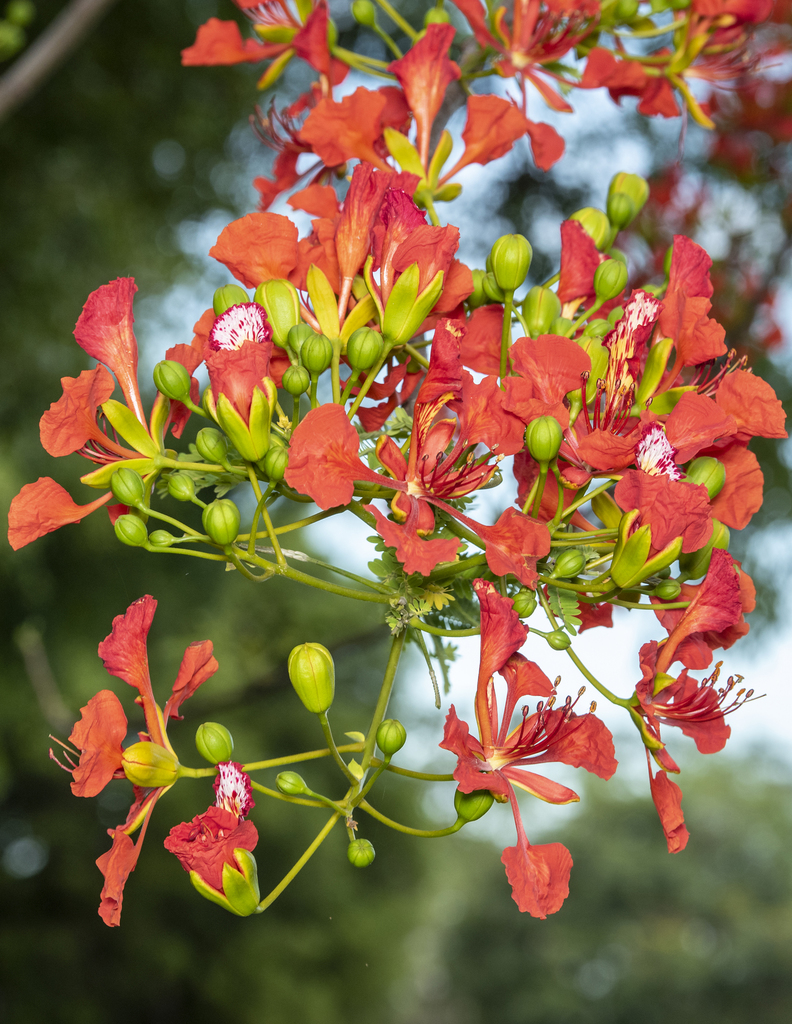
Delonix regia, commonly known as the Royal Poinciana or Flamboyant Tree, is a species of flowering plant in the Fabaceae family. Native to Madagascar, it has been widely cultivated in tropical and subtropical regions around the world for its stunning display of bright red-orange flowers. This tree can grow up to 12 meters tall and features a wide-spreading canopy with fern-like leaves that provide ample shade.
The flowers bloom in clusters during late spring and early summer, attracting pollinators such as bees and butterflies. The tree also produces long seed pods that can reach up to 60 centimeters in length, containing small black seeds that are dispersed by wind or water.
Delonix regia is often used as an ornamental tree for its striking beauty and has medicinal properties, such as treating skin diseases and reducing inflammation. However, it is important to note that all parts of the plant are toxic if ingested by humans or animals.
Legend has it that a flock of egrets settled on a deserted island, where flowers soon began to bloom, attracting many animals to inhabit it. However, the king of the snakes sought to take control of the island. The leader of the egrets managed to defeat the snake king, but was gravely injured in the process. From the spot where the egret leader perished, a large tree grew. Its flowers were as red as the egret's blood. This became known as the royal poinciana plant. FUN FACT · FROM THE LIBRARY
The Delonix regia, commonly known as the Royal Poinciana, was previously classified under the genus Poinciana, which is why its common name still reflects that. This vibrant tree is also called the Flamboyant, Fire tree, or Flame tree, due to its striking clusters of flame-red flowers.
Royal poinciana is fairly disease-resistant and generally does not tend to get sick. Regarding care, this plant is relatively low-maintenance. Planted outdoors, it needs only minimal watering, and larger specimens usually do not require pruning. Smaller plants, however, should be pruned after they have bloomed. Royal poincianat is suitable for anyone with an outdoor space, such as a garden or deck, and does not require much care experience.
How to keep Delonix Regia.
Light
Royal poinciana grows best with plenty of sunlight, which supports healthy development. Although it comes from very sunny habitats, it can tolerate some shade. Too little light can cause stunted growth, while too much can scorch the leaves.
Water
The royal poinciana flourishes in tropical climates. It is drought-tolerant but still benefits from watering every 1-2 weeks, especially in moderate humidity. Its large, striking canopy not only enhances its visual appeal but also captures rainwater, which helps keep the tree hydrated and affects the surrounding microclimate.
Temperature
The royal poinciana originates from tropical regions and prefers temperatures typically ranging from 68 to 100 ℉ (20 to 38 ℃). In winter, when temperatures may drop, it should be kept in a warm location and protected from cold drafts.
Fertilizer
The best time to fertilize a Royal poinciana is in early spring, when it emerges from dormancy. This encourages overall growth and flower development. Fertilizing improves the foliage, stems, and branches, and promotes flowers that are large, vibrant, and long-lasting. It helps transfer nutrients from the roots to the flowers and enhances the plant's health and resistance to disease.
Pruning
The royal poinciana tree is known for its vibrant red flowers and umbrella-shaped canopy. To enhance its structure and flowering, prune the tree in early spring by removing dead or crossing branches. Be cautious not to prune too heavily, as this can cause sap to bleed. Regular maintenance not only improves air circulation but also helps reduce the risk of disease.
Pot & Repot
When repotting Royal poinciana, select a pot 1–2 inches (2.5–5.1 cm) larger with ample drainage. Use a well-draining potting mix. Repot in spring or fall, making sure the root ball sits slightly lower than the rim of the flower pot. Water thoroughly after repotting and place in a warm spot with indirect sunlight.
Botanical profile.
- Plant Type
- Tree
- Life Cycle
- Perennial
- Genus
- Delonix
- Family
- Fabaceae
- Hardiness Zone
- 10-12
- Mature Height
- 7.92 m to 11.89 m
- Mature Spread
- 11.89 m to 21.03 m
- Leaf Color
- Green
- Leaf Type
- Deciduous
- Flower Color
- Red
- Flower Size
- 6.35 cm to 10.16 cm
- Bloom Time
- Late spring, Early summer, Mid summer
- Planting Time
- Spring, Autumn
- Harvest Time
- Early spring, Mid summer, Late summer, Fall, Winter
- Native Area
- Madagascar
Other names.
Reader questions.
What is the easiest way to water my Royal poinciana?
To promote excellent root development, place a garden hose at the base of the plant instead of directly spraying the leaves. If the leaves are exposed to direct sunlight outdoors, they will require more watering. You can use bubblers for each plant to keep the roots moist, and soaker hoses to cover the entire garden or bed when adding or removing plants for deep root penetration. Drain excess water and allow the soil to dry before watering again. Water at ground level to prevent diseases. On a sunny day, it may be beneficial to spray the entire bush with water. Whether in a pot or in the ground, remember that Royal poinciana prefers deep watering rather than light sprinkling.
Why should I add fertilizer to my Royal poinciana?
Fertilization plays a crucial role in maintaining the overall health and well-being of a Royal poinciana. It contributes to the development of a healthy foliage, sturdy stems, and branches. Additionally, fertilization is key for gardeners who value the flowers of this plant. By providing the right nutrients, fertilization promotes the growth of large, vibrant, and long-lasting flowers. This is because the appropriate fertilizer aids in the transfer of fuel from the roots to the stems and flowers. Moreover, proper fertilization supports the plant's general health, enhancing its ability to resist diseases.
What are the sunlight requirements for Royal Poinciana?
Royal Poinciana, or Delonix regia, thrives best when exposed to full sun, which is defined as receiving above 6 hours of sunlight daily. It can also tolerate partial sun, approximately 3-6 hours of sunlight. For optimal growth and health, ensure your garden spots provide a perfect balance of light and shade, as too little light leads to stunted growth, while too much can cause leaf scorch. Observing how sunlight moves through your garden can help in choosing the best spots for your plants.
What are the essential care tips for Royal Poinciana?
The Royal Poinciana (Delonix regia), native to tropical areas, thrives in temperatures ranging from 68 to 100°F (20 to 38°C). This heat-loving plant is sensitive to cold, and exposure to low temperatures can cause harm. During winter or colder months, it is advisable to keep it in a warm location away from cold drafts. If grown outdoors, it should be brought indoors in autumn and placed near a bright window, though not too close to heaters, to maintain the ideal growth temperature above the minimum suitable growth threshold. It's crucial to ensure the winter temperature stays above the minimum tolerable growth temperature to avoid damaging the plant.
What do I do if I give the Royal poinciana tree too much or too little water?
An overwatered Royal poinciana exhibits yellowing, wilting, and dropping leaves. The plant may also appear dull and unhealthy, with mushy stems. If these signs are present, it's important to adjust your watering schedule. Wilting can also indicate under watering, in which case the leaves become crispy and dry. When the soil is dry and a regular watering isn't enough, give the plant a thorough watering. However, even with sufficient water, the damaged root system may cause the plant to continue displaying dryness and yellowing for a few days. Once the plant recovers, the yellowing of the leaves will cease. When growing Royal poinciana indoors, regularly check the moisture levels in the pot to avoid overwatering. Look out for black spots, and if present, allow the soil to dry out for a few days before watering again. Overwatering can lead to root rot, so it's advisable to transfer the plant to a different pot if discolored and slimy roots are observed. Take precautions to prevent root rot, and ensure that the soil doesn't become overly soggy. When planting Royal poinciana outdoors, dig deeper and check the soil moisture with your fingers. If the soil is too dry, it may indicate under watering, and adequate watering is necessary for the plant's recovery.
When should I fertilize my Royal poinciana for the best results?
To fertilize a Royal poinciana, the best time is in early spring when it is coming out of dormancy and getting ready to bloom. This will provide the energy it needs for growth and flower development. However, you can also benefit the plant by giving it another feeding in the fall, although it doesn't have to be as big as the spring feeding. Fertilizing at the time of planting is optional and not always necessary.
How can artificial lighting help indoor Royal Poinciana plants?
Indoor Royal Poinciana plants require adequate lighting for optimal growth, especially when natural sunlight is scarce, like in winter or less sunny spaces. Artificial lights, particularly LED lights, are beneficial because they can be customized to provide specific wavelengths needed by the plants. For full sun plants, 30-50W/sq ft is necessary; partial sun plants need 20-30W/sq ft, and full shade plants require 10-20W/sq ft. The artificial light source should be placed 12-36 inches above the plant to mimic natural sunlight and left on for 8-12 hours per day to simulate natural daylight hours.
What should I do if my Royal Poinciana is exposed to low temperatures?
Royal Poinciana prefers warm conditions and may suffer when exposed to temperatures below its growth threshold. Symptoms of cold exposure include leaf color lightening, and post-frost, leaves may turn brown or black with signs of wilting and drooping. To mitigate frost damage, trim the affected parts and move the plant to a warmer indoor setting. Placing the plant near a south-facing window ensures it receives ample sunlight, but avoid placing it near heaters or air conditioning vents to prevent air dryness.
How frequently do I need to water my Royal Poinciana tree?
The Royal poinciana prefers deep and infrequent watering. This is especially important for potted plants, as the limited water storage in pots causes the soil to dry out quickly. In colder regions, watering is needed every 3 to 5 days. It is best to water early in the morning when the soil is dry, both indoors and outdoors. You can check if watering is necessary by feeling the top 2-3 inches of soil. If dry, it's time for a full watering. During hot days, it's advisable to check the soil moisture daily as the pot soil can dry out rapidly. For gardens, irrigation is necessary in hot climates, usually once a week. Only water when the top 2-3 inches of soil are dry, inside or outside. Consider the amount of rainfall the plant receives and avoid overwatering to prevent root rot. If there is ample rainfall, additional watering may not be needed. The Royal poinciana typically grows during spring and fall. Adding 3-4 inches of mulch can help conserve water when the plants are outdoors. Sandy soil drains faster, so more frequent watering is necessary. However, with clay soil, watering can be less frequent, allowing the plant to dry out for 2-3 days to avoid root rot. Keeping track of watering dates on a calendar can be helpful. If you notice the leaves drooping, it may indicate that you're a day late in watering.
When is the best time to not fertilize my Royal poinciana?
During the winter, Royal poincianas are in a dormant phase and do not require fertilization. Fertilizing during this time can lead to overfertilization and negative outcomes. The two main feeding times for Royal poincianas are in early spring and fall. Therefore, most of the spring and summer, the plant does not need fertilizer. It is also best to avoid feeding if the plant is experiencing excessively hot or dry conditions.
What are the symptoms of insufficient light in Royal Poinciana?
Symptoms of insufficient light in Royal Poinciana include smaller new leaves, leggy or sparse growth, faster leaf drop, slower or no new growth, and lighter-colored or pale new leaves. Other significant signs include chlorosis, where leaves lose their green color and turn yellow, sunscald resulting in damaged leaves or stems, leaf curling as a defense mechanism against extreme sunlight, wilting due to increased water loss, and leaf scorching, characterized by brown, dry edges on leaves.
How should I care for my Royal Poinciana during high temperatures?
In the summer, Royal Poinciana's temperature should ideally be kept below the maximum suitable growth temperature. Exceeding the tolerable high temperature may cause the leaves to lighten and increase the plant's susceptibility to sunburn. To care for the plant during excessive heat, trim away any sunburned or dry parts and relocate the plant to a shaded area during the intense midday and afternoon sun. Ensuring the soil remains moist by watering in the morning and evening will help maintain its health under high-temperature conditions.