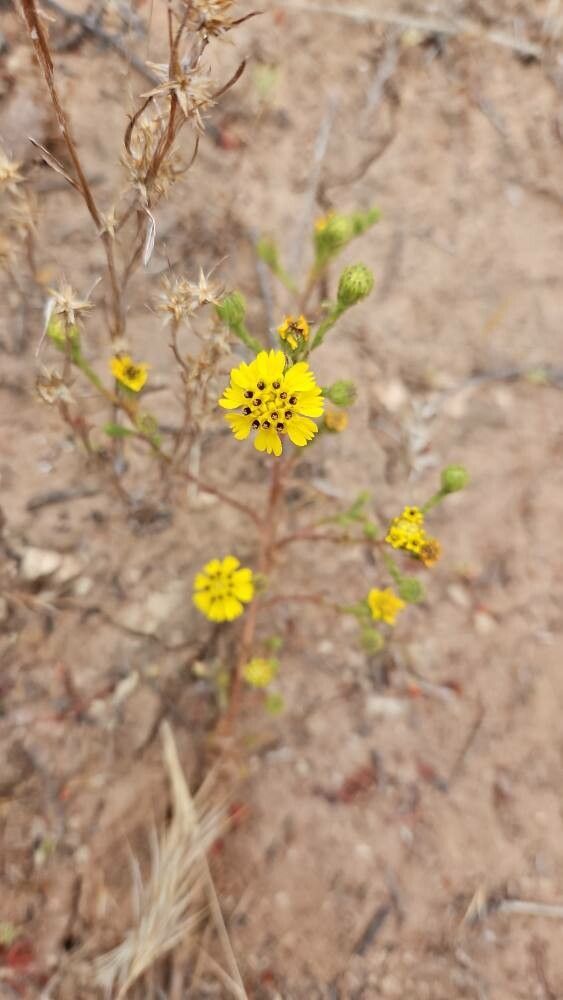
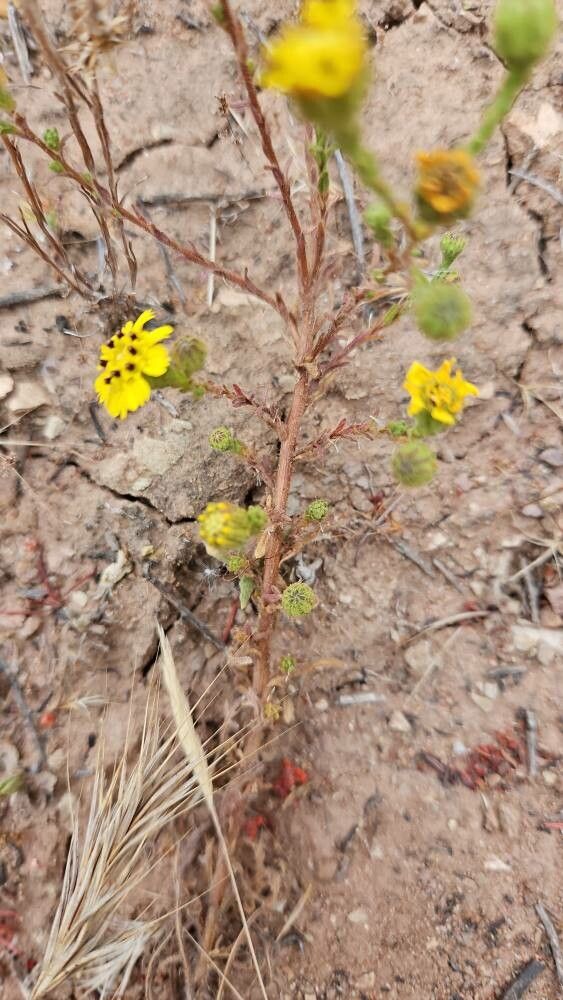
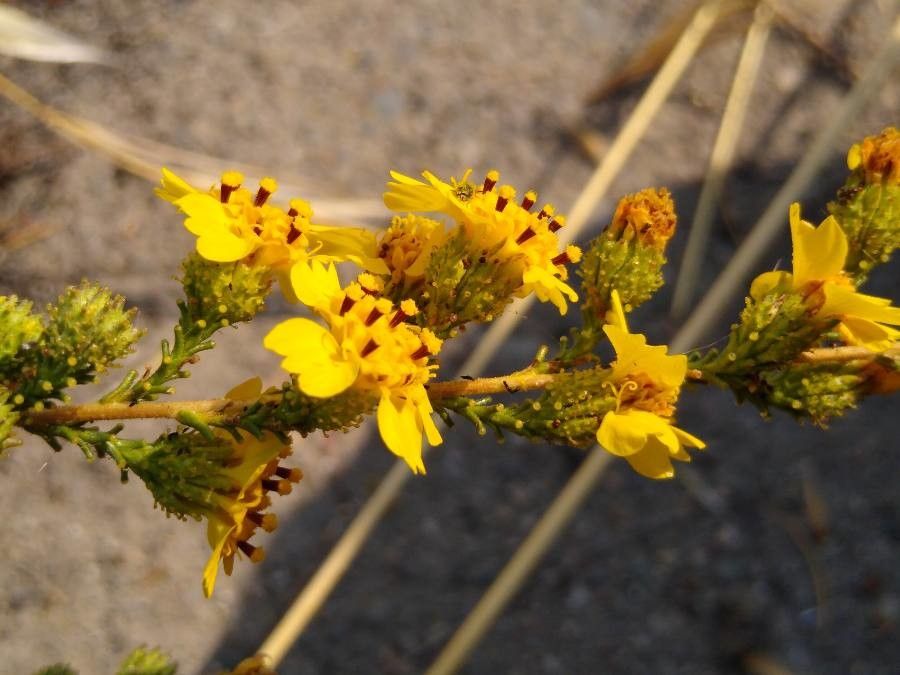
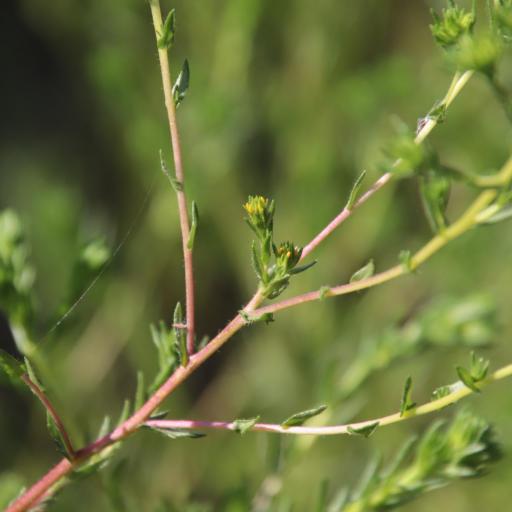
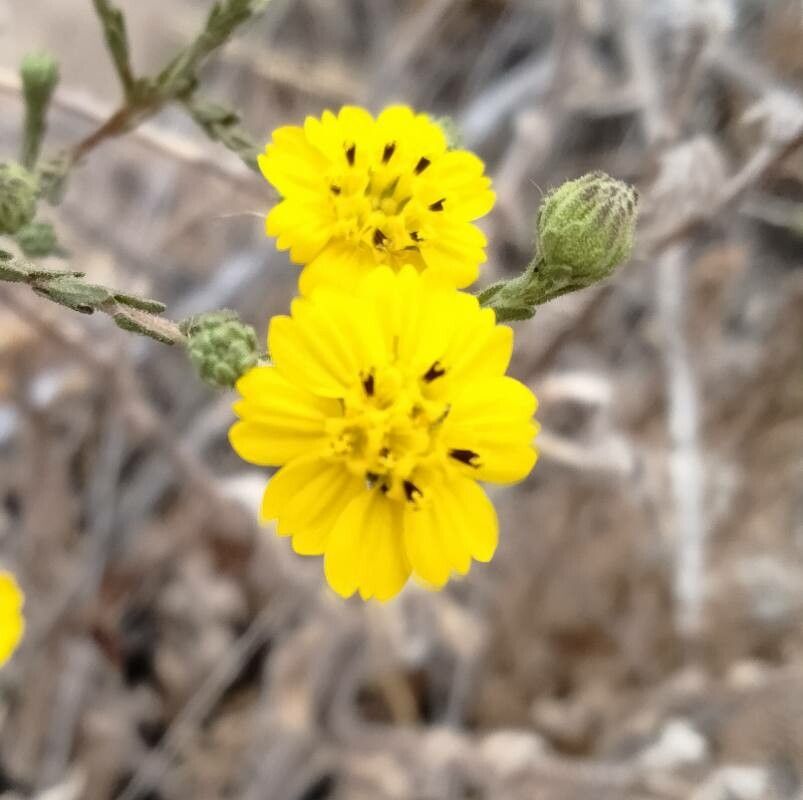
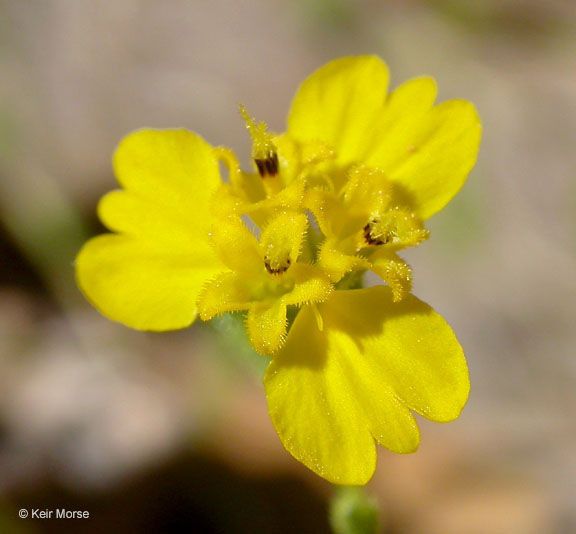
San diego tarweed has strong resistance to disease and is generally not likely to get sick. Still, it can be vulnerable to pests and diseases that exist nearby. When infections do occur, they are typically not serious. Regarding care, this plant needs a moderate level of maintenance. It should be pruned on a regular basis to keep a neat appearance and support healthy growth. Fertilizing can also encourage it to bloom. San diego tarweed is appropriate for anyone with outdoor space, such as a garden or patio, and does not demand extensive gardening experience. It may need additional care if grown indoors.
How to keep Deinandra Paniculata.
Light
The San Diego tarweed is native to well-lit, exposed habitats where it flourishes under full sun exposure. It can manage to grow in partially sunny conditions, but it is most content when basking directly in the sun, which optimizes its growth. This plant, which can be both annual and biennial, is renowned for its preference for full sun.
Temperature
San Diego tarweed can acclimate to various temperature ranges, however, combinations of varying heat and water conditions might still restrict its range. This plant flourishes optimally in summer's high temperatures, furnished with sufficient precipitation or hydration. Extended durations of overcast and wet conditions, coupled with sustained elevated temperatures, can escalate the risk of San Diego tarweed's demise. On the other hand, safeguarding against chill during the winter season can enhance the survival likelihood of the plant.
Fertilizer
When the San Diego tarweed displays the majority of its fully formed flowers, it signifies the moment to recommence fertilization. Initiate fertilizing once more every three to four weeks during the period of maximum bloom output, provided the weather conditions are suitable. Once the San Diego tarweed begins to produce less new flowers, cease the fertilization process. There's no necessity to fertilize if the plant is incapable of producing additional blooms.
Pruning
Pruning San Diego tarweed from early to late spring encourages vibrant growth and flowering. By removing dead or leggy stems, you can improve air circulation and sunlight penetration, which helps prevent disease. Regular pruning enhances the resilience and vigor of San Diego tarweed, ensuring it remains an attractive addition to your garden.
Botanical profile.
- Plant Type
- Herb
- Life Cycle
- Annual
- Genus
- Deinandra
- Family
- Asteraceae
- Hardiness Zone
- 8-10
- Mature Height
- 30 cm to 91 cm
- Mature Spread
- 20 cm to 49 cm
- Leaf Color
- Green
- Leaf Type
- Deciduous
- Flower Color
- Yellow
- Flower Size
- 1.02 cm to 1.52 cm
- Bloom Time
- Late spring, Early summer, Mid summer
- Planting Time
- Spring, Summer, Autumn
- Harvest Time
- Mid summer, Late summer, Early fall
- Native Area
- Mexico
Other names.