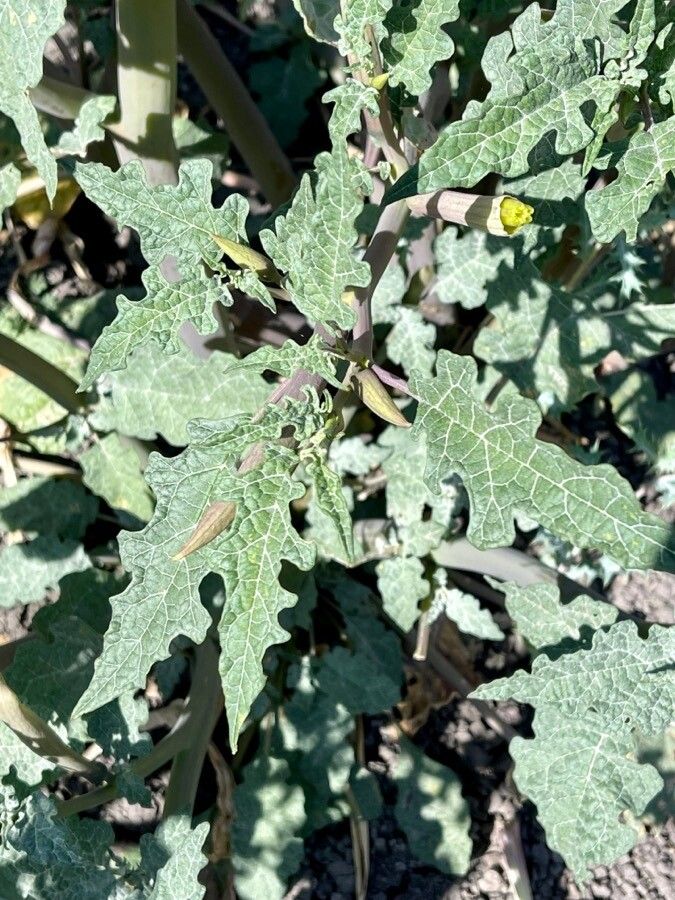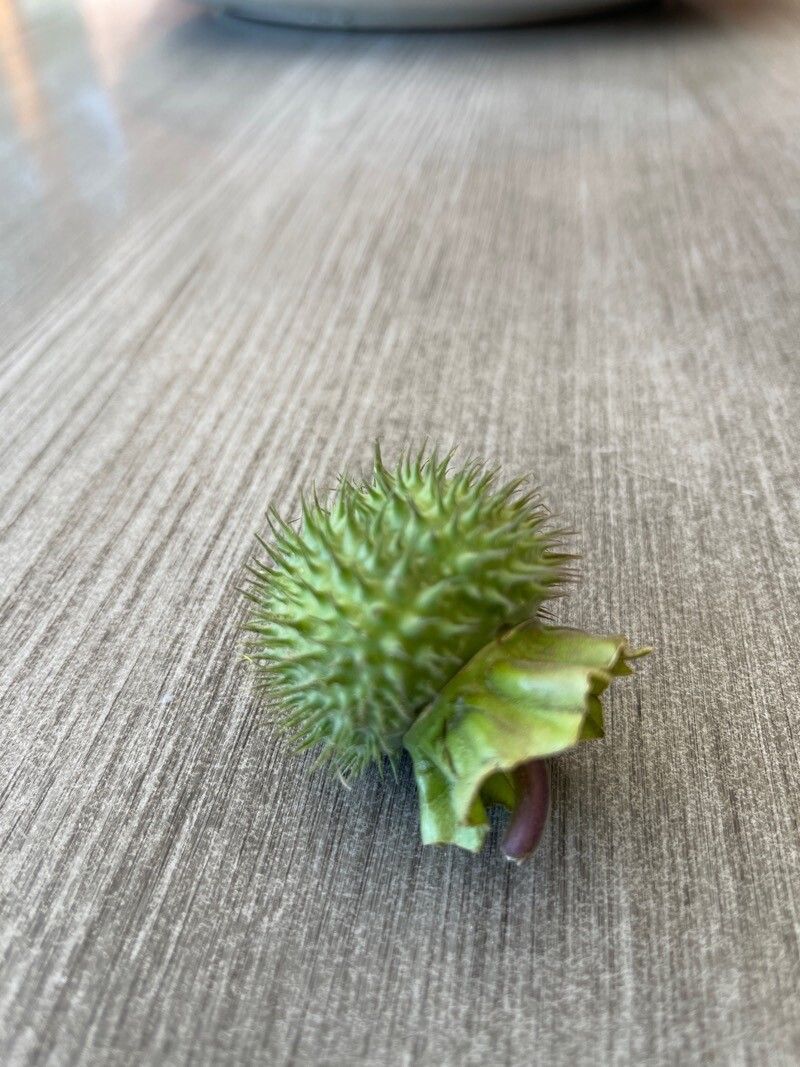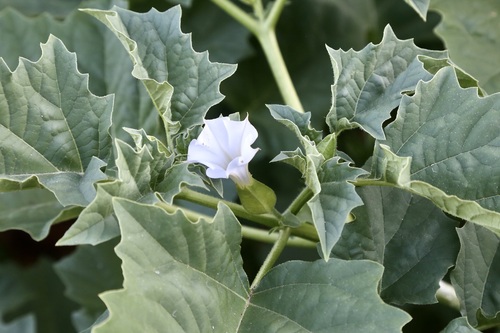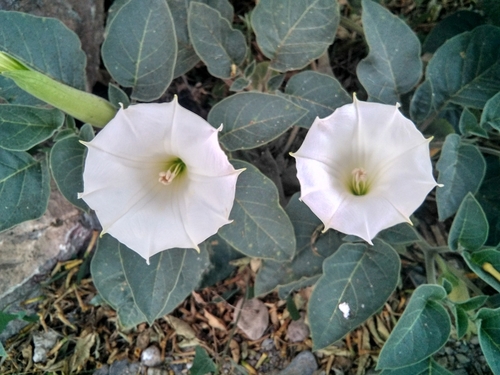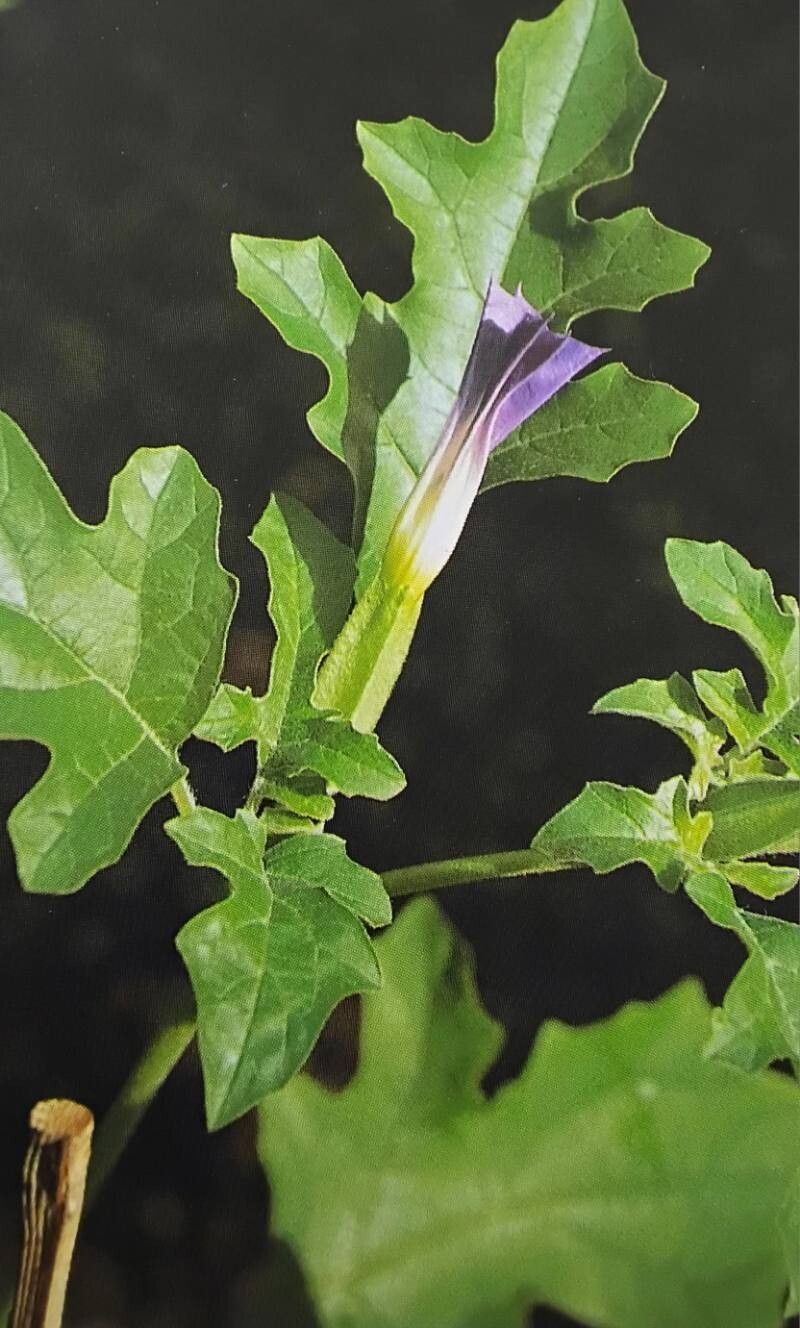
Datura quercifolia, commonly known as the oak-leaved thorn-apple and also the Chinese Thorn-Apple, is a small shrub in the genus Datura that is native to Mexico and the Southwestern United States. It grows equally well in dry and moist soils and requires full sun. It contains a mix of alkaloids that are poisonous and can be potentially lethal when ingested.
Chinese thorn-apple is fairly resistant to disease and usually does not suffer from them. That said, it can be vulnerable to pests and illnesses present in its surroundings. These problems are typically mild. Regarding care, the plant needs moderate maintenance. It should be pruned regularly to preserve a good appearance and promote healthy growth. Fertilizing can also help encourage flowering. The Chinese thorn-apple is suitable for anyone with outdoor space, such as a garden or patio, and does not demand extensive care experience. It may need more attentive care when kept indoors.
How to keep Datura Quercifolia.
Light
The Chinese thorn-apple flourishes naturally in abundant sunlight, reflecting its native habitat's environment. This strong sunlight exposure promotes its healthier development. Throughout all stages of growth, sufficient sunlight is crucial. However, extreme conditions, either excessive or insufficient light, may potentially harm the plant's strength and growth.
Temperature
The Chinese thorn-apple is indigenous to moderate temperature climates, typically between 68 and 95 °F (20 to 35 ℃). These temperature parameters are most conducive to its growth and may necessitate supplementary temperature regulation initiatives during periods of severe heat or cold.
Fertilizer
When the Chinese thorn-apple has largely opened its flowers to their maximum size, you should commence fertilizing once more. Start this process around the period when the flowers are producing at their maximum, resuming fertilization every three to four weeks, depending on the weather conditions. However, once the Chinese thorn-apple begins to produce less new flowers, cease the fertilization process; it's unnecessary to fertilize when the plant is no longer capable of producing additional flowers.
Botanical profile.
- Plant Type
- Herb
- Life Cycle
- Annual, Perennial
- Genus
- Datura
- Family
- Solanaceae
- Hardiness Zone
- 7-10
- Mature Height
- 1.52 m
- Mature Spread
- 49 cm to 91 cm
- Leaf Color
- Green, Dark Green
- Leaf Type
- Deciduous
- Flower Color
- White, Purple
- Flower Size
- 4.57 cm to 5.08 cm
- Bloom Time
- Summer, Early fall, Mid fall
- Planting Time
- Spring, Summer, Autumn
- Harvest Time
- Late summer, Fall, Early winter
- Native Area
- Honduras, Mexico