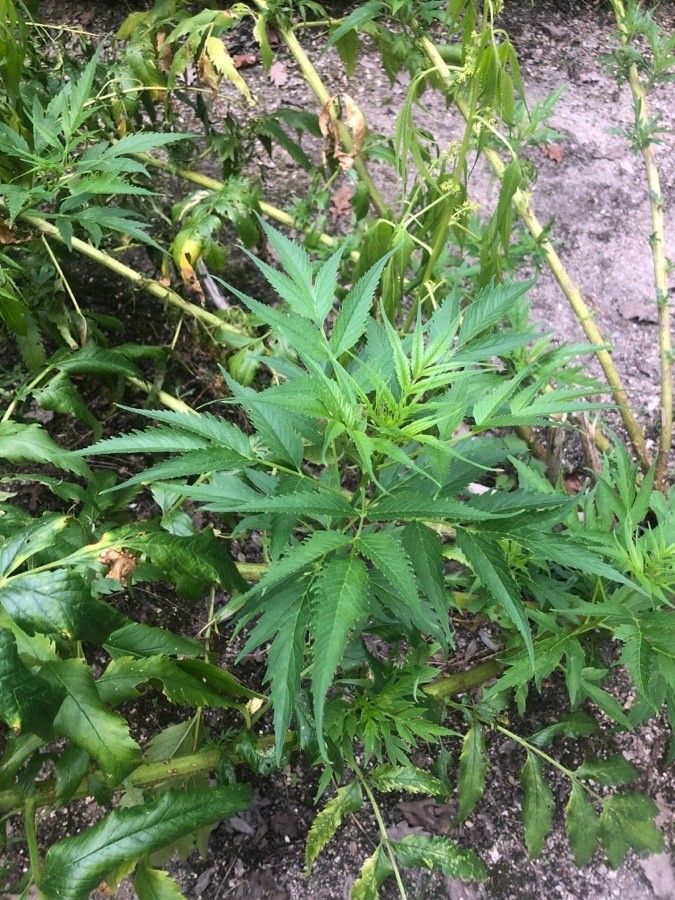
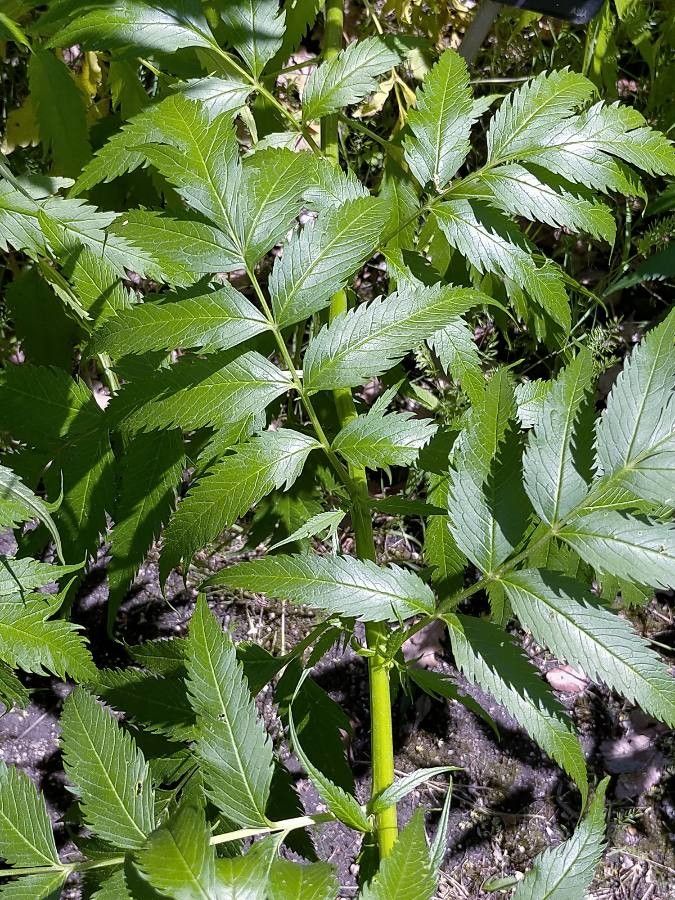
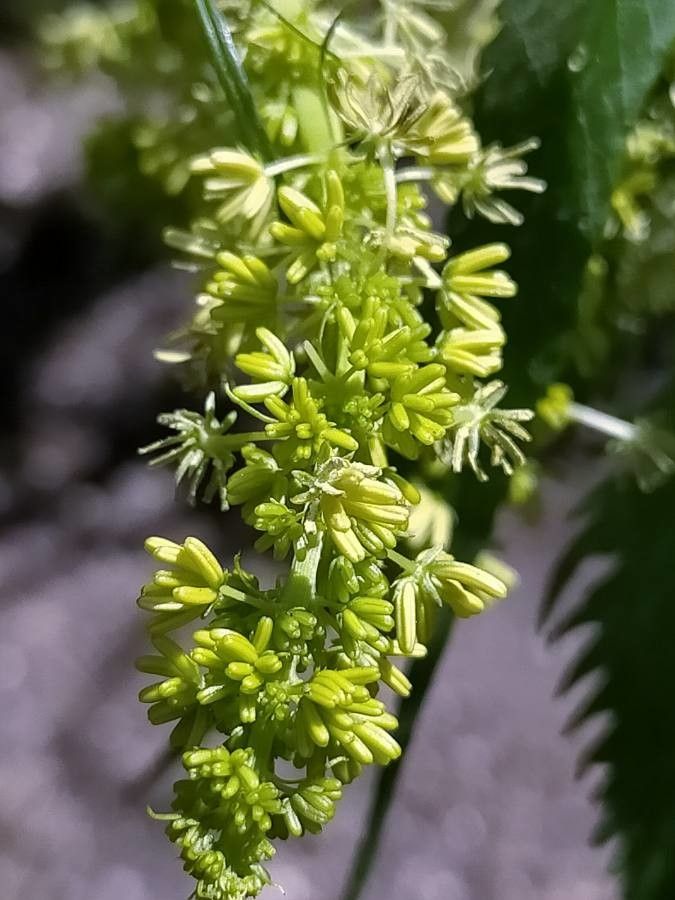
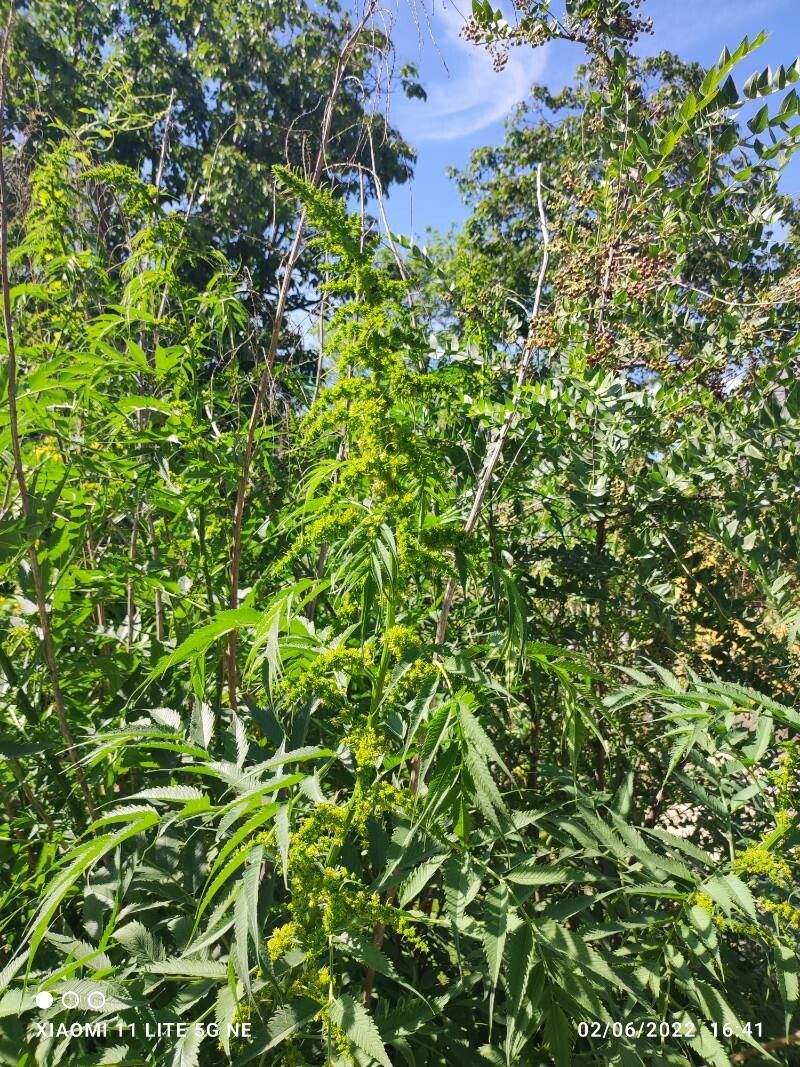
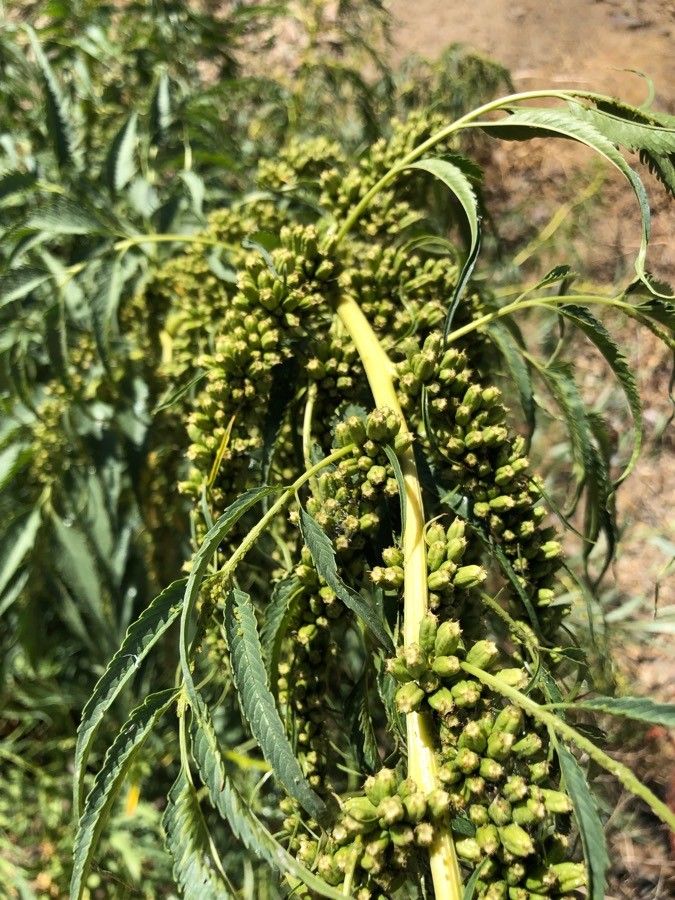
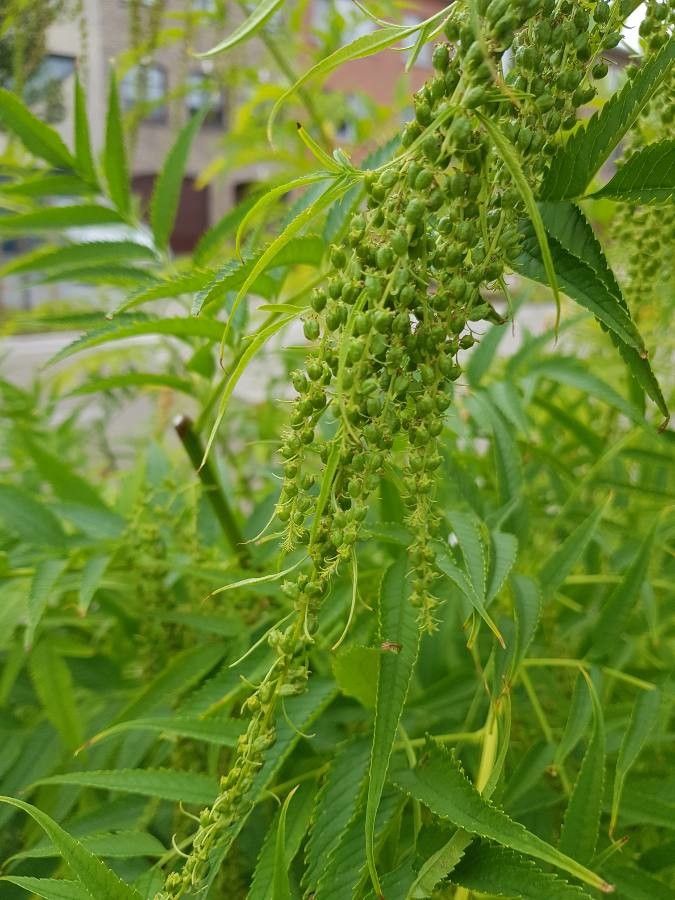
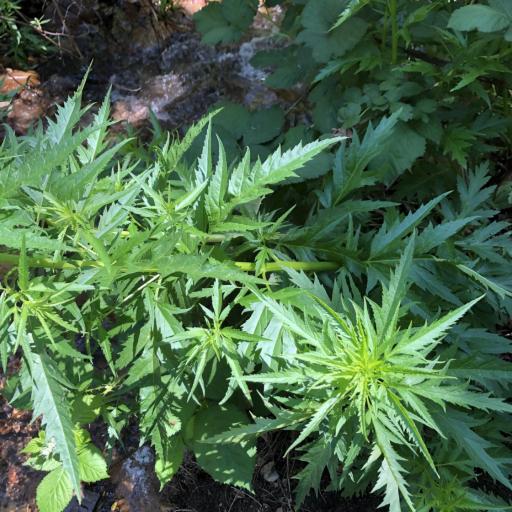
Datisca cannabina, called false hemp, is a species of flowering plant in the genus Datisca, family Datiscaceae, native to the Aegean Islands, Crete, Cyprus, Anatolia, the Levant, the Transcaucasus, Iraq, Iran, Central Asia, Afghanistan, Pakistan, the western Himalayas and Nepal. It is one of the very few species known to have true androdioecy, meaning it has a mix of male and hermaphroditic individuals. Local artisans use its roots to produce a fast yellow dye.
Akalbir has strong resistance to disease and is generally not susceptible to illnesses. Nevertheless, it can be vulnerable to pests and diseases present in its environment. Such infestations are typically mild. Care-wise, the plant needs moderate maintenance. It should be pruned regularly to preserve its appearance and support healthy growth. Fertilizing can also encourage flowering. Akalbir is well suited for anyone with outdoor space, like a garden or patio, and does not demand extensive gardening experience. It may need more attention when cultivated indoors.
How to keep Datisca Cannabina.
Light
Akalbir is a sun-loving herbaceous perennial that originates in open habitats and commonly grows in meadows and grasslands. It prefers full sun but can also tolerate partial sun.
Water
Akalbir thrives in moist, well-drained soil and requires weekly watering to prevent waterlogging. As an herbaceous perennial, it grows well outdoors, making the most of natural rainfall that matches its growth cycles and helps maintain optimal hydration throughout the season.
Temperature
Akalbir can tolerate a wide range of temperatures, but its distribution may still be constrained by different combinations of water and heat. It performs best in warm summer climates with sufficient rainfall or watering. Extended stretches of cloudy, rainy weather or prolonged high temperatures can raise the chance of Akalbir dying. In winter, proper protection from cold can increase the plant’s survival.
Fertilizer
Applying fertilizer just once in spring is generally enough for Akalbir, though several feedings can boost growth. Apply fertilizer about every month to a month and a half. Fertilizing improves the leaves' appearance and function, encouraging even color and a healthy texture. It also promotes root development and nutrient uptake for the plant's long-term health.
Pruning
Akalbir flourishes when pruned correctly, preferably from early to late spring. To encourage healthy growth and optimize blooming, remove any dead or weak stems. Additionally, prune back one-third of the older stems to improve air circulation and light penetration.
Botanical profile.
- Plant Type
- Herb
- Life Cycle
- Perennial
- Genus
- Datisca
- Family
- Datiscaceae
- Hardiness Zone
- 5-9
- Mature Height
- 2.44 m
- Mature Spread
- 91 cm
- Leaf Color
- Green
- Leaf Type
- Deciduous
- Flower Color
- Yellow
- Flower Size
- 0.51 cm to 1.02 cm
- Bloom Time
- Early summer, Mid summer
- Planting Time
- Spring
- Harvest Time
- Late summer, Early fall, Mid fall
- Native Area
- Nepal, Tajikistan, Turkey, India, Cyprus, Armenia, Pakistan, Greece, Lebanon, Uzbekistan, Afghanistan, Iraq, Kyrgyzstan, Kazakhstan, Vietnam, Iran, Azerbaijan
Other names.