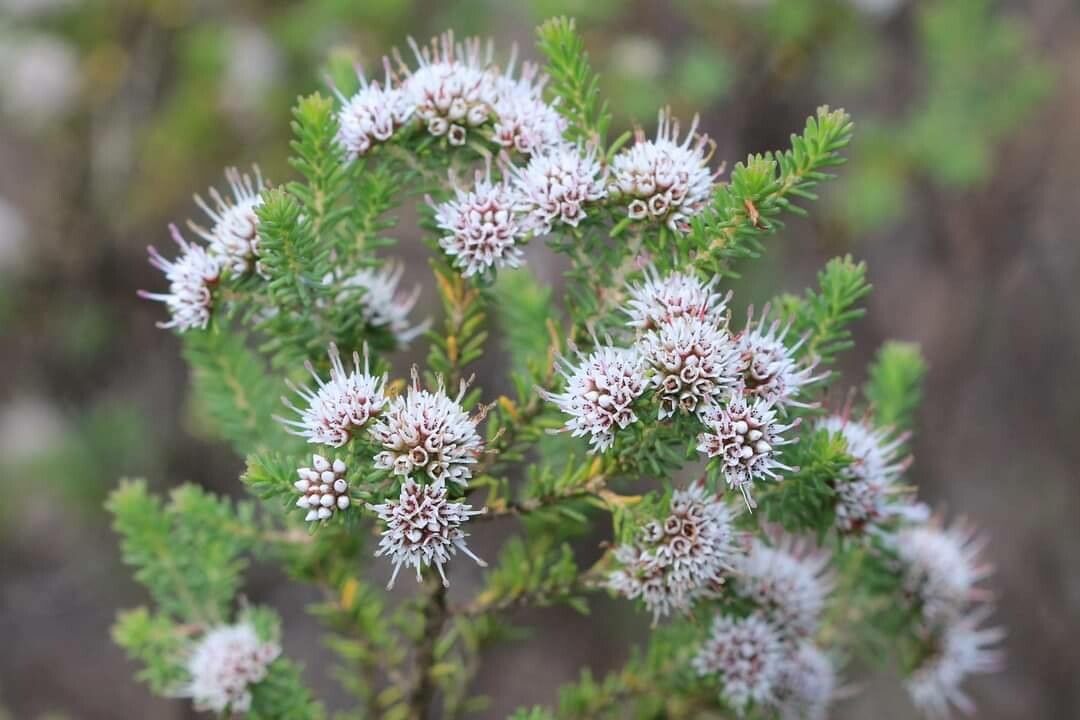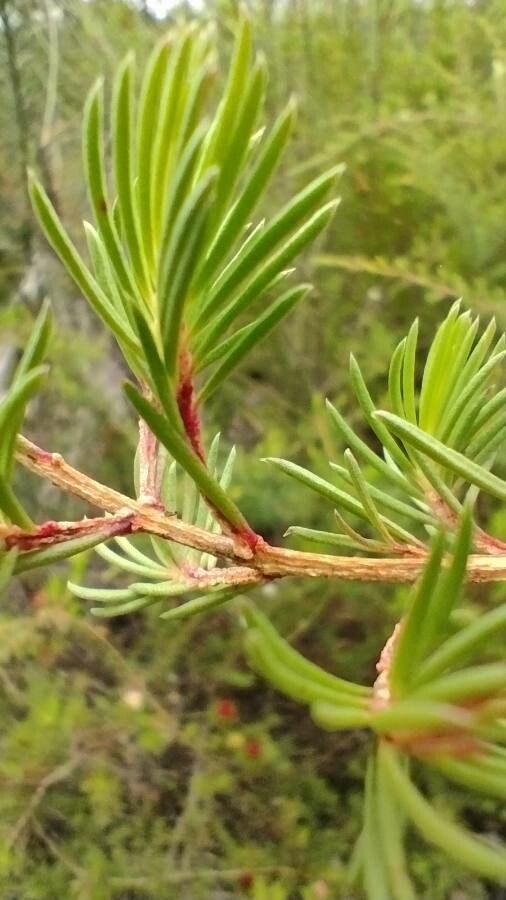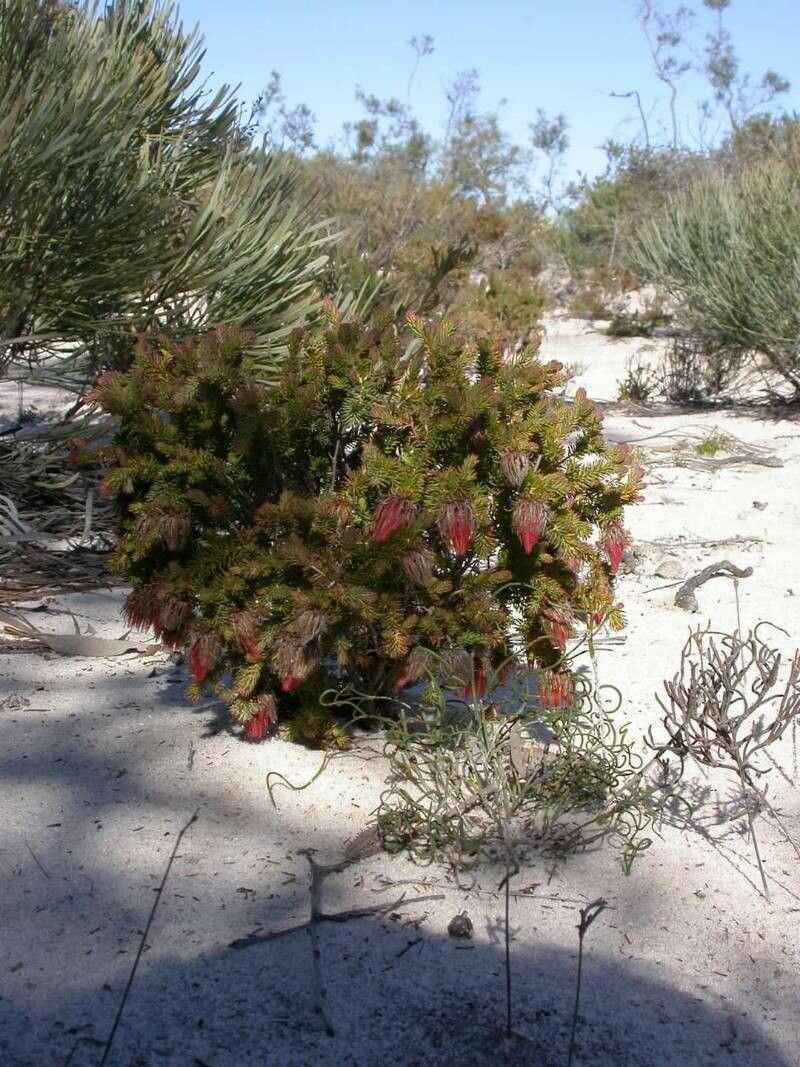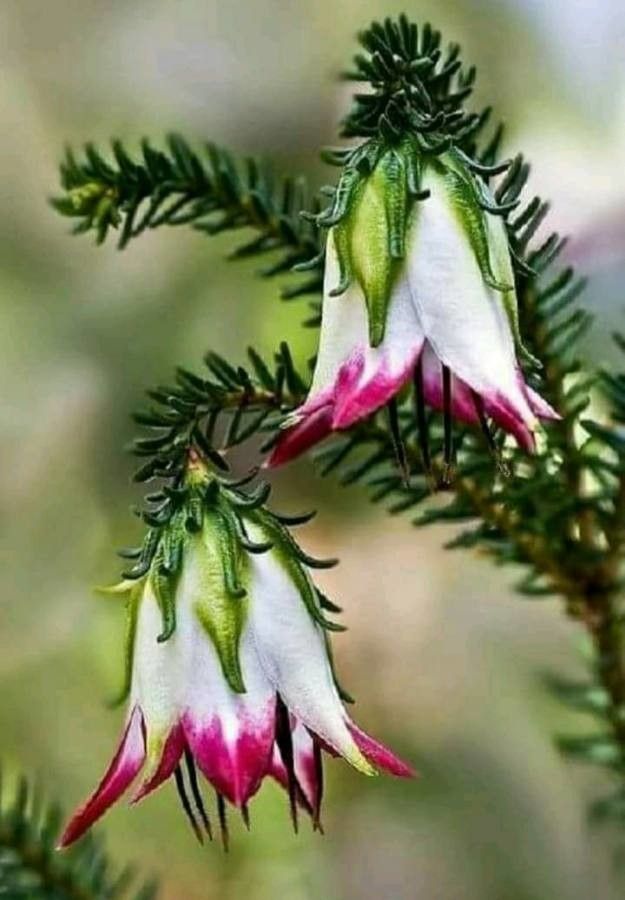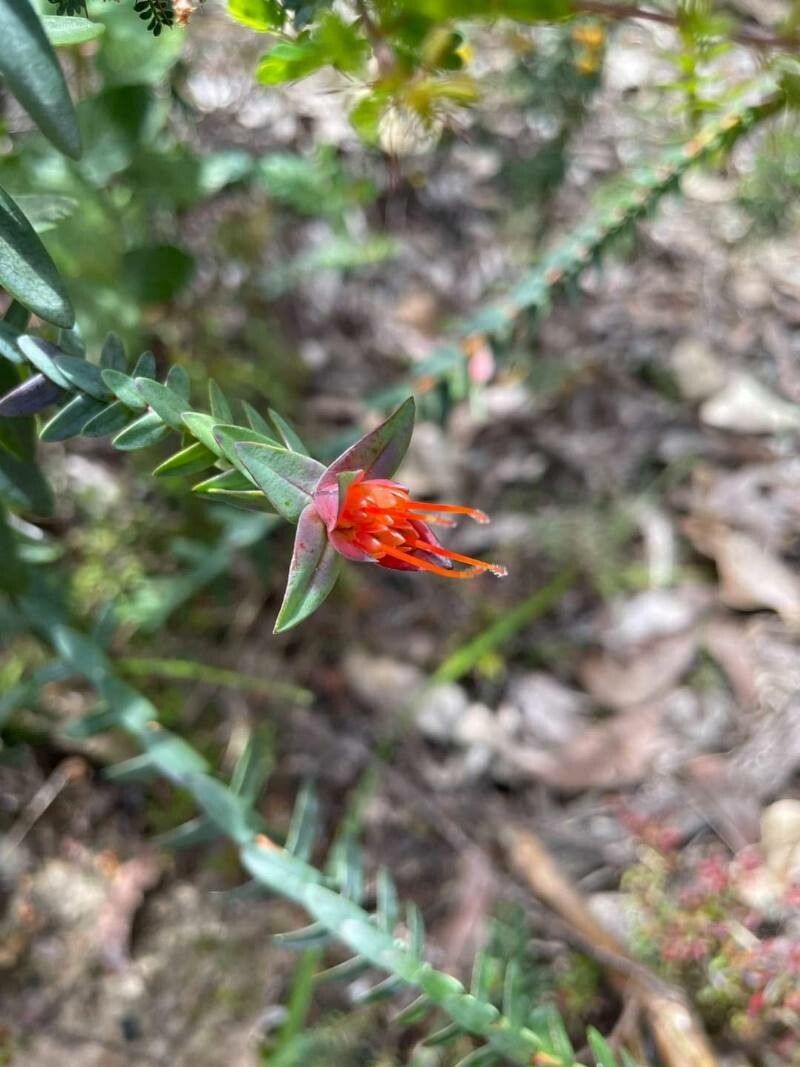
Darwinia citriodora, commonly known as lemon-scented darwinia or lemon scented myrtle, is a plant in the myrtle family Myrtaceae and is endemic to the south-west of Western Australia. It is a shrub with oblong to lance-shaped leaves and red, yellow and orange flowers over an extended period. It is a hardy plant in well-drained soil, is often cultivated and used as a rootstock for less hardy species.
The lemon-scented darwinia is fairly disease-resistant and is usually not prone to disease. Regarding care, this plant is relatively low-maintenance. Planted outdoors it needs minimal watering, and larger specimens generally do not require pruning. Smaller plants, however, should be pruned after they have finished blooming. The lemon-scented darwinia is suitable for anyone with an outdoor space, such as a garden or deck, and does not demand much gardening experience.
How to keep Darwinia Citriodora.
Light
The lemon-scented darwinia comes from open habitats, such as sunlit meadows and the edges of forests, which offer abundant light. It does best in Full Sun but can also tolerate Partial Sun, adapting well to different sunlight levels.
Water
The lemon-scented darwinia flourishes when it is watered every 1-2 weeks, as it thrives in balanced moisture conditions. As an evergreen, this plant retains its leaves all year, which supports effective transpiration. It is best suited for climates with consistently moist soil, highlighting its adaptation to areas with moderate rainfall.
Temperature
Lemon-scented darwinia is fairly adaptable to temperature, tolerating high heat and wide temperature fluctuations. In hot weather, attention should be paid to watering and providing some shade to prevent sunburn. Conversely, lemon-scented darwinia has limited tolerance for low temperatures. It can endure mild cold, but very cold conditions may cause frost damage.
Fertilizer
The timing of fertilizing Lemon-scented darwinia is important. Apply fertilizer in early spring and continue on a monthly basis until early summer. Fertilizer encourages attractive blooms and supplies energy during both dormant and active growth periods.
Pruning
Lemon-scented darwinia benefits greatly from early spring pruning, which involves removing dead or damaged branches. This helps stimulate healthy growth and maintains a neat, compact form. Light shaping of the plant encourages bushiness, while avoiding heavy pruning ensures the preservation of its flowers. Using clean, sharp tools is essential for the plant's health, as this minimizes the risk of spreading disease.
Botanical profile.
- Plant Type
- Shrub
- Life Cycle
- Perennial
- Genus
- Darwinia
- Family
- Myrtaceae
- Hardiness Zone
- 9-11
- Mature Height
- 0.49 m to 1.52 m
- Mature Spread
- 49 cm to 91 cm
- Leaf Color
- Green, Dark Green
- Leaf Type
- Evergreen
- Flower Size
- 1.02 cm to 2.03 cm
- Bloom Time
- Late summer, Early fall, Mid fall
- Planting Time
- Summer
- Harvest Time
- Late fall, Early winter, Mid winter