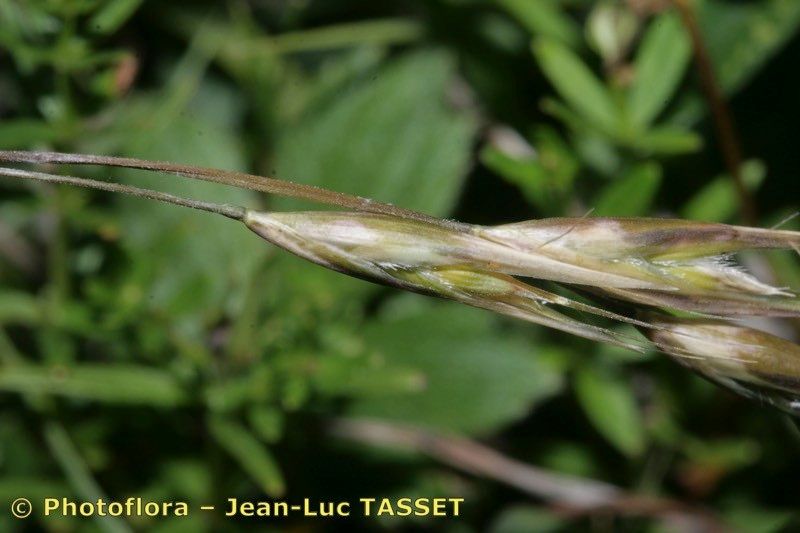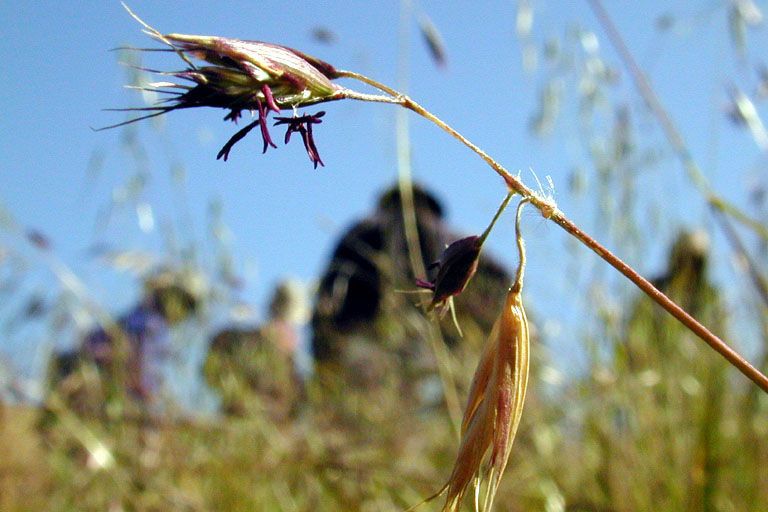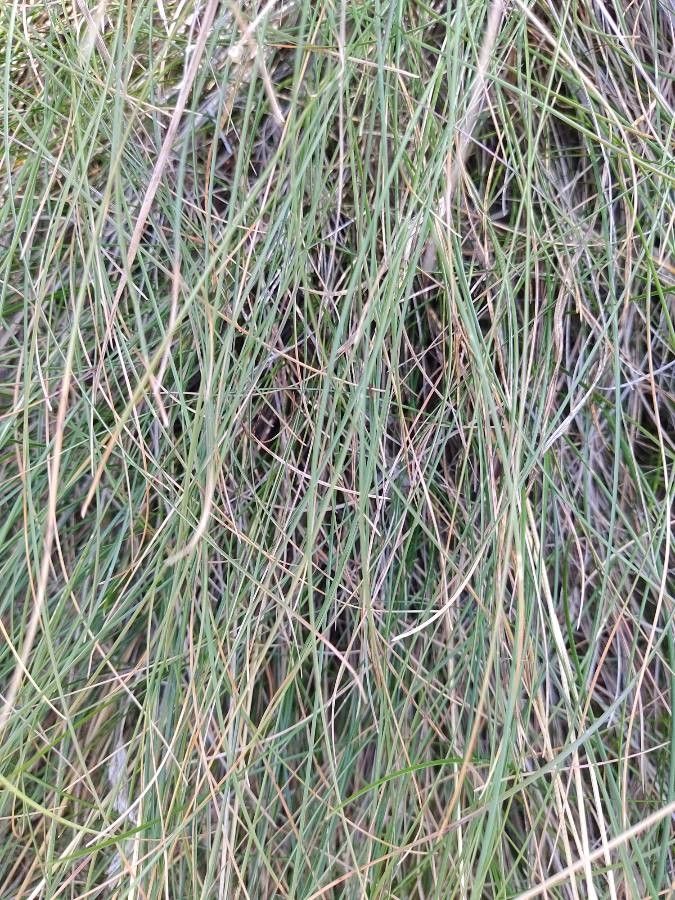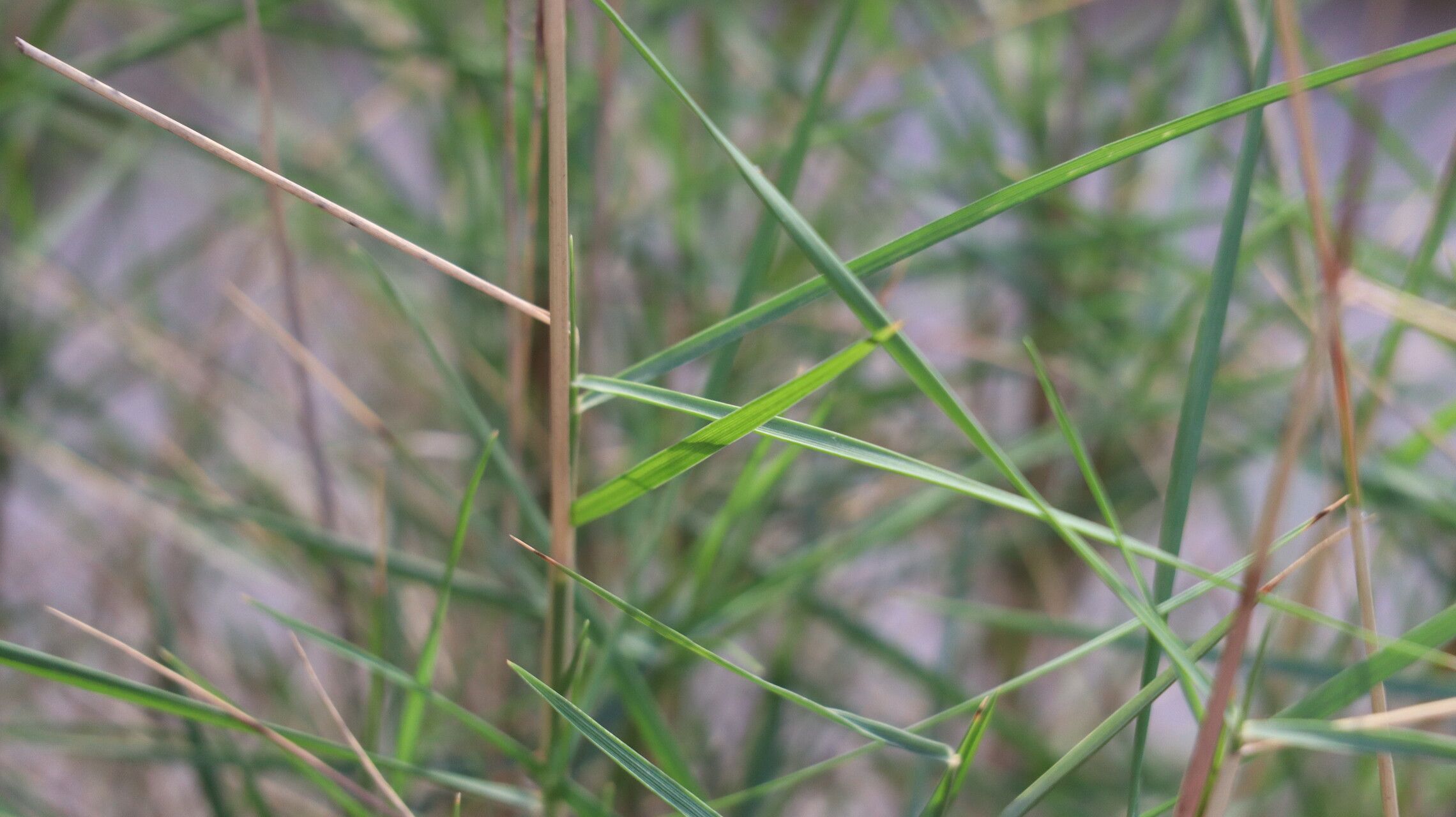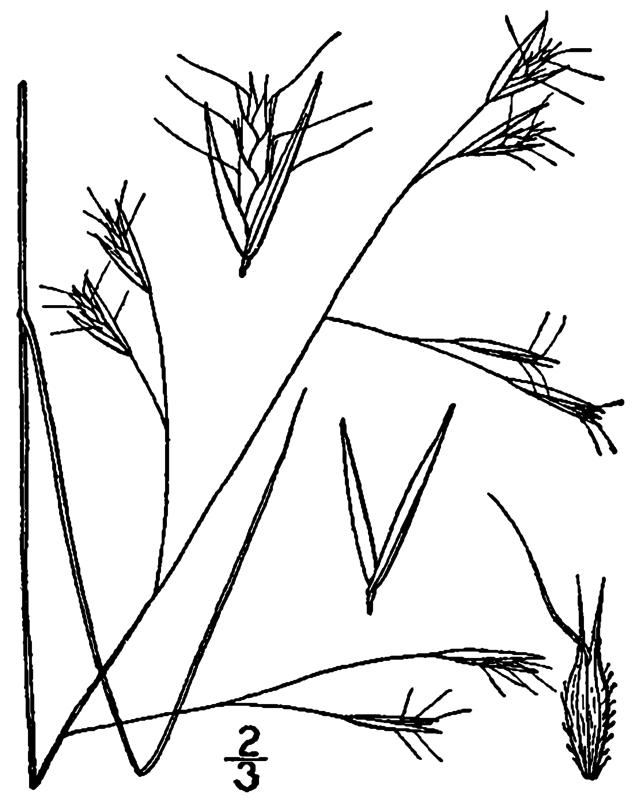
Danthonia compressa is a species of grass known by the common names mountain oatgrass, flattened oatgrass, and slender oatgrass.
Flattened oatgrass is fairly resistant to disease and typically does not easily contract illnesses. Regarding maintenance, this species is fairly low-maintenance. When grown outdoors it needs only light watering, and larger specimens usually do not require pruning. Smaller specimens, however, should be trimmed after flowering. Flattened oatgrass is appropriate for anyone with an outdoor area, like a garden or a deck, and does not demand extensive gardening experience.
How to keep Danthonia Compressa.
Light
Flattened oatgrass is a sun-loving perennial herbaceous species that comes from open habitats and is commonly found in meadows and grasslands. It prefers full sun but is also able to tolerate partial sun.
Water
Flattened oatgrass thrives in temperate regions and prefers soil with moderate moisture levels and consistent hydration. To maintain its health, it should be watered weekly. As a grass species, it adapts well to seasonal rainfall, which significantly influences its growth cycles and periods of dormancy.
Temperature
Flattened oatgrass comes from temperate regions where temperatures generally range from 32 to 77°F (0 to 25°C). To reproduce its natural surroundings, keep temperatures within that range. Seasonal adjustments might be necessary to mirror the climate conditions of its native habitat.
Fertilizer
Flattened oatgrass needs extra nutrients to encourage healthy new growth. In spring, adding compost around the plant’s base can effectively supply the nourishment it requires. Fertilizing helps promote vigorous growth and improves the plant’s resistance to diseases and pests.
Pruning
Flattened oatgrass benefits from early spring pruning, which helps promote robust growth and maintain its shape. To do this, use clean shears to remove old foliage and any spent flower stalks. This encourages vigorous new growth, keeps the plant looking tidy, prevents disease, and helps manage its spreading tendencies.
Botanical profile.
- Plant Type
- Grass
- Life Cycle
- Perennial
- Genus
- Danthonia
- Family
- Poaceae
- Hardiness Zone
- 3
- Mature Height
- 76 cm
- Mature Spread
- 15 cm to 30 cm
- Leaf Color
- Green
- Leaf Type
- Deciduous
- Flower Color
- White, Green, Purple
- Flower Size
- 0.51 cm to 1.02 cm
- Bloom Time
- Early summer, Mid summer
- Planting Time
- Spring, Summer, Autumn
- Harvest Time
- Mid summer, Late summer
Other names.
Reader questions.
What can I do if I give my flattened oatgrass too much or too little water?
If Flattened oatgrass is not watered properly, it will underperform. When planted in the ground, watering issues can be resolved. However, in a container, too much or too little water will quickly kill the grass. Insufficient water can cause the grass to stop growing, while overwatering can result in yellow leaves with brown tips. Underwatering can cause drooping leaves, weak seed head production, and browning. If you suspect incorrect watering, the first step is to determine if there is too much or too little water. If there is excessive water, stop watering immediately, keeping in mind that it may take weeks for heavy soils to dry out. Once you notice new growth, test the soil for moisture to decide if more water is needed. If the grass has received too little water, simply give it a deep drink and observe if it perks up. It is important to remember that a long, deep watering is superior to frequent shallow waterings. Deep watering encourages the growth of deep roots, making the grass more resistant to drought and less susceptible to water-related problems.
What kind of sunlight does Flattened oatgrass require?
Flattened oatgrass requires full sun every day, with a minimum of six hours of sunlight to maintain healthy leaves, roots, and blooms. While most perennials also need six hours of sunlight daily, certain plants like the Orange Daylily or Giant Coreopsis can survive on just three hours of sun. However, it's important to note that despite their ability to survive with limited sunlight, these flowering plants won't flourish as much as they would in sunnier conditions.
What is the best temperature for flattened oatgrass?
Flattened oatgrass grows best in cooler weather, specifically within a temperature range of 65~75℉(18~25℃). While it can tolerate higher and lower temperatures, it is ideal to keep the growing area within a few degrees of this range. If the temperature goes outside this range, it doesn't mean the plant will immediately stop growing. Flattened oatgrass can withstand a higher range of 75~85℉(25~30℃) and a lower range as low as 5℉(-15℃) before it starts to suffer damage or reduced growth. However, it is important to note that the higher temperature range is more critical to observe since Flattened oatgrass prefers cooler conditions. If temperatures exceed 85℉(30℃), the growth may slow down, and the plant could even die.
How frequently should I water my flattened oatgrass?
The watering needs of Flattened oatgrass depend on its location. Generally, it should be watered once a week. In hot climates, watering once or twice a week in the summer may be necessary. In moderate climates, watering once every seven days or more should be sufficient. Grass in containers usually needs more frequent watering than grass in the ground. However, the location also matters for this adaptable species, as shaded grasses require less frequent watering than in-ground grasses. Only water Flattened oatgrass when the soil is dry. You can check by pressing your finger a couple of inches into the soil or weighing the pot to see if it feels light. If the grass lacks water, the blades may appear folded and thinner than usual. Although this grass is drought-resistant, regular and deep waterings will maintain its beautiful color. In the wild, Flattened oatgrass grows in open scrubland, enduring extreme heat, bright sun, and intermittent rain. Although it is hardy, it still requires care and attention. When newly planted, Flattened oatgrass needs more frequent watering until it develops deep roots. In pots, the soil dries out quickly, especially if exposed to hot, direct sun. Test the soil every 3 to 4 days and water only when it feels dry. Flattened oatgrass in the ground generally needs less watering, but it depends on the type of soil. Clay soil may feel dry at the surface while still retaining moisture below, while sandy soils that drain quickly will require more frequent watering.
Can the sun harm Flattened oatgrass? How can Flattened oatgrass be shielded from sun and heat harm?
In warm climates, some Perennial Flowering Plants may struggle with excessive heat and suffer from sun damage. They can wilt, dry out, or even experience growth problems if they are consistently exposed to the intense afternoon sun. However, not all plants require protection from the light afternoon sun. For those that are harmed by intense afternoon exposure, it is recommended to provide them with some shade in warmer climates. Gardeners can achieve this by planting these plants in areas that do not receive direct heat during the afternoon, such as under trees or behind bushes.
Does flattened oatgrass need different temperatures for different stages of growth?
To ensure the healthy growth of Flattened oatgrass, it is crucial to maintain the right temperature range in your growing space. Keeping the temperature between 65~75℉(18~25℃) is ideal, but staying more towards the cooler end of this range is recommended. Avoid going below -5℉(-20℃) as extremely cold temperatures can hinder growth. While extremely hot temperatures are even more detrimental, it is important to note that excessively high temperatures during the budding stage may prevent Flattened oatgrass from flowering altogether.
What do I need to watch out for when watering my Flattened oatgrass in different seasons, climates, or during different stages of growth?
To determine if you are watering your grass enough, you can look at the rate of growth. Flattened oatgrass tends to grow rapidly, sometimes doubling in size within a year, especially during the hottest months. If it is hot outside and your grass isn't growing vigorously, you may need to adjust your watering schedule. In the winter, you can often get away with watering just once a month, but it's still important to check the soil for moisture. During the warmest months, when the grass is going through a growth cycle, it will require more water than usual. However, during winter and cooler months, the need for water will decrease significantly. The key point to remember with Flattened oatgrass is that the soil should always be allowed to dry out completely before adding water.
Should I shield Flattened oatgrass from sunlight?
Certain perennial plants require ample sunlight to reach their maximum bloom. However, in warmer climates, some of these plants actually benefit from less sun. For instance, individuals residing in hotter regions might find it beneficial to shade their flowering perennials during the intense afternoon sun, especially during summer months. Although many perennial flowering plants prefer partial shade in the hottest climates, there are exceptions. Take the Giant Coreopsis, for example, as it is not bothered by excessive sun exposure. These plants can flourish even when placed in the full sun during scorching weather.
Here are three tips to help you control the temperature of flattened oatgrass.
Here are some tips for growing Flattened oatgrass indoors: Tip #1: Choose the coldest room with sunlight: When growing Flattened oatgrass indoors, select the coldest room in your home. This is usually the side of your house that doesn't receive intense heat from the sun during the middle of the day. However, ensure the room still gets a good amount of sunlight, as zero sunlight can hinder the growth of Flattened oatgrass. Tip #2: Watch out for high temperatures: During the growing season of Flattened oatgrass (spring and early summer), there may be high temperatures that can negatively affect the plant. This can cause flowering buds to transform into non-flowering buds, reducing the plant's aesthetic appeal. To prevent this, maintain a temperature range of 65-75℉ (18-25℃) for optimal flowering. Tip #3: Protect from frost: Flattened oatgrass can withstand temperatures as low as -5℉ (-20℃), but significant frost can harm the plant. In late fall or winter, exposure to colder temperatures can cause wilted and discolored sections, eventually leading to browning or blackening as they die. Prune any affected parts that turn these colors to keep the plant alive.
What will happen if Flattened oatgrass doesn't get enough sunlight?
If your Flattened oatgrass is not receiving sufficient sunlight, you will observe signs of its unmet requirements. The plants will have fewer blooms compared to those receiving full sun exposure. Some plants may develop dry spots on their leaves, but most of them will still bloom even with inadequate sunlight. However, the flowers that do bloom will be smaller and less full.
Does flattened oatgrass require different temperatures for different seasons?
To maintain steady temperatures in your growing area, it's important to consider the season and your local climate. If you experience harsh winters or very hot summers, consider bringing your plants indoors. This allows you to create a cool environment where Flattened oatgrass can thrive. If you choose to keep your plants outside, closely monitor the temperature. In regions with scorching summers, take precautions to prevent temperatures from exceeding 85℉ (30℃). High temperatures can quickly dehydrate and harm Flattened oatgrass, leading to its demise.
Does Flattened oatgrass require specific attention to sunlight at different stages of growth?
Flattened oatgrass is a wonderful addition to any garden as it produces beautiful flowers. To ensure the best blooming results, it is recommended to provide the plant with a minimum of six hours of sunlight daily. However, during the hotter times of the day, it may be beneficial to partially shade the flowers to help them stay fresh for a longer period of time. When the oatgrass is young, it is important to prioritize sunlight exposure while also protecting the plants from intense afternoon heat. As the plant matures, it requires ample sunlight to maintain its growth effectively.