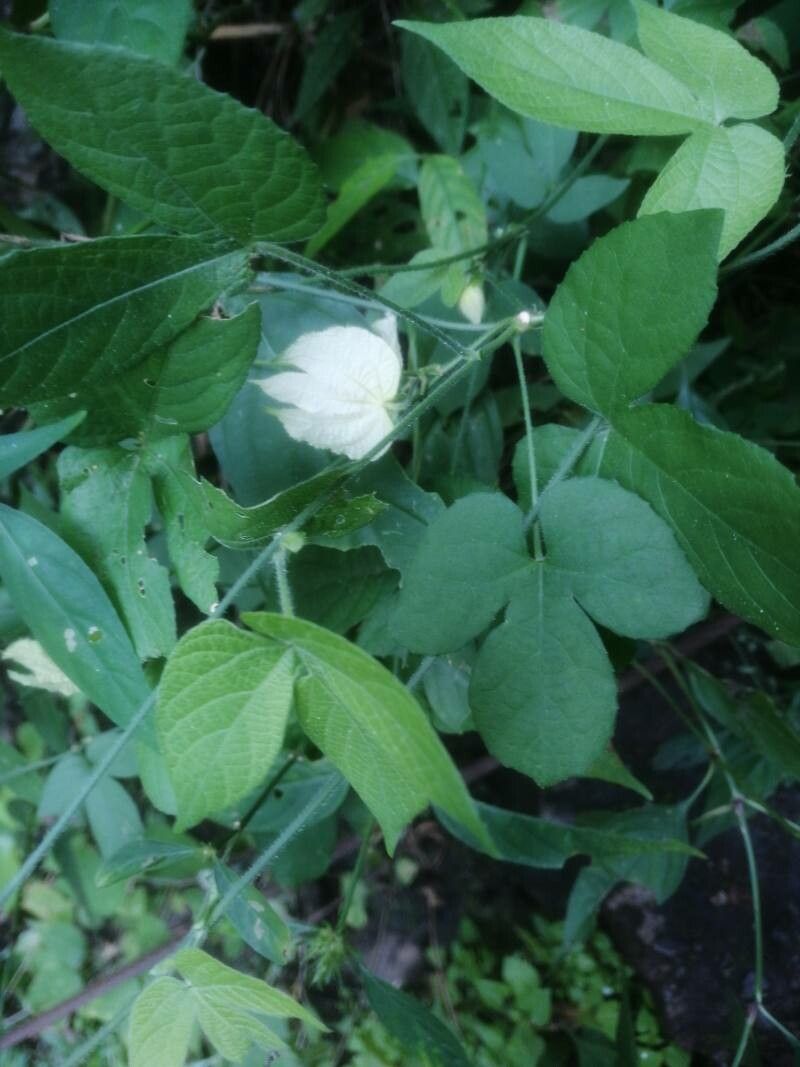
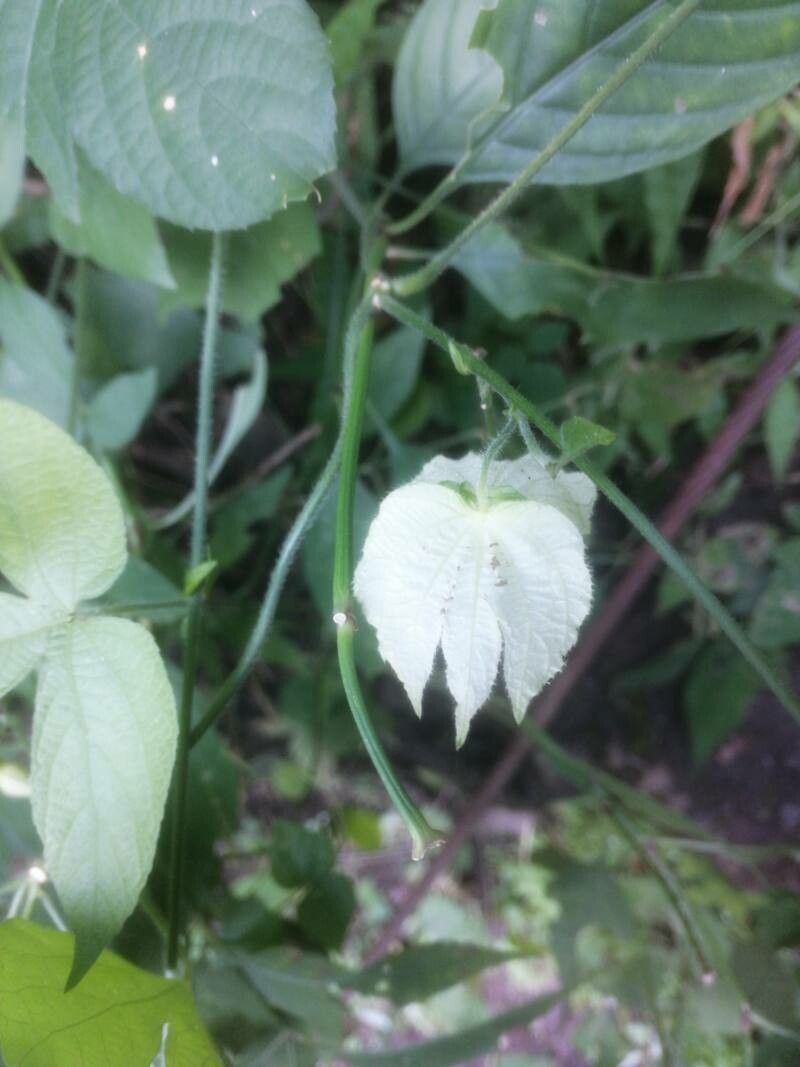
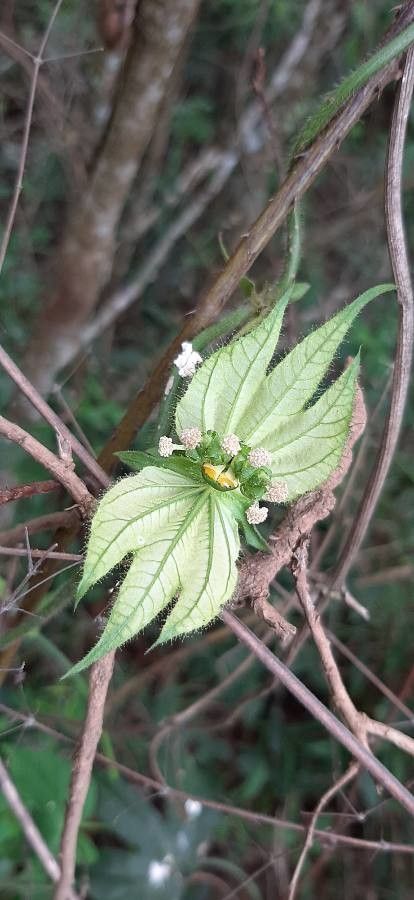
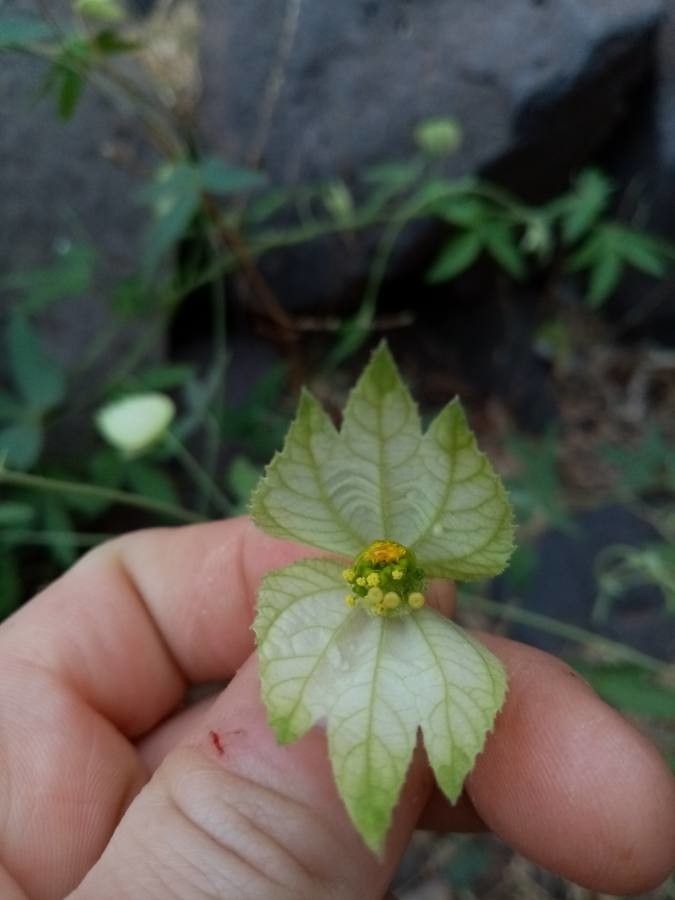
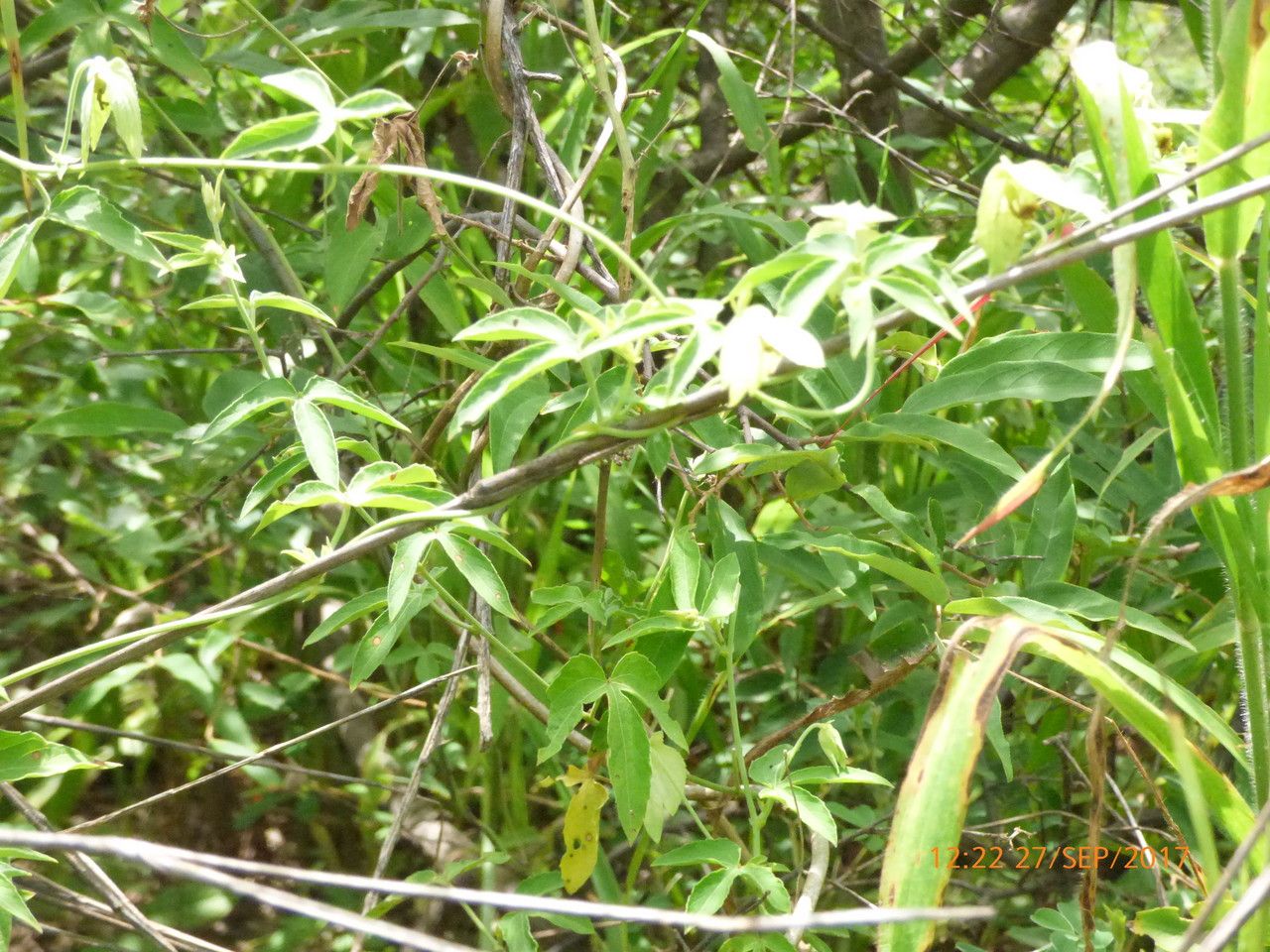
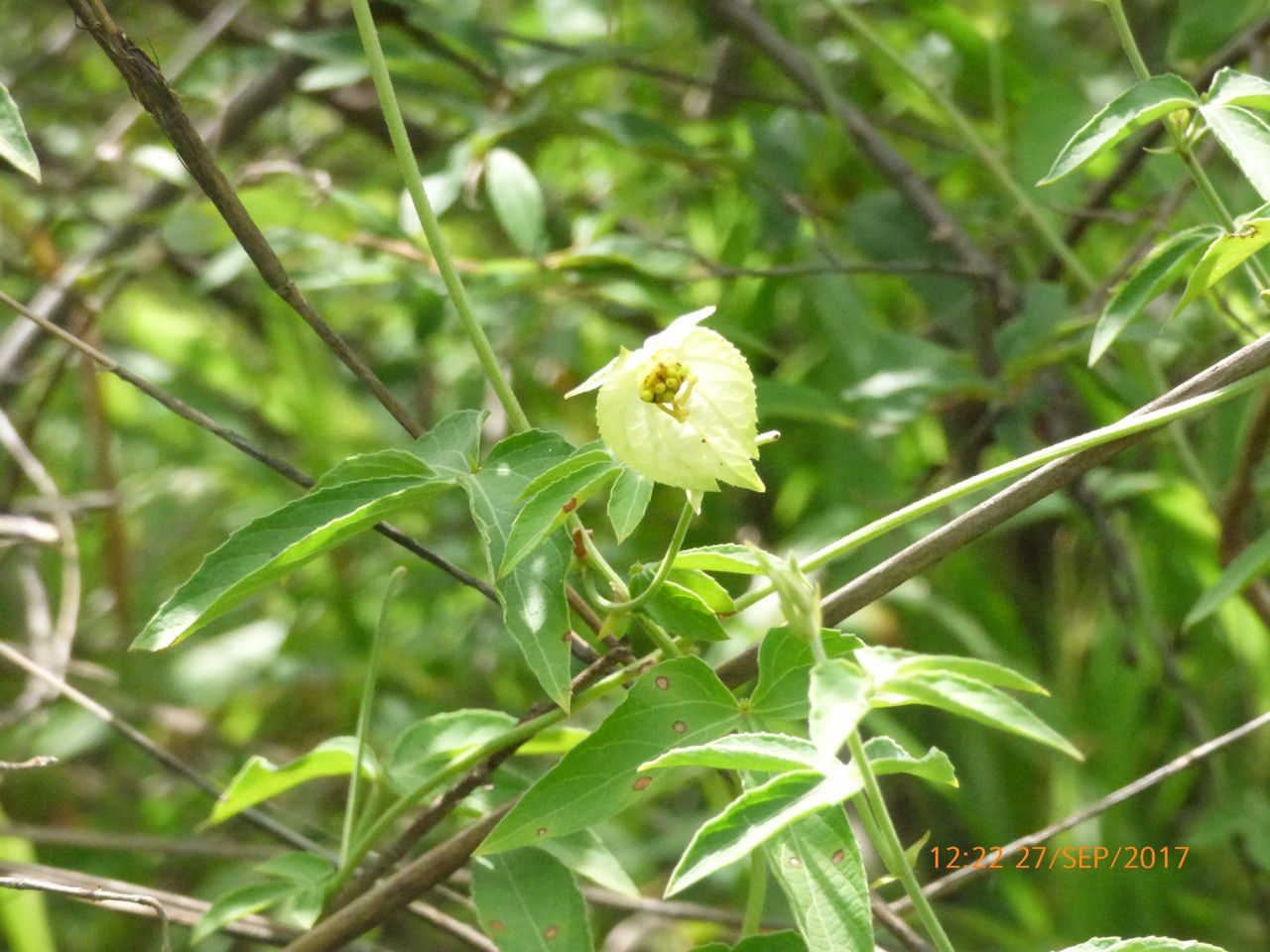
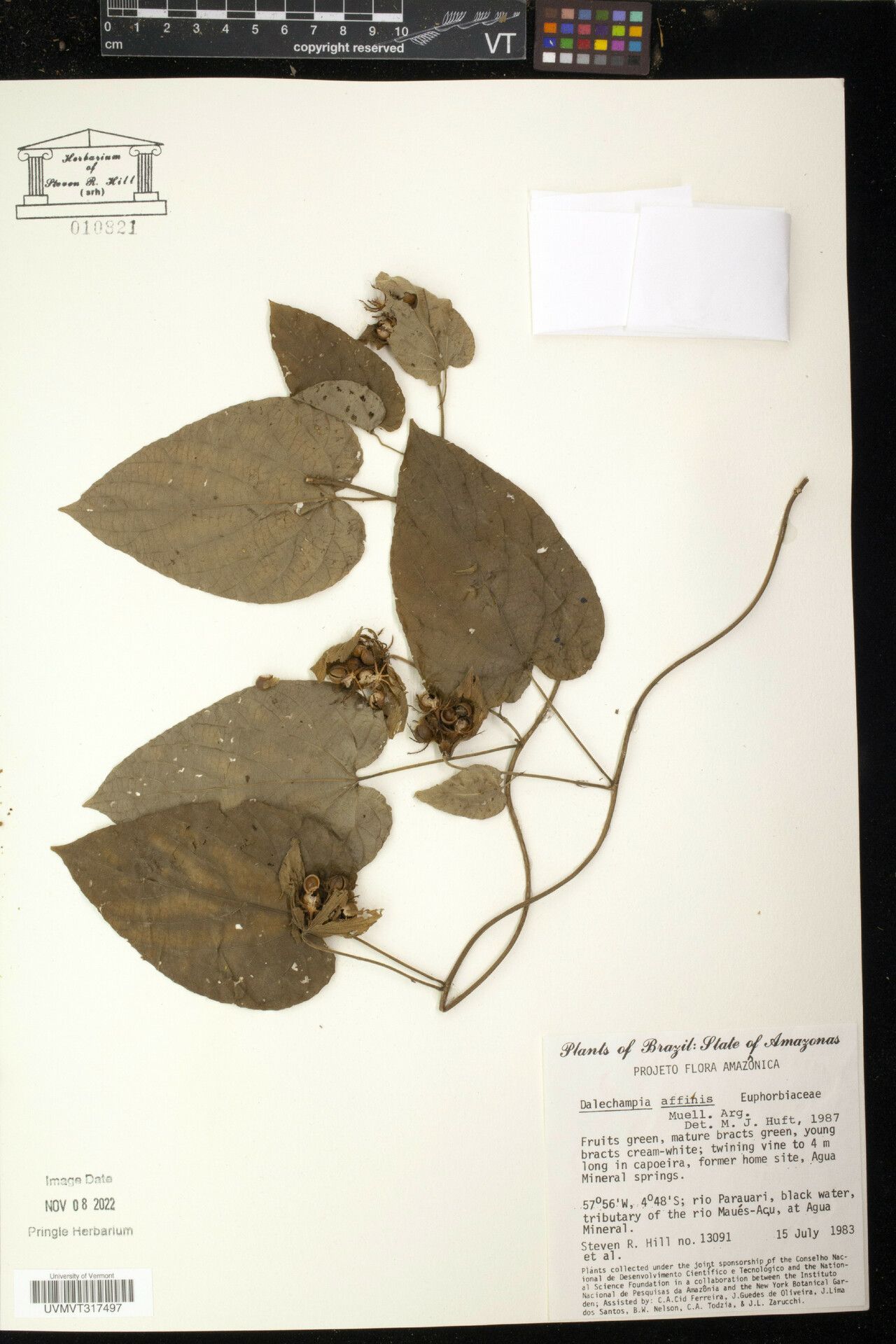
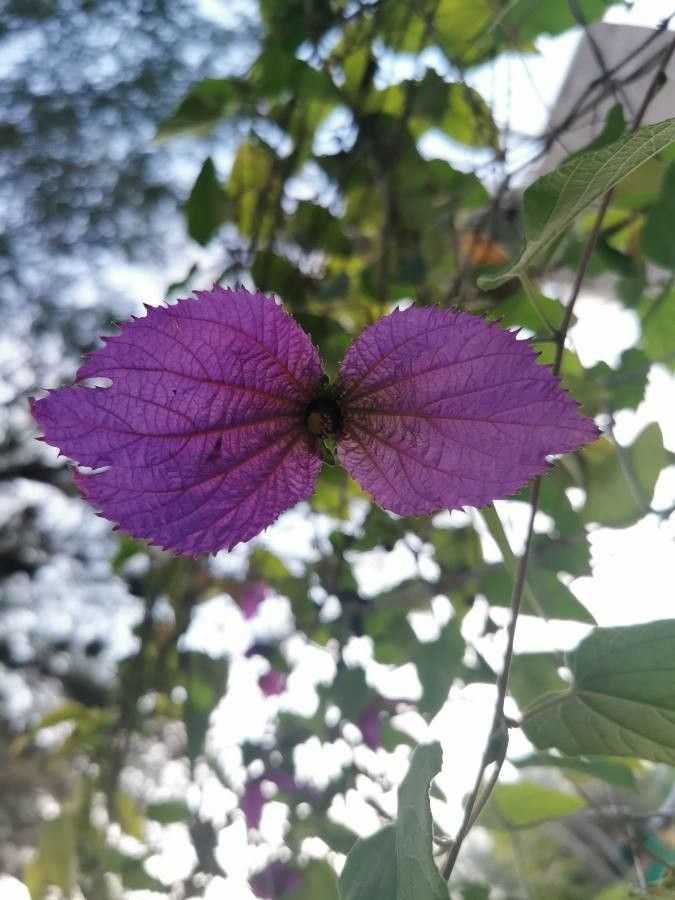
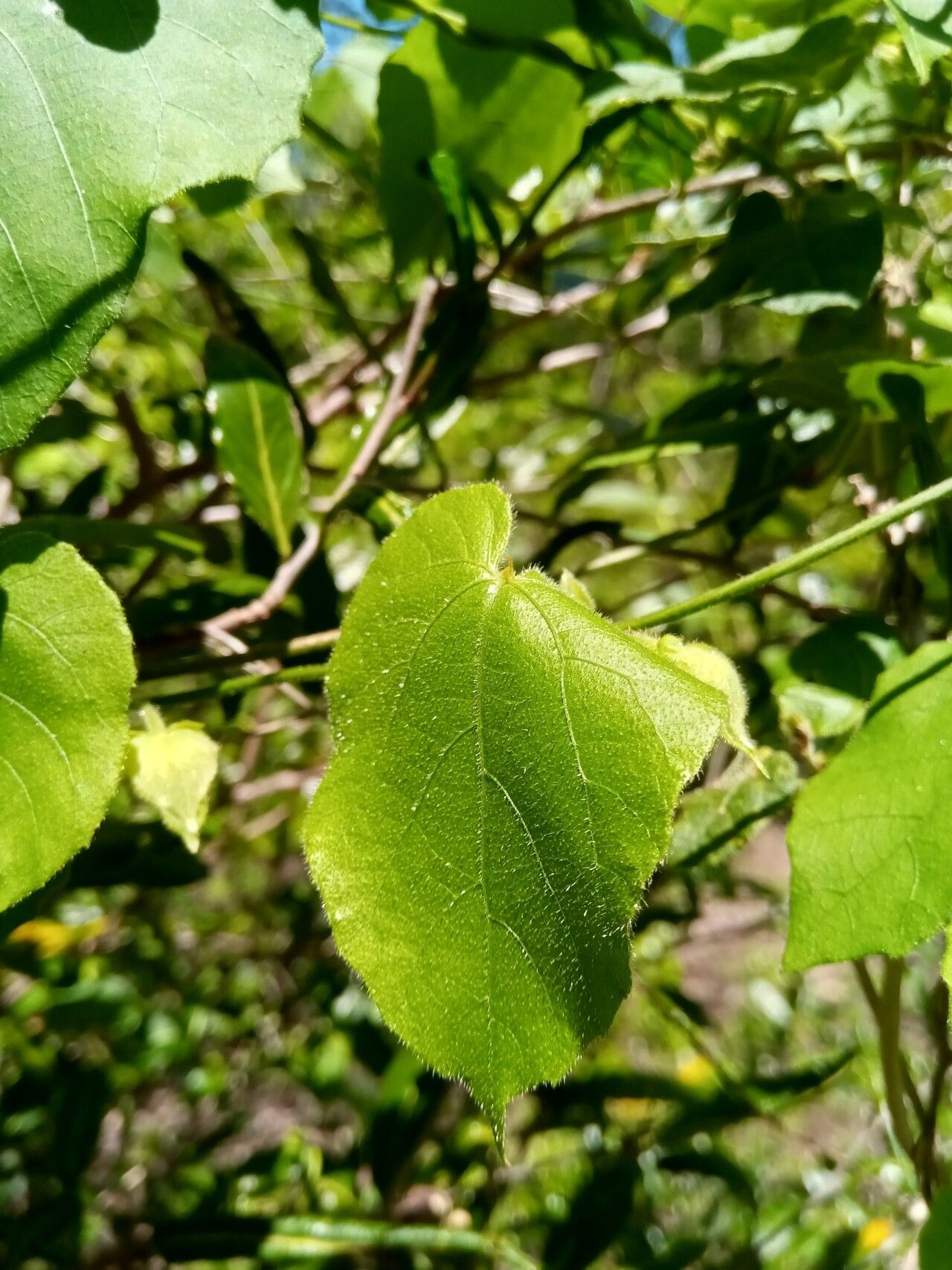
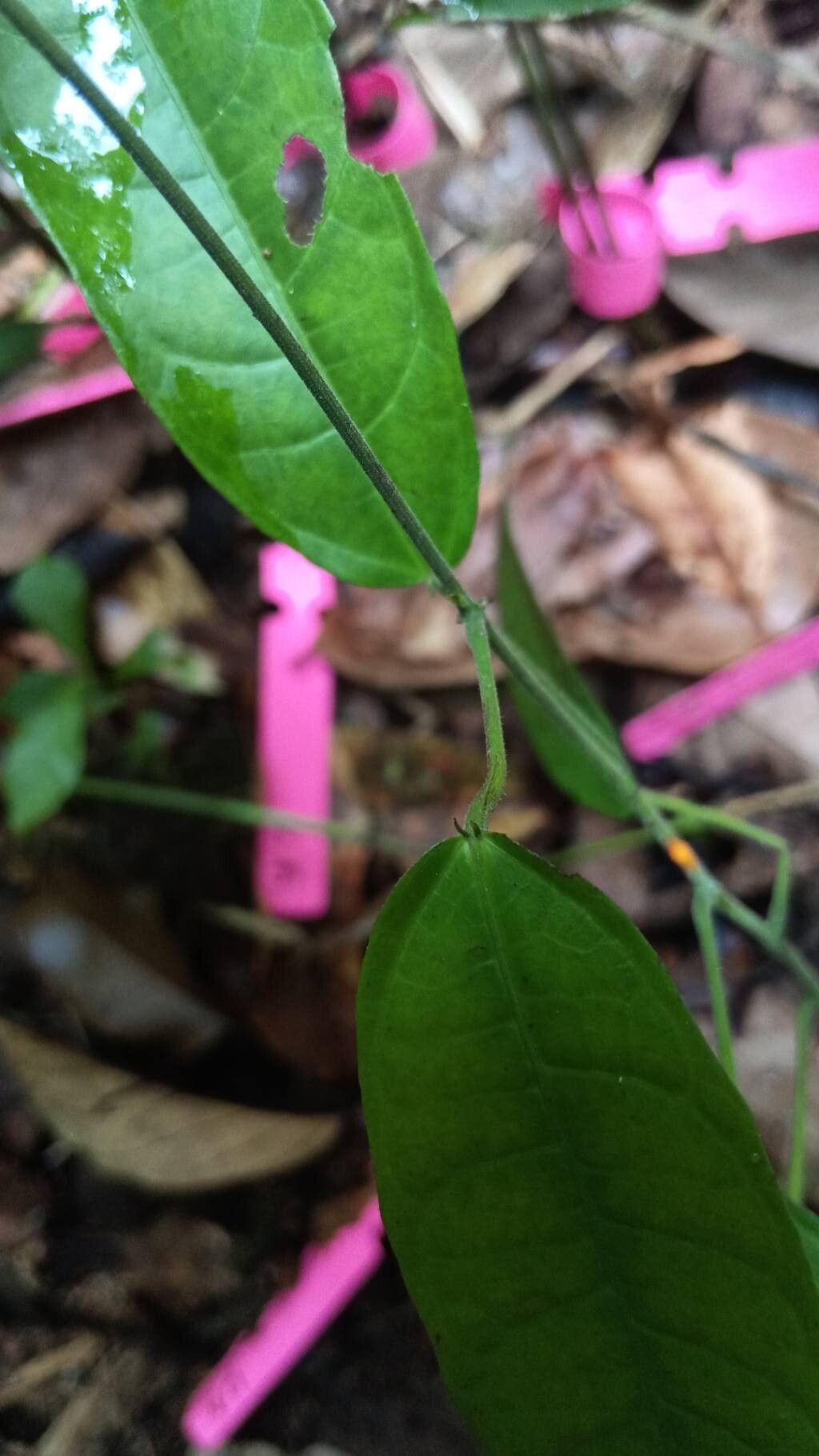
Dalechampia scandens, commonly known as the climbing spurge or bow tie vine, is a tropical vine belonging to the Euphorbiaceae family. Native to Central and South America, it can be found in countries such as Mexico, Brazil, and Peru. The plant features distinctive heart-shaped leaves that are green on the upper surface and purple underneath. It also produces small greenish-yellow flowers encircled by large pink or purple bracts.
This fast-growing plant can reach up to 20 feet in length under ideal conditions. It thrives in well-drained soil rich in organic matter and requires regular watering during its growing season.
Dalechampia scandens has several uses. Indigenous peoples in South America have employed it for medicinal purposes, treating ailments such as fever, diarrhea, and skin infections. Traditionally, the plant's sap has also been used to make dyes.
Beyond its medicinal applications, Dalechampia scandens is cultivated for its ornamental appeal. Its heart-shaped leaves add an attractive element to gardens or indoor spaces, where it can be trained on trellises or allowed to climb walls.
In summary, Dalechampia scandens is a fascinating tropical vine valued both for its unique appearance and its traditional medicinal uses, making it a popular choice among gardeners worldwide.
Spurgecreeper has strong resistance to disease and is generally not vulnerable to illnesses. Still, it can be affected by pests and diseases present in its environment. Such infections are typically mild. Regarding care, this plant needs a moderate level of attention. It should be pruned regularly to preserve a neat appearance and encourage healthy growth. Applying fertilizer can also aid in stimulating blooms. Spurgecreeper is appropriate for anyone with an outdoor area, such as a garden or patio, and does not demand extensive horticultural experience. It may need more attentive care if kept indoors.
How to keep Dalechampia Scandens.
Light
Spurgecreeper is a sun-loving, perennial herbaceous plant native to open habitats and often thriving in meadows and grasslands. It prefers full sun but can also tolerate partial sun.
Water
The spurgecreeper is native to tropical regions and thrives in environments with high humidity and consistently moist soil. It requires weekly watering to stay healthy. This evergreen plant is typically grown outdoors and benefits from a layer of mulch to help retain moisture, particularly during its active growing season.
Temperature
Spurgecreeper comes from tropical areas, where the weather is usually warm and humid. As a result, it is adapted to high heat and humidity. It does not tolerate sudden temperature changes and prefers a consistent temperature, so avoiding indoor temperature fluctuations is important. It typically cannot withstand cold and needs warmer conditions to grow. If the surrounding temperature falls too low, the plant may stop growing or even die.
Fertilizer
Adequate fertilization is essential for Spurgecreeper's health and appearance. Fertilize Spurgecreeper during summer, repeating the treatment once a month throughout the season. Nutrients support growth and the maintenance of the plant's parts. Fertilization improves Spurgecreeper's flower display, ensuring the best blooms.
Pruning
The Spurgecreeper is characterized by its vine-like growth and vibrant bracts. To keep the plant healthy and promote blooming, prune it from early to late spring. This helps remove dead stems, control the vine's length, and enhance air circulation. Make sure to use clean, sharp tools while pruning to prevent damage and minimize the risk of disease.
Botanical profile.
- Plant Type
- Herb, Vine
- Life Cycle
- Perennial
- Genus
- Dalechampia
- Family
- Euphorbiaceae
- Hardiness Zone
- 10-12
- Mature Height
- 0.91 m to 4.88 m
- Mature Spread
- 0.91 m to 2.13 m
- Leaf Color
- Green
- Leaf Type
- Evergreen
- Flower Color
- White, Yellow
- Flower Size
- 2.03 cm to 3.05 cm
- Bloom Time
- All year round
- Planting Time
- Spring, Summer, Autumn
- Harvest Time
- All year round
- Native Area
- Burkina Faso, Somalia, Belize, India, Angola, Mexico, Guatemala, Namibia, Pakistan, Yemen, Kenya, Uganda, Tanzania, Cuba, Mozambique, Venezuela, Brazil, Oman, Congo, Saudi Arabia, Honduras, Peru, South Africa, Zambia, Sudan, Guinea, Panama, Chad, Colombia, Bahamas, Bolivia, Myanmar, Guyana, El Salvador, Senegal, Eswatini, Nicaragua, Ecuador, Costa Rica, Congo (DRC), Gabon
Other names.
Reader questions.
How should I water my Spurgecreeper plant?
To properly water the Spurgecreeper, follow these tips: 1. Use filtered water at room temperature to avoid any harmful particles found in tap water. 2. The Spurgecreeper is accustomed to warm environments, so avoid using cold water to prevent shocking the plant. 3. Instead of overhead watering, which can cause leaf issues, focus on thoroughly soaking the soil with your filtered room temperature water. 4. Soaking the soil benefits the Spurgecreeper as it helps moisten the roots and allows them to spread and gather necessary nutrients.
What are the sunlight requirements for Spurgecreeper?
Spurgecreeper, also known by its botanical name Dalechampia scandens, is a sun-loving perennial herbaceous plant native to open habitats like meadows and grasslands. It requires full sun exposure, which means it should receive more than 6 hours of direct sunlight daily. However, it can also tolerate partial sun conditions, where it would receive about 3-6 hours of sunlight per day. It's essential to observe the movement of sunlight in your garden to ensure your Spurgecreeper gets the optimal balance of light and shade it needs to thrive.
What is Spurgecreeper?
Spurgecreeper, known botanically as Dalechampia scandens, is a plant without further categorised details provided in the essentials, symptoms, or additional information. Further research would be required for specific characteristics, care, or uses associated with this plant.
What do I do if I give my Spurgecreeper too much or too little water?
Both overwatering and underwatering can harm your Spurgecreeper, but overwatering is more commonly encountered. When the Spurgecreeper receives excess water, its stems and leaves may wilt and turn yellow. Overwatering for an extended period can also cause diseases like root rot, mold, and mildew, which can be fatal to the plant. Underwatering, however, is less likely to happen due to the plant's ability to tolerate drought. Nevertheless, it is still possible, and in such cases, the Spurgecreeper's leaves will become brittle and brown. It is essential to recognize the signs of overwatering promptly to take care of your Spurgecreeper. Diseases resulting from overwatering, such as root rot, may become irreversible if not addressed quickly. If you notice early signs of overwatering, reduce your watering schedule immediately. Additionally, check the soil quality where your Spurgecreeper is planted. If the soil drains poorly, replace it with a loose, well-draining potting mix. Conversely, if you suspect your Spurgecreeper is not receiving enough water, increase the frequency of watering until the signs of underwatering disappear.
What artificial lighting is needed for Spurgecreeper grown indoors?
For Spurgecreeper plants grown indoors where natural sunlight is limited, artificial lighting can be a crucial factor for healthy growth. LED lights are recommended due to their ability to be customized for the specific wavelengths of light needed by plants. Full sun plants like Spurgecreeper require 30-50W/sq ft of artificial light, while those in partial sun need 20-30W/sq ft. Proper placement is key, with the light source 12-36 inches above the plant, and the duration should mimic natural daylight hours, typically 8-12 hours per day. This setup promotes faster and healthier growth, especially in winter or less sunny spaces.
How frequently do I need to water my Spurgecreeper?
If your Spurgecreeper plant is in a pot, the best way to determine if it needs water is by inserting your finger into the soil. If you find that the top two to three inches of soil are dry, it's time to water it. If you have your Spurgecreeper planted outside in the ground, you can use a similar method to check the soil moisture. Once again, if the top few inches of soil have dried out, it's time to water. Typically, during the spring and early fall, you will generally need to water this plant once a week using this method. However, in extremely hot weather, you may need to increase watering to about twice a week or more. Even so, it's important to note that mature and well-established Spurgecreepers have the impressive ability to tolerate drought.
What are the common symptoms of inadequate lighting for Spurgecreeper?
Inadequate lighting can cause several symptoms in Spurgecreeper, including smaller new leaves, leggy or sparse growth, faster leaf drop, and slower or no growth, indicating the plant is in survival mode. Leaves might develop irregular color patterns, appear pale, or in the case of too much sunlight, show signs of chlorosis (yellowing), sunscald, leaf curling, wilting, or scorching. These symptoms hint at the plant's struggle with either too little or too much exposure to light, affecting its photosynthesis process and overall health.
How much water do I need to give my Spurgecreeper?
When watering your Spurgecreeper, make sure to give it plenty of water. When the top two to three inches of soil are dry, it's time for a thorough watering. Water the plant until the soil is completely soaked, enough to cause excess water to drain out of the pot's drainage holes. If you see no excess water draining, you may have underwatered the plant. However, be careful not to let water accumulate in the soil, as this can be dangerous for the plant. On the other hand, if water doesn't drain properly from the pot, it may be due to poorly draining soil, which is not good for the plant's health. If the plant is outside, one inch of rain per week should be enough.
How can you manage Spurgecreeper plants with inadequate lighting?
To manage lighting issues for Spurgecreeper, gradually introducing the plant to more sunlight is beneficial. If indoors, you can move the plant to a sunnier spot each week, aiming for at least 6 hours of direct sunlight daily, preferably by a south-facing window. Use artificial lighting when natural light isn't enough, ensuring the plant receives at least 8 hours of light. Outdoors, find the best sun exposure without causing shock due to sudden changes. Pruning surrounding obstructions or transplanting can also help in maximizing sunlight exposure. Remember, while parts of the plant that suffered might not recover, new growth will be healthy with improved lighting.
How do I water my Spurgecreeper as it grows?
The water needs of the Spurgecreeper can vary depending on its growth stages. During the first few years of its life or when it is newly transplanted, it requires more water than usual. This is because during these stages, the Spurgecreeper focuses on developing new roots to support future growth, and these roots perform better with slightly higher moisture levels. As the plant matures, its water requirements decrease. Additionally, during the bloom period, the Spurgecreeper may need more water due to the significant amount of moisture utilized in flower development.
How do I water my Spurgecreeper during different seasons?
The Spurgecreeper has higher water needs in the hottest months, usually during the summer. You may need to water it more than once a week during this time, depending on how quickly the soil dries out. On the other hand, in winter, the plant will go into a dormant phase and require much less water than normal. You may not need to water it at all during the winter months. However, if you choose to water it in winter, make sure to only do so once a month. Overwatering during this time can increase the risk of disease for the Spurgecreeper.
What's the difference between watering my Spurgecreeper inside and outside?
The Spurgecreeper is commonly grown indoors by gardeners in non-temperate and non-tropical regions. If you are growing it in a container, keep in mind that the soil may dry out faster compared to ground soil. Also, if there are drying elements like air conditioning units, your Spurgecreeper may require more frequent watering than if it were planted outdoors. When grown outside and rainfall is regular, you may not need to water the Spurgecreeper much at all. However, if you are growing it indoors, you will need to water it more often as relying on rainwater is not an option.