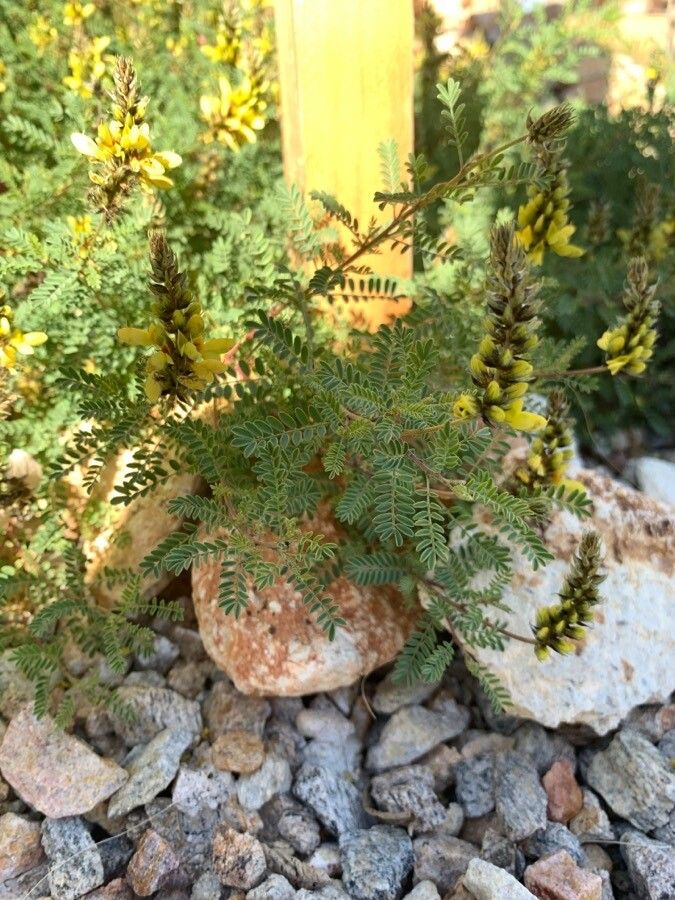
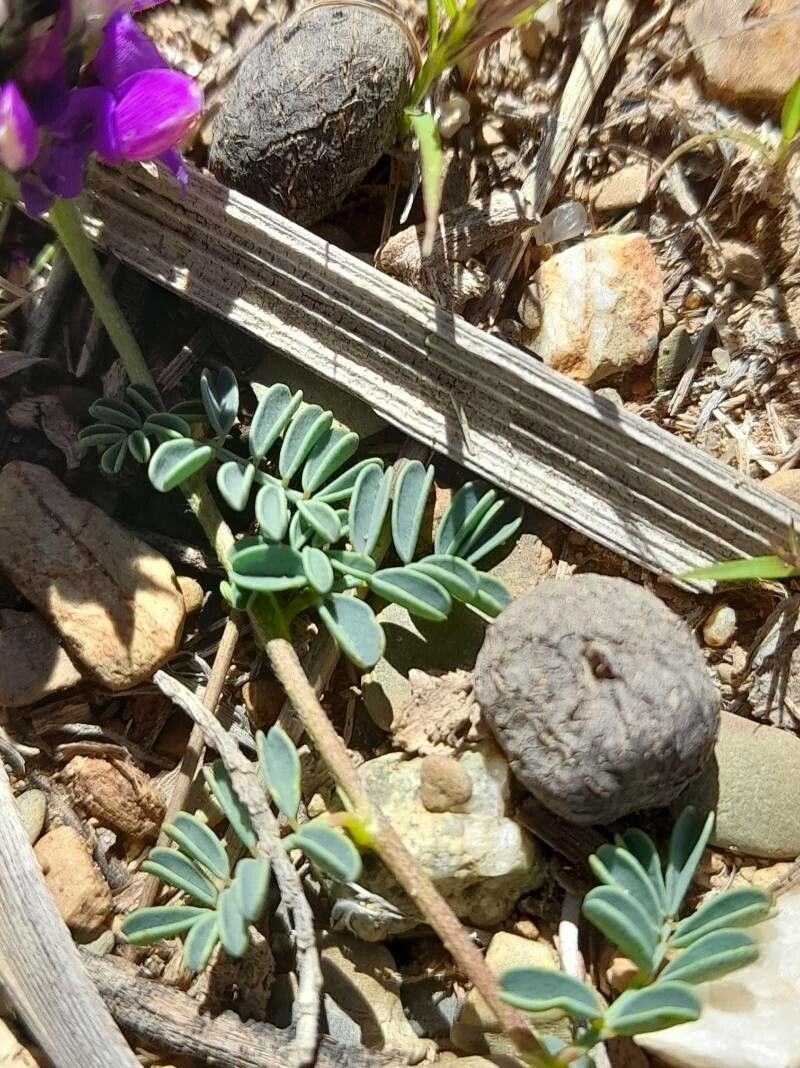
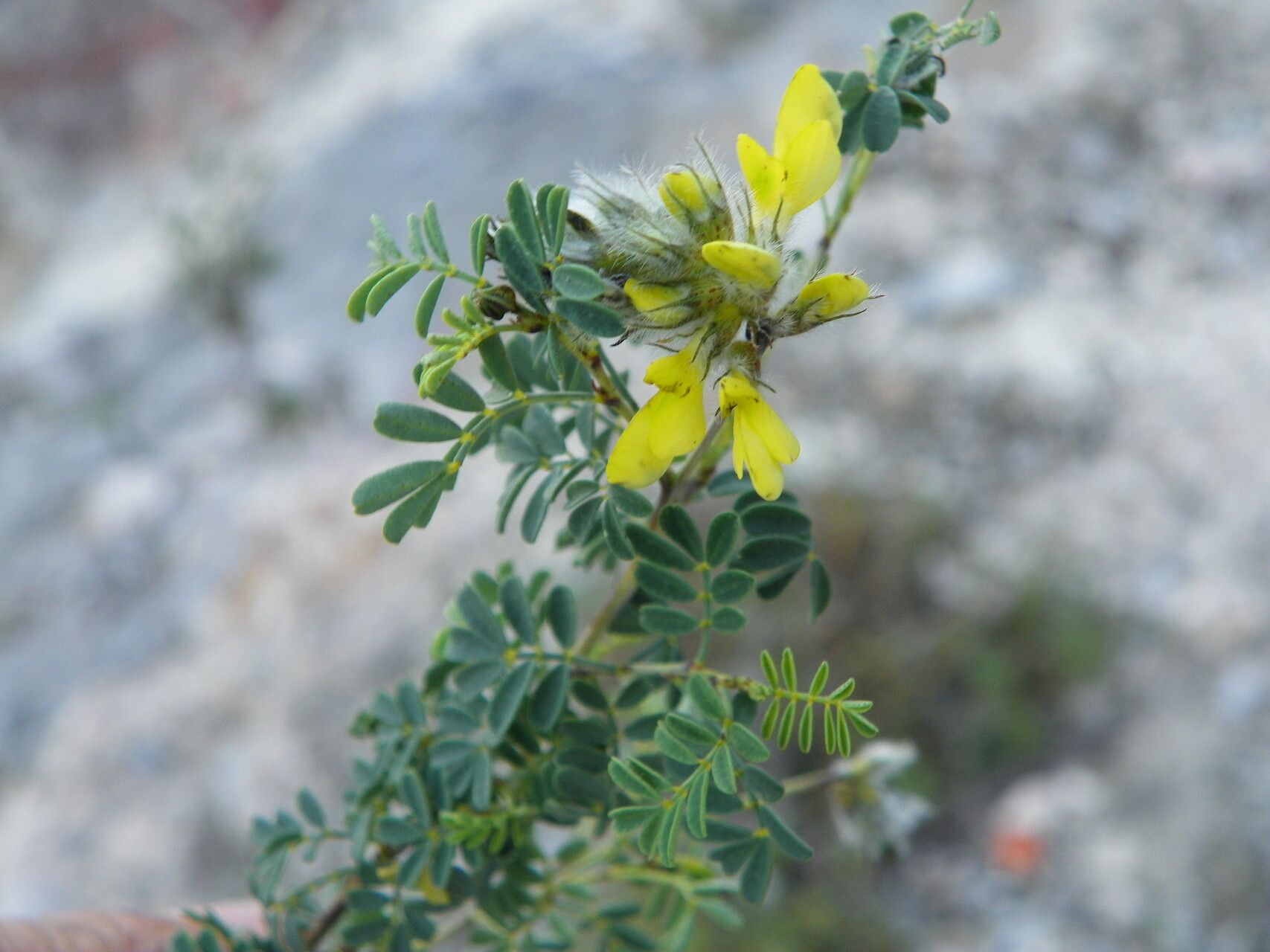
Dalea mollissima is a desert wildflower plant in the legume family (Fabaceae), with the common names soft prairie clover, downy dalea, and silk dalea.: 86
Soft prairie clover is fairly disease-resistant and usually not affected by illnesses. Nonetheless, it can be vulnerable to pests and diseases present in its environment. These problems are typically minor. For care, this plant needs moderate maintenance. It should be trimmed regularly to keep a neat appearance and promote healthy growth. Fertilizing can also encourage flowering. Soft prairie clover is a good choice for anyone with outdoor space, such as a garden or patio, and does not require extensive experience in plant care. It may need more attention when grown indoors.
How to keep Dalea Mollissima.
Light
Soft prairie clover comes from bright, open habitats and thrives in full sun. It will tolerate partial sun but prefers direct sunlight for the best growth. This annual and biennial plant is noted for its sun-loving nature.
Water
Soft prairie clover, a plant native to moderate climates, thrives best with balanced moisture and drought-resistant care. To maintain healthy growth, water it weekly, ideally allowing it to benefit from natural rainfall by growing it outdoors. This species is particularly well-suited for water conservation settings, as it thrives with minimal additional irrigation.
Temperature
Soft prairie clover originates from habitats where temperatures typically range from 68 to 105.8 °F (20 to 41 ℃). It grows best within that temperature range. During excessively hot or cold seasons, care should be adjusted to replicate those conditions.
Fertilizer
Begin fertilizing Soft prairie clover again after most of its blooms have opened to full size. When blooms are at peak output, fertilize once every three to four weeks, as weather permits. Then, when Soft prairie clover begins producing fewer new blooms, stop fertilizing; there is no need to fertilize when the plant can no longer produce additional blooms.
Pruning
Soft prairie clover benefits from pruning done in early to late spring, which promotes better growth and flowering. To ensure the plant remains healthy, remove any leggy or dead stems as well as any damaged parts. Pruning at the right time aligns with the plant's natural growth cycle, resulting in vigorous and healthy plants.
Botanical profile.
- Plant Type
- Herb
- Life Cycle
- Annual, Perennial
- Genus
- Dalea
- Family
- Fabaceae
- Hardiness Zone
- 10-13
- Mature Height
- 10 cm to 30 cm
- Mature Spread
- 30 cm to 46 cm
- Leaf Color
- Green
- Leaf Type
- Semi-evergreen
- Flower Color
- Purple, Lavender
- Flower Size
- 0.76 cm to 1.27 cm
- Bloom Time
- Late spring, Early summer, Mid summer
- Planting Time
- Spring
- Harvest Time
- Mid summer, Late summer, Early fall
- Native Area
- Mexico
Other names.
Reader questions.
How should I water my Soft prairie clover?
Soft prairie clover can be watered using various tools like a garden hose with a spray nozzle or a watering can. They are not too particular about the source of water, so rainwater, tap water, or filtered water will work. However, it is best to avoid watering from overhead as it can harm the leaves and flowers and cause disease. Instead, a drip irrigation system is recommended as it provides even and direct watering to the soil. For Soft prairie clover in a container, you can use a cup, watering can, or tap water to directly water the soil.
How many hours of sunlight does Soft prairie clover need each day to grow well?
To ensure the well-being of the plants, it is important to provide them with 6 to 8 hours of sunlight every day. In particular, they thrive when exposed to the morning light, especially during the summer. The Soft prairie clover, in particular, requires abundant sunlight to flourish. The more light these species receive, the better they can produce food, display stunning blooms, and thrive in their environment.
What temperature is best for Soft prairie clover?
To help your tropical plants thrive, it's best to maintain a temperature range of 75℉ to 90℉ (25-32℃). While different species can tolerate temperatures outside this range, sticking within a few degrees of these limits will ensure optimal growth. However, there are extreme temperature limits to be aware of. Anything below 50℉ (10℃) or above 95℉ (35℃) can hinder growth and cause issues with the leaves and stems. Low temperatures are particularly damaging, as even a light frost can lead to the death of your tropical plants. In fact, cellular death can occur rapidly, with some species dying within 12 to 24 hours.
What should I do if I give my Soft prairie clover too much or too little water?
The solution for underwatering Soft prairie clover is simple. If you notice your plant is lacking moisture, just start watering it more regularly. Overwatering, on the other hand, can be a serious problem if not caught early. Overwatered Soft prairie clover can develop diseases that lead to decline and death. To prevent this, choose a suitable location for your plant that gets plenty of sunlight to dry the soil and has good drainage to prevent water from pooling. If you have overwatered Soft prairie clover in a pot, consider transferring it to a new pot. The old container may not have had good drainage or enough holes. When repotting, use loose soil and a pot that drains efficiently.
What kind of sunlight does Soft prairie clover need?
The Soft prairie clover thrives in full sunlight, so it's important to avoid overcrowding them to ensure even sun exposure. It's crucial for their leaves to receive ample sunlight. If planted in pots, place them in windows with direct sun and make sure they receive full sunlight year-round. They won't do well in partial or filtered light, as this won't promote sturdy stems and vibrant flowers. It's best to always keep the Soft prairie clover exposed to the sun.
Does Soft prairie clover need different temperatures at different stages of growth?
Soft prairie clover is a plant that doesn't require temperature changes to grow, but it's important to keep the temperature consistent. Fluctuations in temperature can slow down its growth, regardless of its current phase. So, it's best to maintain a controlled environment within the optimal temperature range of 75℉ and 90℉ (25-32℃). It's important to stay above the lower limit, while going above 90℉(32℃) isn't ideal but won't cause significant damage since it's a tropical plant. However, going below 50℉ (10℃) (especially 40℉/5℃) will start to directly harm this heat-loving species.
How often should I wet my Soft prairie clover?
Soft prairie clover requires regular watering throughout the growing season. In the spring, it is recommended to water this plant about once per week. As the season progresses and temperatures rise, the watering rate may need to increase to two to three times per week. However, exceeding this rate can harm the Soft prairie clover. It is important to keep the soil relatively moist but not wet, regardless of the watering frequency. Watering Soft prairie clover in a pot is slightly different. Due to the soil in pots heating up and drying out faster, watering frequency should be increased. In most cases, container-grown Soft prairie clover should be watered a few times per week, compared to just once per week for a plant in the ground.
Can sunlight harm plants? How can Soft prairie clover be protected from damage caused by sunlight and heat?
When the temperature exceeds 90℉(32℃), the Soft prairie clover is susceptible to damage from extreme temperatures, particularly if they are exposed to prolonged sunlight. It is recommended to provide some shade from the afternoon light during the summer, as the sunlight is stronger and exposure is 50% longer compared to winter. If the Soft prairie clover is overly stressed by sunlight, it is advisable to ensure they are well hydrated by watering them when the top 2 inches of soil are dry. If the weather is excessively hot, especially for container plants, consider moving them indoors. While it is normal for the plant leaves to wilt during the day, they generally recover at night. However, if the Soft prairie clover continues to droop, it indicates rapid water loss and they require immediate watering.
Does Soft prairie clover require varying temperatures throughout the year?
Soft prairie clover does not require different temperatures for different growing seasons. The key to seasonal care is maintaining the optimal temperature range, which is why it is recommended to keep this plant indoors. This allows for better control of the temperature regardless of the climate outside. Light is also crucial for tropical species, and these plants prefer partial or filtered sunlight. Dappled or indirect light is the best option for indoor growth, as too much direct sunlight can harm the leaves and limit growth potential.
How much water does my Soft prairie clover require?
Determining how much water to give to your Soft prairie clover can be done in a few different ways. Some gardeners prefer to rely on their sense of the soil's moisture level. This method suggests watering until the top six inches of soil feel moist. Another approach is to use a specific measurement. Typically, Soft prairie clover needs around two gallons of water per week, depending on temperature and how quickly the soil dries out. However, sticking to rigid guidelines can result in overwatering if the plant requires less. When growing Soft prairie clover in a container, a different method is needed. In this case, water enough to moisten all dry layers of soil. Confirm the moisture level by feeling the soil with your finger or by observing a slight overflow of water from the drainage holes.
Should I keep Soft prairie clover out of the sun to protect it?
The Soft prairie clover thrives in the sun and enjoys being exposed to it. If possible, plant them in south-facing gardens where they can receive morning to afternoon sun. Although the sun is beneficial, some plants may get sunburned, so providing shade in the afternoon and midday with a tree or wall is helpful. Growing the Soft prairie clover in shady areas is not possible because the larger flowers require a lot of energy to grow. For optimal results, always provide full sun conditions when planting these clovers.
What temperatures do Soft prairie clover need to stay healthy?
Here are three tips to help you take care of your plants: 1. Keep your plants away from windows during colder months: Cold air can leak into your home through cracks in the windows, and any plants placed near them will be affected. Move tropical plants to an area with bright but indirect light, while avoiding potential drafts. 2. Watch out for dry patches, which may indicate too much sunlight or heat: If you notice white or scorched leaves, your plant may be getting too much heat or sunlight. This can lead to dehydration and hinder growth. Dry spots can spread and eventually cause your plants to die if left unaddressed. 3. Be cautious of frost: Colder temperatures and frost can damage plants by disrupting their water circulation. This can lead to a lack of moisture in the stems and leaves. Look out for signs of hydrosis (a water-soaked appearance) and if the issue persists, the plant may shrivel and turn dark brown or black, eventually leading to death.