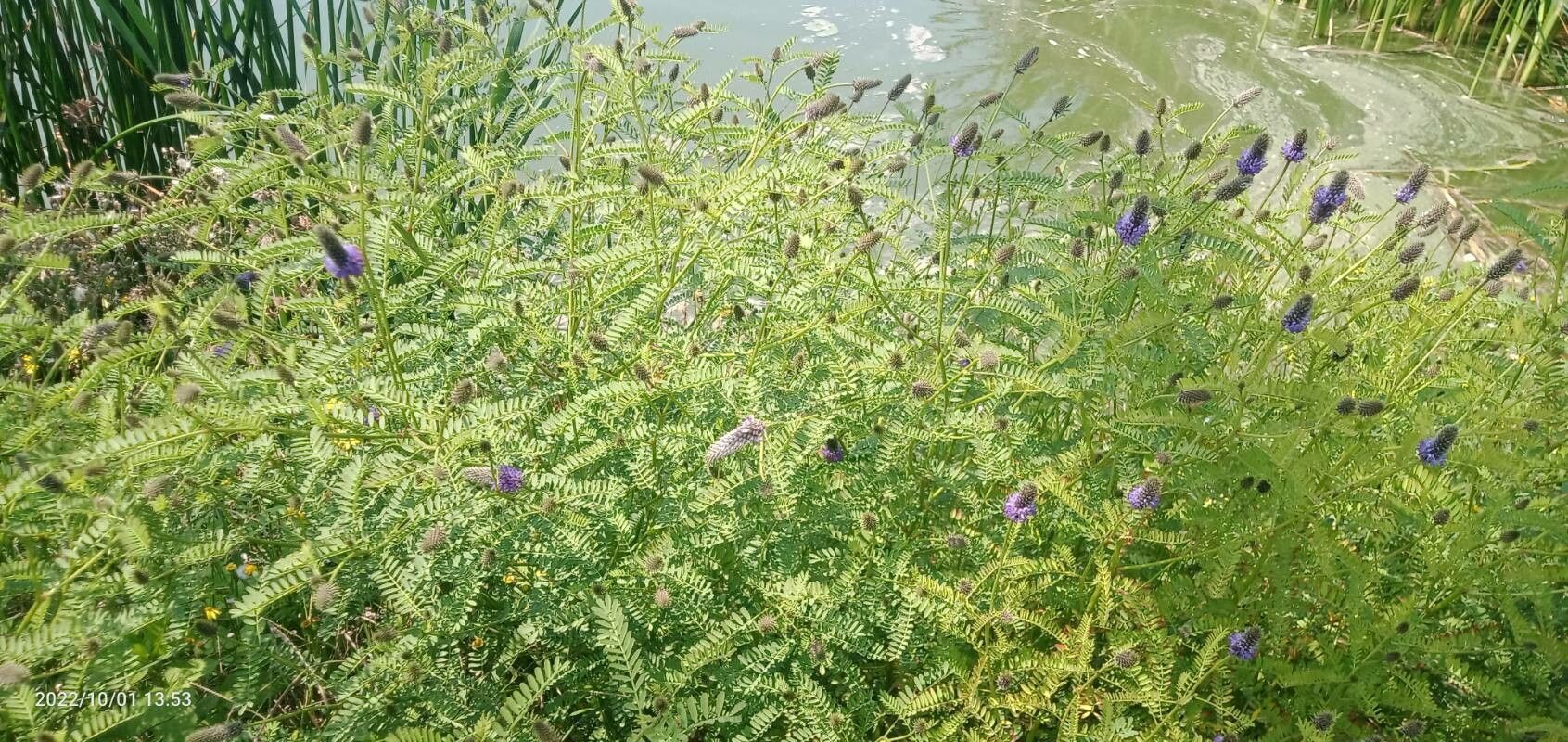
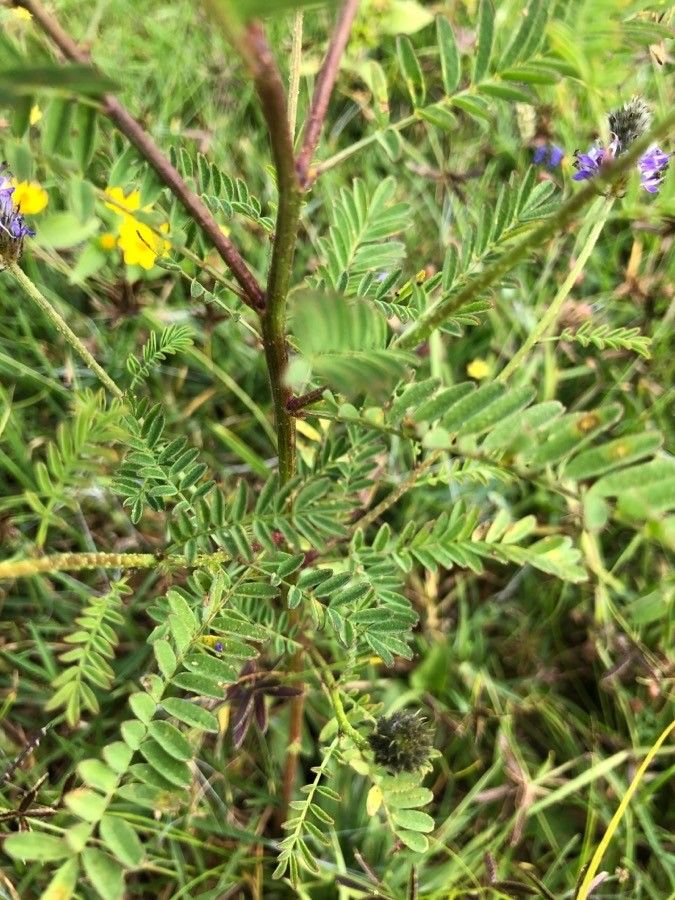
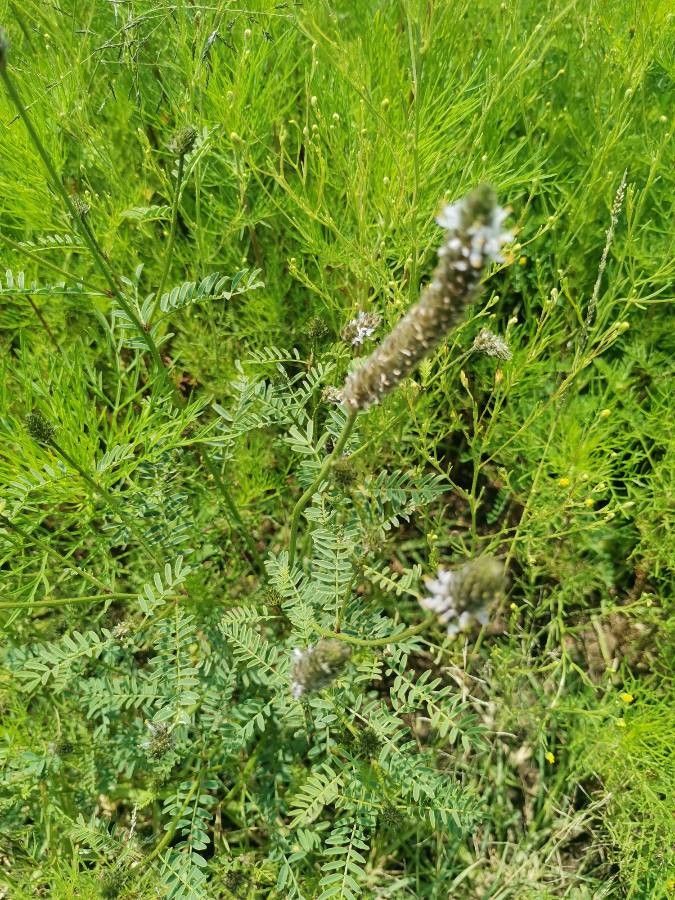
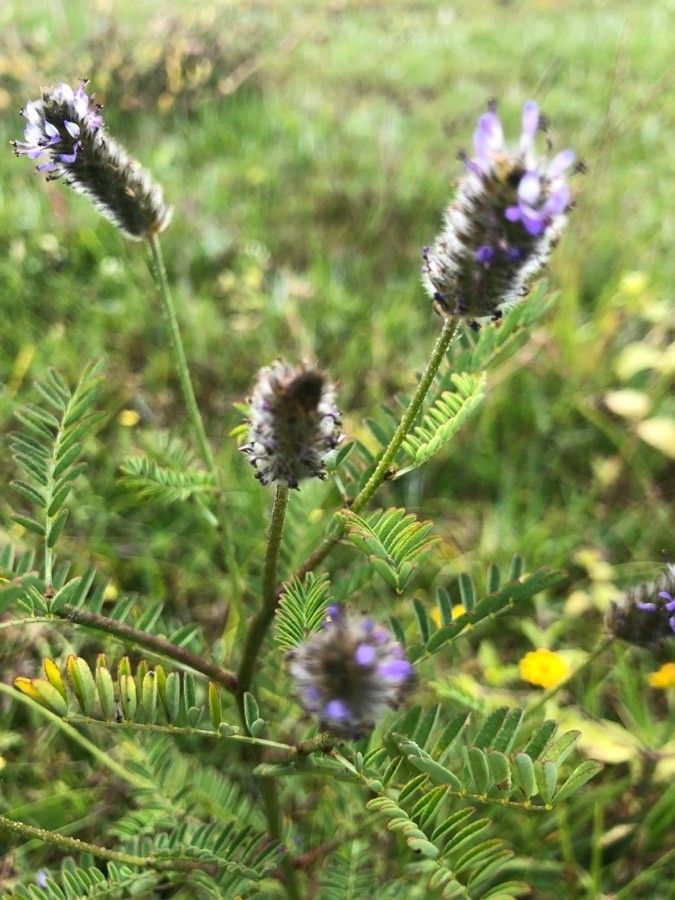
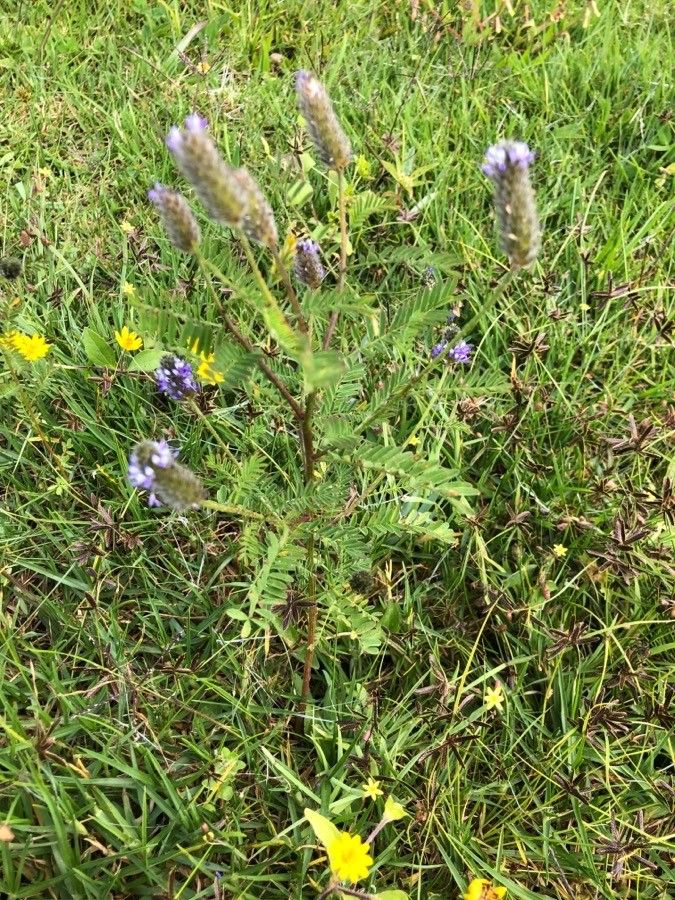
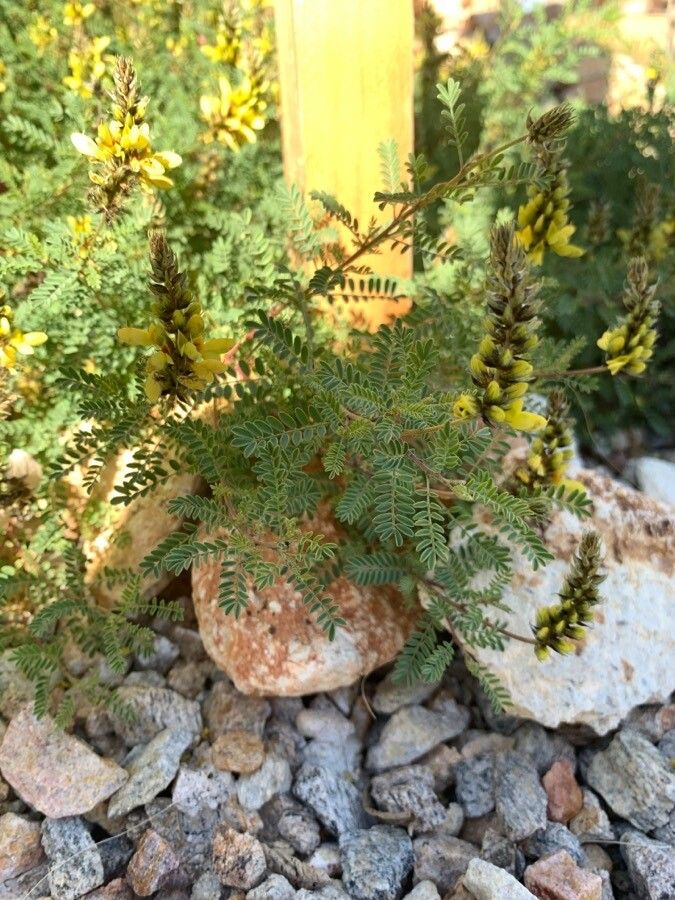
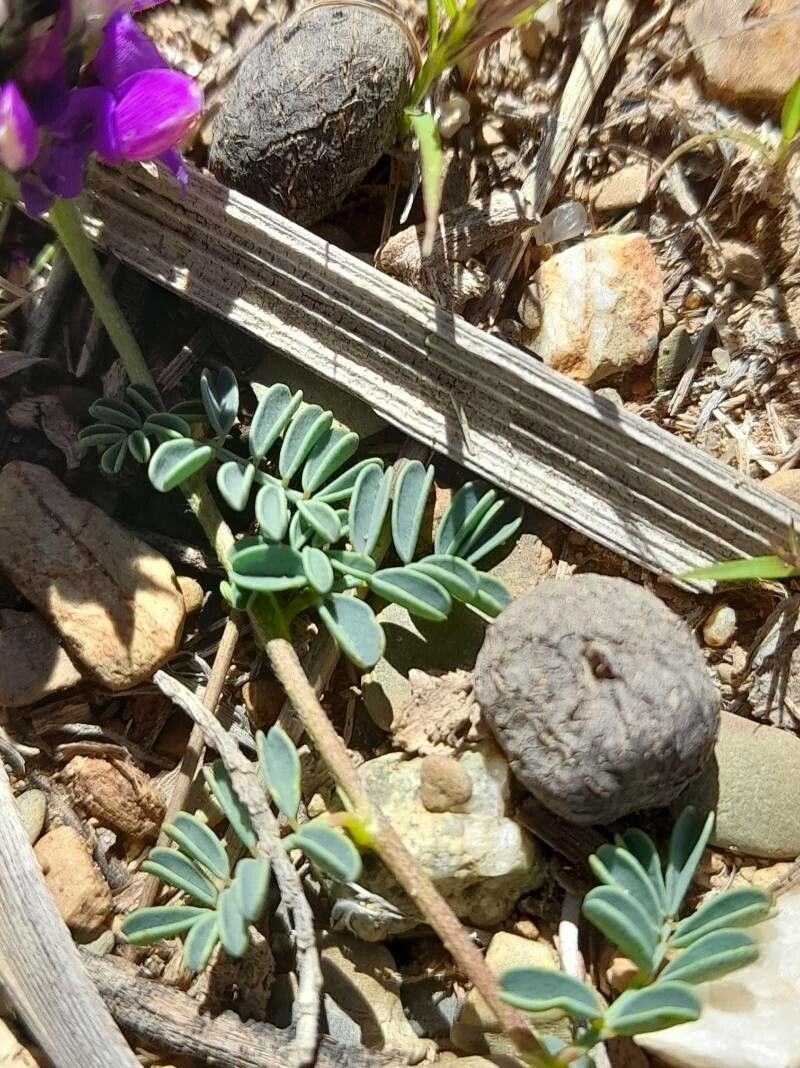
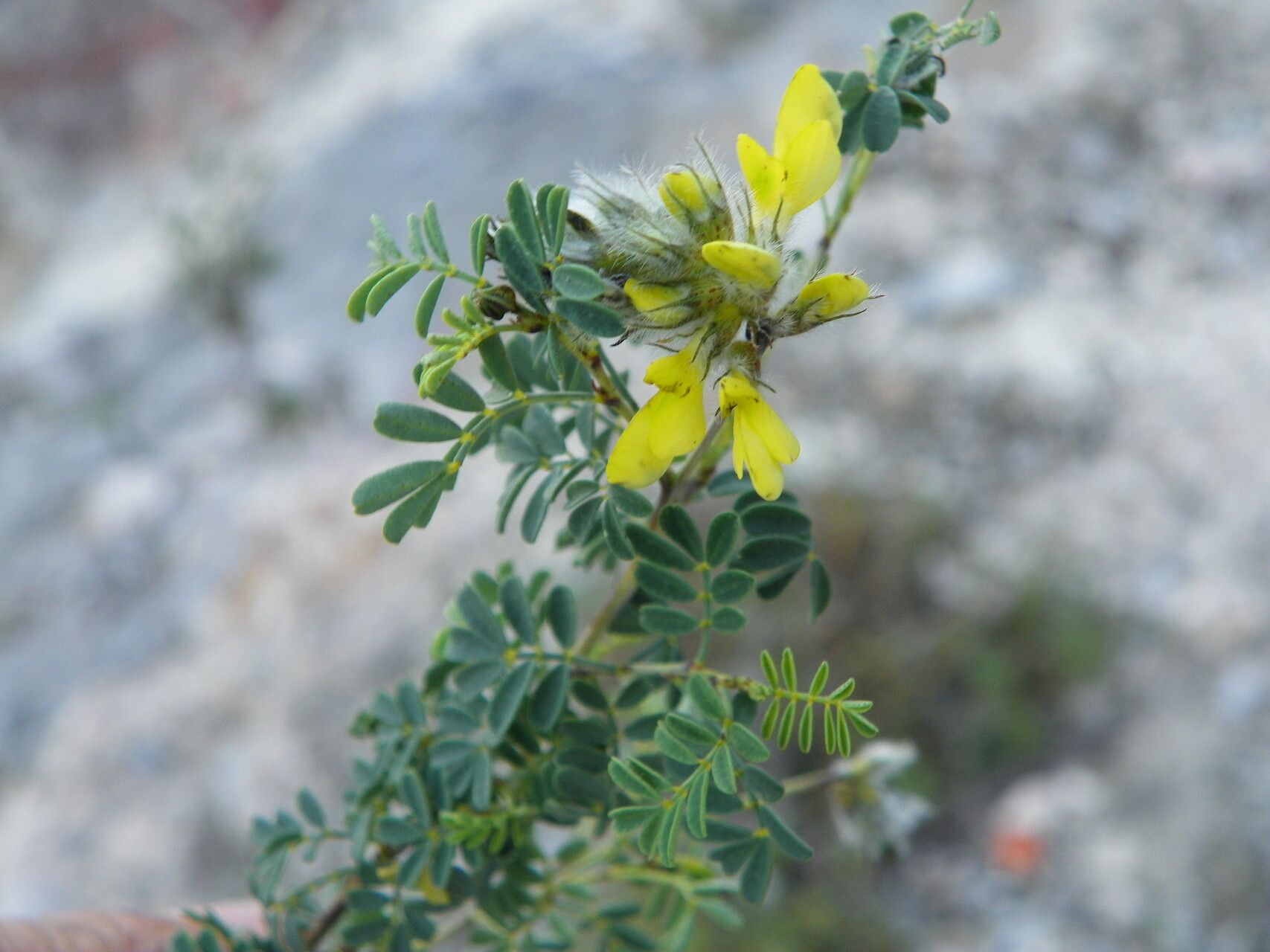
Foxtail prairie clover is fairly resistant to disease and is generally not prone to illnesses. However, it can be affected by pests and diseases present in its environment. These infections are typically not severe. For care, this plant requires a moderate level of maintenance. It should be pruned regularly to maintain a good appearance and healthy growth. Fertilizing can also help encourage flowering. Foxtail prairie clover is suitable for anyone with outdoor space, such as a garden or patio, and does not require a great deal of care experience. It may need more attention when grown indoors.
How to keep Dalea Leporina.
Light
Foxtail prairie clover comes from bright, open habitats and does best in full sun. It can tolerate partial sun but favors direct sunlight for optimal growth. This plant, which may be annual or biennial, is known for its sun-loving habit.
Temperature
Foxtail prairie clover adapts well to temperature, tolerating higher heat and wider temperature swings. In hot weather, it is necessary to watch watering and provide some shade to avoid sunburn. Conversely, Foxtail prairie clover has relatively low tolerance for cold; it can handle some chill, but very cold conditions can cause frost damage.
Fertilizer
When most of the Foxtail prairie clover flowers are fully open, resume fertilizing. At peak bloom, fertilize every three to four weeks, as weather permits. Once the plant begins to produce fewer new blooms, stop fertilizing; there’s no need to apply fertilizer when it can no longer produce blooms.
Botanical profile.
- Plant Type
- Herb
- Life Cycle
- Annual
- Genus
- Dalea
- Family
- Fabaceae
- Hardiness Zone
- 5-9
- Mature Height
- 30 cm to 61 cm
- Mature Spread
- 20 cm to 40 cm
- Leaf Color
- Green
- Leaf Type
- Deciduous
- Flower Color
- Pink
- Flower Size
- 0.51 cm to 0.76 cm
- Bloom Time
- Summer
- Planting Time
- Spring, Autumn
- Harvest Time
- Late summer, Early fall, Mid fall
- Native Area
- Mexico, Guatemala, Bolivia, Peru, Costa Rica
Other names.