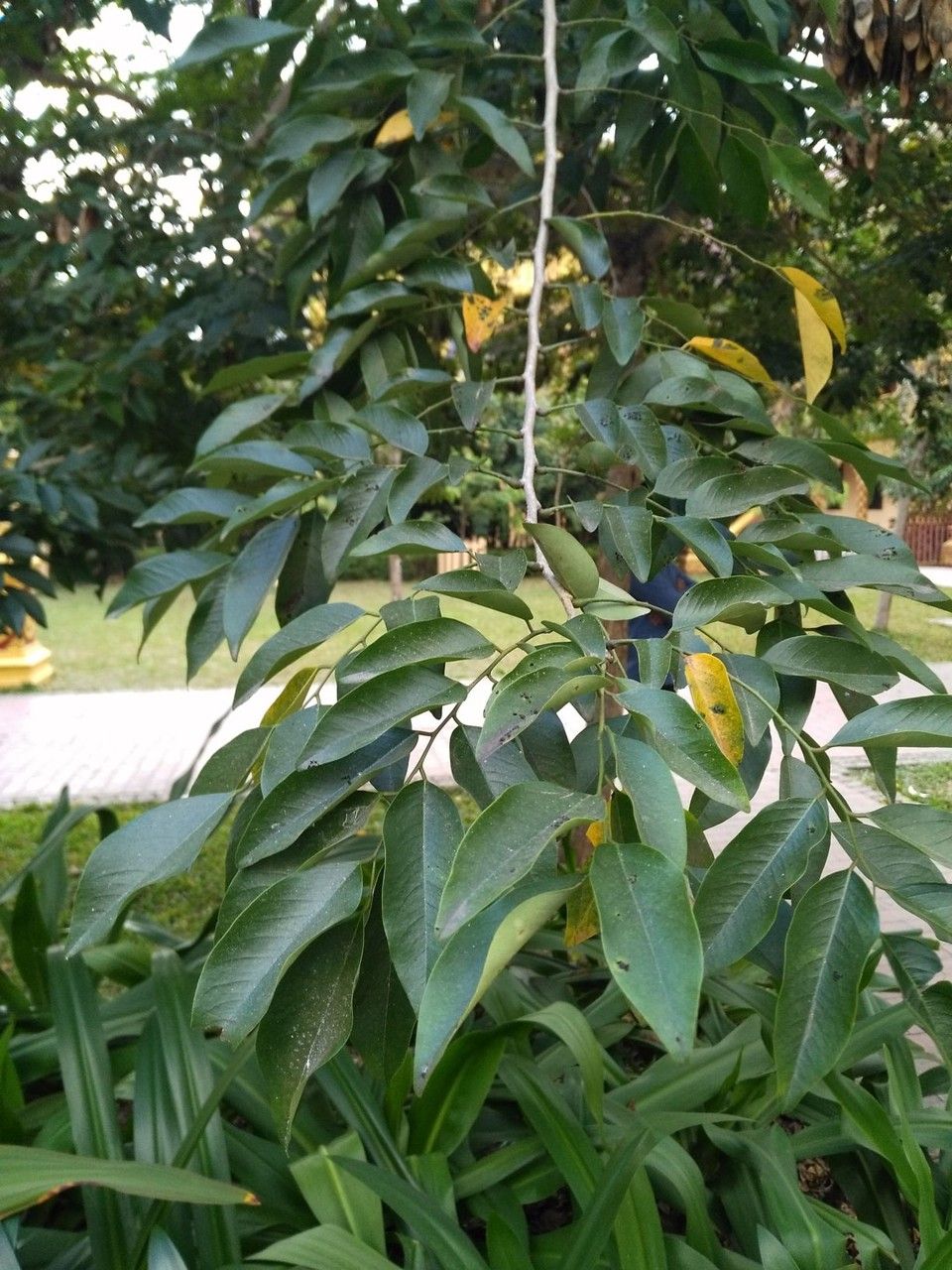
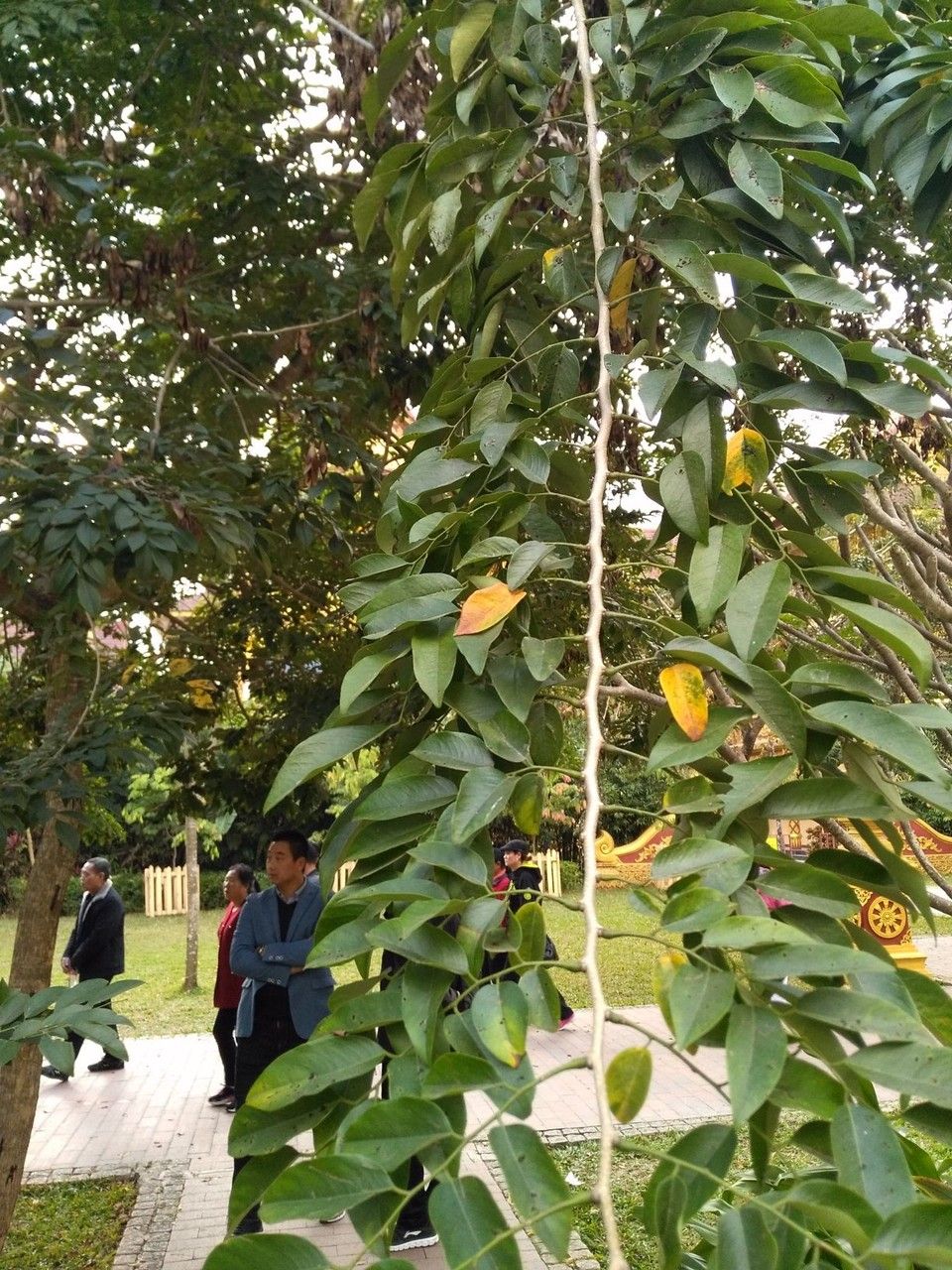
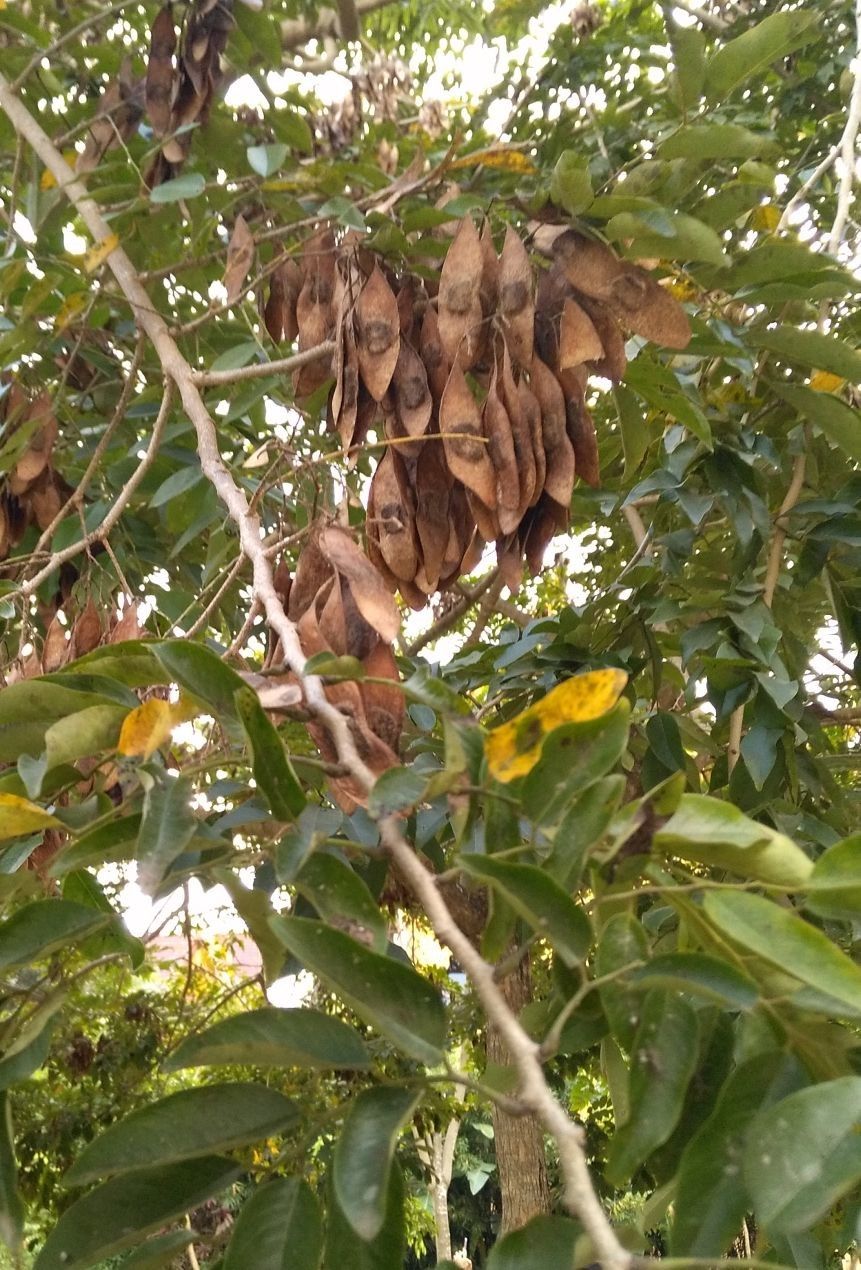
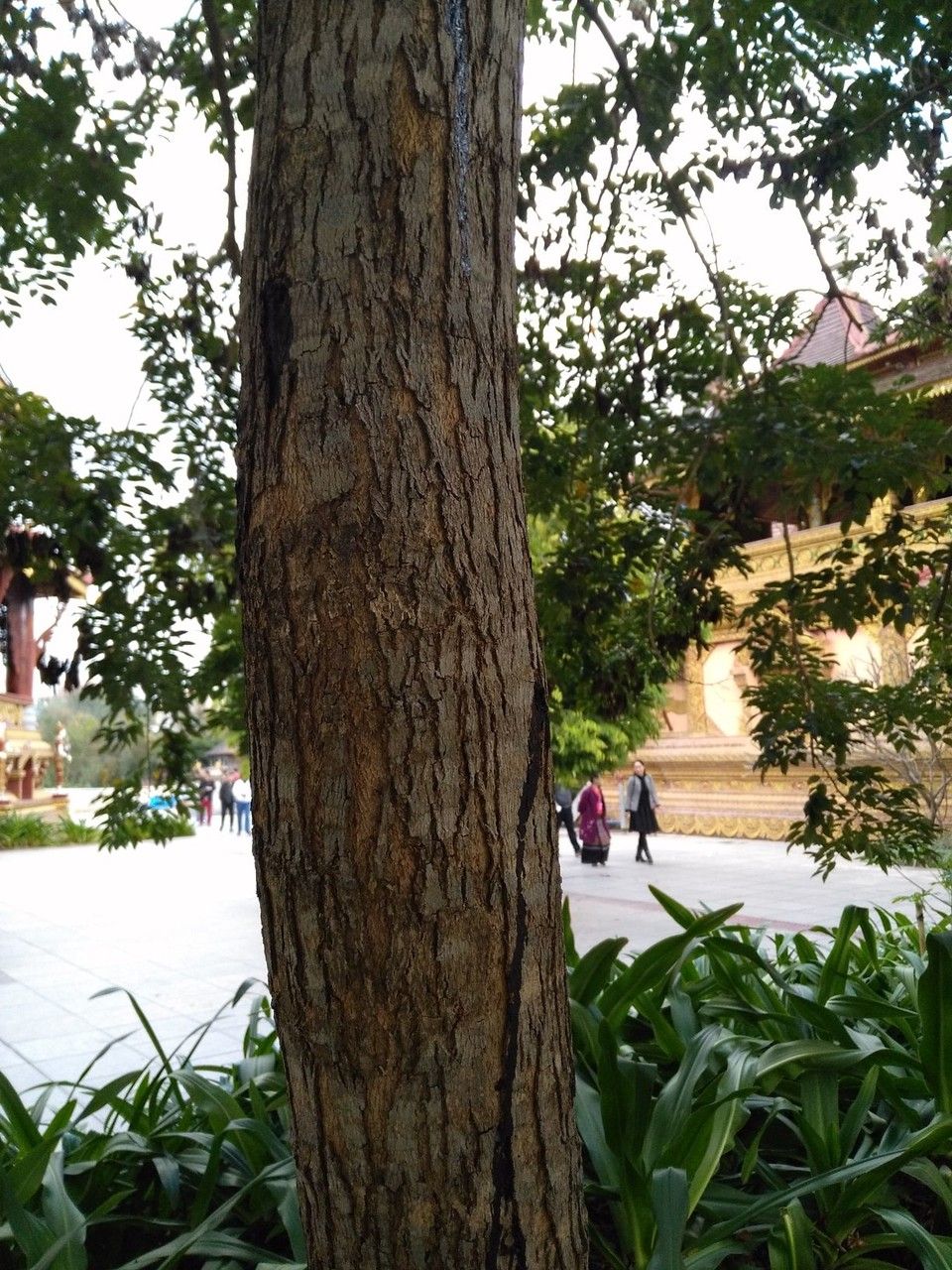
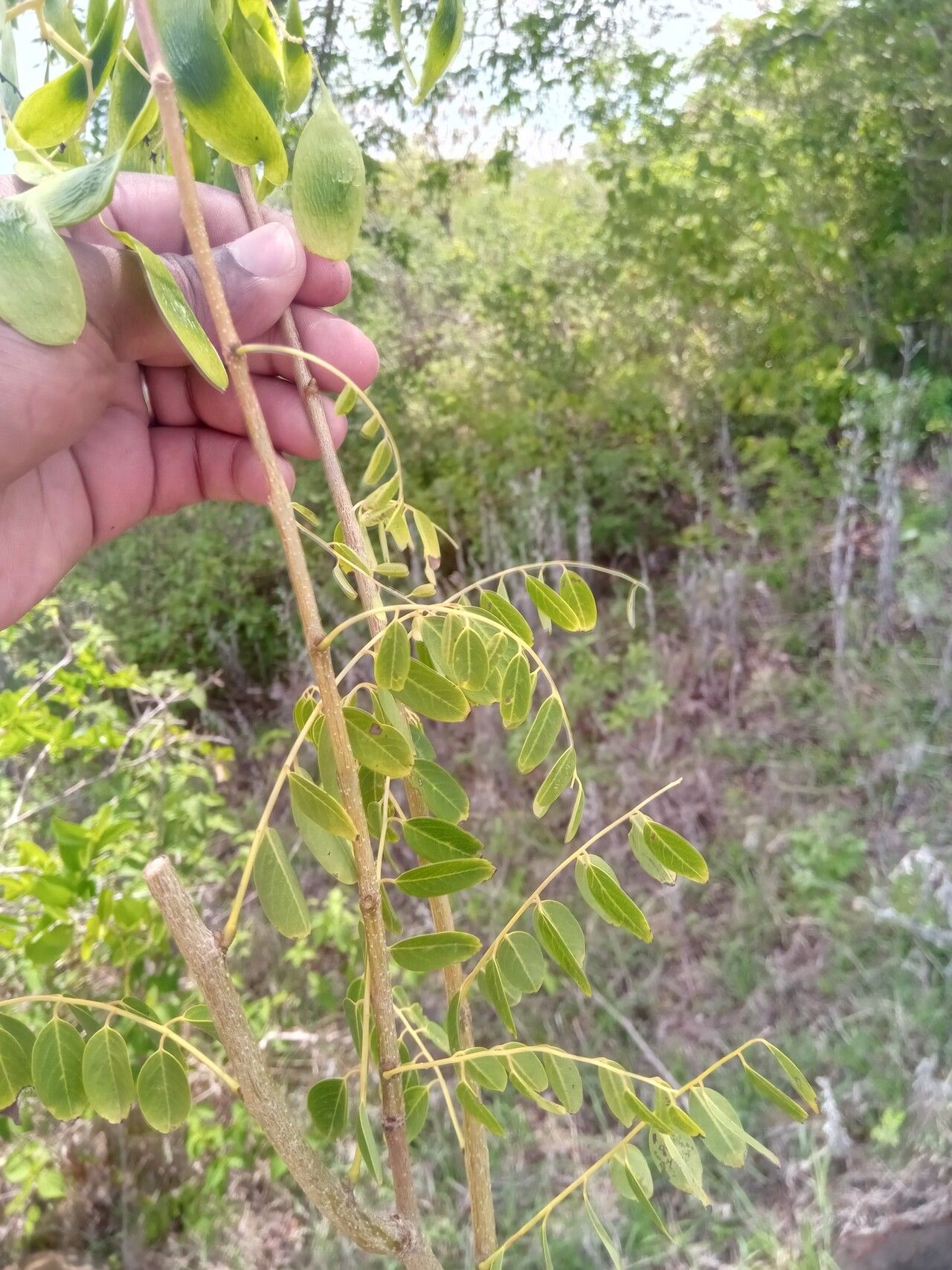
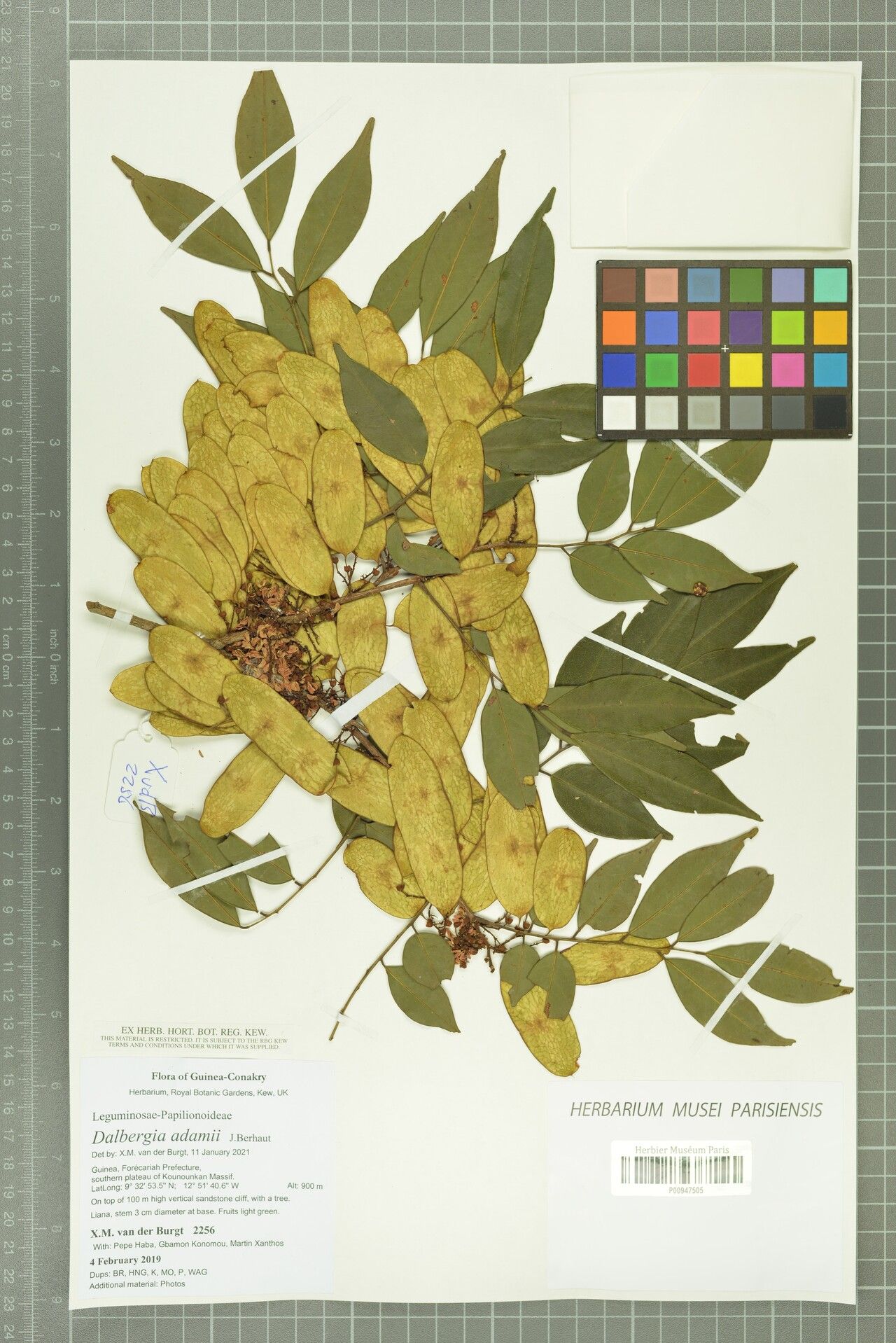
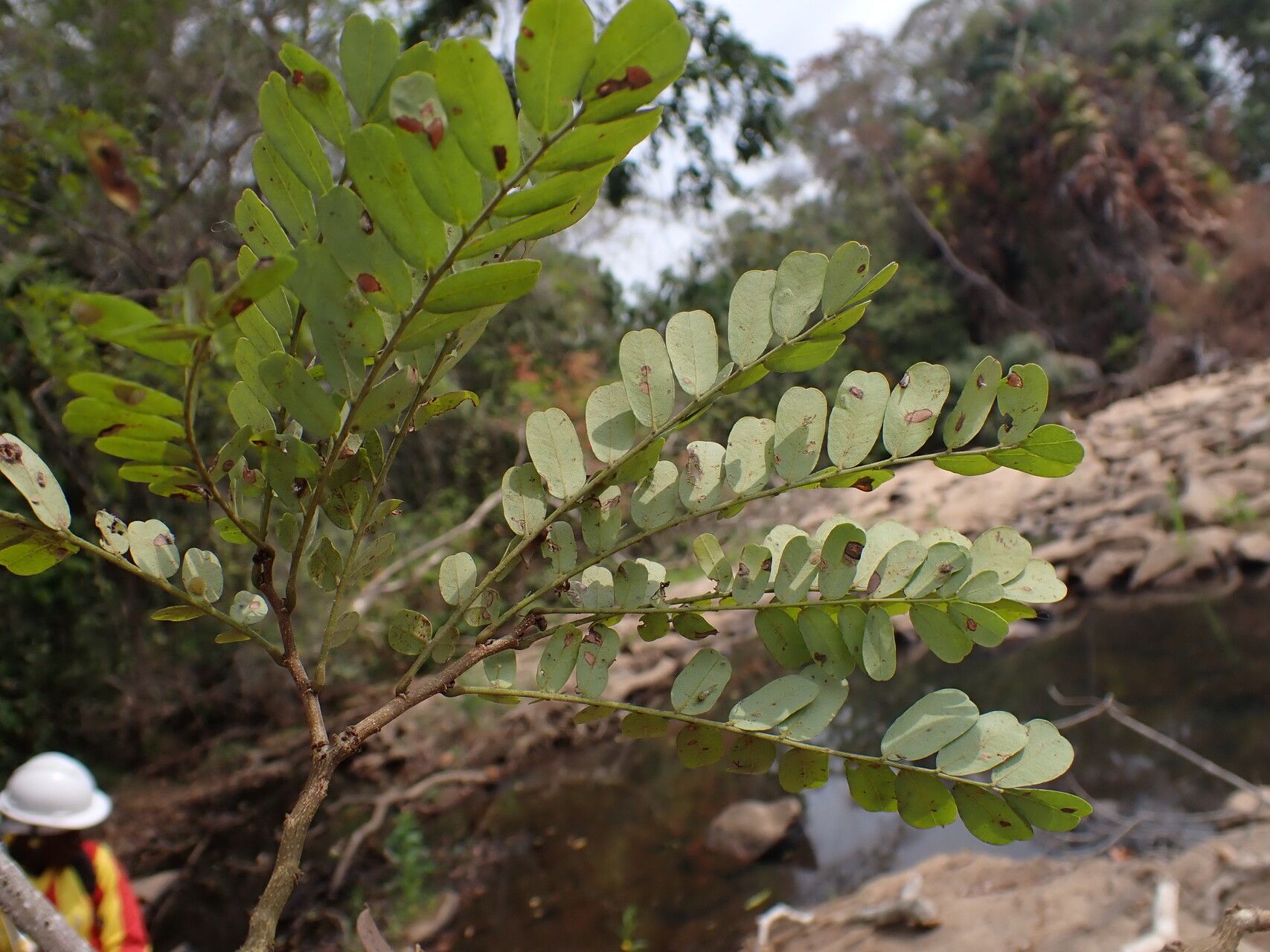
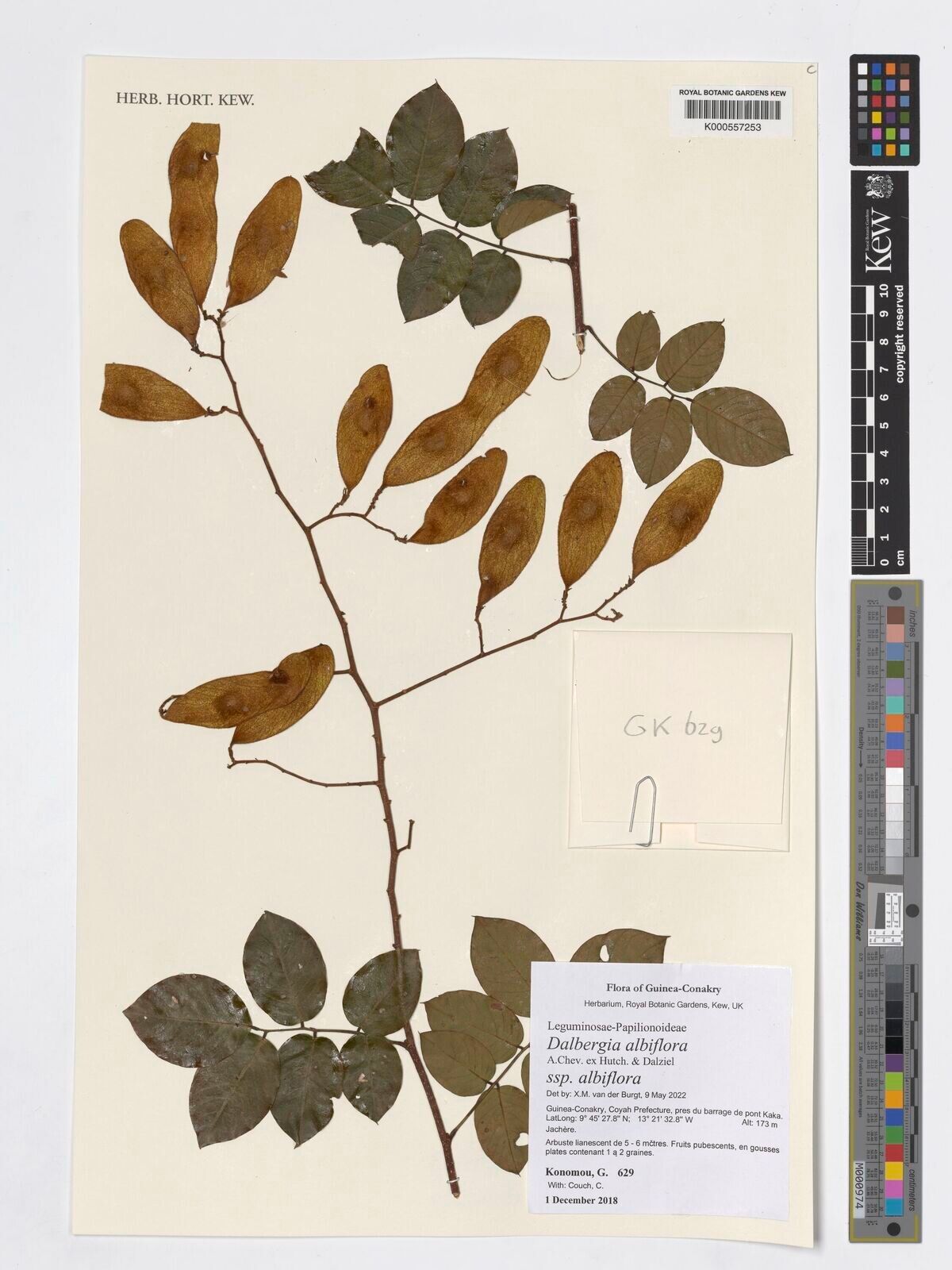
Dalbergia hupeana, the hardy rosewood, is a species of flowering plant in the family Fabaceae, native to subtropical areas of Laos, Vietnam, southern and central China, and southwestern South Korea. In the wild it prefers to grow on forested or scrubby slopes.A tree reaching 20 m (66 ft) with high heterozygosity, it is of economic significance as its wood is considered precious. It is used as a street tree in a number of southern Chinese cities.
Hardy rosewood demonstrates strong resistance to disease and is usually not susceptible to illnesses. In terms of care, this plant is fairly low-maintenance. When grown outdoors, it needs only minimal watering, and larger plants typically do not require pruning. However, smaller plants should be pruned after they have finished blooming. Hardy rosewoodt is suitable for anyone with an outdoor area, such as a garden or deck, and does not demand much experience in plant care.
How to keep Dalbergia Hupeana.
Light
Hardy rosewood is native to open habitats, like sunny meadows and forest margins, which supply plenty of light. It does best in Full Sun but can tolerate Partial Sun, adapting to varying sunlight levels.
Water
Hardy rosewood, which comes from areas with different moisture levels, shows a moderate tolerance to drought. It grows best when the soil moisture is consistent, so it should be watered every 2-3 weeks. Allow the soil to dry slightly between watering sessions. It's important to use well-draining soil to avoid waterlogging during heavy rains.
Temperature
Hardy rosewood shows strong adaptability to a variety of climate conditions, from extremely hot summers to cold winters. However, it has a preferred temperature range for healthy growth. When temperatures become too high, the plant can experience heat and humidity stress that may lead to its death. In areas where temperatures approach the lower limit of its cold tolerance, it is important to provide insulation to protect the plant.
Fertilizer
Fertilize your Hardy rosewood in early spring to encourage healthy growth. Regular feeding improves overall health, leading to strong growth, better tolerance of harsh conditions, and increased resistance to diseases and pests. Stick to a regular fertilization routine for your Hardy rosewood to maintain vibrant, deeply colored foliage and a lush appearance.
Pruning
Hardy rosewood benefits greatly from pruning in early spring, which helps improve its structure and air circulation. Key techniques include removing dead or crossing branches and thinning crowded areas to allow better access to sunlight. Pruning encourages vigorous growth and flowering, enhancing the plant's beauty and ensuring its long-term health. These practices are in line with trusted horticultural guidelines.
Botanical profile.
- Plant Type
- Tree
- Life Cycle
- Perennial
- Genus
- Dalbergia
- Family
- Fabaceae
- Hardiness Zone
- 7
- Mature Height
- 10.06 m to 20.12 m
- Mature Spread
- 10.06 m to 14.94 m
- Leaf Color
- Dark Green
- Leaf Type
- Deciduous
- Flower Color
- White
- Flower Size
- 10.16 cm to 20.32 cm
- Bloom Time
- Early summer, Mid summer
- Planting Time
- Spring, Summer, Autumn
- Harvest Time
- Late summer, Early fall, Mid fall
- Native Area
- Laos, China
Other names.
Reader questions.
What is the botanic name of Hardy rosewood?
The botanic name of Hardy rosewood is Dalbergia hupeana. This name helps in scientifically identifying the plant, distinguishing it from other species in the Dalbergia genus.