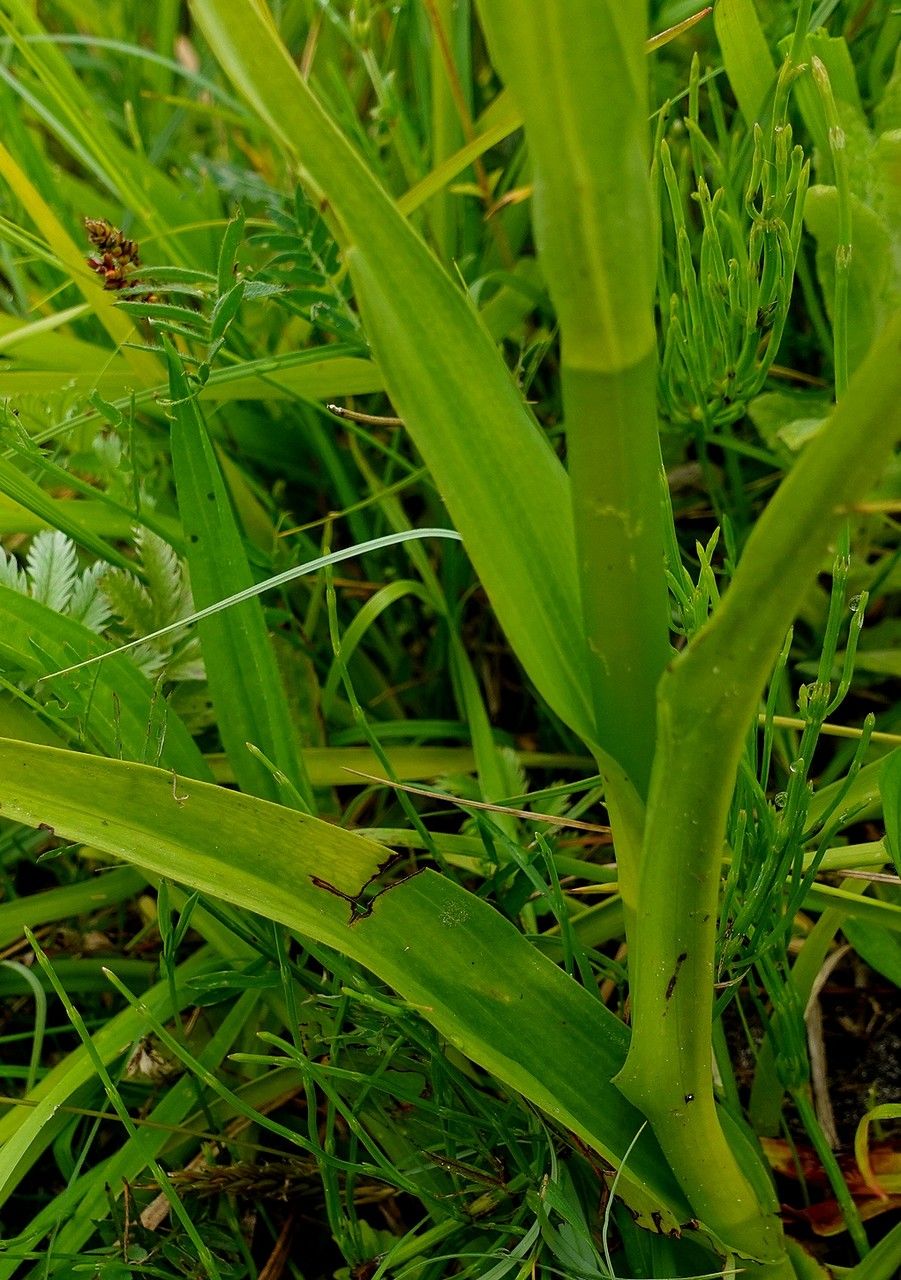
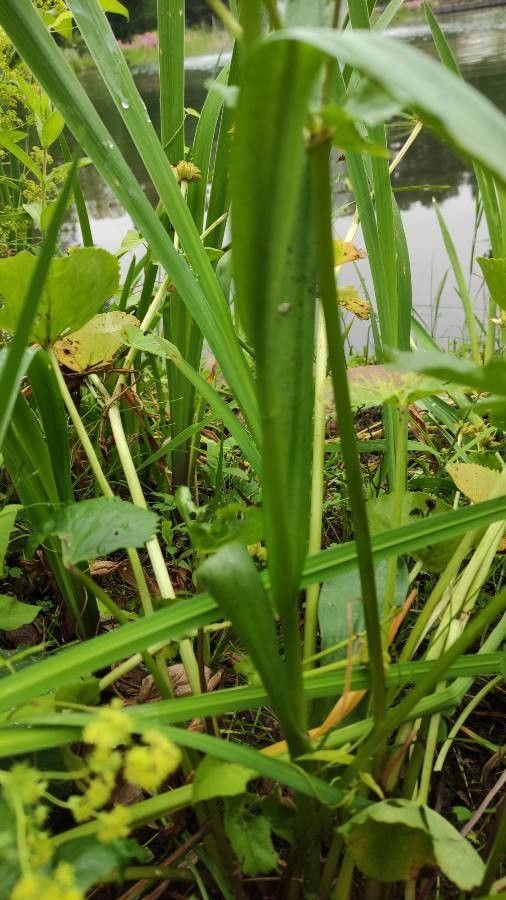
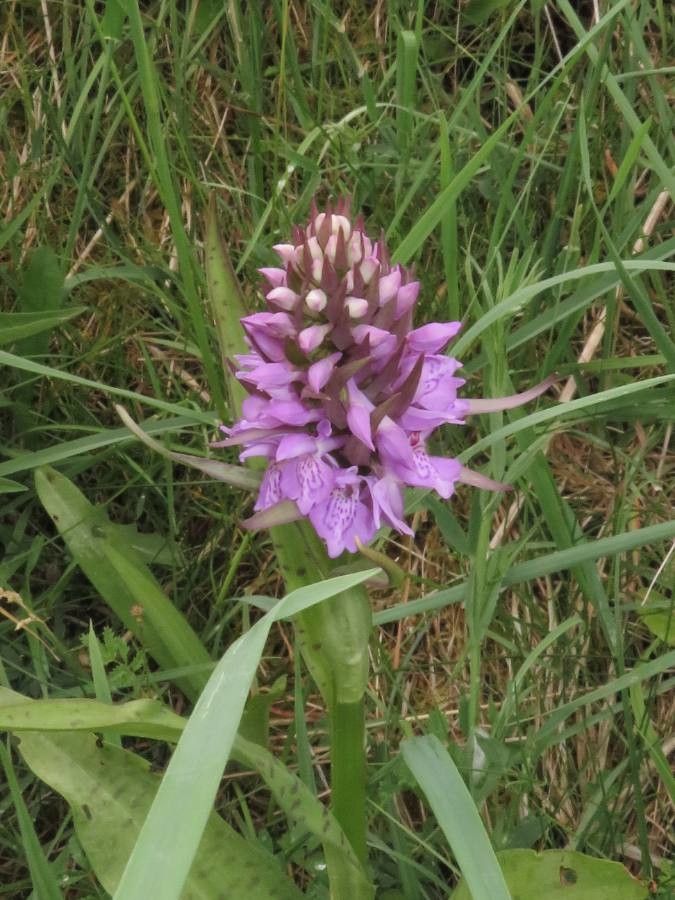
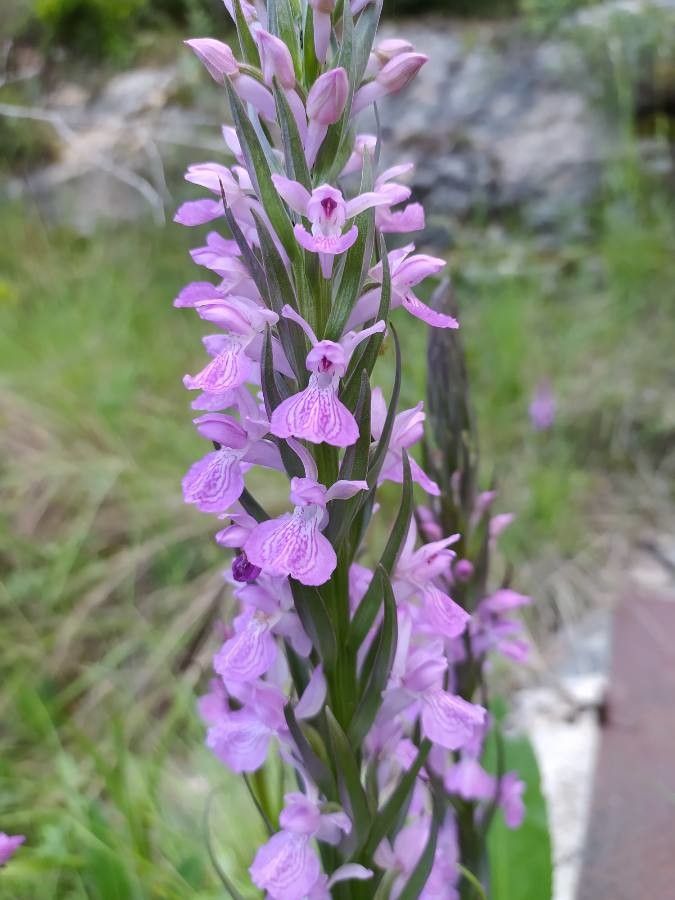
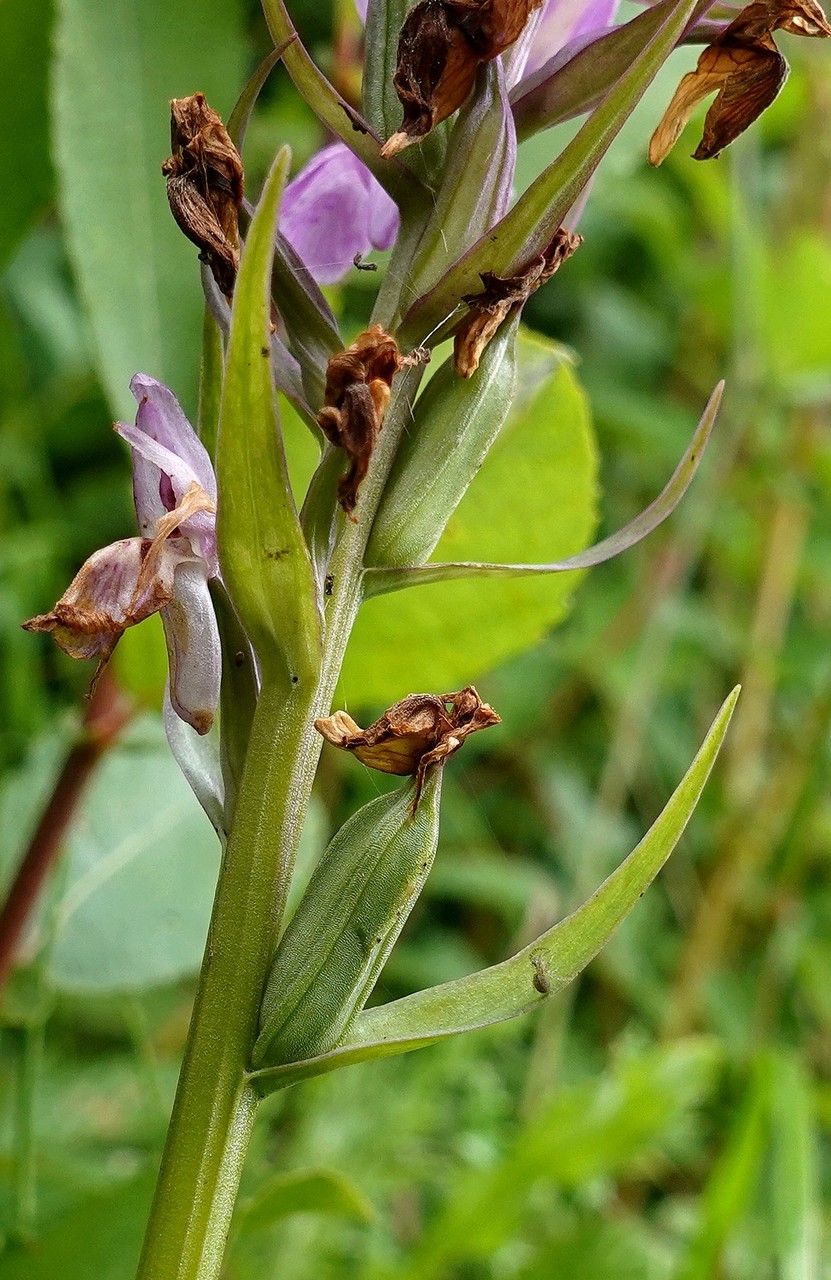
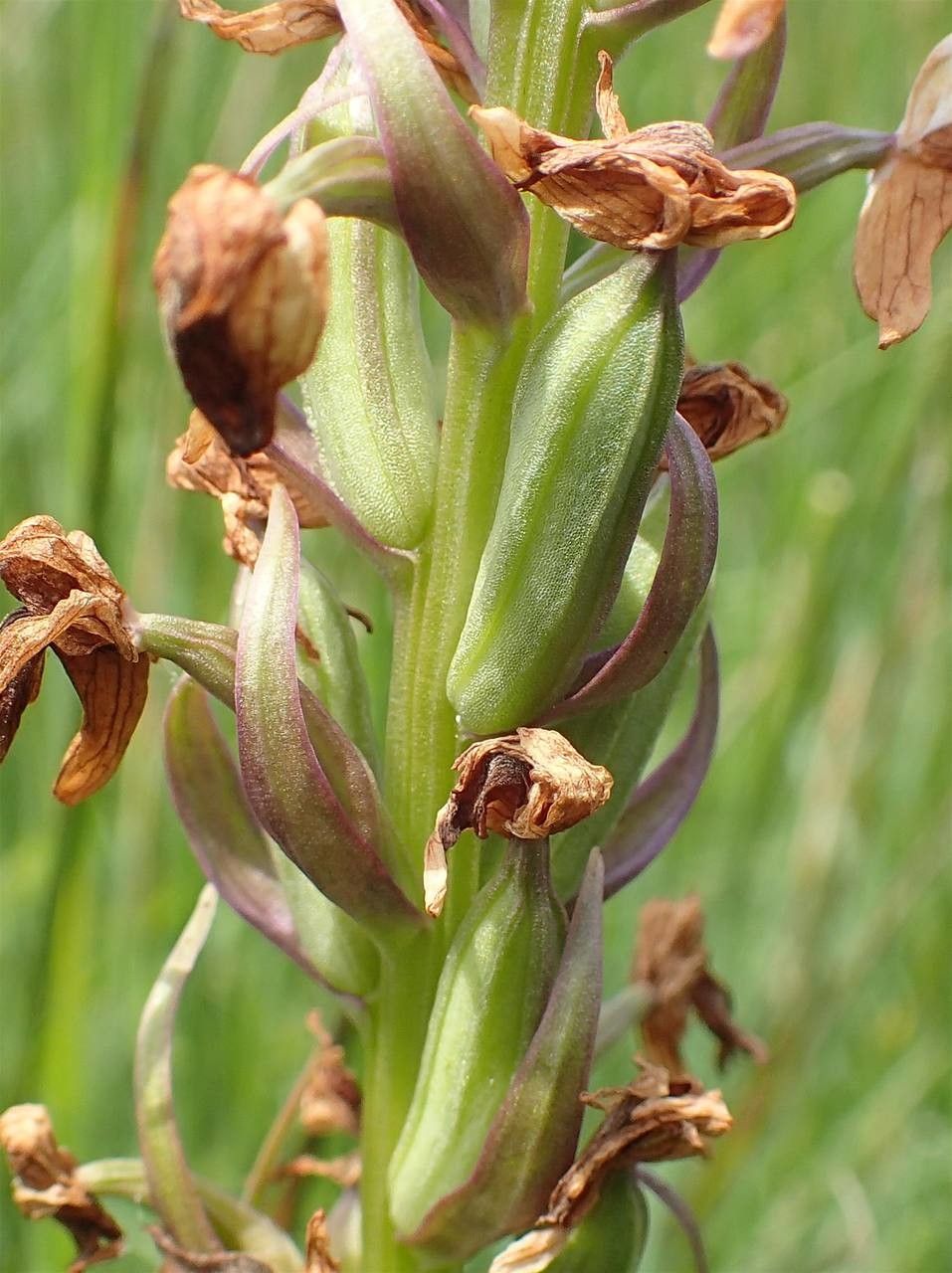
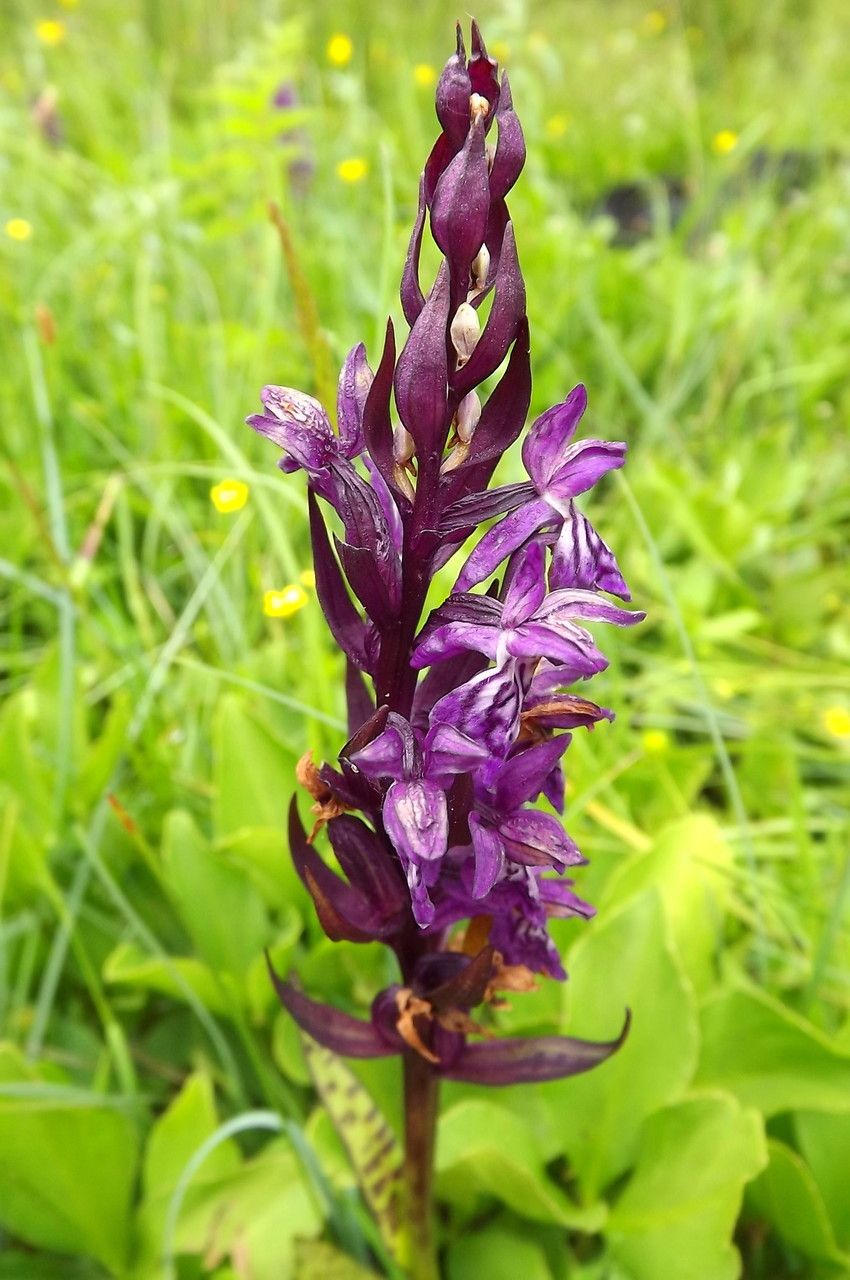
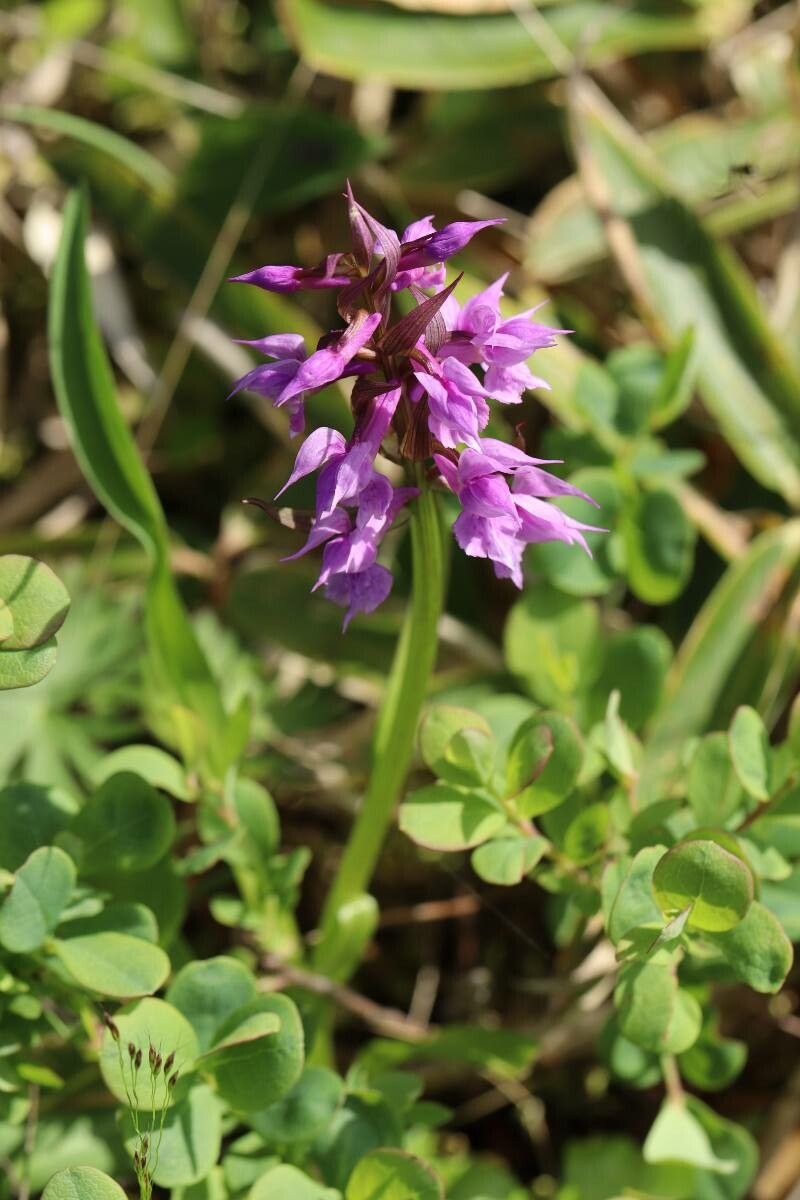
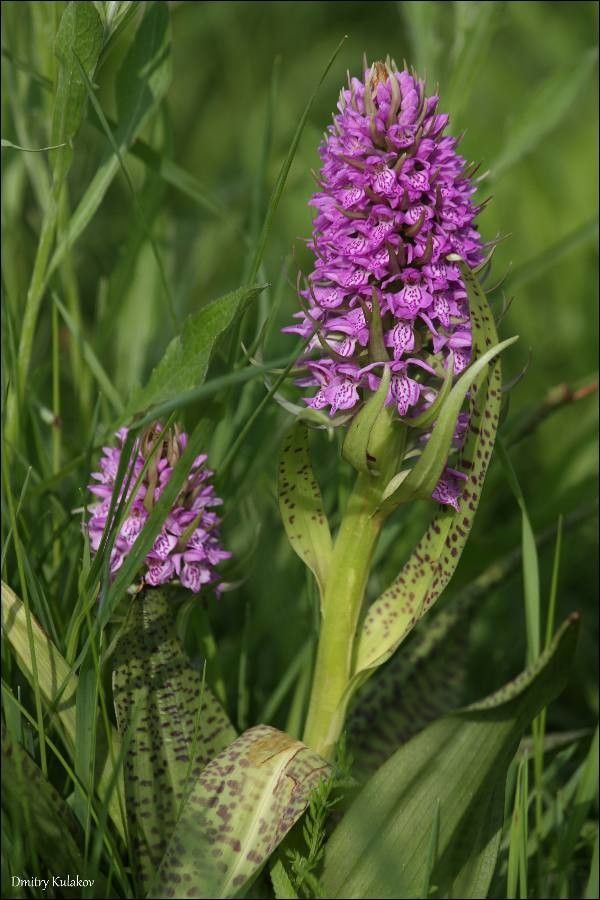
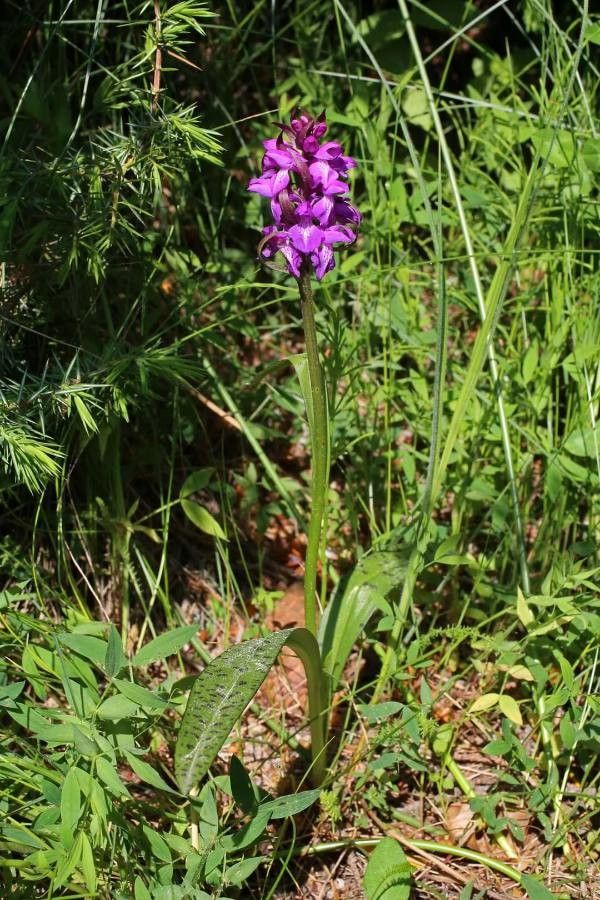
Dactylorhiza praetermissa, the southern marsh orchid or leopard marsh orchid, is a commonly occurring species of European orchid.
The Southern marsh orchid is generally resistant to disease and is affected by relatively few insect pests. Its care is considered difficult because it needs a high-humidity yet well-ventilated environment with minimal harmful pathogens. Too much watering can cause root rot. Although anyone can grow the Southern marsh orchid, maintaining its health and getting it to bloom again requires more cultivation experience.
How to keep Dactylorhiza Praetermissa.
Light
The Southern marsh orchid occurs naturally in habitats like forest understories and rocky sites, where it is exposed to natural shade. It prefers partial sun but can tolerate both full sun and full shade, showing its hardy and adaptable character.
Water
The Southern Marsh Orchid, which originates in damp meadows, thrives in consistently moist conditions but can tolerate brief periods of dryness. To ensure optimal hydration, it needs to be watered weekly. As an herbaceous perennial, this orchid requires sufficient moisture during its active growing season to promote lush flowering.
Temperature
Southern marsh orchid comes from temperate regions and prefers temperatures between 50 and 95 °F (10 to 35 ℃). Seasonal adjustments are required, keeping the plant cooler in winter and warmer in summer.
Fertilizer
The best time to fertilize a Southern marsh orchid is in early spring, when it is coming out of dormancy and beginning active growth. Fertilization supplies essential nutrients for healthy development. Although the Southern marsh orchid has relatively low fertilizer requirements, annual feeding can improve its survival and encourage better, longer-lasting flowers.
Pruning
The Southern Marsh Orchid flourishes when properly pruned. To maintain its health, cut back old flower stems in early spring and remove any damaged leaves as they appear. Regular deadheading not only enhances blooming but also improves the plant's overall health. Pruning at the right times encourages growth and helps prevent disease. For more detailed care tips, consult horticultural guides.
Botanical profile.
- Plant Type
- Herb
- Life Cycle
- Perennial
- Genus
- Dactylorhiza
- Family
- Orchidaceae
- Hardiness Zone
- 6-9
- Mature Height
- 61 cm
- Mature Spread
- 61 cm
- Leaf Color
- Green, Dark Green
- Leaf Type
- Deciduous
- Flower Color
- Purple, Lavender
- Flower Size
- 1.52 cm to 2.54 cm
- Bloom Time
- Early summer, Mid summer
- Planting Time
- Spring, Summer
- Harvest Time
- Late summer, Early fall
Other names.