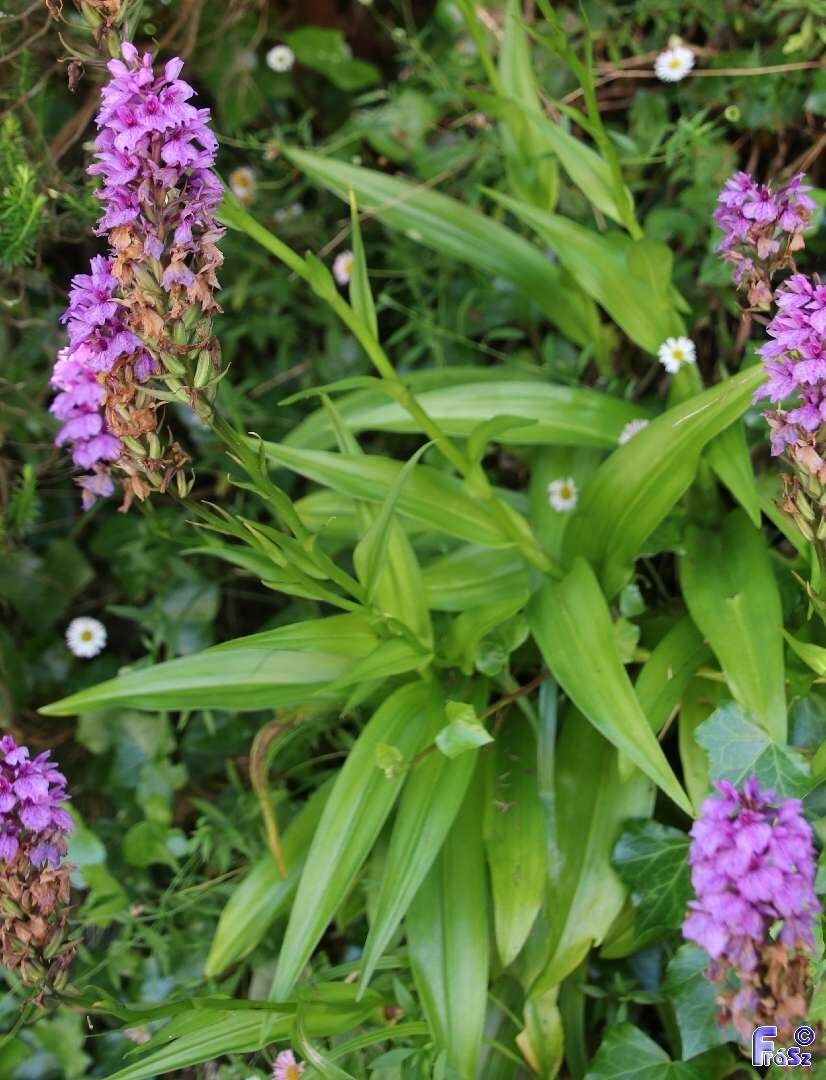
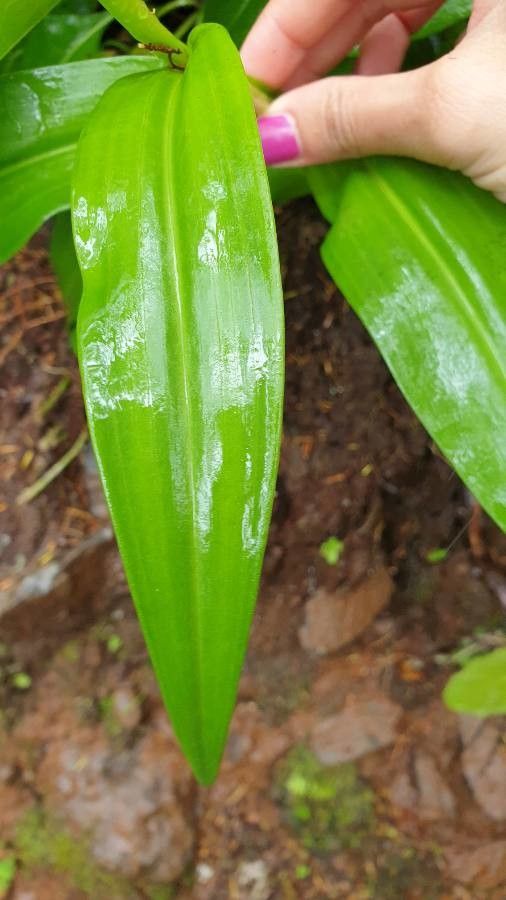
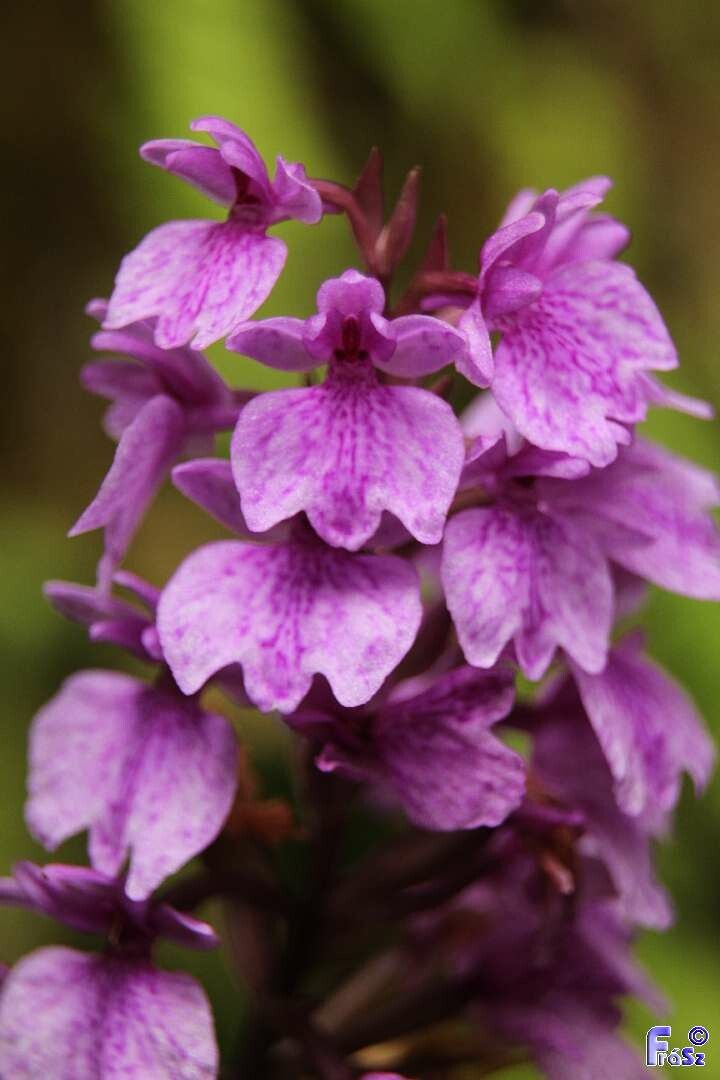
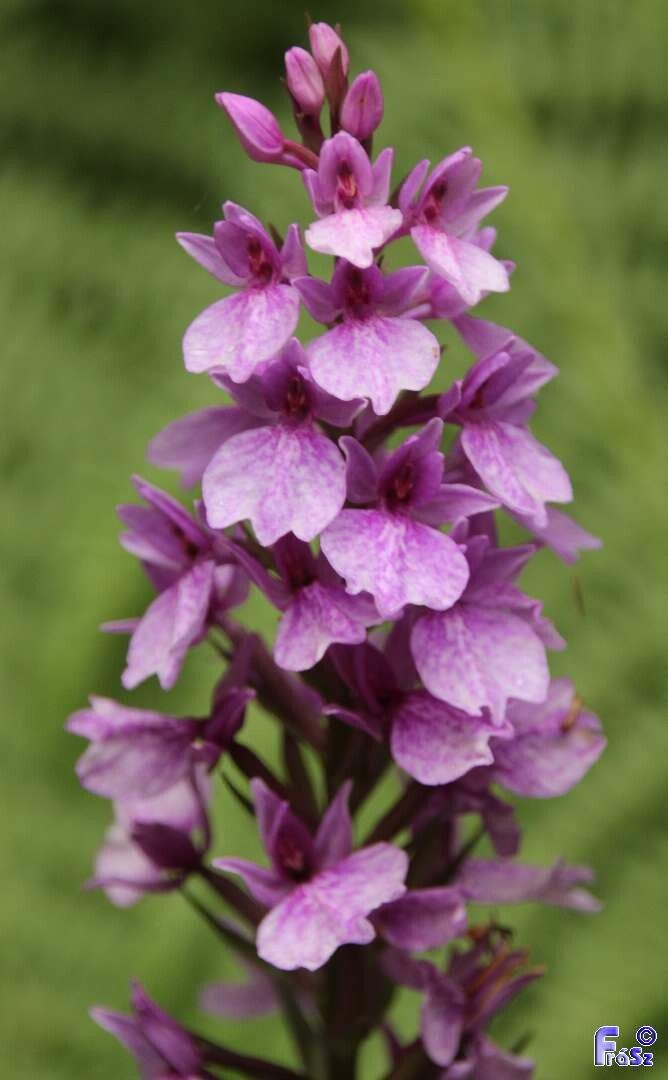
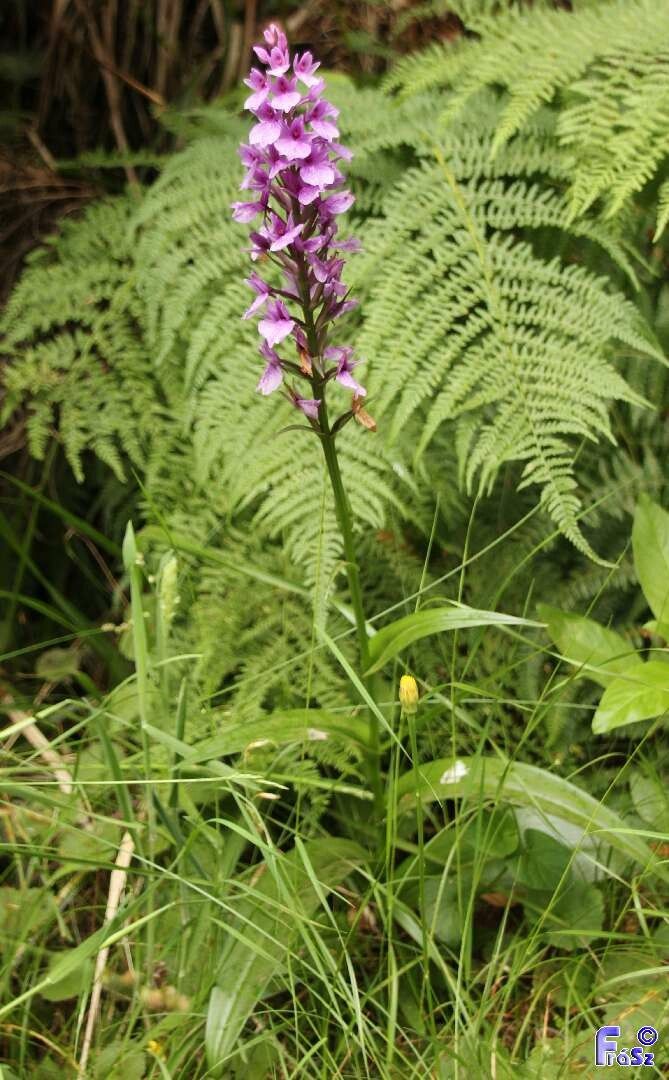
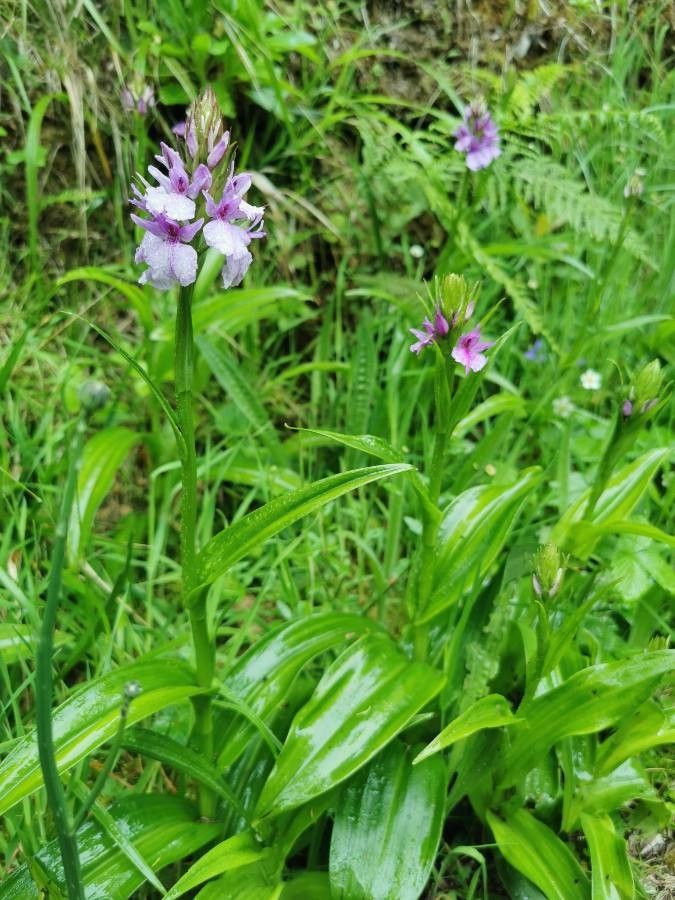
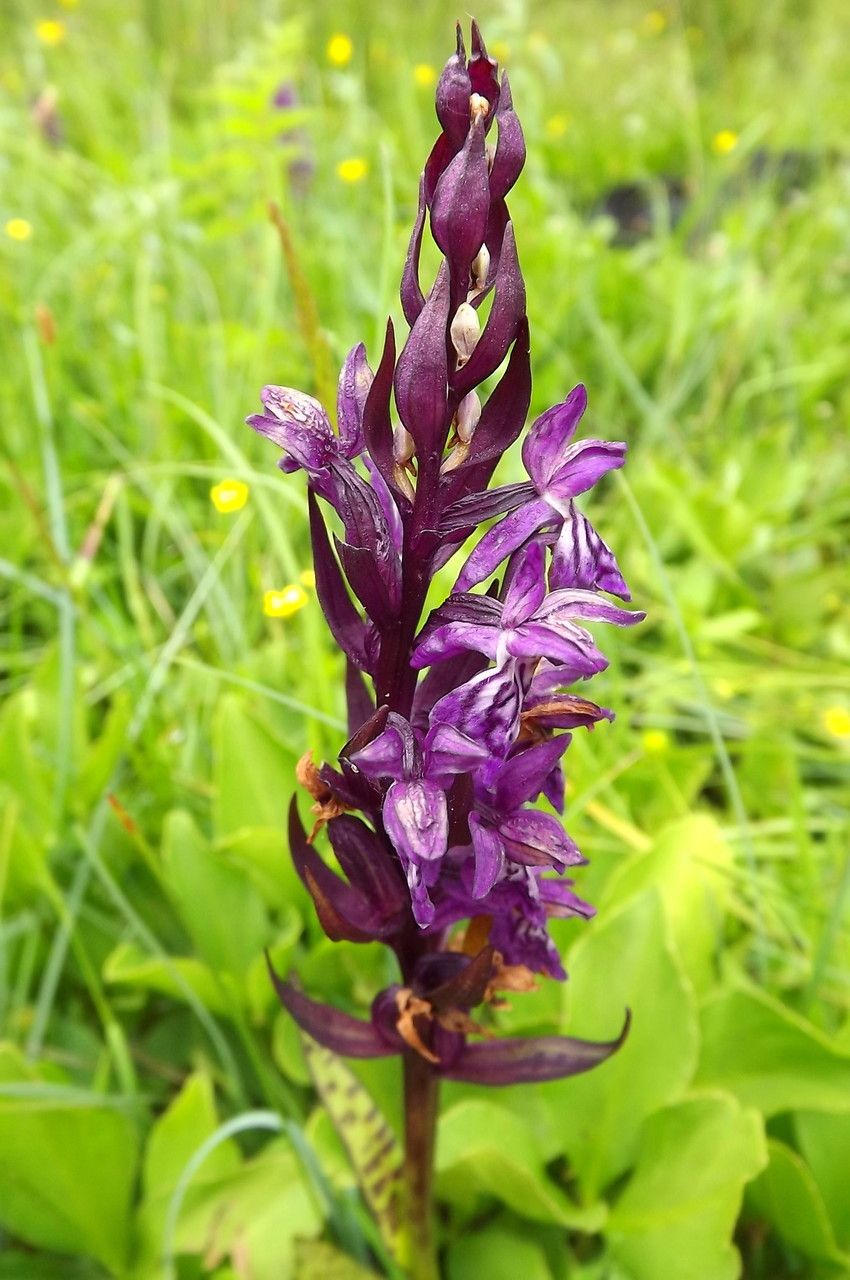
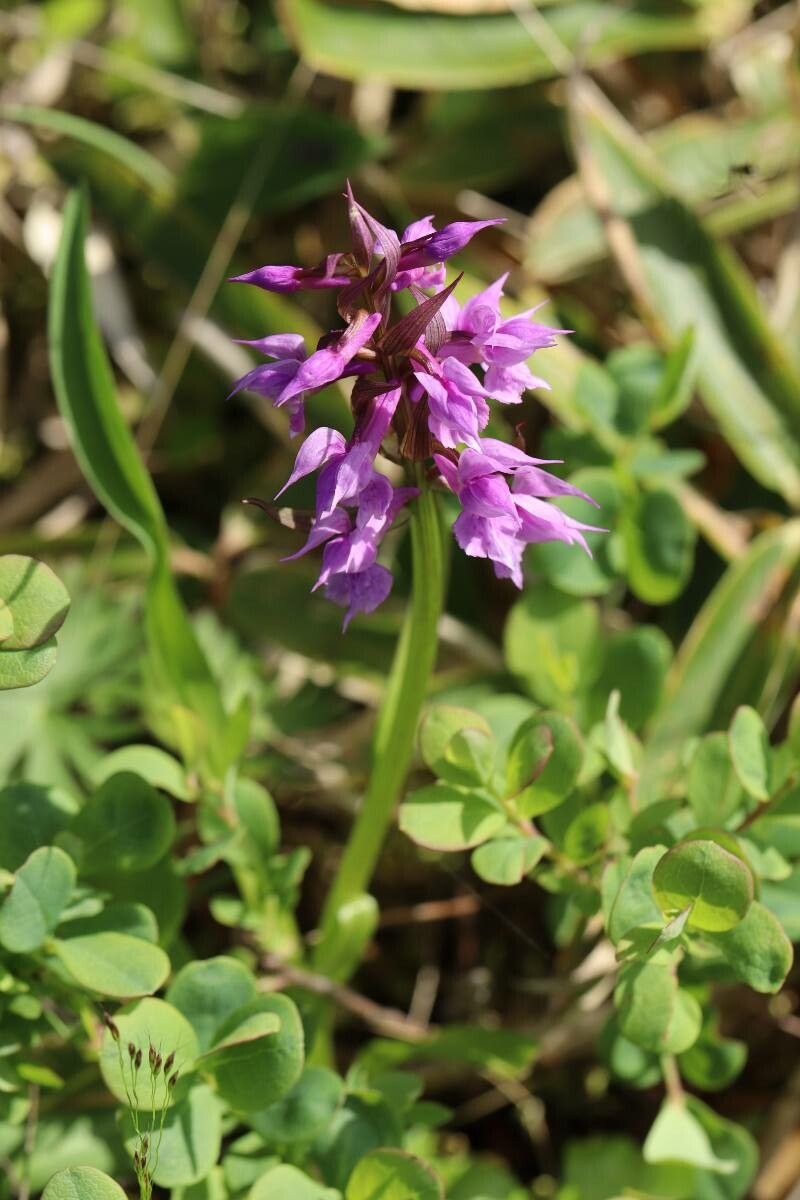
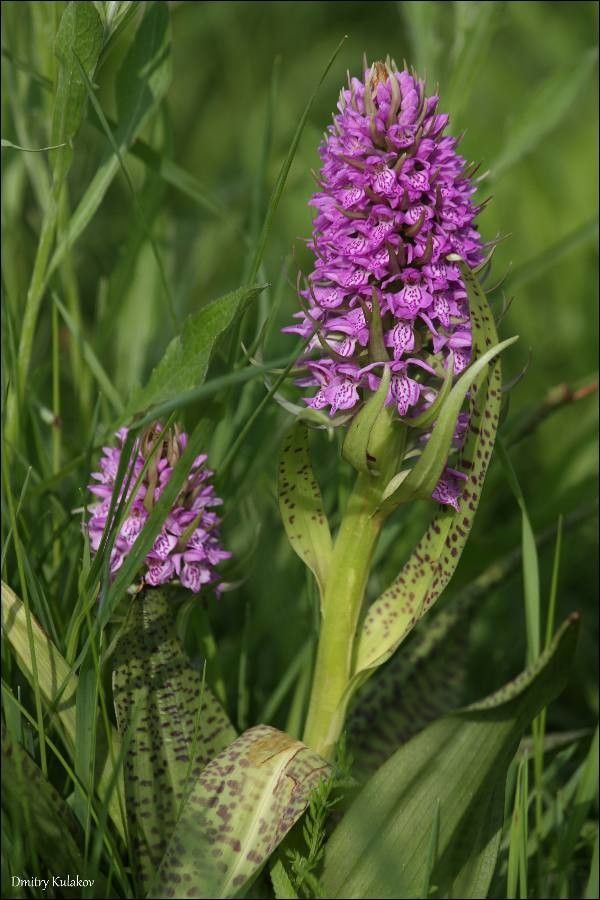
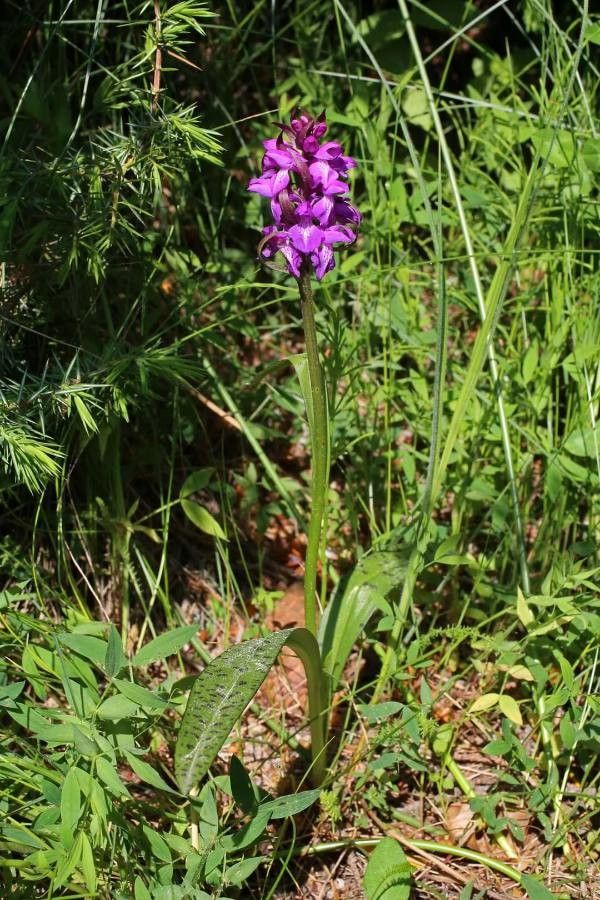
Dactylorhiza foliosa, the Madeira orchid or leafy orchid, is a species of flowering plant in the family Orchidaceae, endemic to the Portuguese Island of Madeira in the eastern Atlantic Ocean. It is a tuberous herbaceous perennial growing to 60 cm (24 in) and producing spikes of intense, magenta-pink flowers in late spring.This plant has gained the Royal Horticultural Society's Award of Garden Merit (confirmed 2017).
Richly leaved dactylorhiza typically shows good disease resistance and faces relatively few insect pests. Its care is considered difficult because it needs high humidity yet good ventilation and a low presence of harmful pathogens. Too much watering can cause root rot. Although anyone can grow Richly leaved dactylorhiza, keeping it healthy and getting it to flower again requires more growing experience.
How to keep Dactylorhiza Foliosa.
Light
Richly leaved dactylorhiza is native to habitats like forest understories and rocky areas, where it grows in natural shade. It prefers partial sun but can tolerate full sun or full shade, showing its versatile and hardy nature.
Water
The dactylorhiza, known for its lush foliage, thrives in moist environments similar to its native damp woodlands. It prefers consistently moist conditions and needs to be watered every 1-2 weeks. When grown outdoors in temperate regions, it enjoys the benefit of rainwater during the growing season, which supports its optimal health.
Temperature
Richly leaved dactylorhiza can tolerate a wide span of temperatures, but its range may nevertheless be restricted by particular mixes of moisture and heat. It performs best in warm summer conditions with enough rainfall or supplemental watering. Long periods of cloudy, rainy weather or sustained high temperatures can raise the risk of Richly leaved dactylorhiza dying. In winter, suitable protection from cold can boost the plant’s survival chances.
Fertilizer
The best time to fertilize a Richly leaved dactylorhiza is in early spring, when it is coming out of dormancy and starting active growth. Fertilization supplies essential nutrients for healthy development. Although the Richly leaved dactylorhiza requires relatively little fertilizer, giving it fertilizer once a year can improve its survival and encourage better, longer-lasting flowers.
Pruning
Dactylorhiza, known for its lush foliage, requires minimal pruning. Focus on removing dead or damaged stems in early spring. After the flowers bloom, cut back the flower spikes to direct energy towards the roots. Regularly clearing away old foliage promotes regrowth. Proper timing of these tasks enhances the plant's vitality and flowering efficiency, ensuring a robust display and overall health.
Botanical profile.
- Plant Type
- Herb
- Life Cycle
- Perennial
- Genus
- Dactylorhiza
- Family
- Orchidaceae
- Hardiness Zone
- 6-9
- Mature Height
- 76 cm
- Mature Spread
- 30 cm
- Leaf Color
- Green
- Leaf Type
- Deciduous
- Flower Color
- Purple, Pink
- Flower Size
- 2.03 cm to 3.05 cm
- Bloom Time
- Late spring, Early summer
- Planting Time
- Spring, Summer
- Harvest Time
- Mid summer, Late summer
Other names.