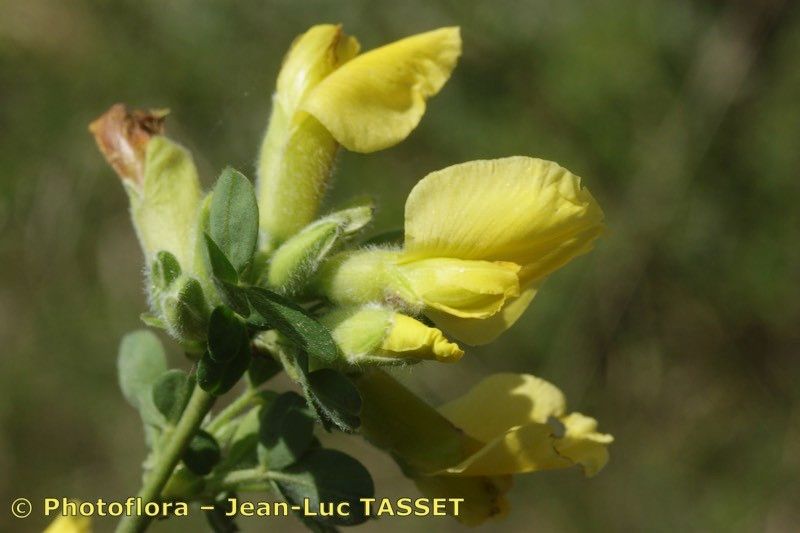
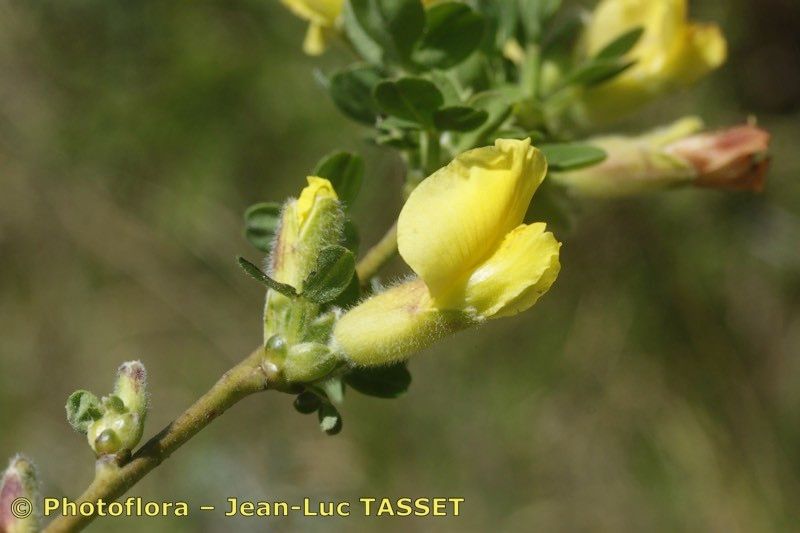
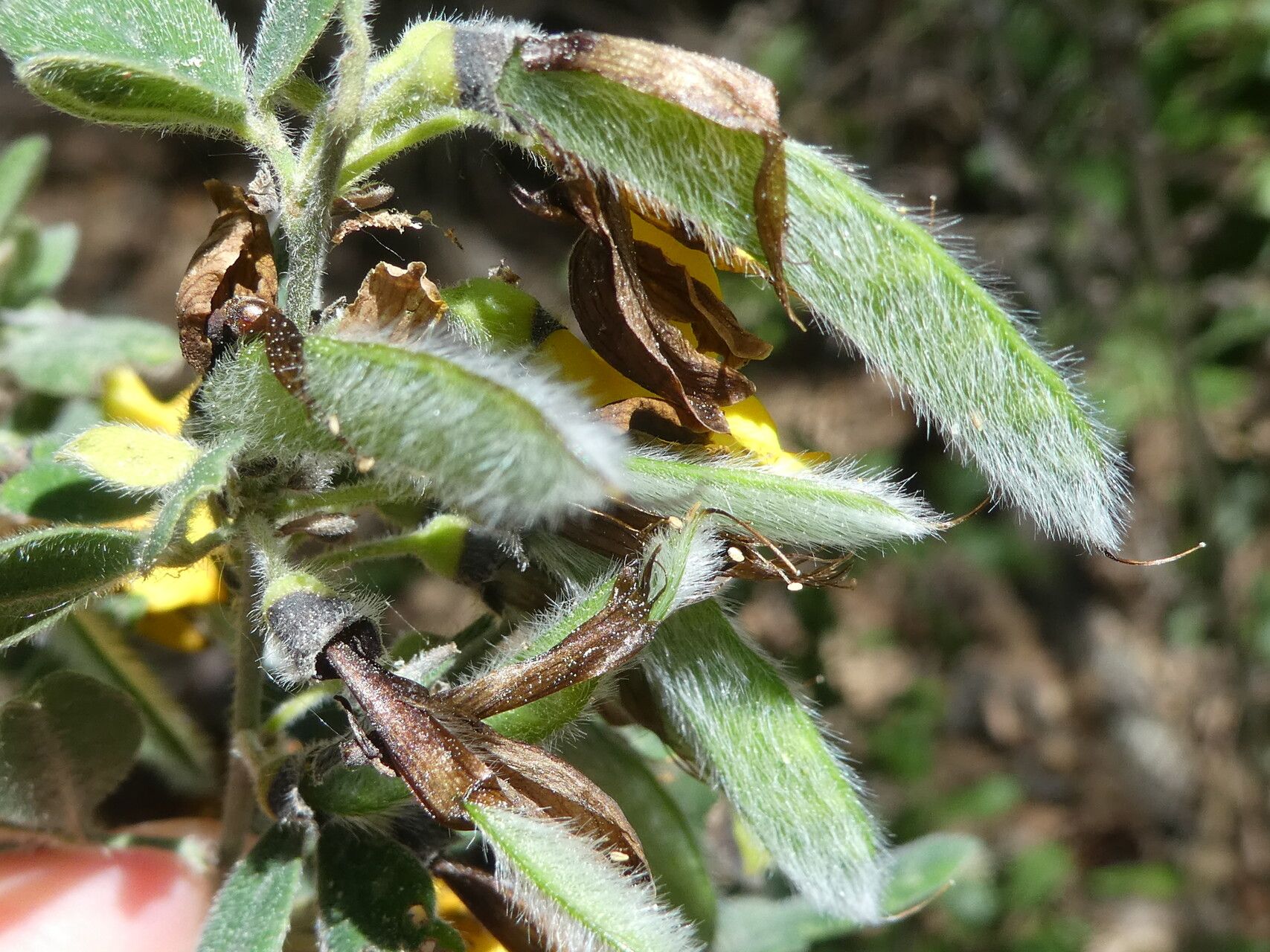
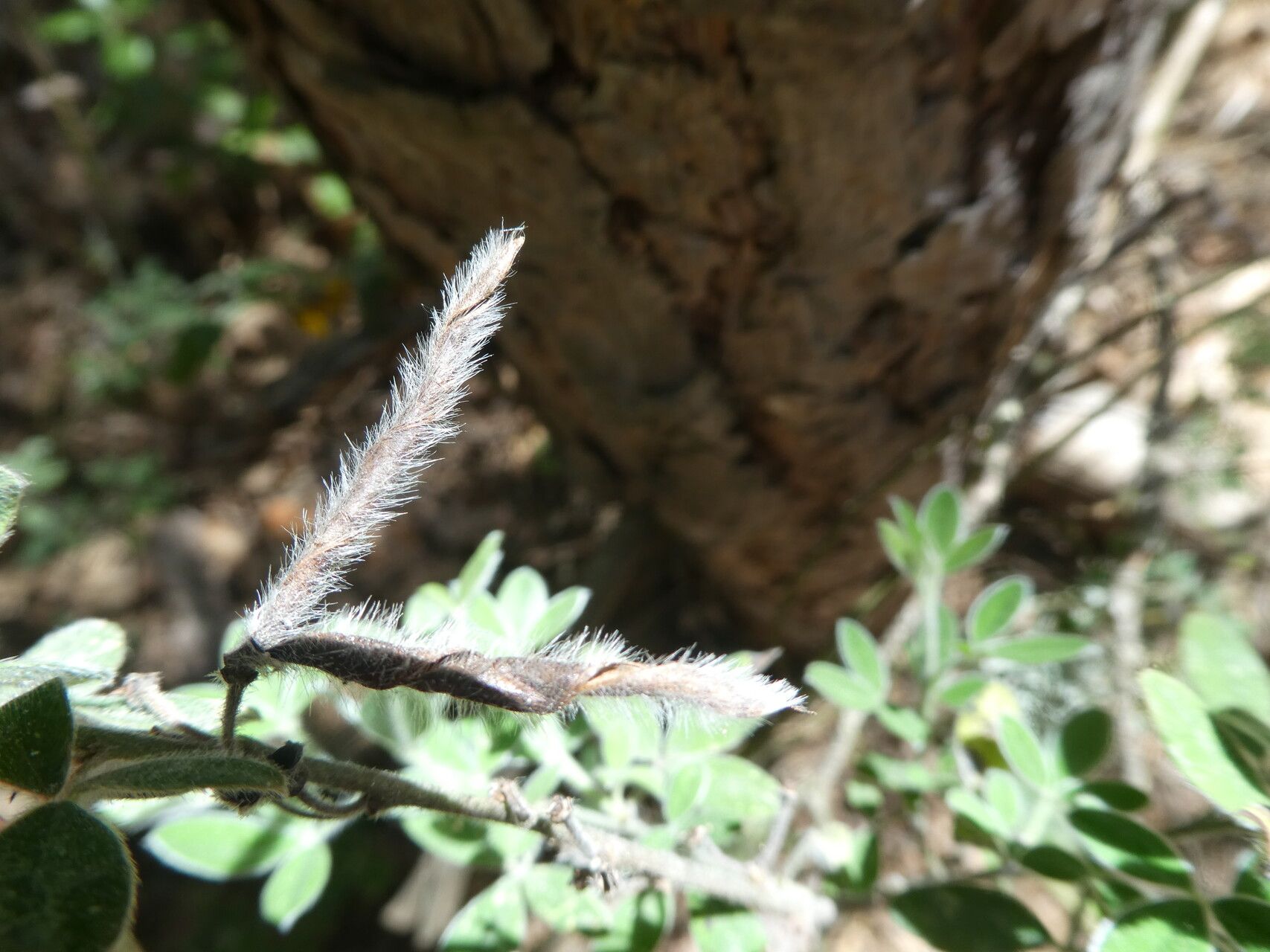
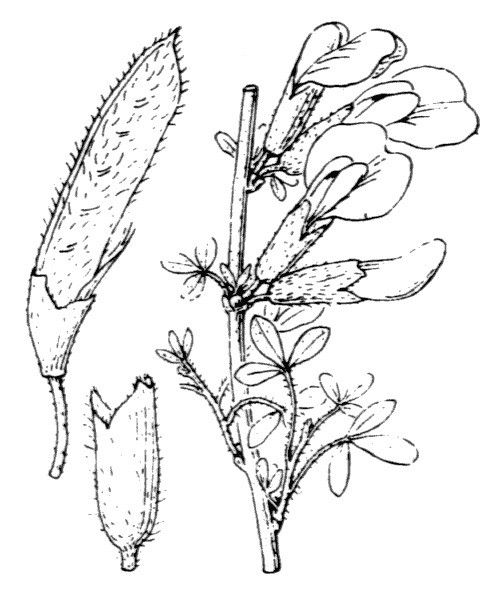
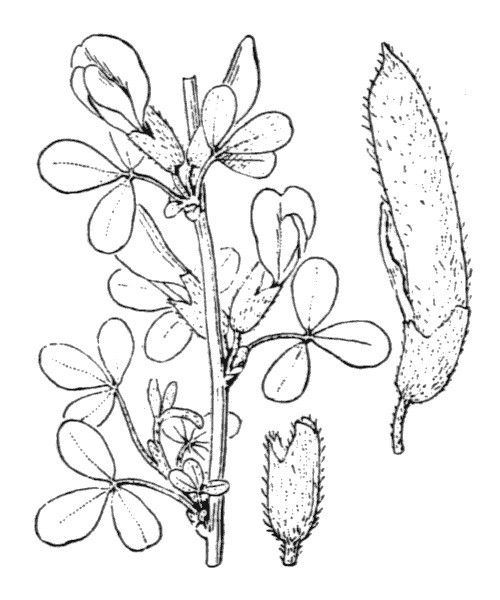
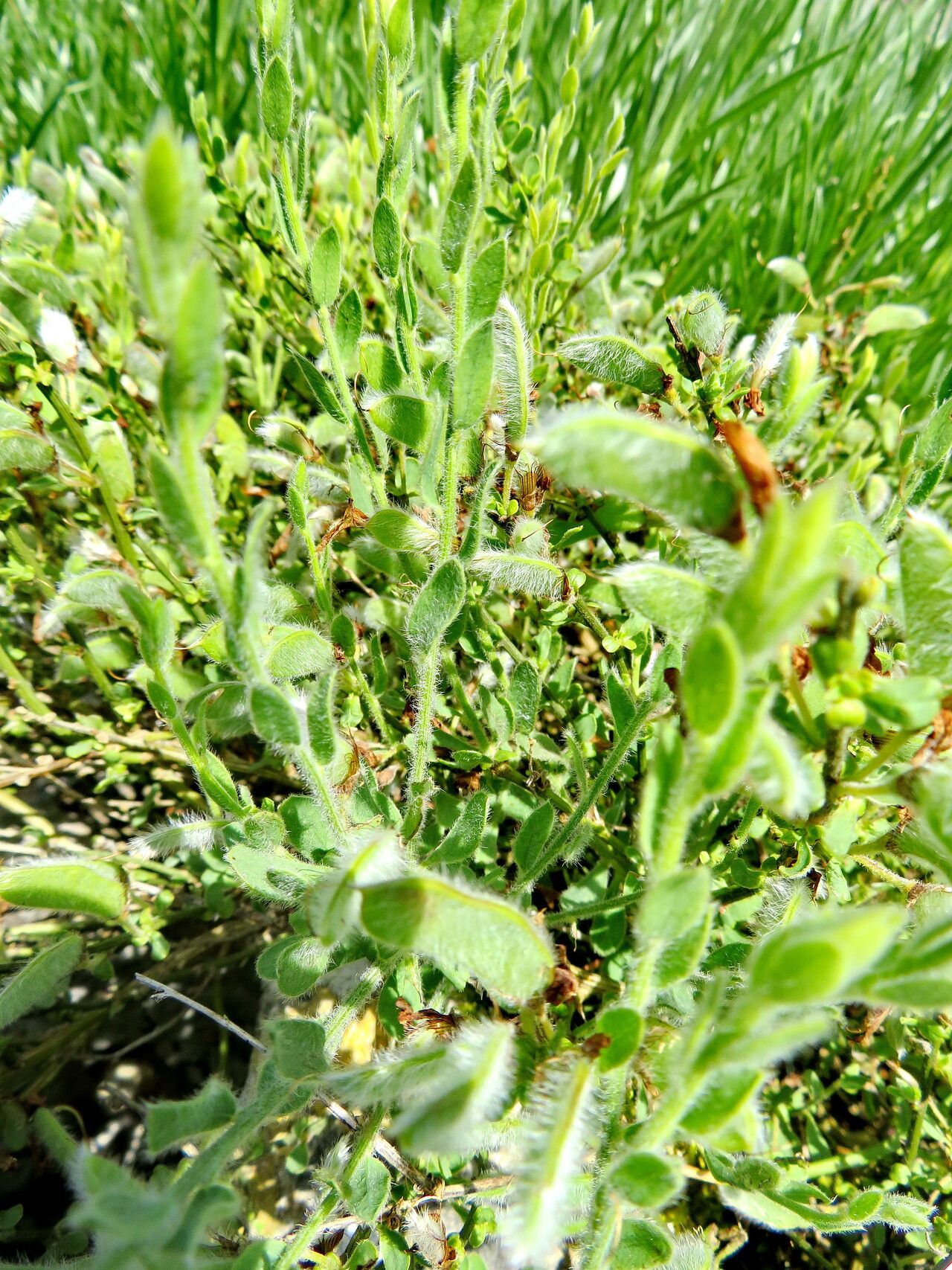
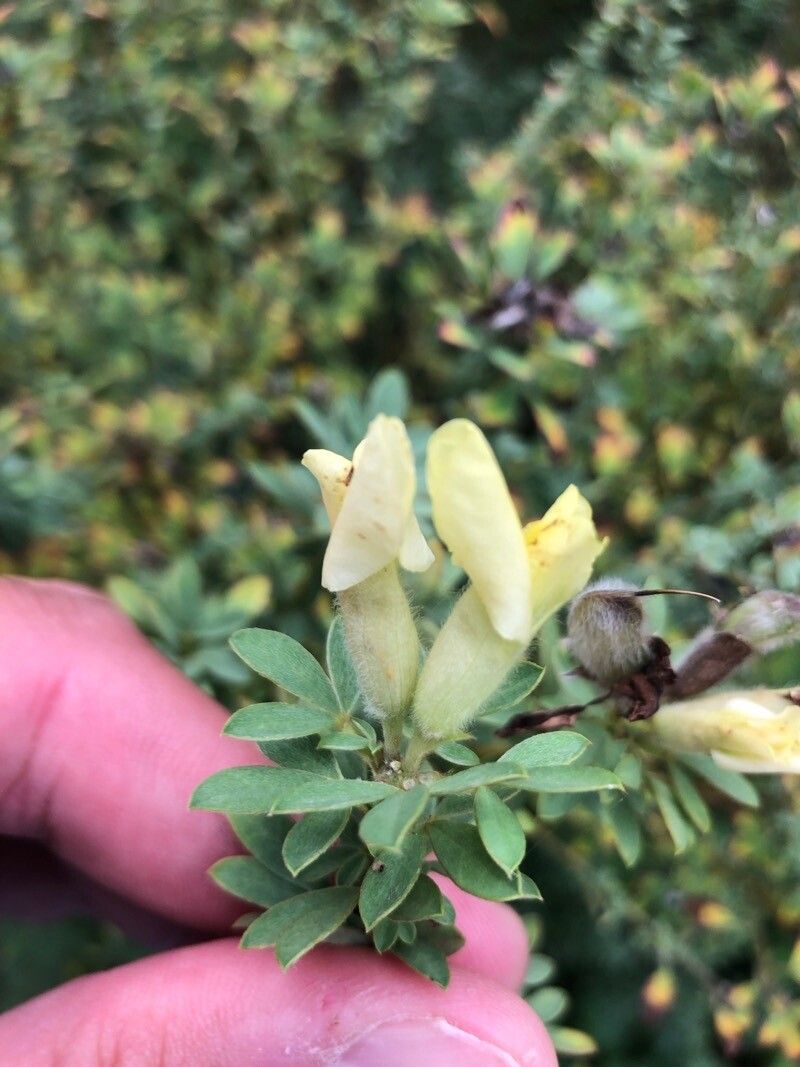
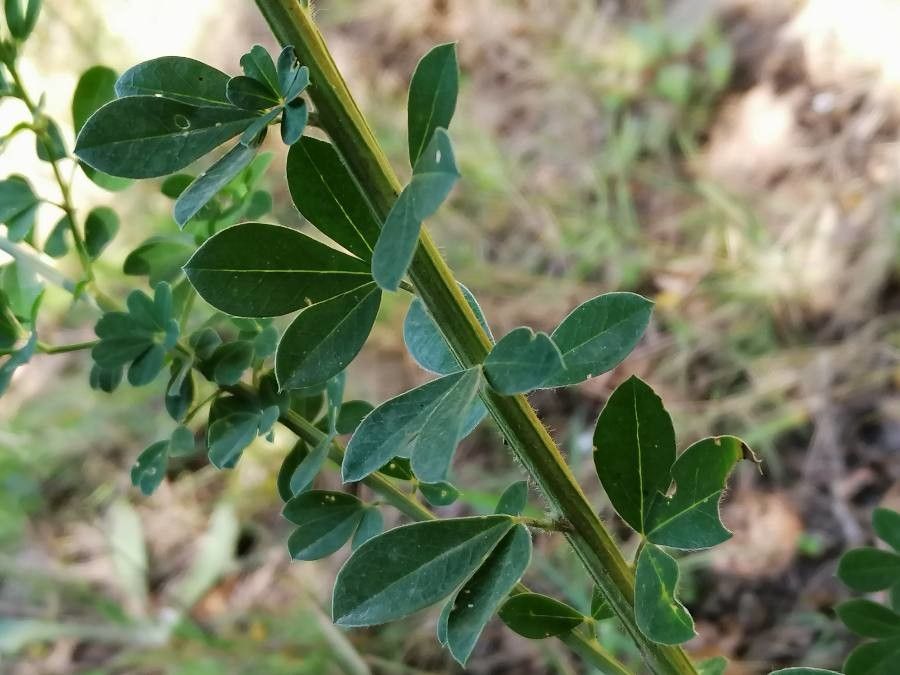
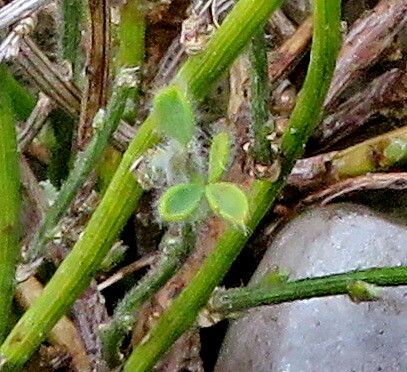
Chamaecytisus triflorus is a shrubby plant in the family Fabaceae native from Europe to the Caucasus. It was first described in 1786 as Cytisus triflorus. Along with its two recognized subspecies, C. triflorus subsp. pumilus and C. triflorus subsp. triflorus, it has many synonyms including subspecies and varieties of the separate species Chamaecytisus hirsutus.
Hairy broom shows strong resistance to disease and is usually not susceptible to illnesses. Regarding care, the plant is fairly low-maintenance. When grown outdoors it needs little watering, and larger specimens typically do not require pruning. Smaller plants, however, ought to be pruned after they have finished blooming. Hairy broomt is appropriate for anyone with an outdoor area, such as a garden or deck, and does not demand much care experience.
How to keep Cytisus Triflorus.
Light
Hairy broom is native to open habitats, such as sunlit meadows and forest edges, which supply abundant light. It prefers Full Sun but can also tolerate Partial Sun, adapting well to different sunlight conditions.
Temperature
Hairy broom is highly adaptable to a range of climate conditions, from scorching summers to cold winters. Nevertheless, it does have a preferred temperature range for growth. If temperatures become too high, the plant is susceptible to heat and humidity stress and can die. In areas where temperatures near the lower limit of its cold tolerance, insulating measures should be taken to protect the plant.
Fertilizer
The timing of fertilization is important for Hairy broom. Apply fertilizer in early spring and repeat monthly until early summer. Fertilizer promotes attractive blooms and supplies energy during both dormant and active growth periods.
Botanical profile.
- Plant Type
- Shrub
- Life Cycle
- Perennial
- Genus
- Cytisus
- Family
- Leguminosae
- Hardiness Zone
- 7-10
- Mature Height
- 2.13 m
- Mature Spread
- 0.91 m to 1.52 m
- Leaf Color
- Green, Dark Green
- Leaf Type
- Deciduous
- Flower Color
- Yellow
- Flower Size
- 1.52 cm to 1.78 cm
- Bloom Time
- Spring
- Planting Time
- Spring, Summer, Autumn
- Harvest Time
- Summer
- Native Area
- Turkey, Tunisia, Italy, Spain, Albania, Algeria, Greece, Croatia, Morocco, France
Other names.