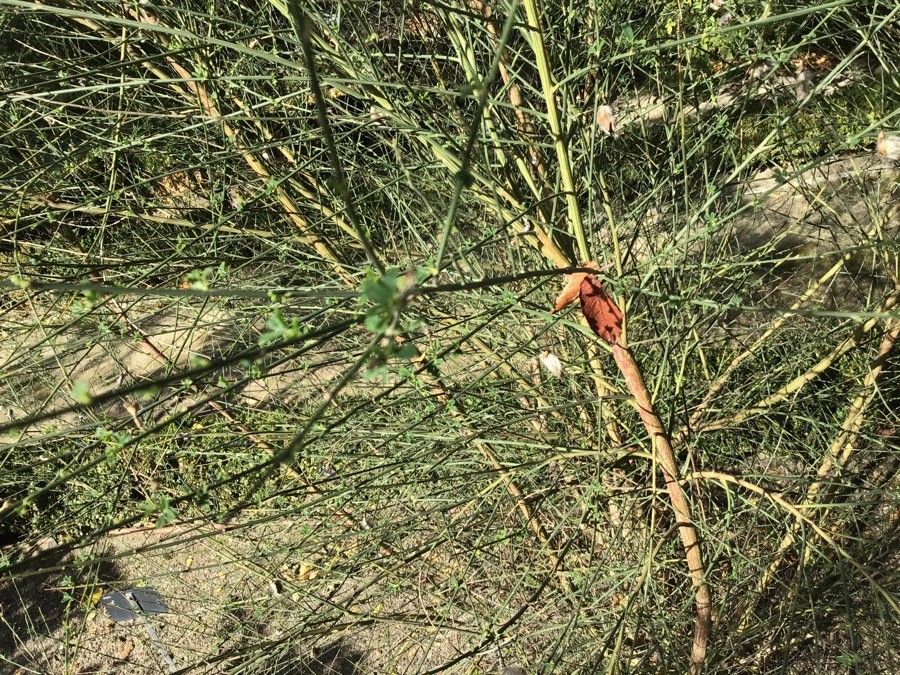
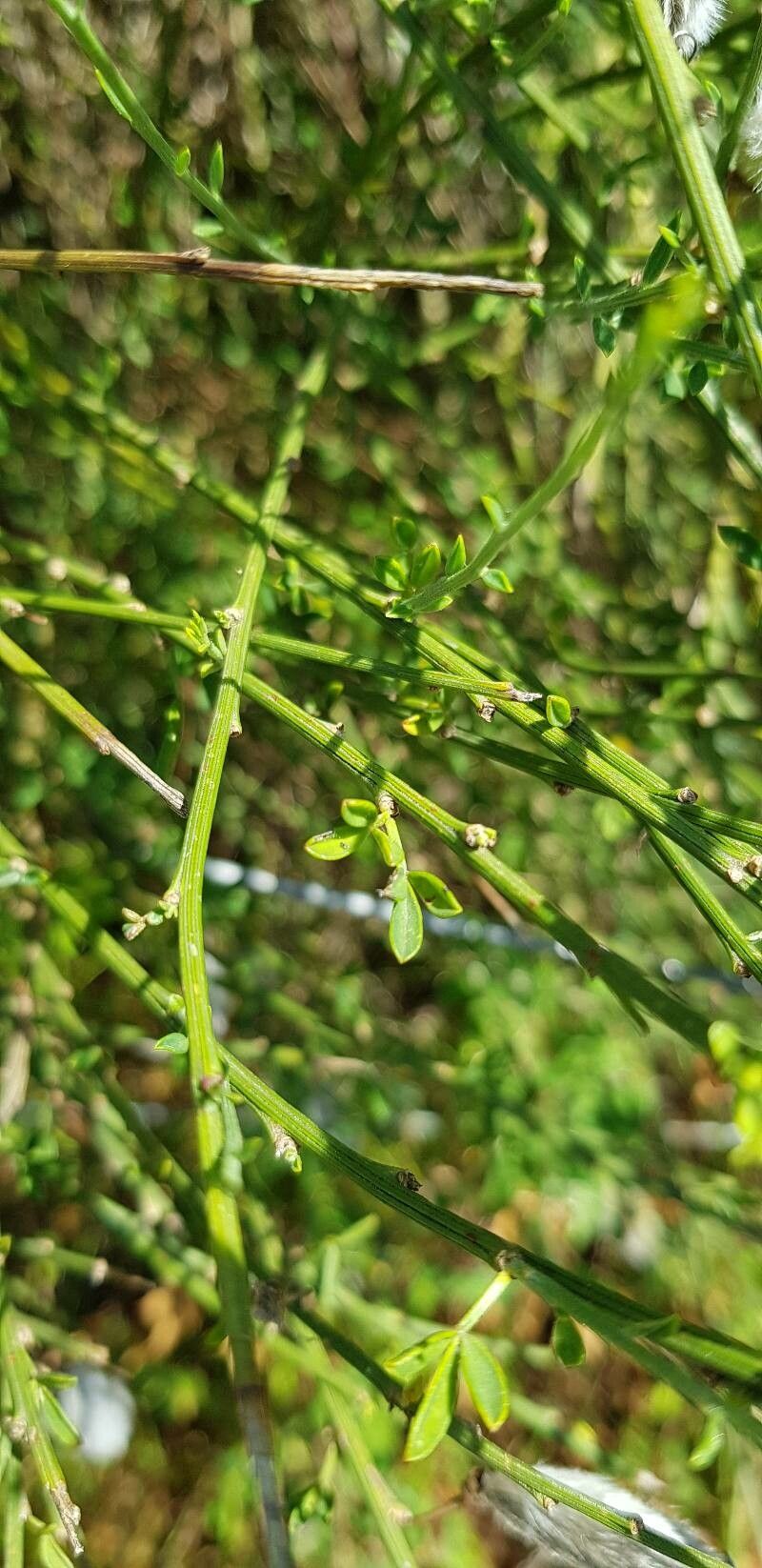
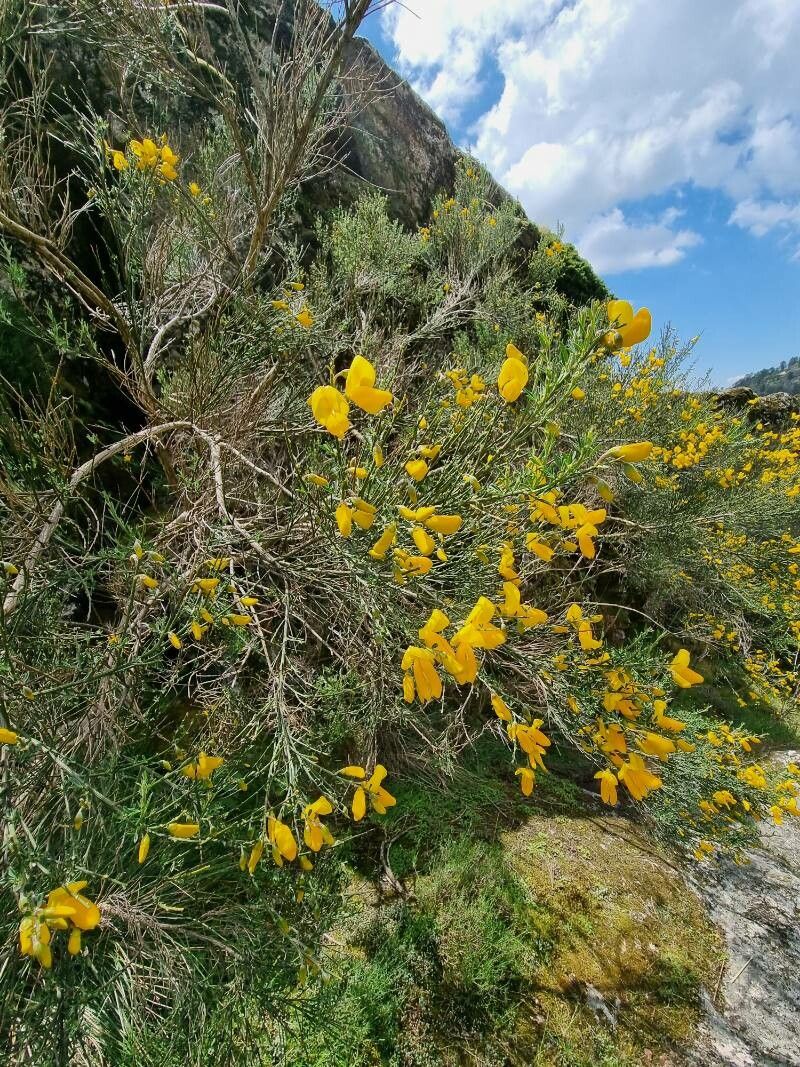
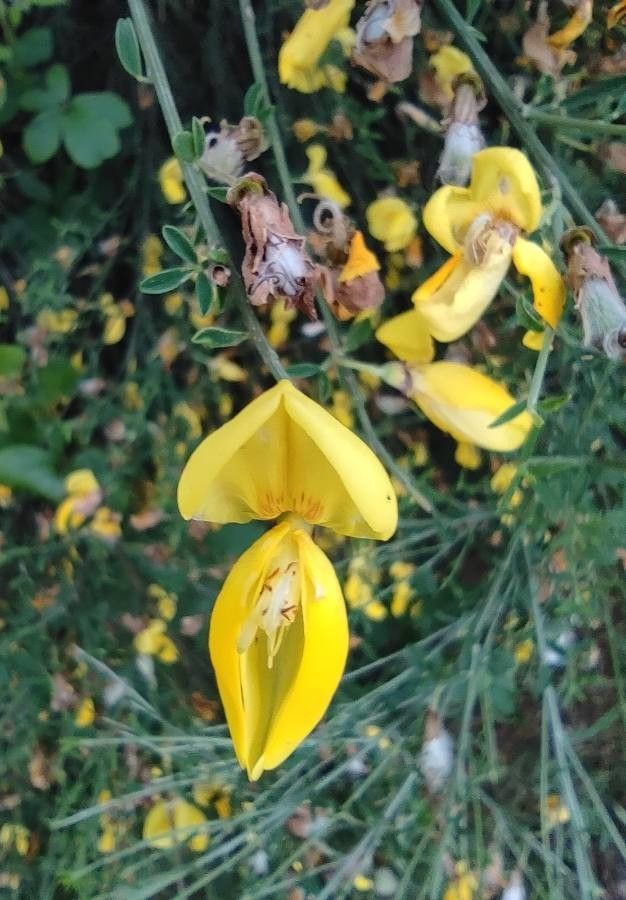
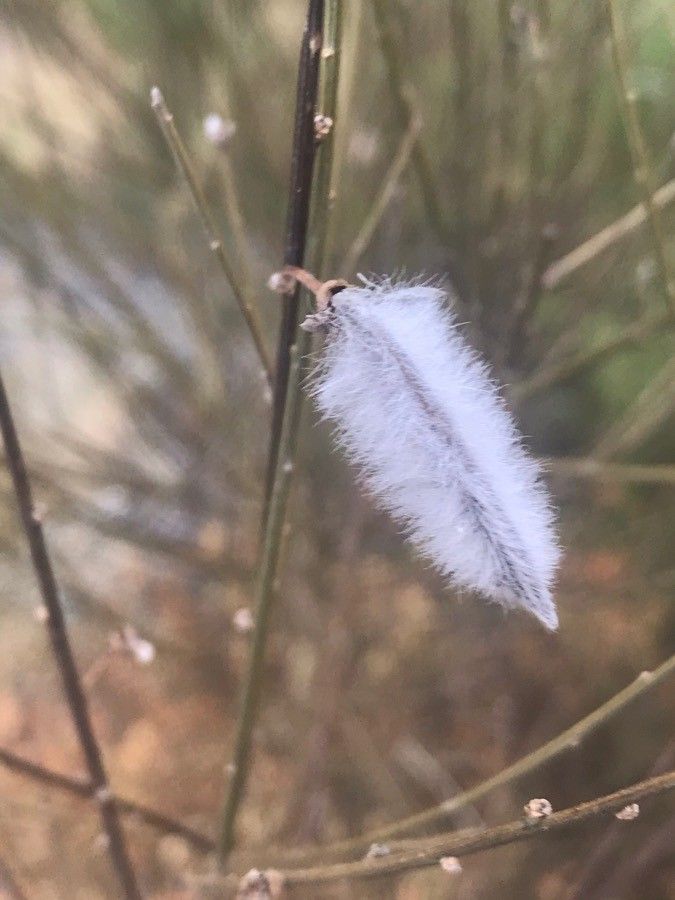
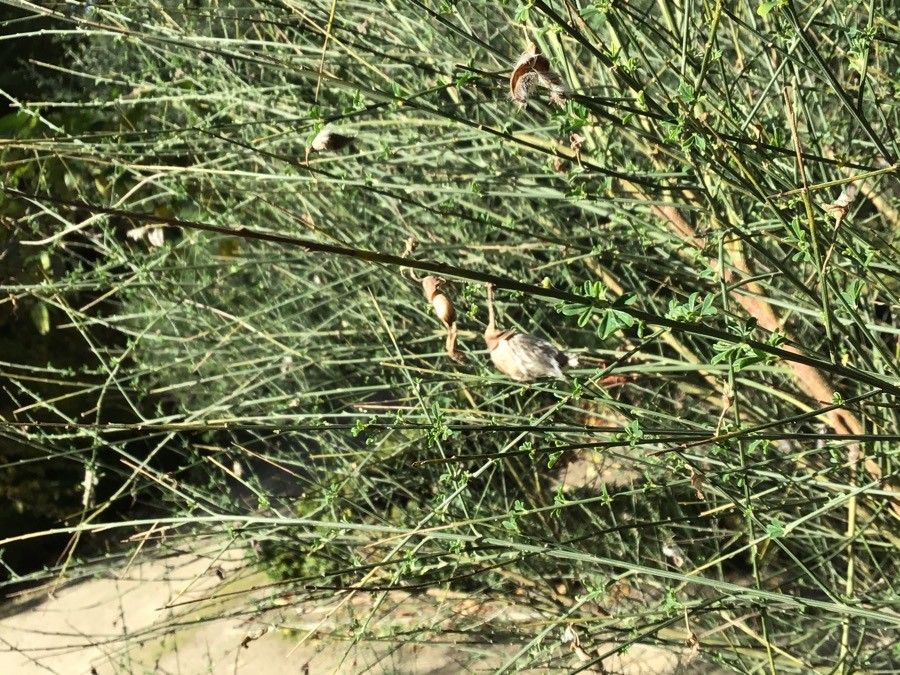
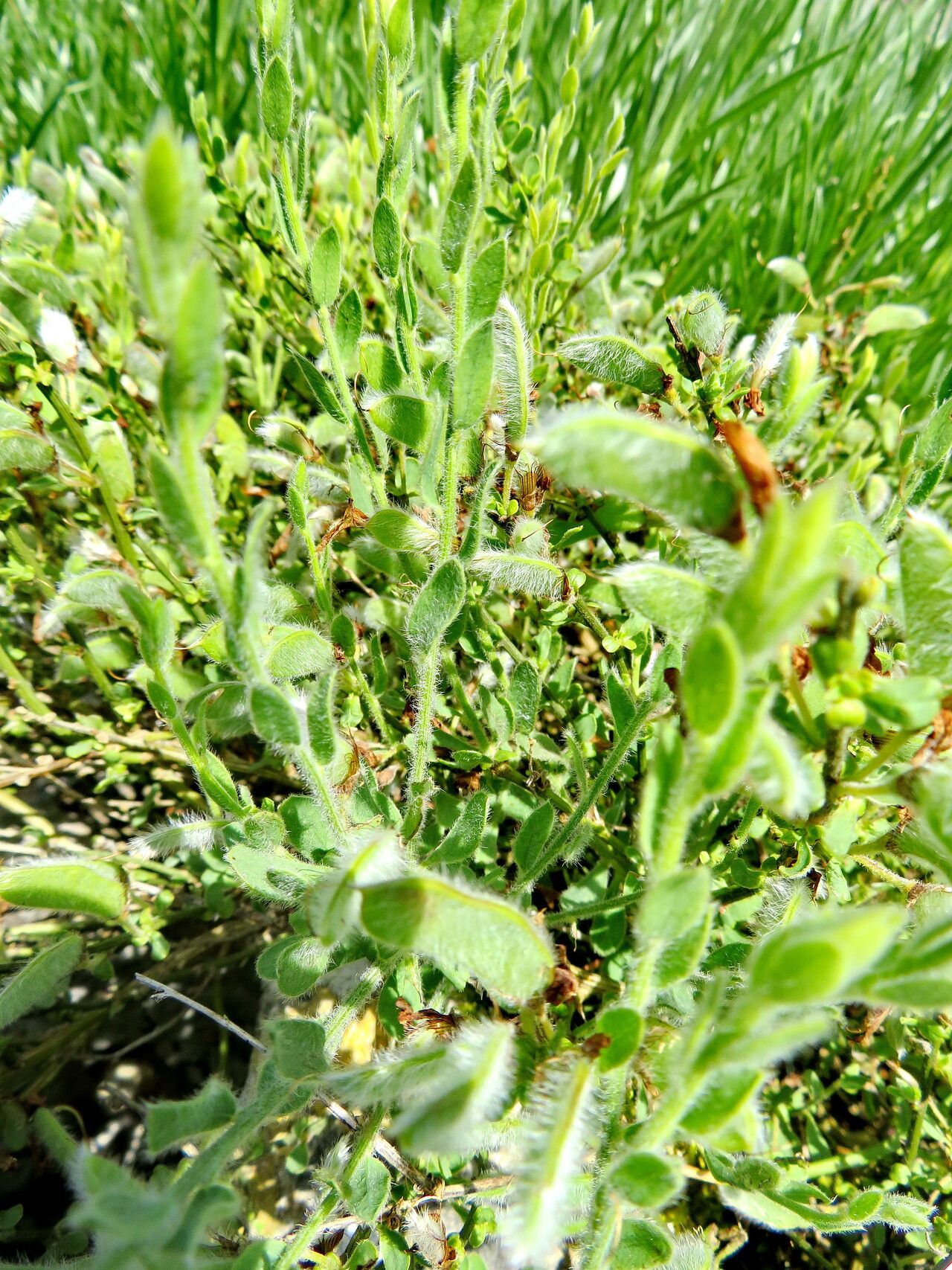
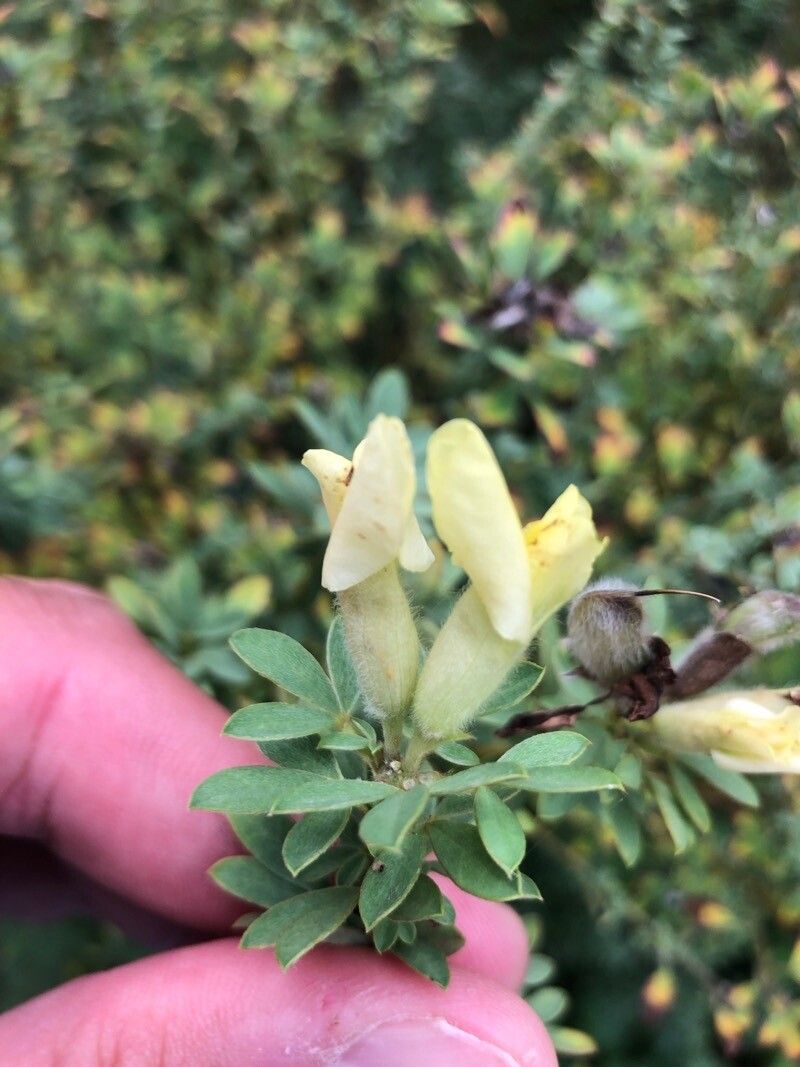
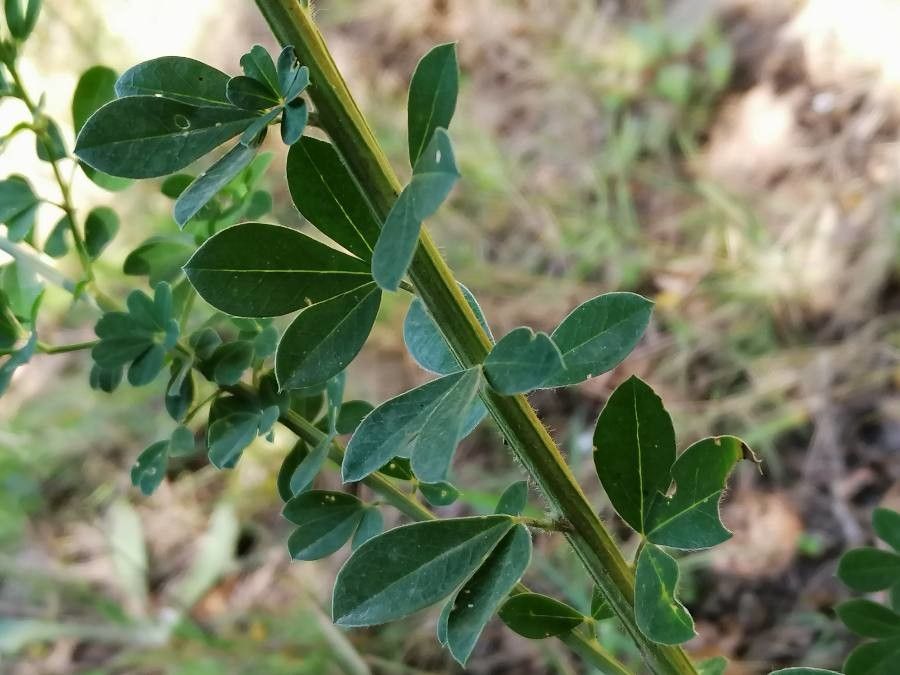
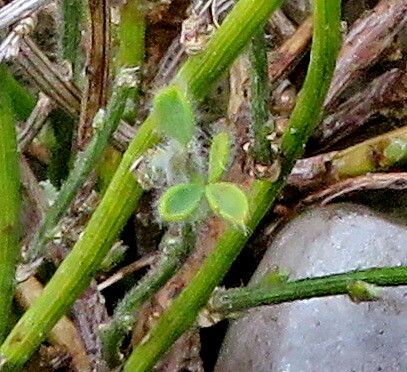
Cytisus striatus is a species of flowering plant in the legume family known by the common names hairy-fruited broom and Portuguese broom. This plant is native to the west of the Iberian Peninsula and northwestern Morocco.
Hairy-fruited broom has strong resistance to disease and is typically not susceptible to illnesses. Regarding maintenance, this species is fairly low-maintenance. When grown outdoors it needs only light watering, and larger specimens usually do not require pruning. Smaller specimens, however, should be trimmed after they finish flowering. Hairy-fruited broom is appropriate for anyone with outdoor space, like a garden or a deck, and does not demand much prior gardening experience.
How to keep Cytisus Striatus.
Light
Hairy-fruited broom occurs in open habitats, like sunny meadows and forest edges, where plenty of light is available. It does best in Full Sun but can also tolerate Partial Sun, adapting well to a range of sunlight conditions.
Water
The hairy-fruited broom, a plant native to the Mediterranean, thrives in areas with moderate rainfall and prefers soil that stays consistently moist without becoming waterlogged. It should be watered twice a week, taking into account natural rain patterns during the growing season to accommodate its increased water needs.
Temperature
Hairy-fruited broom is very adaptable to a wide range of climate conditions, from scorching summers to chilly winters. Nevertheless, it has a preferred temperature range for growth. If temperatures become too high, the plant is susceptible to heat and humidity stress, which can lead to its death. In areas where temperatures near the lower limit of its cold tolerance, taking insulating measures to protect the plant is important.
Fertilizer
Proper timing is essential for fertilizing Hairy-fruited broom. Apply fertilizer in early spring and continue monthly until early summer. Fertilizer promotes attractive blooms and supplies energy during both dormant and active growth phases.
Pruning
The hairy-fruited broom is characterized by its long, arching branches and distinctive hairy pods. To encourage healthy growth and maintain its shape, it is best to prune the plant annually in early spring. During pruning, remove any dead branches and trim back one-third of the old wood to allow for new shoots. This practice not only promotes abundant growth but also prevents the plant from becoming invasive while enhancing the overall health and appearance of your garden.
Botanical profile.
- Plant Type
- Shrub
- Life Cycle
- Perennial
- Genus
- Cytisus
- Family
- Fabaceae
- Hardiness Zone
- 7-10
- Mature Height
- 2.13 m to 3.05 m
- Mature Spread
- 1.52 m to 2.13 m
- Leaf Color
- Dark Green
- Leaf Type
- Deciduous
- Flower Color
- Yellow
- Flower Size
- 1.02 cm to 1.52 cm
- Bloom Time
- Mid spring, Late spring, Early summer
- Planting Time
- Spring, Summer
- Harvest Time
- Mid summer, Late summer, Early fall
- Native Area
- Morocco, Spain, Portugal
Other names.
Reader questions.
What are the sunlight requirements for Hairy-fruited broom?
Hairy-fruited broom (Cytisus striatus) requires specific conditions of sunlight to thrive. For full sun exposure, it needs above 6 hours of sunlight, making it suitable for areas that receive plenty of direct light throughout the day. For partial sun, about 3-6 hours of sunlight is adequate, which is perfect for spots that get a good mix of light and shade. It's essential to observe how sunlight moves through your garden to identify the best spots that offer the right balance for your Hairy-fruited broom, ensuring that the plants receive the ideal conditions for their growth and happiness.
What is the botanical name of the Hairy-fruited broom?
The botanical name of the Hairy-fruited broom is Cytisus striatus. This name helps in identifying the plant accurately and distinguishes it from other species within the broom or Cytisus genus.