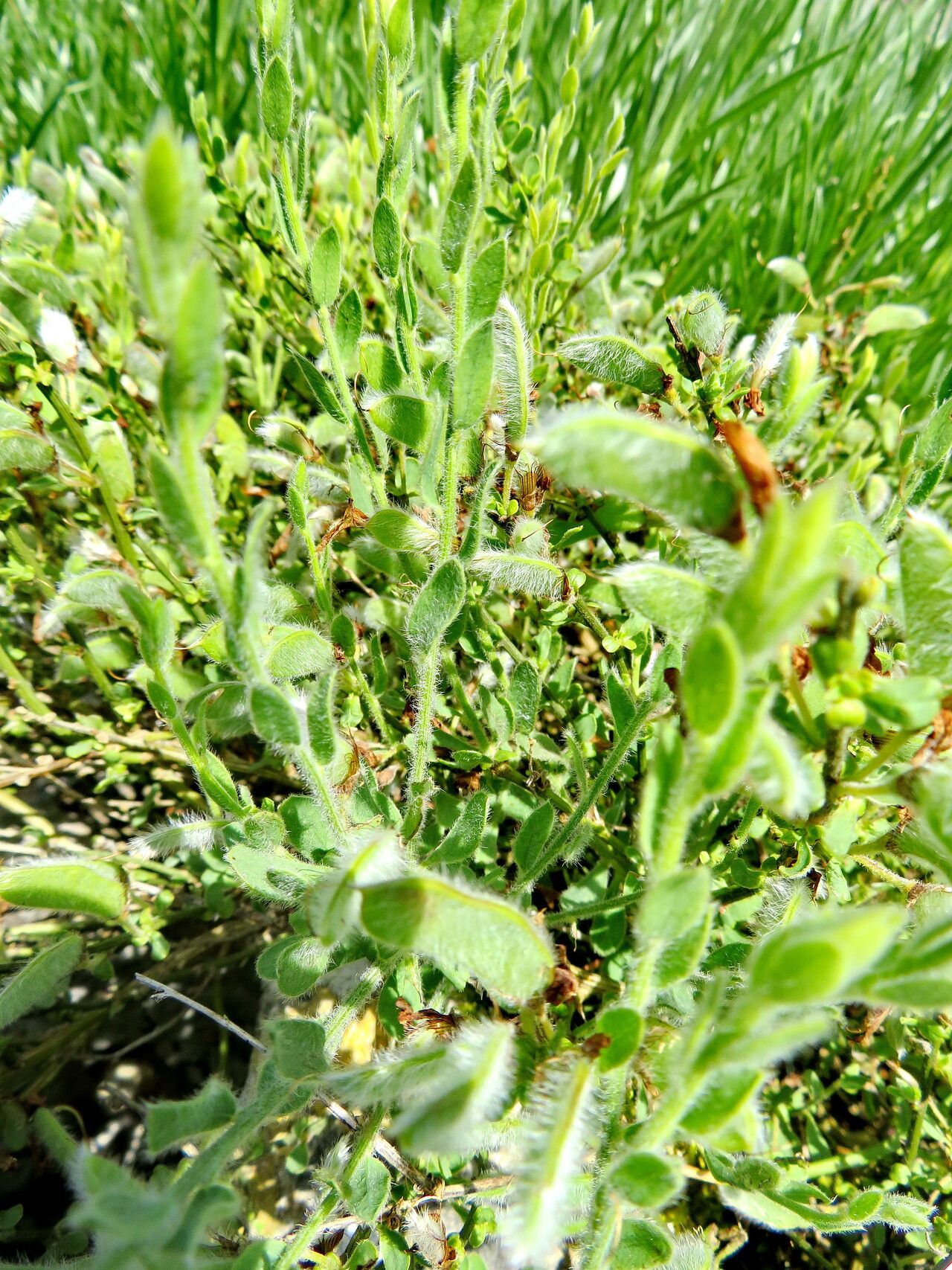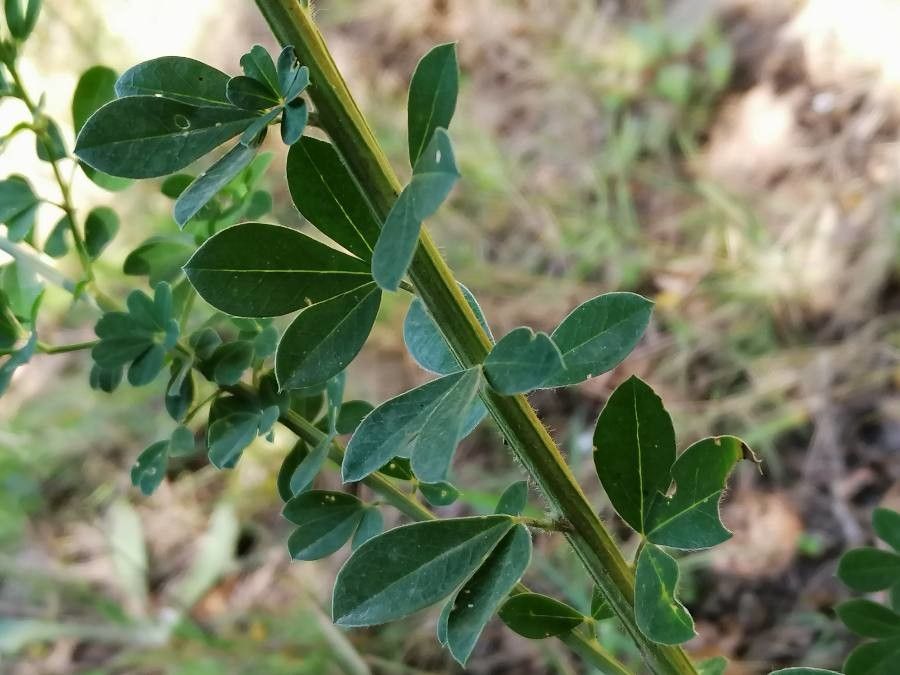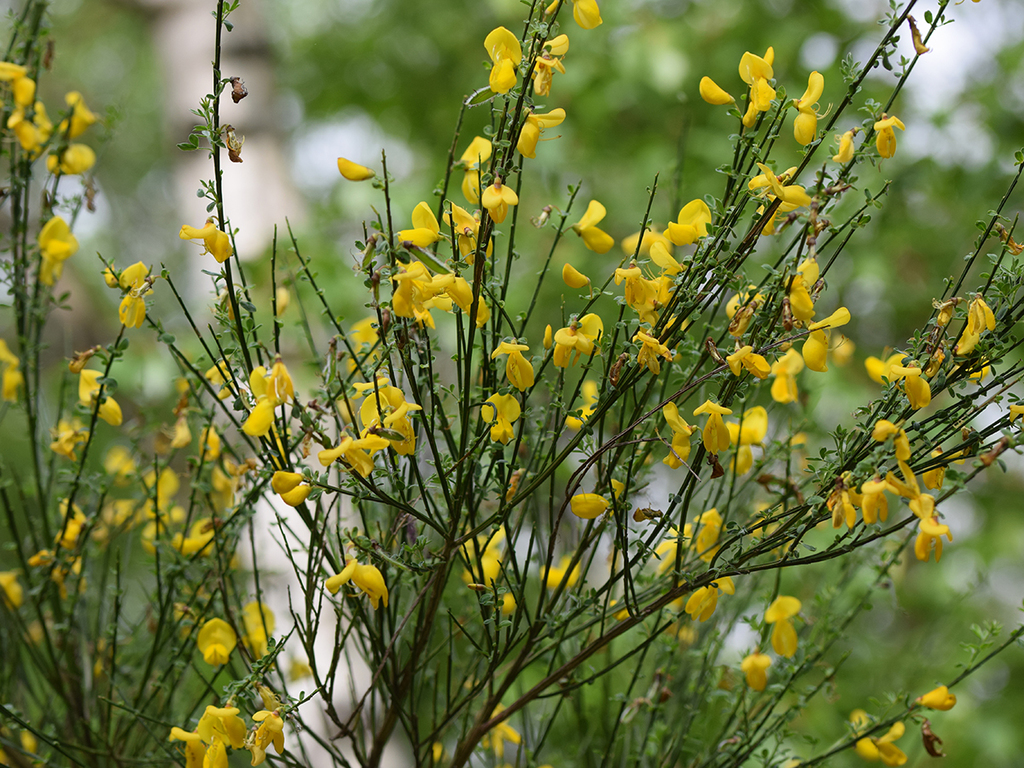
Cytisus scoparius, commonly known as Scotch broom, is a deciduous shrub in the Fabaceae family. Native to Europe, it has been introduced to various parts of the world, including North America and Australia. This plant can grow up to 3 meters tall and has green stems with small, alternately arranged leaves.
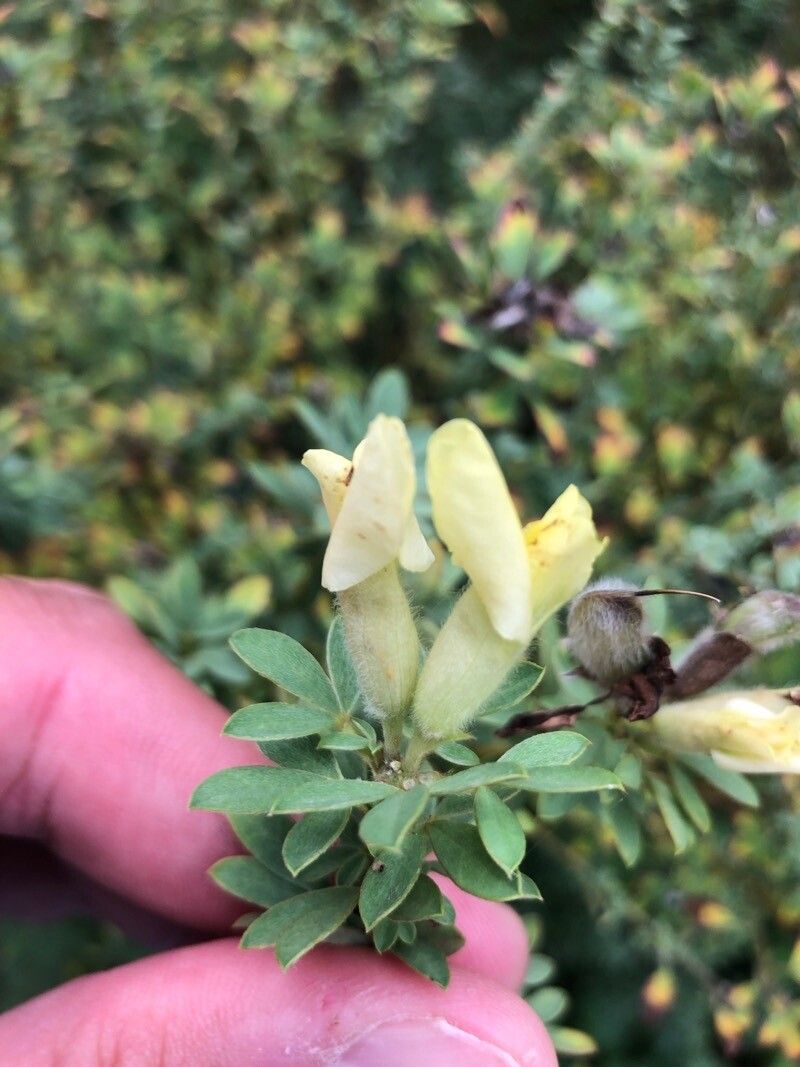
The flowers of Cytisus scoparius are bright yellow, blooming in late spring or early summer. They are pea-shaped and cluster at the ends of branches. Following flowering, the plant produces seed pods, each containing several seeds.
Scotch broom thrives in well-drained soils and full sun but can tolerate some shade. It is a hardy species that can grow in a variety of soil types, including sandy or rocky soils.
Scotch broom is linked to several pieces of folklore. For instance, it was considered a sign of abundance when the plant produced many flowers. In Italy, people burned scotch broom to ward off witches. In other regions, it was used in wedding bouquets as a substitute for rosemary. FUN FACT · FROM THE LIBRARY
Although the bright yellow flowers give Scotch broom some ornamental value, it is considered invasive in many regions. The plant competes vigorously with native species for resources like water and nutrients. Its seeds remain viable for up to 30 years, complicating control efforts once the plant is established.
Despite its invasive nature, Scotch broom has been used historically for its diuretic properties in medicinal contexts. However, caution is advised, as all parts of the plant contain toxic alkaloids that can cause vomiting if ingested by humans or animals.
In summary, Cytisus scoparius is an intriguing species with both beneficial attributes, such as medicinal properties, and significant downsides, including its invasive potential. Careful management is essential when introducing it to areas outside its natural range.
Scotch broom, or English broom, scientifically known as Cytisus scoparius, is a perennial shrub belonging to the legume family and native to western and central Europe. In Britain and Ireland, the plant is commonly called broom, although this name is also used for other species within the Genisteae tribe. In other English-speaking countries, it is primarily referred to as Scotch broom or Scot's broom. In Australia, it is commonly known as English broom. This plant was introduced to the United States from the British Isles and central Europe for use as an ornamental plant and for erosion control.
Common broom is fairly disease-resistant and is usually not susceptible to illnesses. Regarding care, this plant is fairly low-maintenance. When grown outdoors it needs little water, and larger specimens typically do not require pruning. Smaller plants, however, should be trimmed after they finish blooming. Common broom is suitable for anyone with an outdoor area, such as a garden or deck, and does not demand extensive gardening experience.
How to keep Cytisus Scoparius.
Light
Common broom does best in full sun, reflecting the bright conditions of its native habitat. While it can tolerate reduced light, this can lead to slower growth and diminished vigor. Prolonged periods of insufficient light may potentially harm its health.
Water
Scotch broom, a plant native to Western Europe, grows well in dry, sandy soils with minimal rainfall. It requires watering every one to two weeks and benefits from full sun exposure, which helps manage moisture during its growing season.
Humidity
This plant prefers dry conditions, so don't mist it. However, watering it less often can also thrive in higher humidity.
Temperature
The native habitat of common broom indicates it favors temperatures between 5 and 32 ℃ (41 to 89.6 ℉). To cope with seasonal changes, in summer it can endure high temperatures provided it receives adequate water. In winter, common broom tolerates cold and frost, though it may drop some leaves.
Fertilizer
Timing is essential when fertilizing Common broom. Apply fertilizer in early spring and repeat monthly until early summer. Fertilizer encourages attractive blooms and supplies energy during both dormant and active growth periods.
Pruning
Scotch broom is an invasive shrub known for its bright yellow flowers. To manage its growth and prevent it from spreading, prune it in late spring after it has finished flowering. Cut back the old wood to encourage healthy regrowth. Regular pruning will also prevent the plant from becoming leggy and will promote more compact and controlled growth.
Pot & Repot
When repotting Common broom, select a container 1-2 inches (2.5–5.1 cm) larger with good drainage. Use a well-draining potting mix. Repot in spring or fall, making sure the root ball sits slightly below the rim of the flower pot. Water thoroughly after repotting and place it in a warm spot with indirect sunlight.
Botanical profile.
- Plant Type
- Shrub
- Life Cycle
- Perennial
- Genus
- Cytisus
- Family
- Fabaceae
- Hardiness Zone
- 5-8
- Mature Height
- 0.91 m to 3.05 m
- Mature Spread
- 1.22 m to 2.44 m
- Leaf Color
- Green
- Leaf Type
- Deciduous
- Flower Color
- Yellow, Gold
- Flower Size
- 1.52 cm to 2.03 cm
- Bloom Time
- Late spring, Early summer
- Planting Time
- Spring, Autumn
- Harvest Time
- Mid summer
- Native Area
- Sweden, Austria, Czech Republic, Slovakia, Bulgaria, Poland, Greece, Croatia, Slovenia, North Macedonia, Belarus, Serbia, Norway, Germany, Portugal, Italy, Spain, Switzerland, Denmark, Estonia, Bosnia and Herzegovina, France, Albania, Ireland, United Kingdom, Hungary, Latvia, Belgium, Netherlands
Other names.
Reader questions.
How should I water my Scotch broom plant?
To promote excellent root development, consider placing a garden hose at the base of the plant rather than directly spraying the leaves. If your plants are outdoors and exposed to direct sunlight, their leaves will need more watering. To moisten the roots effectively, you can use bubblers or soaker hoses. When adding or removing plants, use soaker hoses that cover the entire garden or bed to ensure deep root penetration. After watering, make sure to drain any excess water and allow the soil to dry before watering again. To prevent diseases, water at ground level rather than spraying the foliage. On a sunny day, it may be beneficial to spray the entire bush with water. Whether your Scotch broom is in a pot or planted in the ground, remember that deep watering is preferable to light sprinkling.
Why should I put fertilizer on my Scotch broom?
Fertilizing your Scotch broom is important for several key reasons. Firstly, it will greatly enhance the production of beautiful blooms. It is especially beneficial to fertilize in early spring to ensure abundant flowers during that season. Additionally, fertilizer provides your Scotch broom with ample energy that it can store in the ground during dormant growth phases. By giving your Scotch broom additional nutrients during fall planting or late spring, it will have more energy reserves to support active growth when it resumes.
What are the sunlight requirements for Scotch broom?
Scotch broom (Cytisus scoparius) thrives best under full sun exposure, which means it needs more than 6 hours of sunlight daily. It can also adapt to partial sun conditions, requiring about 3-6 hours of sunlight. However, less sunlight may result in slower growth rates, decreased vigor, and potentially detrimental impacts on its health. It's important to observe how sunlight moves through your garden to find the perfect spot that provides a balance of light and shade to ensure the plant's happiness.
What are the ideal growth conditions for Scotch Broom?
Scotch Broom, or Cytisus scoparius, thrives in temperatures ranging from 5 to 32°C (41 to 89.6°F). It has a strong ability to endure high temperatures during summer as long as there is sufficient water supply. The plant can also withstand cold and frost in winter without significant damage, and it naturally has a strong resistance to cold, rarely requiring special frost protection measures. However, when winter temperatures are expected to fall below the plant's cold tolerance limit, it's advisable to protect it by wrapping its trunk and branches in non-woven fabric or cloth. Additionally, watering the plant abundantly before the first freeze in autumn helps keep the soil moist, preventing drought stress.
What should I do if I give too much or too little water to Scotch broom?
If you overwater your Scotch broom, its leaves will turn yellow, drop off, and wilt. The plant will also look dull and unhealthy, with mushy stems. Adjust your watering schedule when you see these signs. Conversely, wilting can also be a sign of under-watering. The leaves will become crispy and dry in this case, while overwatered leaves will be soft and wilted. If the soil is dry and watering alone is not enough, give the plant a full watering. However, even with enough water, the Scotch broom may still appear dry with yellow leaves due to a damaged root system. Once it recovers, the yellowing will stop. Check the moisture levels when growing Scotch broom indoors. Avoid overwatering and watch for black spots. If you see them, let the soil dry out in the pot for a few days. Overwatering can lead to root rot, so consider transferring the plant to a different pot if you notice discolored and slimy roots. Always try to prevent root rot and avoid overly soggy soil. When planting Scotch broom outdoors, dig a little deeper. If the soil feels too dry when you check with your fingers, it may be underwatering, so ensure the plant receives adequate watering for recovery.
What is the right time to fertilize my Scotch broom plant?
Timing is essential for fertilizing Scotch broom. Using fertilizer too early, while the plant is still dormant, is ineffective as it will be washed away by rainwater, resulting in waste and pollution. The first application of fertilizer should occur in early spring, followed by monthly applications until early summer.
How does artificial lighting support indoor Scotch broom plants?
For indoor Scotch broom plants, artificial lighting can be crucial for optimal growth, especially when natural sunlight is insufficient. LED lights are recommended due to their ability to provide specific wavelengths needed for plant growth. Full sun plants require 30-50W per square foot, partial sun plants need 20-30W per square foot, and full shade plants need 10-20W per square foot of artificial light. The light source should be placed 12-36 inches above the plant, and most plants benefit from 8-12 hours of light per day, mimicking natural daylight hours for optimal growth.
How does low temperature affect Scotch Broom, and what solutions are available?
Scotch Broom is cold-tolerant, performing best when the temperature stays above its minimum growth threshold. During winter, it's essential to keep the plant above its tolerable cold limit. If temperatures drop below its critical cold threshold, the plant might not show immediate distress, but come spring, its branches could turn brittle and dry, and no new shoots will appear. The solution for such damage involves pruning away the dead branches in spring to encourage new growth.
How often should I give water to my Scotch broom?
The Scotch broom plant prefers deep and infrequent watering, particularly when planted in pots. In this case, it is recommended to soak them with a gallon of water each time, as the limited water storage in pots causes the soil to dry out faster. If you live in a cold region, watering every 3 to 5 days is necessary. It's best to do this early in the morning when the soil is dry. To determine if watering is needed, check the soil inside by seeing if the top 2-3 inches are dry. On hot days, moisture levels should be checked daily, as the heat can quickly dry out the pot's soil. If you have a garden, soil irrigation is required. In a hot climate, watering once a week may be sufficient. Only water if you notice that about 2 to 3 inches of soil are dry, and be mindful of any rainfall to avoid root rot. Scotch broom typically grows in spring and fall. If the plants are outdoors, adding a 3 to 4-inch layer of mulch helps conserve water. Sandy soil requires more frequent watering due to its faster drainage, whereas clay soil can go for 2-3 days without water to avoid root rot. A helpful tip is to mark the date on the calendar each time you water and pay attention to drooping leaves, as this could indicate a day overdue for watering.
When is the best time to not use fertilizer on my Scotch broom plant?
To ensure proper blooming, it is important to use a fertilizer for Scotch broom that has a lower amount of nitrogen compared to other nutrients. Avoid fertilizing after early autumn, as this can encourage excessive growth just before winter. Additionally, refrain from fertilizing during hot and dry periods, as dry soil does not effectively deliver fertilizer and can stimulate growth that requires more water. It is best to apply fertilizer when temperatures are cooler. Lastly, be mindful that Scotch broom can absorb fertilizer intended for nearby plants or lawns, so take precautions to avoid unintentionally over-fertilizing.
What are the symptoms of insufficient light in Scotch broom plants?
Scotch broom plants exhibit several symptoms when exposed to suboptimal lighting. These include small, new leaves that are smaller than mature ones, leggy or sparse growth indicating elongated spaces between leaves or stems, early dropping of older leaves to conserve resources, slower or halted growth as the plant enters survival mode, paler new leaves due to lack of chlorophyll and essential nutrients, and specific conditions such as chlorosis (leaves turning yellow), sunscald (damage from intense sunlight), leaf curling (to minimize water loss), wilting (loss of turgor pressure), and leaf scorching (brown, dry edges on leaves due to excessive sunlight).
What should be done if Scotch Broom experiences high temperature?
During summer, it's crucial to keep Scotch Broom's temperature below its maximum suitable growth level. Exceeding its tolerable high temperature can cause the leaves to lighten in color, tips to dry and wither, and increase the risk of sunburn. To counteract these effects, trim away the damaged parts and relocate the plant to a shaded area or employ shade cloth to protect it from midday and afternoon sun. Adequate watering in the morning and evening is also essential to maintain soil moisture and mitigate the stress caused by high temperatures.